
Driving Theory
British Driving Theory Courses

Lesson 2 of the Alcohol, Drugs, Fatigue, Penalties, Emergencies and Responsible Driving unit

GB Category B Theory: Drug Influence, Prescription Medications, and Illicit Substances

This lesson explores the serious legal and safety implications of driving under the influence of drugs. You will learn how both illegal substances and common prescription medications can affect your driving ability, a critical topic for the Great Britain Category B theory test.
driver fitnessdrug drivingtheory test prepCategory Broad safety
GB Category B Theory: Drug Influence, Prescription Medications, and Illicit Substances

Lesson content overview

GB Category B Theory

Driving Under the Influence of Drugs: Illicit Substances, Prescription, and OTC Medications Explained

Driving safely requires complete concentration, quick reaction times, and sound judgment. Any substance that impairs these abilities poses a significant risk to road users. This lesson, designed for Great Britain Category B Learner Drivers, explores the critical dangers and legal consequences of driving under the influence of drugs, encompassing illicit substances, legally prescribed medications, and even common over-the-counter remedies. Understanding these risks is not only crucial for passing your theory test but also for ensuring lifelong safe driving practices and avoiding severe legal penalties.

Understanding Drug-Induced Impairment and Driving Risk

Impairment is any reduction in a driver's ability to safely operate a vehicle. This can be due to a drug’s pharmacological effects, which alter perception, cognition, reaction time, or motor coordination. When you are behind the wheel, your brain needs to process vast amounts of information, make rapid decisions, and execute precise actions. Drugs can interfere with these vital processes, leading to increased crash risk. The law in Great Britain reflects this, treating drug-impaired driving with the same seriousness as alcohol-impaired driving.

Warning

Your responsibility as a driver is to ensure you are always fit to drive. This means assessing yourself for any impairment before getting behind the wheel, whether from alcohol, drugs, fatigue, or illness.

How Drugs Affect Your Driving Abilities

Different types of drugs can impact your driving in various ways, but all impair your capacity to drive safely. Common effects include:

  • Slowed Reaction Times: Drugs can delay the speed at which your brain processes information and sends signals to your muscles, increasing your stopping distance significantly.
  • Impaired Judgment and Decision-Making: You might misjudge distances, speeds, or the intentions of other road users, leading to dangerous maneuvers or failing to anticipate hazards.
  • Reduced Coordination: Drugs can affect your ability to steer, brake, and change gears smoothly and accurately, making vehicle control difficult.
  • Distorted Perception: Your vision, hearing, and sense of balance can be altered, leading to blurred vision, tunnel vision, or hallucinations.
  • Increased Risk-Taking: Some drugs can induce a false sense of confidence or invincibility, leading you to take unnecessary risks.
  • Drowsiness and Fatigue: Many drugs cause sedation, leading to nodding off at the wheel or reduced alertness.

Illicit drugs are substances that are illegal to possess, distribute, or consume without a valid prescription. Driving under the influence of any illicit drug is a serious criminal offence in Great Britain, punishable by severe penalties including fines, driving disqualification, and imprisonment.

Types of Illicit Drugs and Their Effects on Driving

Illicit drugs can be broadly categorised by their primary effects on the central nervous system:

  • Stimulants (e.g., cocaine, MDMA, amphetamines): These drugs speed up the body's functions. While they might initially make you feel more alert, they can lead to over-confidence, aggressive driving, reduced impulse control, restlessness, and blurred vision. The subsequent 'comedown' can cause extreme fatigue and impaired concentration.
  • Depressants (e.g., heroin, benzodiazepines without prescription, some tranquilizers): These drugs slow down brain activity. They cause drowsiness, slowed reaction times, poor coordination, impaired judgment, and reduced ability to concentrate. This significantly increases the risk of falling asleep at the wheel or failing to react to hazards.
  • Hallucinogens (e.g., LSD, magic mushrooms): These substances alter perception, thoughts, and feelings. They can cause severe distortions of reality, hallucinations, impaired depth perception, and confusion, making driving utterly impossible and extremely dangerous.
  • Cannabis (THC): Often mistakenly considered less harmful, cannabis significantly impairs driving ability. It slows reaction times, reduces concentration, distorts perception (especially of time and distance), and can induce drowsiness or panic. Even if you don't feel "high," your driving performance can still be compromised.

Warning

There is no safe amount of an illicit drug to consume before driving. Any use poses a risk to yourself and other road users.

Zero-Tolerance Policy for Illicit Drugs

Great Britain operates a zero-tolerance approach to drug driving for many illicit substances. This means that if you are caught with certain drugs in your system above specific legal limits, you can be prosecuted even if you don't feel impaired. For other substances, if your driving is impaired by any drug, you will face charges. Police have powers to test drivers suspected of drug driving.

Definition

Zero Tolerance

A policy where specific drug concentration thresholds are set by law. Exceeding these thresholds, or driving while impaired by any drug, can lead to prosecution regardless of whether the driver feels impaired.

Prescription Medications: Driving Responsibilities

Even legally prescribed medications can severely impair your ability to drive. Many common prescription drugs have side effects that affect driving performance, such as drowsiness, blurred vision, dizziness, or slowed reactions. Your responsibility is to always be aware of how your medication affects you before driving.

Common Impairing Prescription Drugs

A wide range of prescription drugs can affect driving. These include, but are not limited to:

  • Central Nervous System (CNS) Depressants: Such as certain strong painkillers (opioids like codeine, morphine), anti-anxiety medications (benzodiazepines like diazepam), and some sleeping pills. These drugs cause sedation, slow down reaction times, and impair coordination.
  • Central Nervous System (CNS) Stimulants: Medications for Attention Deficit Hyperactivity Disorder (ADHD) like methylphenidate can, in some individuals, cause over-excitability, impulsivity, or affect judgment.
  • Antihistamines: Some older generation antihistamines prescribed for allergies can cause significant drowsiness.
  • Antidepressants and Antipsychotics: These can have sedative effects, especially when first starting treatment or changing doses.
  • Muscle Relaxants: Often cause drowsiness and reduce coordination.

Reading Prescription Labels and Seeking Advice

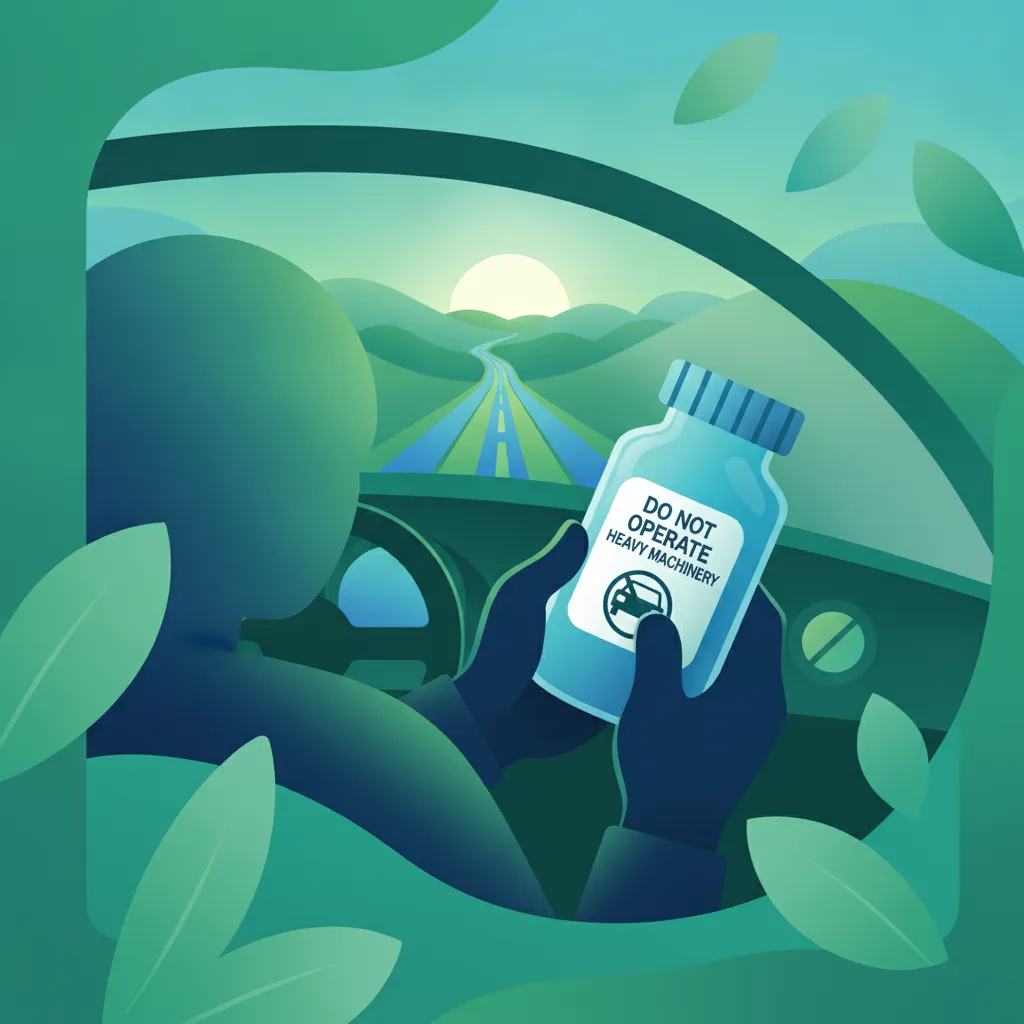
It is mandatory for prescription medication packaging in Great Britain to display a clear warning if the drug can impair driving. These warnings are crucial and must be heeded. You should:

  1. Read the Patient Information Leaflet (PIL): This leaflet, found inside the medication packaging, provides detailed information about potential side effects, including those affecting driving.
  2. Look for Warning Labels: Be alert for symbols or text warnings on the packaging, such as "Do not drive if you feel drowsy" or "May cause drowsiness."
  3. Consult Your Doctor or Pharmacist: If you are prescribed a new medication or are unsure about its effects on your driving, always ask your healthcare professional for advice. They can explain the risks and discuss alternatives or adjustments.

Tip

When starting a new medication, avoid driving for the first few days until you understand how it affects you. Even if it's "non-drowsy," individual reactions can vary.

Over-the-Counter (OTC) Medications: Hidden Risks

Just because a medication can be bought without a prescription doesn't mean it's safe to drive after taking it. Many over-the-counter (OTC) medicines contain active ingredients that can cause impairment, similar to prescription drugs.

Sedating OTC Drugs and Their Impact

Common OTC medications with the potential to impair driving include:

  • First-Generation Antihistamines: Found in many cold, flu, and allergy remedies (e.g., diphenhydramine, chlorphenamine). These are known to cause significant drowsiness and slowed reaction times. Always choose "non-drowsy" or "non-sedating" alternatives if you need to drive.
  • Cough Syrups: Some cough suppressants contain ingredients that can cause sedation or dizziness.
  • Sleep Aids: Many OTC sleep aids contain sedating antihistamines and are designed to make you drowsy. Driving after taking these is extremely dangerous.
  • Painkillers with Codeine: Even low-dose combinations of painkillers with codeine (e.g., co-codamol) can cause drowsiness or dizziness in some individuals.
Definition

First-Generation Antihistamine

An older class of antihistamine medication that readily crosses the blood-brain barrier, leading to sedative side effects such as drowsiness.

Checking OTC Packaging for Driving Warnings

Like prescription drugs, OTC products known to cause impairment must display a clear warning on their packaging. Always:

  • Read the Label: Carefully check the dosage instructions and any warnings regarding driving or operating machinery.
  • Speak to a Pharmacist: If you are buying an OTC medication and plan to drive, ask the pharmacist if it will affect your ability to drive safely. They are obliged to advise you on potential impairments.

Ignoring these warnings, even for common ailments like a cold or hay fever, can lead to serious accidents and legal consequences.

Police Roadside Drug Testing Procedures

Police in Great Britain have legal powers to stop and test drivers they suspect are driving under the influence of drugs. These procedures are designed to detect drug presence and determine if a driver is over the legal limit or impaired.

Saliva and Blood Tests: What to Expect

If an officer suspects you are under the influence of drugs (e.g., due to erratic driving, slurred speech, dilated pupils, or the smell of cannabis), they may:

  1. Conduct a Field Impairment Test: This might involve asking you to perform simple tasks like walking in a straight line or balancing on one leg, to assess your coordination and balance.
  2. Request a Roadside Drug Test: This usually involves a saliva swab (oral fluid test) which can quickly detect the presence of common drugs like cannabis and cocaine. If this test is positive or there's other evidence of impairment, you will likely be arrested.
  3. Take You to a Police Station for Further Testing: At the station, a specially trained officer will request a blood sample or sometimes a urine sample for a more accurate and comprehensive analysis. This is the confirmatory test used as evidence in court.

Note

You have the right to request a second sample for independent analysis if a blood test is taken.

Consequences of Refusing a Drug Test

Refusing to provide a specimen (saliva, blood, or urine) when requested by a police officer, without a reasonable medical excuse, is a criminal offence in itself. This refusal can lead to:

  • Immediate Arrest: You will be taken into custody.
  • Further Legal Action: You can be charged with the offence of failing to provide a specimen, which carries the same severe penalties as drug driving, including a driving disqualification.
  • Presumption of Guilt: Your refusal can be used as evidence against you in court, implying you had something to hide.

For several commonly abused drugs and some prescription medications, Great Britain has established specific legal limits for the concentration of the substance in your blood (or oral fluid for initial tests). Exceeding these limits, even if you don't feel impaired, constitutes a statutory offence.

THC (Cannabis) Driving Limits

  • Legal Limit: 280 micrograms per litre (µg/L) of THC in blood, or 35 nanograms per millilitre (ng/mL) in oral fluid.
  • Implication: Even if you consumed cannabis many hours ago, THC can remain in your system above the legal limit due to its slow metabolism. This means you could still be prosecuted for drug driving.
Definition

THC

Tetrahydrocannabinol, the primary psychoactive component of cannabis, responsible for its intoxicating effects.

Cocaine Driving Limits

  • Legal Limit: 10 micrograms per litre (µg/L) of cocaine in blood, or 150 nanograms per millilitre (ng/mL) in oral fluid.
  • Implication: Cocaine is a stimulant that can cause dangerous over-confidence and impulsivity. Exceeding this limit leads to a drug driving offence.

Opiate Driving Limits

  • Legal Limit: 10 micrograms per litre (µg/L) of opiates in blood, or 2 micrograms per litre (µg/L) in urine.
  • Implication: This limit applies to illicit opiates like heroin, as well as prescribed opioids. If you are taking prescribed opioids, you must ensure you are below this limit and that your driving is not impaired. If your doctor has prescribed you medication and you're above the limit but driving safely, you can raise a "medical defence", but this can be complex.

Warning

Legal limits are strict. Factors like metabolism, body weight, and frequency of use can affect how long drugs stay in your system. There's no reliable way to calculate when you'll be below the limit.

Interaction Effects: Combining Substances

The danger of drugs is significantly amplified when combined with other substances, including alcohol or even other medications. These "interaction effects" can lead to far greater impairment than either substance would cause on its own.

Alcohol and Drug Combinations

Mixing alcohol with drugs (illicit, prescription, or OTC) is extremely hazardous. Alcohol is a central nervous system depressant, and when combined with other depressants (like opioids, benzodiazepines, or sedative antihistamines), the combined effect is far more potent, leading to:

  • Severely slowed reaction times.
  • Profound drowsiness or loss of consciousness.
  • Greatly reduced coordination and judgment.
  • Increased risk of microsleeps (brief, involuntary periods of sleep).

Even small amounts of alcohol can become dangerous when combined with certain medications. Always avoid alcohol if you are taking any medication that warns against driving.

Multiple Medications and Driving Risk

Taking multiple medications, even if each individually seems safe, can also create dangerous interaction effects. This is particularly true if you are prescribed drugs by different doctors who may not be aware of all your medications.

Tip

Always inform your doctor and pharmacist about all medications you are taking, including OTC drugs and herbal supplements, to prevent dangerous interactions.

Penalties for Drug Driving Offences in Great Britain

The penalties for drug driving offences in Great Britain are severe and are designed to deter unsafe driving practices. If you are convicted of drug driving, you could face:

  • Driving Disqualification: An automatic minimum 1-year driving ban. Repeat offenders face longer bans (e.g., 3 years for a second offence within 10 years).
  • Unlimited Fine: The amount of the fine is determined by the court and can be substantial.
  • Imprisonment: Up to 6 months in prison for a first offence.
  • Penalty Points: Up to 10 penalty points on your driving licence. Accumulating 12 or more points within 3 years can lead to a further disqualification.
  • Criminal Record: A drug driving conviction results in a criminal record, which can impact employment, travel, and insurance.
  • Increased Insurance Premiums: Car insurance costs will likely increase significantly, and some insurers may refuse to cover you.

Situational Factors and Increased Risk

The dangers of drug-impaired driving are not static; they are significantly amplified by various external factors. An impaired driver's reduced abilities become even more critical in challenging conditions.

Driving in Adverse Conditions

  • Rain, Fog, Snow, Ice: These conditions already reduce visibility and grip, demanding heightened concentration and faster reactions. Drug-induced slower reaction times and impaired vision become catastrophic in such environments, making it far harder to avoid skidding or reacting to sudden hazards.
  • Night Driving: Reduced light naturally limits visibility. Drug-impaired vision, especially effects like blurred vision or tunnel vision, drastically increases the risk of not seeing pedestrians, cyclists, or unlit obstacles until it's too late.
  • Motorways: High speeds on motorways require rapid decision-making and constant vigilance. Drug impairment at these speeds dramatically increases stopping distances and the likelihood of severe collisions.
  • Urban Streets: Complex traffic, numerous junctions, and unpredictable pedestrians demand constant situational awareness. Drugs reduce your ability to process this complex information and react appropriately.

Vulnerable Road Users and Impaired Driving

Drug-impaired drivers are a particular threat to vulnerable road users, who have no physical protection in a collision.

  • Pedestrians and Cyclists: Impaired judgment and slowed reactions make it much harder to perceive the quick, unpredictable movements of pedestrians and cyclists, leading to a much higher risk of serious injury or fatality.
  • Motorcyclists: Their smaller size means they can be easily overlooked. Drug-related peripheral vision impairment significantly increases the chance of not seeing a motorcyclist.

Vehicle State and Drug Influence

  • Heavy Load or Trailer: Driving with a heavy load or towing a trailer already increases stopping distances and requires more careful handling. Drug-related delayed braking and impaired coordination compound these challenges, making control extremely difficult and increasing the risk of overruns or jack-knifing.
  • Vehicle Maintenance Issues: If your vehicle has minor defects (e.g., slightly worn tyres, less efficient brakes), the margin for error is already reduced. Combine this with drug-induced slow reactions, and the probability of an accident occurring due to failing to compensate for the vehicle's state becomes much higher.

Driver's Duty of Care and Self-Assessment

As a driver, you have a legal and ethical "duty of care" to yourself, your passengers, and all other road users. This means you must not drive if you are not in a fit state to do so. This obligation extends to evaluating your fitness after taking any substance.

Definition

Driver Duty of Care

The legal and ethical obligation of a driver to operate their vehicle safely and responsibly, safeguarding themselves and others from harm.

Performing a Self-Assessment

Before driving, ask yourself:

  • Do I feel fully alert and attentive?
  • Is my vision clear and unobstructed?
  • Are my reflexes quick and my coordination normal?
  • Am I feeling drowsy, dizzy, or disoriented in any way?
  • Have I read the warnings for all medications (prescription or OTC) I have taken?
  • Have I consumed any alcohol or illicit substances?

If the answer to any of these questions raises a concern, the safest decision is to avoid driving. Arrange alternative transport, wait until the effects have fully worn off, or consult a medical professional. Your life, and the lives of others, depend on your judgment.

Essential Vocabulary

Learn more with these articles

Check out these practice sets


Search topics related to Drug Influence, Prescription Medications, and Illicit Substances

Explore search topics learners often look for when studying Drug Influence, Prescription Medications, and Illicit Substances. These topics reflect common questions about road rules, driving situations, safety guidance, and lesson level theory preparation for learners in Great Britain.

can I drive on prescription medication UKdriving under the influence of drugs theory testDVSA theory test rules on drugs and drivinghow to tell if medicine affects driving safetyillegal drug driving limits Great BritainCategory B theory test questions on driver fitness

Related driving theory lessons for Drug Influence, Prescription Medications, and Illicit Substances

Browse additional driving theory lessons that cover connected traffic rules, road signs, and common driving situations related to this topic. Improve your understanding of how different rules interact across everyday traffic scenarios.

Prescription Medications and Driving Rules in Great Britain

Understand the legal implications of driving while taking prescription drugs. Learn how to check for driving warnings on medication, consult healthcare professionals, and ensure you meet the legal requirements for fitness to drive in the UK.
prescription medicationdrug drivinglegal obligationsroad safetydriver fitness
Influence of Alcohol and Drugs on Riding lesson image

Influence of Alcohol and Drugs on Riding

This lesson covers the strict laws and significant safety risks associated with drink and drug riding. It explains the legal blood alcohol limits in Great Britain, the procedures for roadside testing, and the severe penalties for infringement, including fines, disqualification, and imprisonment. You will also learn how various substances, including some prescription medications, can dangerously impair your riding ability.
Motorcycle Theory GBProtective Equipment, Visibility and Rider Condition
View lesson
Substance Use, Distractions, and Peer Pressure lesson image

Substance Use, Distractions, and Peer Pressure

This lesson addresses the critical safety topics of impairment, distraction, and social pressures. It explains how alcohol and drugs severely affect judgment, coordination, and reaction time, outlining the strict legal limits and harsh penalties in Great Britain. The content also covers modern distractions like mobile phones and the importance of resisting negative peer pressure to maintain focus and make responsible decisions as a rider.
GB AM Moped TheoryWeather, Risk Behaviour, Emergencies and Penalties
View lesson
Legal Limits for Alcohol and Impairment Effects lesson image

Legal Limits for Alcohol and Impairment Effects

This lesson explains the legal alcohol limits for drivers in England, Wales, and Scotland. It highlights how even a small amount of alcohol can negatively affect your coordination, vision, and judgement, significantly increasing your risk of an accident. The severe penalties for drink driving, including fines, driving bans, and imprisonment, are also detailed.
GB Category B TheoryAlcohol, Drugs, Fatigue, Penalties, Emergencies and Responsible Driving
View lesson
Liability, Insurance, and Penalties lesson image

Liability, Insurance, and Penalties

Explore the critical topics of driver liability, insurance, and legal penalties in Great Britain. This lesson distinguishes between civil and criminal liability in the context of road incidents. It details the compulsory third-party insurance every driver must have and explains the penalty points system for traffic offences, including fines and potential disqualification.
GB Category B TheoryCategory B Licence Basics and Driver Responsibility
View lesson
Penalties, Penalty Points, and Disqualification Processes lesson image

Penalties, Penalty Points, and Disqualification Processes

This lesson details the consequences of committing traffic offences. It explains how penalty points are added to your licence for infractions like speeding or using a mobile phone. You will learn about the threshold for disqualification (totting-up) and the specific, stricter rules that apply to new drivers within the first two years of passing their test.
GB Category B TheoryAlcohol, Drugs, Fatigue, Penalties, Emergencies and Responsible Driving
View lesson
Fatigue Management, Sleep Patterns, and Vigilance lesson image

Fatigue Management, Sleep Patterns, and Vigilance

This lesson explains that driving while tired can be as dangerous as drink driving, significantly slowing your reactions and reducing concentration. It teaches you to recognise the signs of fatigue, such as yawning or wandering thoughts. The only real cure for tiredness is sleep, so the lesson stresses the importance of taking proper breaks—at least 15 minutes for every two hours of driving.
GB Category B TheoryAlcohol, Drugs, Fatigue, Penalties, Emergencies and Responsible Driving
View lesson
Penalties, Legal Consequences, and Reporting lesson image

Penalties, Legal Consequences, and Reporting

This lesson outlines the serious legal and professional consequences of committing traffic offences. It covers common issues such as speeding, using a mobile phone, and the strict limits on alcohol, explaining the system of fixed penalty notices and penalty points. The content makes clear how accumulating points can lead to fines, licence suspension or revocation, and the loss of a professional driving career. The importance of understanding and following company policy on incident reporting is also stressed.
GB Passenger Vehicle TheoryEmergencies, Evacuation, Fatigue, Penalties and Safe Passenger Service
View lesson
Penalties, Points, and Legal Consequences lesson image

Penalties, Points, and Legal Consequences

This lesson explains the legal consequences of committing traffic offences in Great Britain. It details the penalty points system, explaining how points are issued for various offences like speeding or using a mobile phone, and the thresholds that can lead to a driving ban. Understanding these penalties, fines, and potential licence revocation reinforces the importance of consistent, lawful riding and helps you appreciate the value of a clean driving record.
GB AM Moped TheoryWeather, Risk Behaviour, Emergencies and Penalties
View lesson
Roadworks, Temporary Signs, and Diversions lesson image

Roadworks, Temporary Signs, and Diversions

This lesson explains how to drive safely through areas where roadworks are taking place. It stresses the importance of obeying all temporary signs, especially mandatory speed limits, which are in place for your safety and the safety of road workers. You will learn about navigating narrow lanes, contraflow systems, and how to follow official diversion signs.
GB Category B TheoryWeather, Night Driving, Motorways, Rural Roads and Roadworks
View lesson
Learner Driver Restrictions lesson image

Learner Driver Restrictions

This lesson provides a clear guide to the legal restrictions placed on drivers with a provisional licence. It covers the mandatory display of L-plates and the specific criteria for a supervising driver, including age and experience. Furthermore, it explains the prohibition on driving on motorways and other rules designed to ensure safety during the learning process.

GB Category B TheoryCategory B Licence Basics and Driver Responsibility
View lesson

Illicit Drugs and Driving Law in Great Britain

Explore the strict laws and legal limits for driving under the influence of illicit substances. This lesson details roadside testing, penalties for drug driving offences, and your duty of care as a driver in the UK.

illicit drugsdrug drivinglegal limitsroad safetypenalties
Legal Limits for Alcohol and Impairment Effects lesson image

Legal Limits for Alcohol and Impairment Effects

This lesson explains the legal alcohol limits for drivers in England, Wales, and Scotland. It highlights how even a small amount of alcohol can negatively affect your coordination, vision, and judgement, significantly increasing your risk of an accident. The severe penalties for drink driving, including fines, driving bans, and imprisonment, are also detailed.

GB Category B TheoryAlcohol, Drugs, Fatigue, Penalties, Emergencies and Responsible Driving
View lesson
Influence of Alcohol and Drugs on Riding lesson image

Influence of Alcohol and Drugs on Riding

This lesson covers the strict laws and significant safety risks associated with drink and drug riding. It explains the legal blood alcohol limits in Great Britain, the procedures for roadside testing, and the severe penalties for infringement, including fines, disqualification, and imprisonment. You will also learn how various substances, including some prescription medications, can dangerously impair your riding ability.

Motorcycle Theory GBProtective Equipment, Visibility and Rider Condition
View lesson
Substance Use, Distractions, and Peer Pressure lesson image

Substance Use, Distractions, and Peer Pressure

This lesson addresses the critical safety topics of impairment, distraction, and social pressures. It explains how alcohol and drugs severely affect judgment, coordination, and reaction time, outlining the strict legal limits and harsh penalties in Great Britain. The content also covers modern distractions like mobile phones and the importance of resisting negative peer pressure to maintain focus and make responsible decisions as a rider.

GB AM Moped TheoryWeather, Risk Behaviour, Emergencies and Penalties
View lesson

Frequently asked questions about Drug Influence, Prescription Medications, and Illicit Substances

Find clear answers to common questions learners have about Drug Influence, Prescription Medications, and Illicit Substances. Learn how the lesson is structured, which driving theory objectives it supports, and how it fits into the overall learning path of units and curriculum progression in Great Britain. These explanations help you understand key concepts, lesson flow, and exam focused study goals.

Can I drive if I am taking prescription medication?

You can, provided that the medication does not impair your driving ability. You must always read the patient information leaflet and consult your doctor or pharmacist if you are unsure whether your medicine affects your ability to drive.

What happens if I am caught with illegal drugs in my system?

The UK has strict laws regarding drug driving. If you are found to have illegal drugs in your system above specified limits, you face severe penalties including driving bans, heavy fines, and potential imprisonment.

Does the theory test ask about specific drugs?

The theory test focuses on the principles of driver fitness and legal responsibilities. You need to know that you are responsible for ensuring you are fit to drive, regardless of whether a substance is illegal or prescribed.

How do police test for drugs at the roadside?

Police use roadside drug screening kits (often called drugalysers) that can detect traces of cannabis and cocaine in saliva, as well as other substances, to provide evidence for an arrest if limits are exceeded.

Start Your Targeted Practice Question Search Now

Dive into our comprehensive question bank to find exactly what you need for your Great Britain theory test. Use our advanced filters to pinpoint specific subjects or test your knowledge on challenging areas, ensuring you're fully prepared for success.

Search Practice Questions

Continue your British driving theory learning journey

British road signsBritish article topicsGB AM Moped Theory courseSearch British road signsMotorcycle Theory GB courseGB Category B Theory courseBritish driving theory homeBritish road sign categoriesBritish driving theory topicsGB Goods Vehicle Theory courseSearch British theory articlesBritish driving theory coursesBritish driving theory articlesBritish driving theory practiceBritish practice set categoriesGB Passenger Vehicle Theory courseBritish driving licence proceduresSearch British driving theory practiceBritish driving theory terminology A–ZBritish driving theory terms and glossaryGB Road Signs and Traffic Signals unit in GB Category B TheoryHelmet, Visibility and Protective Behaviour unit in GB AM Moped TheoryAM Licence Basics and Small Vehicle Responsibility unit in GB AM Moped TheoryMotorcycle Licence Basics and Rider Responsibility unit in Motorcycle Theory GBVehicle Size, Weight, Dimensions and Road Space unit in GB Goods Vehicle TheoryCategory B Licence Basics and Driver Responsibility unit in GB Category B TheoryProtective Equipment, Visibility and Rider Condition unit in Motorcycle Theory GBGoods Vehicle Licence Scope and Professional Responsibility unit in GB Goods Vehicle TheoryPassenger Safety, Comfort, Accessibility and Driver Conduct unit in GB Passenger Vehicle TheoryPassenger Vehicle Licence Scope and Professional Responsibility unit in GB Passenger Vehicle TheoryLegal Limits for Alcohol and Impairment Effects lesson in Alcohol, Drugs, Fatigue, Penalties, Emergencies and Responsible DrivingFatigue Management, Sleep Patterns, and Vigilance lesson in Alcohol, Drugs, Fatigue, Penalties, Emergencies and Responsible DrivingPenalties, Penalty Points, and Disqualification Processes lesson in Alcohol, Drugs, Fatigue, Penalties, Emergencies and Responsible DrivingDrug Influence, Prescription Medications, and Illicit Substances lesson in Alcohol, Drugs, Fatigue, Penalties, Emergencies and Responsible DrivingEmergency Procedures, First Aid, Breakdowns and Responsible Driving lesson in Alcohol, Drugs, Fatigue, Penalties, Emergencies and Responsible Driving