This lesson details the specific road rules, lane priorities, and traffic restrictions that apply to passenger vehicles. It builds on your foundational knowledge of road signs to ensure you can navigate urban environments legally and efficiently while driving a bus or coach.
Lesson content overview
Operating a passenger vehicle, such as a bus, coach, or minibus, in Great Britain requires a detailed understanding of specialised road rules and restrictions. These regulations are designed to ensure the safe and efficient movement of public transport, prioritise passenger services, and contribute to overall traffic management. For drivers pursuing a Category D, D1, D1E, or DE licence, mastering these specific rules is not merely a legal requirement but a fundamental aspect of professional competence.
This lesson provides an exhaustive examination of the unique rules governing passenger vehicles, covering everything from bus lane priority and time-based restrictions to loading zone limitations and bus gate operations. Adherence to these provisions helps maintain punctuality, reduces congestion, and, most importantly, protects all road users.
The regulations specific to buses and coaches serve multiple critical purposes in Great Britain's transport network. Firstly, they enhance safety by segregating high-capacity vehicles from faster, general traffic where appropriate, reducing potential conflict points. Secondly, they boost efficiency by allowing public transport to bypass congestion, helping buses maintain timetables and providing a reliable service for passengers. This prioritisation of mass transit helps reduce the number of private vehicles on the road, contributing to environmental benefits and smoother traffic flow.
Understanding these rules also underpins legal compliance. Non-adherence can lead to significant penalties, including fines and potential legal action, which can impact a driver's licence and professional standing. Moreover, a comprehensive grasp of these regulations ensures that passenger vehicle drivers can integrate seamlessly into mixed traffic environments, make informed decisions quickly, and contribute to a well-ordered urban landscape.
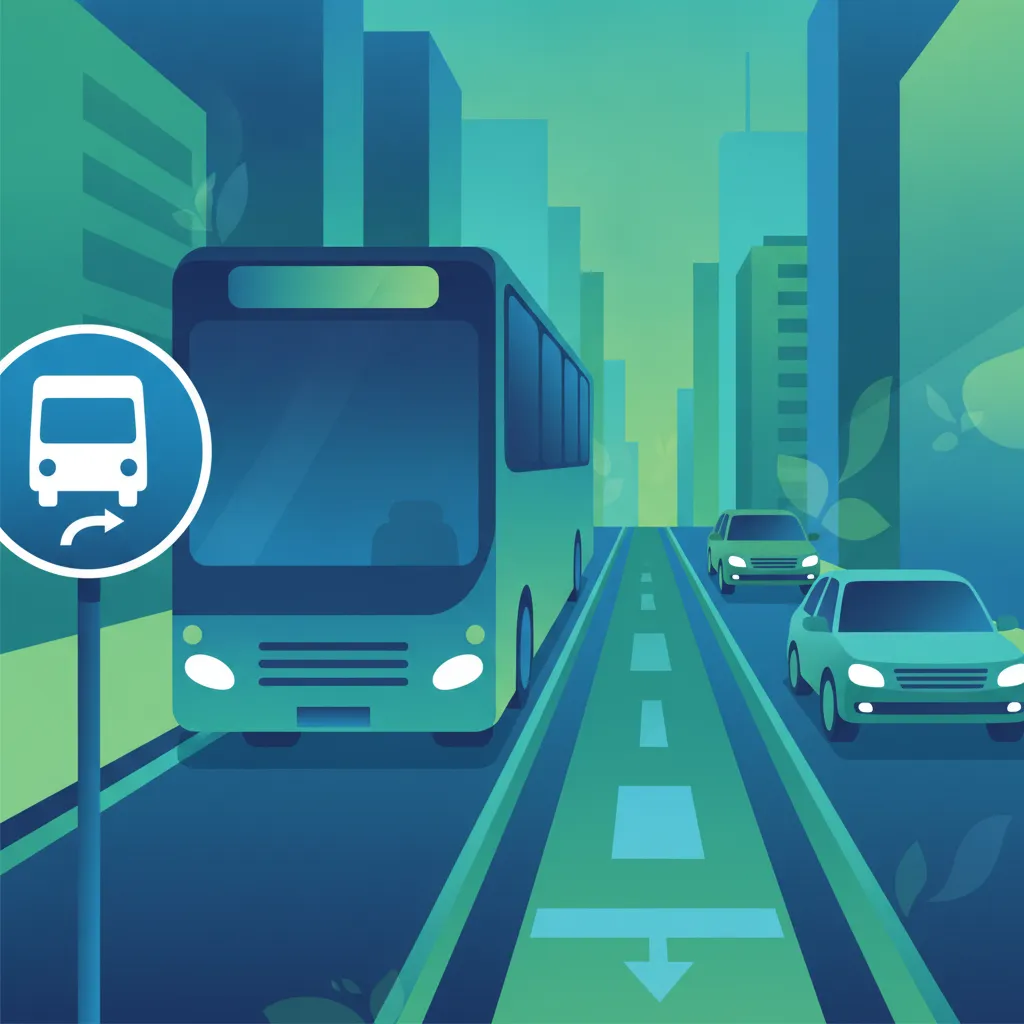
Bus lanes are a cornerstone of public transport efficiency, providing dedicated routes for buses, coaches, and authorised vehicles. Recognising and correctly using these lanes is essential for any passenger vehicle driver. They are identifiable by distinct road markings and signage.
A continuous, solid white line marks a continuous line bus lane. This type of bus lane signifies that it is permanently reserved for buses and other authorised vehicles only. There are generally no time-based exemptions for general traffic. The intention is to provide an uninterrupted passage for public transport, often in areas of high traffic density or approaching key junctions. Drivers must understand that entering or driving in a continuous line bus lane when not authorised is a clear violation, irrespective of the time of day.
In contrast, a broken line bus lane is indicated by a broken white line. This type of lane is bus-only during specified operating hours, which are clearly communicated through supplementary signage. Outside of these hours, the lane typically reverts to a normal traffic lane, accessible to all vehicles. This flexible approach allows for shared road space during off-peak periods when bus priority is less critical. Passenger vehicle drivers must pay close attention to these time restrictions to avoid illegal lane usage.
Correctly interpreting road signs is paramount for navigating bus lanes. The primary sign indicating a mandatory bus lane is a blue circular sign featuring a white bus symbol.
Often, this main sign will be accompanied by a supplementary plate located directly beneath it. These smaller, rectangular plates provide crucial information, primarily detailing the time-based access restrictions. For example, a plate might read "7.30 - 9.30am Mon-Fri" or "At any time". It is insufficient to merely identify the bus lane sign; the supplementary plate must also be read and understood. Failure to do so is a common cause of infringements.
Always check both the main bus lane sign and any supplementary plates. These plates dictate the precise operating hours and any specific conditions for the bus lane, which can vary significantly by location and time of day.
Time-based access restrictions are a key feature of many bus lanes and other restricted zones in Great Britain. These restrictions mean that the exclusive use of a lane or route applies only during specific hours, days of the week, or even seasons. The primary purpose is to balance the need for bus priority during peak demand with the flexibility for general traffic at other times.
For instance, a bus lane might be operational only during morning and evening rush hours on weekdays. Outside these periods, it may become available for all vehicles. It is the driver's responsibility to monitor these supplementary plates carefully and adjust their lane usage accordingly. Misreading or ignoring these times can lead to unintended but legally punishable violations.
While most time-based restrictions are consistent daily or weekly, some areas may implement seasonal or event-based variations. For example, bus lane operating hours might be adjusted during school holidays or for major public events. These temporary changes are usually communicated through updated supplementary plates or temporary road signs. Staying vigilant for such alterations, especially when driving unfamiliar routes, is crucial for passenger vehicle drivers.
Bus gates are specific points on the road designed to restrict access to certain vehicles, typically allowing only buses, coaches, and other authorised vehicles to pass. They are a highly effective method for preventing non-bus traffic from entering routes primarily intended for public transport, thus preserving lane integrity and optimising bus schedules.
Bus gates can operate in a few different ways:
Regardless of their operation, bus gates are clearly marked with signs and often accompanied by traffic signals that indicate whether passage is permitted. A red light, often with a flashing bus symbol, signifies that only authorised buses may pass when the signal turns green, or the barrier lifts. Attempting to pass a bus gate when it is closed to your vehicle type is a serious violation.
Designated Passenger Loading Zones (PLZs), commonly known as bus stops, are crucial for the safe and efficient boarding and alighting of passengers. These areas are specifically allocated for buses, coaches, and minibuses to stop, protecting passengers and ensuring predictable dwell times.
PLZs are typically indicated by:
Highway Code Rule 204 explicitly states that buses, coaches, and minibuses should only stop at these designated bus stops. Stopping to pick up or drop off passengers elsewhere on the carriageway is generally prohibited and can lead to several problems:
Non-bus vehicles are generally prohibited from stopping, waiting, or parking in PLZs, even briefly. These zones are vital for maintaining public transport schedules and ensuring passenger safety.
While bus lanes and loading zones are primarily for buses and coaches, certain other vehicles may be granted temporary or permanent exemption from these restrictions. Understanding these exceptions is crucial for all road users, including passenger vehicle drivers who might encounter them.
In some instances, specific vehicles or operations may be granted temporary or permanent permits by the local authority to use bus lanes or loading zones. Examples might include:
Such vehicles must typically display a valid permit. Passenger vehicle drivers should be aware that these exemptions exist but must never assume they apply without clear signage or authorisation. It's also important to remember that even an exempt vehicle must still operate safely and with due regard for other road users.
Violating bus-specific road rules carries significant legal repercussions. Enforcement is stringent, often involving CCTV cameras monitoring bus lanes and bus stops, meaning even momentary infringements can be detected.
The primary consequence for bus lane and loading zone offences for non-bus vehicles is a Fixed Penalty Notice (FPN). For bus lane offences in Great Britain, this typically amounts to a fine.
While points on a driving licence are not usually issued for bus lane offences, repeated or more serious infringements could lead to:
For bus drivers, while the immediate penalty for incorrect use might differ, causing obstruction or failing to use designated stops can lead to warnings, fines, or even disciplinary action by their employer. Adherence to these rules is therefore not just about avoiding penalties but also about upholding professional standards and ensuring safe service.
Several key pieces of legislation and rules govern the operation of buses, coaches, and minibuses on Great Britain's roads. Understanding these foundational regulations is vital for professional passenger vehicle drivers.
The Highway Code provides essential guidance and mandatory rules for all road users. Several rules are particularly relevant to bus-specific operations:
Beyond the Highway Code, two significant legal instruments provide the framework for these rules:
The Road Vehicles (Construction and Use) Regulations 1986 also play a part, ensuring the safe operation of the vehicle itself. For instance, they mandate that bus doors operate safely and can be opened/closed while stationary at stops, guaranteeing passenger safety during boarding and alighting. A bus allowing full door opening before passengers board is compliant, whereas operating with malfunctioning or partially opening doors would be a violation.
Local authorities may introduce specific bylaws or traffic orders that modify or add to national regulations, especially concerning bus lane exemptions for taxis or specific local loading restrictions. Always verify local signage.
Even experienced drivers can fall foul of bus-specific rules. Awareness of common pitfalls and unusual scenarios can help prevent costly mistakes.
The application and adherence to bus-specific road rules are not static; they can be influenced by various environmental and operational factors. Professional drivers must consider these variables to maintain safety and compliance.
These specialised rules are not arbitrary; they are rooted in sound principles of traffic management, public safety, and urban planning.
Understanding this rationale helps professional drivers appreciate the importance of these rules beyond mere compliance, fostering a greater sense of responsibility and contributing to the wider community's benefit.
Mastering bus-specific road rules is fundamental for safe and efficient passenger vehicle operation in Great Britain.
By internalising these rules and the reasoning behind them, passenger vehicle drivers are better prepared for the Category D licence theory assessment and, more importantly, for a safe and professional career on Great Britain's roads.
Explore all units and lessons included in this driving theory course.
Lesson content overview
Explore all units and lessons included in this driving theory course.
Explore search topics learners often look for when studying Bus-Specific Road Rules and Restrictions. These topics reflect common questions about road rules, driving situations, safety guidance, and lesson level theory preparation for learners in Great Britain.
Browse additional driving theory lessons that cover connected traffic rules, road signs, and common driving situations related to this topic. Improve your understanding of how different rules interact across everyday traffic scenarios.
Understand which vehicles are exempt from bus lane restrictions and the legal consequences of non-compliance in Great Britain. Covers penalties for bus gate and bus stop violations under UK driving theory.
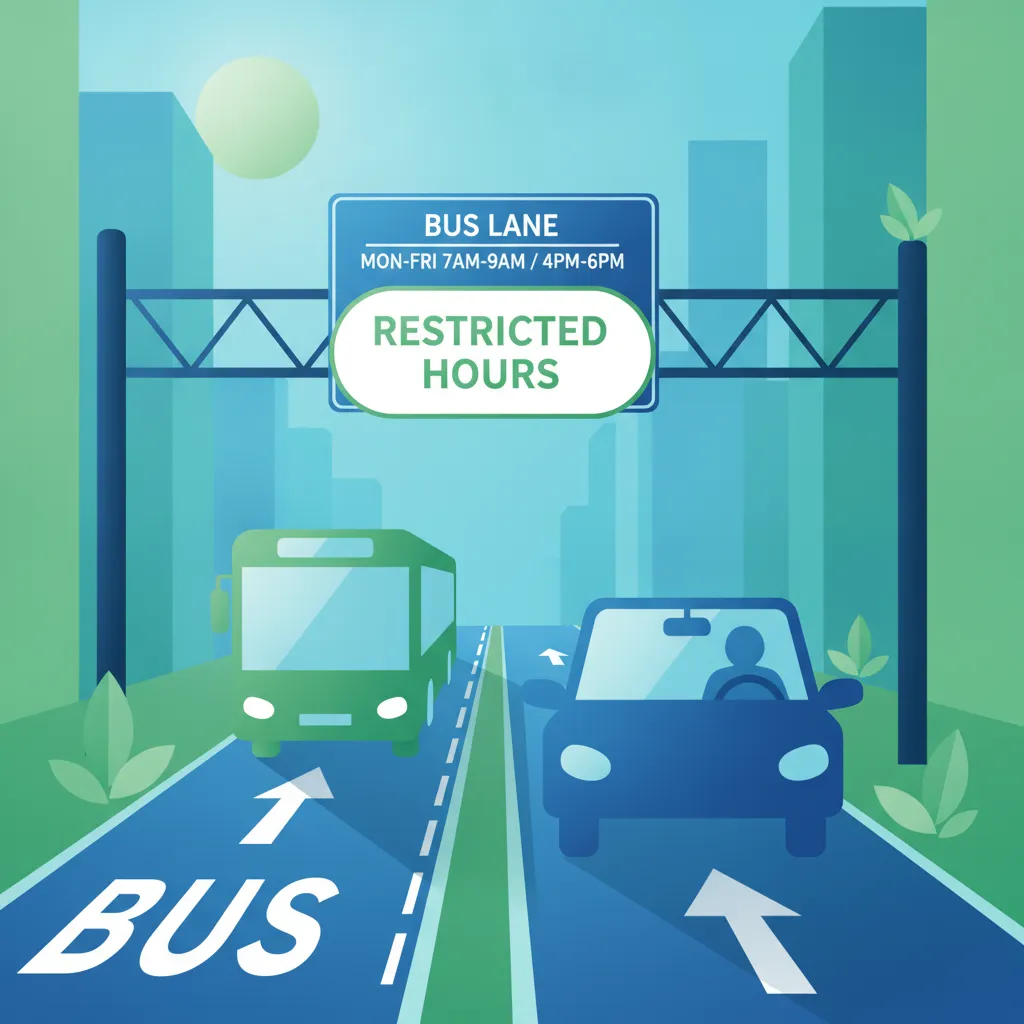
This lesson covers the importance of maintaining correct lane discipline when driving a large passenger vehicle. It details how to position your vehicle safely within a lane on various road types, including multi-lane carriageways and motorways. You will learn the specific rules governing bus lanes, including how to interpret markings, adhere to operating times, and understand the exemptions and penalties associated with their use to ensure legal and efficient driving.
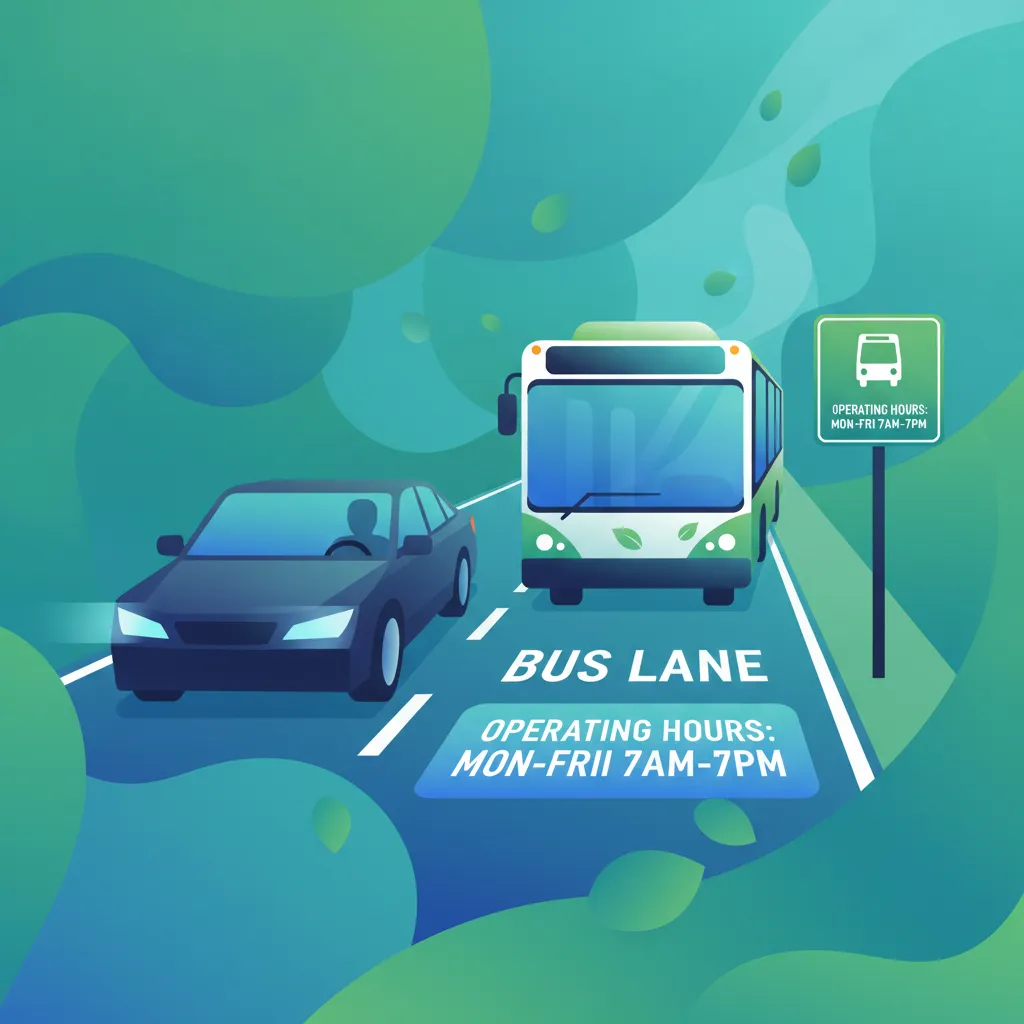
This lesson explores the specifics of bus lane markings, operating times, and priority situations where buses have precedence over other traffic. It emphasizes correct lane discipline, lawful entry and merging practices, and the exemptions granted to designated passenger vehicles. Learners will also understand how bus lane enforcement works and what penalties may be incurred for non-compliance, ensuring safe and efficient movement through urban traffic systems.
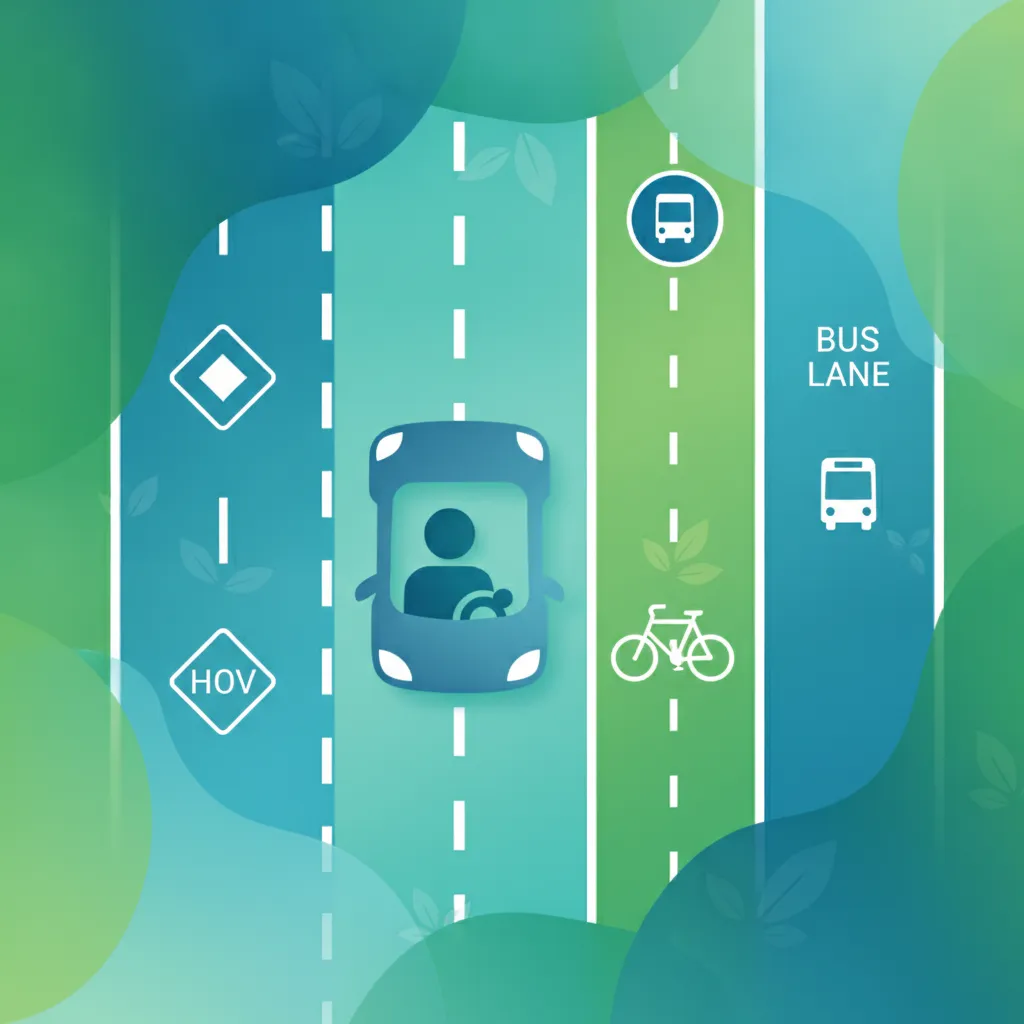
This lesson covers lanes designated for specific types of traffic to improve flow and safety. You will learn to identify mandatory and advisory cycle lanes, and understand the signs indicating the operational hours of bus lanes. The rules governing these lanes are critical for avoiding penalties and ensuring the safety of all road users.
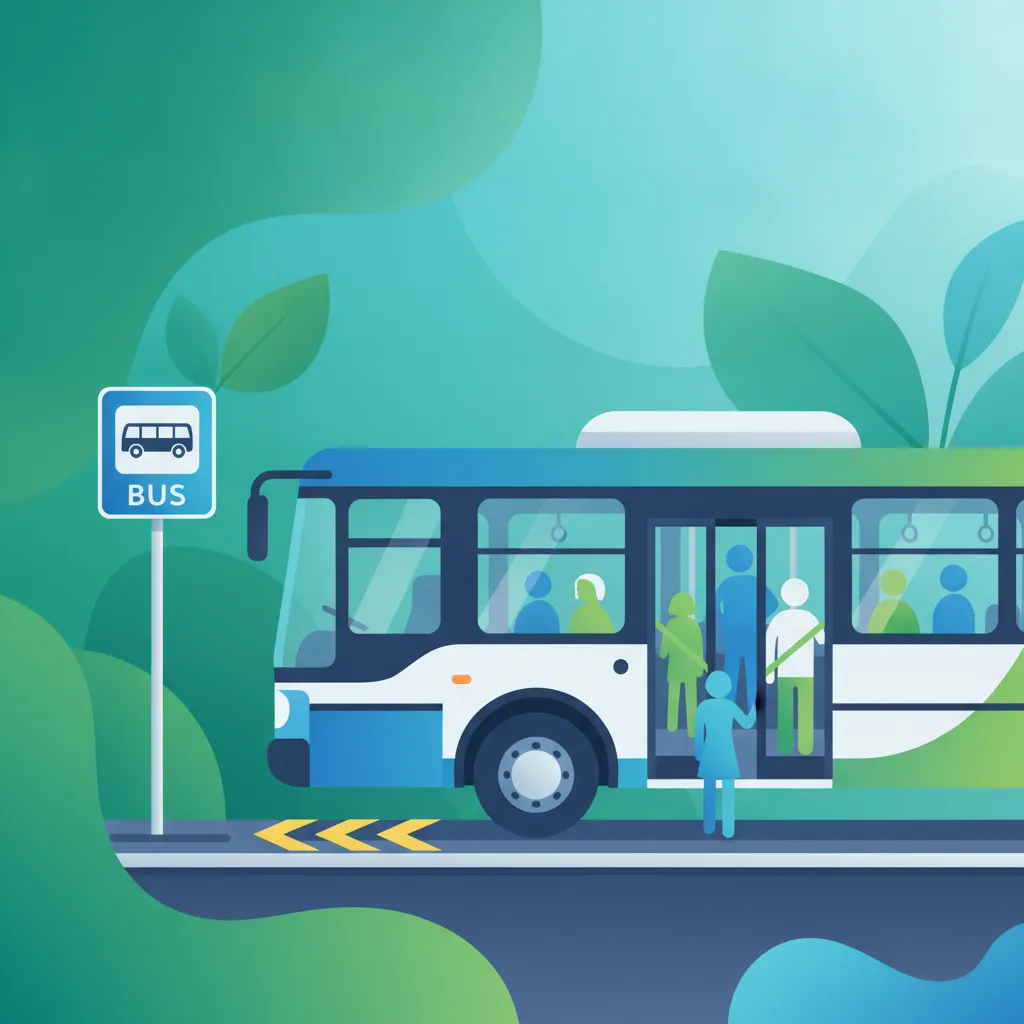
In this lesson, learners will study the specific signage and markings related to bus stops and designated passenger loading zones. Topics include correct stop approach, positioning the bus for safe boarding and alighting, and the proper use of these areas. Learners will also examine the legal expectations for passenger loading zones, including restrictions on stopping outside these zones and best practices for managing passenger flow safely and efficiently during busy periods.

This lesson provides detailed guidance on protecting pedestrians in high-risk areas like bus stops and formal crossings. It covers the specific rules and driver obligations at zebra, pelican, toucan, and puffin crossings, as well as when approaching a school crossing patrol. The content emphasizes the importance of vigilance, anticipating pedestrian movements, especially those who may be distracted or emerge from behind the bus, and always being prepared to stop to prevent accidents.

This lesson addresses the critical importance of child safety in school transport zones and around school buses. It covers the specific regulations, such as 20 mph speed limits and stopping restrictions indicated by zigzag lines. Learners will focus on the unpredictable nature of children and the need for heightened vigilance and readiness to stop unexpectedly. The content also includes procedures for the safe transport of pupils, ensuring their security both inside and outside the vehicle.
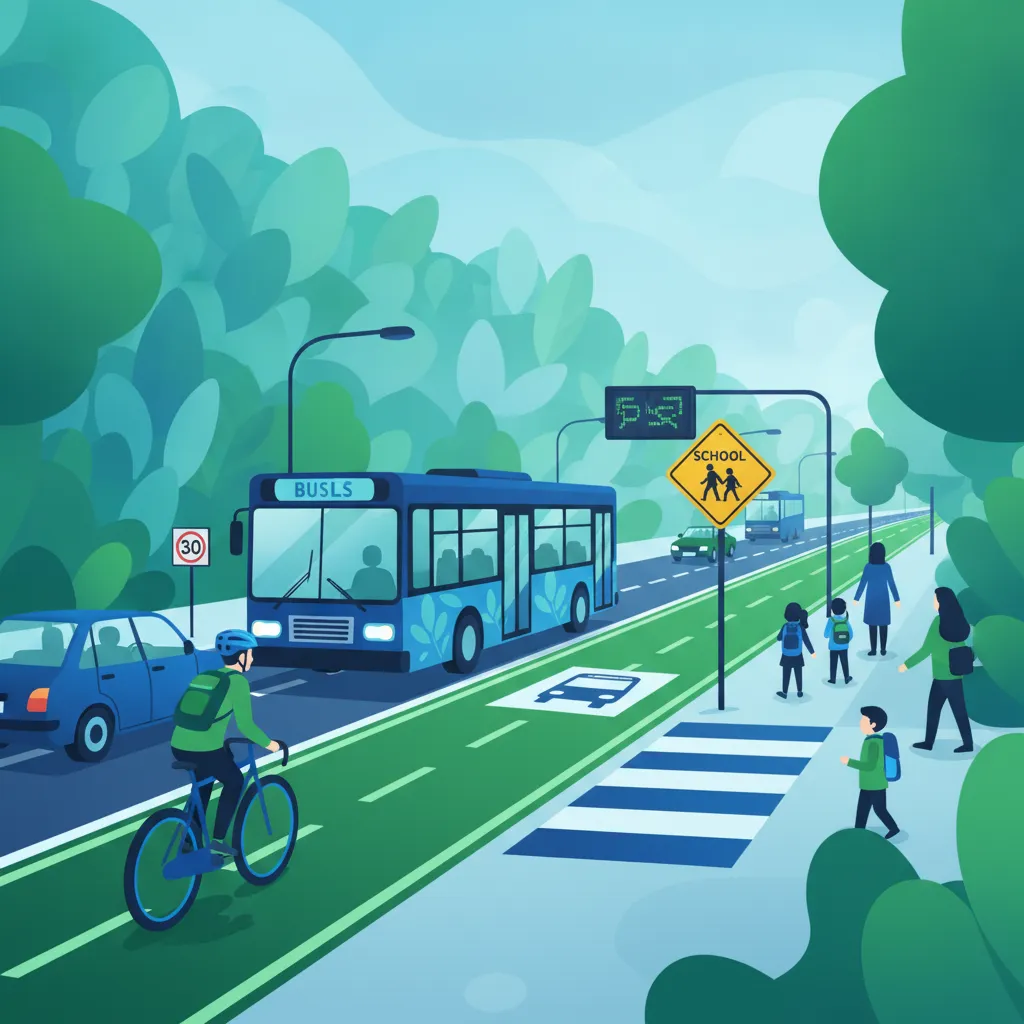
This lesson explains the regulations for special road zones common in urban areas. You will learn about speed restrictions near schools, how to read signs indicating if and when motorcycles can use bus lanes, and how to safely interact with cyclist infrastructure such as advanced stop lines. Compliance with these specific rules is crucial for legal and safe urban riding.
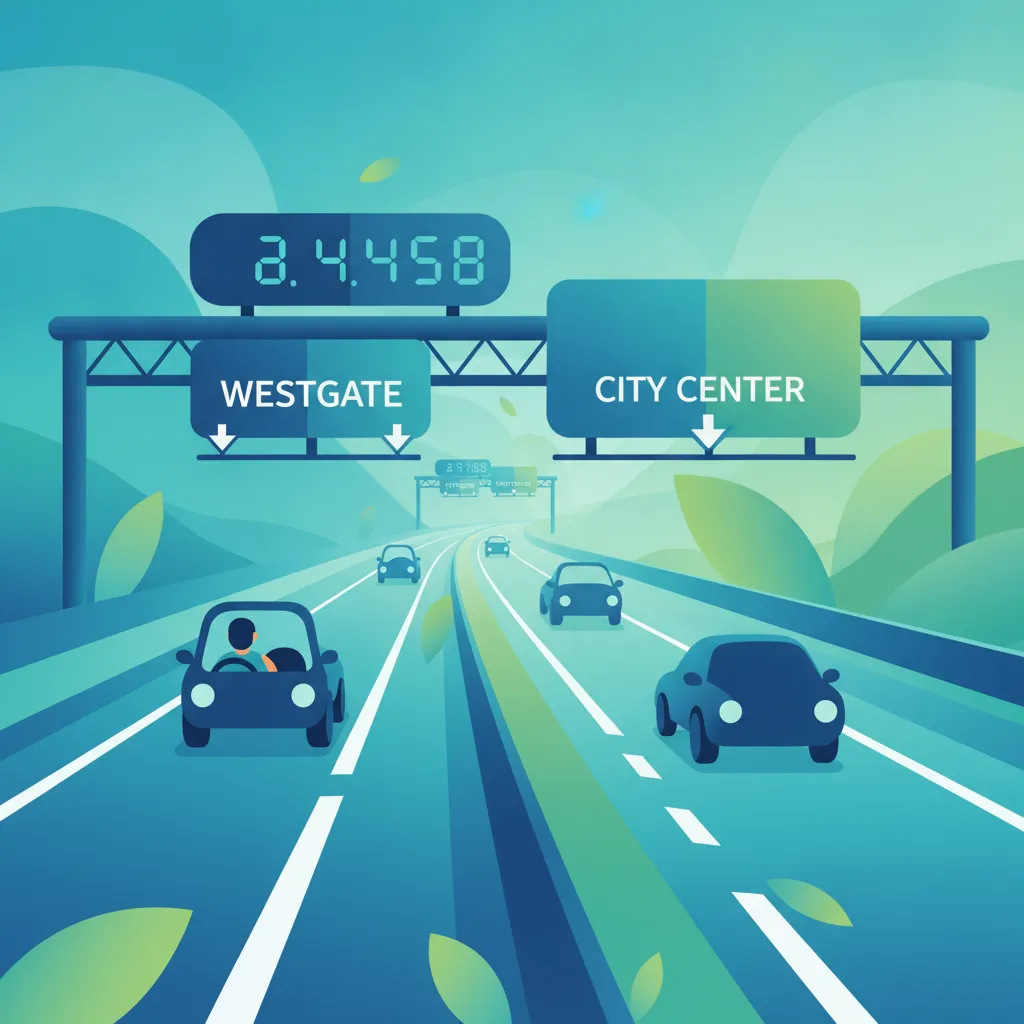
This lesson focuses on the regulations and best practices for driving a bus or coach on motorways. It details the specific speed limits applicable to PCVs and reinforces strict lane discipline. The content covers the correct procedures for safely joining from a slip road, overtaking other vehicles, and exiting the motorway. It also explains the features of smart motorways and the correct safety procedures to follow in the event of a breakdown, including the use of the hard shoulder.

This lesson examines strategies for managing congestion in city centres, focusing on effective bus lane usage, understanding priority signalling, and route optimisation. It covers best practices for avoiding traffic jams while maintaining passenger loading efficiency and service reliability. Additionally, the lesson discusses how bus stop timing and adherence to specific urban traffic regulations directly affect overall congestion and passenger flow, helping drivers make informed decisions in dense traffic.

This lesson provides guidance on where and how to park your vehicle legally and safely. It covers common manoeuvres like parallel parking and reversing into a bay, as well as specific rules for parking on a hill or at night. You will also learn to recognise locations where stopping is prohibited, such as on zig-zag lines or in clearways.
Learn the specific rules for using bus stops and passenger loading zones in Great Britain. Covers correct stopping procedures, prohibited areas, and safe passenger movement at urban bus stops for Category D drivers.
In this lesson, learners will study the specific signage and markings related to bus stops and designated passenger loading zones. Topics include correct stop approach, positioning the bus for safe boarding and alighting, and the proper use of these areas. Learners will also examine the legal expectations for passenger loading zones, including restrictions on stopping outside these zones and best practices for managing passenger flow safely and efficiently during busy periods.
This lesson covers the importance of maintaining correct lane discipline when driving a large passenger vehicle. It details how to position your vehicle safely within a lane on various road types, including multi-lane carriageways and motorways. You will learn the specific rules governing bus lanes, including how to interpret markings, adhere to operating times, and understand the exemptions and penalties associated with their use to ensure legal and efficient driving.
This lesson provides detailed guidance on protecting pedestrians in high-risk areas like bus stops and formal crossings. It covers the specific rules and driver obligations at zebra, pelican, toucan, and puffin crossings, as well as when approaching a school crossing patrol. The content emphasizes the importance of vigilance, anticipating pedestrian movements, especially those who may be distracted or emerge from behind the bus, and always being prepared to stop to prevent accidents.
This lesson addresses the critical importance of child safety in school transport zones and around school buses. It covers the specific regulations, such as 20 mph speed limits and stopping restrictions indicated by zigzag lines. Learners will focus on the unpredictable nature of children and the need for heightened vigilance and readiness to stop unexpectedly. The content also includes procedures for the safe transport of pupils, ensuring their security both inside and outside the vehicle.
This lesson focuses on the regulations and best practices for driving a bus or coach on motorways. It details the specific speed limits applicable to PCVs and reinforces strict lane discipline. The content covers the correct procedures for safely joining from a slip road, overtaking other vehicles, and exiting the motorway. It also explains the features of smart motorways and the correct safety procedures to follow in the event of a breakdown, including the use of the hard shoulder.
This lesson explores the specifics of bus lane markings, operating times, and priority situations where buses have precedence over other traffic. It emphasizes correct lane discipline, lawful entry and merging practices, and the exemptions granted to designated passenger vehicles. Learners will also understand how bus lane enforcement works and what penalties may be incurred for non-compliance, ensuring safe and efficient movement through urban traffic systems.

This lesson examines the design and operation of urban bus stops and how passenger flow can be managed efficiently. It covers strategies for crowd control, dwell time minimization, effective queuing systems, and proper loading zone utilization. It also explores how bus stop signage and clear passenger information can aid in smooth boarding and alighting. Mastering these skills enhances overall safety, improves service quality, and maintains schedule reliability in challenging urban environments.
This lesson covers lanes designated for specific types of traffic to improve flow and safety. You will learn to identify mandatory and advisory cycle lanes, and understand the signs indicating the operational hours of bus lanes. The rules governing these lanes are critical for avoiding penalties and ensuring the safety of all road users.

This lesson addresses the unique challenges of driving a large vehicle on rural roads. It provides techniques for positioning the vehicle through sharp bends and on narrow lanes, and for safely navigating unmarked or uncontrolled junctions. Learners will be taught to anticipate hidden hazards common in the countryside, such as slow-moving farm vehicles, animals on the road, and concealed entrances. The correct use of passing places and strategies for meeting oncoming traffic are also covered.
This lesson explains the regulations for special road zones common in urban areas. You will learn about speed restrictions near schools, how to read signs indicating if and when motorcycles can use bus lanes, and how to safely interact with cyclist infrastructure such as advanced stop lines. Compliance with these specific rules is crucial for legal and safe urban riding.
Find clear answers to common questions learners have about Bus-Specific Road Rules and Restrictions. Learn how the lesson is structured, which driving theory objectives it supports, and how it fits into the overall learning path of units and curriculum progression in Great Britain. These explanations help you understand key concepts, lesson flow, and exam focused study goals.
Generally, yes, as buses are the primary users of these lanes. However, you must always check the specific signage, as some lanes may have time-based restrictions or be designated for specific types of vehicles, such as local buses only, which might exclude certain types of coach services.
A bus gate is a short section of road restricted to buses and authorised vehicles. They are often monitored by cameras. You must observe the signage carefully to ensure your vehicle type is authorised to pass through, as failure to do so will result in a penalty charge notice.
You may only stop in a designated bus loading zone for the purpose of boarding or alighting passengers. These zones are strictly for passenger operations; parking or waiting here is prohibited and can cause significant congestion and legal issues.
Time-based restrictions are indicated on signs located at the start of the lane. If the sign specifies a time of day, you must adhere to those hours. Outside of these hours, the lane may be open to other traffic, but your priority remains ensuring passenger safety and efficient transit.
Dive into our comprehensive question bank to find exactly what you need for your Great Britain theory test. Use our advanced filters to pinpoint specific subjects or test your knowledge on challenging areas, ensuring you're fully prepared for success.