
This lesson explores the essential techniques for managing passenger boarding and alighting at urban bus stops. You will learn how to optimize stop positioning, manage passenger flow, and maintain safety in high-density city environments.

Lesson content overview
Operating passenger vehicles in urban environments presents unique challenges, particularly concerning bus stops and the management of passenger flow. This lesson, part of your Great Britain Passenger Vehicle Theory – Bus, Coach and Minibus Drivers curriculum, provides a thorough examination of how urban bus stops function, strategies for efficient passenger handling, and the regulatory framework governing these critical interfaces. Mastering these skills is essential for enhancing overall safety, improving service quality, and maintaining schedule reliability in busy city settings.
Urban bus stops are crucial points where the road network interacts directly with passengers. Their design and operation must meticulously balance several conflicting demands: ensuring the safety of boarding and alighting passengers, minimising disruption to surrounding traffic flow, and efficiently utilising often limited urban kerb space. A well-designed bus stop facilitates smooth operations and contributes significantly to public transport efficiency.
A functional bus stop integrates several key components to ensure safety and efficiency. These typically include designated loading zones, structured queuing systems, clear signage, and adequate safety buffer zones. Each element plays a vital role in managing the dynamic environment of passenger exchange.
Loading and unloading zones are specifically designated kerb areas where passengers safely board and alight a bus. These zones are often demarcated by distinctive road markings, such as yellow or red lines, or clear signage. Their primary purpose is to provide a clear, safe space for passenger exchange, separating bus activity from general traffic movement.
Stopping outside these designated zones can obstruct other vehicles, endanger passengers, and may constitute a contravention of traffic regulations. Drivers must always aim to stop within these marked areas, aligning the bus doors correctly with the kerb to facilitate easy access. While most loading zones are curbside loading zones (adjacent to the pavement on the nearside), some urban layouts or specific route requirements may necessitate off-side loading zones, where passengers board from the opposite side of the bus due to the presence of a central platform or other constraints.
Queuing systems are organised lines that passengers form while waiting for a bus. These systems are often guided by physical markings on the pavement, such as painted lines, or by barriers, and increasingly, by tactile paving. The purpose of a queuing system is to prevent passengers from crowding the carriageway, enhancing safety by keeping them a safe distance from passing traffic and promoting an orderly boarding process.
Properly managed queues reduce the obstruction of other road users, especially cyclists and pedestrians, and help to maintain a smooth flow of passengers onto the bus. Passengers should always wait within the designated queue area, ideally at least 3 metres away from the edge of the carriageway unless a designated waiting area provides protection.
Bus stop signage encompasses both fixed visual signs and electronic displays that communicate vital information to passengers and drivers. This includes the stop location, routes served, specific boarding instructions, and important safety warnings. Clear, visible signage is paramount for improving passenger awareness, reducing confusion, and guiding passengers to the correct boarding and alighting points.
Inadequate signage can lead to illegal stopping, passenger confusion, and potential safety incidents. Passenger Information Systems (PIS), such as real-time electronic displays showing arrival times or audio announcements, further enhance passenger confidence, reduce crowding, and promote orderly boarding, all contributing to quicker dwell times.
Safety buffer zones are clear areas immediately surrounding the bus loading zone, kept free of parked vehicles, obstacles, or roadside furniture. These zones typically extend at least 2 metres on either side of the designated loading area. Their purpose is to maintain full visibility for drivers and other road users, allowing sufficient reaction time to prevent collisions.
An unobstructed buffer zone enables drivers to assess hazards safely before pulling into a stop, significantly reducing the risk of collisions between buses, cyclists, pedestrians, and other vehicles. Parking or stopping within a buffer zone is prohibited and increases hazard levels, potentially leading to contraventions and fines.
Effective passenger flow management is central to the reliable and efficient operation of urban bus services. It involves coordinating all aspects of passenger movement at a bus stop, from waiting and queuing to boarding and alighting.
Systematic handling of passengers significantly impacts a bus's dwell time – the period a bus remains stationary at a stop. Reduced dwell times directly translate to improved timetable adherence, lower fuel consumption, and less congestion in busy urban areas. It also enhances passenger safety by minimising exposure time to traffic.
Managing passenger flow involves understanding typical passenger behaviour, optimising queuing, and employing efficient boarding and alighting procedures. This includes adapting to varying passenger volumes, especially during peak hours, and ensuring accessibility for all users.
Dwell time minimisation involves implementing various tactics to reduce the duration a bus remains stationary at a stop. This is crucial for maintaining schedule reliability and overall network efficiency.
Strategies include:
While aiming for speed, drivers must never compromise safety or accessibility. The balance between efficiency and passenger welfare is paramount.
When operating a bus that supports all-door boarding, actively encourage passengers to use all available doors. This can drastically reduce dwell time, particularly during peak hours, and keep your service on schedule.
Most bus stops are designed for forward flow, where passengers board and alight from the nearside of the bus, directly onto the pavement or a designated platform. However, some complex urban layouts or specific route designs may involve reverse flow, where passengers board or alight from the off-side of the bus. This might occur at central island platforms or specific interchange points.
Drivers must be highly aware of the designated flow for each stop. Operating doors on the incorrect side can create significant safety hazards for passengers and obstruct other traffic. Always verify the designated loading side based on bus stop signage and route instructions.
Operating a passenger vehicle involves strict adherence to a range of rules and regulations designed to ensure safety, efficiency, and accessibility. Drivers of buses, coaches, and minibuses must be fully conversant with the Highway Code, local authority bylaws, and specific DVSA guidance.
Several key Highway Code rules directly govern bus stop operations:
Always verify local authority bylaws regarding bus stops, especially in city centres. Some areas have time-limited loading bays where a bus may only remain stationary for a very short, specified duration (e.g., 30 seconds). Exceeding this can result in fixed penalty notices.
The Equality Act 2010 mandates that operators make "reasonable adjustments" for People with Reduced Mobility (PRM). This includes providing accessible vehicles (e.g., low-floor buses with kneeling capability and ramps or lifts for wheelchair users), and ensuring drivers provide adequate time and assistance for PRM passengers to board and alight safely.
Drivers have a legal and ethical responsibility to prioritise PRM passengers, ensuring that tactile paving (textured ground surfaces indicating safe boarding areas for visually impaired persons) is not obstructed and that ramps are deployed correctly. Failure to do so not only breaches the law but can also lead to complaints, enforcement actions, and significant damage to the operator's reputation.
The Driver and Vehicle Standards Agency (DVSA) sets standards for professional drivers, including those for stopping at bus stops. For instance, DVSA Standard 4.1 – Stopping at Bus Stops requires drivers to conduct a comprehensive safety check before pulling up to a stop. This includes checking mirrors, blind spots, and confirming the absence of approaching traffic or vulnerable road users like cyclists. This proactive approach minimises the risk of collisions.
Urban bus stop management is dynamic and requires drivers to adapt to various environmental and contextual changes. Factors such as weather conditions, light levels, road type, vehicle state, and interactions with vulnerable road users all influence safe and efficient operation.
The effective management of urban bus stops and passenger flow is a cornerstone of professional passenger vehicle operation. By understanding the design principles of bus stops, adhering to legal regulations, and employing adaptive strategies, drivers contribute significantly to passenger safety, service reliability, and overall urban mobility.
Diligent application of these principles—from precise loading zone utilisation and effective queuing systems to proactive dwell time minimisation and respectful interaction with all road users—ensures a high standard of service. Continuous awareness of conditional variations and a commitment to accessibility will enable you to navigate the complexities of urban driving with confidence and professionalism, ultimately enhancing the public transport experience for all.
Explore all units and lessons included in this driving theory course.
Lesson content overview
Explore all units and lessons included in this driving theory course.
Explore search topics learners often look for when studying Urban Bus Stops and Passenger Flow Management. These topics reflect common questions about road rules, driving situations, safety guidance, and lesson level theory preparation for learners in Great Britain.
Browse additional driving theory lessons that cover connected traffic rules, road signs, and common driving situations related to this topic. Improve your understanding of how different rules interact across everyday traffic scenarios.
Learn essential procedures for operating at urban bus stops. This lesson covers efficient passenger handling, dwell time reduction, safe loading zone use, and understanding bus stop signage. Essential for reliable service in city environments.

This lesson examines strategies for managing congestion in city centres, focusing on effective bus lane usage, understanding priority signalling, and route optimisation. It covers best practices for avoiding traffic jams while maintaining passenger loading efficiency and service reliability. Additionally, the lesson discusses how bus stop timing and adherence to specific urban traffic regulations directly affect overall congestion and passenger flow, helping drivers make informed decisions in dense traffic.
This lesson discusses the crucial interaction between passenger vehicles and pedestrians at and around bus stops. Learners will explore pedestrian right-of-way, especially at crosswalks, and positioning strategies to maintain a safe distance from people waiting or crossing. The lesson also covers pedestrian alertness measures and conflict avoidance techniques to protect vulnerable road users. This knowledge is essential for preventing accidents and maintaining a safe environment around the vehicle during stops.
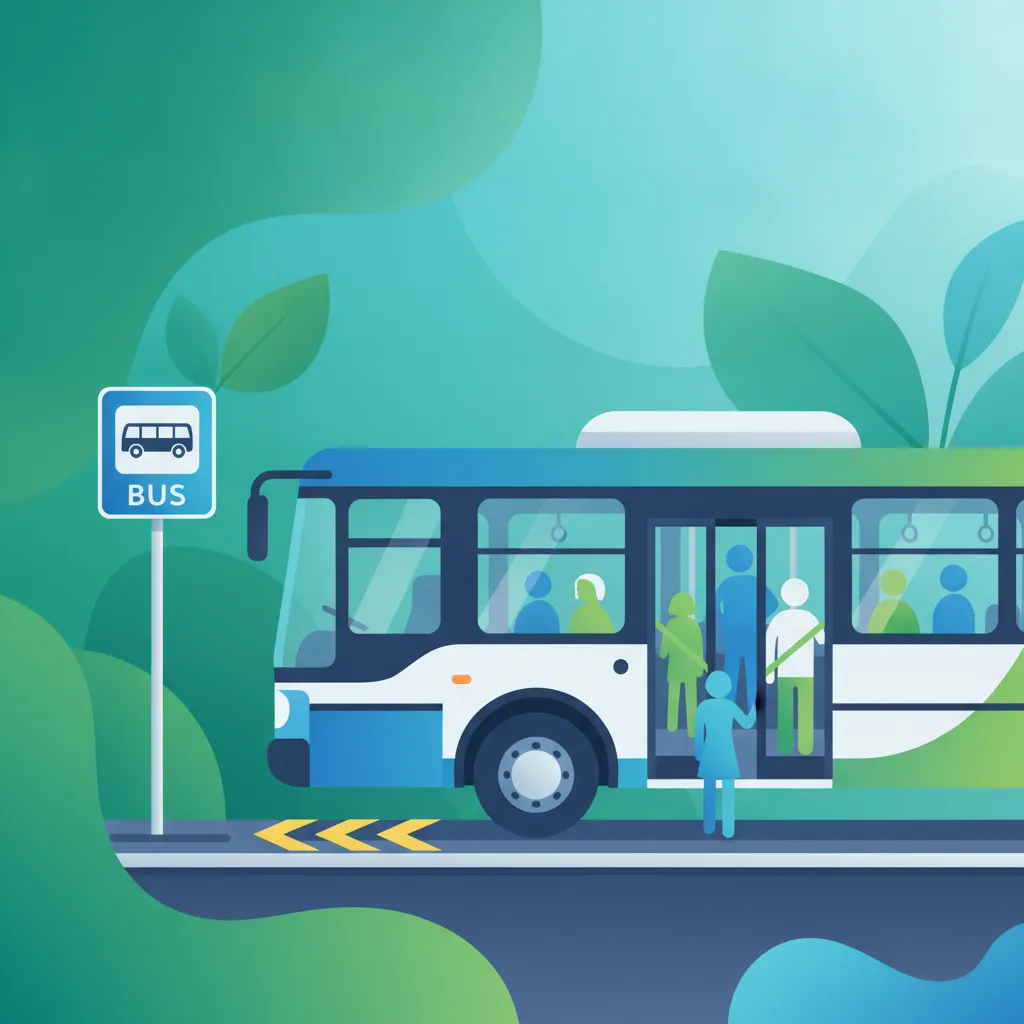
In this lesson, learners will study the specific signage and markings related to bus stops and designated passenger loading zones. Topics include correct stop approach, positioning the bus for safe boarding and alighting, and the proper use of these areas. Learners will also examine the legal expectations for passenger loading zones, including restrictions on stopping outside these zones and best practices for managing passenger flow safely and efficiently during busy periods.
This lesson covers the specific procedures for operating within busy bus terminals and service areas. It details the protocols for approaching and parking in allocated bays, managing the safe flow of passengers, and communicating with station staff. The content emphasizes the need for extreme caution and low-speed manoeuvring due to high pedestrian traffic. It also reviews pre-departure checks and communication protocols necessary for efficient and safe terminal operations.

This lesson focuses on alighting strategies and correct bus stop positioning to ensure passengers can exit the vehicle safely. Learners will investigate precise kerb alignment, the use of alighting alarms, and procedures for safe passenger disembarkation. Additionally, it covers the critical need for traffic awareness during alighting, such as monitoring mirrors and surrounding traffic, using stop signs, and prioritising the safety of vulnerable road users who may be near the bus.

This lesson explores safe boarding protocols, focusing on correct door operation, managing internal passenger movement, and providing assistance for passengers with reduced mobility. It emphasizes the importance of establishing safety zones near doorways, managing standing passengers during boarding, and using audible alarms. The lesson also covers the proper sequence for wheelchair boarding and the use of loading bays to ensure smooth passenger flow and minimize risks during the boarding process.
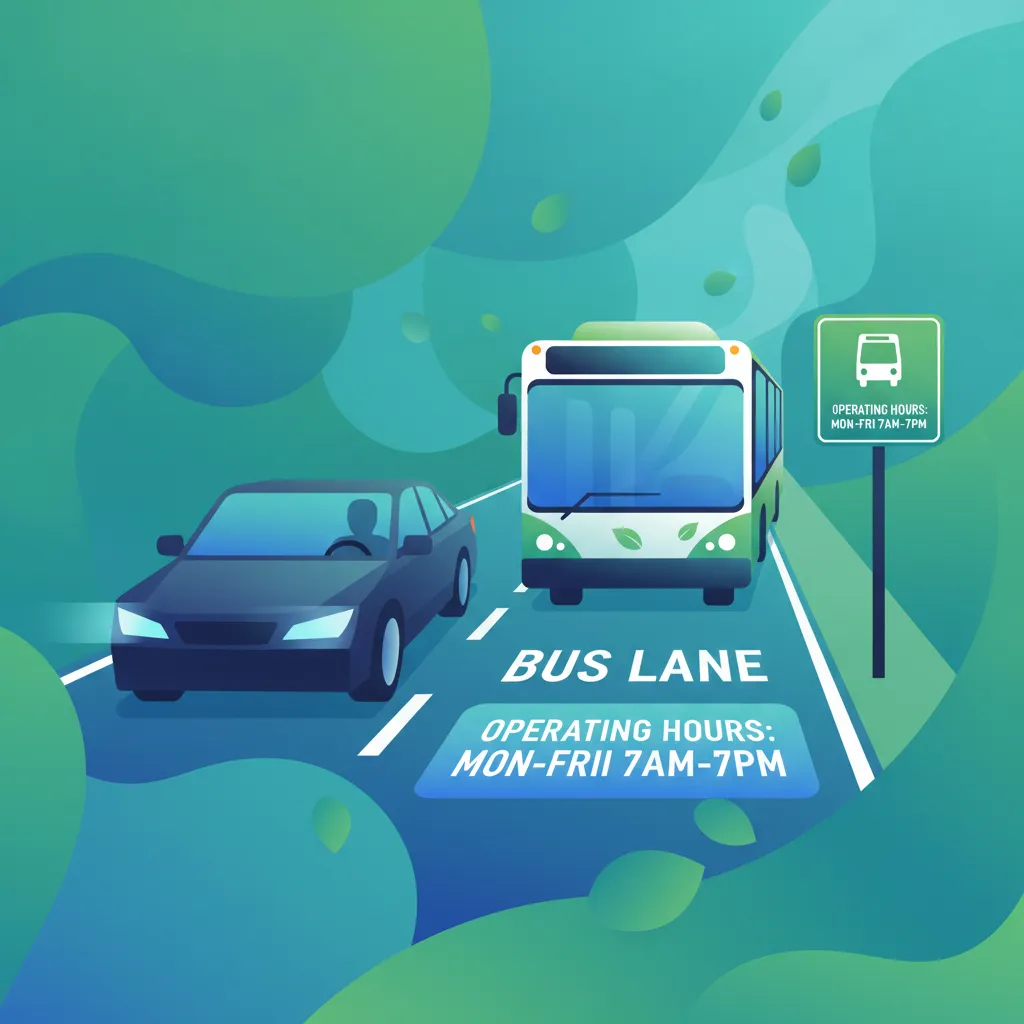
This lesson explores the specifics of bus lane markings, operating times, and priority situations where buses have precedence over other traffic. It emphasizes correct lane discipline, lawful entry and merging practices, and the exemptions granted to designated passenger vehicles. Learners will also understand how bus lane enforcement works and what penalties may be incurred for non-compliance, ensuring safe and efficient movement through urban traffic systems.

This lesson focuses on techniques for achieving smooth acceleration and deceleration, which is essential for passenger comfort and safety. Learners will study progressive throttle application, appropriate gear selection, and the use of engine braking and retarders to minimize harsh braking. The discussion includes managing momentum on inclines and declines while balancing fuel efficiency with passenger ride quality. Mastering these skills reduces passenger jolts and maintains vehicle stability.
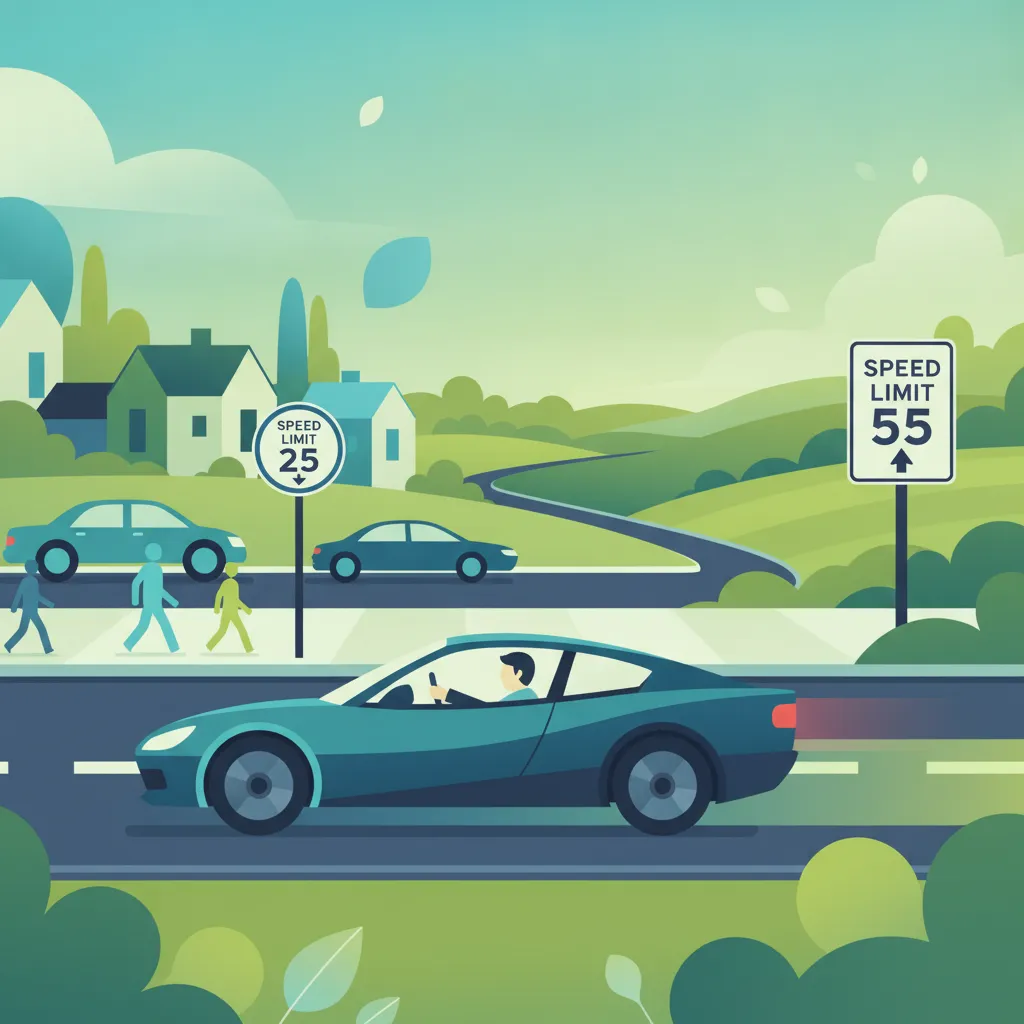
This lesson details speed management techniques applicable to urban, rural, and motorway environments, focusing on compliance with legal speed limits and developing appropriate speed perception. It covers strategies for monitoring speed and adjusting for road conditions, traffic density, and overall passenger safety. The lesson also reviews enforcement mechanisms and emphasizes the importance of speed compliance for accident avoidance and regulatory adherence, a critical skill for all professional drivers.

This lesson explores the role of driver communication and public interaction in providing a high level of service. Learners will discuss effective communication techniques, handling customer inquiries, and managing potential conflicts. The lesson emphasizes the impact of a professional demeanor, clear safety messaging, and high hospitality standards on passenger perception and overall service quality. Mastering these interpersonal skills enhances trust and ensures a smoother operation on and off the road.
Understand legal requirements and best practices for bus stops in Great Britain. Covers Highway Code rules, Equality Act accessibility for PRM passengers, and driver compliance for safe and efficient passenger service.
In this lesson, learners will study the specific signage and markings related to bus stops and designated passenger loading zones. Topics include correct stop approach, positioning the bus for safe boarding and alighting, and the proper use of these areas. Learners will also examine the legal expectations for passenger loading zones, including restrictions on stopping outside these zones and best practices for managing passenger flow safely and efficiently during busy periods.
This lesson discusses the crucial interaction between passenger vehicles and pedestrians at and around bus stops. Learners will explore pedestrian right-of-way, especially at crosswalks, and positioning strategies to maintain a safe distance from people waiting or crossing. The lesson also covers pedestrian alertness measures and conflict avoidance techniques to protect vulnerable road users. This knowledge is essential for preventing accidents and maintaining a safe environment around the vehicle during stops.
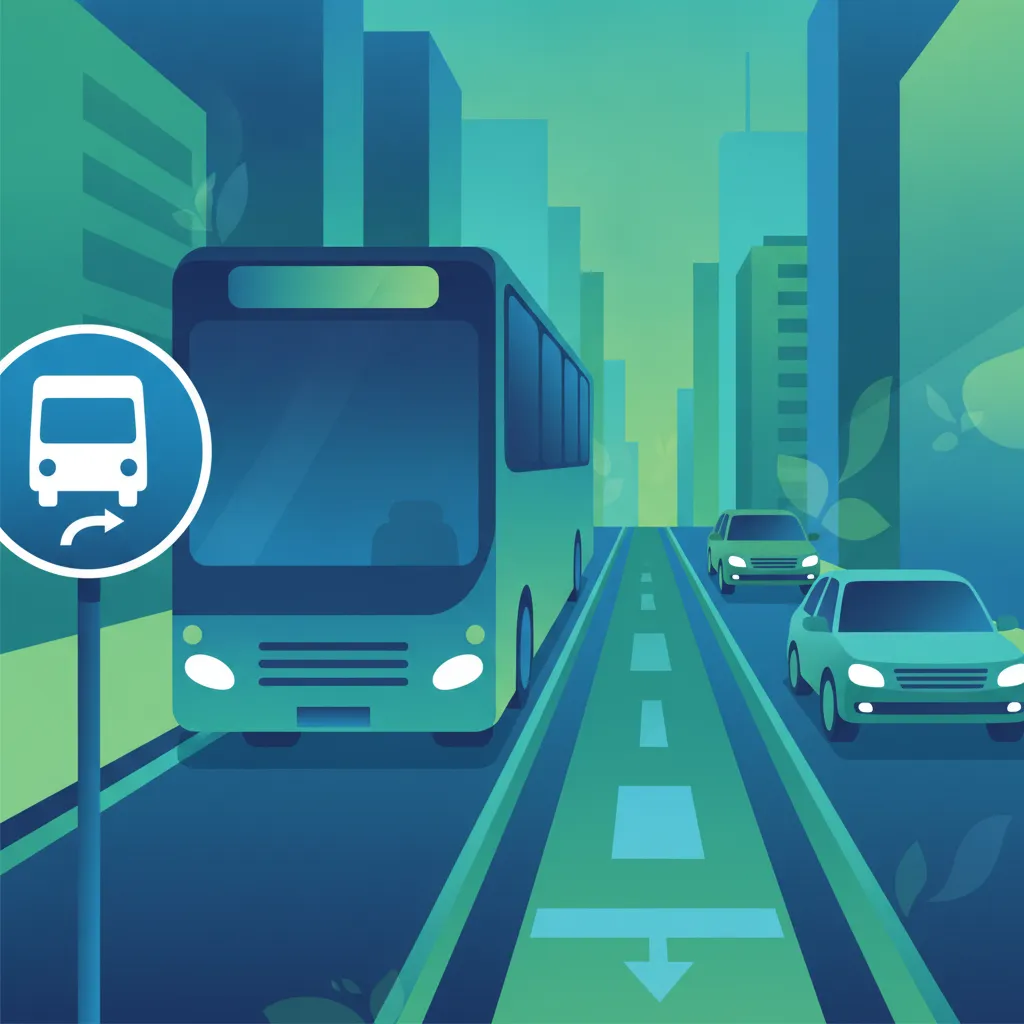
This lesson examines the unique rules and restrictions governing buses and coaches, focusing on bus lane priority, time-based restrictions, and loading zone limitations. Learners will explore the criteria for using bus-only routes and understand the legal consequences of non-compliance. The content also reviews signage indicating bus gate operation and areas where passenger vehicles are prohibited from stopping or loading outside of designated zones, ensuring lawful and efficient urban navigation.

This lesson focuses on the legal and practical requirements for providing accessible transport for passengers with reduced mobility. It covers wheelchair access, ramp usage, and securement devices, as well as procedures for safely assisting passengers with mobility aids. The discussion highlights relevant disability legislation and the importance of proper loading and unloading protocols to protect both passengers and the driver from injury, ensuring compliance with accessibility standards in Great Britain.

This lesson provides detailed guidance on protecting pedestrians in high-risk areas like bus stops and formal crossings. It covers the specific rules and driver obligations at zebra, pelican, toucan, and puffin crossings, as well as when approaching a school crossing patrol. The content emphasizes the importance of vigilance, anticipating pedestrian movements, especially those who may be distracted or emerge from behind the bus, and always being prepared to stop to prevent accidents.
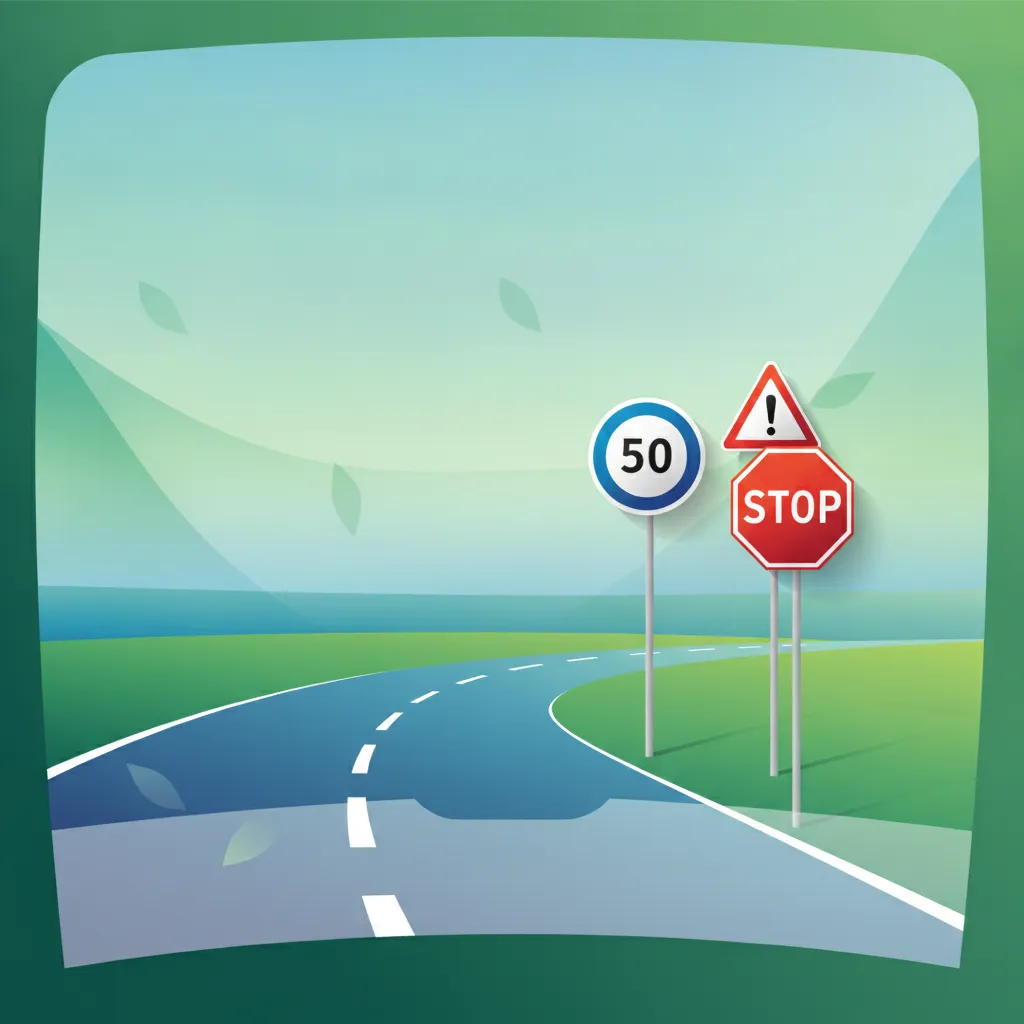
This lesson covers the full range of road signs encountered by passenger vehicle drivers, focusing on regulatory, warning, and informational signs. It explains the visual characteristics of sign shapes, colors, and symbols, particularly those associated with bus lane usage and priority rules. By mastering sign hierarchy and meaning, drivers can quickly interpret the sign's intent and adjust their driving behaviour accordingly, ensuring full compliance with the Highway Code and enhancing road safety.

This lesson addresses the critical importance of child safety in school transport zones and around school buses. It covers the specific regulations, such as 20 mph speed limits and stopping restrictions indicated by zigzag lines. Learners will focus on the unpredictable nature of children and the need for heightened vigilance and readiness to stop unexpectedly. The content also includes procedures for the safe transport of pupils, ensuring their security both inside and outside the vehicle.
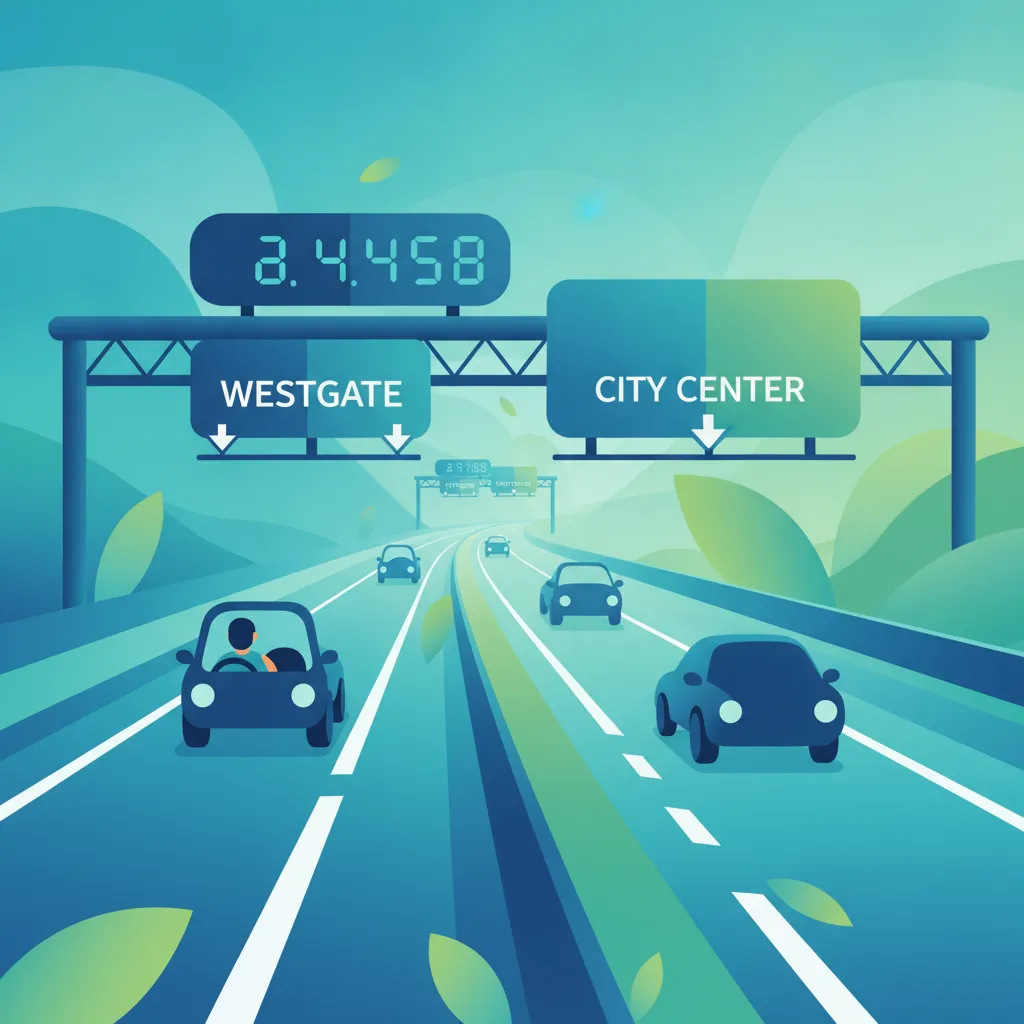
This lesson focuses on the regulations and best practices for driving a bus or coach on motorways. It details the specific speed limits applicable to PCVs and reinforces strict lane discipline. The content covers the correct procedures for safely joining from a slip road, overtaking other vehicles, and exiting the motorway. It also explains the features of smart motorways and the correct safety procedures to follow in the event of a breakdown, including the use of the hard shoulder.
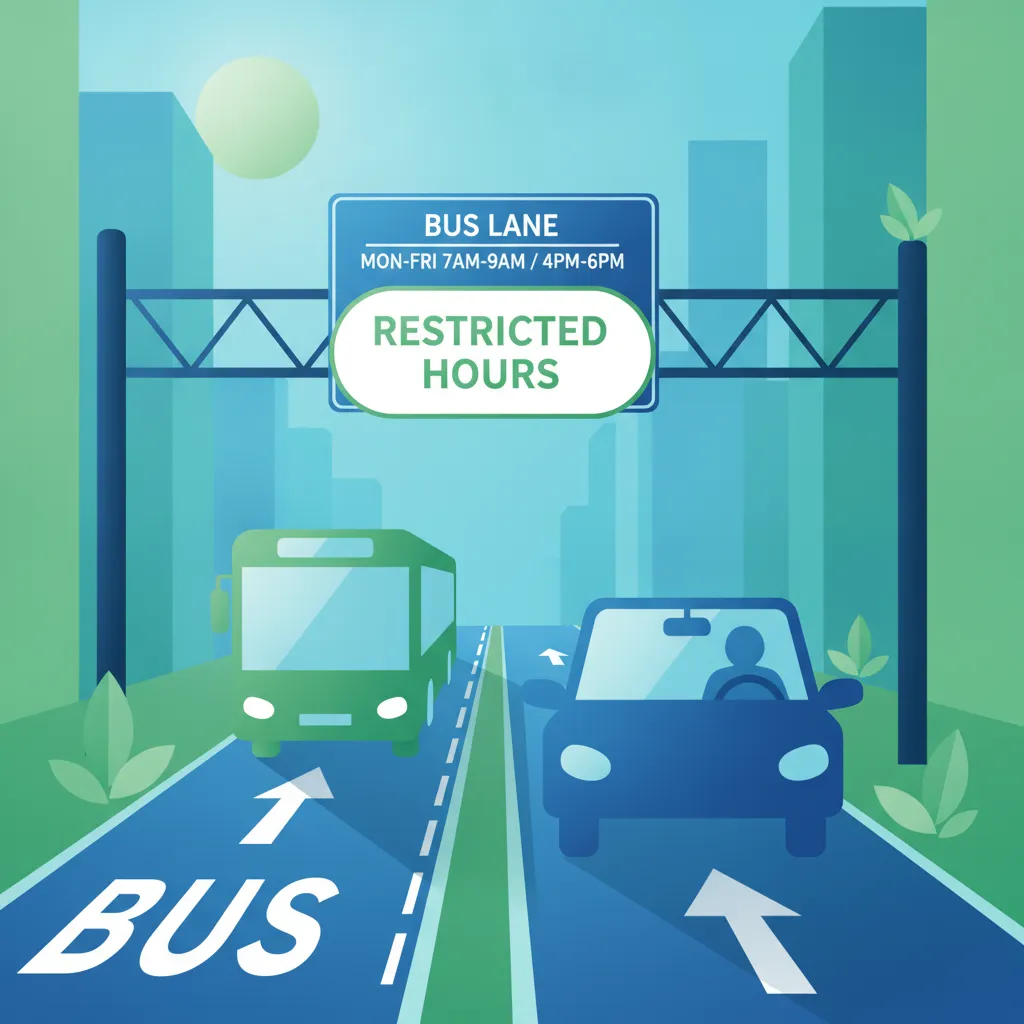
This lesson covers the importance of maintaining correct lane discipline when driving a large passenger vehicle. It details how to position your vehicle safely within a lane on various road types, including multi-lane carriageways and motorways. You will learn the specific rules governing bus lanes, including how to interpret markings, adhere to operating times, and understand the exemptions and penalties associated with their use to ensure legal and efficient driving.
This lesson covers the specific procedures for operating within busy bus terminals and service areas. It details the protocols for approaching and parking in allocated bays, managing the safe flow of passengers, and communicating with station staff. The content emphasizes the need for extreme caution and low-speed manoeuvring due to high pedestrian traffic. It also reviews pre-departure checks and communication protocols necessary for efficient and safe terminal operations.
Find clear answers to common questions learners have about Urban Bus Stops and Passenger Flow Management. Learn how the lesson is structured, which driving theory objectives it supports, and how it fits into the overall learning path of units and curriculum progression in Great Britain. These explanations help you understand key concepts, lesson flow, and exam focused study goals.
Dwell time is the duration a bus remains at a stop. Minimizing it through efficient boarding and alighting processes helps maintain your schedule, reduces congestion in urban areas, and lowers the risk of incidents with other road users.
Your priority is passenger welfare. Use the accessibility features of your vehicle, remain calm, and communicate clearly. Ensure the bus is fully secured and positioned correctly at the curb before assisting.
Yes, bus stop zones are strictly for the use of passenger-carrying vehicles. You must ensure you do not block access for other road users while remaining close enough to the curb for safe passenger access.
Signage identifies designated stops, waiting limits, and bus lanes. Understanding these signs is crucial to ensure you stop in the correct location and avoid penalties during your driving career.
Dive into our comprehensive question bank to find exactly what you need for your Great Britain theory test. Use our advanced filters to pinpoint specific subjects or test your knowledge on challenging areas, ensuring you're fully prepared for success.