
This lesson explores the vital safety measures required when operating passenger vehicles near schools and zones frequented by children. Part of our Category D passenger vehicle theory course, this content helps you interpret specific road markings and speed restrictions to ensure you can protect vulnerable pedestrians during your professional driving career.

Lesson content overview
Operating a passenger vehicle, particularly a bus, coach, or minibus, requires an elevated level of responsibility, especially when driving in areas frequented by children. School transport zones represent critical environments where driver vigilance and adherence to specific regulations are paramount. This lesson is designed for those preparing for their Category D, D1, D1E, or DE licence in Great Britain, focusing on the unique challenges and legal obligations associated with ensuring child safety around schools and school buses.
Children are inherently vulnerable road users. Their limited awareness of road dangers, impulsive behaviour, and difficulty in accurately judging vehicle speed and distance make them susceptible to accidents. A breach of safety protocols in these sensitive zones can lead to severe consequences, ranging from serious injury to fatality, with significant legal and professional repercussions for the driver.
School transport zones are specifically designated areas surrounding school entrances, drop-off and pick-up points, and bus stops. These zones are established to enhance the safety of children by implementing special traffic restrictions and requiring heightened driver awareness. They typically include the immediate vicinity of the school entrance (Zone A, often within 30 metres) and an extended area encompassing initial road markings (Zone B, up to 100 metres).
The practical meaning for drivers is clear: these are areas where speed limits are strictly enforced, stopping and parking are often prohibited, and continuous, focused surveillance of the surroundings is expected. Understanding the boundaries and rules of these zones is fundamental to operating a passenger vehicle safely.
The primary rules governing school transport zones are designed to minimise risk to children. These include a mandatory maximum speed limit, typically 20 mph, and strict prohibitions on stopping or parking within designated areas marked by zig-zag lines. It is a common misunderstanding that the 20 mph limit only applies when a school bus is present; it applies at all times within the marked zone, regardless of school activity. Drivers must adjust their speed well before entering these zones and maintain constant vigilance.
Zig-zag road markings are a critical safety feature near school entrances and bus stops. These are alternating diagonal white lines placed on the road surface, extending for a prescribed distance from the entrance or stop. Their primary purpose is to ensure clear sight lines for both drivers and pedestrians, preventing any vehicle from obstructing the movement of children or impairing visibility.
These markings explicitly prohibit stopping, parking, loading, or unloading within the marked area. This rule applies to all vehicles, including passenger vehicles. Drivers must take any necessary actions, such as stopping to allow children to cross, before reaching the start of these lines. Attempting to load or unload pupils directly within a zig-zag zone is a violation and dangerous, as it creates an immediate hazard.
Important Note on Zig-zag Lines: Never stop, park, load, or unload passengers within the area marked by zig-zag lines. These markings are there to save lives by ensuring clear sightlines for everyone.
The standard length for zig-zag markings is typically 12 metres, though extended zig-zags of up to 20 metres may be used near larger schools or where multiple bus stops are present. These distances are specified to create a sufficient visual buffer zone. The Highway Code, specifically Rule 317, reinforces the mandatory nature of this prohibition. Vehicles may not pass the lines to stop, unless turning left or making a U-turn where it is safe and legal to do so, strictly avoiding any stop within the zig-zag area.
The imposition of a 20 mph speed limit in school transport zones is a fundamental safety measure. This reduced speed significantly impacts a driver's ability to react and stop, directly enhancing child safety.
Lowering vehicle speed directly reduces kinetic energy, which in turn reduces both thinking distance and braking distance. At 20 mph, drivers have more time to perceive a hazard (like a child unexpectedly stepping into the road), decide on a course of action, and execute that action (like braking). It also drastically lowers the force of impact in the event of a collision, greatly increasing a child's chances of survival and reducing the severity of injury.
The total distance a vehicle travels from the moment a driver perceives a hazard to the point where the vehicle comes to a complete halt. It is the sum of thinking distance and braking distance.
Highway Code Rule 184 explicitly mandates adherence to posted speed limits, including the 20 mph limit in school zones. This limit applies to all motor vehicles at all times within the designated zone. The only exceptions are emergency services responding to an emergency, who may exceed the limit if it is safe to do so. It is crucial for passenger vehicle drivers to understand that this limit is not conditional on school opening hours or the presence of children; it is a permanent restriction within the zone.
The process of boarding and alighting pupils requires a precise set of actions to ensure their safety, both inside and outside the vehicle. As a passenger vehicle driver, these protocols are a cornerstone of your professional responsibility.
Hazard Lights: Activate hazard warning lights as soon as the vehicle comes to a complete stop at the designated pick-up or drop-off point. This alerts other road users to the stationary vehicle and the potential presence of children.
Mirrors and CCTV: Continuously monitor all mirrors and any onboard CCTV displays to observe pupils, other road users, and the surrounding environment. Pay particular attention to children approaching or leaving the vehicle.
Door Openings: Open doors only when it is absolutely safe to do so, ensuring they open fully and clear for children to board or alight without obstruction.
Stop Lines: Align the vehicle precisely with any designated stop lines, ensuring pupils have minimal distance to travel across potentially hazardous areas.
Signal to Children: If necessary, use a clear hand signal or direct verbal instruction to guide children safely, especially when they need to cross the road. Do not move off until all children are safely on board or have cleared the vicinity of the vehicle.
Highway Code Rule 166 (Stop and load/unload pupils safely) and Rule 216 (Use hazard lights when stopped at a school) underpin these procedures. A common misunderstanding is believing that stopping directly at a school gate eliminates the need for hazard lights; hazard lights are required whenever the vehicle is stationary for loading or unloading, as they signal a potential hazard to other road users.
Children's unpredictable behaviour is the single most critical factor demanding heightened driver vigilance in school zones. Unlike adult pedestrians, children may dart out unexpectedly, fail to look before crossing, or move impulsively without warning.
Drivers must cultivate a continuous observation strategy, scanning the road ahead, to the sides, and in all mirrors. This includes looking for children's 'bat signals' – an object rolling into the road, a child chasing a ball, or children playing near the kerb – which may indicate an imminent spontaneous movement. The ability to stop suddenly with a very short reaction time is crucial. Professional guidance often targets a reaction time of less than 1.5 seconds in such environments.
Maintaining focus is paramount. Using a mobile phone, adjusting infotainment systems, or engaging in other distracting activities while children are boarding, alighting, or in the vicinity of the vehicle, can have catastrophic consequences. Full attention must remain on the surroundings to account for any sudden movements by children.
Hazard warning lights serve as an essential communication tool for passenger vehicle drivers, particularly when operating in school transport zones. These flashing amber lights are activated when a vehicle is stopped on the road to warn other road users of a potential hazard or obstruction.
When a school bus is stationary for the purpose of loading or unloading pupils, the hazard warning lights must be activated. This alerts oncoming and following traffic that the bus is not simply halted in traffic, but is engaged in an activity that involves children potentially moving around the vehicle and crossing the road. This warning is vital for preventing rear-end collisions and for alerting other drivers to be prepared to stop.
A common misconception is that hazard lights can be used to signal an imminent departure. This is incorrect. Hazard warning lights must be deactivated before the vehicle moves off. Using them as a departure signal can confuse other drivers, potentially leading to dangerous situations. The primary function is to indicate a stationary hazard.
A specific and mandatory rule exists regarding overtaking stationary school buses with active hazard warning lights. The Highway Code (Rule 225) explicitly prohibits overtaking a school bus that is stopped with its hazard lights flashing, especially when pupils are boarding or alighting.
This rule is in place to prevent collisions with children who may emerge suddenly from behind or in front of the bus, or who may be crossing the road. An overtaking vehicle presents an immediate and severe danger to these vulnerable pedestrians. Drivers must remain stationary behind the bus until all pupils have safely cleared the area and the school bus's hazard lights have been switched off, indicating it is preparing to move. Prioritising child safety over traffic flow is non-negotiable in this scenario.
Holding a Category D, D1, D1E, or DE licence signifies a heightened level of professional responsibility, particularly when transporting pupils. This responsibility extends beyond simply operating a large vehicle; it encompasses a legal and ethical duty to ensure the utmost safety and welfare of passengers, especially children.
Misunderstanding or wilfully disregarding these professional obligations can lead to severe penalties, including fines, penalty points on your licence, and potentially criminal prosecution in cases of serious injury or fatality. The legal and professional consequences far outweigh any perceived time-savings from cutting corners on safety protocols. Your licence is not just a permit; it is a testament to your commitment to professional safety standards.
Driving safely in school transport zones requires adapting your behaviour to various conditions. The core rules remain, but their application demands increased caution in challenging environments.
Ignoring school transport zone regulations carries significant risks and legal penalties. Understanding these common violations helps drivers avoid them.
| Violation | Why It Is Wrong | Correct Behaviour | Possible Consequence |
|---|---|---|---|
| Driving above 20 mph in a school zone | Reduces reaction time and increases stopping distance, increasing collision severity. | Decelerate to 20 mph or below before entering the zone; continuously monitor speed. | Penalty points, fine, increased accident risk, potential injury/fatality. |
| Stopping within zig-zag lines to load pupils | Obstructs children's visibility and movement, creating a hazard. | Stop before the start of zig-zag lines; ensure pupils cross safely before proceeding. | Fine, penalty points, heightened liability in case of incident. |
| Failing to activate hazard lights while stationary | Other drivers are unaware of the stationary school bus and potential for children. | Activate hazard lights as soon as the vehicle stops for loading/unloading. | Fine, increased chance of rear-end collision, risk to crossing children. |
| Overtaking a stationary school bus with hazard lights | Exposes crossing children to moving traffic, leading to severe collision risk. | Remain stationary behind the bus until pupils have safely cleared the area and the bus moves off. | Fine, penalty points, serious accident risk, potential criminal charges. |
| Ignoring 'Give Way' to children at school crossings | Children have priority and may move unpredictably, leading to collisions. | Reduce speed, stop if necessary, and allow children to fully cross before proceeding. | Penalty points, fine, potential injury to child, criminal charges. |
| Using a phone or other distractions | Diverts attention from children's unpredictable behaviour and surroundings. | Maintain full attention on the driving task, mirrors, and CCTV; avoid all distractions. | Penalty for illegal mobile use, severe accident risk, potential criminal charges. |
| Parking in a school zone (outside zig-zag lines) | Creates obstruction, reduces sightlines, and contributes to congestion. | Park only in designated spaces or remain briefly on the road while supervising pupils crossing safely. | Fine, penalty points, may cause congestion and accidents. |
| Leaving hazard lights on while moving away | Incorrect signalling may confuse other drivers about the vehicle's intentions. | Switch off hazard lights before moving forward; use appropriate indicators for turning or changing lanes. | Miscommunication leading to accidents. |
The safety of children in school transport zones is a paramount concern for all road users, but especially for professional passenger vehicle drivers. Adherence to the 20 mph speed limit, respect for zig-zag road markings, and strict application of loading and unloading protocols are not merely suggestions but mandatory legal requirements designed to save lives. Your professional responsibility as a Category D licence holder demands continuous vigilance, readiness to stop, and a complete avoidance of distractions.
Understanding the 'why' behind these rules – the physics of stopping distances, the psychology of child behaviour, and the data on collision risks – reinforces the critical importance of your role. This foundational knowledge, combined with an unwavering commitment to safety, prepares you for a responsible and successful career in passenger transport, ensuring the well-being of the most vulnerable members of our community.
Explore all units and lessons included in this driving theory course.
Lesson content overview
Explore all units and lessons included in this driving theory course.
Explore search topics learners often look for when studying School Transport Zones and Child Safety. These topics reflect common questions about road rules, driving situations, safety guidance, and lesson level theory preparation for learners in Great Britain.
Browse additional driving theory lessons that cover connected traffic rules, road signs, and common driving situations related to this topic. Improve your understanding of how different rules interact across everyday traffic scenarios.
Understand the specific rules and heightened risks in school transport zones in Great Britain. This lesson covers child safety, 20 mph speed limits, stopping restrictions indicated by zigzag lines, and safe pupil transport procedures.
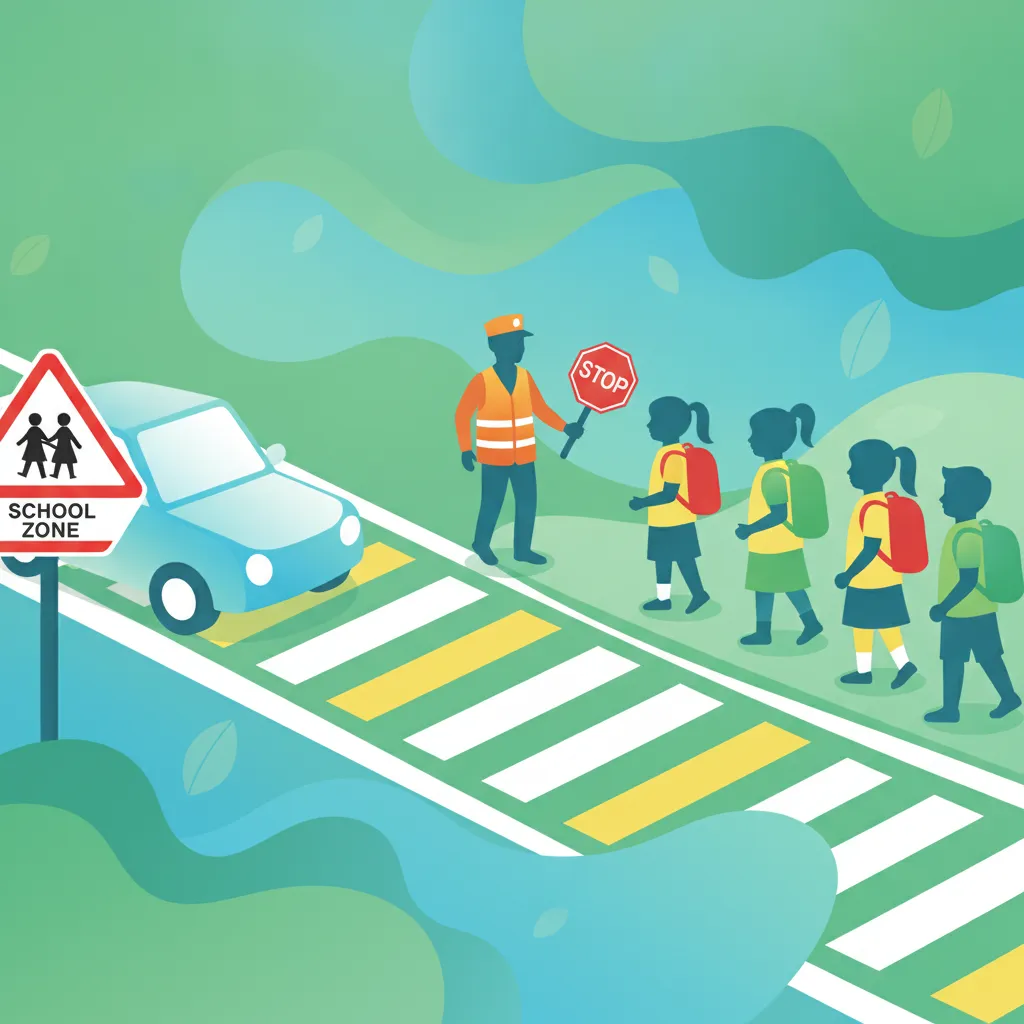
This lesson highlights the need for heightened awareness and reduced speed around schools, parks, and residential areas. Children can be unpredictable, so you must be prepared for them to step into the road without warning. The lesson covers specific signs for school zones and the legal requirement to stop for a school crossing patrol.
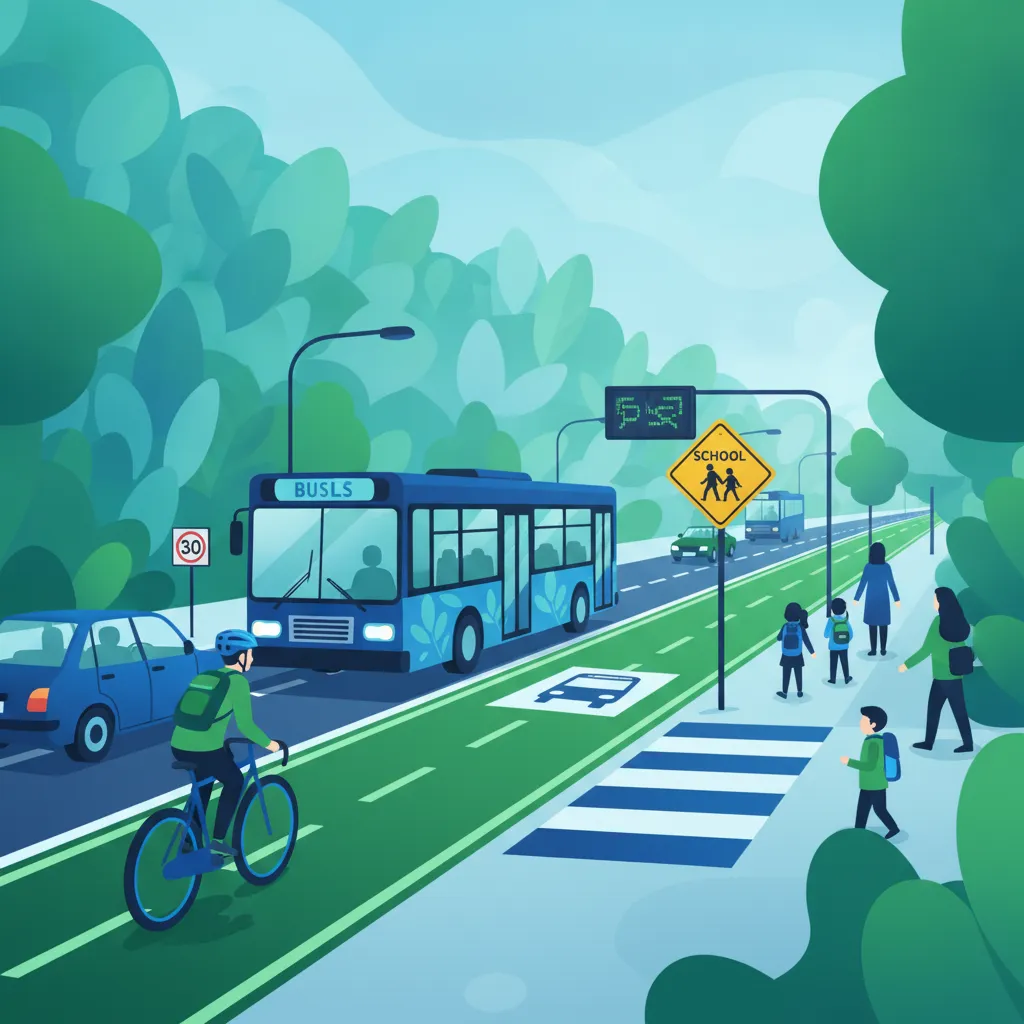
This lesson explains the regulations for special road zones common in urban areas. You will learn about speed restrictions near schools, how to read signs indicating if and when motorcycles can use bus lanes, and how to safely interact with cyclist infrastructure such as advanced stop lines. Compliance with these specific rules is crucial for legal and safe urban riding.
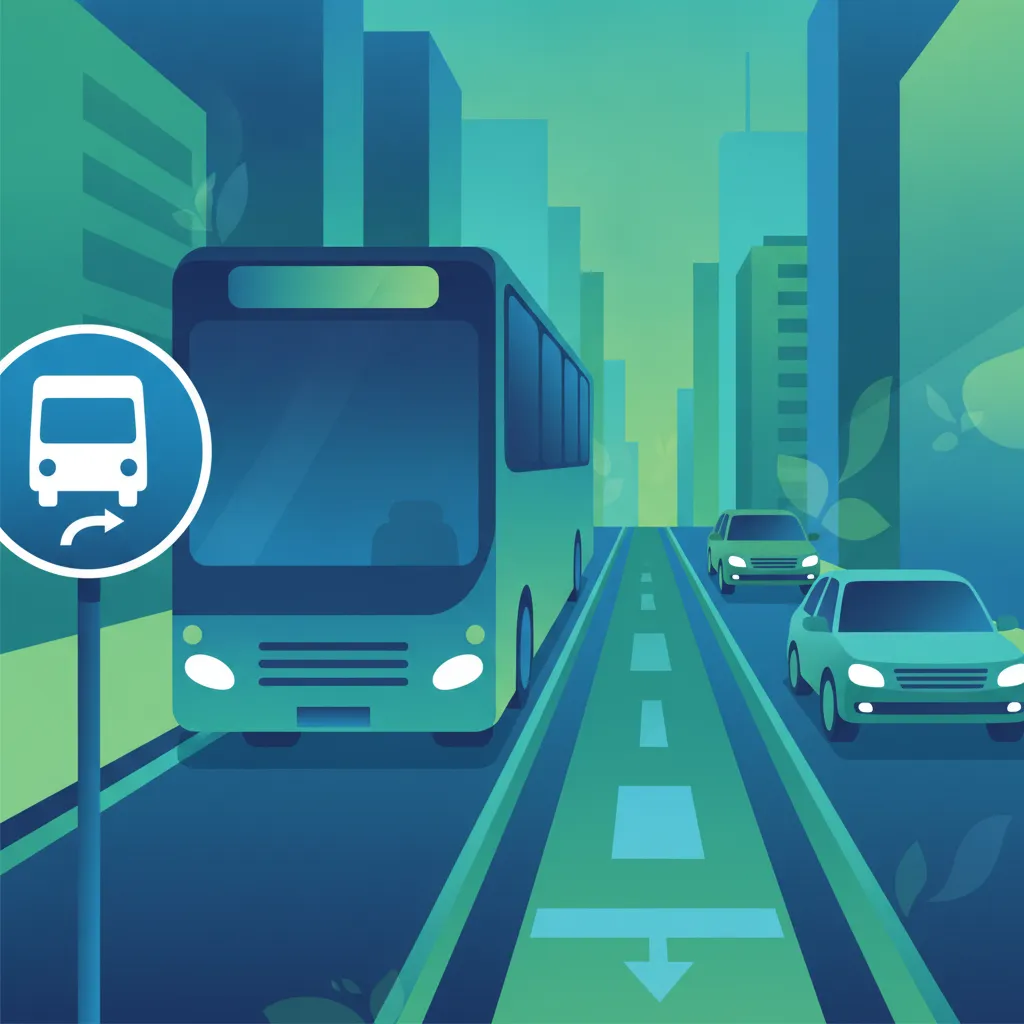
This lesson examines the unique rules and restrictions governing buses and coaches, focusing on bus lane priority, time-based restrictions, and loading zone limitations. Learners will explore the criteria for using bus-only routes and understand the legal consequences of non-compliance. The content also reviews signage indicating bus gate operation and areas where passenger vehicles are prohibited from stopping or loading outside of designated zones, ensuring lawful and efficient urban navigation.
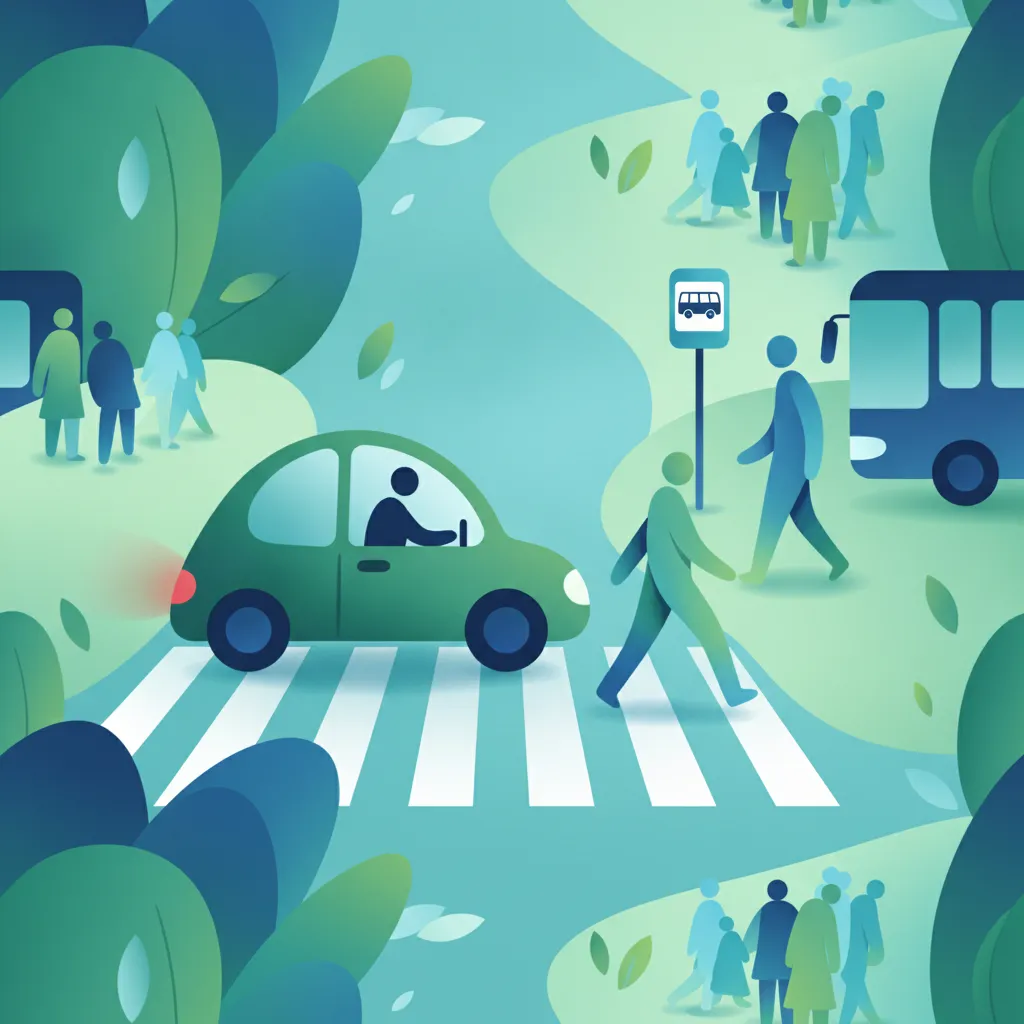
This lesson provides detailed guidance on protecting pedestrians in high-risk areas like bus stops and formal crossings. It covers the specific rules and driver obligations at zebra, pelican, toucan, and puffin crossings, as well as when approaching a school crossing patrol. The content emphasizes the importance of vigilance, anticipating pedestrian movements, especially those who may be distracted or emerge from behind the bus, and always being prepared to stop to prevent accidents.
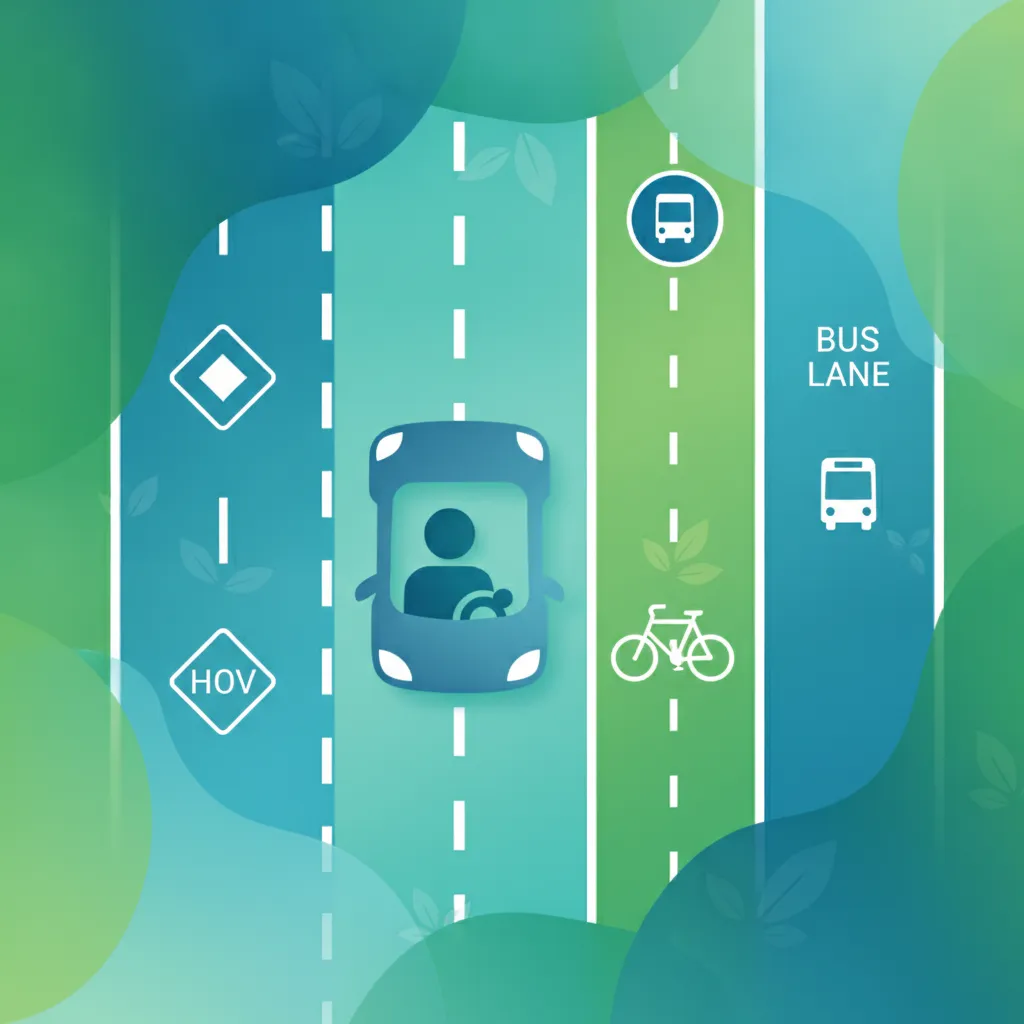
This lesson covers lanes designated for specific types of traffic to improve flow and safety. You will learn to identify mandatory and advisory cycle lanes, and understand the signs indicating the operational hours of bus lanes. The rules governing these lanes are critical for avoiding penalties and ensuring the safety of all road users.
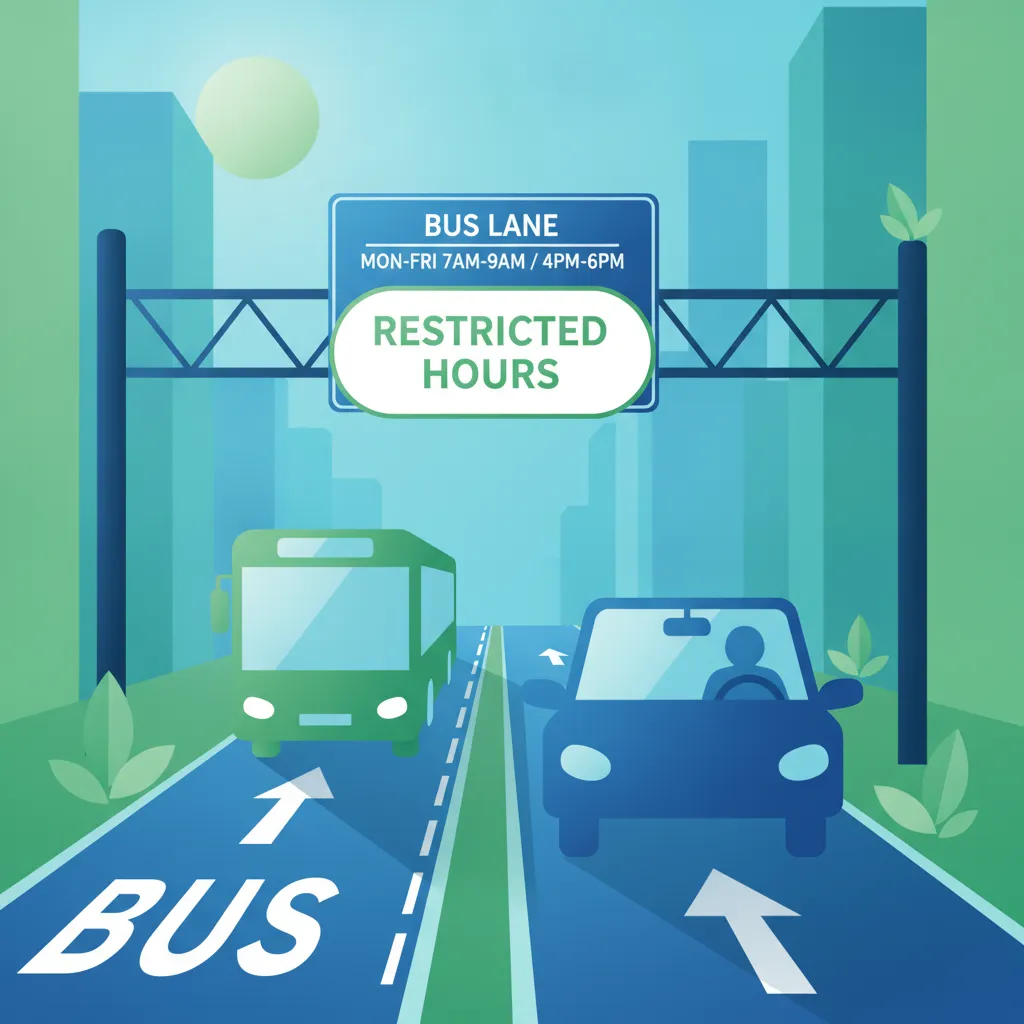
This lesson covers the importance of maintaining correct lane discipline when driving a large passenger vehicle. It details how to position your vehicle safely within a lane on various road types, including multi-lane carriageways and motorways. You will learn the specific rules governing bus lanes, including how to interpret markings, adhere to operating times, and understand the exemptions and penalties associated with their use to ensure legal and efficient driving.
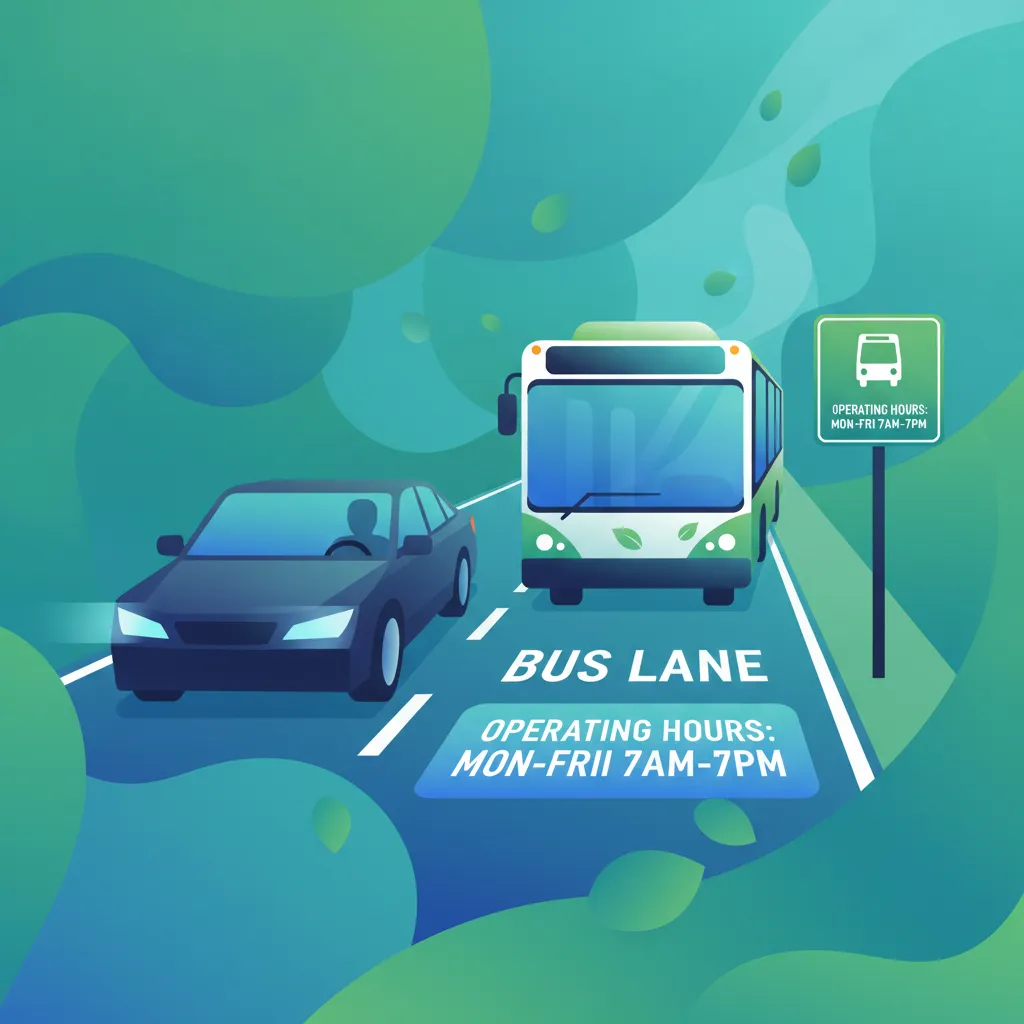
This lesson explores the specifics of bus lane markings, operating times, and priority situations where buses have precedence over other traffic. It emphasizes correct lane discipline, lawful entry and merging practices, and the exemptions granted to designated passenger vehicles. Learners will also understand how bus lane enforcement works and what penalties may be incurred for non-compliance, ensuring safe and efficient movement through urban traffic systems.
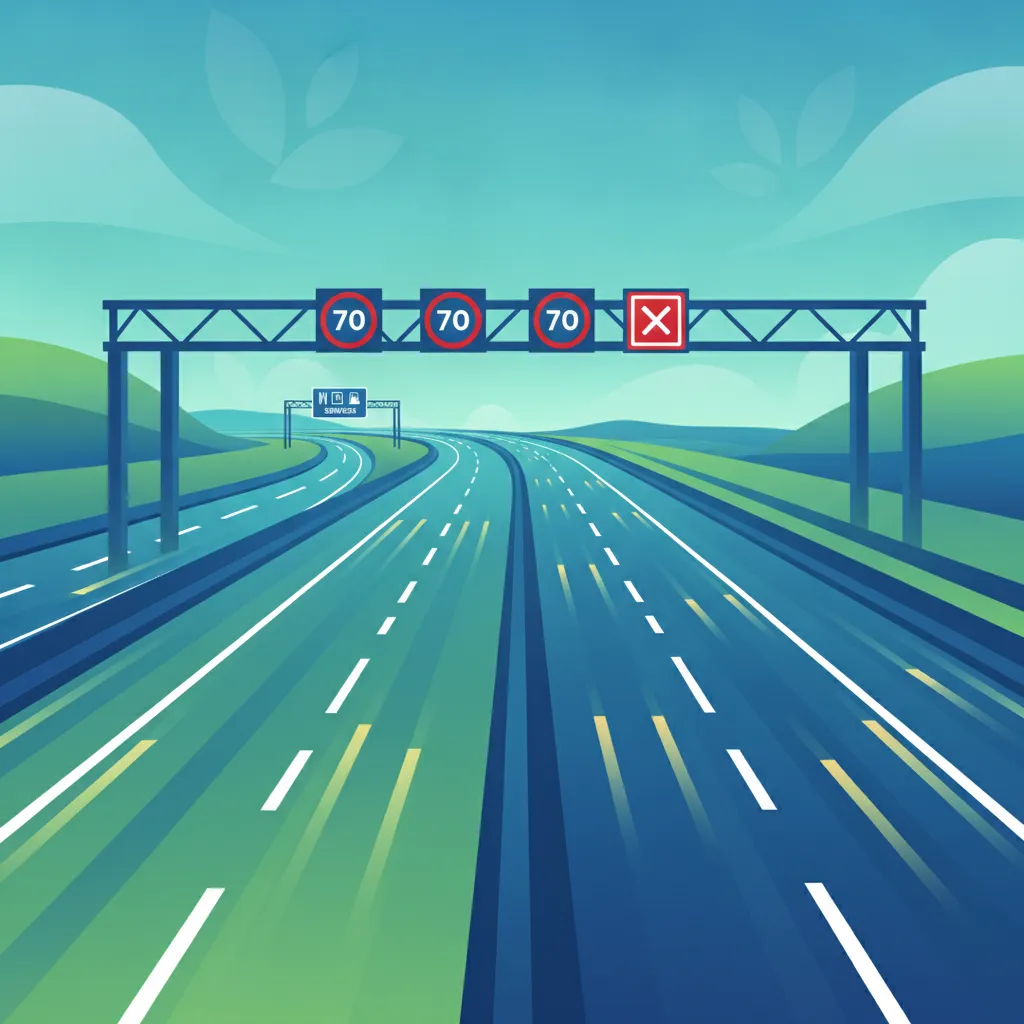
This lesson covers the unique aspects of motorway driving, from joining and leaving the carriageway to the strict lane discipline of keeping to the left unless overtaking. It explains the features of smart motorways, such as variable speed limits and the meaning of a Red X symbol above a lane. The safe procedure for handling a breakdown is also a key topic.
This lesson focuses on the regulations and best practices for driving a bus or coach on motorways. It details the specific speed limits applicable to PCVs and reinforces strict lane discipline. The content covers the correct procedures for safely joining from a slip road, overtaking other vehicles, and exiting the motorway. It also explains the features of smart motorways and the correct safety procedures to follow in the event of a breakdown, including the use of the hard shoulder.
This lesson provides a clear guide to the legal restrictions placed on drivers with a provisional licence. It covers the mandatory display of L-plates and the specific criteria for a supervising driver, including age and experience. Furthermore, it explains the prohibition on driving on motorways and other rules designed to ensure safety during the learning process.
Learn about identifying and protecting vulnerable road users, particularly children, near schools and bus stops. This focuses on driver vigilance, anticipating unpredictable behaviour, and ensuring safe passage in these sensitive areas.
This lesson highlights the need for heightened awareness and reduced speed around schools, parks, and residential areas. Children can be unpredictable, so you must be prepared for them to step into the road without warning. The lesson covers specific signs for school zones and the legal requirement to stop for a school crossing patrol.
This lesson teaches drivers how to identify various types of vulnerable road users and anticipate their potential actions to prevent conflicts. It covers the specific risks associated with pedestrians, cyclists, motorcyclists, children, and elderly or disabled individuals. Emphasis is placed on heightened awareness and defensive driving techniques required to share the road safely. Understanding their perspectives and typical behaviours is key to protecting them and maintaining safety for everyone.
This lesson discusses the crucial interaction between passenger vehicles and pedestrians at and around bus stops. Learners will explore pedestrian right-of-way, especially at crosswalks, and positioning strategies to maintain a safe distance from people waiting or crossing. The lesson also covers pedestrian alertness measures and conflict avoidance techniques to protect vulnerable road users. This knowledge is essential for preventing accidents and maintaining a safe environment around the vehicle during stops.
This lesson provides detailed guidance on protecting pedestrians in high-risk areas like bus stops and formal crossings. It covers the specific rules and driver obligations at zebra, pelican, toucan, and puffin crossings, as well as when approaching a school crossing patrol. The content emphasizes the importance of vigilance, anticipating pedestrian movements, especially those who may be distracted or emerge from behind the bus, and always being prepared to stop to prevent accidents.
This lesson focuses on developing a proactive and patient approach towards elderly and disabled road users. It explains how to recognize and provide additional time and space for individuals with slower movement, mobility scooters, or sensory impairments. The content emphasizes the importance of driver attitude, patience at crossings, and anticipating the needs of these vulnerable individuals. Understanding these factors is crucial for preventing accidents and demonstrating a high level of professional care and responsibility.
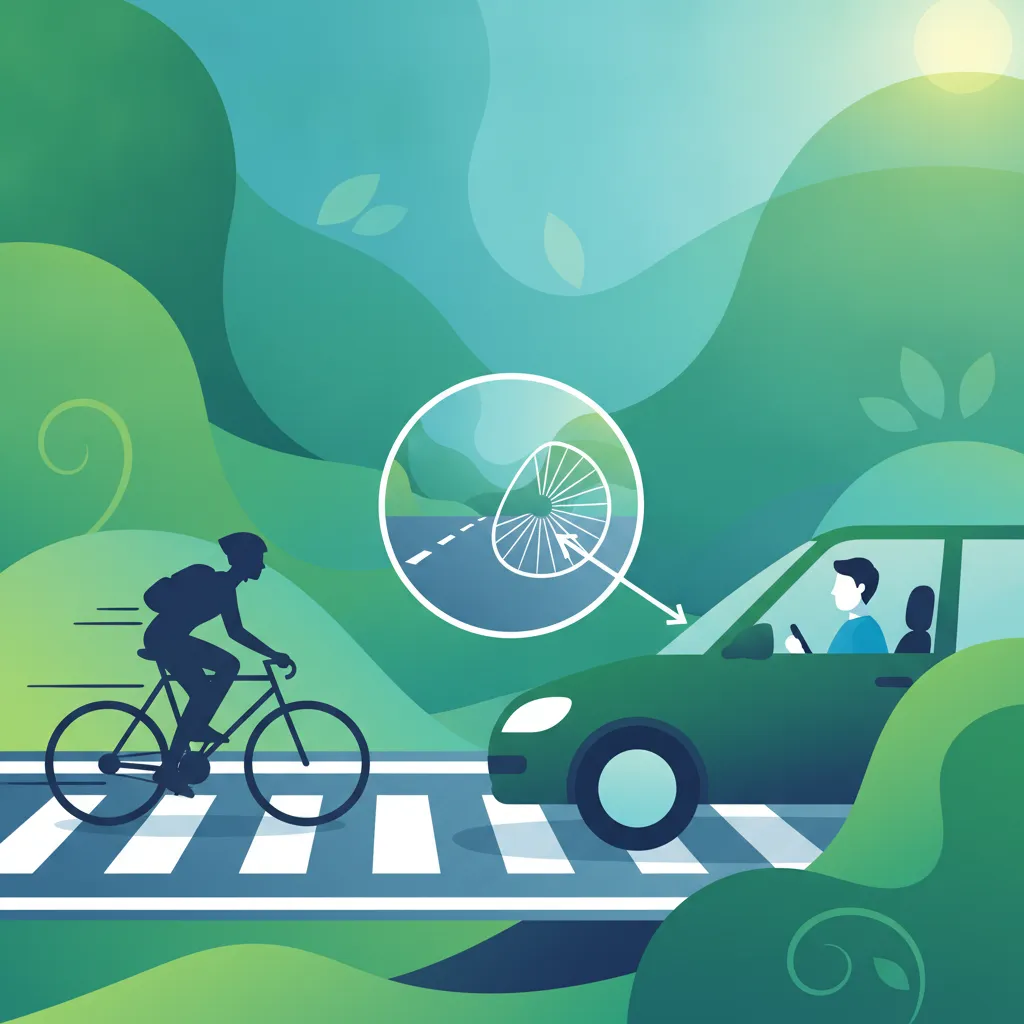
This lesson is dedicated to the safe interaction between large vehicles and the most vulnerable road users: pedestrians and cyclists. It highlights high-risk scenarios, such as left turns at junctions, where cyclists can be hidden in nearside blind spots. The content stresses the importance of anticipation, using signals clearly, and providing generous space at crossings, in cycle lanes, and within pedestrianized zones to prevent tragic accidents.
This lesson focuses on a driver's legal and ethical duty of care to all road users. It explains the concept of a road user hierarchy, which prioritizes the safety of vulnerable groups such as pedestrians, cyclists, and motorcyclists. You will learn the principles of defensive driving, anticipating potential hazards, and maintaining a courteous attitude on the road to ensure safety for everyone.

This lesson explains how to adapt your driving around different vehicles. You will learn to look out for motorcyclists, who are often hard to see, especially at junctions. It also covers the challenges of sharing the road with large vehicles, such as their extended blind spots, wider turning circles, and the wind turbulence they can create.

This lesson focuses on safe interaction with cyclists, a key aspect of urban driving for PCV operators. It details the rules for cycle lanes and advanced stop lines, and the correct procedure for overtaking cyclists, emphasizing the need to provide ample space. The content stresses the importance of frequent mirror checks to manage blind spots where cyclists can be hidden, especially when turning at junctions, to ensure their safety and comply with the Highway Code's road user hierarchy.

This lesson prepares you for the specific challenges of driving in the countryside. It explains the correct procedure for overtaking horse riders: slow down and pass wide, ensuring you do not spook the animal. You will also learn how to anticipate and safely manage encounters with slow-moving tractors and other farm machinery.
Find clear answers to common questions learners have about School Transport Zones and Child Safety. Learn how the lesson is structured, which driving theory objectives it supports, and how it fits into the overall learning path of units and curriculum progression in Great Britain. These explanations help you understand key concepts, lesson flow, and exam focused study goals.
20 mph limits are enforced in school zones to significantly reduce the stopping distance of a vehicle and minimize the impact force in the event of a collision, which is crucial for protecting children who may step into the road unexpectedly.
No, you must never stop or park on zigzag lines near school entrances. These markings are there to ensure clear visibility for both the driver and the children crossing the road.
You should expect unpredictable movement, reduced visibility due to the group size, and the possibility of children rushing to or from the vehicle. Maintain a slow speed, increase your scanning frequency, and be prepared to stop immediately.
Yes, the DVSA theory test for PCV drivers includes questions about hazard perception and safe operational procedures when boarding and alighting pupils, as this is a core responsibility of a professional driver.
Dive into our comprehensive question bank to find exactly what you need for your Great Britain theory test. Use our advanced filters to pinpoint specific subjects or test your knowledge on challenging areas, ensuring you're fully prepared for success.