
This lesson teaches you how to effectively manage the significant blind spots inherent in large passenger vehicles like buses and coaches. You will learn a systematic approach to mirror checks and scanning techniques necessary to protect vulnerable road users and pass your theory exam.
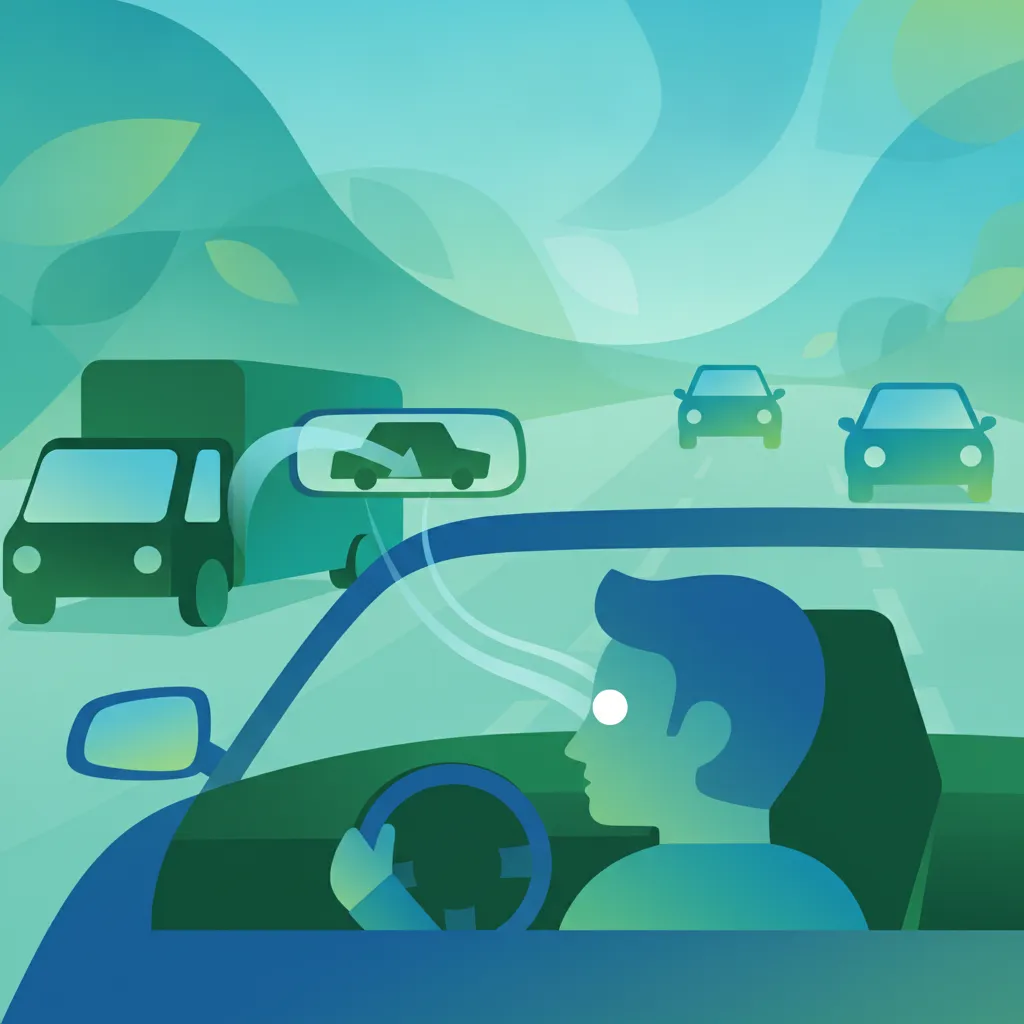
Lesson content overview
Operating a large passenger vehicle, such as a bus, coach, or minibus (Category D, D1, D1E, or DE), presents unique challenges, particularly concerning visibility. Due to their size, these vehicles inherently possess significant blind spots – areas around the vehicle that are not visible through standard mirrors. Effective blind spot management and systematic mirror checks are not just recommended practices; they are critical skills that prevent collisions, protect vulnerable road users, and ensure the safety of passengers. This lesson will equip you with a comprehensive understanding of these essential techniques, integrating them into a routine for continuous situational awareness on Great Britain's roads.
Blind spots are areas surrounding your vehicle that are obscured from your direct line of sight and cannot be seen using only your vehicle’s mirrors. For drivers of large passenger vehicles, these blind spots are substantially larger and more numerous than those found in standard cars. Their vast dimensions – length, width, and height – create significant zones where other road users, especially smaller ones like cyclists and pedestrians, can become completely invisible.
Neglecting these blind spots is a primary cause of collisions during common manoeuvres such as changing lanes, turning at junctions, merging onto motorways, and reversing. Mastering their identification and mitigation is fundamental to professional passenger vehicle operation.
Around any large passenger vehicle, several key blind spot zones demand constant attention. Recognising these areas is the first step towards managing them effectively.
These zones highlight the critical need for drivers to extend their field of vision beyond what standard mirrors alone can provide. Cyclists and pedestrians are particularly vulnerable in these areas, especially at bus stops, traffic lights, and during turns, where their smaller size and proximity to the vehicle can render them invisible if not actively sought out.
Modern passenger vehicles are equipped with a sophisticated array of mirrors designed to help drivers manage their extensive blind spots. Unlike cars, buses and coaches utilise multiple mirror classes, each serving a specific purpose and offering a distinct field of view. Understanding and properly using each type is crucial for comprehensive situational awareness.
The combination of these mirror types significantly reduces, but does not entirely eliminate, blind spots. Each mirror has specific optimal adjustment angles that maximise its coverage and usefulness.
Correct mirror adjustment is a fundamental step that must be completed before every journey. Misaligned mirrors can create larger blind spots, delay hazard detection, and compromise safety. Highway Code Rule 119 explicitly states that all mirrors must be adjusted to give a clear view of the road behind the vehicle before setting off.
The process of setting mirrors to specific angular positions relative to the driver's line of sight to maximise the field of view while minimising distortion and blind spots.
How to Adjust Your Mirrors:
Always adjust your mirrors from your normal driving position. If your seat position changes (e.g., due to different drivers or passenger/cargo load shifts), you must re-adjust your mirrors accordingly to maintain optimal visibility.
Even with perfectly adjusted mirrors, certain areas around a large passenger vehicle remain invisible. This is where a systematic scanning routine becomes indispensable. A routine ensures that you consistently check all critical areas, reducing the chance of overlooking hazards or vulnerable road users. This proactive approach is a cornerstone of safe professional driving.
Before initiating any lateral movement, such as changing lanes, turning, or merging, a precise sequence of checks must be performed. This routine ensures that your visual information is current and comprehensive before your vehicle's trajectory changes.
Signal Your Intention: Always activate your indicators well in advance to alert other road users of your planned manoeuvre.
Check Interior Mirror (if applicable): Quickly glance at your interior rearview mirror to assess traffic directly behind you.
Check Side Mirrors (A-class, C-class): Systematically scan your wide-angle and intermediate side mirrors, checking both for vehicles in adjacent lanes and those approaching from behind. Pay attention to cyclists or motorcyclists travelling alongside.
Perform a Head Check (Shoulder Check): This is crucial. Quickly turn your head and glance over your shoulder in the direction of your intended manoeuvre. This direct visual check is the only way to confirm that the side-rear blind spot is clear.
Check Kerb-View Mirror (B-class) (especially for left turns/pulling away from kerb): Verify the immediate area next to the front wheels for pedestrians, cyclists, or obstacles, particularly if moving close to the kerb.
Check Forward Observation: Finally, re-check the road ahead to ensure the path is clear and safe to proceed with the manoeuvre.
Initiate Manoeuvre: Only when all checks confirm a clear and safe path should you begin to steer and execute the manoeuvre.
Reversing a large passenger vehicle presents heightened risks due to the extensive rear-centre blind spot. A dedicated routine is essential for safe backing.
Check Interior Rearview Mirror (if applicable): Gain an initial overview of the area directly behind.
Check Side Mirrors (A-class, C-class): Continuously monitor both side mirrors for approaching traffic or obstacles as you begin to reverse.
Perform a Full 180-Degree Head Turn: Physically turn your body and head to look directly behind the vehicle. This is the most effective way to detect obstacles in the critical rear-centre blind spot.
Utilise Reversing Cameras/Sensors: If your vehicle is equipped with a reversing camera or parking sensors, use these as supplementary aids. Remember, they are aids and do not replace manual visual checks.
Consider a Spotter: In complex or confined spaces, or when visibility is severely limited, consider using a qualified spotter to guide you, communicating clearly and consistently.
Vulnerable Road Users (VRUs) – pedestrians, cyclists, and motorcyclists – are at a significantly higher risk in a collision with a large vehicle. Their smaller size makes them easier to miss in blind spots, and their unpredictable movements require heightened vigilance.
When performing any mirror or scanning check, always give extra attention to the potential presence of VRUs. Look specifically for:
Never assume a blind spot is clear simply because you haven't seen anything in your mirrors. Always follow through with a head check, especially before making any lateral movement.
The effectiveness of mirror checks is not just about performing them, but also about when they are performed. Incorrect timing can render the checks useless, providing outdated information just as you initiate a critical manoeuvre.
The golden rule for mirror check timing is to perform them before any steering input begins. This ensures that the visual information you acquire is relevant to the immediate situation and that you have sufficient time to react if a hazard is detected.
Delayed mirror checks, performed only after the vehicle has begun to turn or change lanes, leave no reaction time if a hazard is present in the blind spot. This significantly increases the risk of a collision.
The Highway Code provides explicit rules governing the use and adjustment of mirrors, which are legally binding for all drivers, especially those operating large passenger vehicles. Adhering to these regulations is not only a legal obligation but also a fundamental aspect of safe and responsible driving for Category D, D1, D1E, or DE licence holders.
Before setting off, you must adjust all mirrors to give a clear view of the road behind the vehicle.
Rationale: This mandatory rule ensures that drivers have immediate and adequate situational awareness from the moment they begin their journey. Proper adjustment reduces the risk of start-up collisions, particularly when pulling away from parked positions where pedestrians or other vehicles might be present. Example: A Category D driver checks and adjusts their left, right, and interior mirrors, confirming they can see clearly behind and to the sides, before moving off from a bus depot.
Whenever it is required to change your direction of travel or speed, you must first indicate your intention and also check your mirrors.
Rationale: This rule mandates that mirror checks are an integral part of any manoeuvre that alters the vehicle's path or speed. It ensures that drivers are aware of other road users before initiating actions like lane changes, turning, merging, or even braking. Example: A bus driver signals right, checks their right-hand side mirrors, performs a quick right head check, and then moves into the right-hand lane to overtake.
Drivers must be particularly careful at junctions, checking mirrors and blind spots for cyclists, motorcyclists, and pedestrians.
Rationale: Junctions are high-risk areas where traffic converges and vulnerable road users are frequently present. The combination of turning movements and the potential for VRUs to be hidden in blind spots necessitates heightened caution and comprehensive checks. Example: Approaching a roundabout, a coach driver uses their kerb-view mirror to ensure no cyclists are riding on the inside, then performs a head check before exiting.
Drivers must give way to pedestrians at marked crossings.
Rationale: While not directly about mirror checks, this rule underpins the need for continuous scanning for pedestrians, who are highly vulnerable. Drivers of large vehicles must use their mirrors and direct observation to detect pedestrians early and be prepared to stop. Example: A minibus driver, approaching a zebra crossing, scans both forward and uses their kerb-view mirrors to identify any pedestrians waiting or stepping onto the crossing.
Cyclists have equal rights and responsibilities as drivers of motor vehicles.
Rationale: This rule reinforces the importance of treating cyclists with the same consideration as other vehicle drivers. Given their vulnerability and tendency to occupy blind spots, drivers of large passenger vehicles must exercise extra vigilance, employing all mirror and scanning techniques to detect and protect cyclists. Example: A bus driver checks their intermediate mirrors and performs a head check, even when turning slowly, to ensure no cyclist is riding alongside before completing the turn.
Despite clear guidelines and regulations, certain errors in blind spot management frequently lead to hazardous situations. Awareness of these common mistakes can help you proactively avoid them.
Effective blind spot management is not a static process; it requires dynamic adaptation to varying driving conditions. Environmental factors, road characteristics, and the state of your vehicle all influence visibility and the likelihood of encountering hazards.
Understanding the concepts is one thing; applying them in real-world driving situations is another. Here are some scenarios illustrating effective blind spot management.
Decision Point: The driver must ensure the path is clear of both the pedestrian and the cyclist before moving the bus into traffic. Correct Behaviour: The driver signals right. They check the right kerb-view mirror to confirm the cyclist is not directly beside the bus. They then perform a quick right shoulder check to cover the side-rear blind spot. A forward check confirms the pedestrian is waiting and not stepping onto the road. Only then does the driver slowly pull away, maintaining low speed and readiness to stop. Incorrect Behaviour: The driver signals and pulls away without fully checking the right side and kerb-view mirrors, causing the bus to dangerously cut off the cyclist, who is forced to brake sharply.
Decision Point: The driver must safely change lanes, ensuring the left lane is clear, despite reduced visibility and the risk of glare. Correct Behaviour: The driver signals left well in advance. They glance at their left wide-angle and intermediate mirrors, then quickly turn their head left for a decisive shoulder check to confirm no vehicle is in their blind spot. They pay close attention to potential reflections or glare in the mirrors due to rain and night conditions. Once confirmed clear, they initiate a smooth lane change. Incorrect Behaviour: The driver signals, looks only at the wide-angle mirror (which distorts distance in the rain), and begins the lane change. A fast-approaching car in the blind spot is missed, leading to a near collision or actual side-swipe.
Decision Point: The driver must safely reverse into a lay-by, navigating the significant rear-centre blind spot, with minimal visibility. Correct Behaviour: The driver engages hazard lights. They use their interior rearview mirror, side mirrors, and perform a full 180-degree head turn to look directly behind the vehicle. If available, they rely on a reversing camera, but critically, they also open a window to listen for approaching traffic or pedestrians. They proceed very slowly, using short bursts of movement, and if possible, use a spotter. Incorrect Behaviour: The driver relies solely on their interior mirror and reversing camera, assuming the limited view is sufficient. A pedestrian, obscured by fog and not picked up by sensors, is almost struck.
Decision Point: The driver must slow down and be vigilant for children stepping onto the carriageway, giving way if necessary. Correct Behaviour: The driver significantly reduces speed. They scan forward for any children approaching the crossing and simultaneously use their kerb-view mirrors to check for any children running onto the pavement edge or from behind parked cars. They make eye contact with waiting children, confirming their intent to cross before proceeding only when the path is entirely clear. Incorrect Behaviour: The driver maintains speed, focusing only on the road ahead. A child unexpectedly steps into the lane from the pavement, hidden by a parked car and missed in the driver's peripheral vision, leading to an emergency stop or collision.
Decision Point: The driver must merge safely into the bus lane, checking for other authorised vehicles already in the lane and accounting for reduced visibility due to wet roads. Correct Behaviour: The driver signals left well in advance. They check their left wide-angle and intermediate mirrors, then perform a decisive head check, accounting for spray and reflections on the wet road. They confirm the bus lane is clear of other buses or authorised vehicles before initiating a smooth, gradual merge. Incorrect Behaviour: The driver checks the interior mirror only, assumes the bus lane is clear because it's usually empty, and merges quickly. Another bus, already in the bus lane, is forced to brake sharply to avoid a collision.
Effective blind spot management is rooted in principles of visibility, human reaction time, and cognitive psychology, all of which are amplified when driving a large passenger vehicle.
By understanding these underlying principles, drivers can appreciate not just what to do, but why these practices are so crucial for safety and professional competence.
Explore all units and lessons included in this driving theory course.
Lesson content overview
Explore all units and lessons included in this driving theory course.
Explore search topics learners often look for when studying Blind Spot Management and Mirror Checks. These topics reflect common questions about road rules, driving situations, safety guidance, and lesson level theory preparation for learners in Great Britain.
Browse additional driving theory lessons that cover connected traffic rules, road signs, and common driving situations related to this topic. Improve your understanding of how different rules interact across everyday traffic scenarios.
Explore challenging real-world situations, such as busy urban junctions and adverse weather conditions, where effective blind spot management and mirror checks are critical for Category D drivers in Great Britain.

This lesson provides a detailed map of the significant blind spots located to the front, sides, and rear of a typical heavy goods vehicle. It explains the purpose of the different classes of mirrors and how to adjust them correctly for maximum visibility. Learners will be taught effective scanning techniques—'mirror-signal-manoeuvre'—to actively check these zones before changing position, ensuring they are aware of any hidden hazards or other road users.
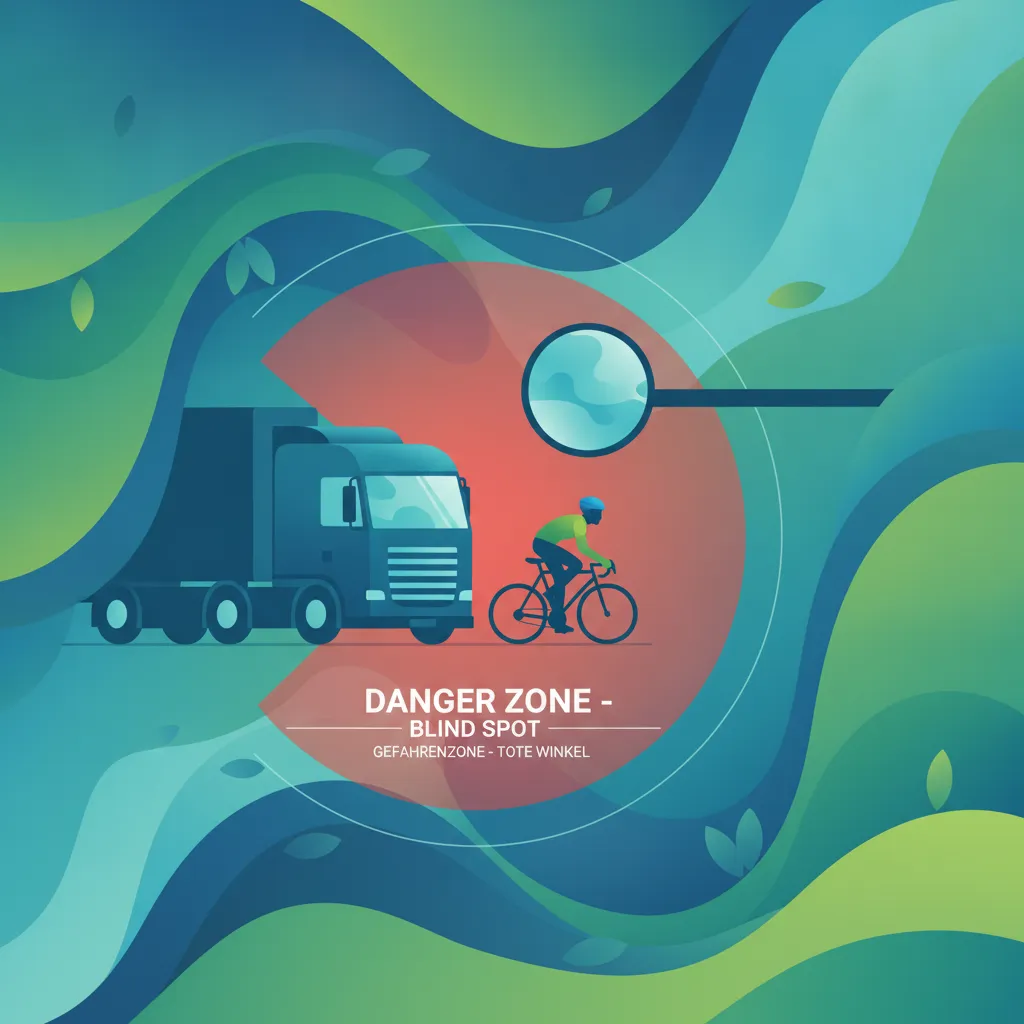
This lesson highlights the significant danger posed by the large blind spots of HGVs and buses. You will learn to identify these hazardous areas around a vehicle where the driver cannot see you. The lesson provides practical strategies for staying out of these zones, especially at junctions and when overtaking, to prevent serious accidents.

Reversing a large passenger vehicle is a high-risk manoeuvre, and this lesson provides essential safety protocols. It covers the importance of using a trained banksman or reversing assistant and understanding standard hand signals. The lesson also discusses the use of technical aids like reversing cameras and audible warnings. Learners will master the procedure for conducting a full 360-degree safety check before beginning and maintaining slow, controlled movement throughout the manoeuvre.

This lesson builds on basic skills to address complex manoeuvres in challenging, confined environments such as bus stations, depots, and service areas. It covers techniques for positioning the vehicle for bay parking and navigating tight, complex routes. Key focus areas include developing precise spatial awareness, using reference points, maintaining extremely slow and controlled movements, and performing continuous observation to navigate safely without causing damage or injury.

This lesson explains how to adapt your driving around different vehicles. You will learn to look out for motorcyclists, who are often hard to see, especially at junctions. It also covers the challenges of sharing the road with large vehicles, such as their extended blind spots, wider turning circles, and the wind turbulence they can create.

This lesson focuses on the critical skill of positioning your AM vehicle safely in relation to larger vehicles and roadside hazards like parked cars. You will learn to identify and stay out of the extensive blind spots of lorries and buses, especially at junctions. The content also provides strategies for maintaining a safe 'space cushion' around your vehicle and navigating narrow gaps or filtering in traffic without compromising your safety.

This lesson explains how to optimise your field of vision to be aware of your surroundings. It covers how to correctly adjust your interior and exterior mirrors to minimise blind spots. Crucially, it emphasizes that mirrors alone are not enough, and a direct 'head check' or 'shoulder check' is essential before manoeuvres like changing lanes or moving off.

This lesson focuses on alighting strategies and correct bus stop positioning to ensure passengers can exit the vehicle safely. Learners will investigate precise kerb alignment, the use of alighting alarms, and procedures for safe passenger disembarkation. Additionally, it covers the critical need for traffic awareness during alighting, such as monitoring mirrors and surrounding traffic, using stop signs, and prioritising the safety of vulnerable road users who may be near the bus.
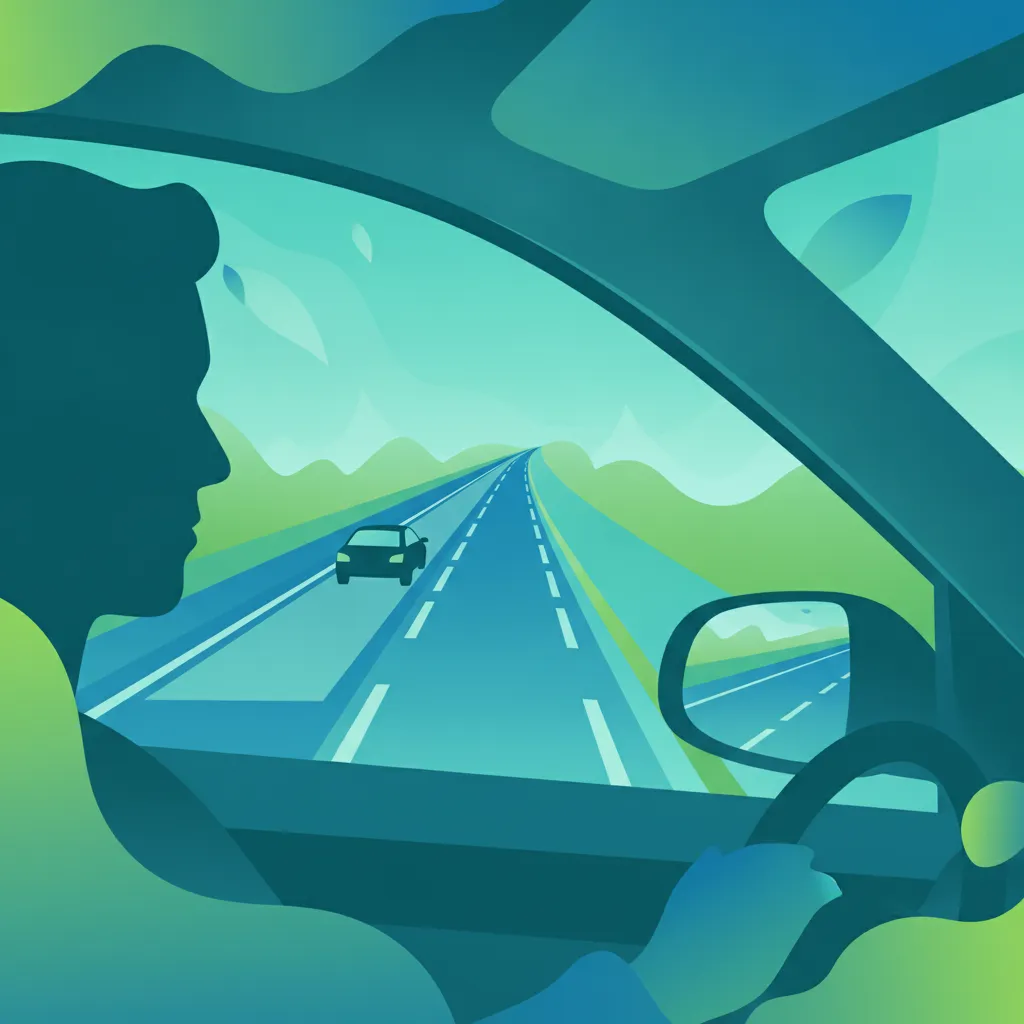
This lesson teaches riders how to be constantly aware of blind spots to prevent collisions. You will learn the importance of the 'lifesaver' shoulder check before changing position, turning, or moving off. The content emphasizes active visual scanning of the road ahead and around you, along with developing the judgment needed to accurately assess traffic speed and create safe gaps for maneuvering in various traffic situations.

This lesson provides detailed instruction on turning techniques tailored for long vehicles. It explains the concepts of off-tracking (where rear wheels follow a tighter path than front wheels) and rear swing, and how to compensate for them. Learners will understand how to position the vehicle correctly when approaching and navigating left and right turns at junctions, roundabouts, and tight corners, using mirrors and signals effectively to ensure clearance and safety.
Learn about the specific types of mirrors on buses and coaches (wide-angle, kerb-view, intermediate) and master the correct adjustment techniques for optimal visibility and safe operation according to UK driving theory.
This lesson explains how to optimise your field of vision to be aware of your surroundings. It covers how to correctly adjust your interior and exterior mirrors to minimise blind spots. Crucially, it emphasizes that mirrors alone are not enough, and a direct 'head check' or 'shoulder check' is essential before manoeuvres like changing lanes or moving off.
This lesson provides a detailed map of the significant blind spots located to the front, sides, and rear of a typical heavy goods vehicle. It explains the purpose of the different classes of mirrors and how to adjust them correctly for maximum visibility. Learners will be taught effective scanning techniques—'mirror-signal-manoeuvre'—to actively check these zones before changing position, ensuring they are aware of any hidden hazards or other road users.
This lesson provides detailed instruction on turning techniques tailored for long vehicles. It explains the concepts of off-tracking (where rear wheels follow a tighter path than front wheels) and rear swing, and how to compensate for them. Learners will understand how to position the vehicle correctly when approaching and navigating left and right turns at junctions, roundabouts, and tight corners, using mirrors and signals effectively to ensure clearance and safety.
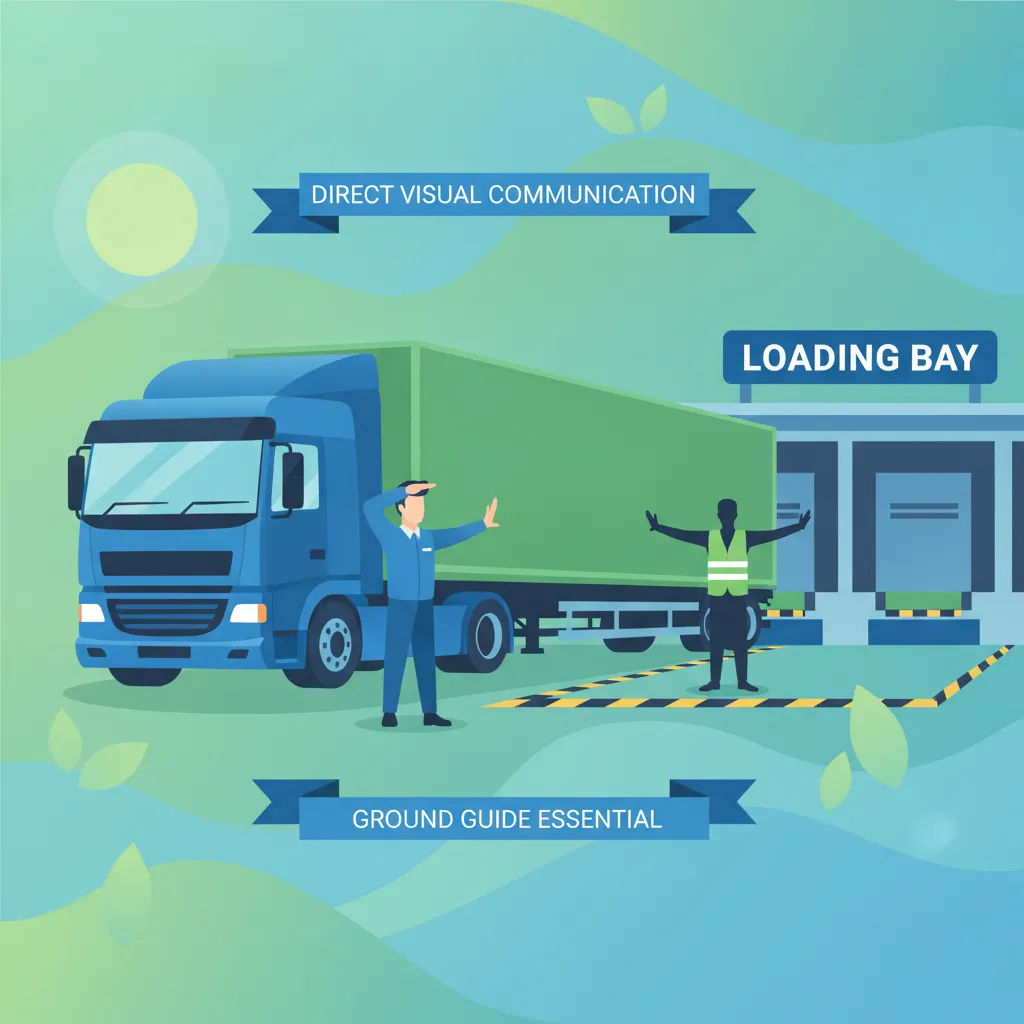
Reversing is one ofthe highest-risk maneuvers for an HGV driver. This lesson provides a structured guide to reversing safely, covering the 'get out and look' principle, effective use of all mirrors, and the use of reversing cameras and alarms. It stresses the importance of using a trained banksman (signaller) whenever possible, using agreed signals, and maintaining a slow, controlled speed throughout the maneuver to prevent accidents.
Reversing a large passenger vehicle is a high-risk manoeuvre, and this lesson provides essential safety protocols. It covers the importance of using a trained banksman or reversing assistant and understanding standard hand signals. The lesson also discusses the use of technical aids like reversing cameras and audible warnings. Learners will master the procedure for conducting a full 360-degree safety check before beginning and maintaining slow, controlled movement throughout the manoeuvre.

This lesson explores how to maintain safe following distances specific to large passenger vehicles, accounting for their higher inertia and longer braking distances. It covers time-gap calculations, such as the four-second rule, and dynamic following distance adjustments based on speed and road conditions. Emphasis is placed on avoiding tailgating, ensuring a sufficient safety buffer is always present, and developing an awareness of convoy driving scenarios where multiple large vehicles are present.
This lesson focuses on the critical skill of positioning your AM vehicle safely in relation to larger vehicles and roadside hazards like parked cars. You will learn to identify and stay out of the extensive blind spots of lorries and buses, especially at junctions. The content also provides strategies for maintaining a safe 'space cushion' around your vehicle and navigating narrow gaps or filtering in traffic without compromising your safety.
This lesson explains how to adapt your driving around different vehicles. You will learn to look out for motorcyclists, who are often hard to see, especially at junctions. It also covers the challenges of sharing the road with large vehicles, such as their extended blind spots, wider turning circles, and the wind turbulence they can create.

This lesson explains the dynamics of turning a long vehicle, focusing on the concepts of off-tracking, where the rear wheels follow a tighter path than the front wheels, and tail swing. You will learn the correct road positioning on approach to junctions and roundabouts to safely clear obstacles and avoid mounting kerbs or striking street furniture. Managing speed and using mirrors effectively throughout the turn are emphasized as crucial safety techniques.
This lesson highlights the significant danger posed by the large blind spots of HGVs and buses. You will learn to identify these hazardous areas around a vehicle where the driver cannot see you. The lesson provides practical strategies for staying out of these zones, especially at junctions and when overtaking, to prevent serious accidents.
Find clear answers to common questions learners have about Blind Spot Management and Mirror Checks. Learn how the lesson is structured, which driving theory objectives it supports, and how it fits into the overall learning path of units and curriculum progression in Great Britain. These explanations help you understand key concepts, lesson flow, and exam focused study goals.
A kerb-view mirror allows you to see the immediate area alongside the passenger side of the vehicle, which is a major blind spot. It is vital for spotting cyclists and pedestrians when you are turning left or pulling into bus stops.
You should maintain a continuous, systematic scanning routine. Every time you change speed, direction, or prepare for a stop, you must check your mirrors in a specific sequence to ensure no road user has entered your blind spots.
Unlike a car, a bus has significantly larger dimensions and a different seating position, creating large blind spots behind and along the sides of the vehicle. You must rely on a broader array of specialised mirrors rather than just the internal and wing mirrors found in cars.
The biggest risk is failing to detect a cyclist or pedestrian who has moved into your left-side blind spot while you were stationary. Always check your kerb-view and wide-angle mirrors before moving off.
Dive into our comprehensive question bank to find exactly what you need for your Great Britain theory test. Use our advanced filters to pinpoint specific subjects or test your knowledge on challenging areas, ensuring you're fully prepared for success.