
Begin your comprehensive preparation for the Great Britain driving theory test by exploring fundamental topics, essential road rules, and vital driving concepts. This hub provides detailed explanations of the Highway Code, vehicle safety, hazard awareness, and legal responsibilities, ensuring a solid foundation for your upcoming DVSA exam in England, Scotland, or Wales. Master the knowledge required to navigate roads safely and confidently.
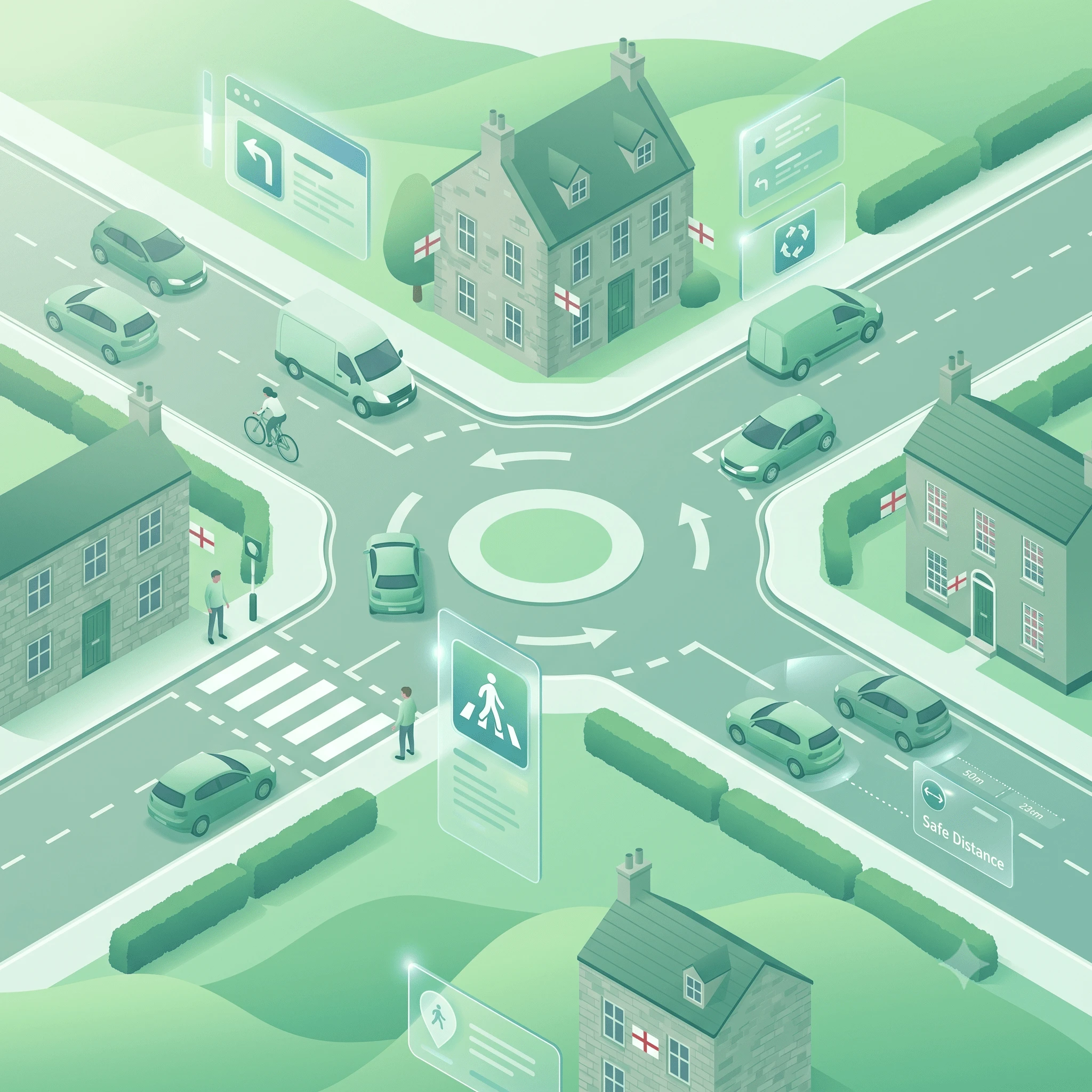
Strengthen your understanding of essential Great Britain driving theory by focusing on specific topics like traffic rules, road signs, and vehicle safety. These modules are aligned with DVSA standards to help you prepare effectively for your exam.
9 topics
7 topics
6 topics
5 topics
4 topics
3 topics
2 topics
1 topic
1 topic
1 topic
1 topic
1 topic
Find detailed explanations for all driving theory topics relevant to your UK theory test preparation. Whether you're searching for specific traffic rules or browsing key exam study areas, this section helps you build comprehensive driving knowledge for your Great Britain licence.
Filter by category
9 theory topics found

When an emergency vehicle with flashing blue, red, or green lights and/or sirens approaches, you have a critical responsibility to allow it to pass safely and without delay. This page outlines the specific rules and best practices for drivers in Great Britain, helping you understand your obligations under the Highway Code.

Right of way dictates which road user has priority to proceed first, preventing collisions and ensuring smooth traffic flow. In Great Britain, these rules are governed by the Highway Code, incorporating principles like the Hierarchy of Road Users. It's vital for all drivers to understand how signs, signals, and general rules dictate priority at every junction and interaction.

Pedestrian priority establishes crucial moments when drivers must yield to those on foot, protecting the most vulnerable road users. In Great Britain, the Highway Code clearly defines these situations, including specific types of crossings and junctions. This guide details your obligations as a driver to ensure pedestrian safety and help you master this vital theory topic.
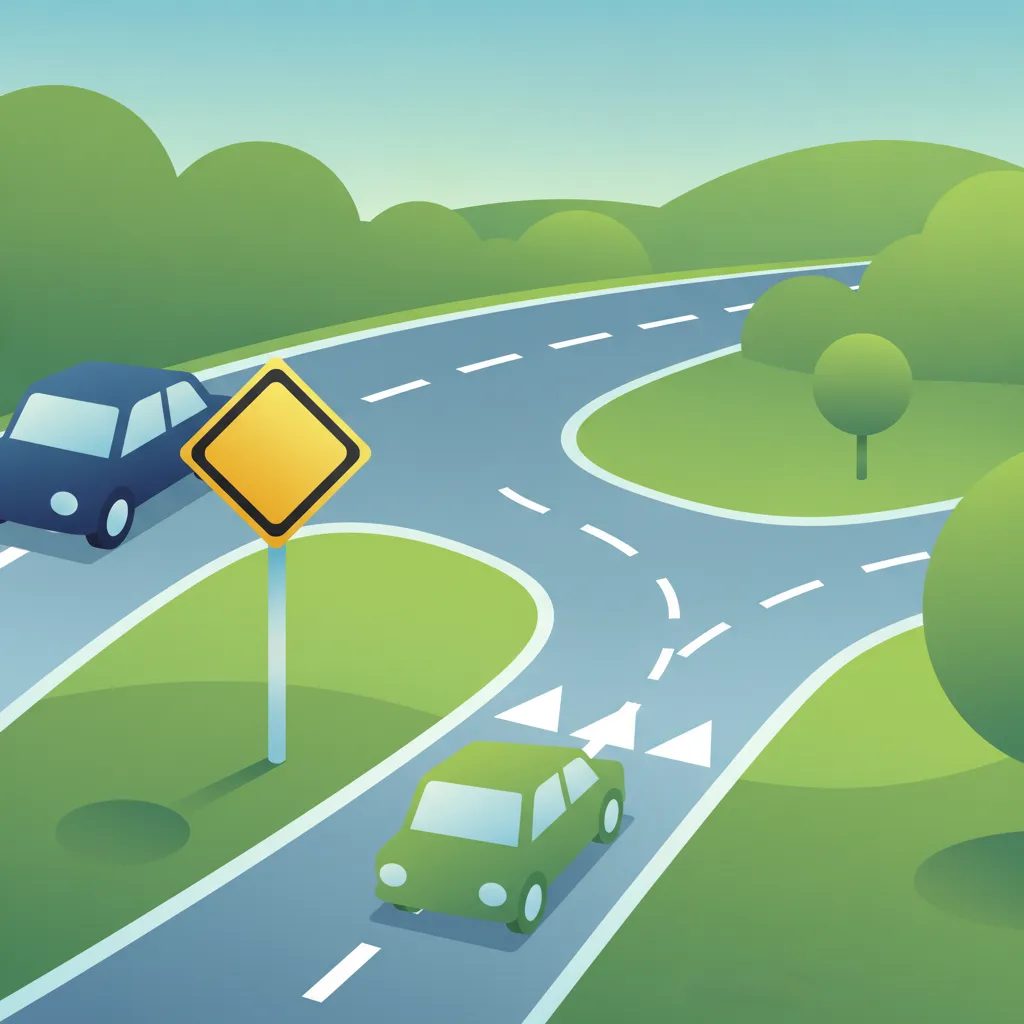
In Great Britain, a priority road is a route where traffic typically has precedence over vehicles joining or crossing from other roads. This concept is fundamental for managing traffic flow, especially at junctions. Drivers must be able to identify priority roads and understand their obligations under the Highway Code, whether they are on a priority road or entering one.
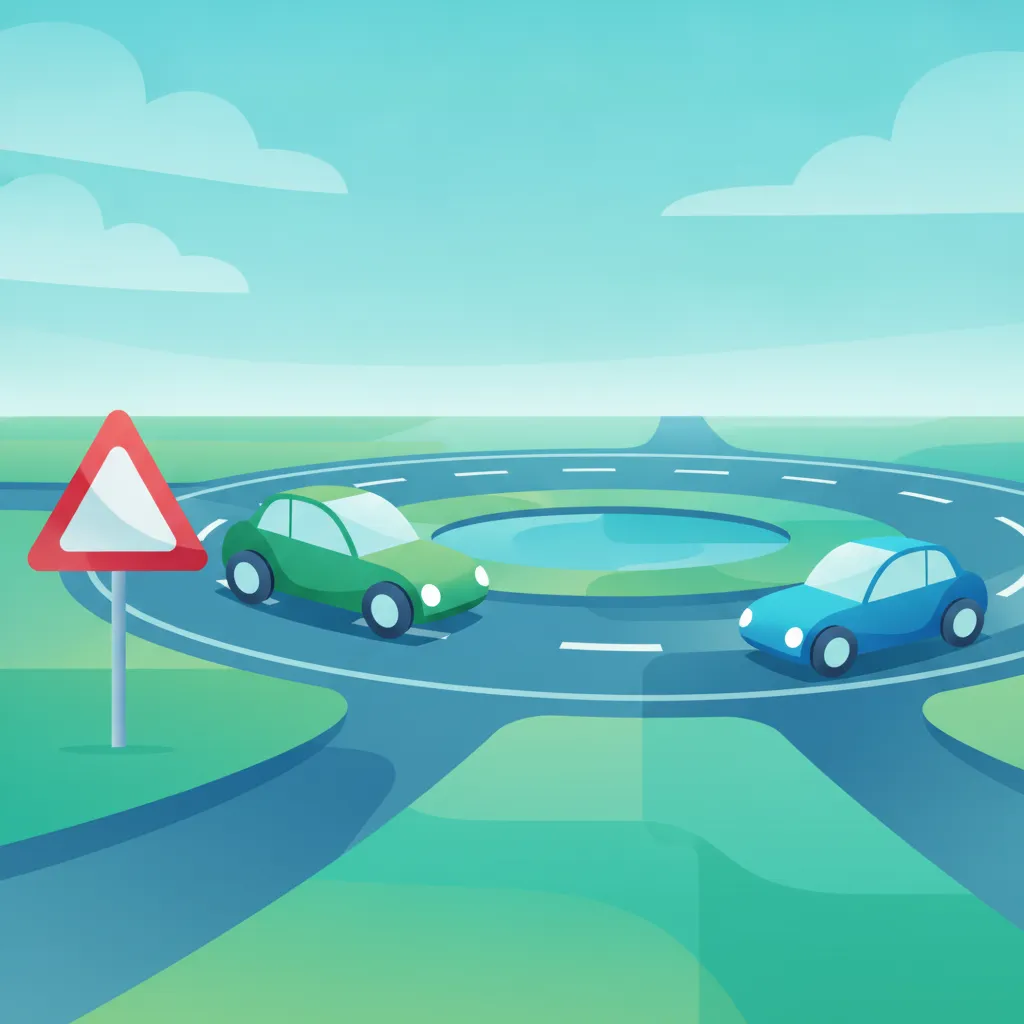
Roundabouts are designed to keep traffic flowing smoothly, but knowing who has priority is essential to prevent collisions. This guide focuses on the specific rules for roundabouts in England, Scotland, and Wales, including standard roundabouts and mini-roundabouts, to ensure you drive safely and confidently.

Giving way means allowing other road users to proceed first to prevent conflict and ensure safe traffic flow. This page explains key situations where you must yield in Great Britain, including at junctions, roundabouts, and pedestrian crossings, as outlined in The Highway Code. Mastering these rules is fundamental for safe driving and essential for passing your theory exam.
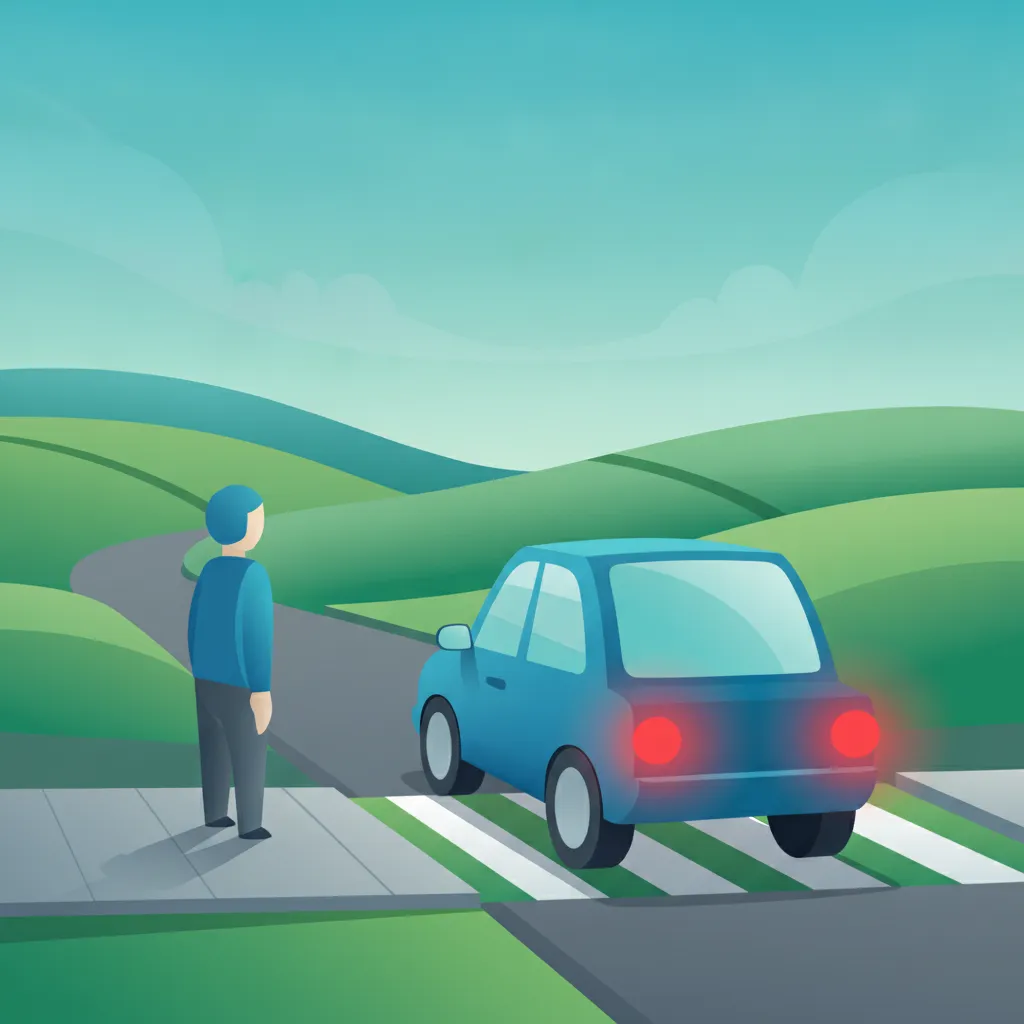
Pedestrian crossings are designated areas designed to help people cross the road safely. As a driver in Great Britain, you must understand the rules governing various crossing types, such as Zebra, Pelican, Puffin, Toucan, and Parallel crossings. Your primary responsibility is to protect pedestrians by yielding priority and adjusting your driving appropriately.

Trams operate on fixed tracks and cannot steer to avoid obstacles, making them unique on Great Britain's roads. Drivers must understand their special priority rules to prevent collisions and ensure smooth traffic flow, especially in busy urban areas. This section clarifies when you must give way to trams according to the Highway Code.

Uncontrolled junctions are intersections without traffic lights, 'Stop' or 'Give Way' signs, or explicit road markings to direct priority. In Great Britain, successfully navigating these junctions depends on understanding general rules of the road, anticipating other drivers' actions, and always being prepared to give way for safety.
Deepen your understanding of essential road rules, hazard perception, and UK traffic signs by exploring more expert-written guides. Prepare confidently for your DVSA theory test and develop safer driving habits by navigating our complete article hub.
Explore Driving Theory Articles