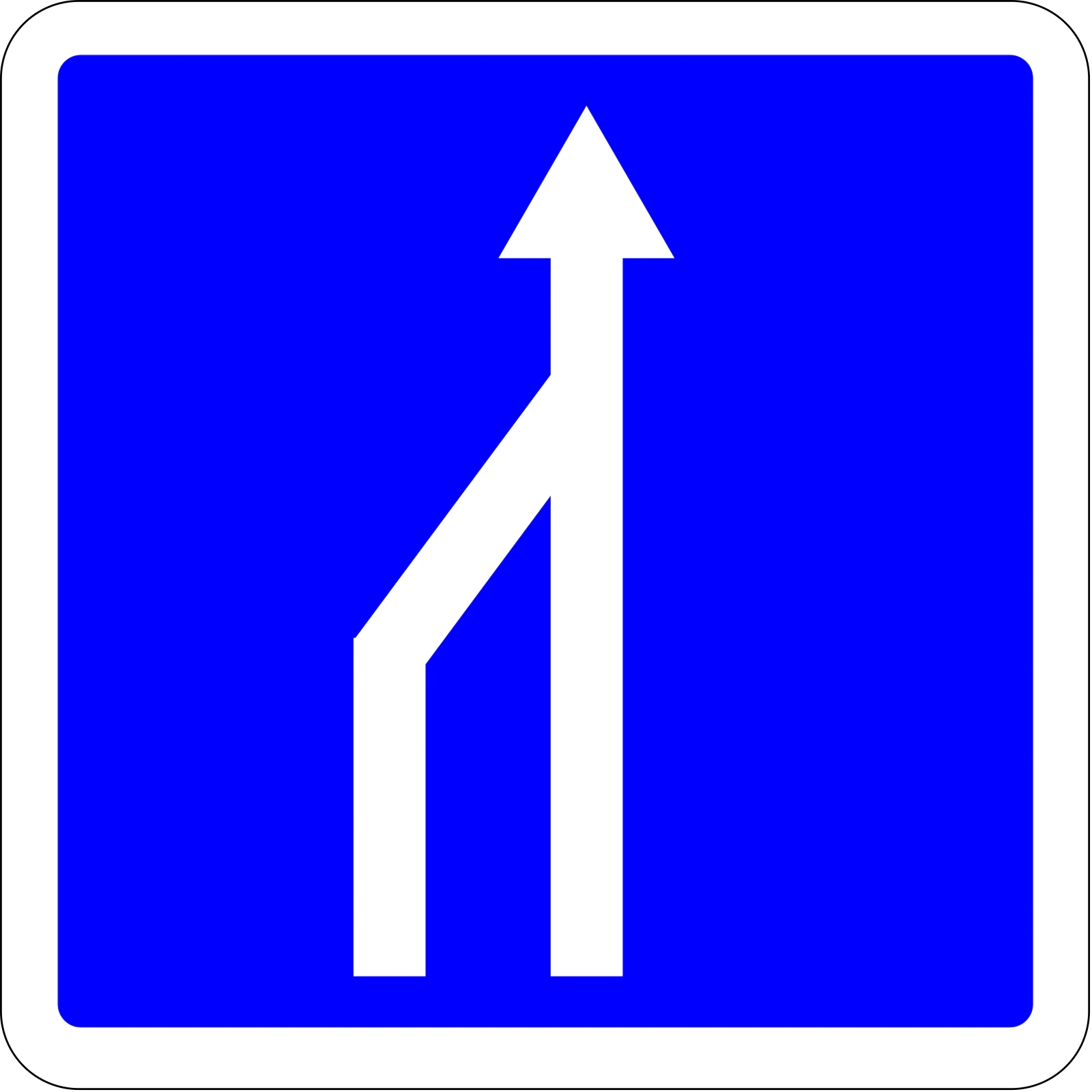
The C28-3 'Lanes Merge' sign is an informational traffic sign used in France to alert drivers that lanes of traffic are about to join together. It helps you anticipate changes in road layout, allowing you to plan your lane position and speed in advance, often in conjunction with road markings and other signals. Reading this sign early is key to smooth driving and avoiding sudden manoeuvres.
Mastering the 'Lanes Merge' sign (C28-3) is crucial for safe driving in France, helping you navigate complex junctions and avoid abrupt changes. This traffic sign explanation provides essential revision for your theory test, ensuring you understand its implications for lane discipline and route planning.
Information signs make the road environment easier to interpret before a driver has to act. This sign may identify a one-way street, lane arrangement, pedestrian crossing, toll facility, tunnel, motorway, expressway, escape lane, or route condition. It should be read with markings, signals, and regulatory signs before changing speed, lane, or route. Official French sign code: C28-3.
"Lanes merge" gives official information about road layout, direction, lanes, facilities, restrictions, tolls, tunnels, motorways, or traffic conditions. It helps drivers plan early and avoid sudden manoeuvres.
Get clear, practical answers to the most common questions about the C28-3 - Lanes merge road sign. Learn how the sign works, what rules it represents, and how it affects real driving situations. This FAQ strengthens your understanding and supports accurate decision making for the French driving theory exam in France.
The C28-3 'Lanes Merge' sign informs you that one or more lanes of traffic will soon join the lane you are in, or that lanes will be reduced. It's a planning sign designed to help you prepare for a change in the road ahead and adjust your driving accordingly.
Upon seeing the C28-3 sign, you should look ahead to understand how the lanes are merging. It's best to plan your route and lane choice early, matching the sign's information with any accompanying road markings. Avoid sudden lane changes or braking; maintain a safe speed and be aware of other vehicles around you.
A common trap is to ignore the sign until the last moment, leading to a sudden, unsafe lane change. Another mistake is treating the information sign as permission to merge without yielding if necessary, or failing to notice subsequent signs that might further clarify the lane arrangement or restrictions.
No, the C28-3 'Lanes Merge' sign is an informational sign, not a prohibitory one. It advises you that lanes are merging. Your action depends on the lane you are in and the most appropriate and safest route for your journey, always in accordance with other traffic signals and priority rules.
Yes, understanding how to react to the C28-3 'Lanes Merge' sign is important for the French theory test. Failing to anticipate lane changes or making unsafe manoeuvres based on this sign could result in incorrect answers, particularly in hazard perception or situational judgment questions.
A clear reference image of the C28-3 - Lanes merge road sign used in France.
The C28-3 - Lanes merge road sign may also be known by these alternative names or terms.
The C28-3 - Lanes merge road sign is part of the France Information Signs category, which groups together signs with similar rules and functions.
Comparing similar road signs, like different lane merge warnings, sharpens your recognition skills and boosts memory for the French theory test. Effective traffic sign comparison aids in avoiding common errors and ensures you're fully prepared for your driving licence exam.
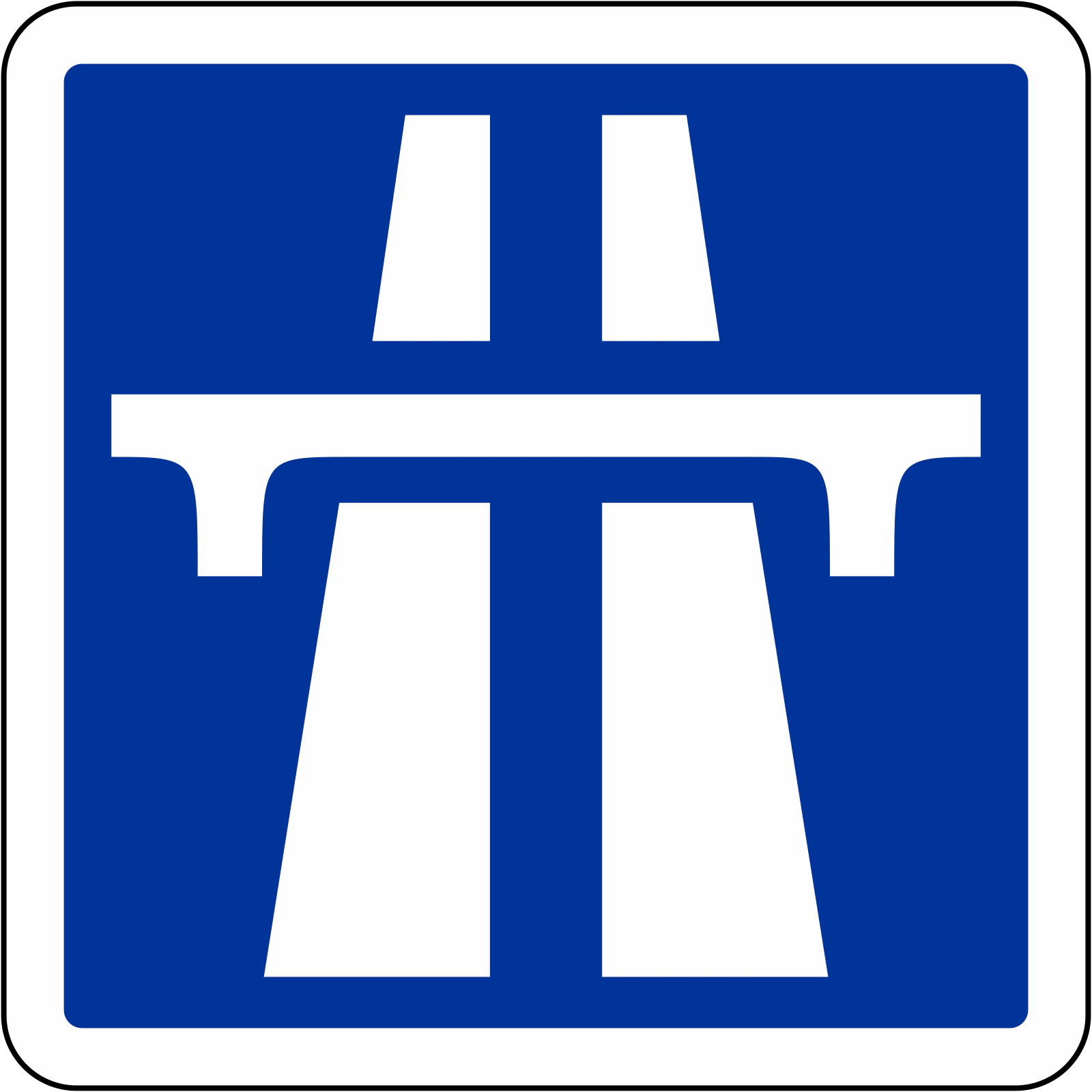
The Autoroute-F sign indicates you are on or approaching a French motorway.
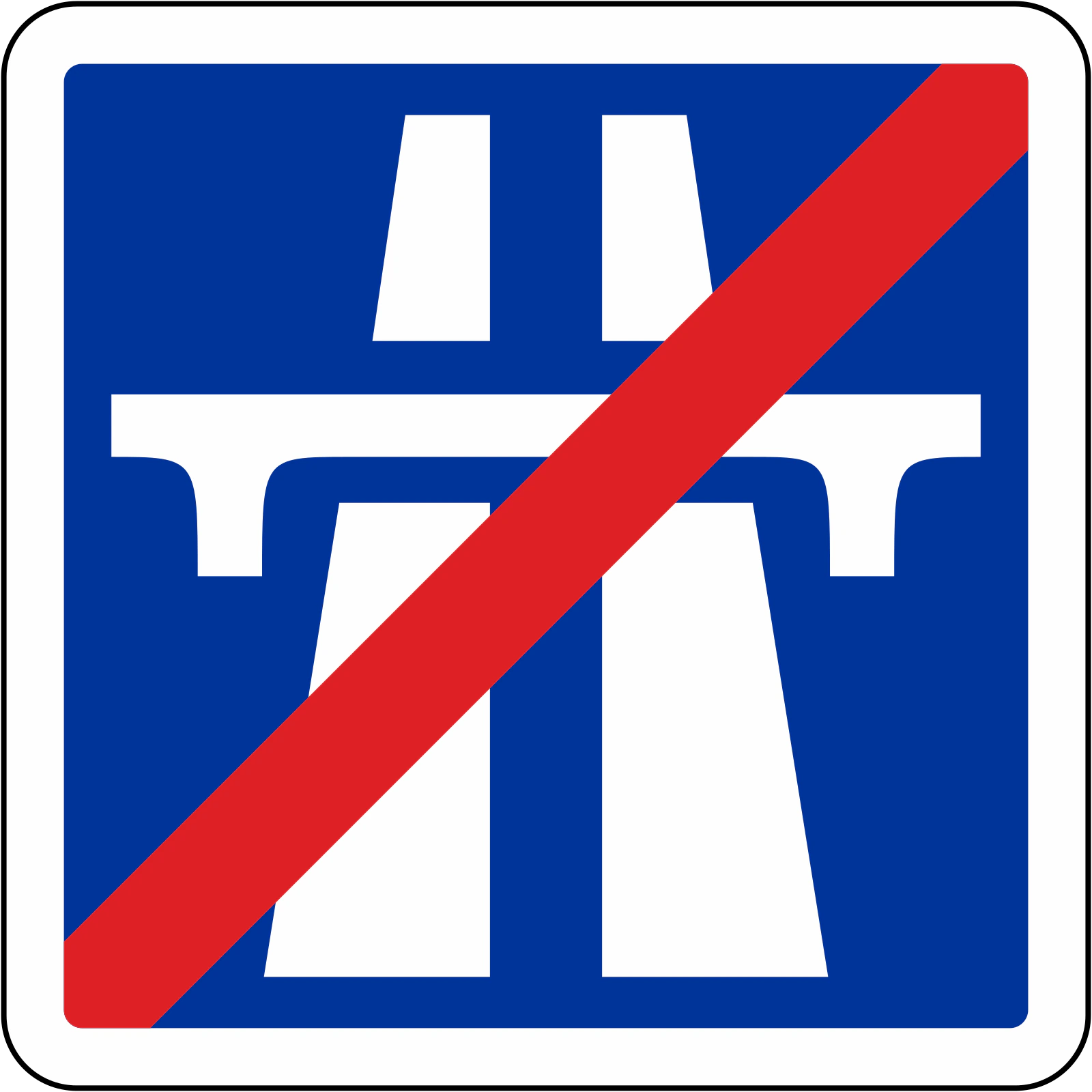
Prepare for the 'End of Motorway' sign to safely transition off the autoroute.
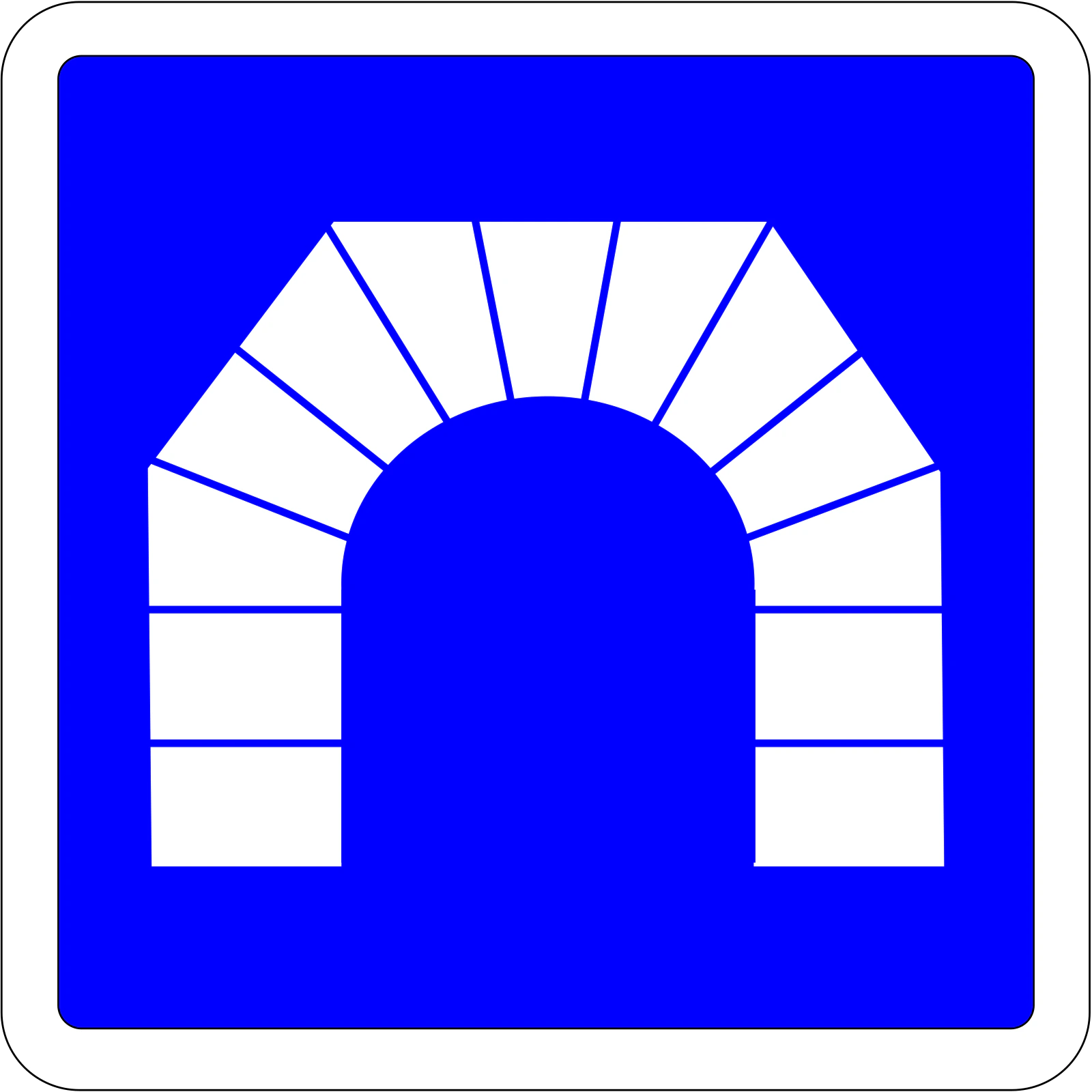
Prepare for Tunnels with the C111 Information Sign
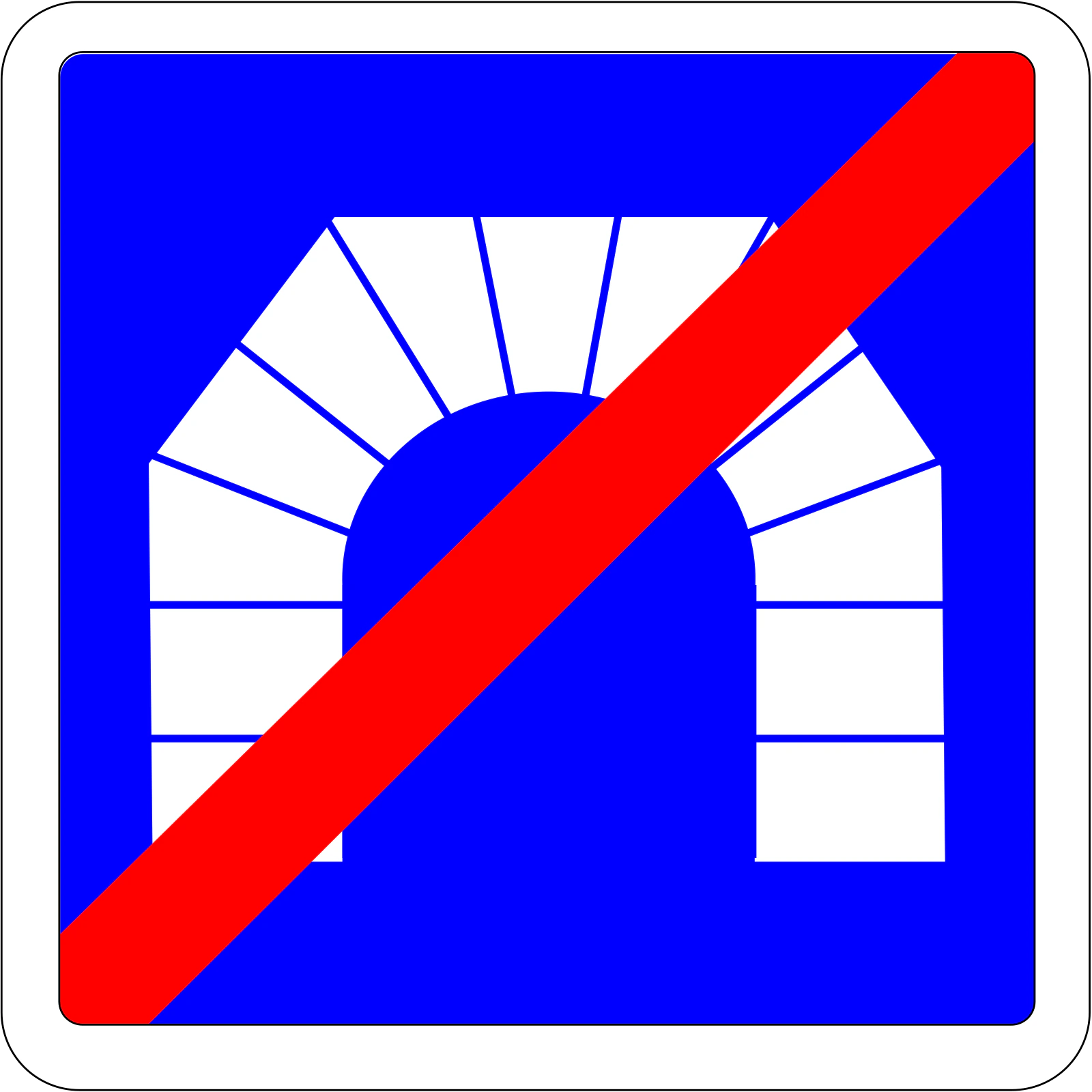
The C112 'End of Tunnel' sign informs you about upcoming road conditions or layout changes.
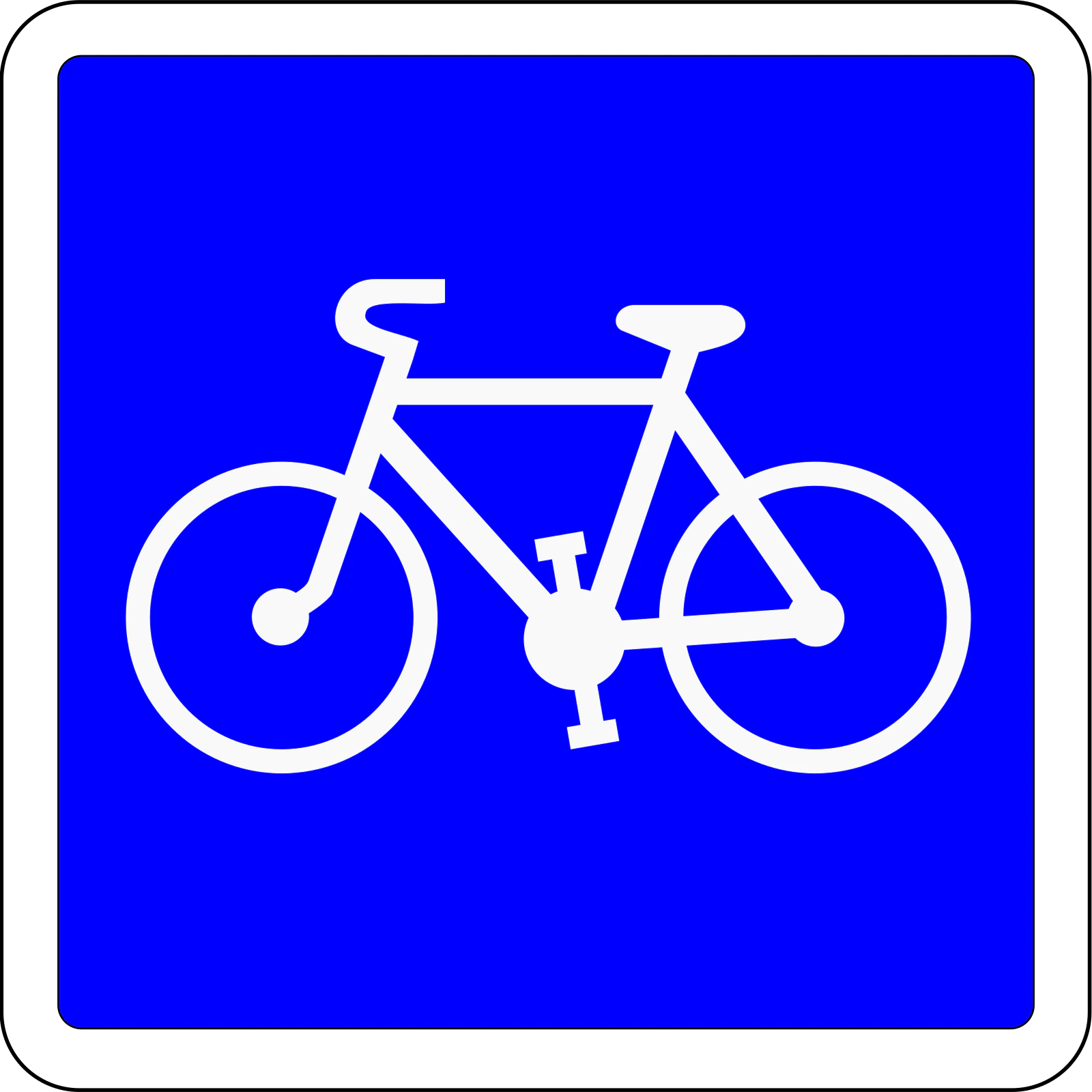
The C113 Cycle Route sign informs you about road layout and facilities ahead.
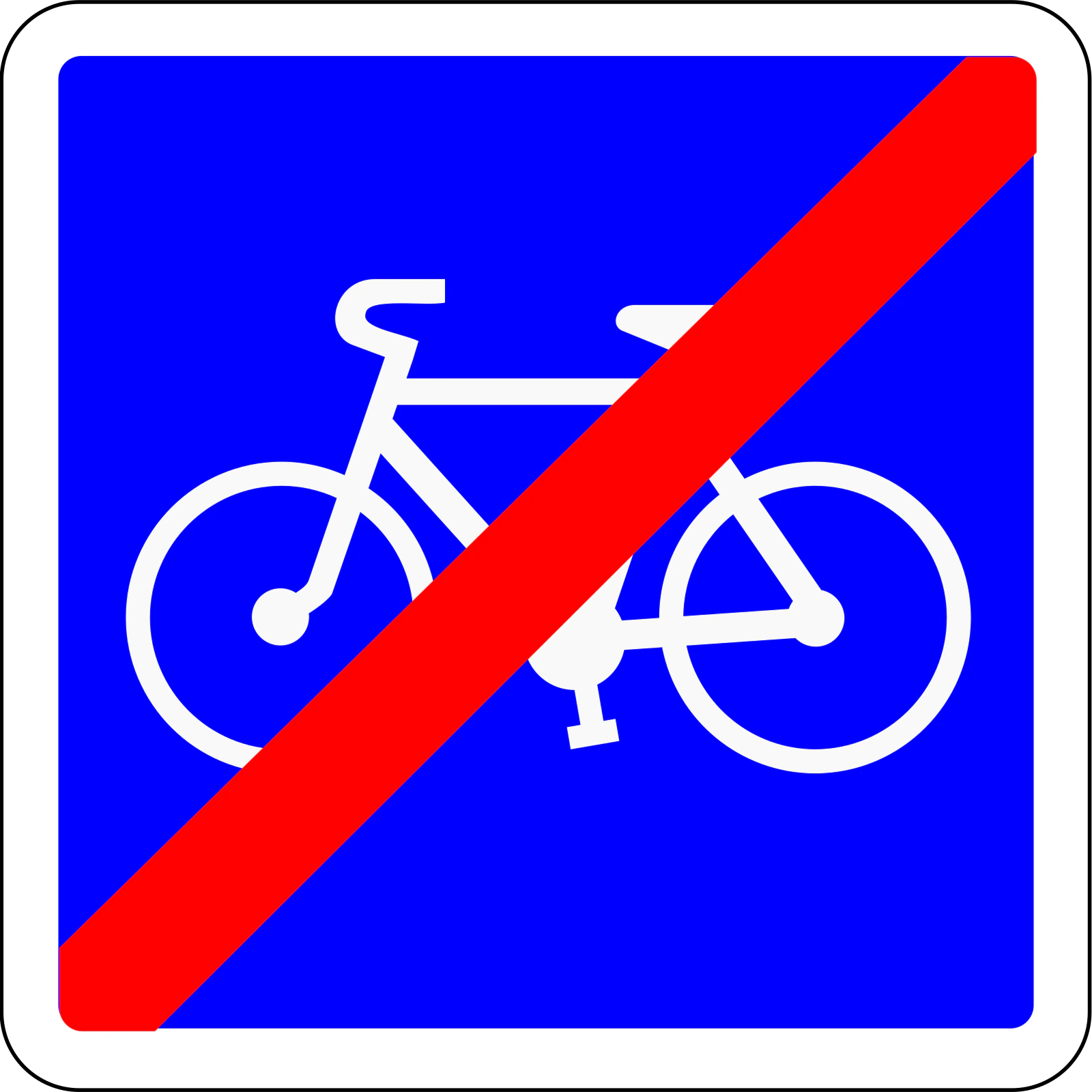
The C114 'End of Cycle Route' sign signals the end of a designated cycle path.
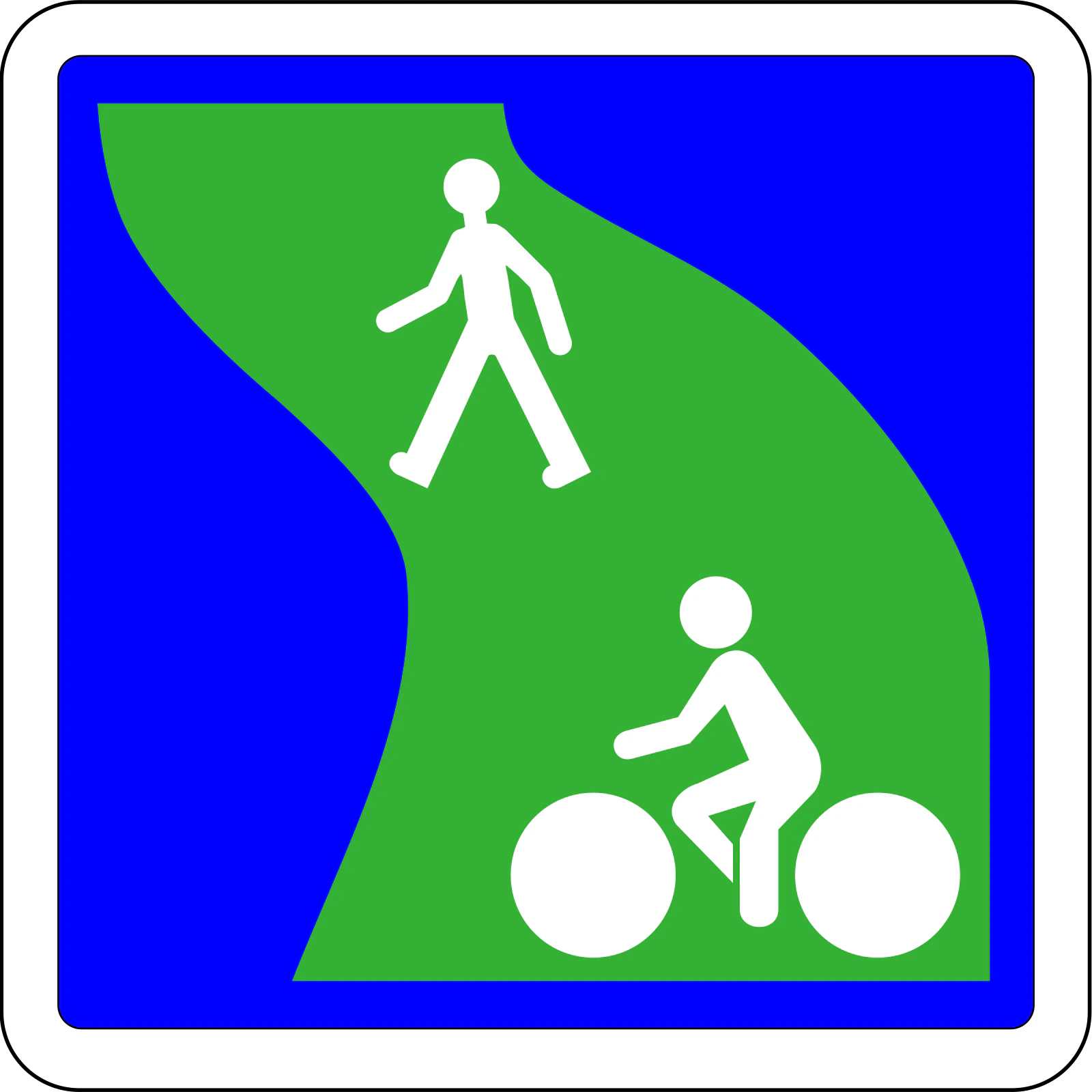
The C115 sign indicates a dedicated route for pedestrians and cyclists.
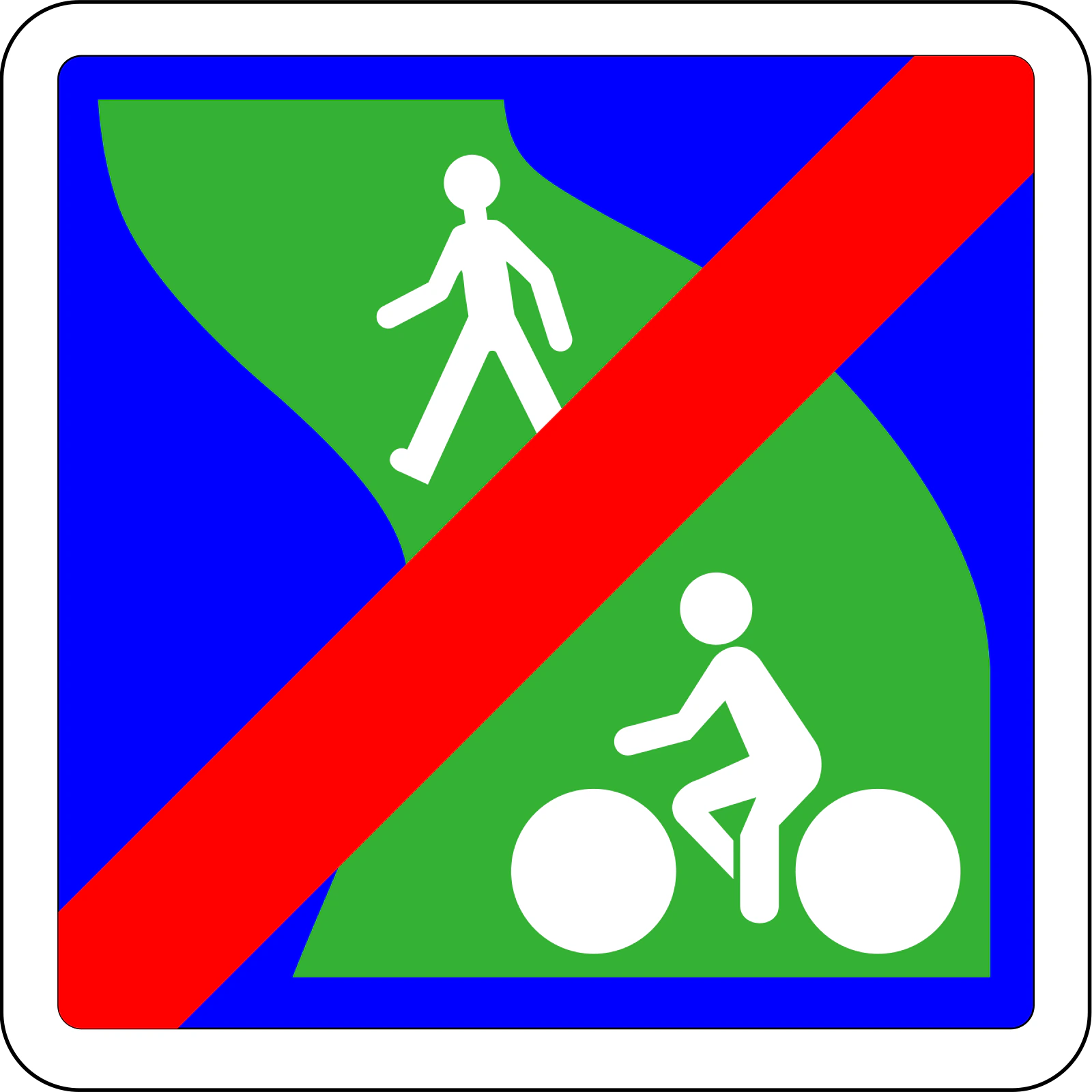
The C116 sign marks the end of a dedicated pedestrian and cycle route.
Explore these structured materials to bridge the gap between visual sign recognition and the specific traffic rules required for your ETG theory test. These resources help clarify how regional road signs dictate right-of-way and safety in France.
Master the Code de la Route: Avoid Distraction Traps and Drive Safely in France.
Navigate French urban traffic like a pro and avoid common learner mistakes.
Navigating French urban environments requires a precise understanding of reserved lanes and public transport prioritization. This article explains the legal requirements for sharing the road with buses, taxis, and cyclists, including how to handle intersection maneuvers and turn crossings. These concepts are essential for both real-world driving safety and successfully passing the ETG theory test.
Navigating the French driving theory test, the Épreuve Théorique Générale (ETG), can be challenging for those unfamiliar with French road laws. This article highlights typical errors made by international candidates, focusing on key differences in priority rules, roundabout etiquette, and speed regulations. Mastering these points is vital for exam success and safe driving in France.
Information signs make the road environment easier to interpret before a driver has to act. This sign may identify a one-way street, lane arrangement, pedestrian crossing, toll facility, tunnel, motorway, expressway, escape lane, or route condition. It should be read with markings, signals, and regulatory signs before changing speed, lane, or route. Official French sign code: C28-2.
Information signs make the road environment easier to interpret before a driver has to act. This sign may identify a one-way street, lane arrangement, pedestrian crossing, toll facility, tunnel, motorway, expressway, escape lane, or route condition. It should be read with markings, signals, and regulatory signs before changing speed, lane, or route. Official French sign code: C115.
Now that you've reviewed the full list of French road signs, enhance your understanding. Explore signs grouped by specific categories for deeper insights, test your recognition with practice questions, and solidify your knowledge for the Code de la route exam.
Browse All French Road Signs