
The C5 'Taxi Rank' sign is an information sign used in France to indicate designated areas where taxis are available. As an information sign, it helps drivers plan their route and anticipate road conditions or facilities ahead. You should observe this sign along with any road markings and other regulatory signs to understand how it affects traffic flow or your potential actions.
Master the meaning and application of the C5 'Taxi Rank' sign, crucial for navigating French roads and passing your theory test. This sign provides essential context for your driving knowledge, helping you understand French traffic rules and road sign interpretation.
Information signs make the road environment easier to interpret before a driver has to act. This sign may identify a one-way street, lane arrangement, pedestrian crossing, toll facility, tunnel, motorway, expressway, escape lane, or route condition. It should be read with markings, signals, and regulatory signs before changing speed, lane, or route. Official French sign code: C5.
"Taxi rank" gives official information about road layout, direction, lanes, facilities, restrictions, tolls, tunnels, motorways, or traffic conditions. It helps drivers plan early and avoid sudden manoeuvres.
Get clear, practical answers to the most common questions about the C5 - Taxi rank road sign. Learn how the sign works, what rules it represents, and how it affects real driving situations. This FAQ strengthens your understanding and supports accurate decision making for the French driving theory exam in France.
The C5 'Taxi Rank' sign indicates a location where taxis are officially permitted to wait for passengers. It informs drivers about a specific facility on the road.
No, the C5 sign itself does not require you to stop or change lanes. It is an informational sign providing details about the road environment. However, you should be aware of taxis potentially entering or leaving the rank, and always comply with any accompanying traffic signals, markings, or regulatory signs.
The C5 sign is important for the French theory test as it assesses your understanding of various road signs and their implications for safe driving and route planning. Knowing what this sign signifies helps you anticipate potential traffic disruptions or the presence of taxis, which is crucial for hazard perception.
Yes, avoid sudden lane changes or route changes just after passing the sign, as this indicates a planned change rather than an immediate instruction. Also, do not treat this sign as permission to ignore other traffic rules, priority regulations, or signals you might encounter nearby.
No, taxi ranks are exclusively for licensed taxis to wait for fares. Parking your private vehicle in a designated taxi rank is prohibited and could lead to fines or your vehicle being towed.
A clear reference image of the C5 - Taxi rank road sign used in France.
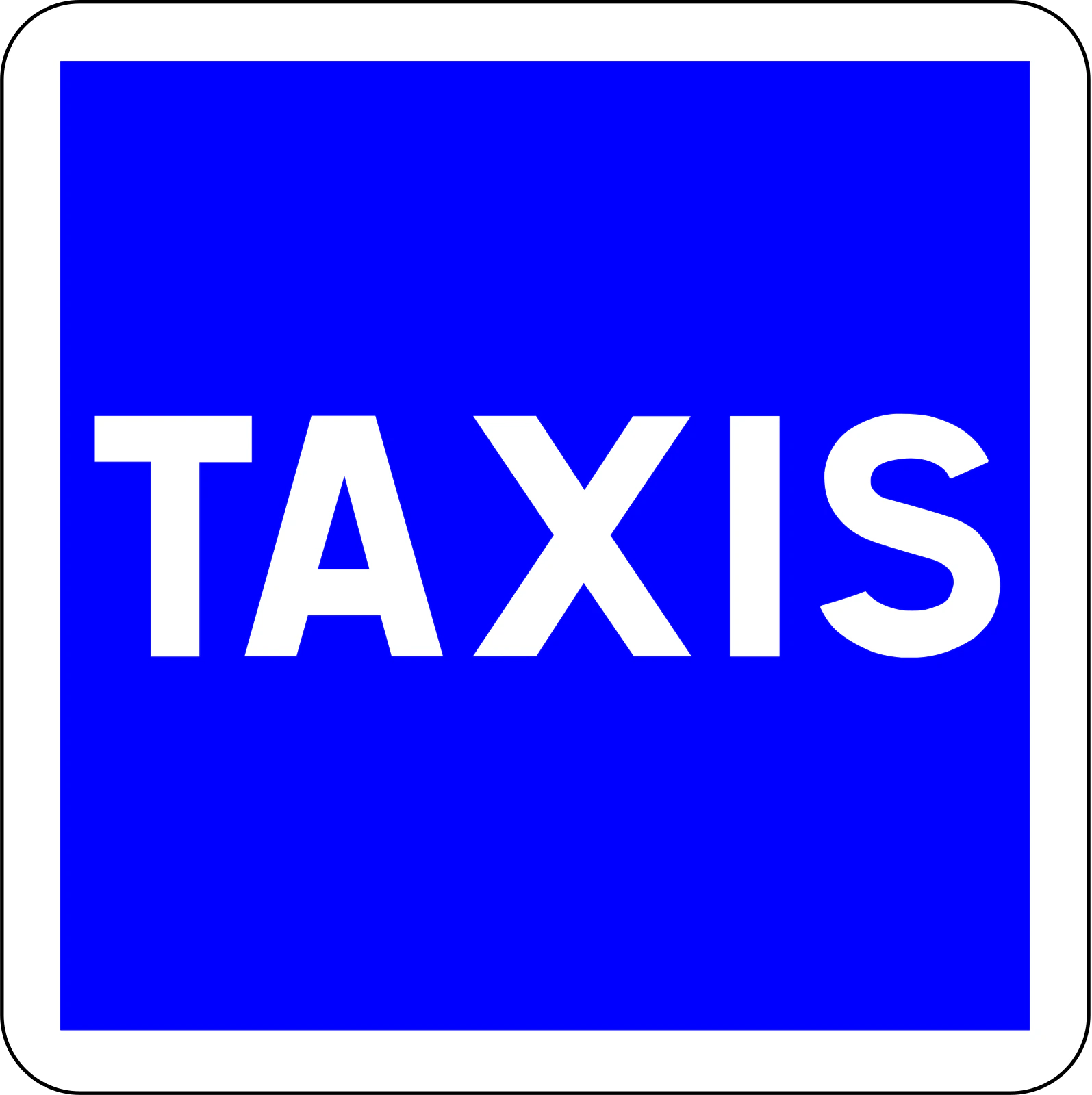
The C5 - Taxi rank road sign may also be known by these alternative names or terms.
The C5 - Taxi rank road sign is part of the France Information Signs category, which groups together signs with similar rules and functions.
Compare similar French road signs like the Taxi Rank C5 to improve recognition and reduce confusion during your theory test revision. Understanding subtle differences in traffic sign comparison aids memory and prepares you for the actual exam.
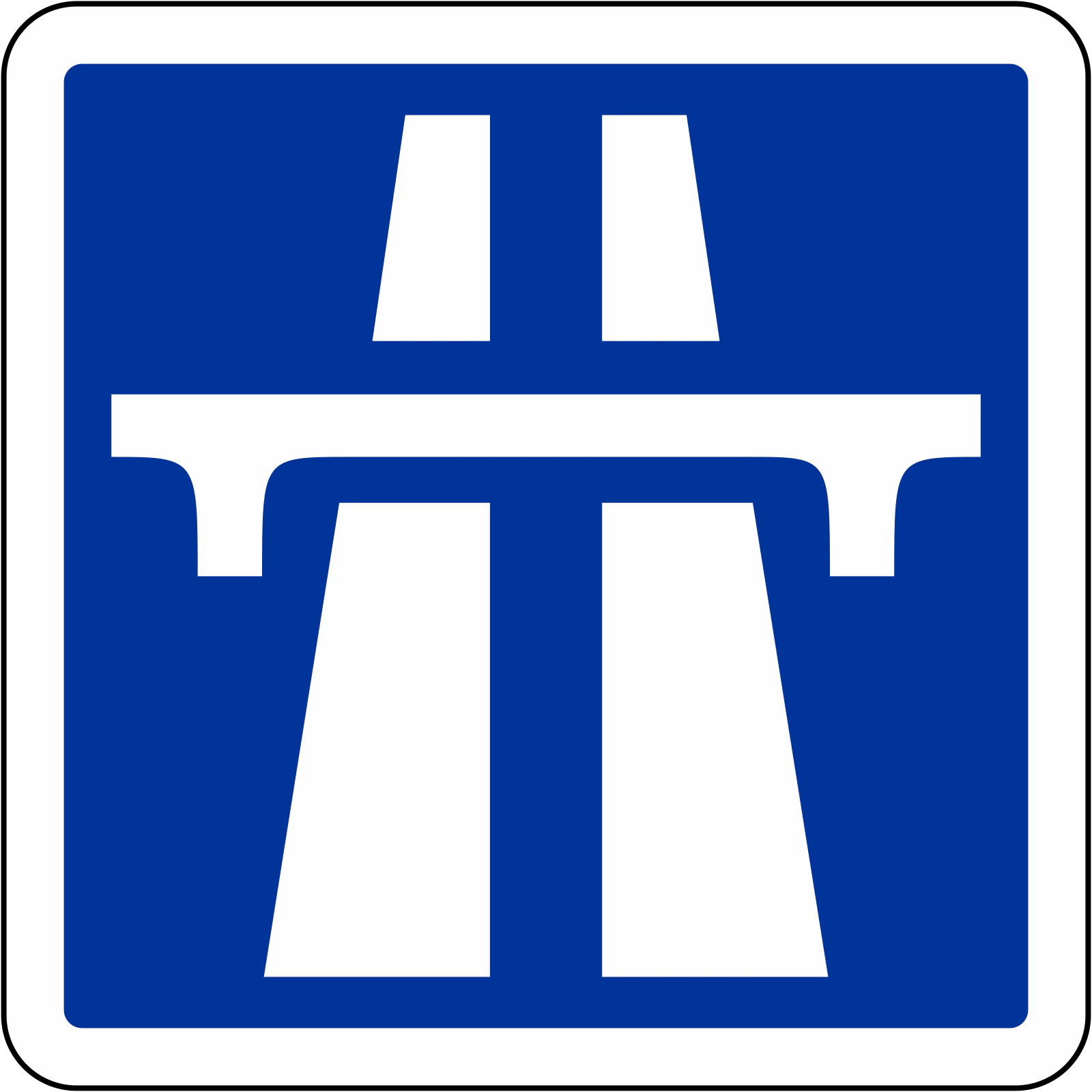
The Autoroute-F sign indicates you are on or approaching a French motorway.
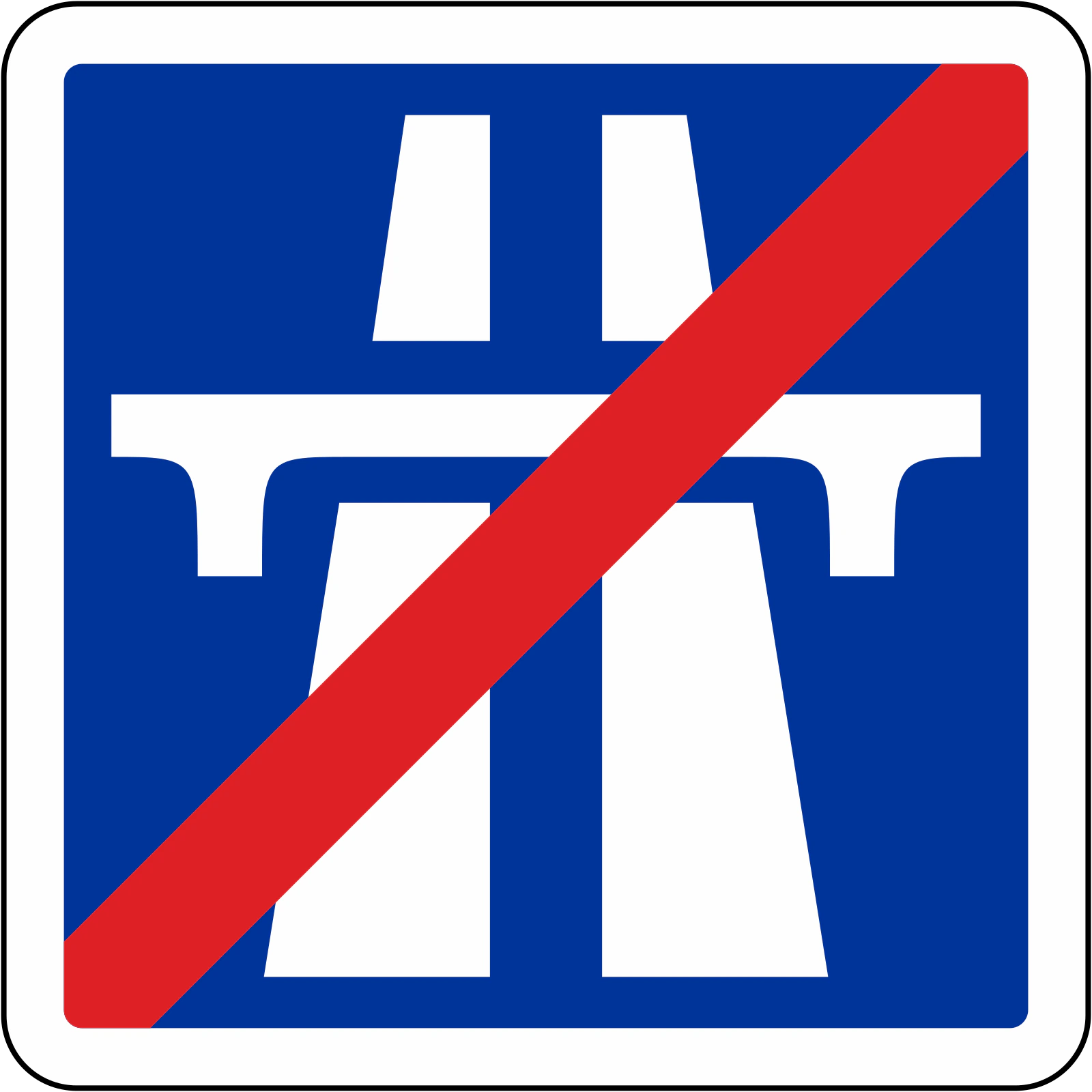
Prepare for the 'End of Motorway' sign to safely transition off the autoroute.
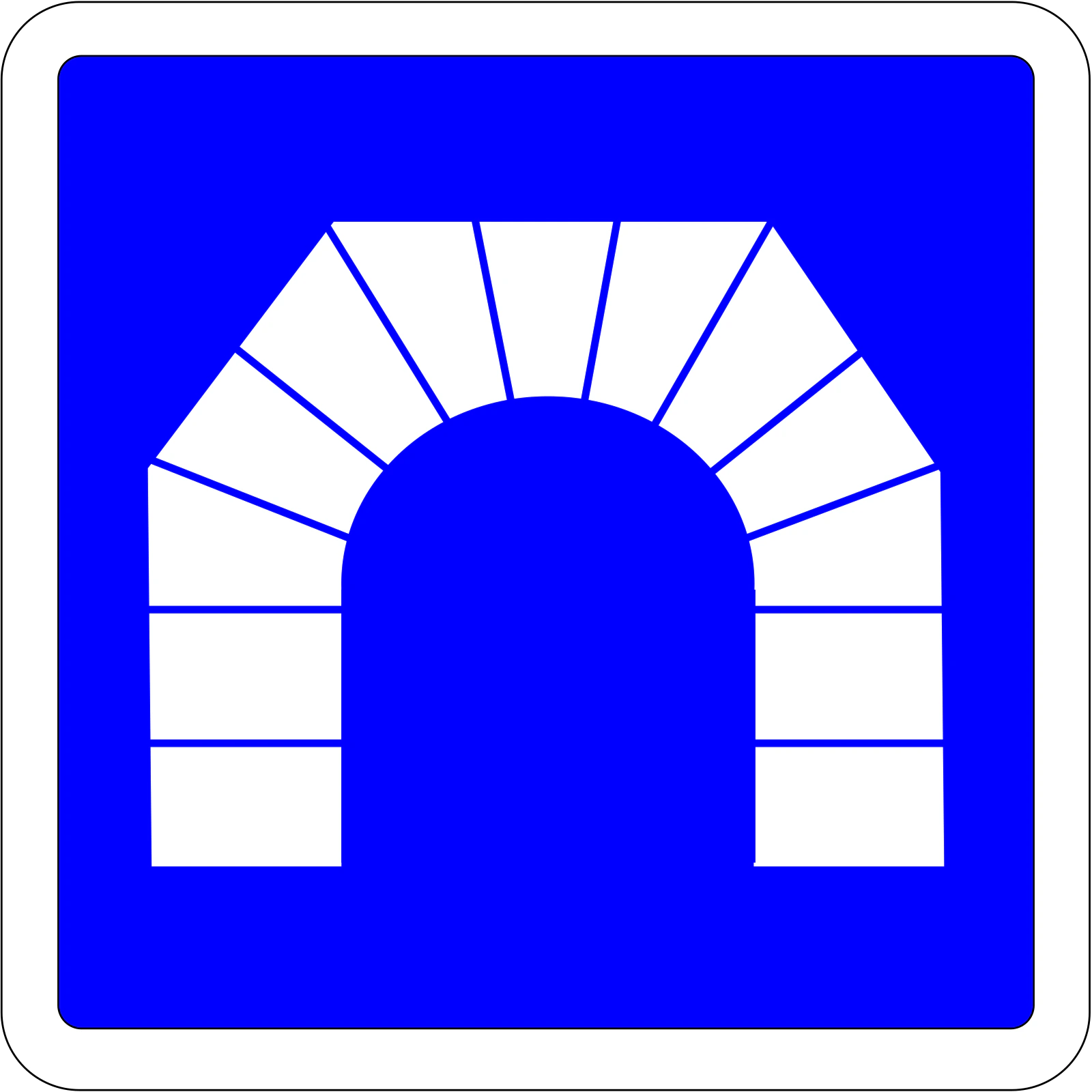
Prepare for Tunnels with the C111 Information Sign
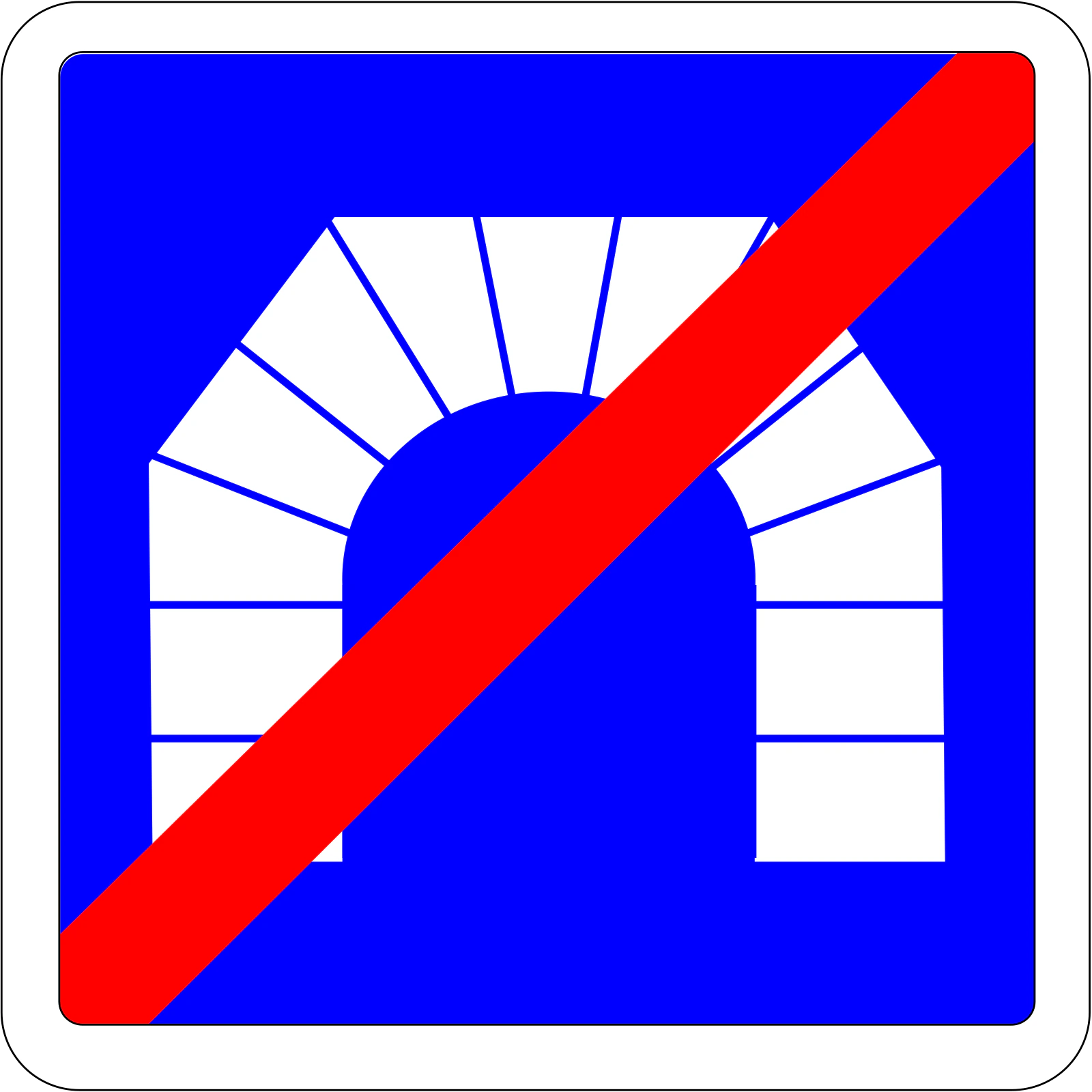
The C112 'End of Tunnel' sign informs you about upcoming road conditions or layout changes.
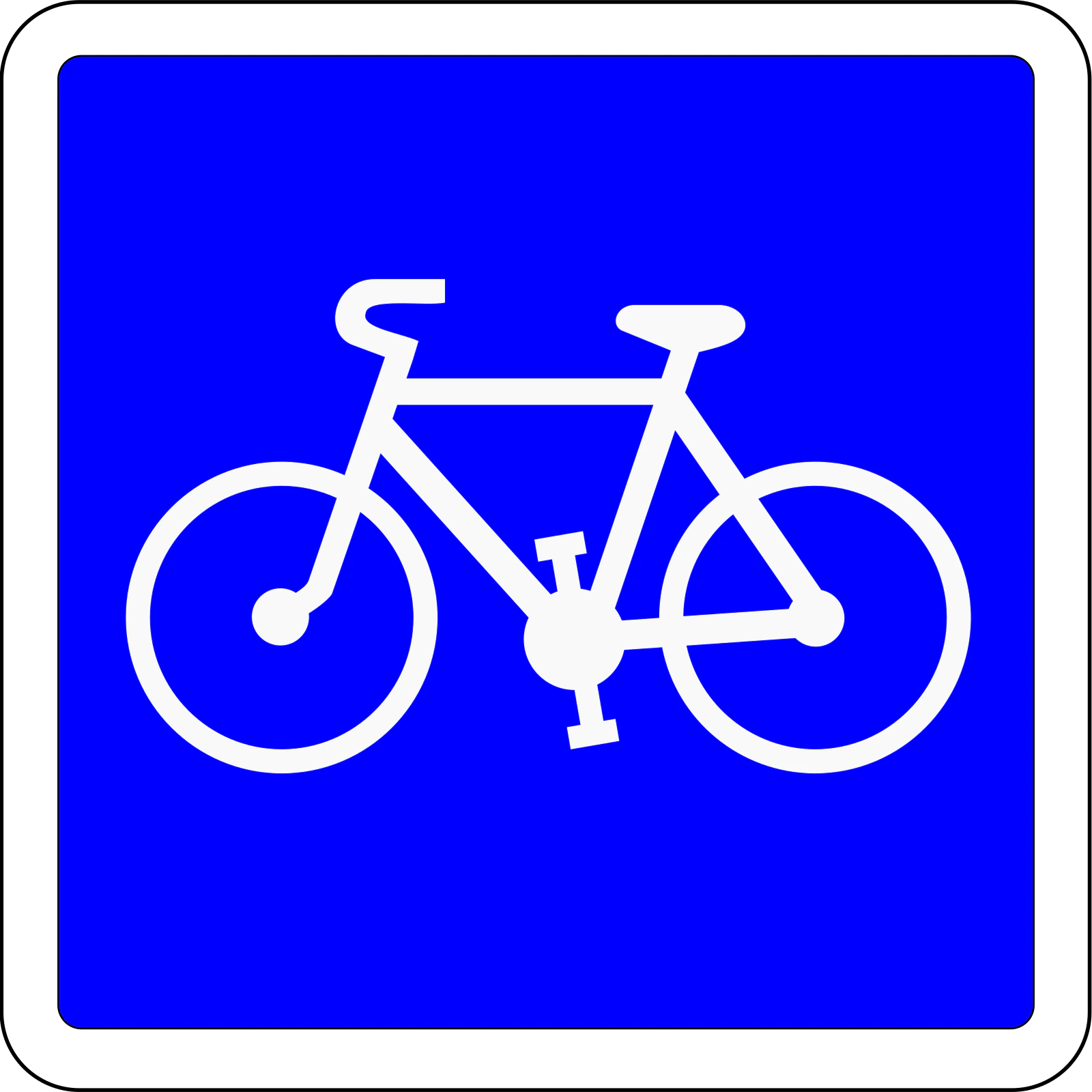
The C113 Cycle Route sign informs you about road layout and facilities ahead.
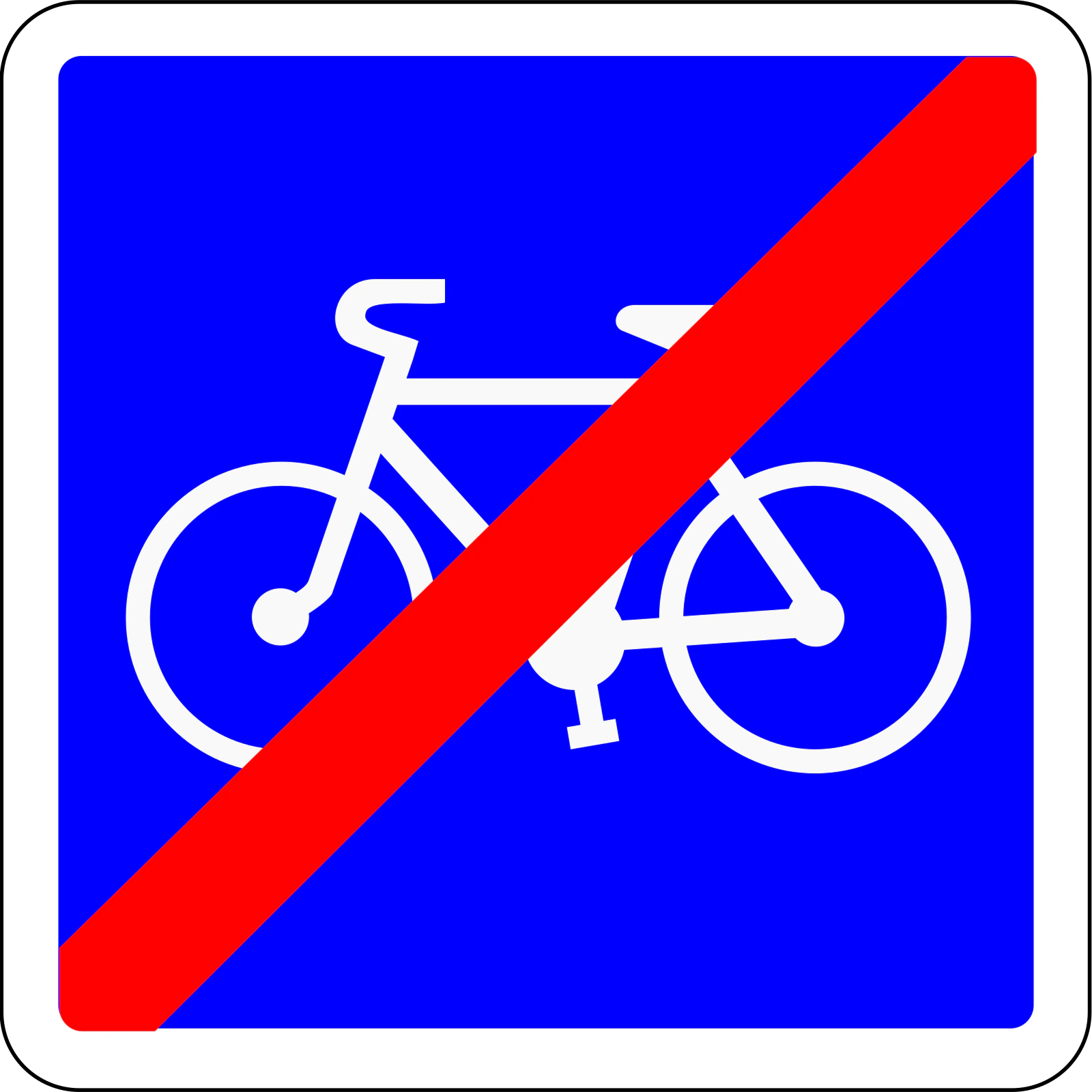
The C114 'End of Cycle Route' sign signals the end of a designated cycle path.
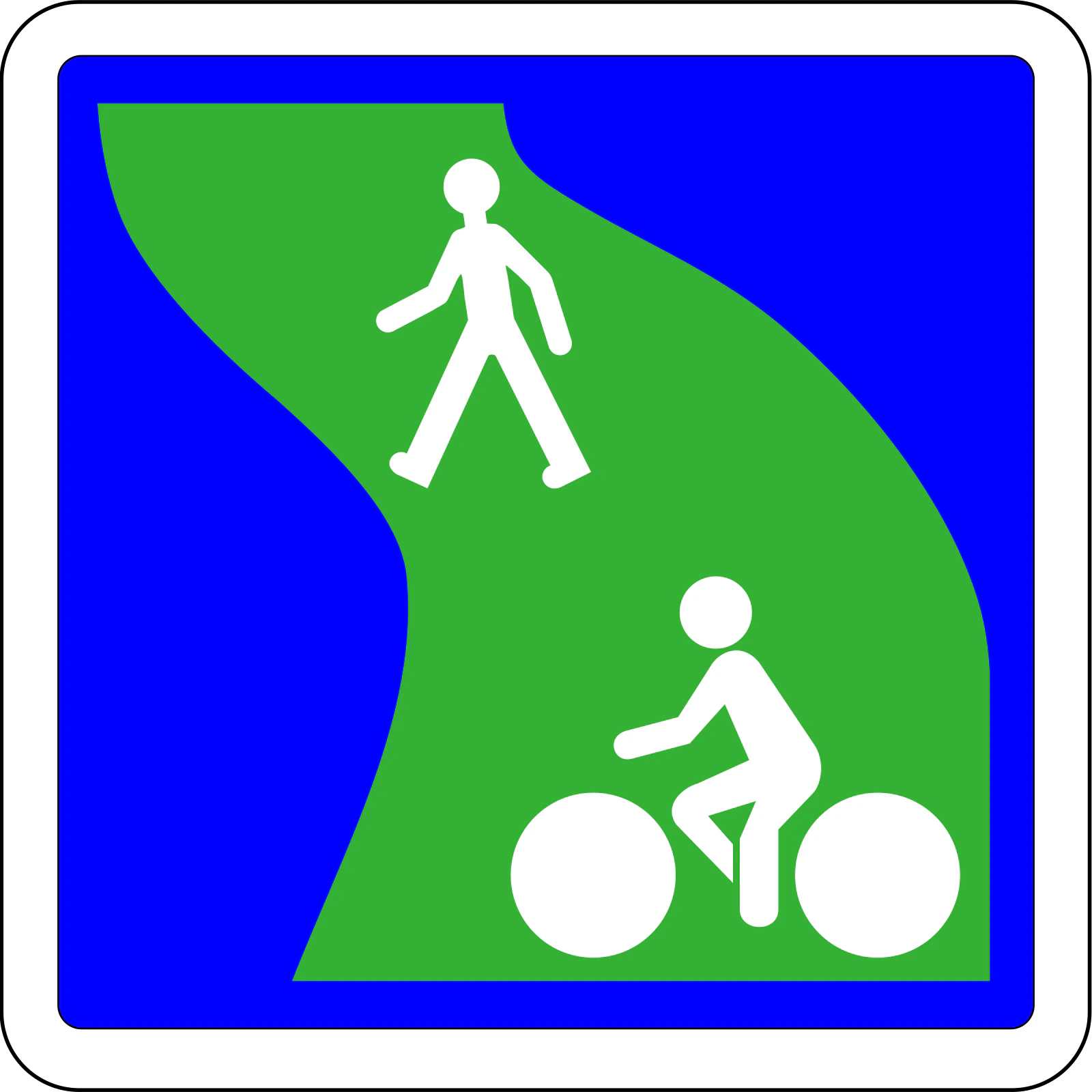
The C115 sign indicates a dedicated route for pedestrians and cyclists.
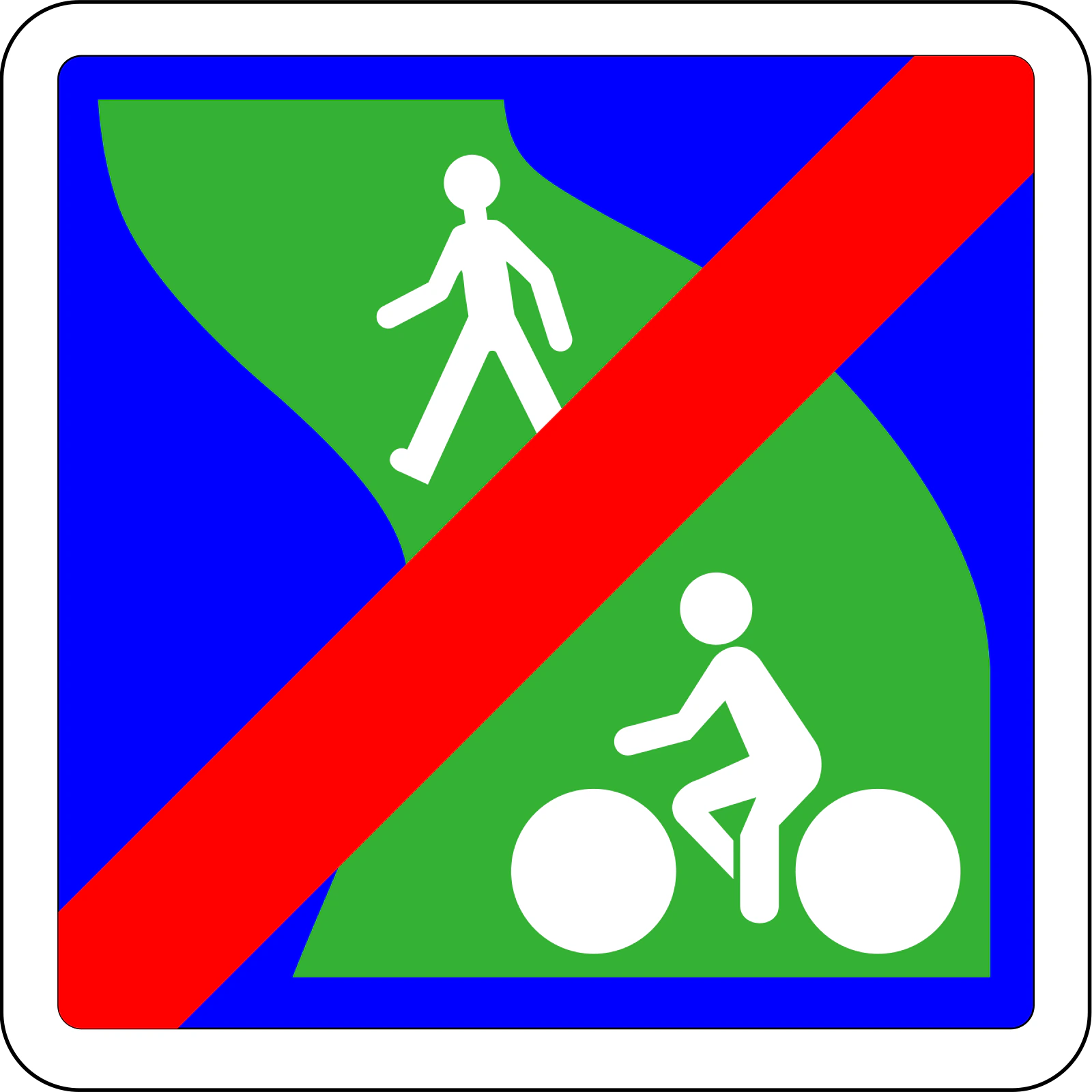
The C116 sign marks the end of a dedicated pedestrian and cycle route.
Explore these structured materials to bridge the gap between visual sign recognition and the specific traffic rules required for your ETG theory test. These resources help clarify how regional road signs dictate right-of-way and safety in France.
Master the Code de la Route: Avoid Distraction Traps and Drive Safely in France.
Navigate French urban traffic like a pro and avoid common learner mistakes.
Navigating French urban environments requires a precise understanding of reserved lanes and public transport prioritization. This article explains the legal requirements for sharing the road with buses, taxis, and cyclists, including how to handle intersection maneuvers and turn crossings. These concepts are essential for both real-world driving safety and successfully passing the ETG theory test.
Navigating the French driving theory test, the Épreuve Théorique Générale (ETG), can be challenging for those unfamiliar with French road laws. This article highlights typical errors made by international candidates, focusing on key differences in priority rules, roundabout etiquette, and speed regulations. Mastering these points is vital for exam success and safe driving in France.
Information signs make the road environment easier to interpret before a driver has to act. This sign may identify a one-way street, lane arrangement, pedestrian crossing, toll facility, tunnel, motorway, expressway, escape lane, or route condition. It should be read with markings, signals, and regulatory signs before changing speed, lane, or route. Official French sign code: C115.
Information signs make the road environment easier to interpret before a driver has to act. This sign may identify a one-way street, lane arrangement, pedestrian crossing, toll facility, tunnel, motorway, expressway, escape lane, or route condition. It should be read with markings, signals, and regulatory signs before changing speed, lane, or route. Official French sign code: C116.
Now that you've reviewed the full list of French road signs, enhance your understanding. Explore signs grouped by specific categories for deeper insights, test your recognition with practice questions, and solidify your knowledge for the Code de la route exam.
Browse All French Road Signs