This group of signs provides crucial information to help you plan your journey and understand road conditions, lane usage, and available facilities. While they don't impose mandatory actions like regulatory signs, understanding them is vital for anticipating changes, positioning your vehicle correctly, and avoiding sudden manoeuvres. Mastering these signs will not only help you pass your theory exam but also ensure smoother, safer driving on the road.
An explanation of how France Information Signs road signs apply in real traffic situations in France. Learn where these signs are typically placed, what drivers are expected to do when they appear, and how correct reactions help you stay safe, avoid fines, and succeed in your French driving theory exam.
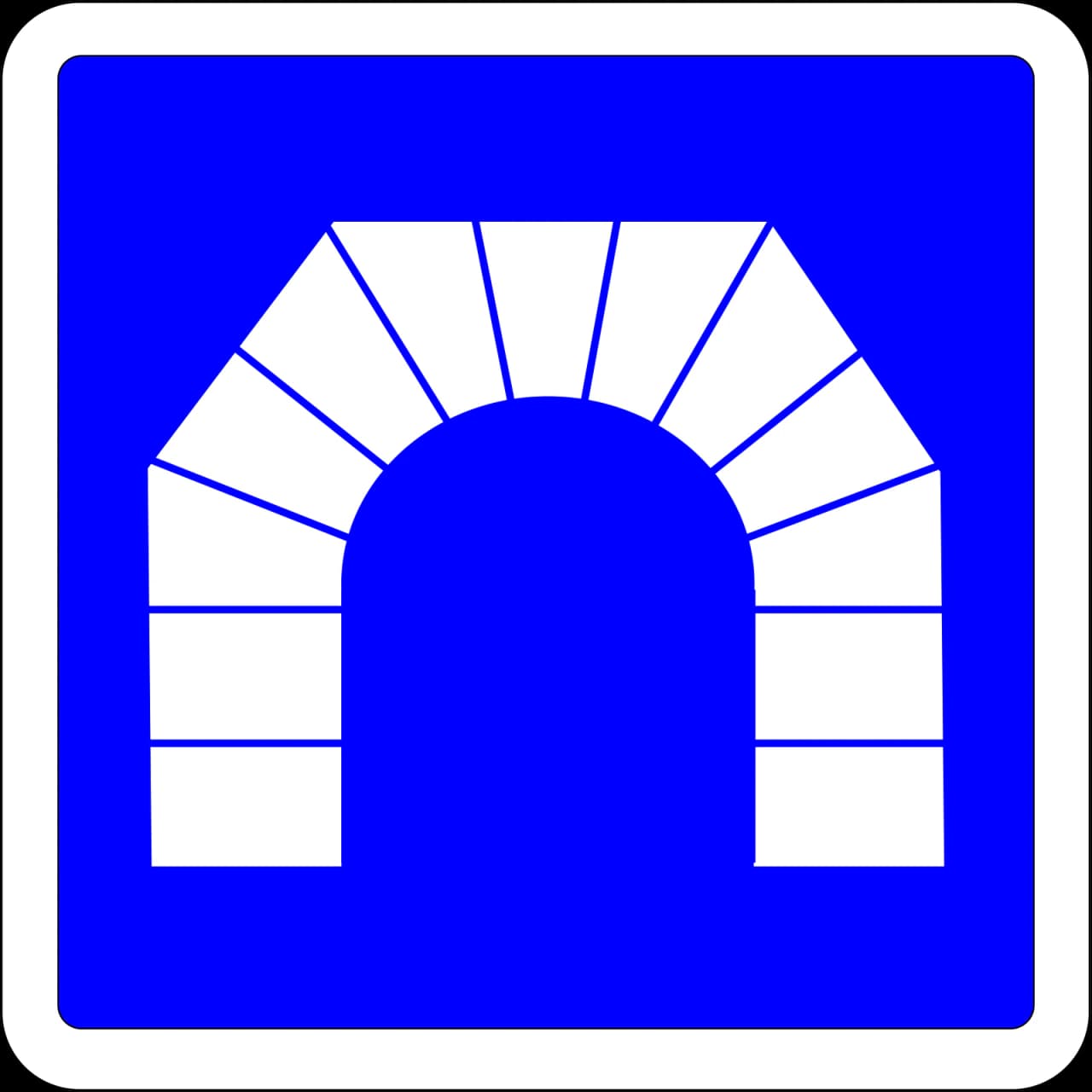
Information signs are ubiquitous and appear on virtually all types of roads, from urban streets to major highways. You'll encounter parking signs (C1a, C1b, C1c, C5, C8, C9, C23) in towns and cities, guiding you to available parking areas, taxi ranks, or bus stops. Signs like C12 (one-way traffic) and C13a-d (dead end) are common in built-up areas and at junctions, helping you navigate complex layouts. Major route signs like 'Autoroute-F' (Motorway) and 'Voie-express-F' (Expressway) are seen on approach roads, guiding you onto these high-speed networks. Within these routes, you'll find signs for toll booths (C62, C64a-d), tunnels (C111, C112), and escape lanes (C26a-b) for emergencies. Advisory speed signs (C4a-b) are often placed before curves or junctions, suggesting a safe speed, while signs like C28-2/3 (lanes merge) prepare you for changes in road configuration. Understanding these signs allows you to anticipate conditions, choose the correct lane in advance, and react appropriately to route changes, facility information, or potential hazards without disrupting traffic flow.
An overview of the key learning outcomes when studying the France Information Signs road sign category. Understand the main concepts, sign meanings, and traffic situations covered here so you can recognise patterns, answer theory questions more confidently, and build a solid foundation for safe driving in France.
Master French information road signs, essential for planning your route and understanding road conditions. Study these signs together to recognize patterns for lane use, facilities, and restrictions. Crucial for your theory test revision, this group helps you anticipate changes and navigate with ease on French roads.
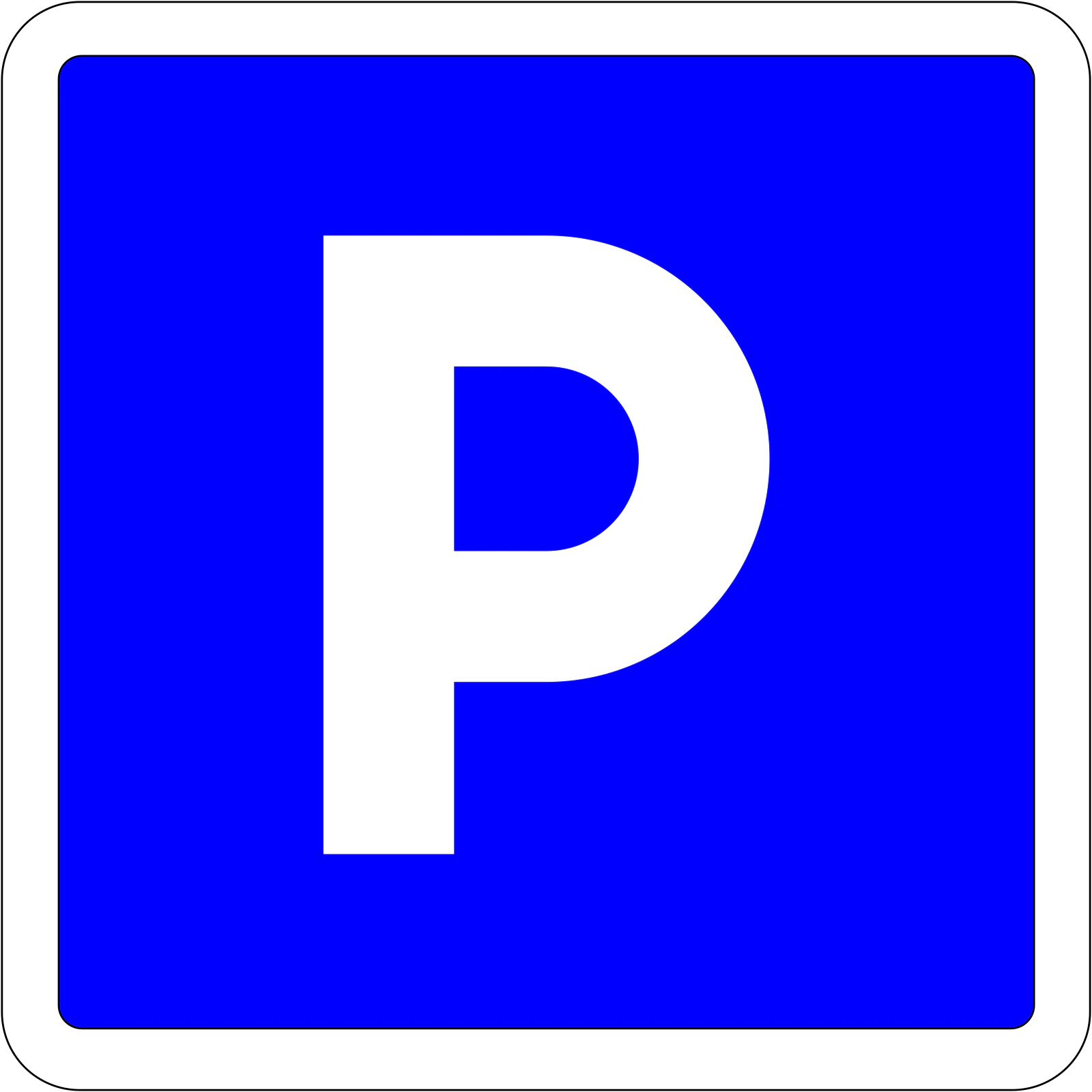
The C1a 'Parking Zone' Sign: Understanding Information for Drivers
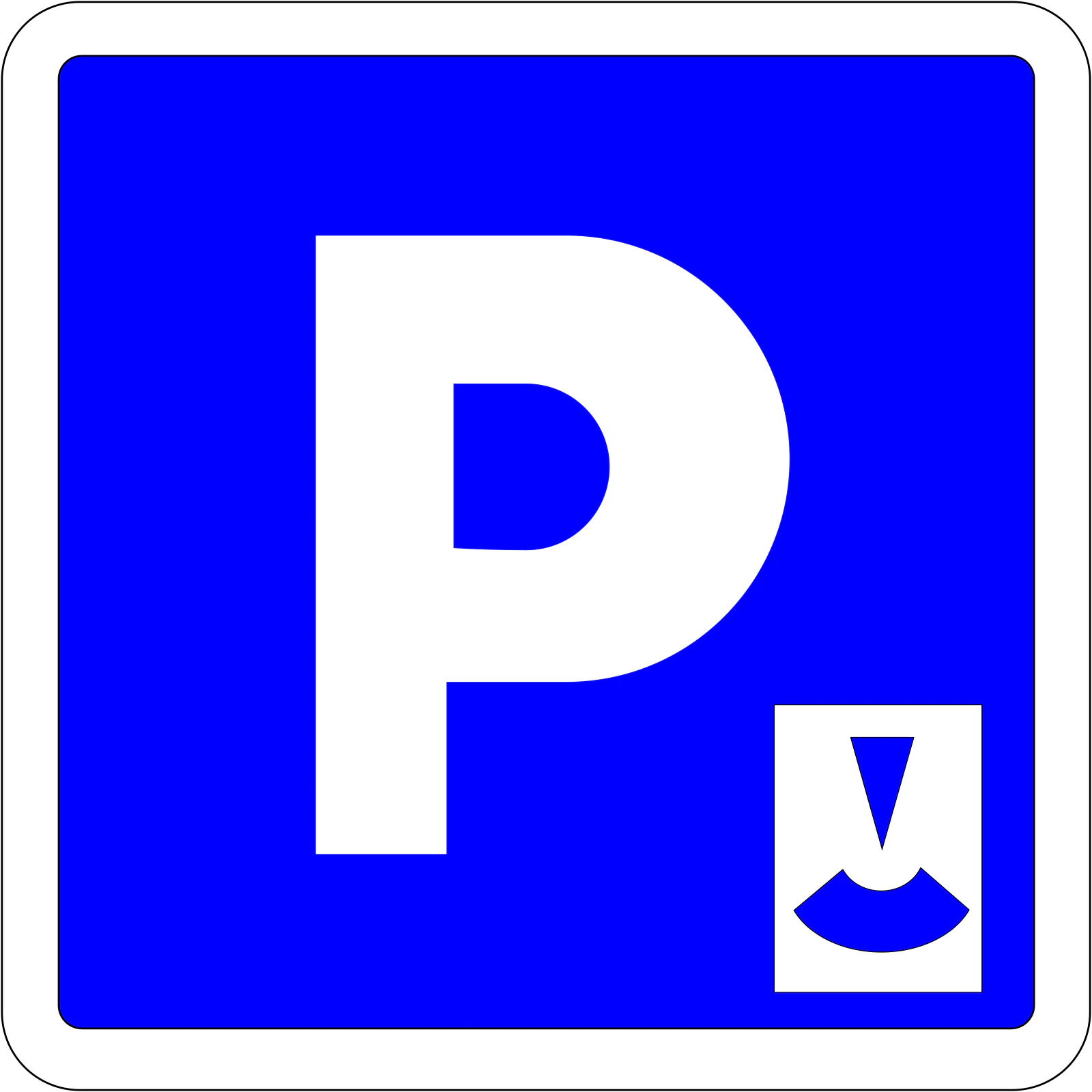
The C1b Disc Parking Zone Sign: Your Guide to Parking Regulations
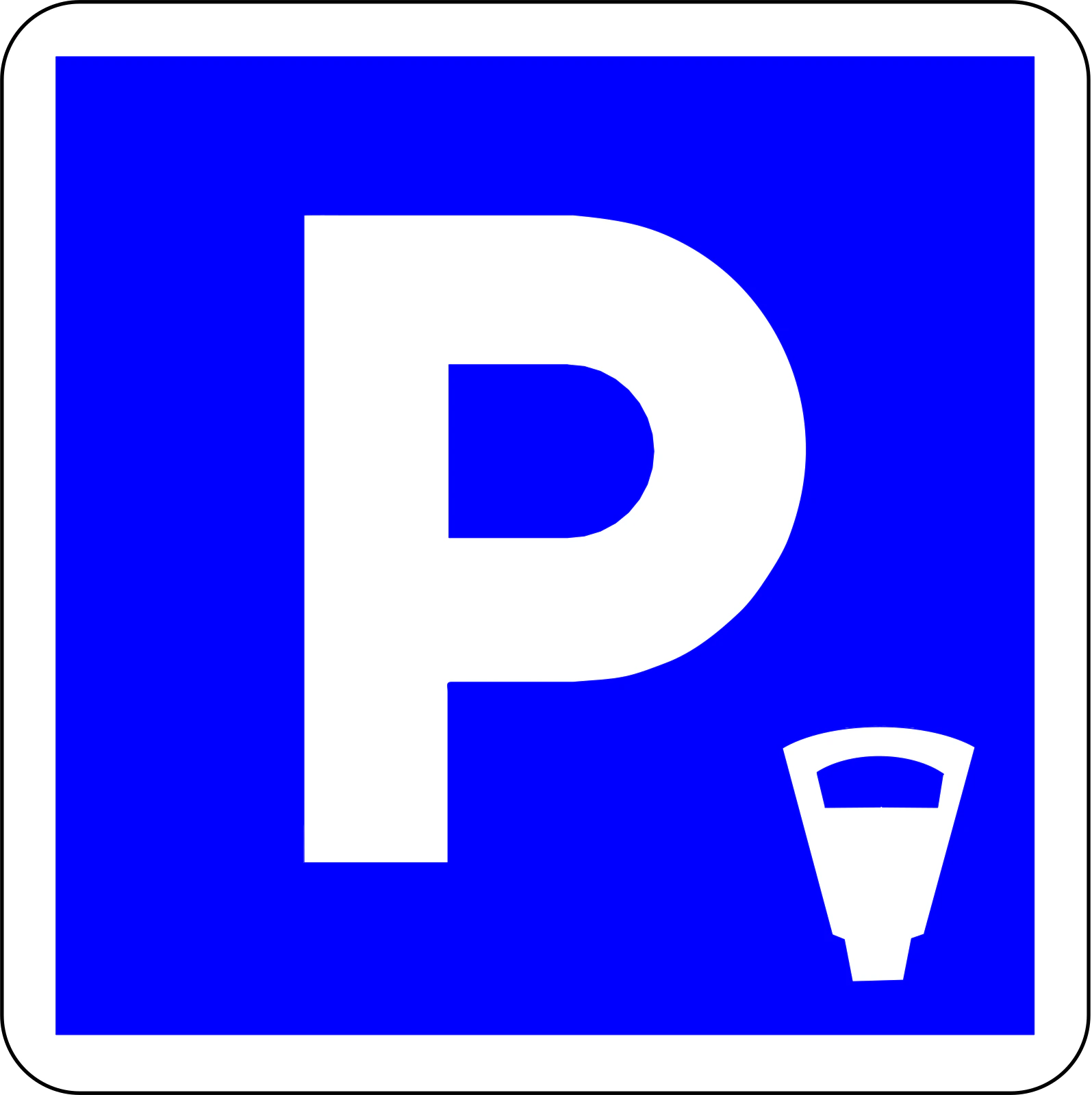
Understand the C1c Meter Parking Zone Sign for Safe Driving in France
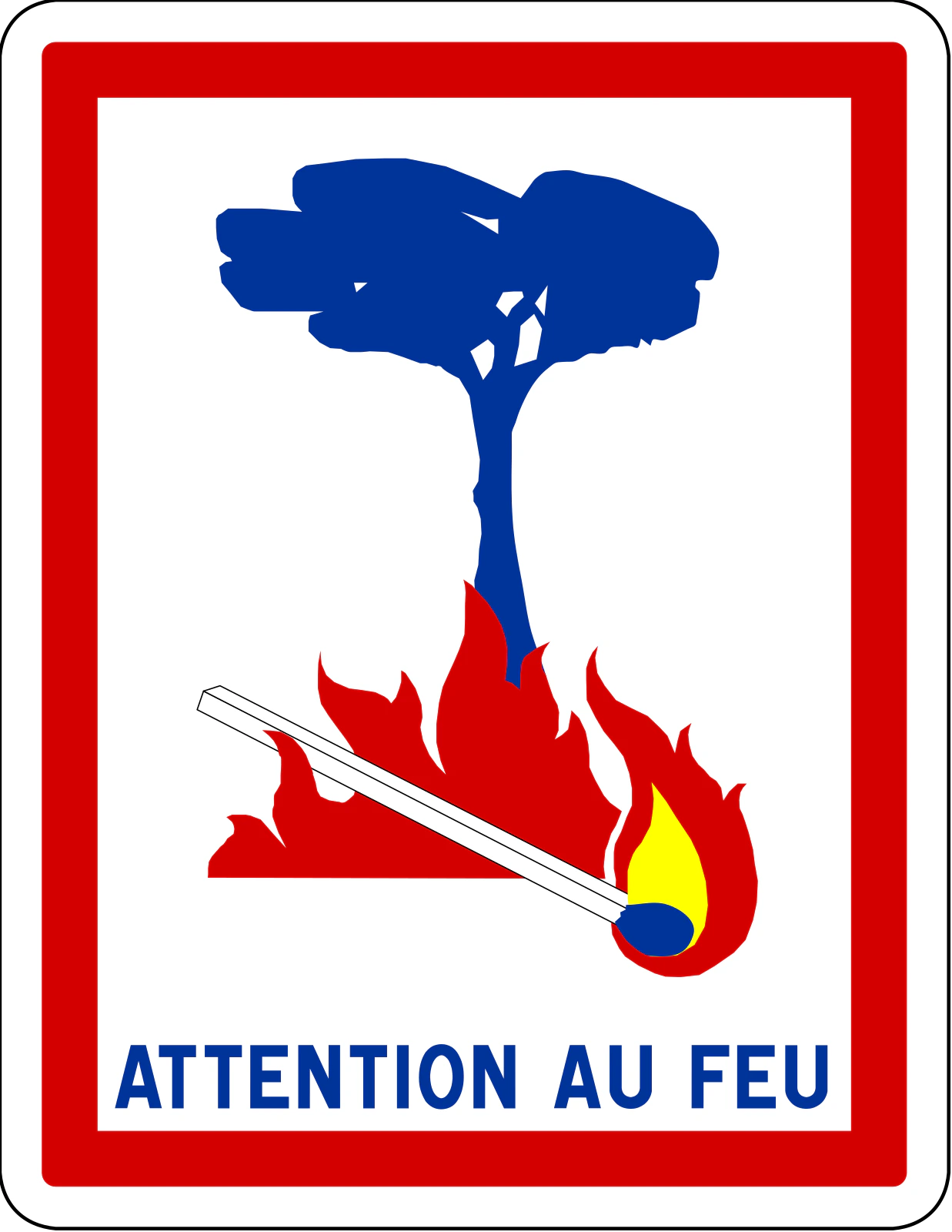
Understand the C3 'Risk of fire' Information Sign in France
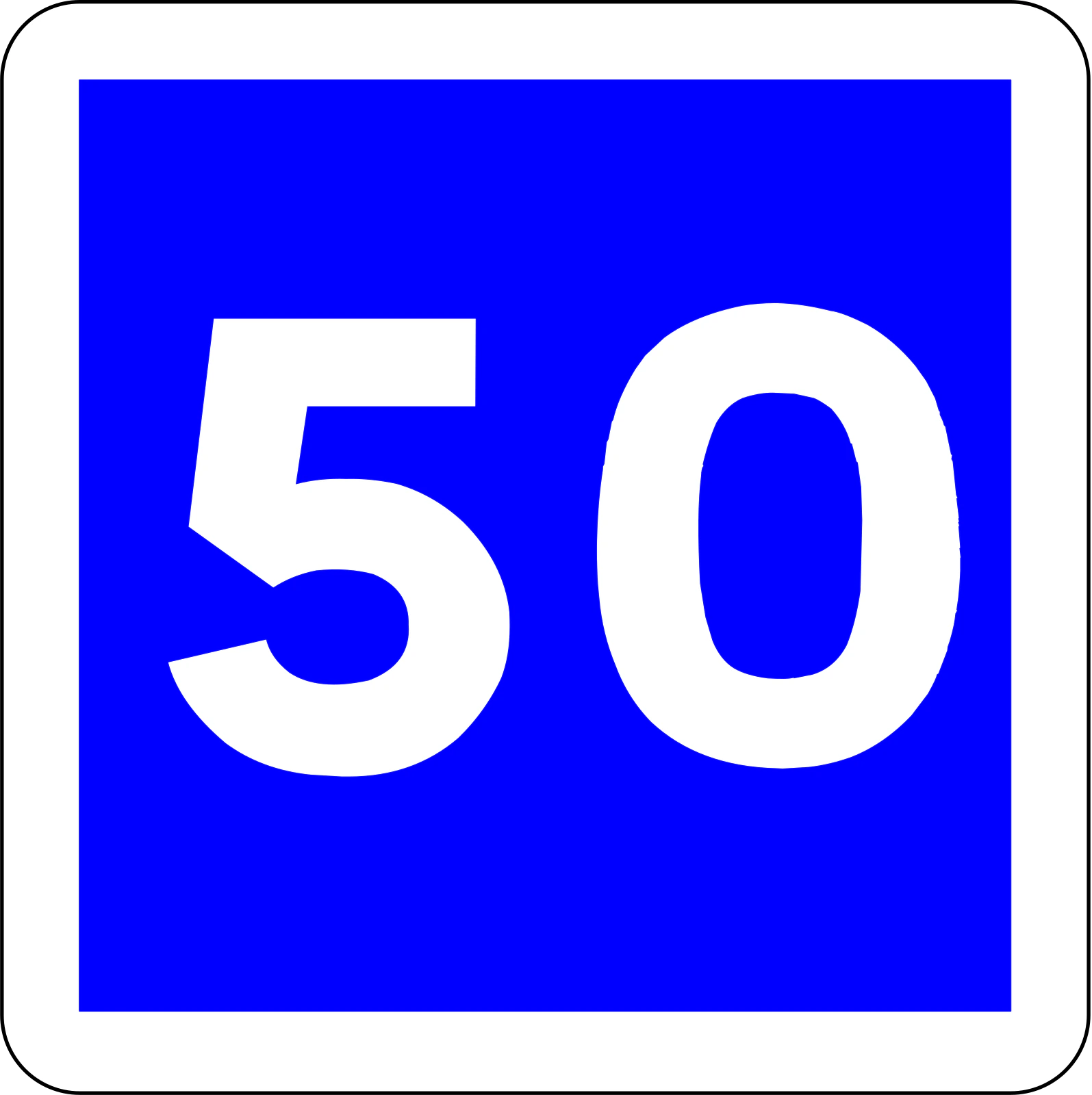
The C4a Advisory Speed Sign: Plan Your Drive Wisely on French Roads
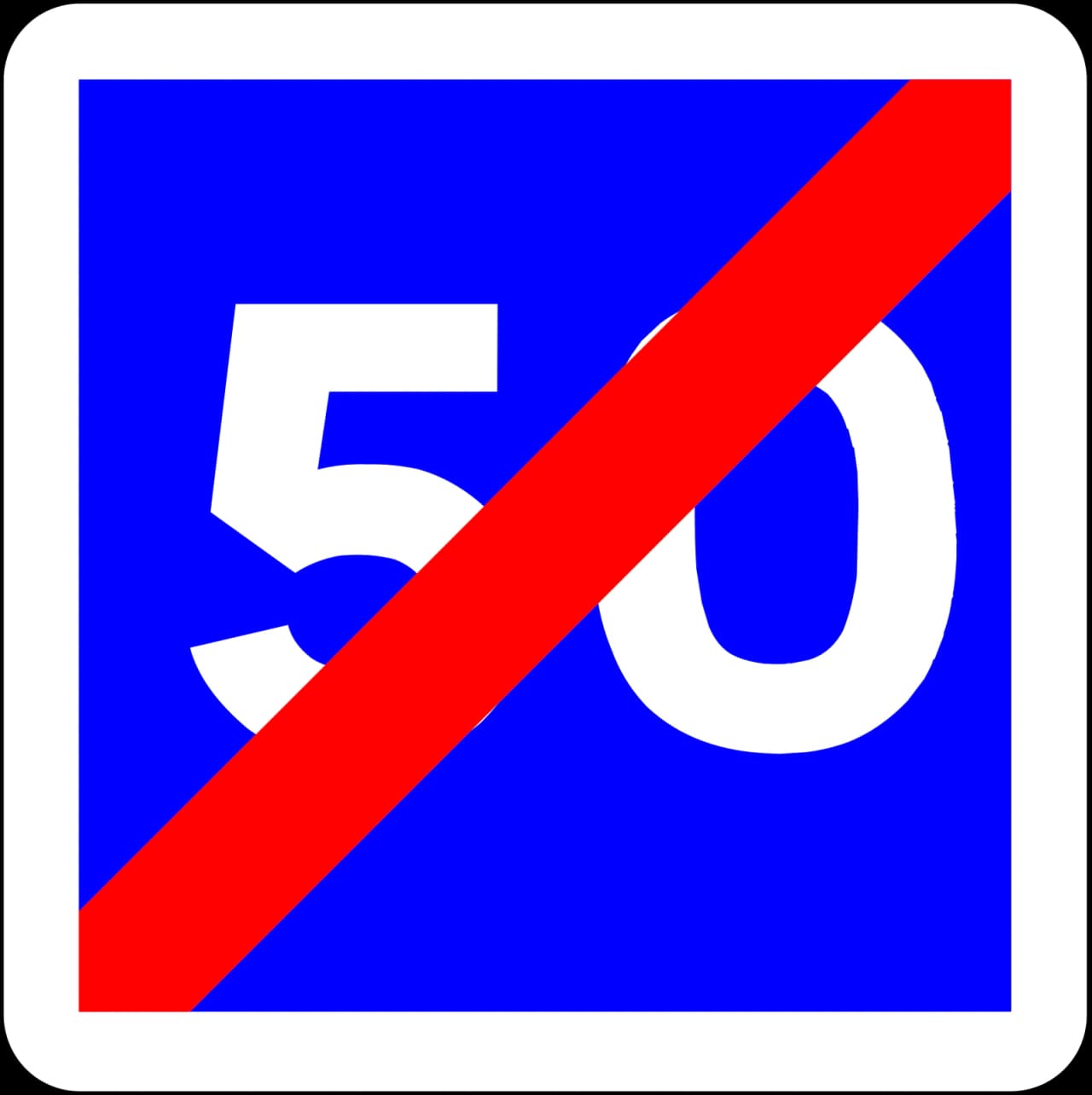
C4b: Signalling the End of an Advisory Speed Recommendation
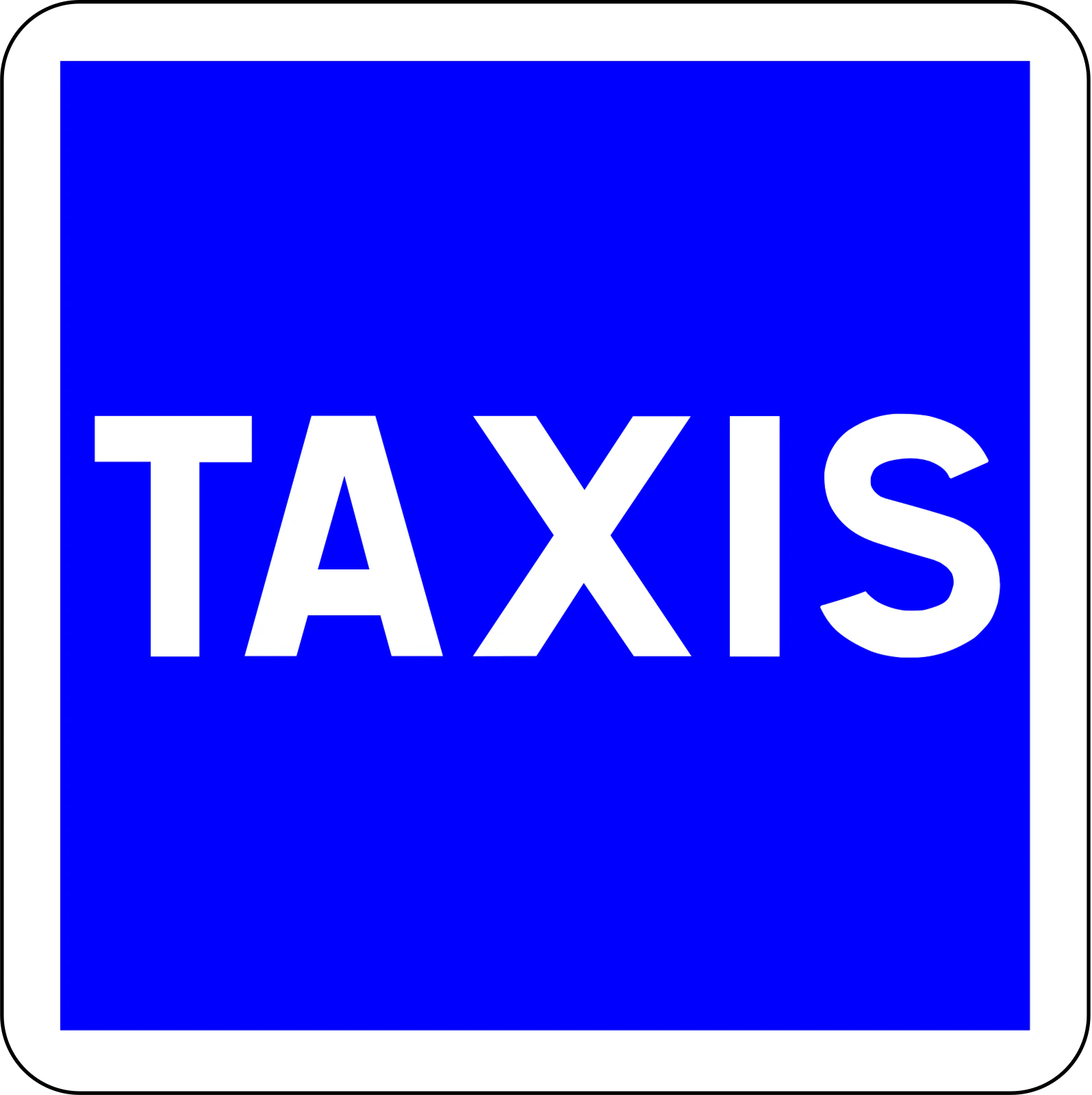
Understand the C5 'Taxi Rank' Information Sign in France
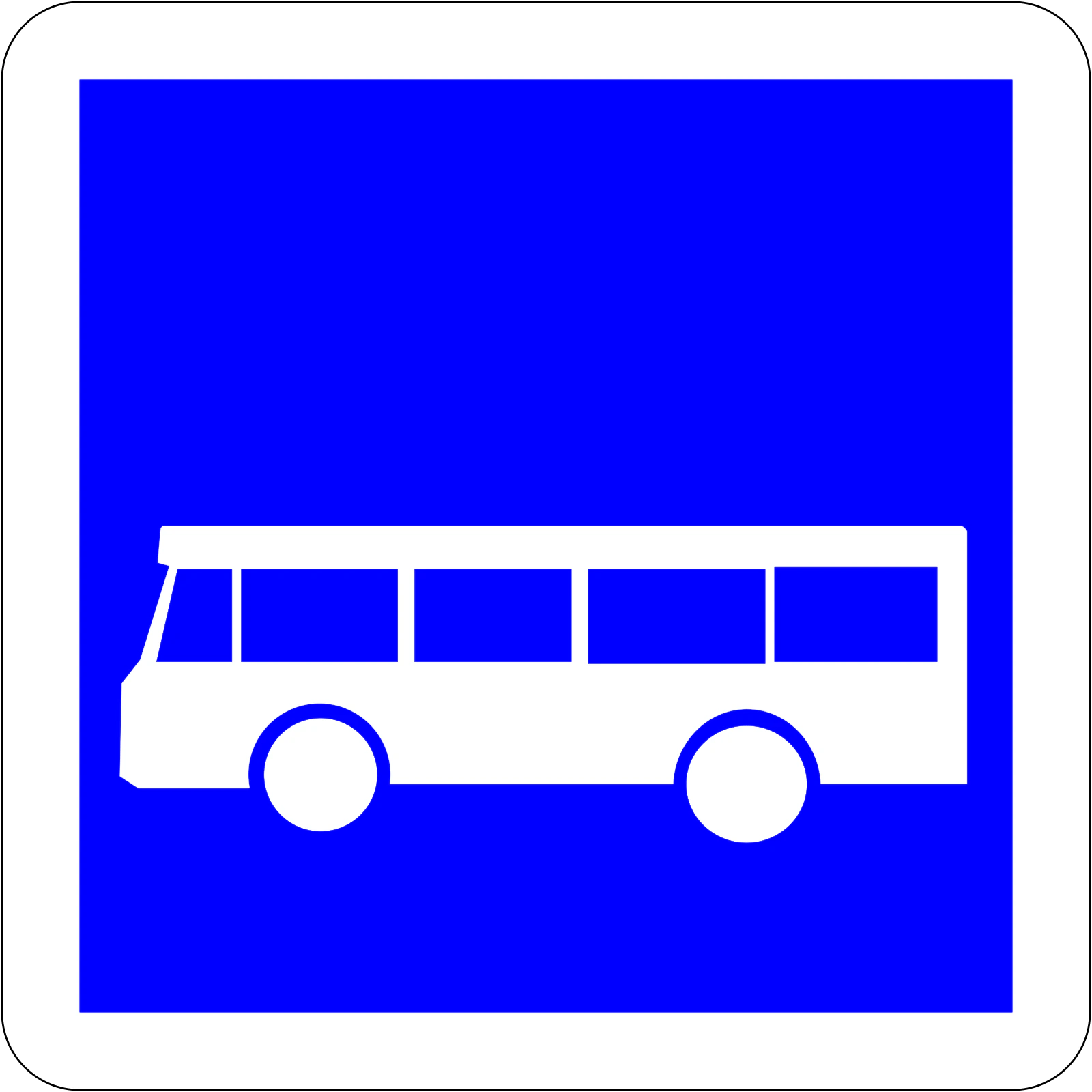
The C6 Bus Stop Sign: Understanding French Road Information
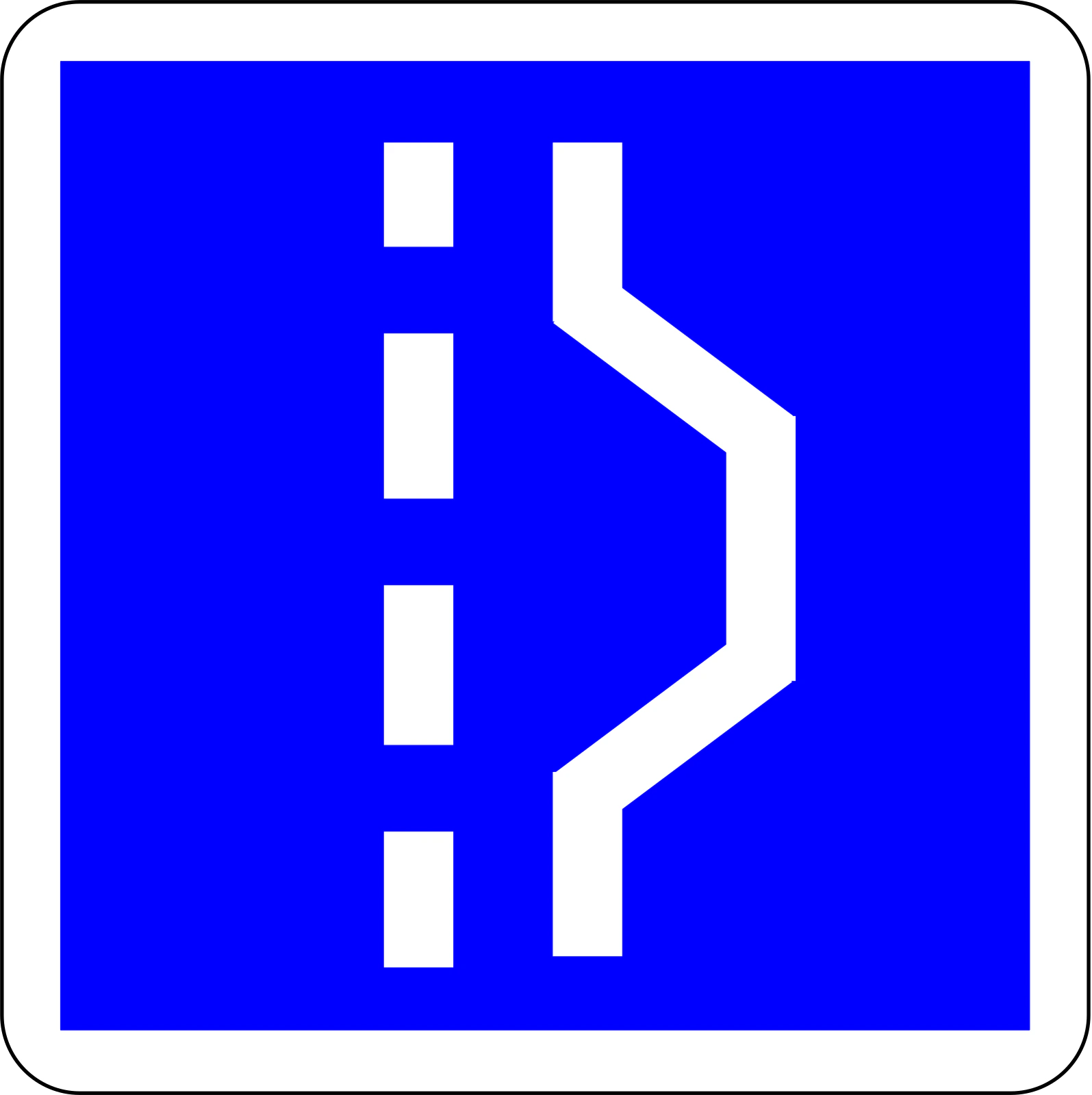
The C8 Breakdown Bay sign provides crucial information about road facilities ahead.
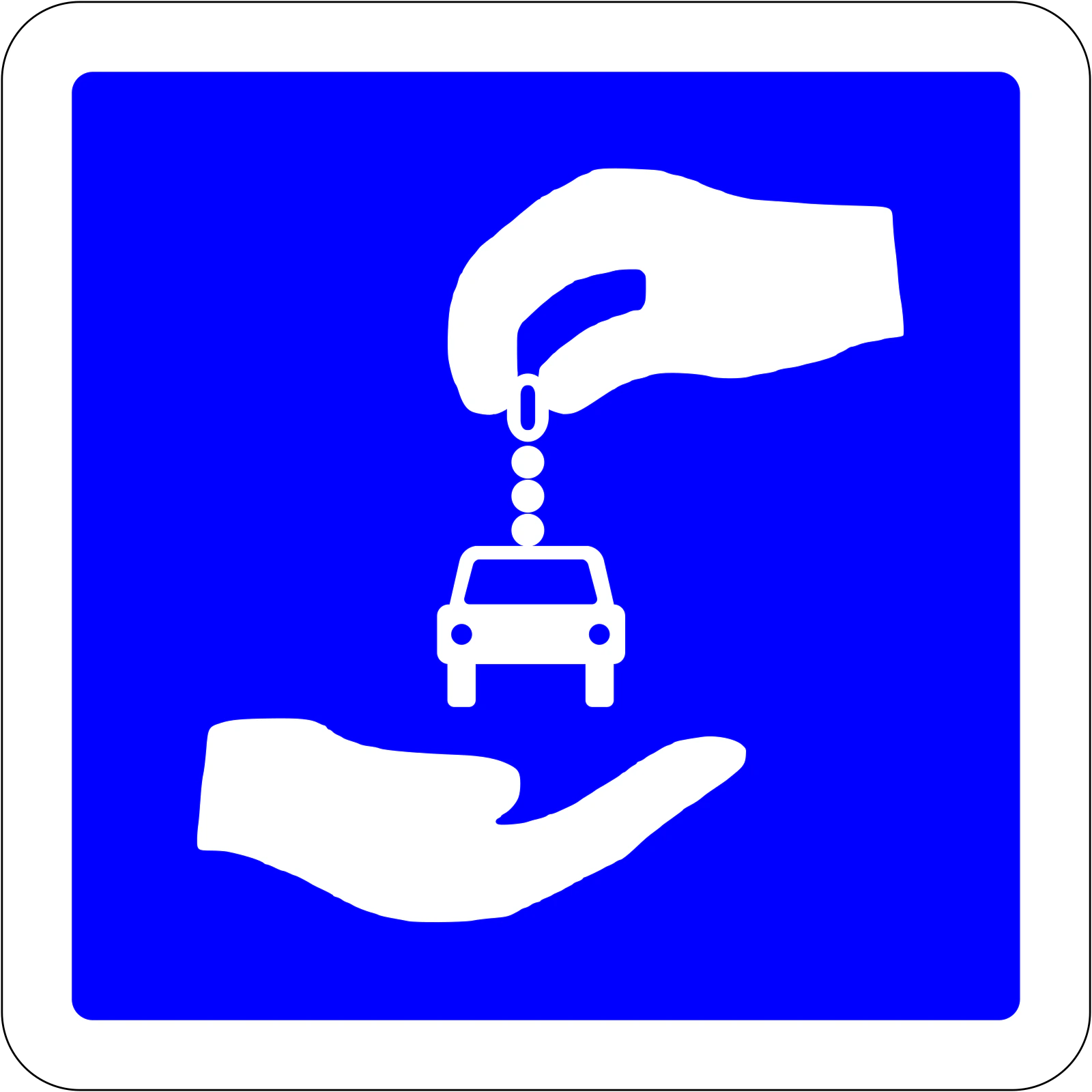
The C9 Carsharing sign provides essential route and layout information.
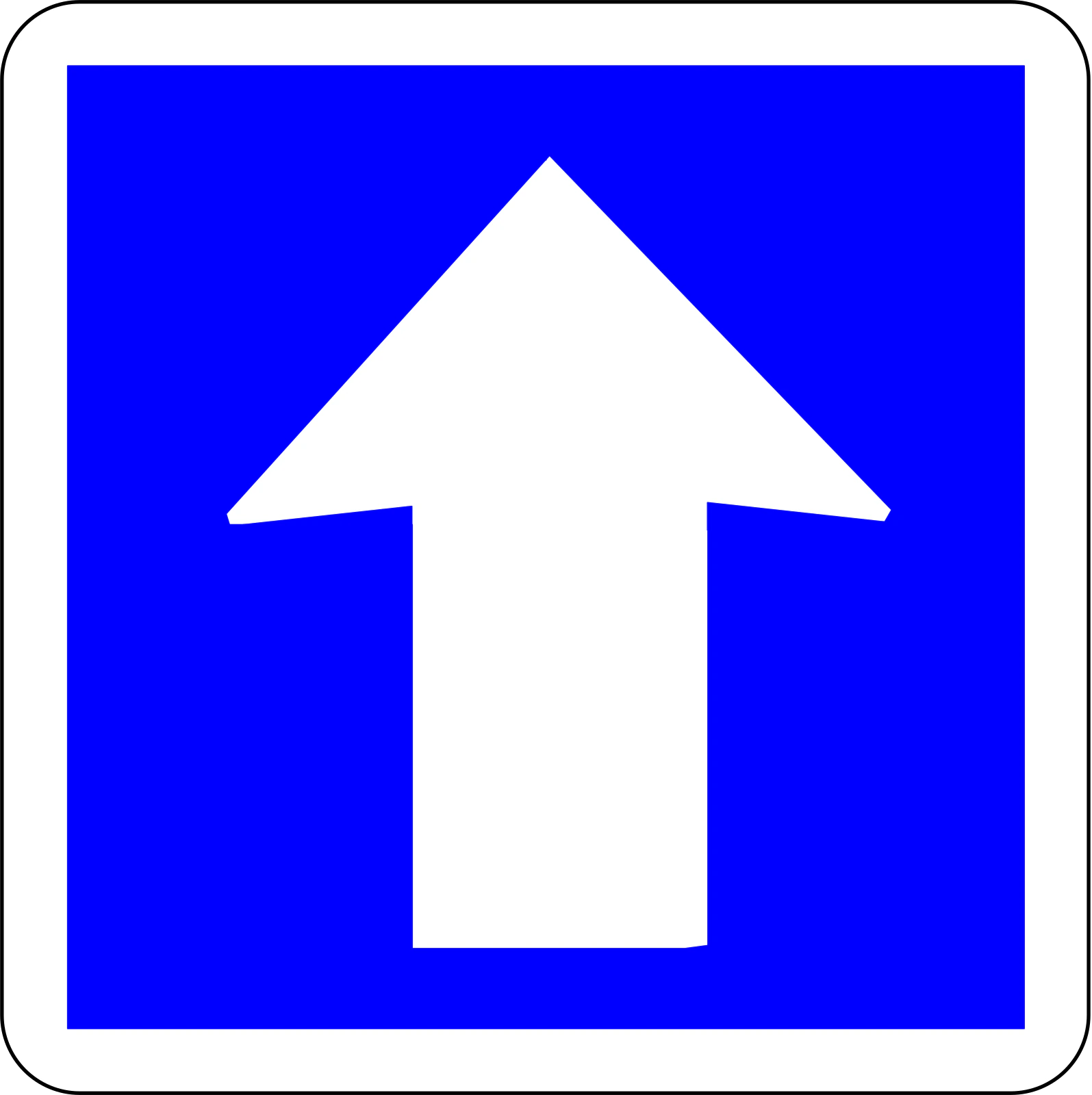
What the C12 'One-Way Traffic' Sign Means for Your Drive in France
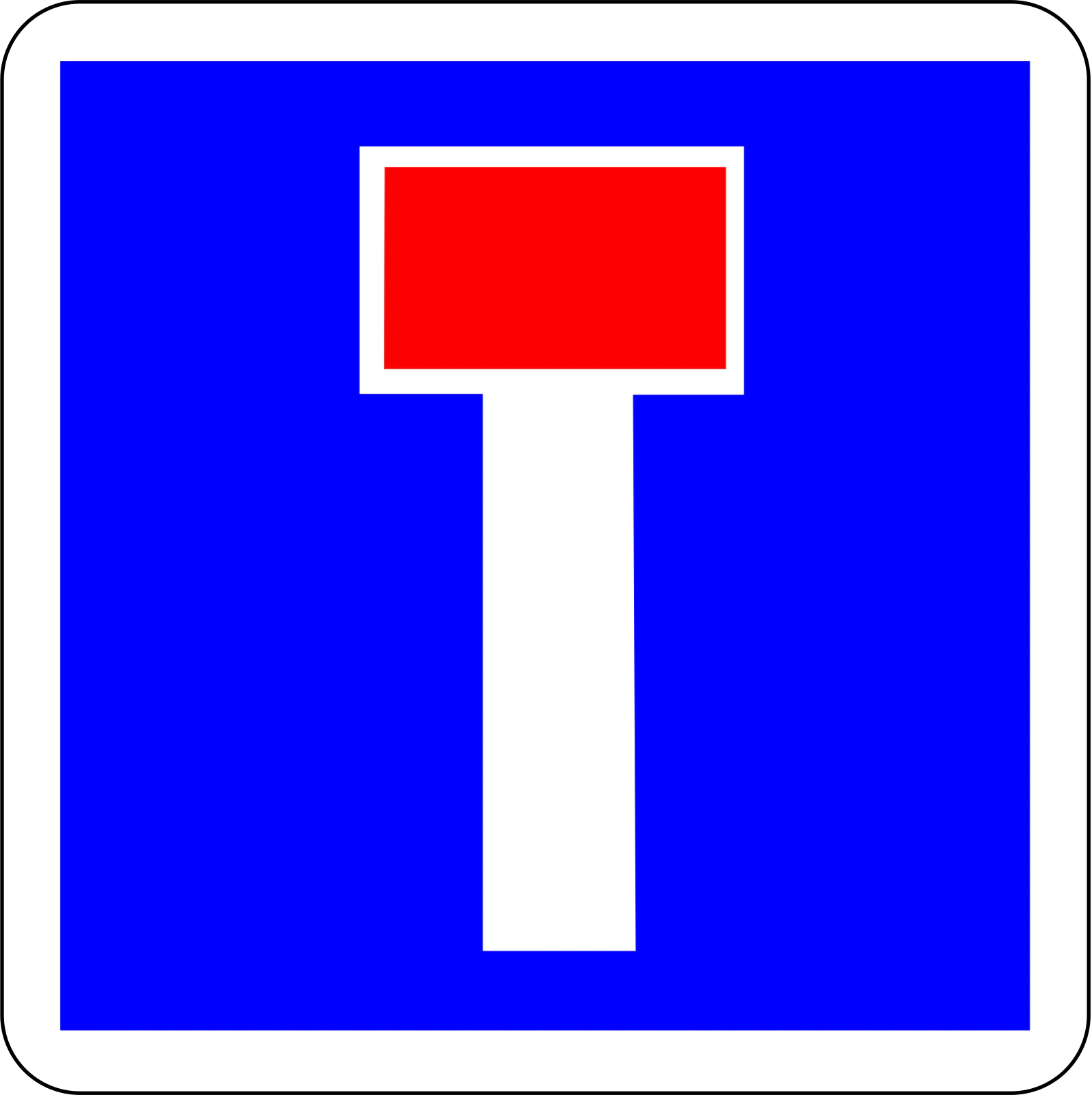
The C13a 'Dead End' Sign: Essential Information for Your Route
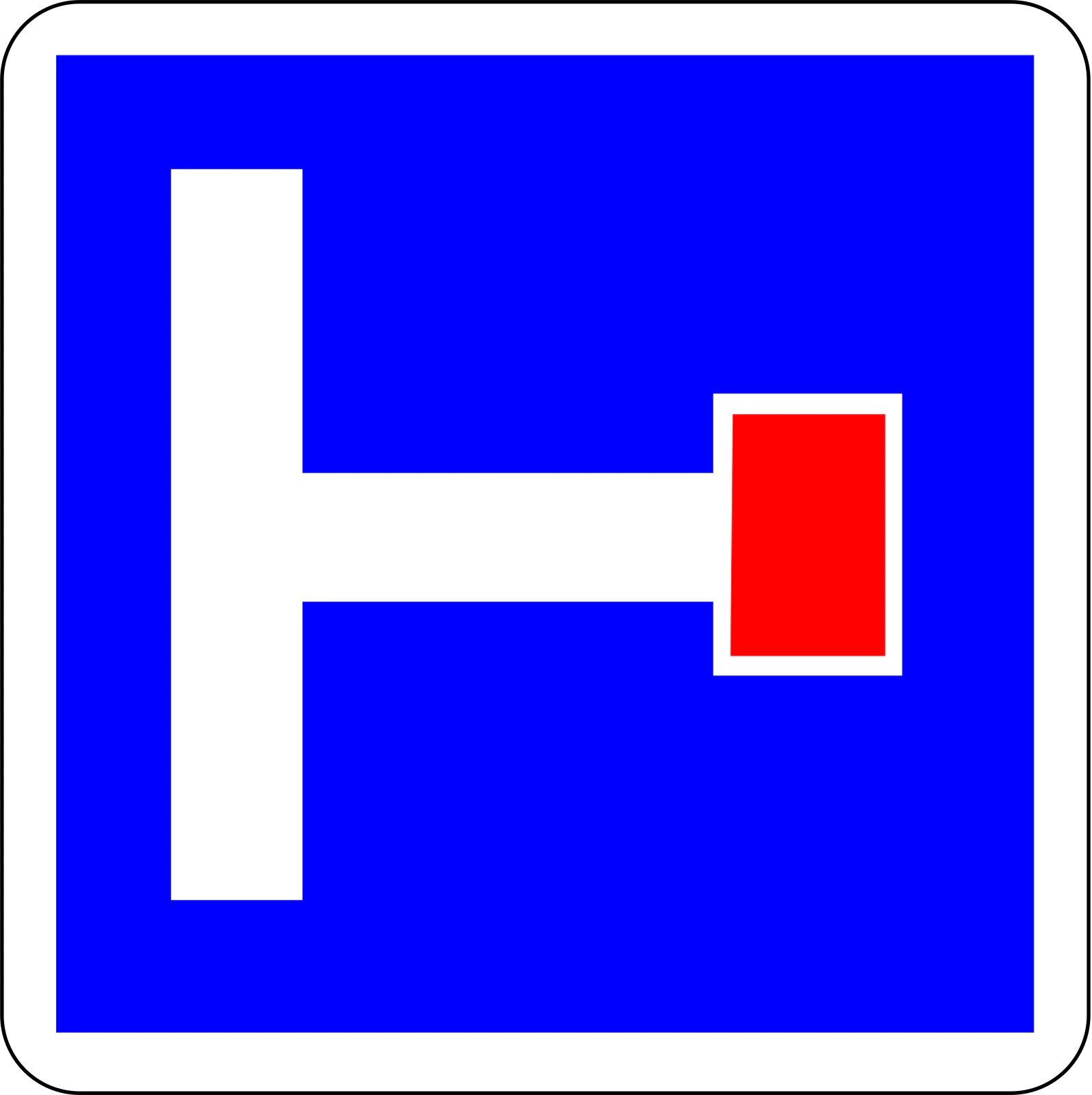
C13b Dead End (Right): Information Sign for Route Planning

Understand the C13c Sign: Dead End Permeable for Pedestrians

Understand the C13d: Dead End Permeable to Pedestrians and Cyclists
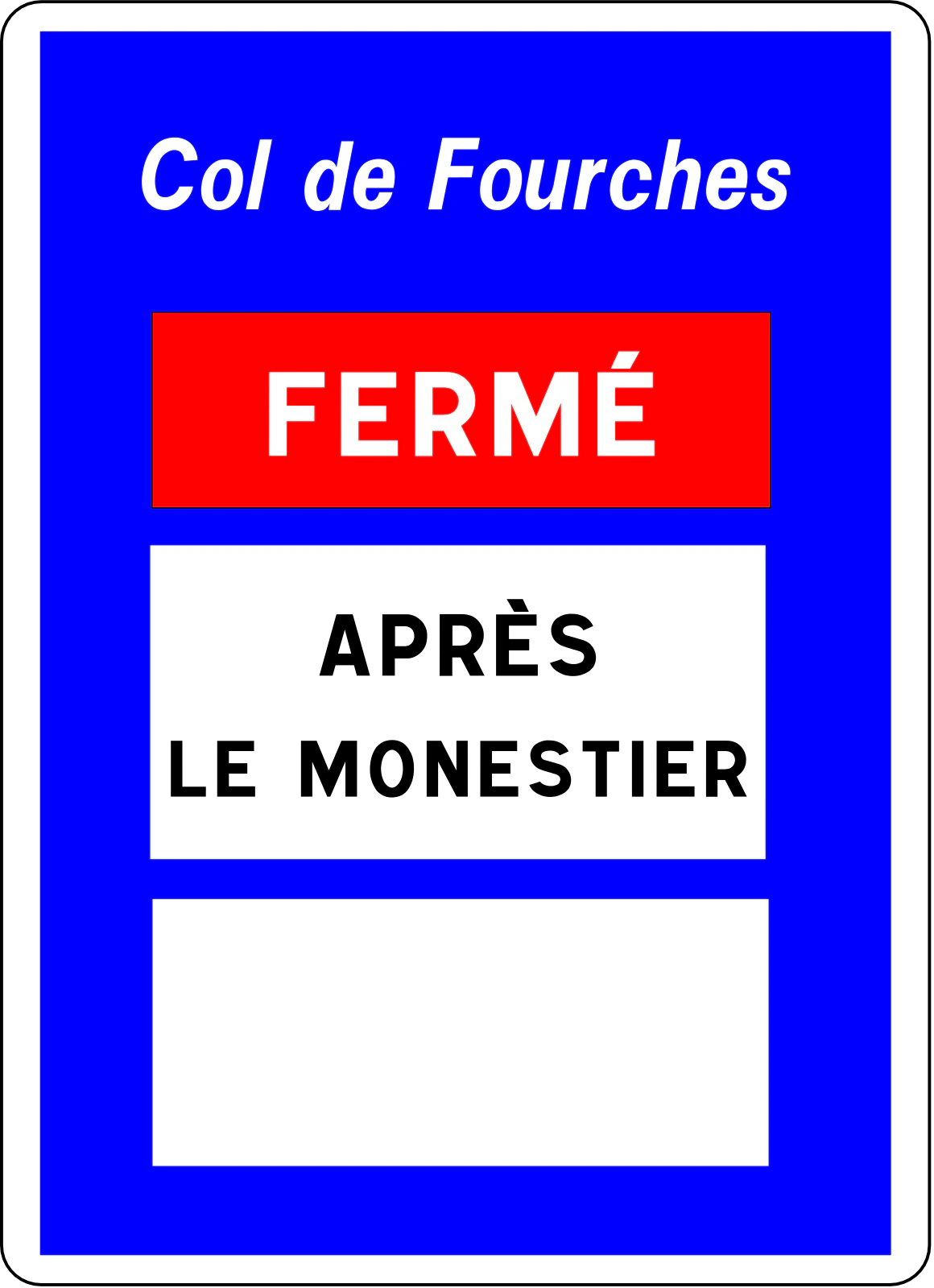
Understand the C14 'Road Use Restrictions' sign for safer planning.

C14-2 Road Use Restrictions: Essential Information for Your Route Planning
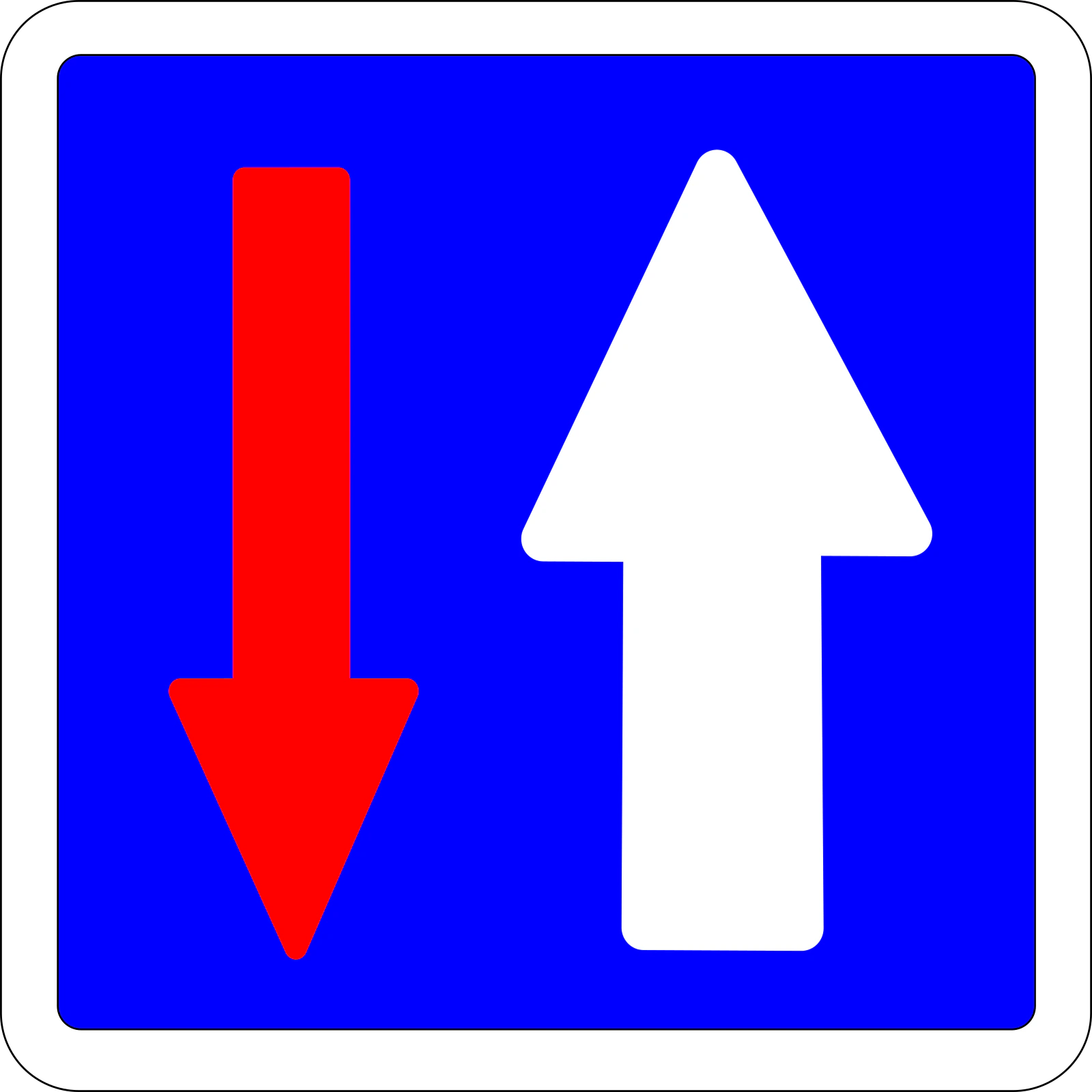
Understand the 'Priority Over Oncoming Vehicles' C18 Sign for French Driving Theory
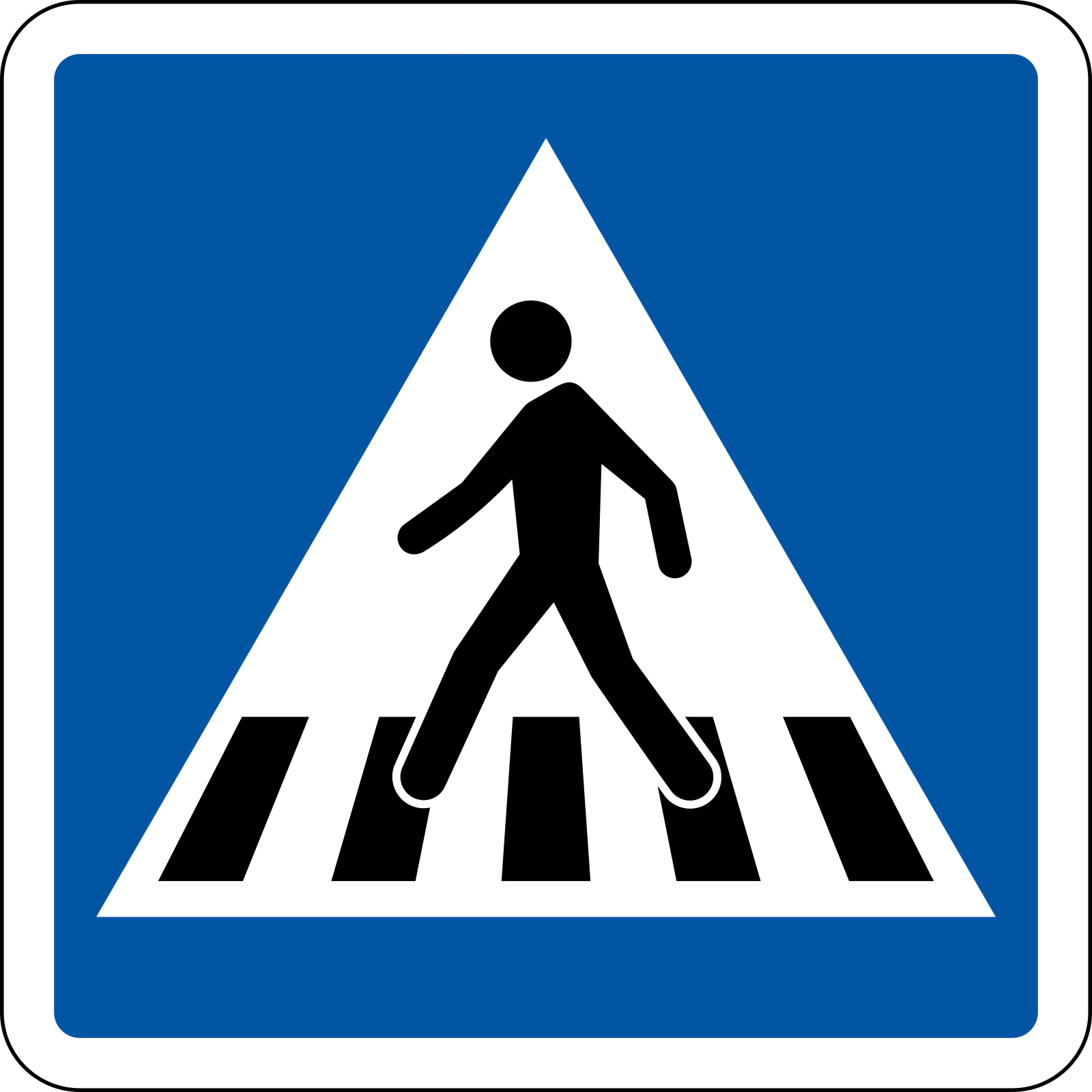
The C20a Pedestrian Crossing Sign: What You Need to Know
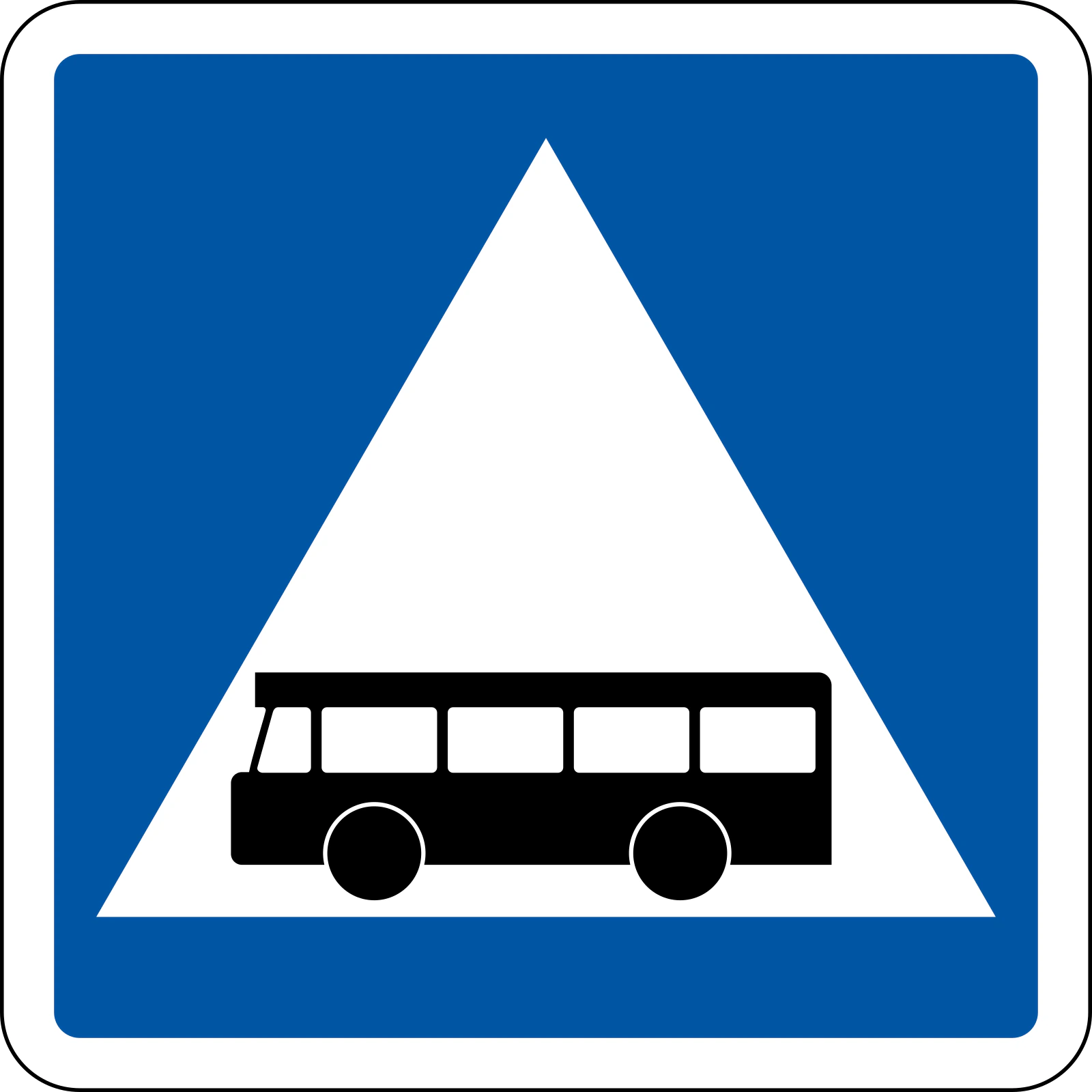
The C20b 'Bus Lane Crossing' Sign: Navigating Dedicated Lanes in France
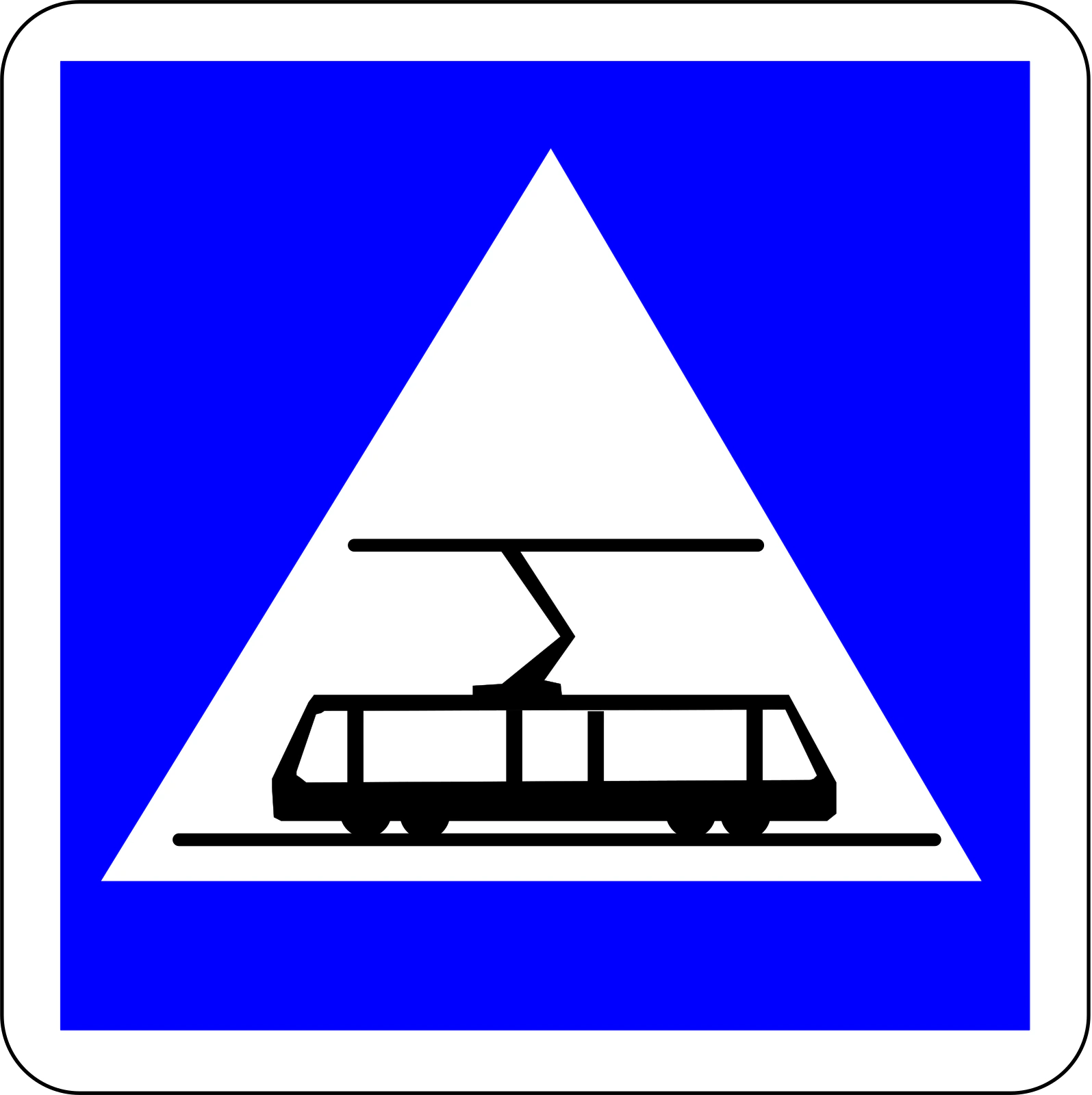
Prepare for tram crossings with the C20c Information Sign
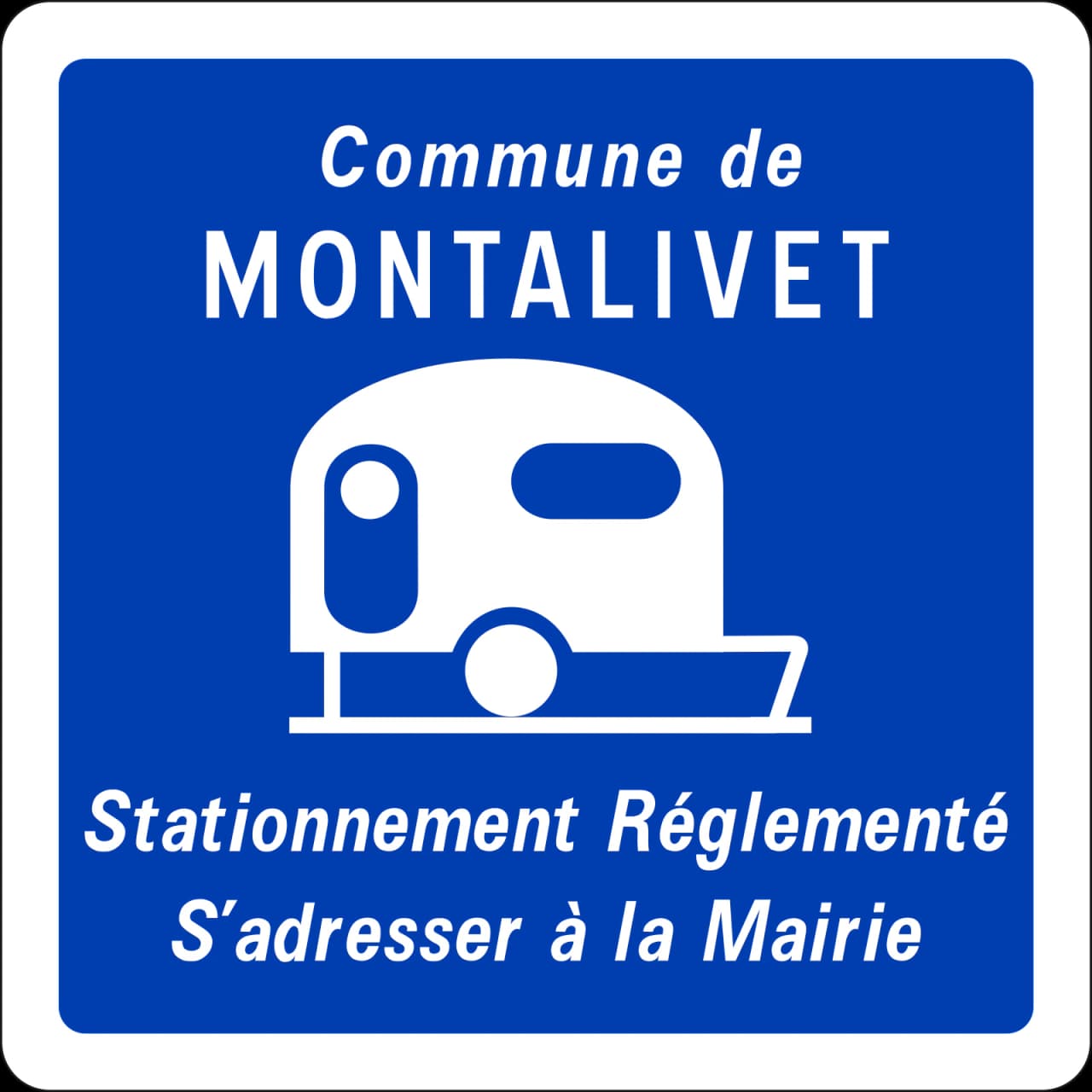
Understand the C23 Caravan Parking Restricted Information Sign in France
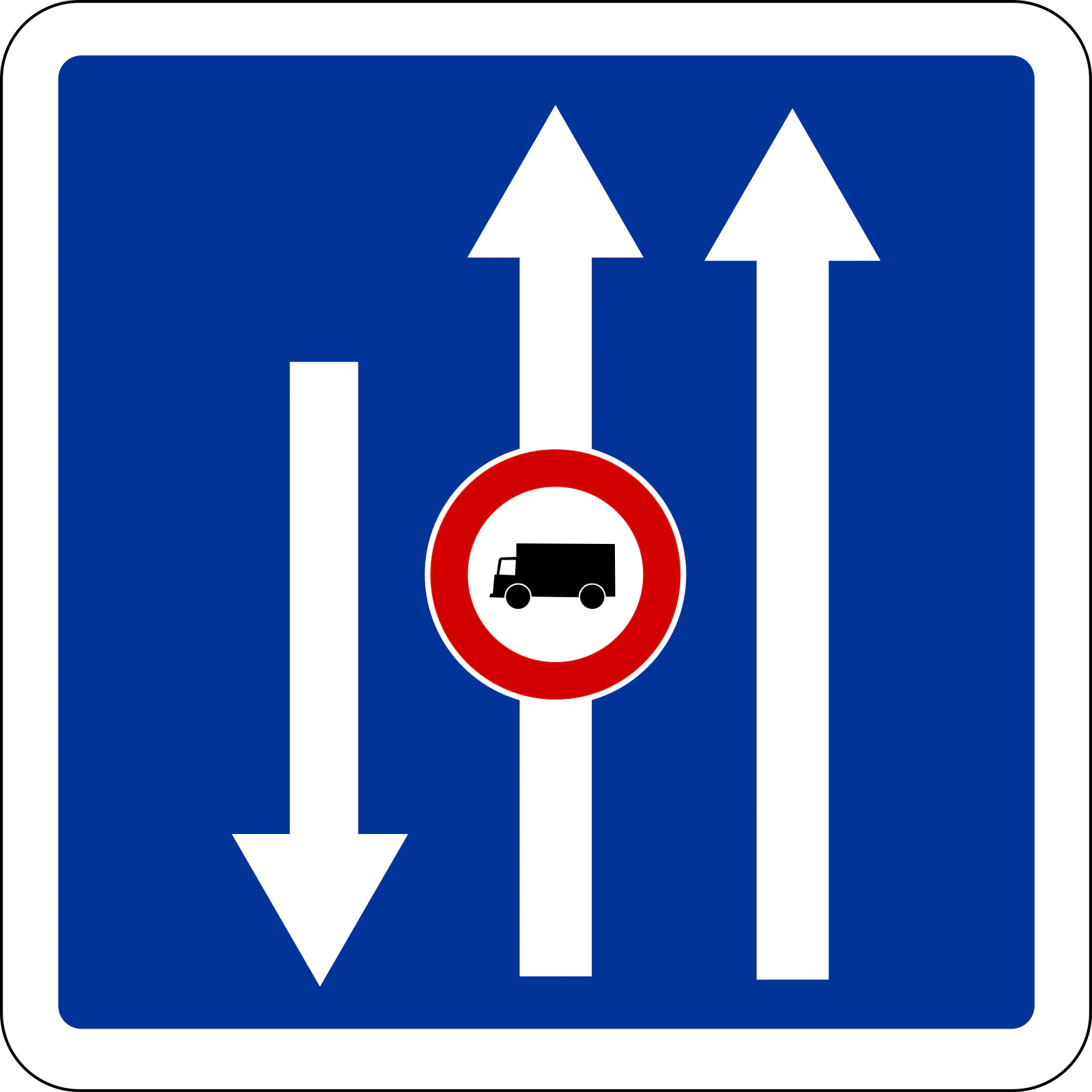
Understand the 'Lane Forbidden for Lorries' Sign (C24a-1)

What does the 'Contra-flow Cyclists' road sign (C24a-2) mean for drivers in France?

C24a-3 Contra-flow Bus Lane: What This Sign Means for Your Drive
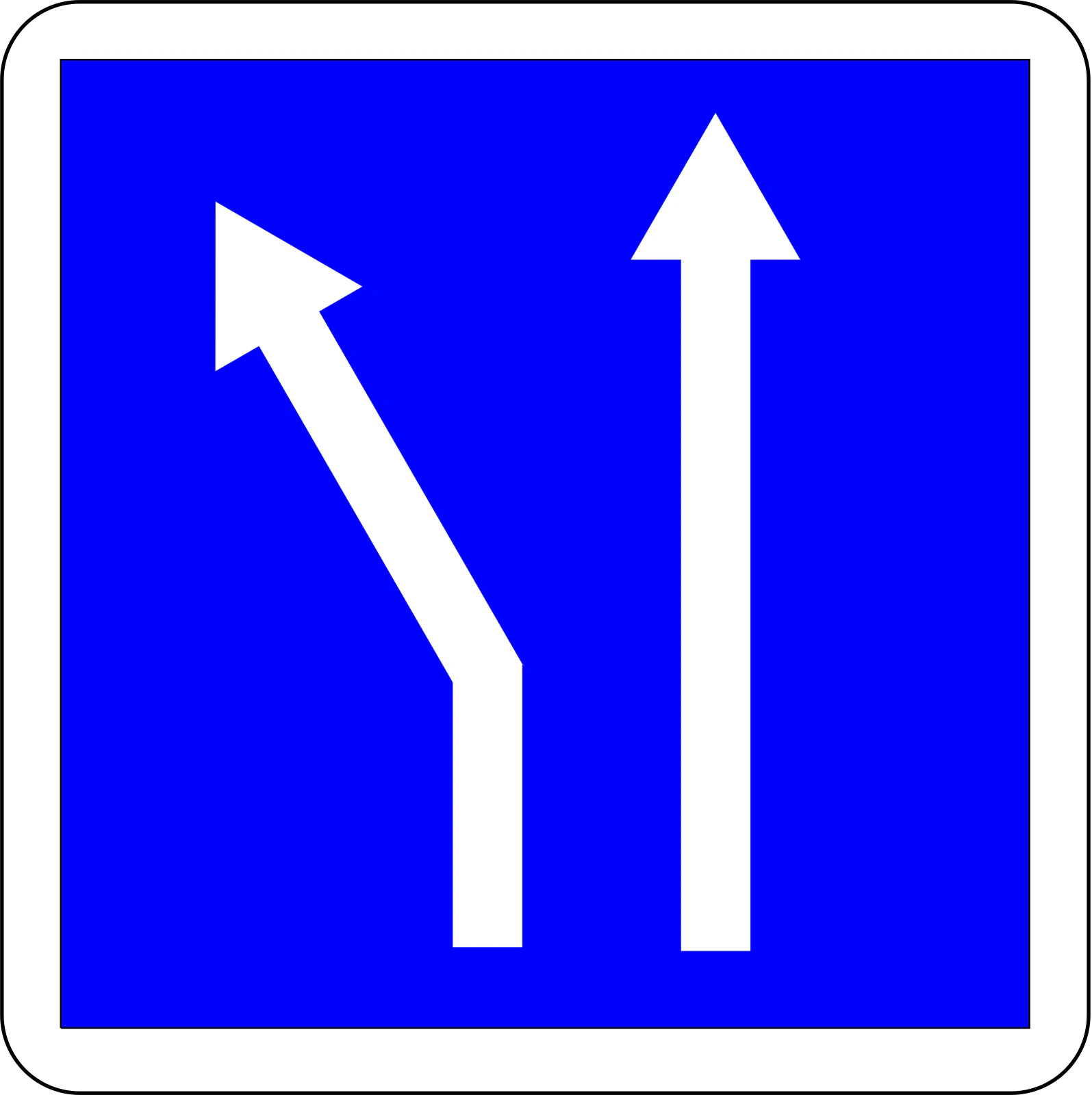
Prepare for a slip road to the left with the C24b information sign.
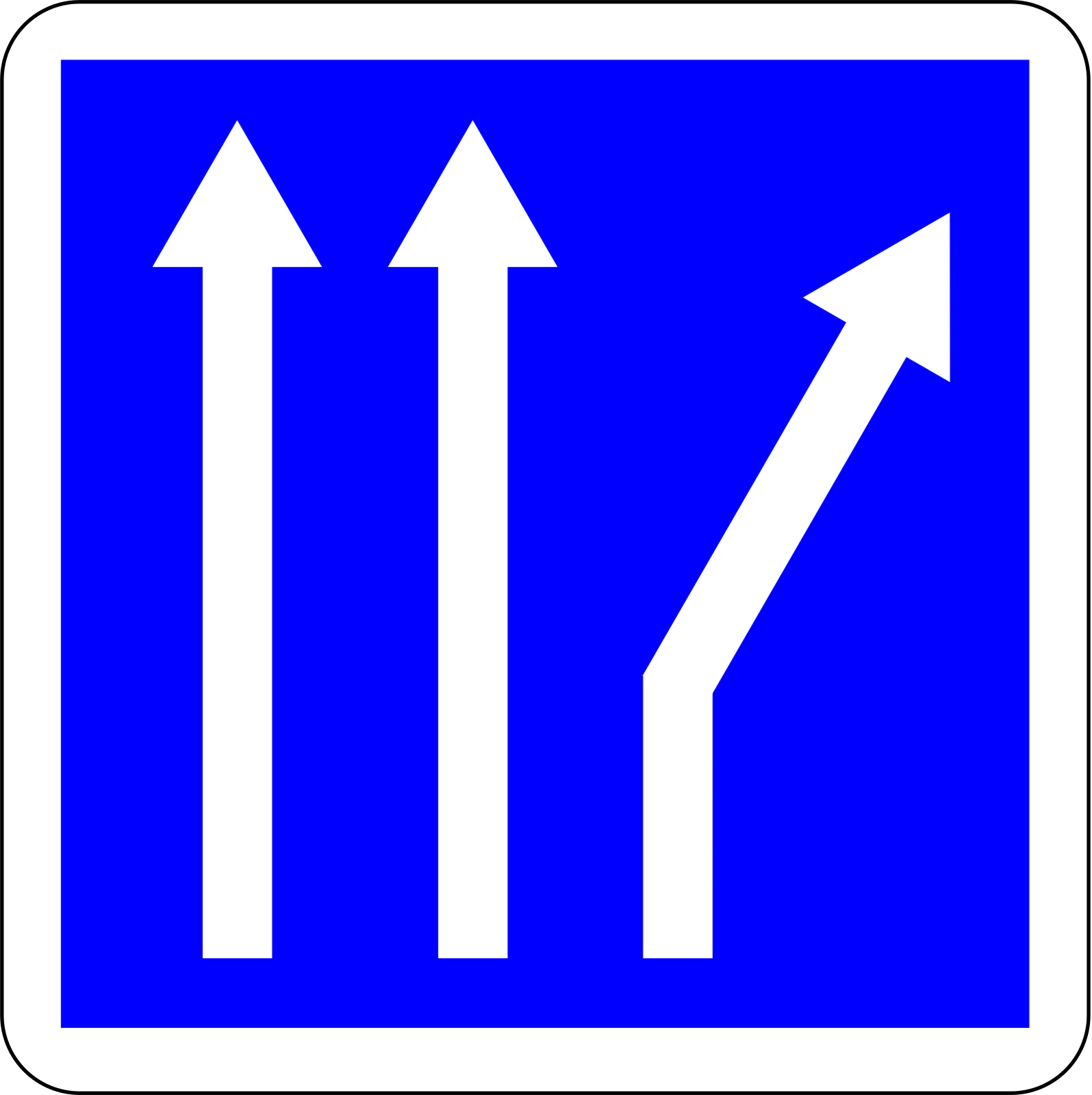
Prepare for the C24b-2 'Slip road to right' sign to navigate French road layouts safely.

Understand the C24c Sign: Level Crossing with Gates on a Side Road

The Contra-flow Cycle Lane sign (C24c-2) informs you about a dedicated lane for cyclists going against the normal traffic flow.
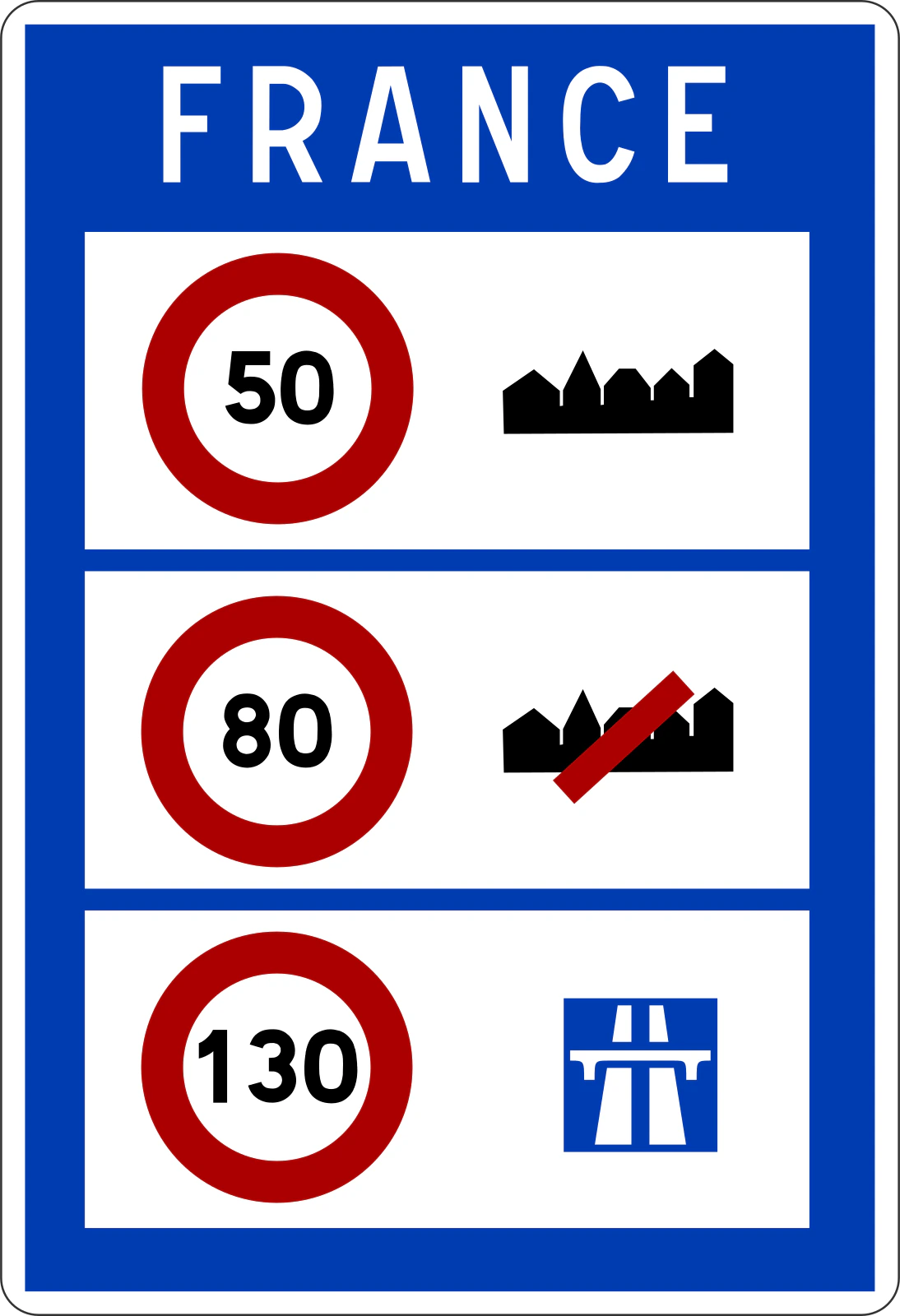
The C25a sign provides crucial information about speed limits and road layout upon entering France.
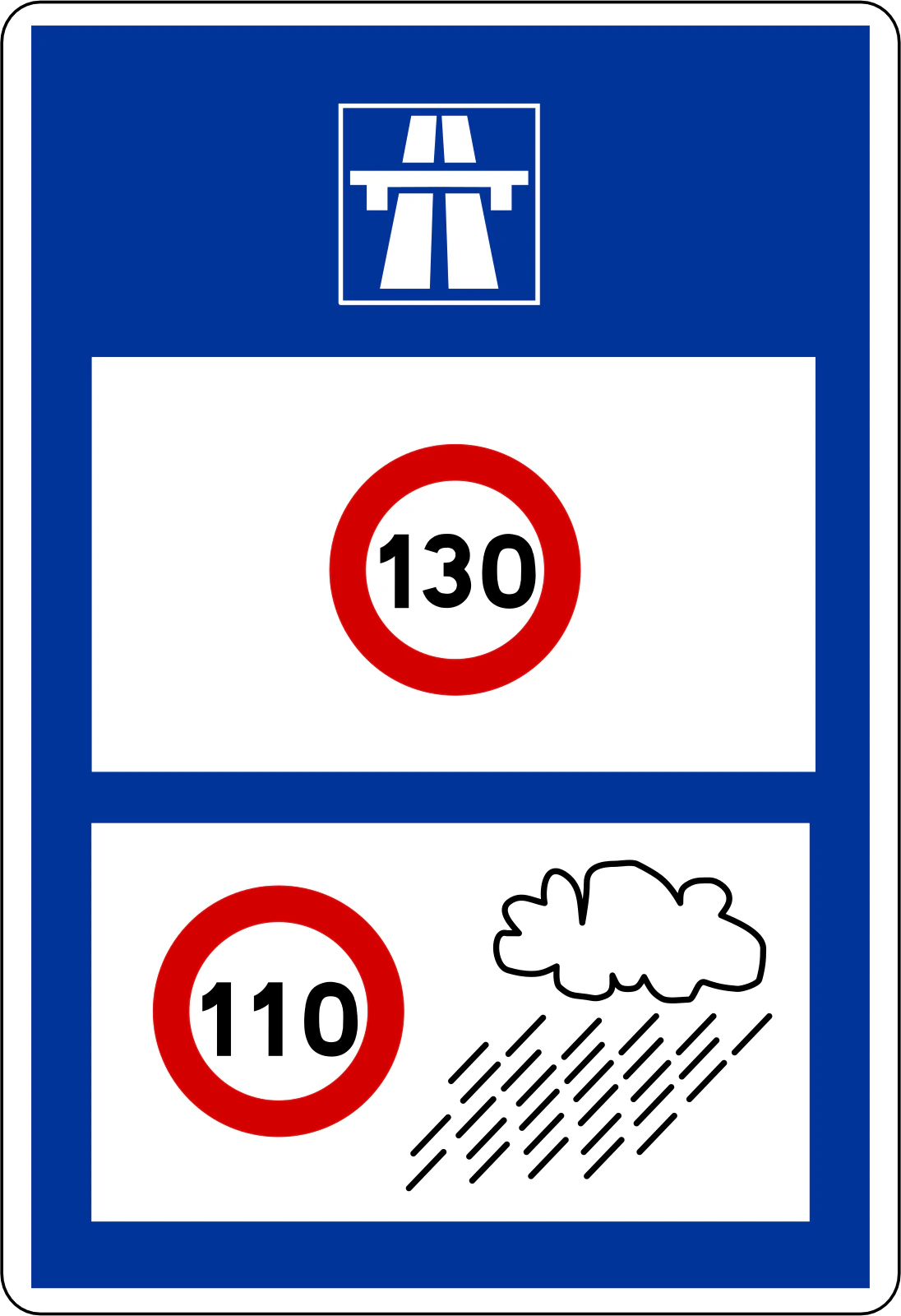
Understand the C25b sign for motorway speed limits and traffic information in France.
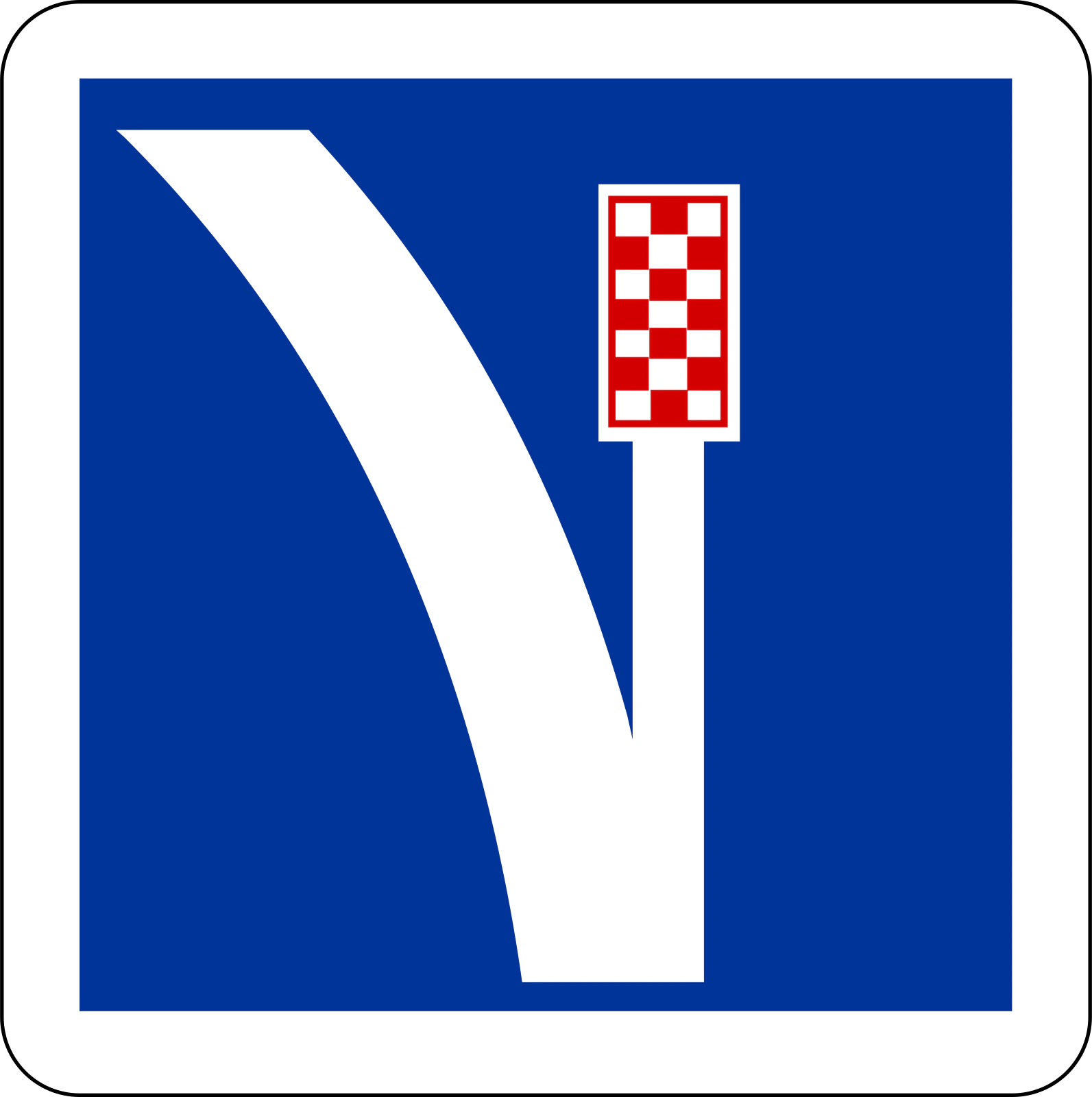
C26a: Know Where the Escape Lane Is on Your Right
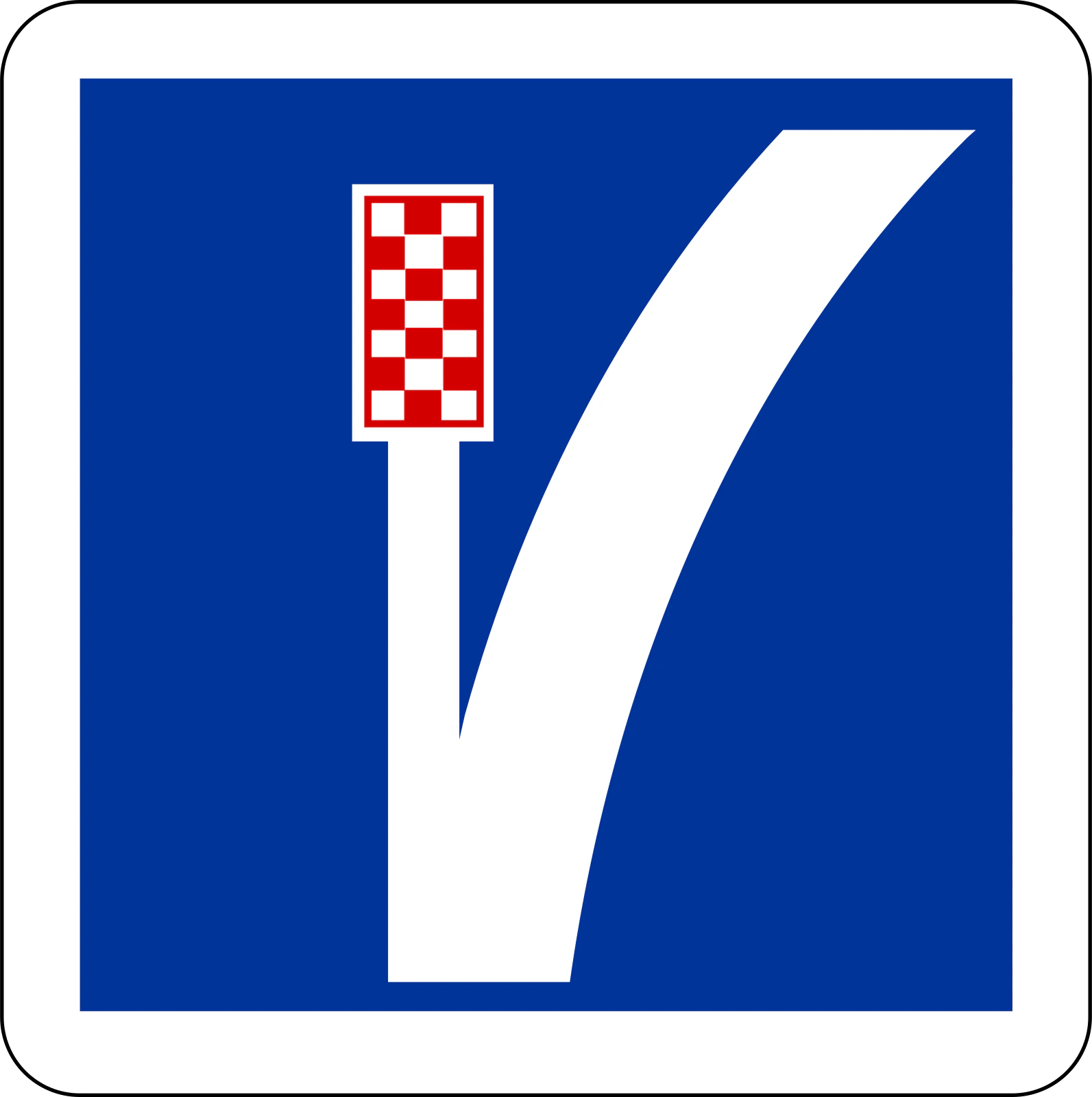
Understand the 'Escape Lane on Left' (C26b) Information Sign
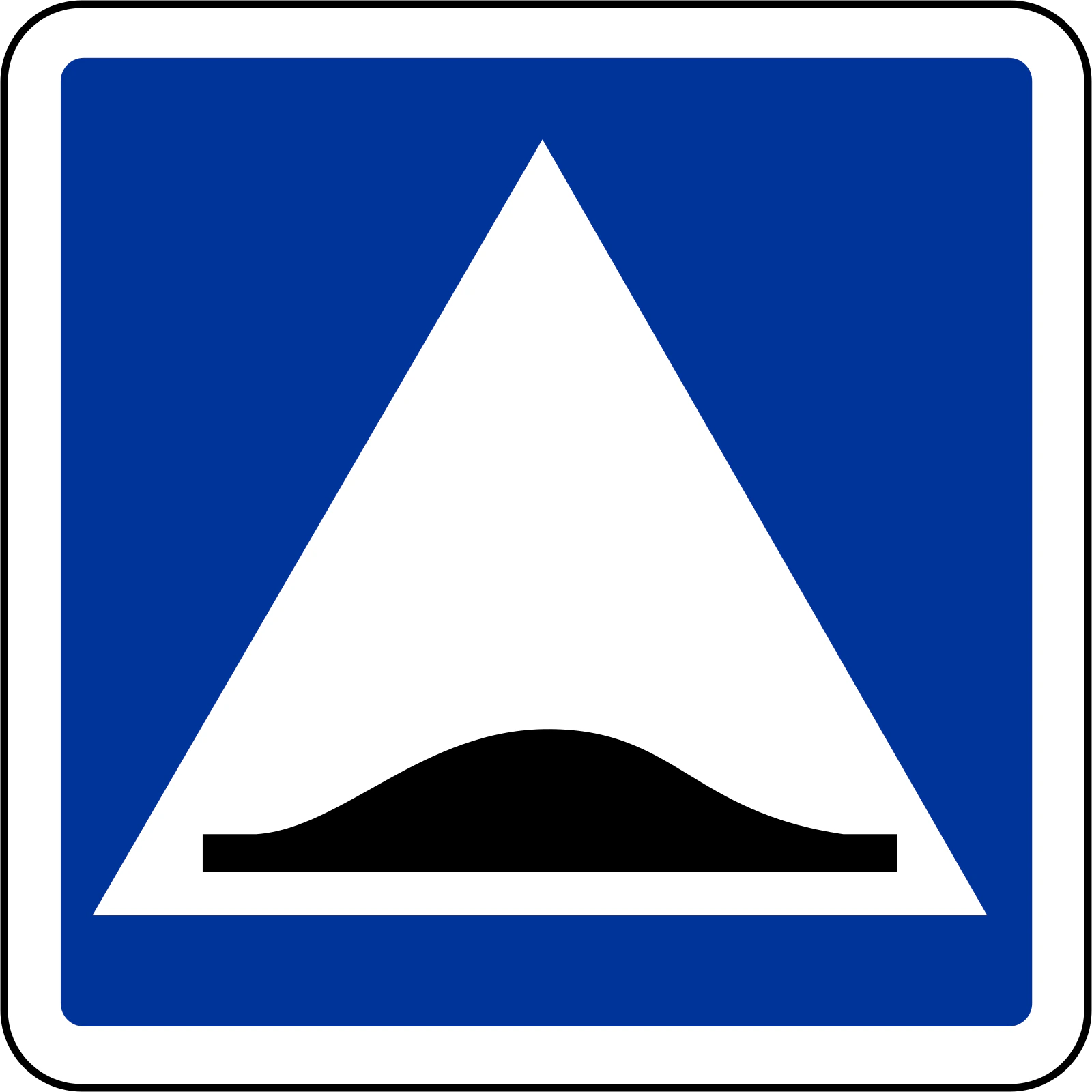
Prepare for a Speed Bump with the French C27 Information Sign
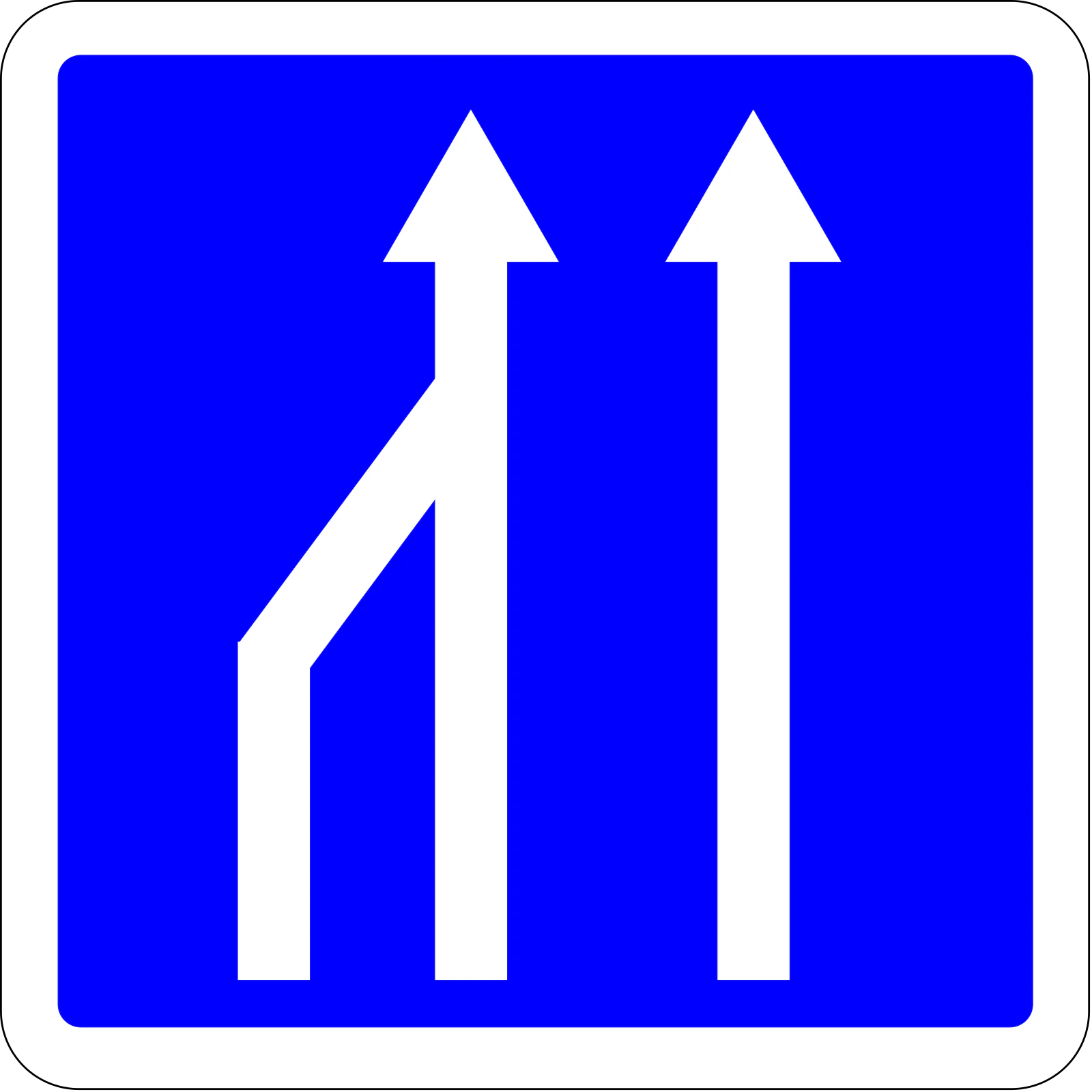
Understand the 'Lanes Merge' Sign (C28-2) for Smooth Traffic Flow

The C28-3 'Lanes Merge' Sign: Navigating Multiple Lanes Joining Ahead
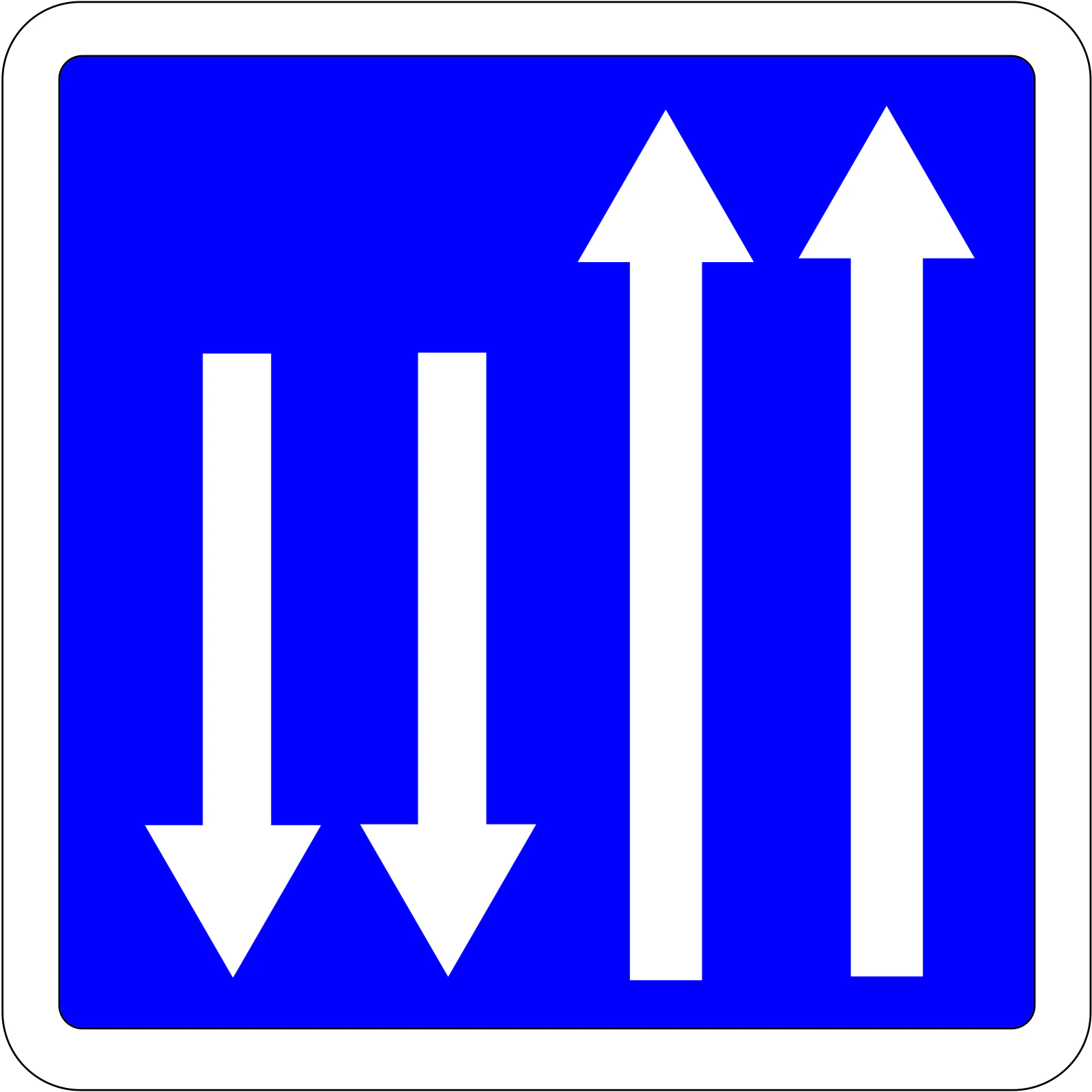
The C29a 'Overtaking lanes' sign informs you about road layout and lane arrangements.
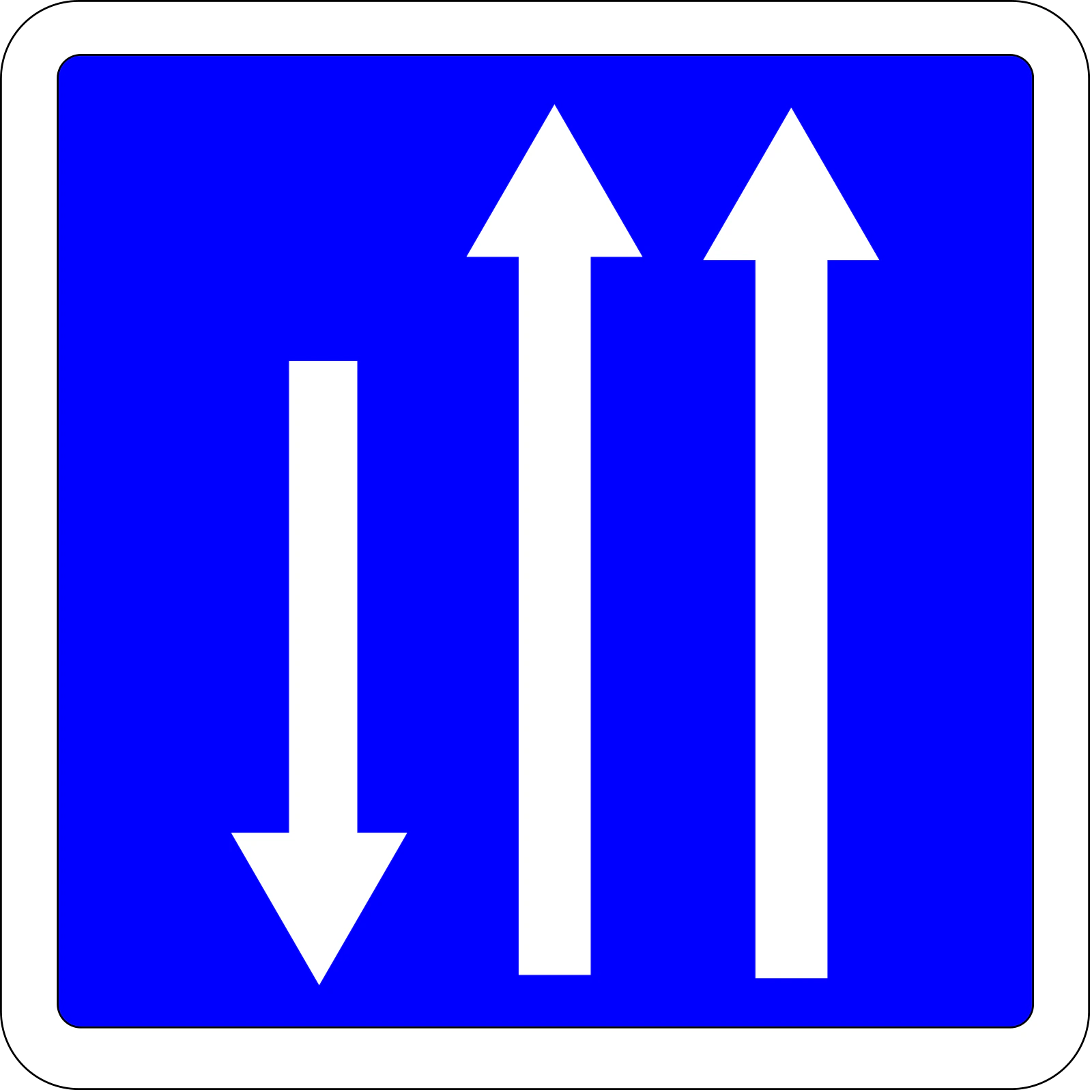
Understand the C29b 'Overtaking Lanes' sign to plan your motorway journey effectively.
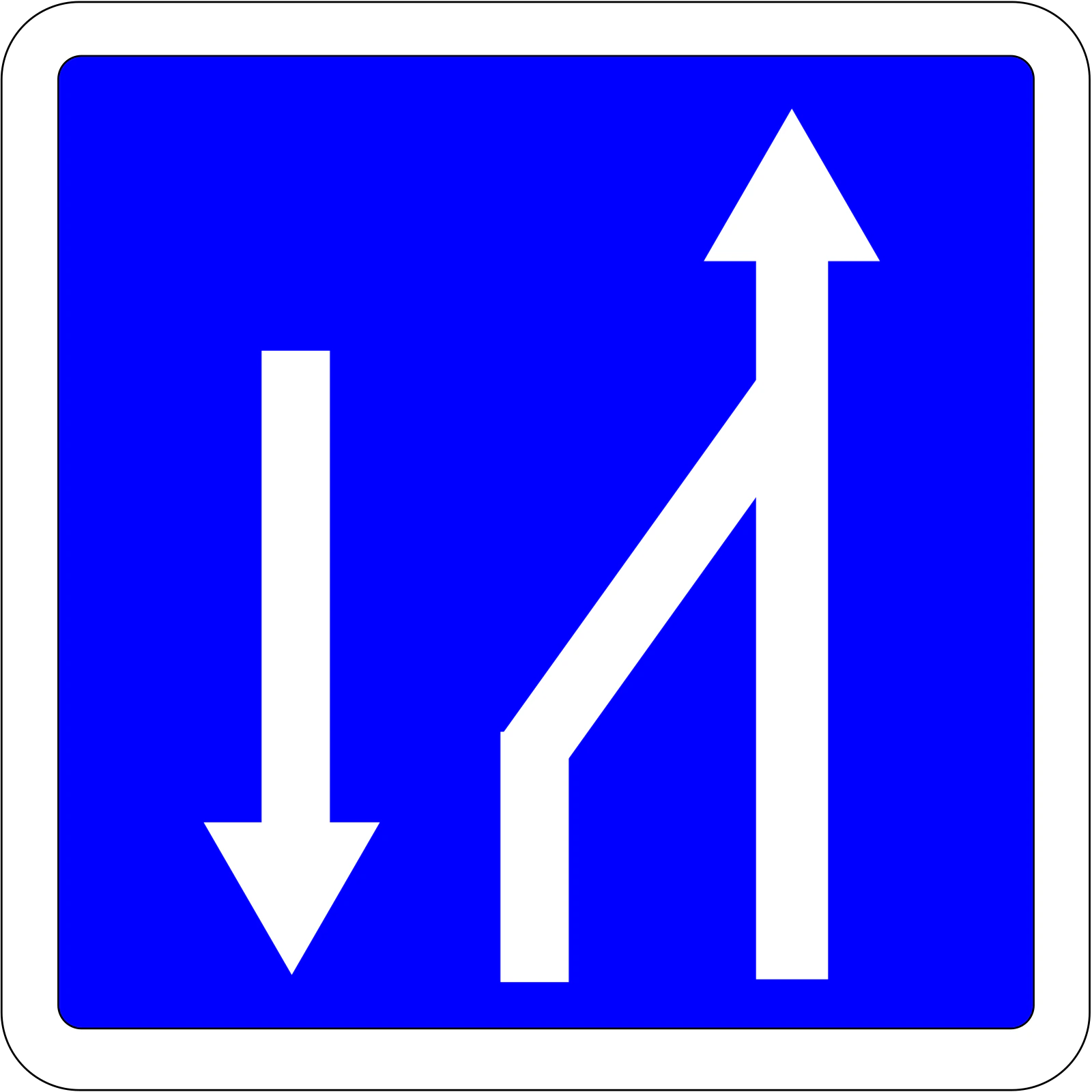
The C30 'End of Overtaking Lanes' Sign: What It Means and How to React
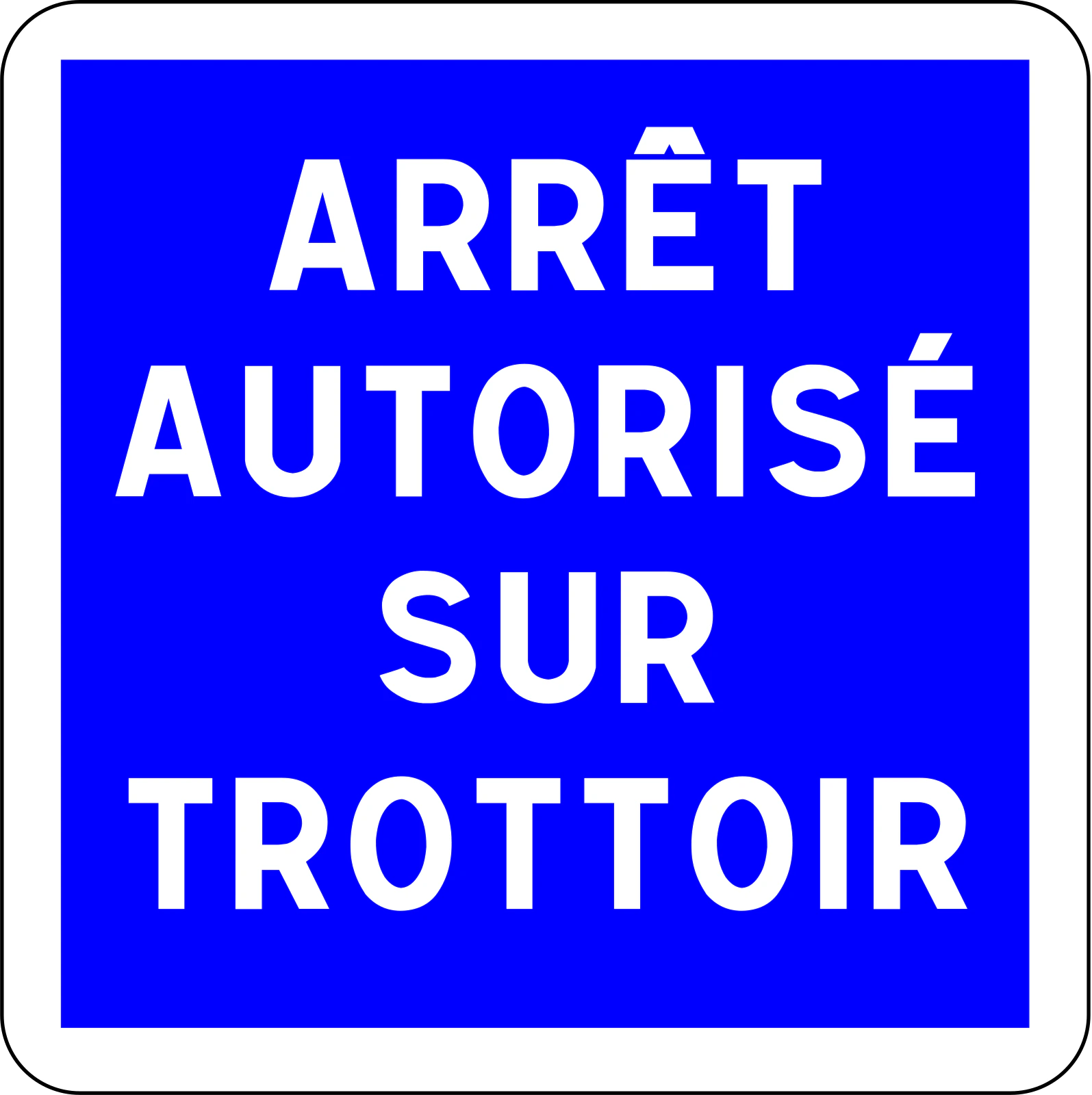
The C50 'Other Information' sign provides important guidance for your journey.
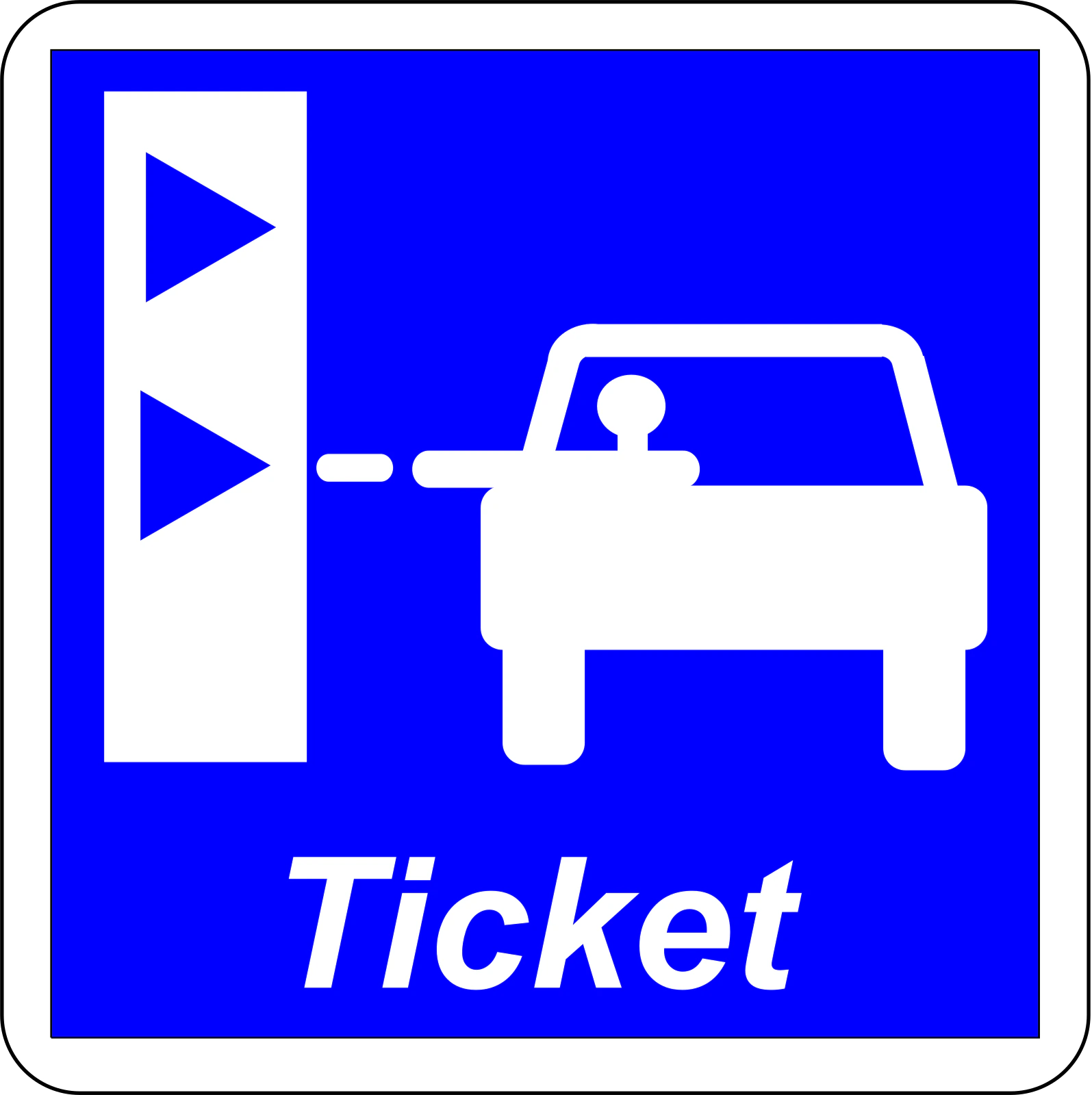
The C62 Toll Ticket Marking Point sign helps you plan your journey on French roads.
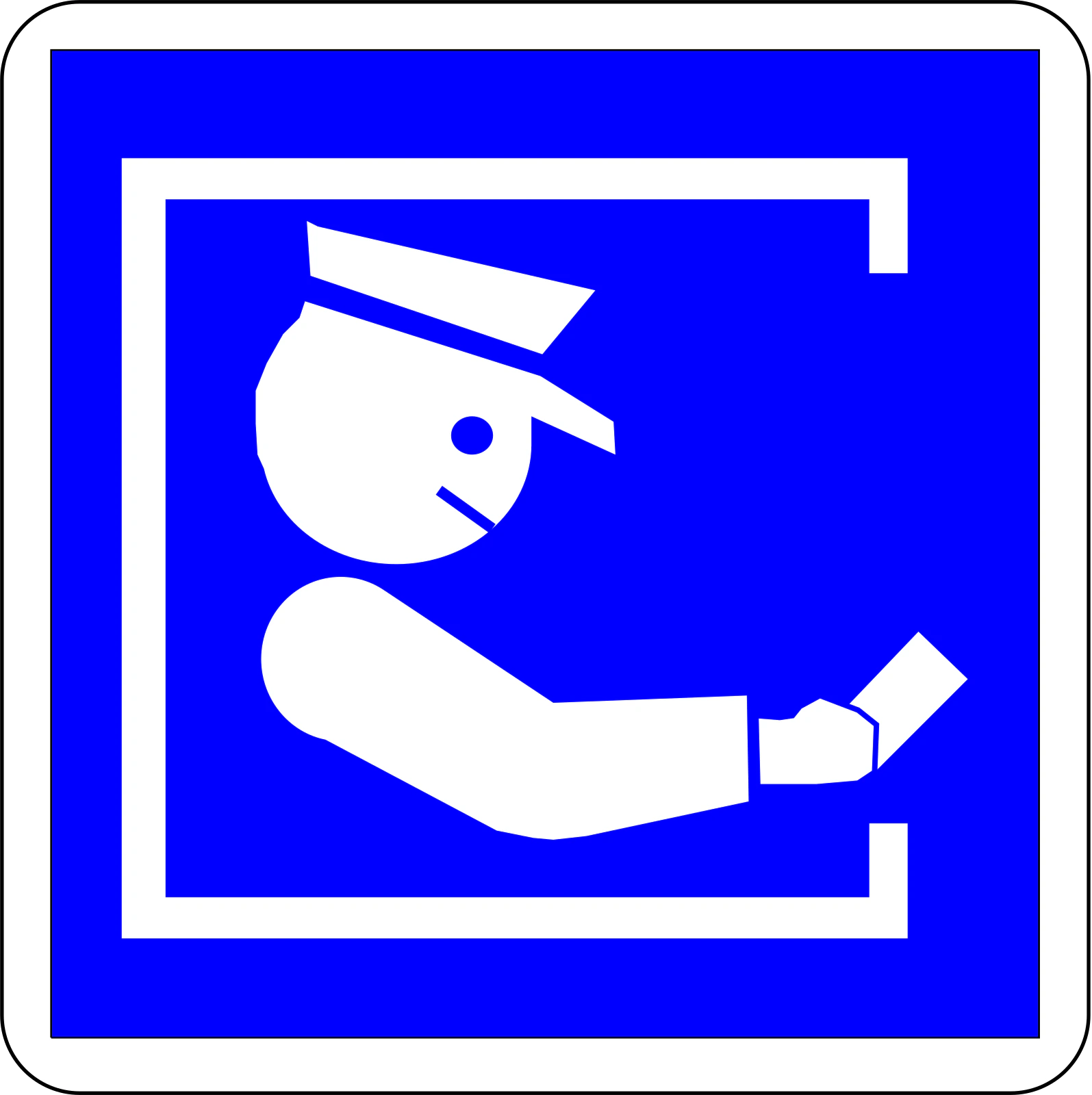
Understand the C64a Manned Toll Booth Information Sign

Prepare to pay tolls using your debit or credit card with this French traffic sign.
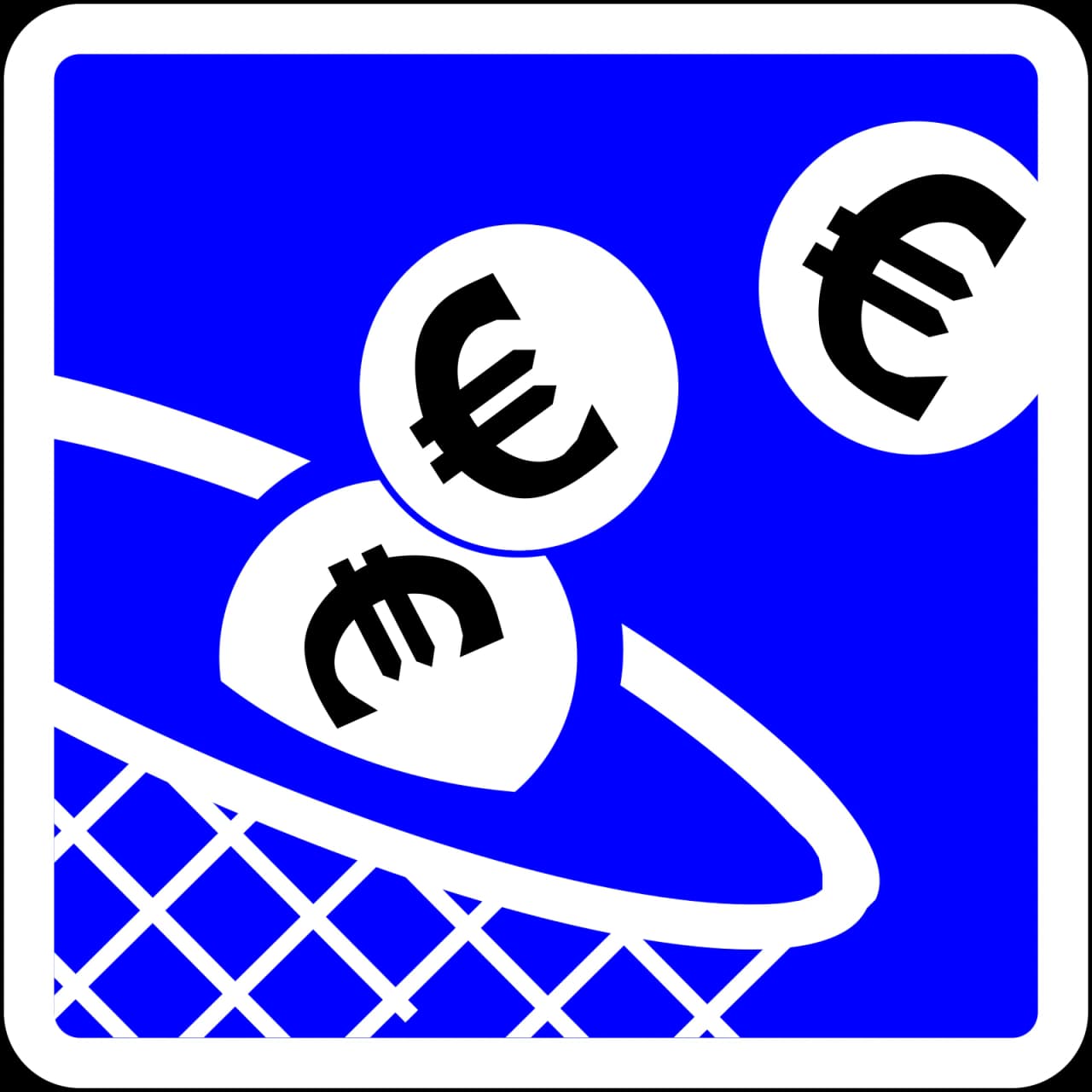
The C64c sign tells you where to pay road tolls using cash.

Prepare for Toll Booths with the 'Toll Payment by Subscription' Information Sign (C64d)
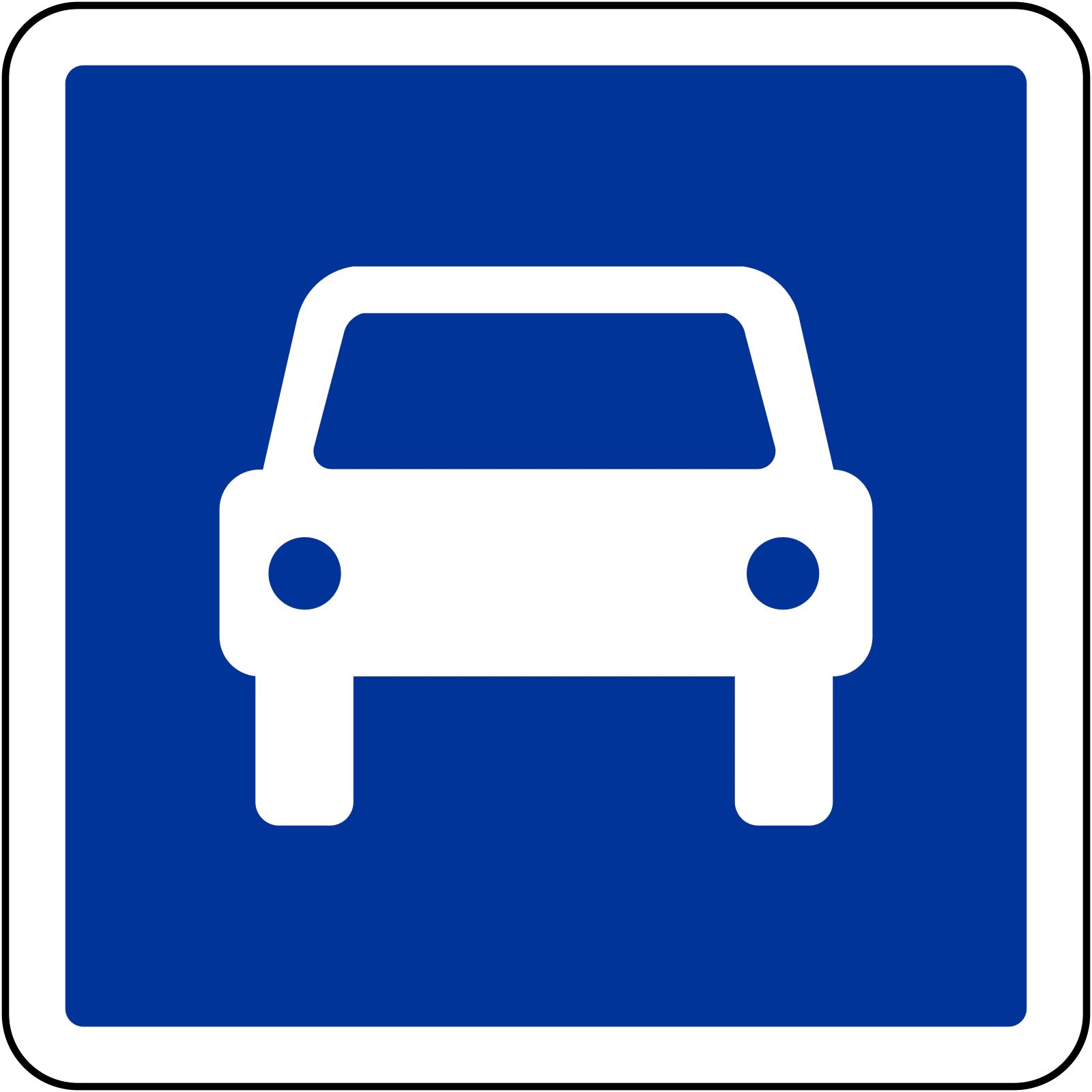
Understand the French Expressway (Voie-express-F) Information Sign
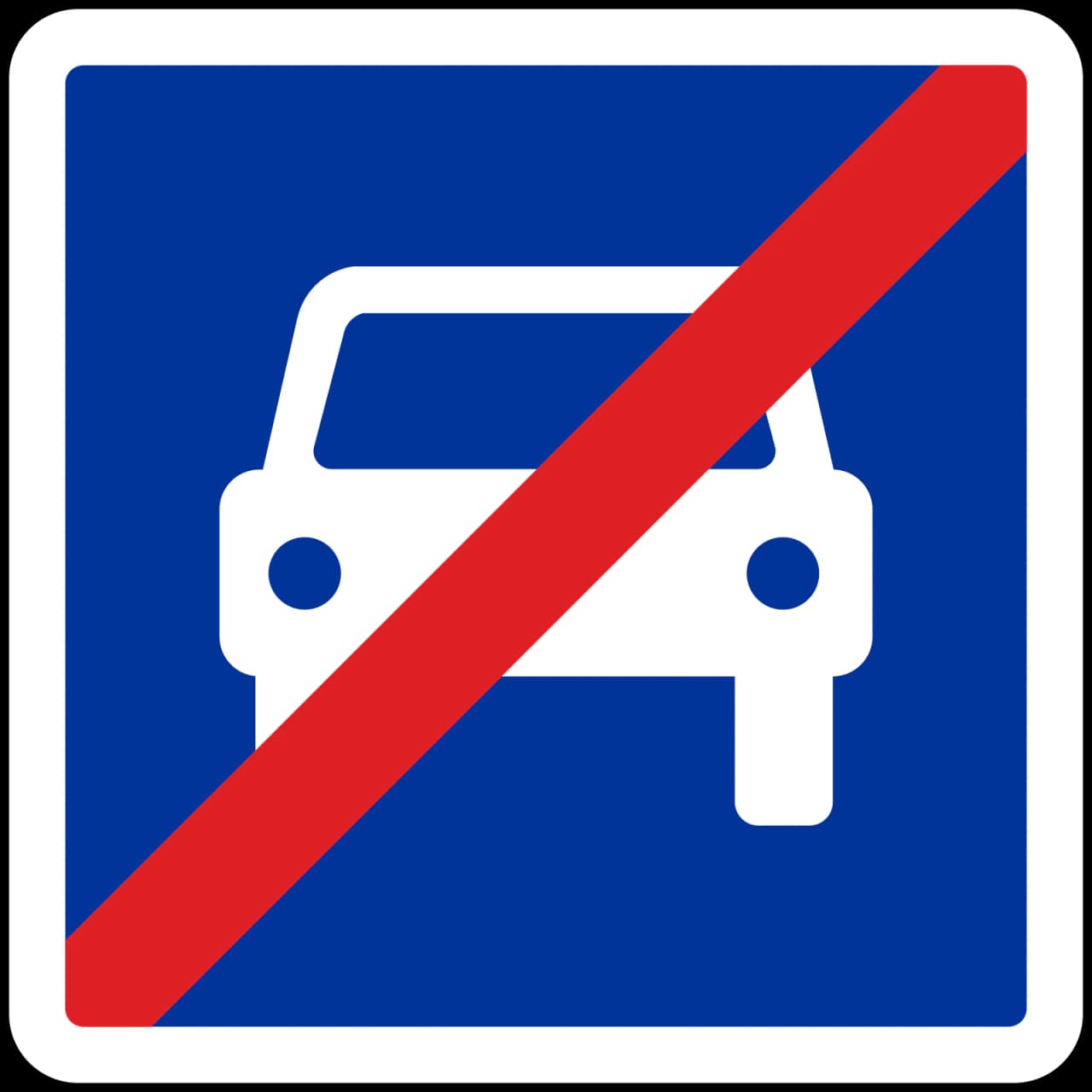
The 'End of Expressway' sign means you are leaving this type of road.
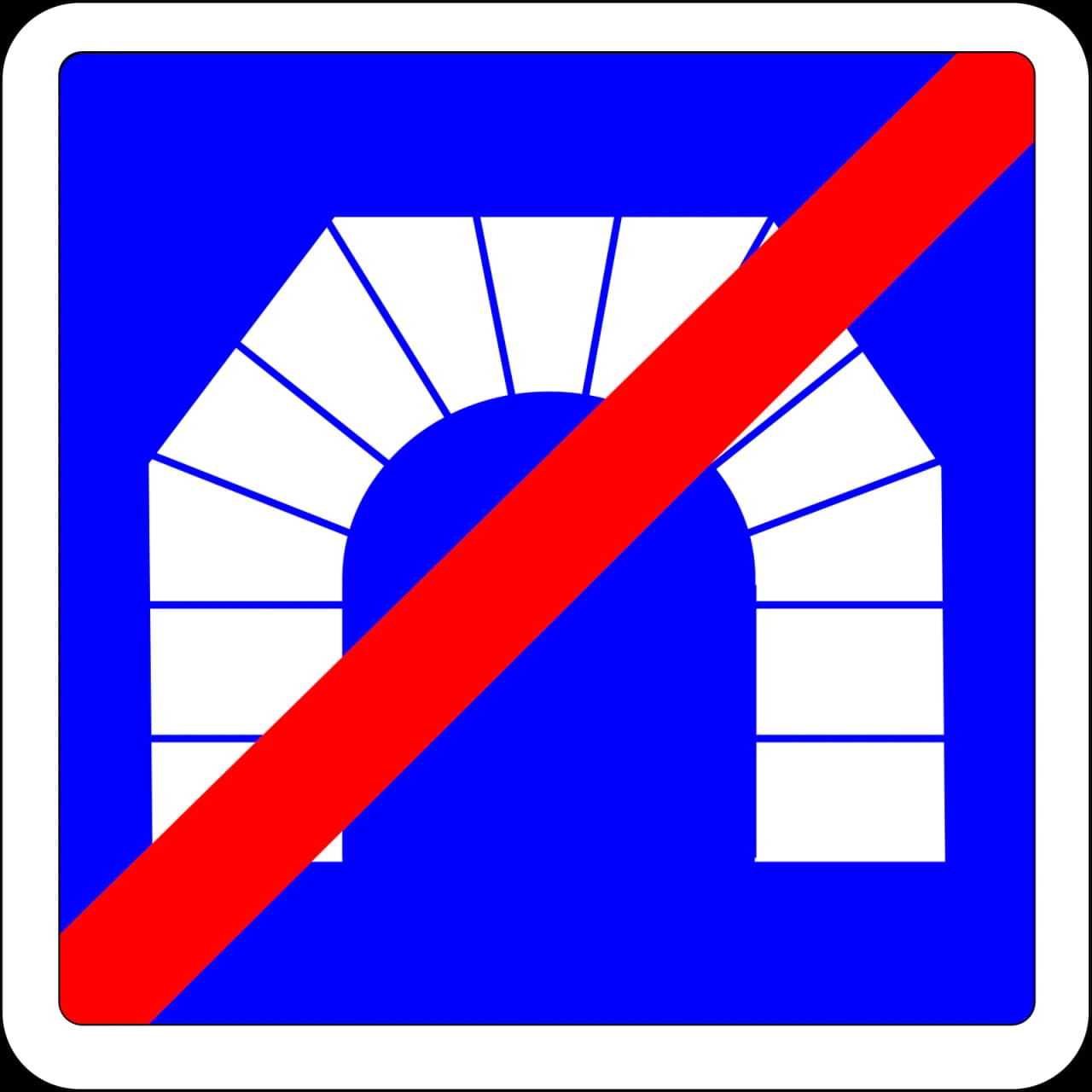
The C112 'End of Tunnel' sign informs you about upcoming road conditions or layout changes.
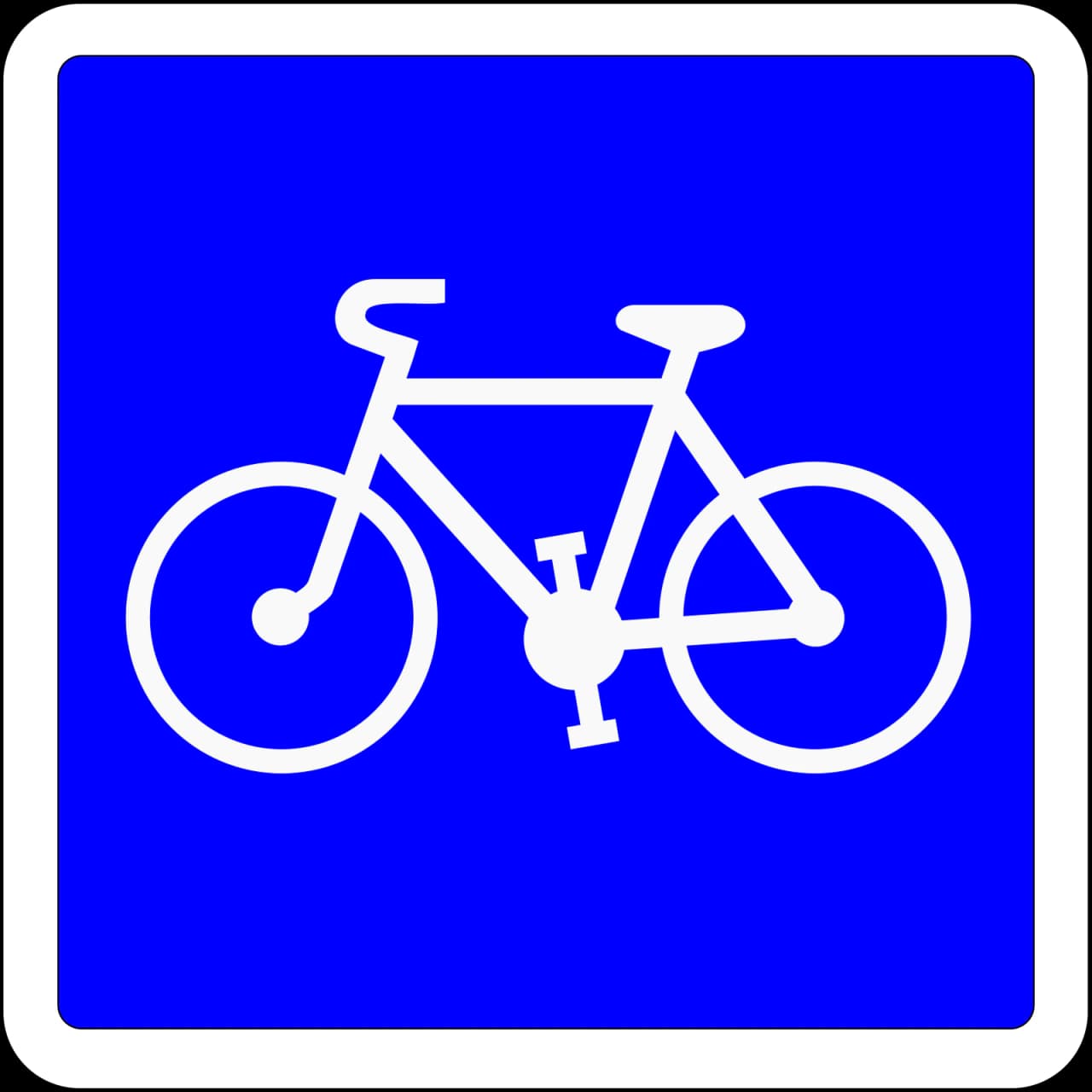
The C113 Cycle Route sign informs you about road layout and facilities ahead.
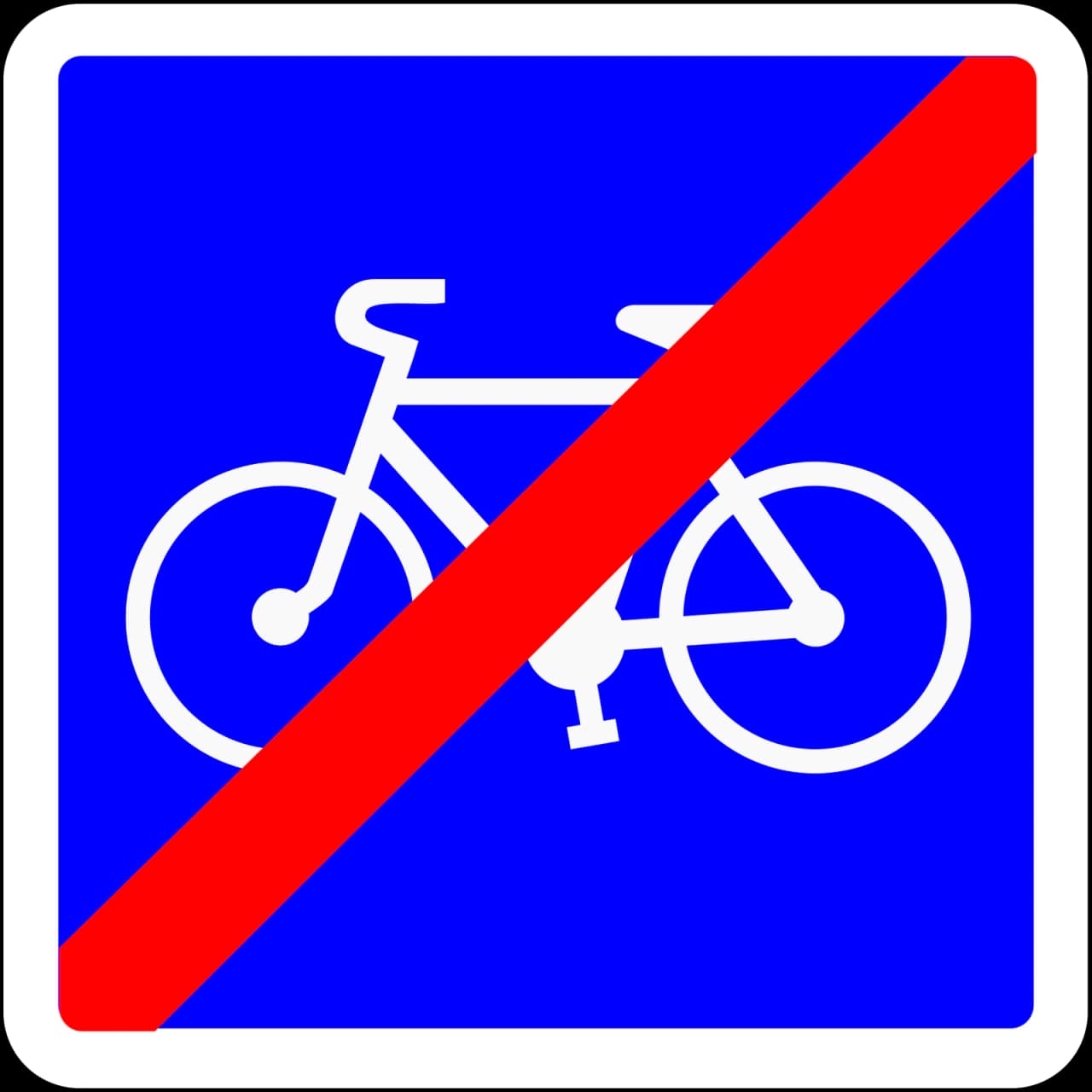
The C114 'End of Cycle Route' sign signals the end of a designated cycle path.
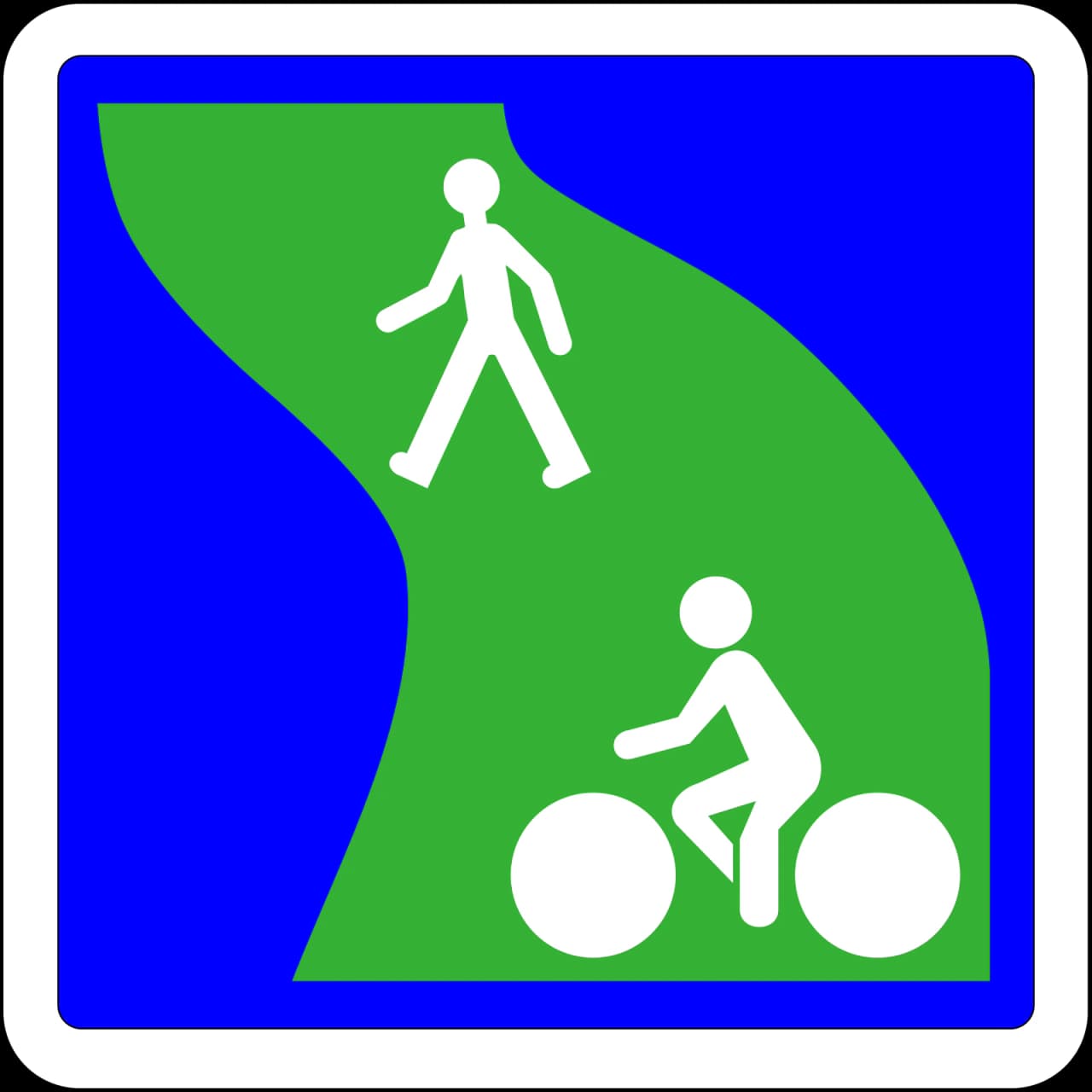
The C115 sign indicates a dedicated route for pedestrians and cyclists.

The C116 sign marks the end of a dedicated pedestrian and cycle route.
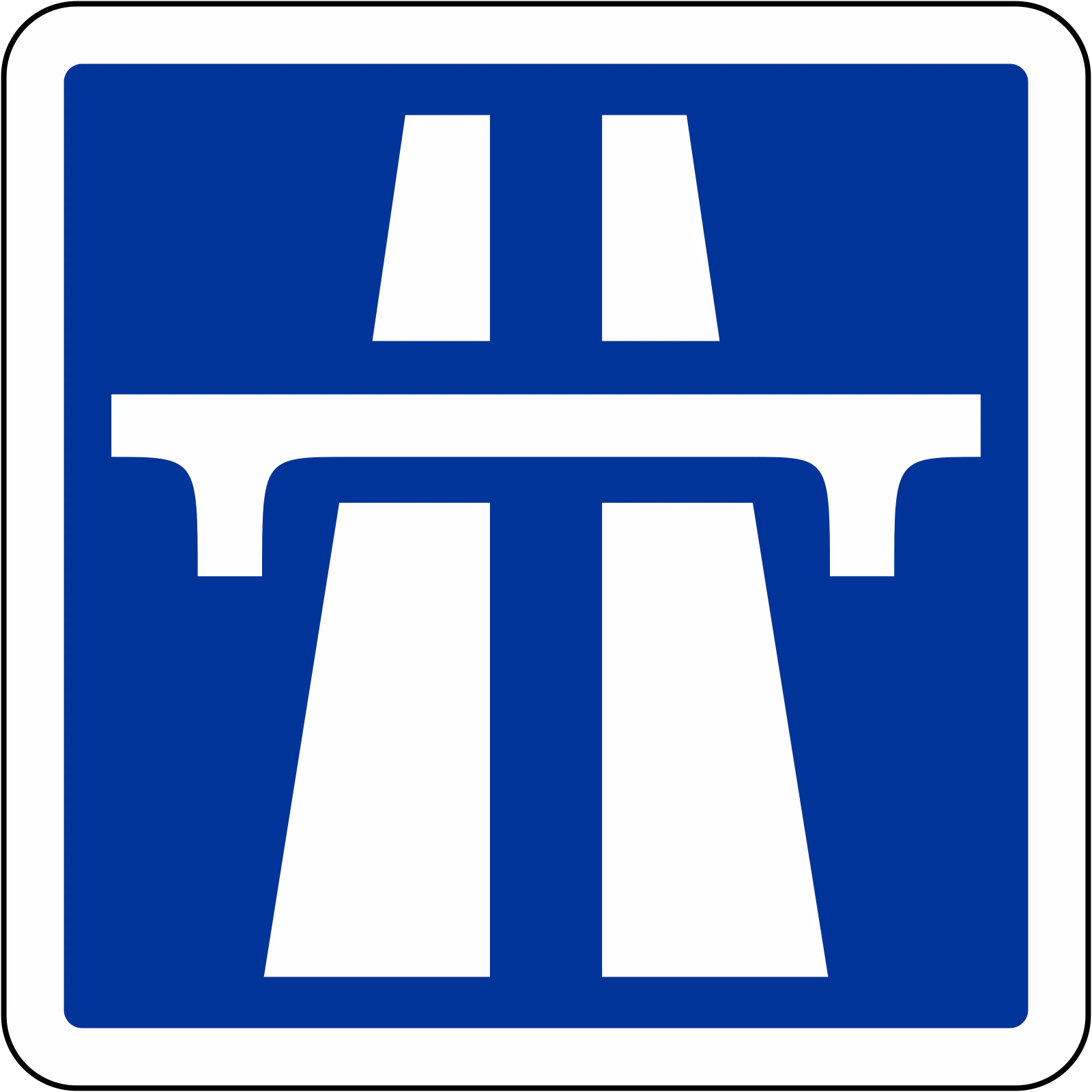
The Autoroute-F sign indicates you are on or approaching a French motorway.
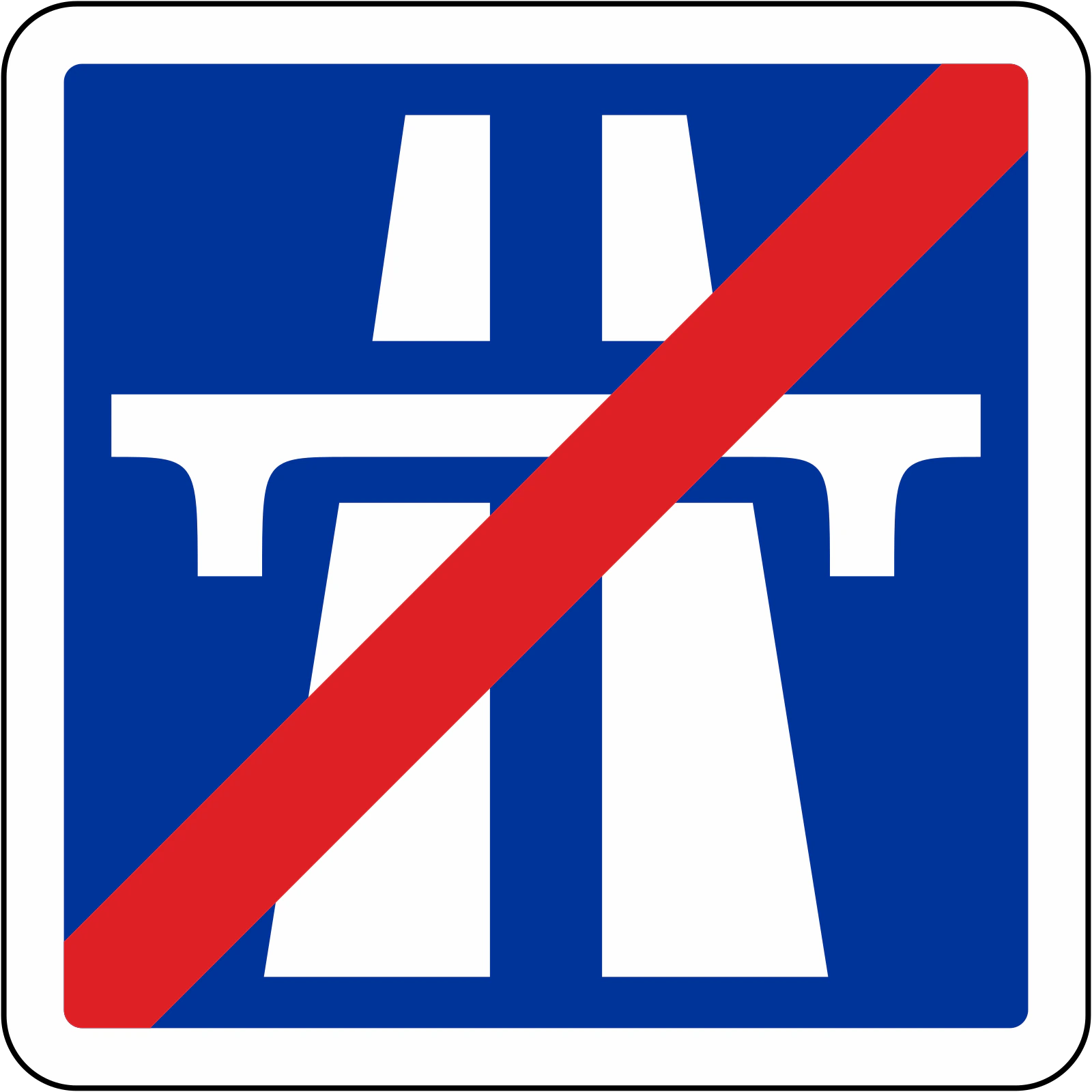
Prepare for the 'End of Motorway' sign to safely transition off the autoroute.
Clear answers to common questions about the France Information Signs road sign category. Use this FAQ to review tricky rules, understand how these signs appear in exam scenarios, and remove confusion that often leads to mistakes in the French driving theory exam in France.
Expressway signs (Voie-express-F) indicate a high-quality road, often with limited access and higher speed limits than standard roads, but they are not typically subject to the same strict access control as motorways. Motorway signs (Autoroute-F) specifically denote a high-speed, dual-carriageway road with full access control, meaning no direct access from properties and only specific entry and exit points.
Advisory speed signs, often shown as C4a, suggest a recommended maximum speed for a particular section of road ahead, usually a sharp curve, a slip road, or a junction. These signs do not impose a mandatory speed limit but rather a recommendation for safe passage. It's wise to heed this advice, especially if you are unfamiliar with the road, and reduce your speed accordingly to maintain control of your vehicle.
A dead-end sign indicates that the road ahead does not continue through and will end. Signs C13a and C13b show a general dead end or one to the right. If you see C13c or C13d, it means the dead end is still passable for pedestrians, and C13d also allows cyclists. If you are driving a car, you will need to turn around or find an alternative route, as you cannot proceed past this point.
No, information signs are generally not legally binding in the same way that regulatory signs (like speed limits or prohibition signs) are. They are designed to inform and guide drivers, helping with planning and awareness. However, ignoring the information provided, such as signs indicating lane closures or upcoming facilities, could indirectly lead to unsafe situations or violations if it causes you to make sudden, unexpected manoeuvres or disregard other traffic rules.
Escape lane signs, indicating a lane to the right (C26a) or left (C26b), are important safety features, particularly on steep downhill gradients. These lanes are designed as a safe place for drivers of heavy vehicles (or any vehicle experiencing brake failure) to steer into to slow down or stop without endangering other traffic. If you see these signs, be aware of their purpose and understand that they are there for emergency use.
Ready to deepen your understanding of French road signs? Dive into our comprehensive overview of official sign categories and groups. This structured approach will help you learn Code de la route classifications more effectively, preparing you thoroughly for your Permis de Conduire theory exam.
Explore Sign Categories