
Learn essential German rules for driving safely in adverse weather. Understand how rain, fog, ice, and snow affect driving and what the law requires regarding speed, tyres, and vehicle prep. Master these topics to ace your theory test and drive with confidence.
Prepare thoroughly for your German driving theory exam with targeted practice sets on adverse weather driving. These sets cover essential topics like speed adaptation, fog light usage, winter tyre requirements, and hazard perception in conditions like fog, ice, and heavy rain, ensuring you master German traffic rules for all seasons.

Master Road Surface Challenges: Stay Safe and Pass Your German Driving Exam!
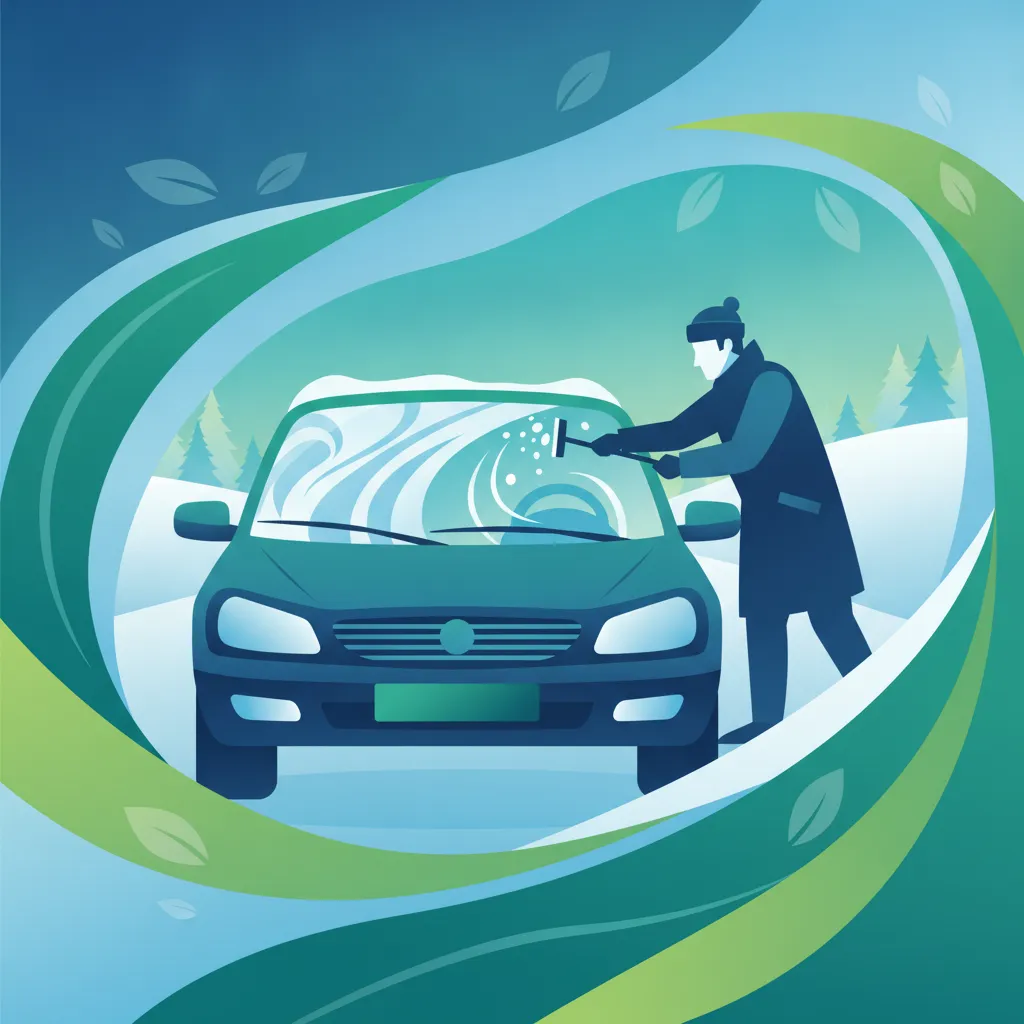
Master Winter Vehicle Preparation to Ensure Safety and Avoid Fines

Master Crosswind Safety: Prevent Hazards and Pass Your German Theory Exam!
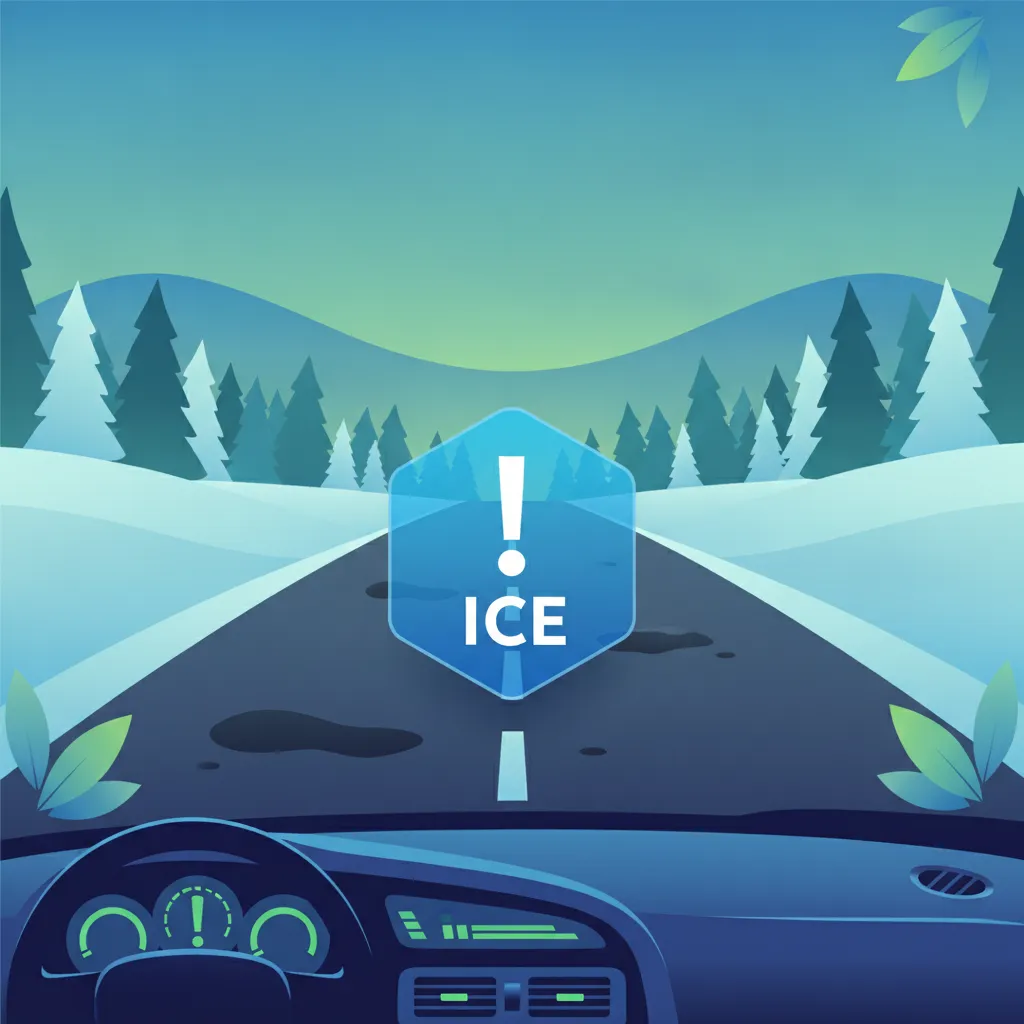
Spot Glatteis and drive safely: Essential knowledge for challenging winter conditions.
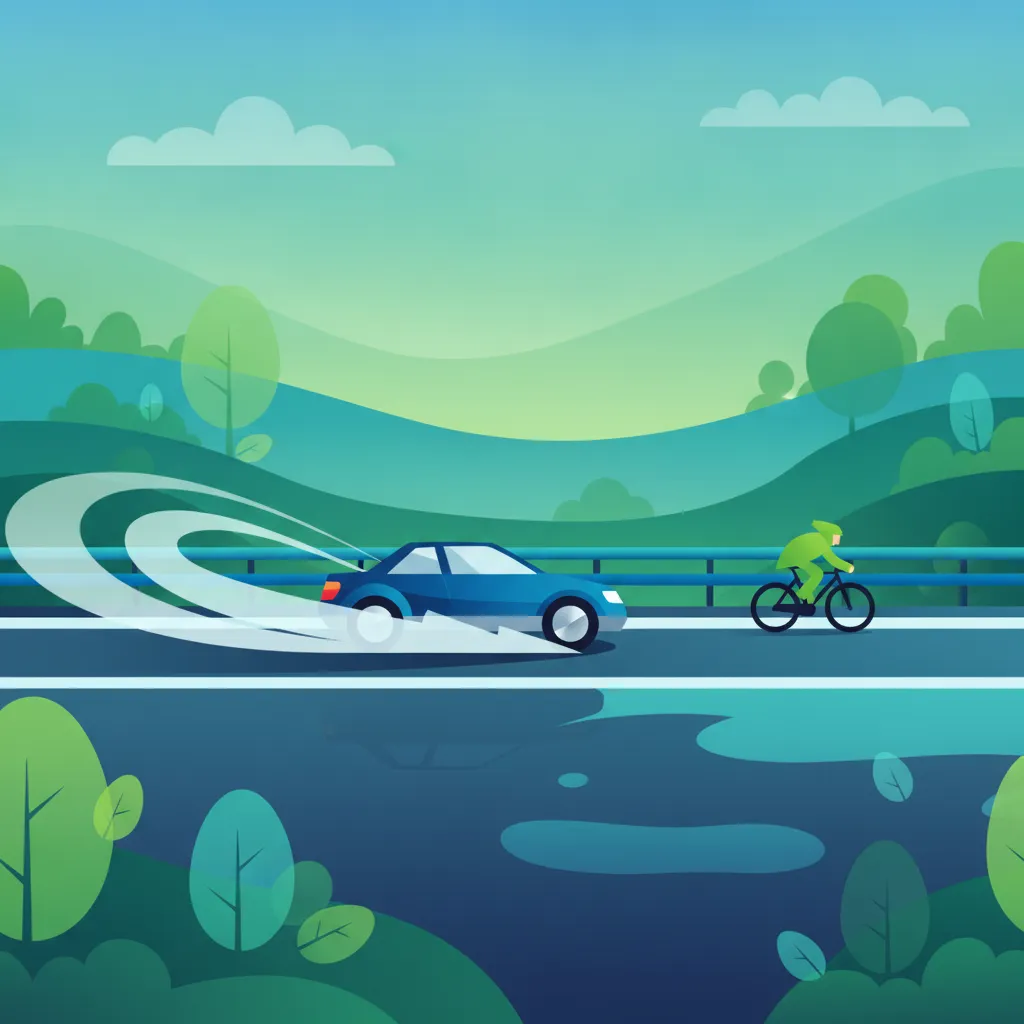
Master essential wet weather driving techniques for your German theory exam.
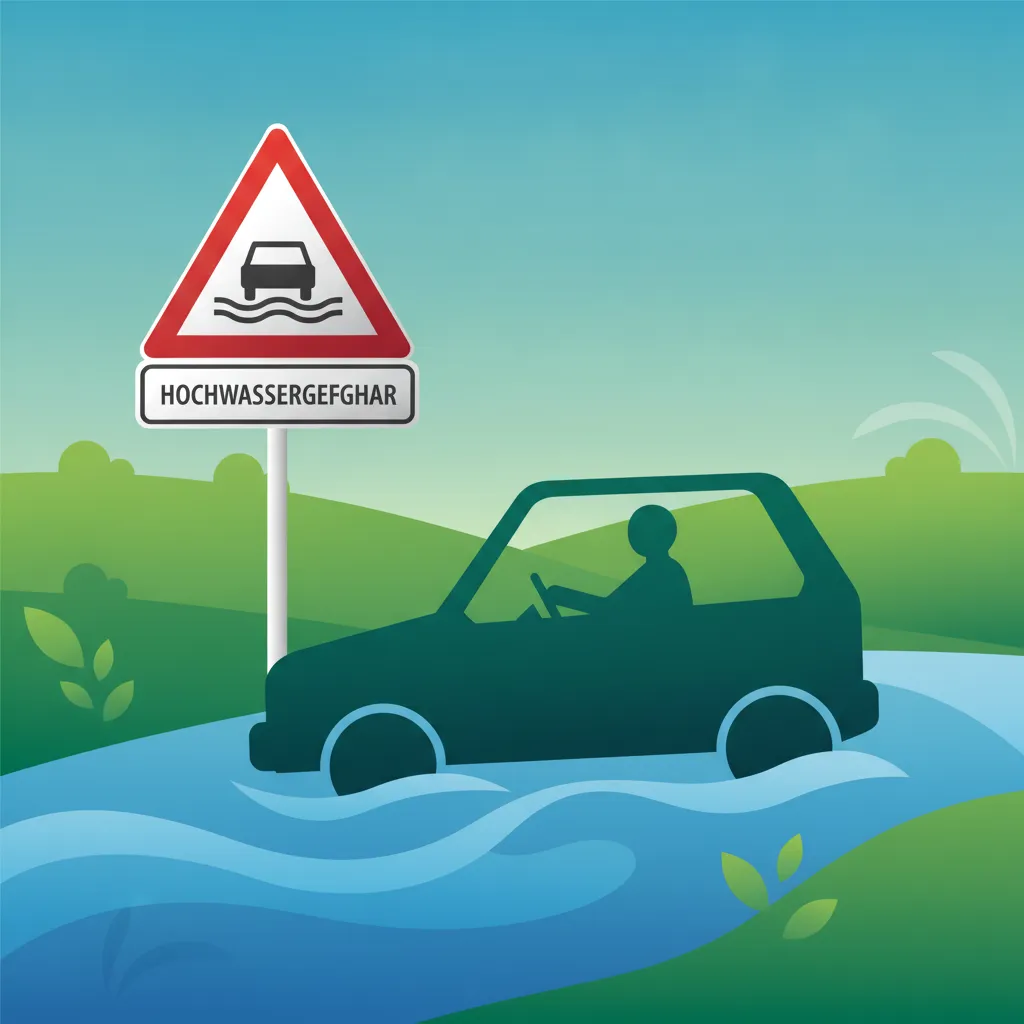
Navigate Flooded Roads Safely: Master German Rules for Extreme Weather

Master aquaplaning risks for safe driving and to pass your German theory exam.
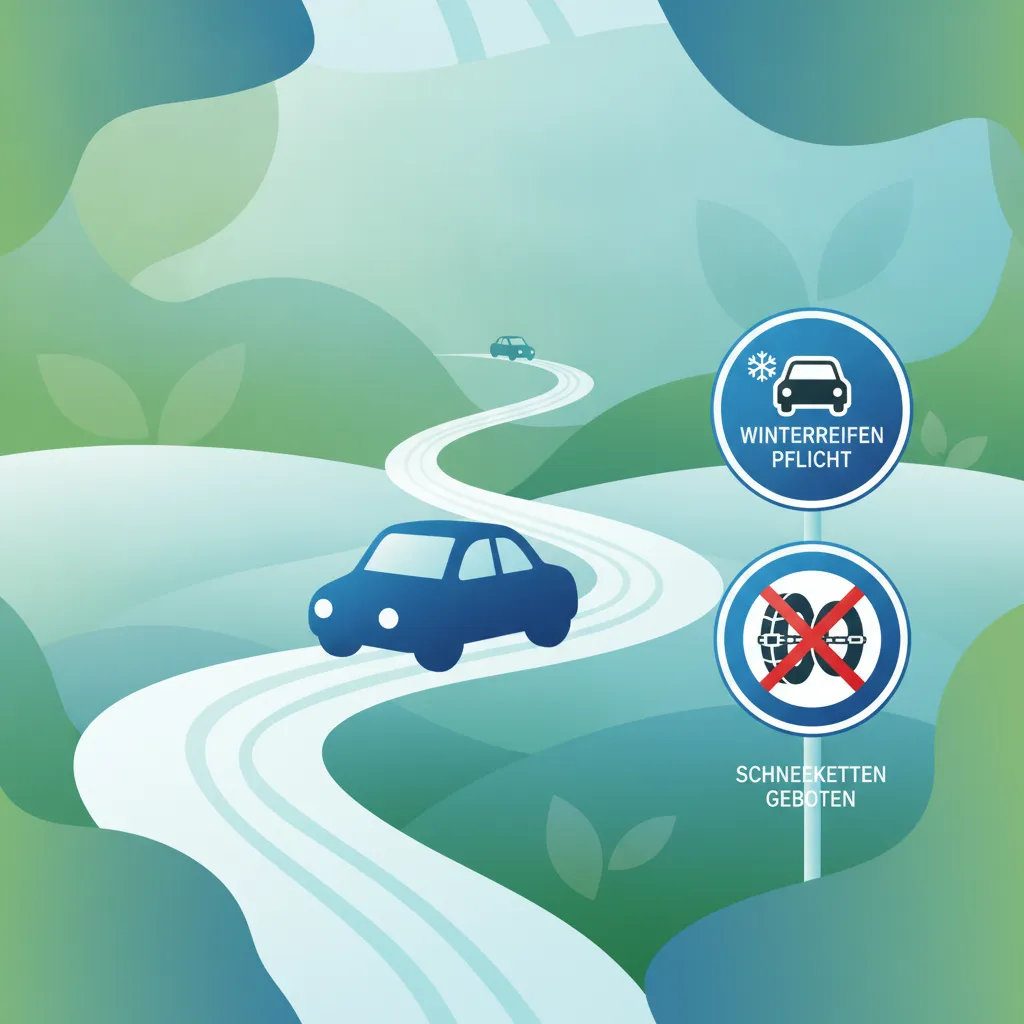
Navigate German Winter Roads with Confidence: Understand Tyre Rules and Safety

Stay Safe and Legal: Navigate German Roads with Confidence in Any Weather.
Mastering adverse weather driving is vital for safe driving in Germany and passing your theory test. These practice questions cover critical rules for fog, ice, snow, and rain, ensuring you understand speed limits, visibility requirements, and vehicle preparation needed to avoid accidents and score well.
Learners in Germany choose Driving in Adverse Weather Conditions practice to prepare for realistic exam questions and difficult scenarios that often appear in the official theory test. This category is popular because it helps strengthen rule knowledge, reduce common mistakes, and build confidence before taking the German driving theory exam.
All practice sets available
Practice sets in Driving in Adverse Weather Conditions
Practising Driving in Adverse Weather Conditions helps you understand key rules and situations tested in the German driving theory exam in Germany.
Get answers to common questions learners have about practising Driving in Adverse Weather Conditions. This section highlights what is tested, how practice helps, and how to improve your results for the German driving theory exam in Germany.
The German driving theory exam includes questions on how to adapt your driving to adverse weather, such as reduced visibility due to fog or rain, the need for winter tyres, and specific rules for using fog lights.
Fog significantly reduces visibility and requires specific actions, like adhering to the Sichtweiteregel (driving only as far as you can see) and correct fog light usage. These are frequently tested points in the German theory exam.
German law mandates a situational winter tyre obligation (Winterreifenpflicht) during specific weather conditions like snow, slush, or ice. Understanding when these tyres are required is crucial for the theory test.
Practising with relevant questions helps you understand how these rules are applied in exam scenarios, reinforces key German regulations like §3 StVO's speed adaptation, and builds confidence for your official theory test.
You should know that aquaplaning occurs when tyres lose contact with the road surface due to a layer of water. The exam tests your understanding of how to prevent it (e.g., by reducing speed) and what to do if it happens.
German law requires drivers to clear all snow and ice from windows, mirrors, lights, and even the roof of their vehicle before driving. This ensures visibility and prevents hazards for other road users, a common topic in the theory exam.
Explore other practice categories connected to Driving in Adverse Weather Conditions. These sections help you practise additional topics, strengthen your understanding of driving theory in Germany, and prepare more completely for the theory exam.
Ready to refine your knowledge for the German driving license theory test? Explore our extensive range of practice categories now. Choose a topic that challenges you, or revisit areas you need to master, and begin your focused revision for complete exam confidence.