
Prepare for your German driving license theory exam by learning to identify dangerous goods vehicles and their specific hazard markings. This set covers the essential placards like the orange Gefahrnummer plates and ADR diamond labels, along with safe driving practices and emergency response protocols required for general road users in Germany. Boost your understanding of StVO rules related to hazardous transport.
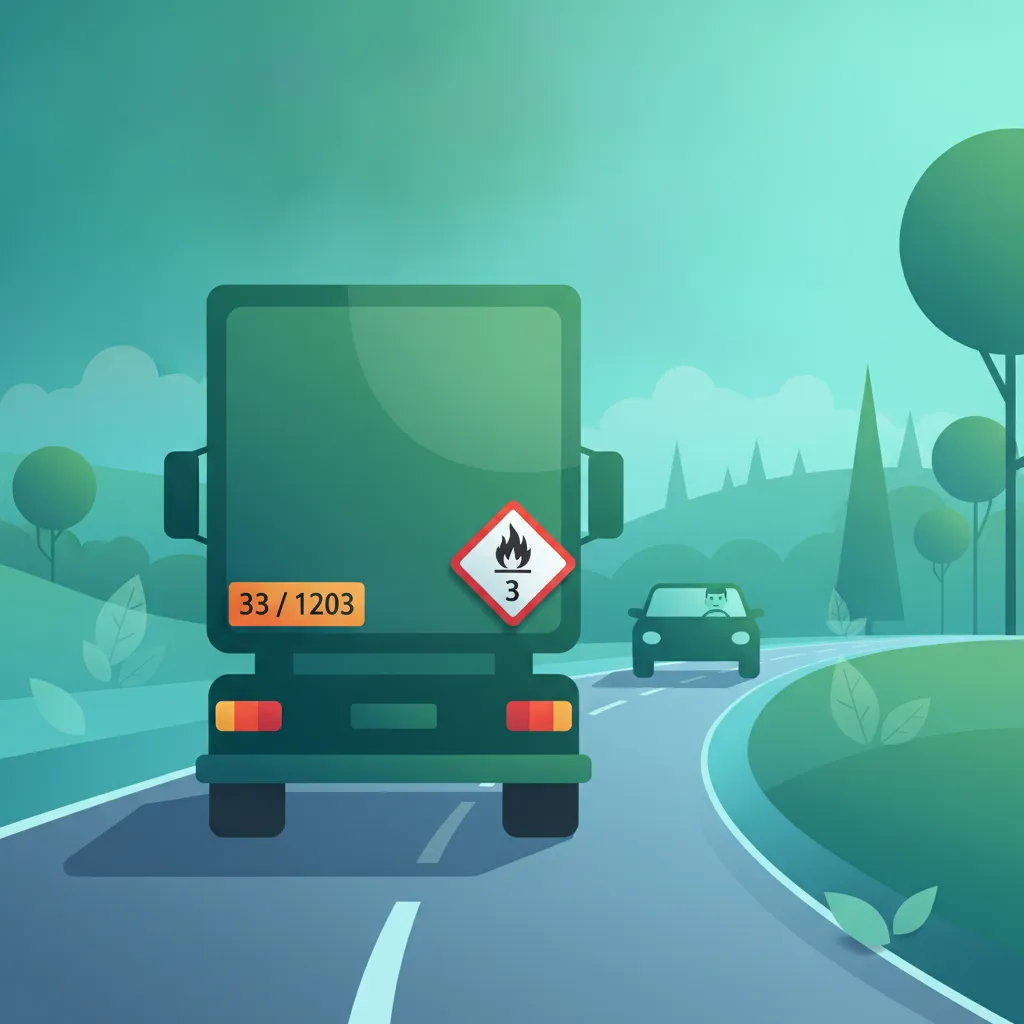
This practice set specifically covers identifying dangerous goods placards (Gefahrnummer and ADR labels) in German traffic. Understand their meaning, learn how to maintain safe distances, and know the correct emergency procedures to ensure road safety and excel in your driving theory exam preparation.
This set focuses on the orange Gefahrnummer placards and ADR diamond labels found on lorries and tankers. It covers what these markings signify, how to maintain a safe distance from such vehicles, and the correct actions to take if you encounter a dangerous goods incident in Germany, preparing you for the official driving theory test.
Preview sample questions from the Dangerous Goods practice set to see how they help you prepare for the driving theory exam in Germany.
Learners choose Dangerous Goods to improve accuracy and understanding of key exam themes in Germany. It offers realistic driving theory questions and targeted revision for effective preparation.
Find answers to the most common queries learners have when practising Dangerous Goods, including how questions match the official theory exam in Germany, how scoring works, and how this practice improves exam readiness.
Dangerous goods placards, such as orange rectangular plates and diamond-shaped ADR labels, are used to clearly identify vehicles transporting hazardous materials on German roads. They inform other drivers and emergency services about the type of danger posed by the cargo.
Yes, while you don't need specialist ADR training, the general German driving theory exam expects you to recognise these vehicles, understand the basic hazard indicators, and know how to react safely in their presence or in an emergency.
If you witness an incident involving a dangerous goods vehicle, you must keep a safe distance, avoid approaching the vehicle or creating sparks, and immediately call the emergency services (112). Provide them with any visible numbers from the orange placards and descriptions of other hazard labels.
The orange placard has two numbers. The top number is the Hazard Identification Code (Kemler code), indicating the type of hazard (e.g., flammability, toxicity). The bottom number is the UN Substance Identification Number, specifying the exact dangerous substance being transported.
Maintaining a greater distance provides a larger safety margin in case of an accident, spillage, fire, or explosion involving the hazardous cargo. It also gives you more time to react and allows emergency vehicles better access.
By completing Dangerous Goods, you will gain stronger rule knowledge, faster recognition of signs and situations, better decision making in traffic scenarios, and increased accuracy on exam style questions used in Germany. These outcomes directly support higher scoring exam performance.
Explore similar practice sets to solidify your understanding of German traffic rules and road signs, ensuring comprehensive exam preparation. Continuing with related theory test practice helps identify knowledge gaps and builds confidence for the official driving licence test.
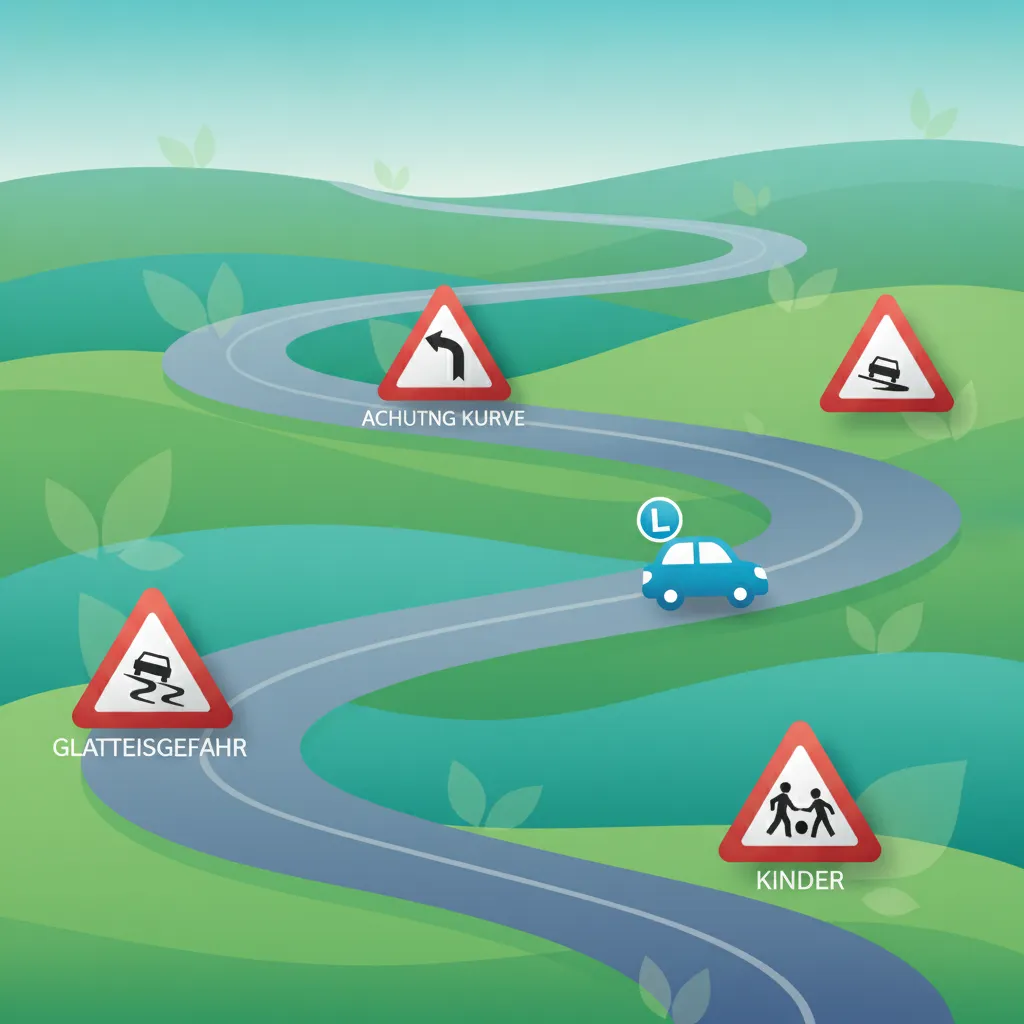
Anticipate Hazards: Learn to Interpret Germany's Critical Danger Warning Signs

Decipher German Road Markings: Avoid Common Exam Traps
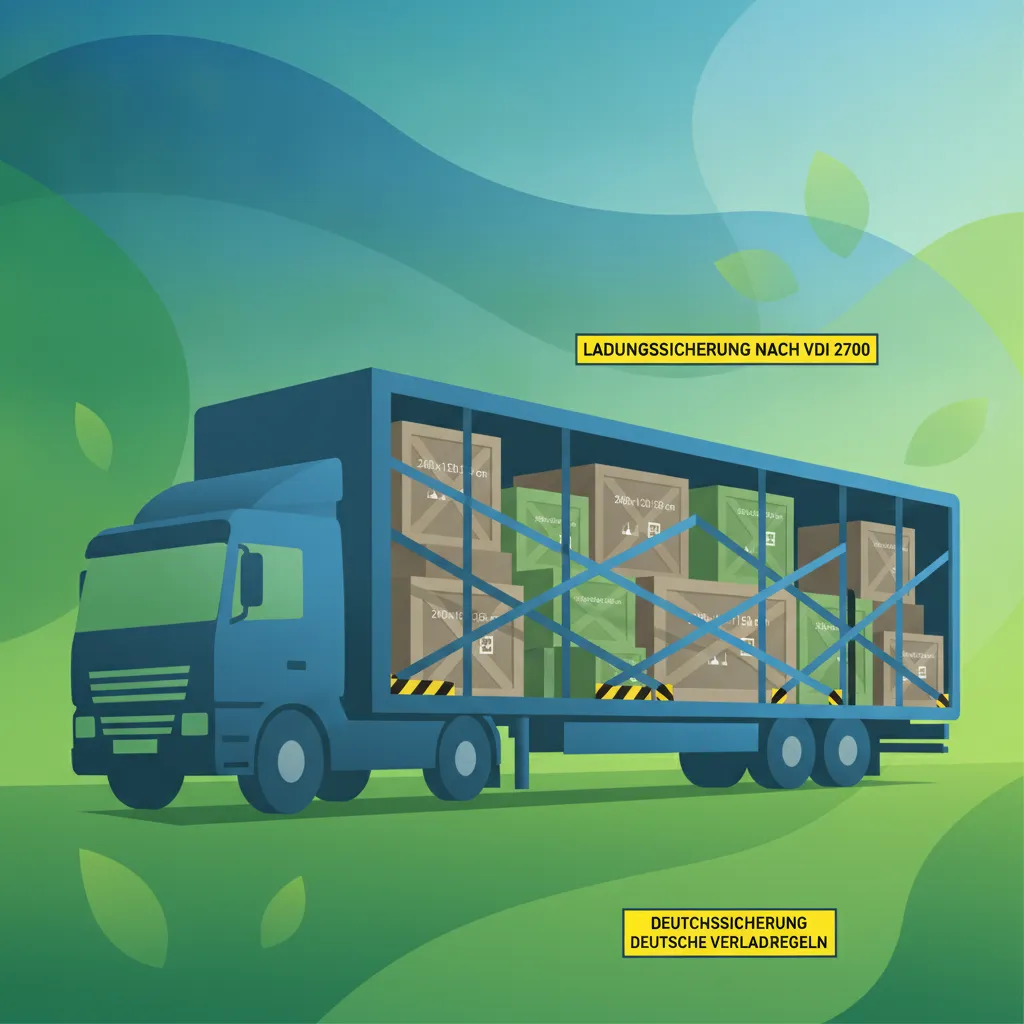
Prevent Road Hazards: Master Cargo Securing for Your German Driving Theory Exam
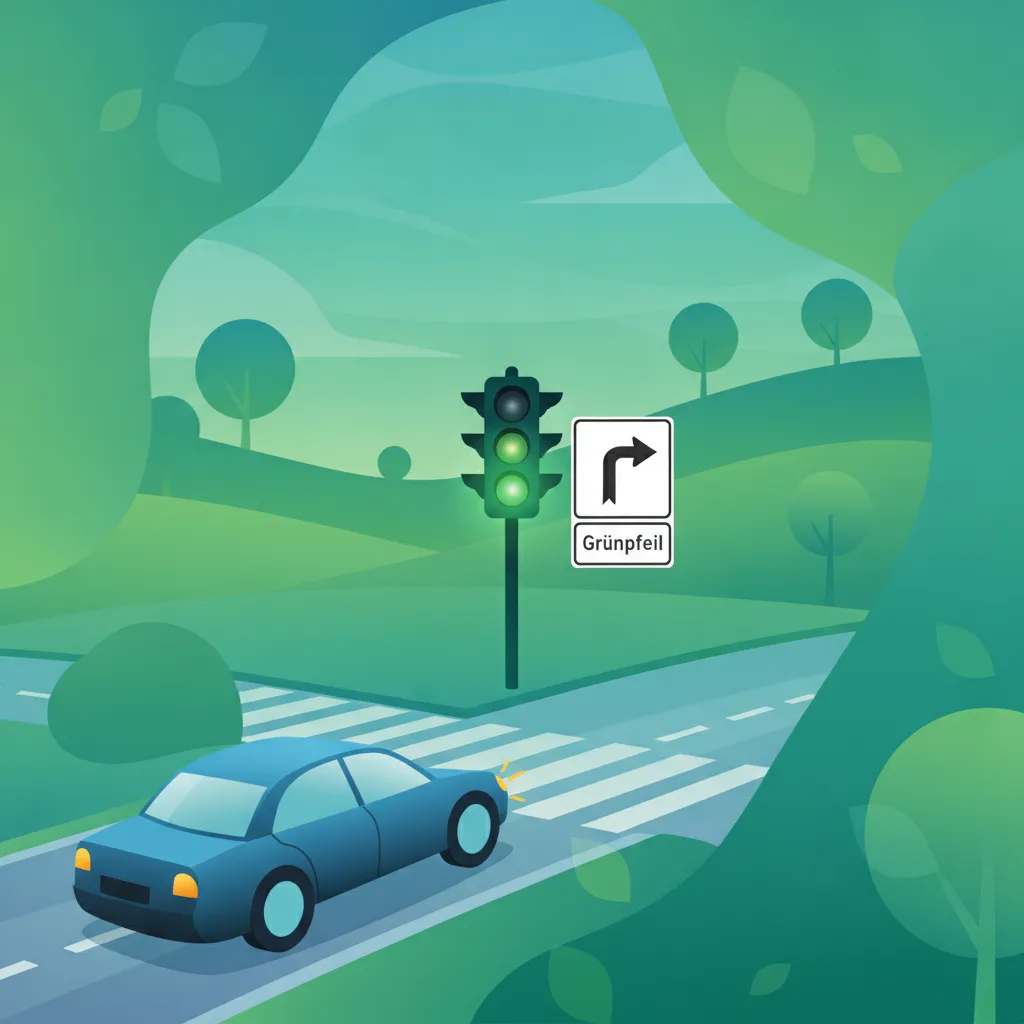
Master Traffic Light Signals: Essential for Your German Driving Exam!
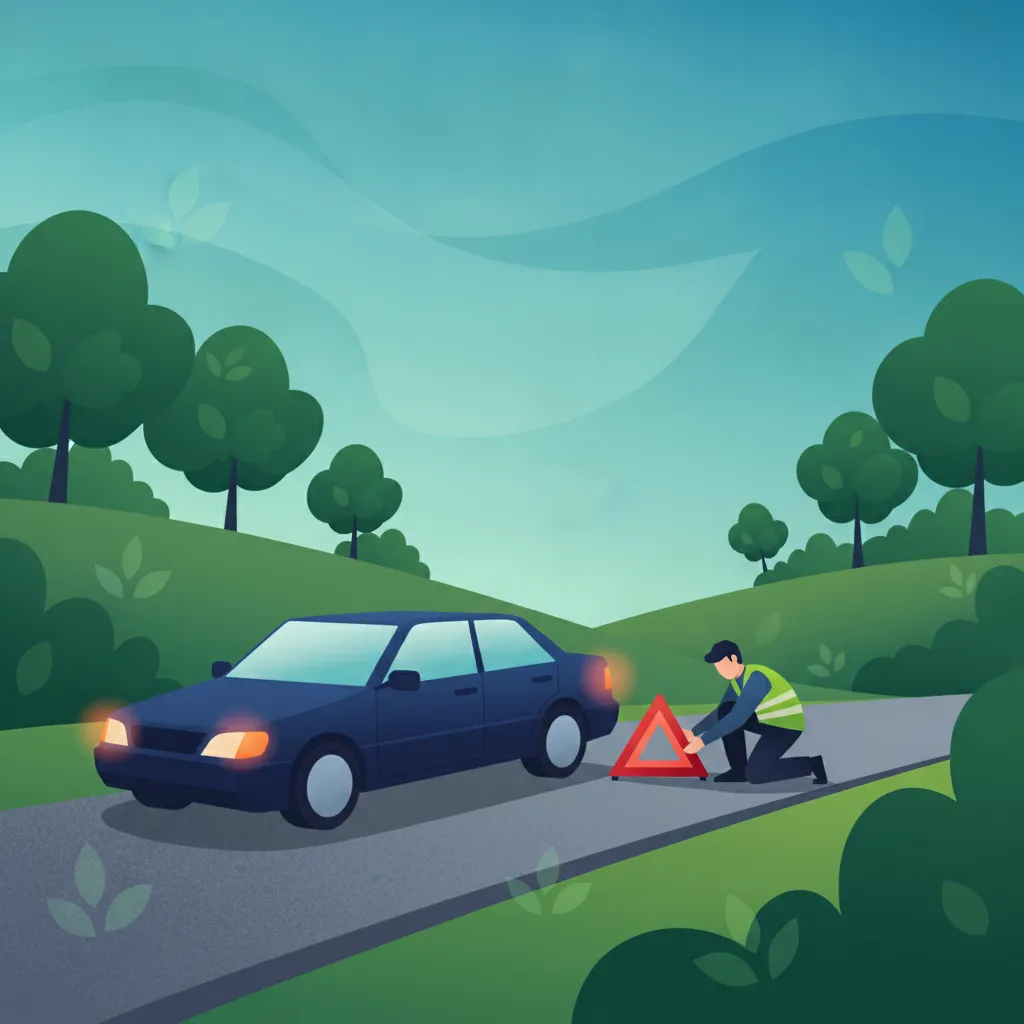
Master German Safety Equipment Rules for Your Driving Theory Exam
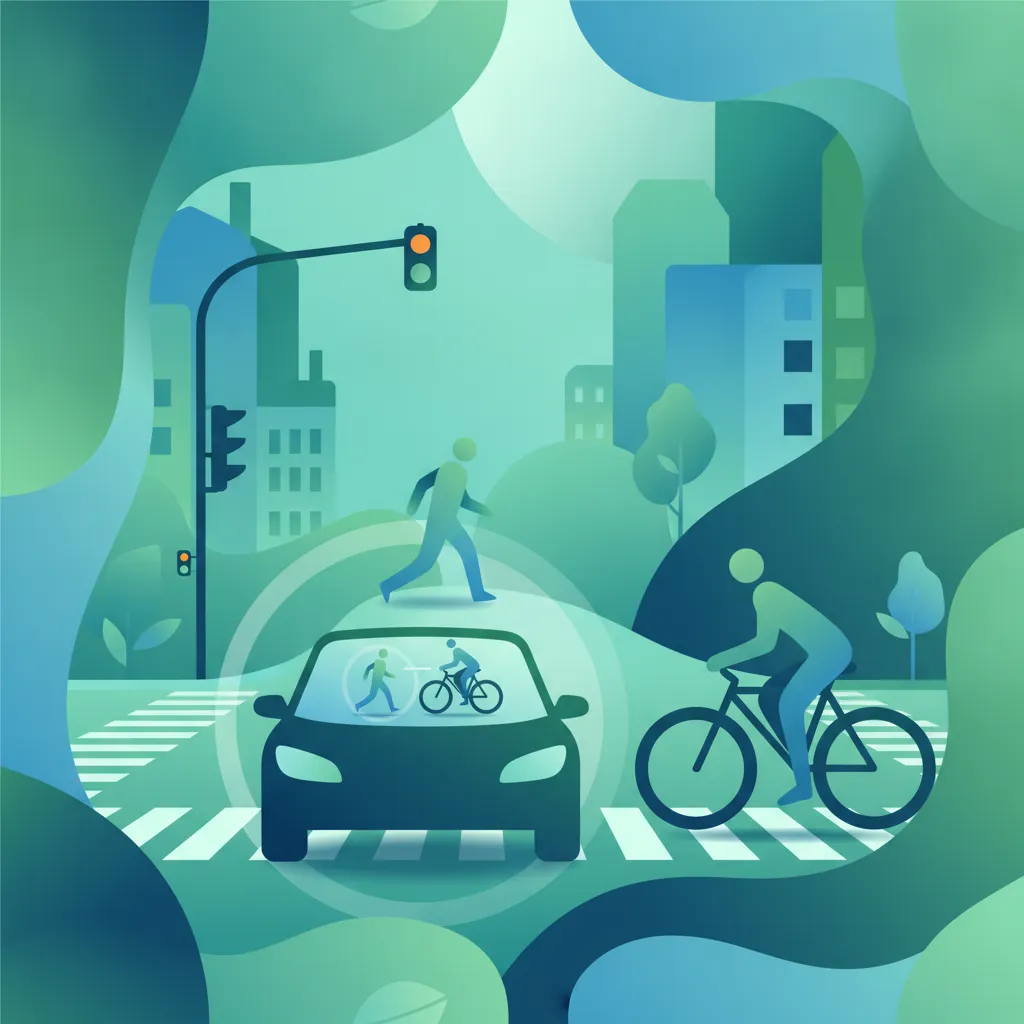
Spot Every Danger: Sharpen Your Hazard Perception for the German Driving Test.
Questions in Dangerous Goods
Exam focused questionss
Dangerous Goods offers quick, focused exam style practice to boost your German knowledge for the driving theory exam in Germany.
Dangerous Goods helps learners in Germany with clear explanations and targeted German practice to improve essential driving theory topics.
This practice set is ideal for all aspiring drivers preparing for their German driving theory exam, especially those who find traffic signs and hazard recognition challenging. It addresses common misconceptions about dangerous goods vehicles and provides the necessary knowledge for safe interaction on German roads, ensuring you can correctly answer related questions on your exam.
Explore more topics for the German driving theory exam in Germany.
Ready to refine your knowledge for the German driving license theory test? Explore our extensive range of practice categories now. Choose a topic that challenges you, or revisit areas you need to master, and begin your focused revision for complete exam confidence.
Browse Practice Categories