
German road sign 1010-53, officially 'Fußgänger', is a supplementary sign that modifies the meaning of the main traffic sign placed above it. It does not stand alone but provides crucial context, such as distance, direction, or specific conditions under which the primary rule applies. Drivers must always read the entire sign stack from top to bottom to understand the full regulation and adjust their behaviour accordingly before reaching the affected area.
This supplementary sign, coded 1010-53, provides crucial context for primary traffic signs, indicating specific rules related to pedestrians. Mastering its interpretation is vital for your theory test revision, helping you understand how it affects your driving decisions in various German traffic scenarios.
German road sign 1010-53, officially designated "Fußgänger", belongs to the supplementary signs group. It changes how the sign above is applied by adding a distance, direction, time period, vehicle class, exception, condition, or parking detail. You may see it in below a main traffic sign, where it limits, extends, explains, or creates an exception to the rule shown above it, depending on how the road authority has arranged the location. The practical meaning is not just the symbol itself, but the driving decision it triggers: adjust speed, position, priority, route choice, stopping behaviour, or attention before the situation becomes urgent. For learners, the key skill is reading the entire sign stack from top to bottom before deciding whether the rule applies to your vehicle. Always combine the sign with road markings, traffic lights, police instructions, and any supplementary plates at the same location.
German road sign 1010-53 means "Pedestrians" and is officially listed as "Fußgänger". In practice, it tells drivers to recognise the situation early, adapt before reaching the controlled area, and check whether markings or supplementary plates change how the rule applies.
Get clear, practical answers to the most common questions about the 1010-53 - Pedestrians road sign. Learn how the sign works, what rules it represents, and how it affects real driving situations. This FAQ strengthens your understanding and supports accurate decision making for the German driving theory exam in Germany.
Sign 1010-53, 'Fußgänger', is a supplementary plate. It doesn't convey a rule on its own but adds specific details to the main sign above it. This could be a distance, direction, time, or specific condition that modifies how the main sign's instruction applies.
You must read the main sign first, then carefully read the supplementary sign 1010-53. The combination dictates your action. For example, if the main sign prohibits parking and 1010-53 specifies a distance, you only need to obey the prohibition within that distance.
A common exam trap is failing to read the entire sign stack. Learners might see the main sign and react without considering the supplementary plate. Always combine the information from all signs mounted together to understand the full context and your required action.
Yes, supplementary signs like 1010-53 are designed to be used with various main traffic signs. They help local authorities fine-tune regulations for specific locations, improving clarity and safety. Always assume it modifies the sign directly above it.
If sign 1010-53 specifies a time period (e.g., 'from 8 AM to 6 PM'), the main sign's rule only applies during that specific time. Outside of these hours, the main sign's instruction may not be active, or a different rule might apply. Always check the exact wording and symbols on the plate.
A clear reference image of the 1010-53 - Pedestrians road sign used in Germany.
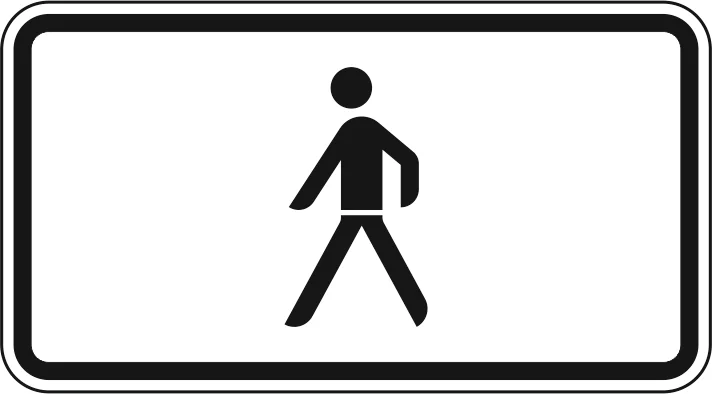
The 1010-53 - Pedestrians road sign may also be known by these alternative names or terms.
The 1010-53 - Pedestrians road sign is part of the German Supplementary Signs category, which groups together signs with similar rules and functions.
Reviewing signs similar to "Pedestrians" sharpens your recognition skills and reinforces correct responses for the German driving theory test. Comparing these related traffic signs aids memory and reduces common errors, crucial for effective exam preparation.

Understand German Sign 1000-10: Direction, Pointing Left Supplementary Sign

German Road Sign 1000-11: Advance Notice, Pointing Left

Understand German Supplementary Sign 1000-12: Pedestrians Use Sidewalk Opposite, Pointing Left

Understand the 'Umleitungsbeschilderung Dreiviertelkreis' Supplementary Sign (1000-13)
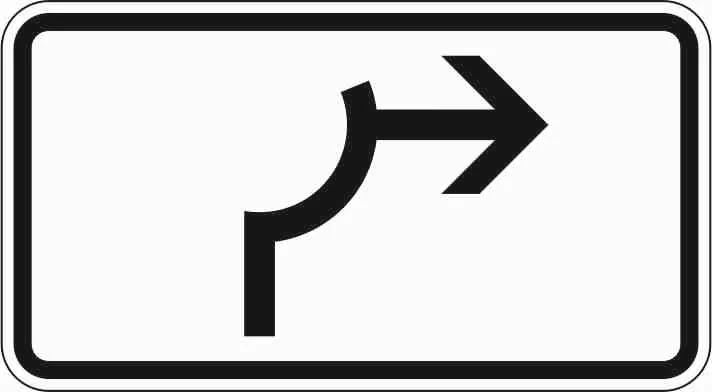
Understand the 'Umleitungsbeschilderung Viertelkreis' Supplementary Sign

Understand German Supplementary Sign 1000-30: Opposing Directional Arrows
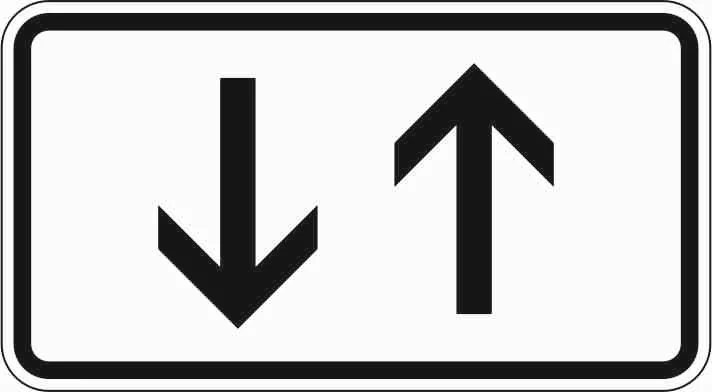
This Supplementary Sign Explains How to Apply the Main Sign Above it.
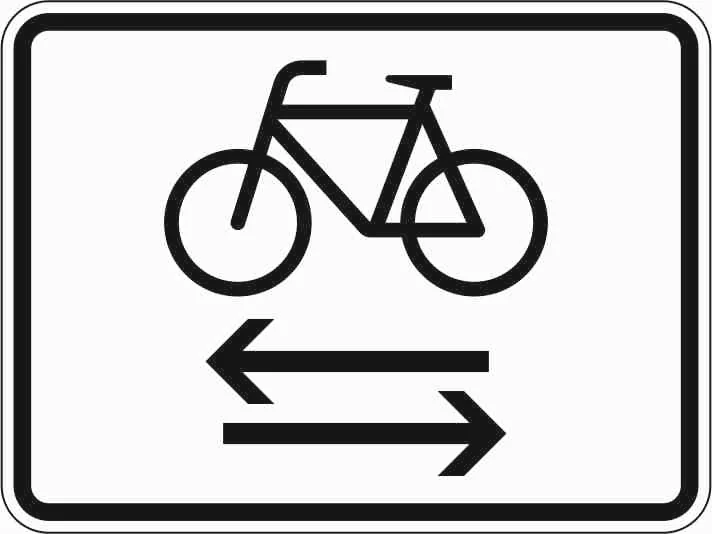
Understand When Cycle Traffic Crosses or Travels Opposite with Sign 1000-32
Deepen your understanding of these specific road markings by exploring related traffic rules and situational hazard perception exercises. Applying the official StVO regulations ensures you recognize critical signage accurately during your theory test.
Master the crucial first steps after an accident to avoid legal penalties.
Securing a driving license in Germany requires a clear understanding of the legal requirements and the structured path from theory lessons to your final examination. This guide breaks down the essential criteria for selecting an officially recognized driving school in Hamburg and clarifies the differences between license classes like B, A1, and C, ensuring you are well-prepared for the regulations governed by the FEV.
Master German Merging Rules for a Smooth and Safe Drive
After any traffic accident in Germany, knowing the correct procedure is paramount. This guide details the mandatory actions you must take according to German law, including securing the accident scene, providing necessary information to other parties, and understanding the implications of §142 StGB (Fahrerflucht). Mastering these steps is vital for both safe driving and succeeding in your German driving theory test.
German road sign 1049-13, officially designated "Nur Lkw (Z 1010-51), Kraftomnibus (Z 1010-57) und Pkw mit Anhänger (Z 1010-59)", belongs to the supplementary signs group. It changes how the sign above is applied by adding a distance, direction, time period, vehicle class, exception, condition, or parking detail. You may see it in below a main traffic sign, where it limits, extends, explains, or creates an exception to the rule shown above it, depending on how the road authority has arranged the location. The practical meaning is not just the symbol itself, but the driving decision it triggers: adjust speed, position, priority, route choice, stopping behaviour, or attention before the situation becomes urgent. For learners, the key skill is reading the entire sign stack from top to bottom before deciding whether the rule applies to your vehicle. Always combine the sign with road markings, traffic lights, police instructions, and any supplementary plates at the same location.
German road sign 1010-14, officially designated "Information Rollende Landstraße", belongs to the supplementary signs group. It changes how the sign above is applied by adding a distance, direction, time period, vehicle class, exception, condition, or parking detail. You may see it in below a main traffic sign, where it limits, extends, explains, or creates an exception to the rule shown above it, depending on how the road authority has arranged the location. An end version marks the point where that specific rule, facility, or marked section ceases to apply. The practical meaning is not just the symbol itself, but the driving decision it triggers: adjust speed, position, priority, route choice, stopping behaviour, or attention before the situation becomes urgent. For learners, the key skill is reading the entire sign stack from top to bottom before deciding whether the rule applies to your vehicle. Always combine the sign with road markings, traffic lights, police instructions, and any supplementary plates at the same location.
Deepen your understanding of specific road sign categories or test your knowledge with practice questions. Explore our themed sign groups for targeted study or jump into quizzes to reinforce your recognition skills for the official German theory exam.
All German Road Signs List