
This German 'Arbeitsstelle' (Roadworks) sign, code 123, is a vital danger warning sign. It alerts you to upcoming road construction or maintenance that may affect your normal driving route. You must recognise this hazard early, adjust your speed and position *before* reaching the controlled area, and always pay attention to any road markings, traffic lights, police instructions, or supplementary plates that provide further guidance.
This German road sign (123) provides crucial advance warning of roadworks, prompting drivers to adjust their speed and awareness for potential hazards. Proper interpretation is vital for your theory test revision and safe driving, especially when combined with supplementary plates.
German road sign 123, officially designated "Arbeitsstelle", belongs to the danger warning signs group. It gives advance notice of a hazard that may not be obvious early enough without the sign. You may see it in approaches to hazards, rural roads, urban conflict points, railway crossings, roadworks, and weather-sensitive sections, depending on how the road authority has arranged the location. The practical meaning is not just the symbol itself, but the driving decision it triggers: adjust speed, position, priority, route choice, stopping behaviour, or attention before the situation becomes urgent. For learners, the key skill is anticipating what could go wrong before the hazard is visible. Always combine the sign with road markings, traffic lights, police instructions, and any supplementary plates at the same location.
German road sign 123 means "Roadworks" and is officially listed as "Arbeitsstelle". In practice, it tells drivers to recognise the situation early, adapt before reaching the controlled area, and check whether markings or supplementary plates change how the rule applies.
Get clear, practical answers to the most common questions about the 123 - Roadworks road sign. Learn how the sign works, what rules it represents, and how it affects real driving situations. This FAQ strengthens your understanding and supports accurate decision making for the German driving theory exam in Germany.
The 'Arbeitsstelle' sign (123) is a warning that there are roadworks ahead. It means you need to be extra vigilant, reduce your speed, and be prepared for changes in road layout or traffic flow. Always be ready to adapt your driving behaviour before you encounter the actual work area.
You must not treat the warning as optional or wait until you're directly in front of the hazard. Overtaking, accelerating rapidly, or following too closely are prohibited, especially if visibility is reduced, the road surface is unstable, or there's conflicting traffic. Never assume the danger is confined only to the sign's immediate location; it could extend further.
Upon seeing sign 123, you should proactively reduce your speed to maintain full control well before reaching the work zone. Scan the road ahead and around you for potential risks, increase your following distance from other vehicles, and be prepared to brake smoothly. Ensure your lane position is safe and your speed is appropriate for the conditions.
A common exam trap is assuming the sign only applies to the exact spot where it's placed. Remember that the hazard might start shortly after the sign. Another trap is not factoring in other elements like supplementary plates, road markings, or traffic lights which modify the basic warning. Always combine the sign's message with all other available information.
No, the 'Arbeitsstelle' sign (123) is a warning sign, not a command to stop. It signals that conditions ahead may require you to slow down, change lanes, yield to other traffic, or be more cautious. Whether you need to stop depends on the specific situation ahead, indicated by other signs, signals, or the presence of workers and machinery.
A clear reference image of the 123 - Roadworks road sign used in Germany.
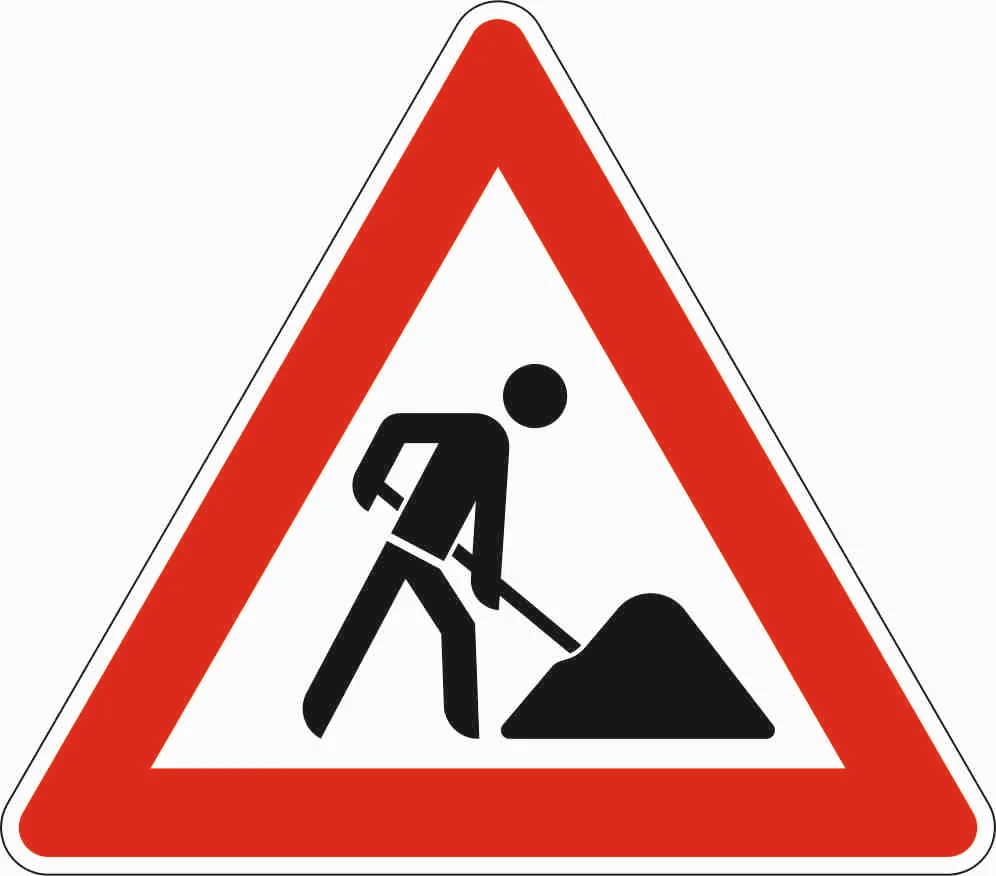
The 123 - Roadworks road sign may also be known by these alternative names or terms.
The 123 - Roadworks road sign is part of the German Danger Warning Signs category, which groups together signs with similar rules and functions.
Sharpen your understanding of German road signs by comparing this one with similar official symbols. Practicing traffic sign comparison helps build vital recognition skills for your theory test revision.
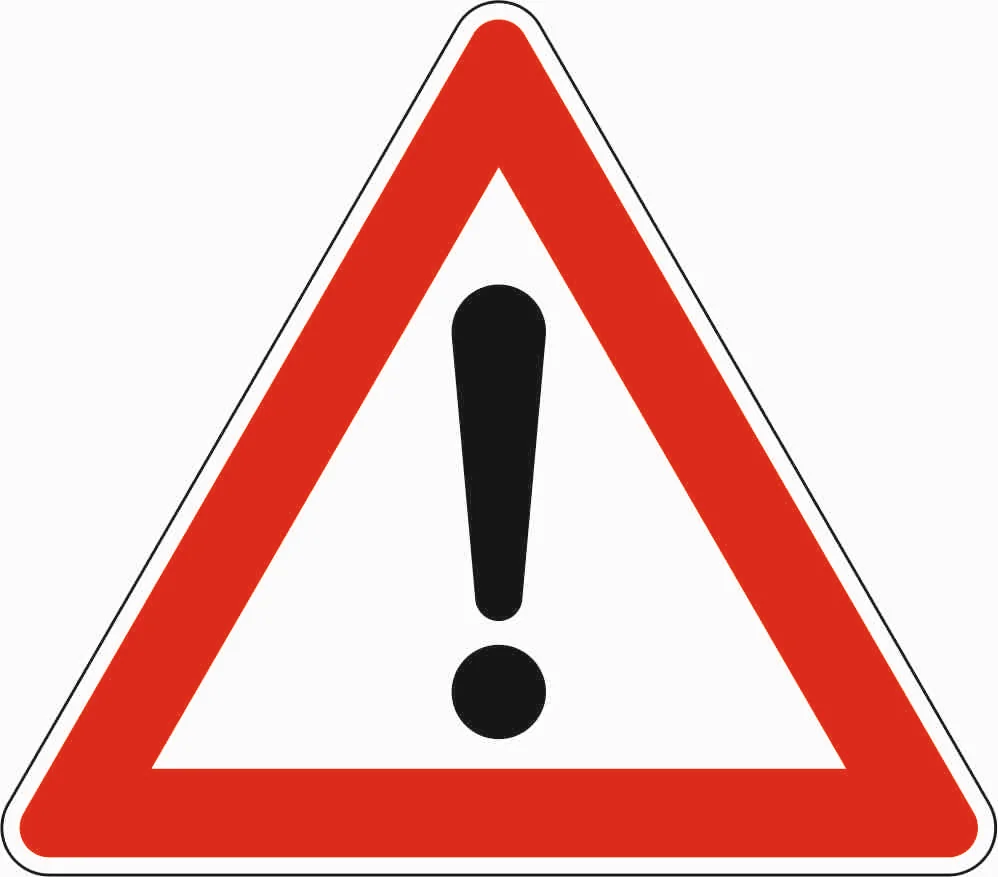
Sign 101: Danger Spot Ahead – Be Prepared for Hazards
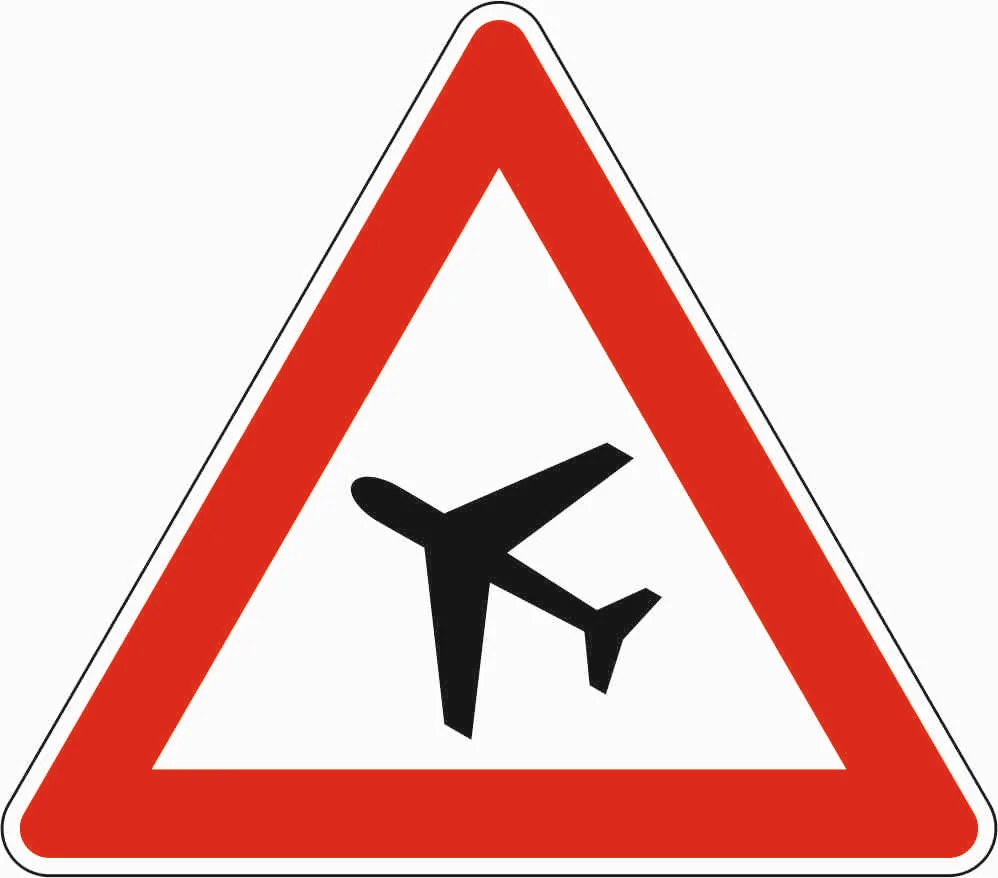
Warning: Aircraft Operations Ahead (Sign Installed on the Right)
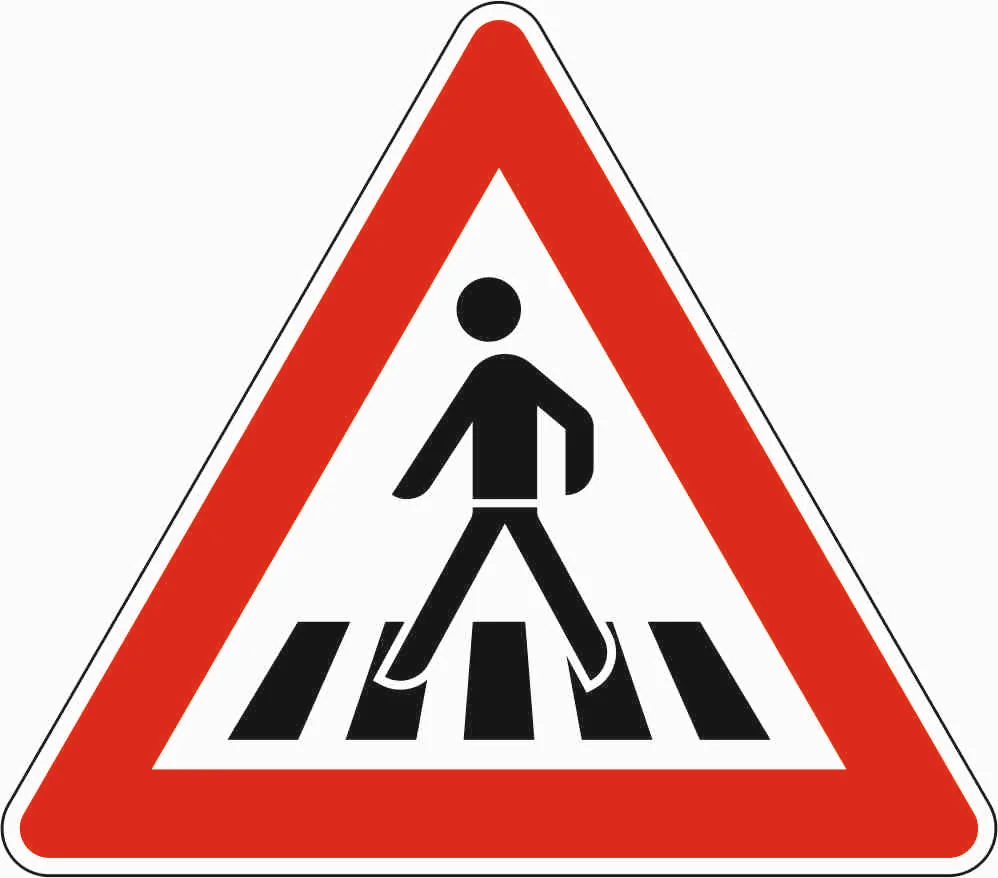
Beware of Pedestrians: Understand the "Pedestrian Crossing - Installed on the Right" Danger Warning Sign (101-11)
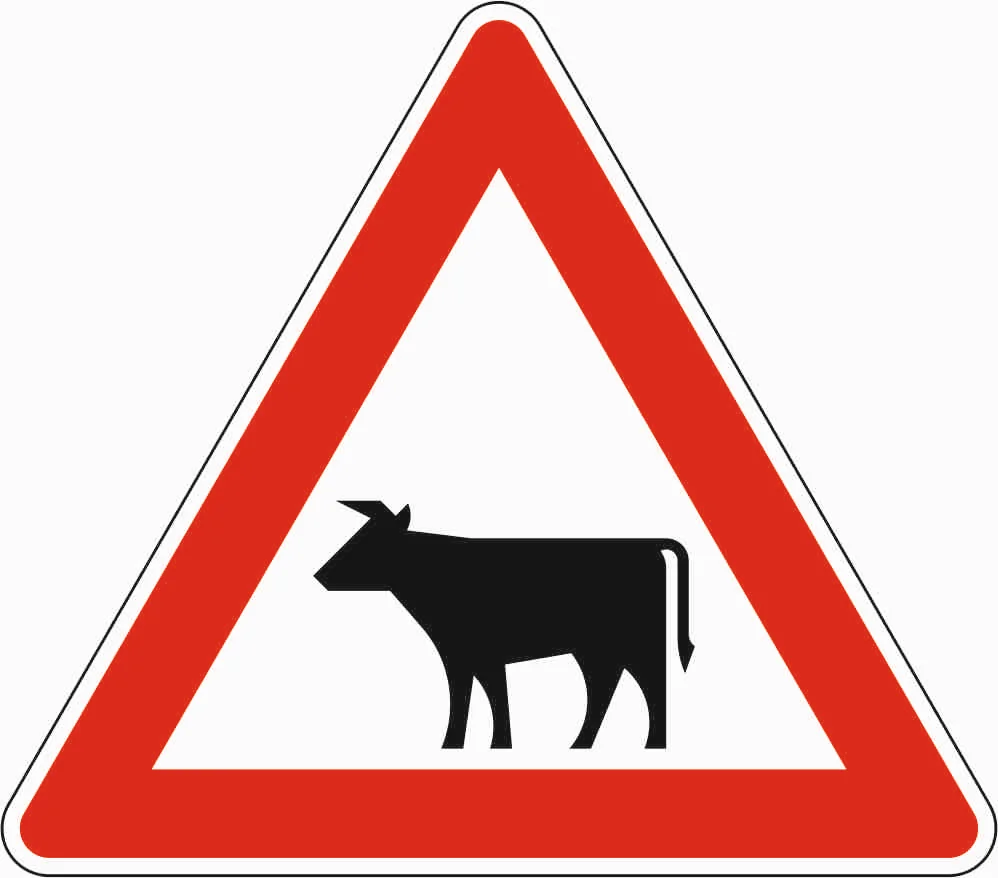
Warning: Cattle Crossing Ahead - Sign 101-12 (Installed on the Right)
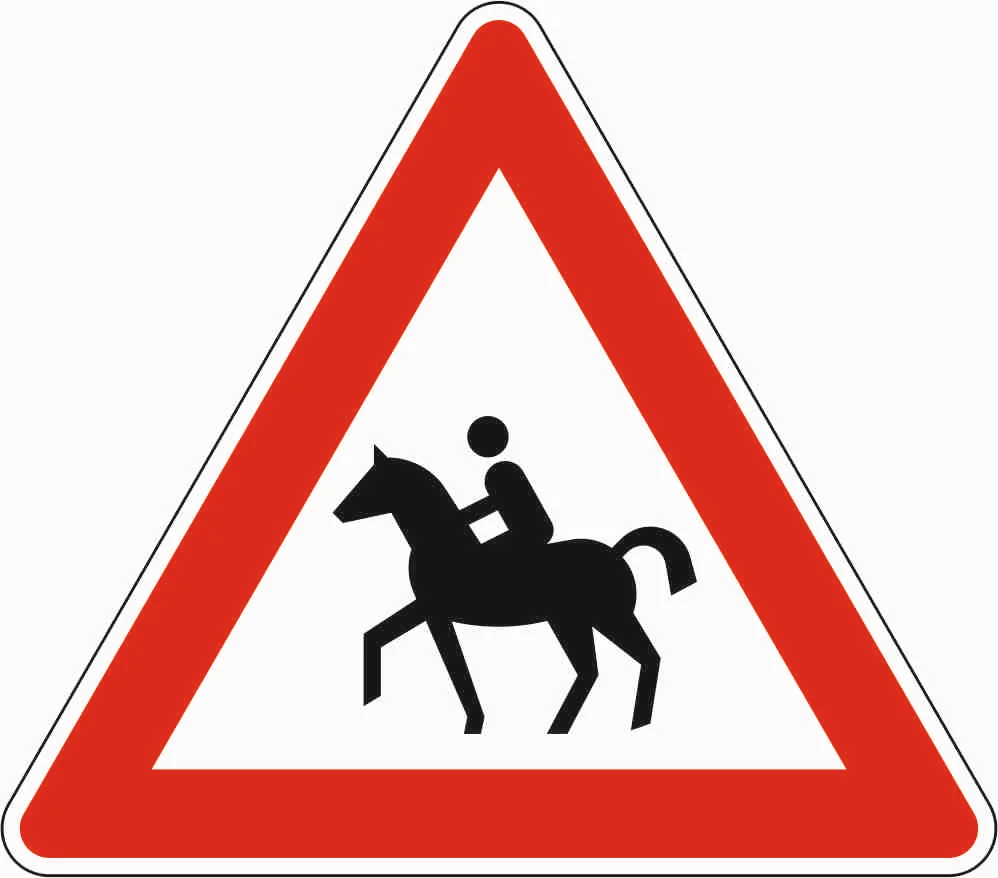
Understand German Road Sign 101-13: Reiter - Installed on the Right
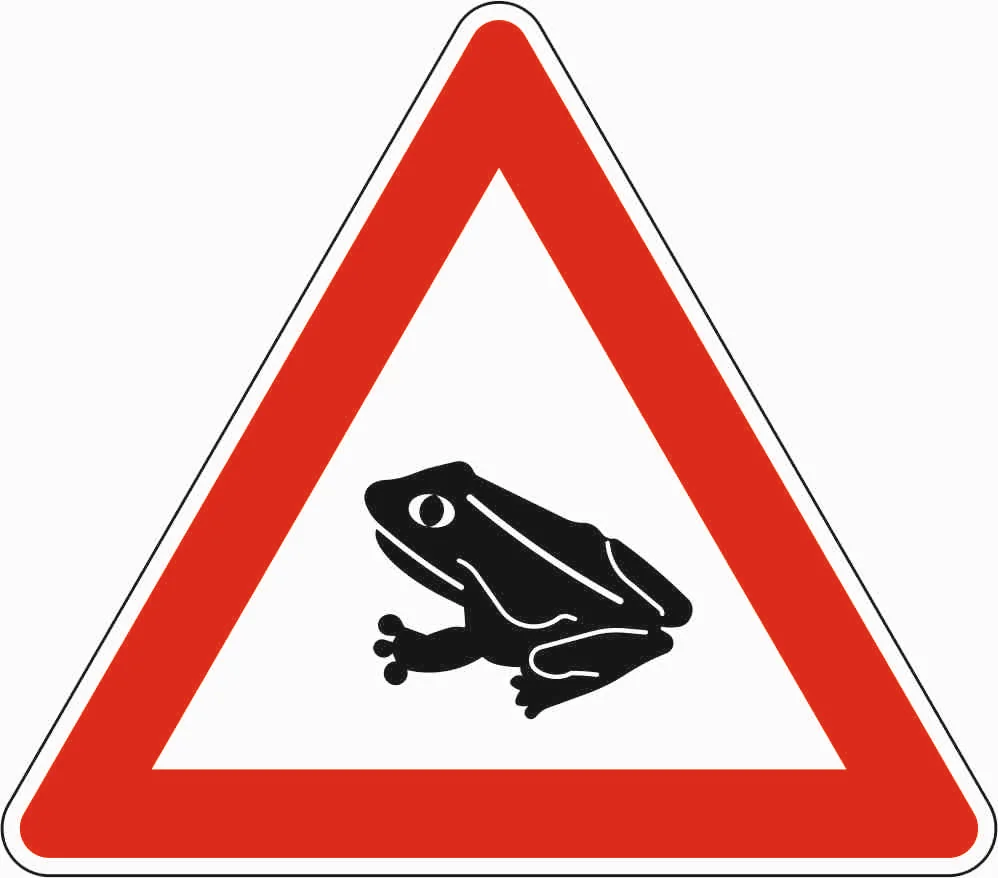
Beware of Amphibian Migration Crossing Ahead!
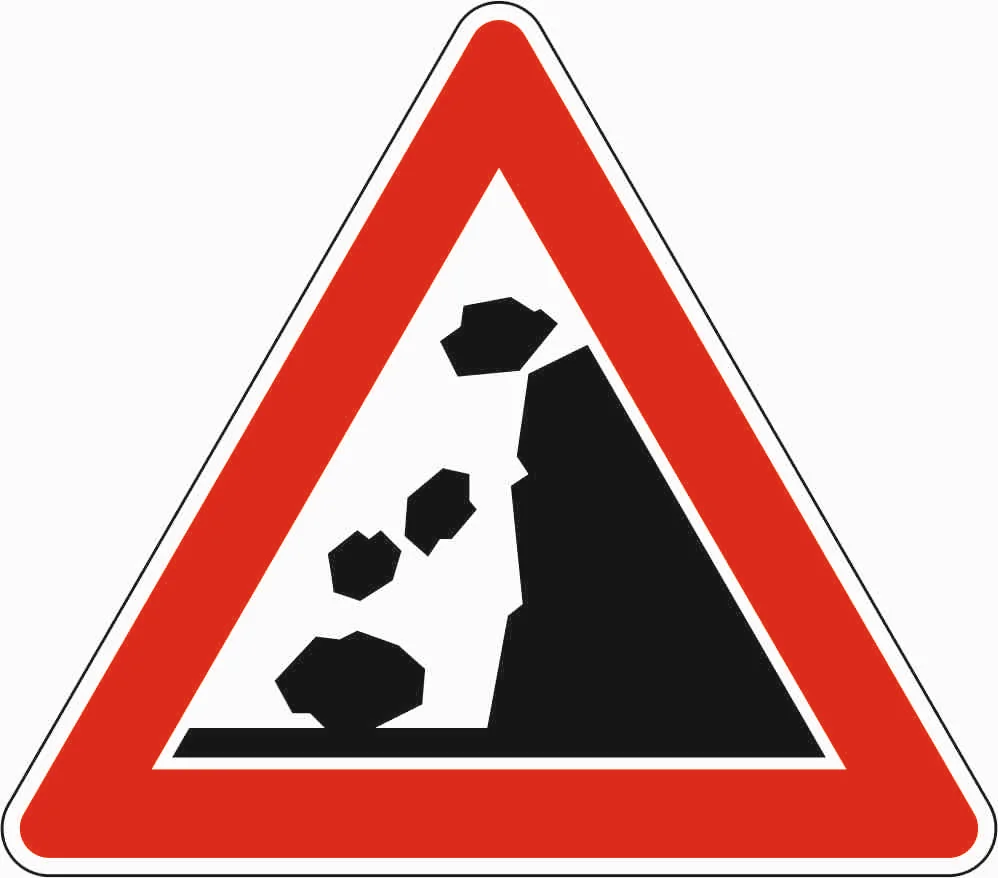
Beware of falling rocks on the right with sign 101-15
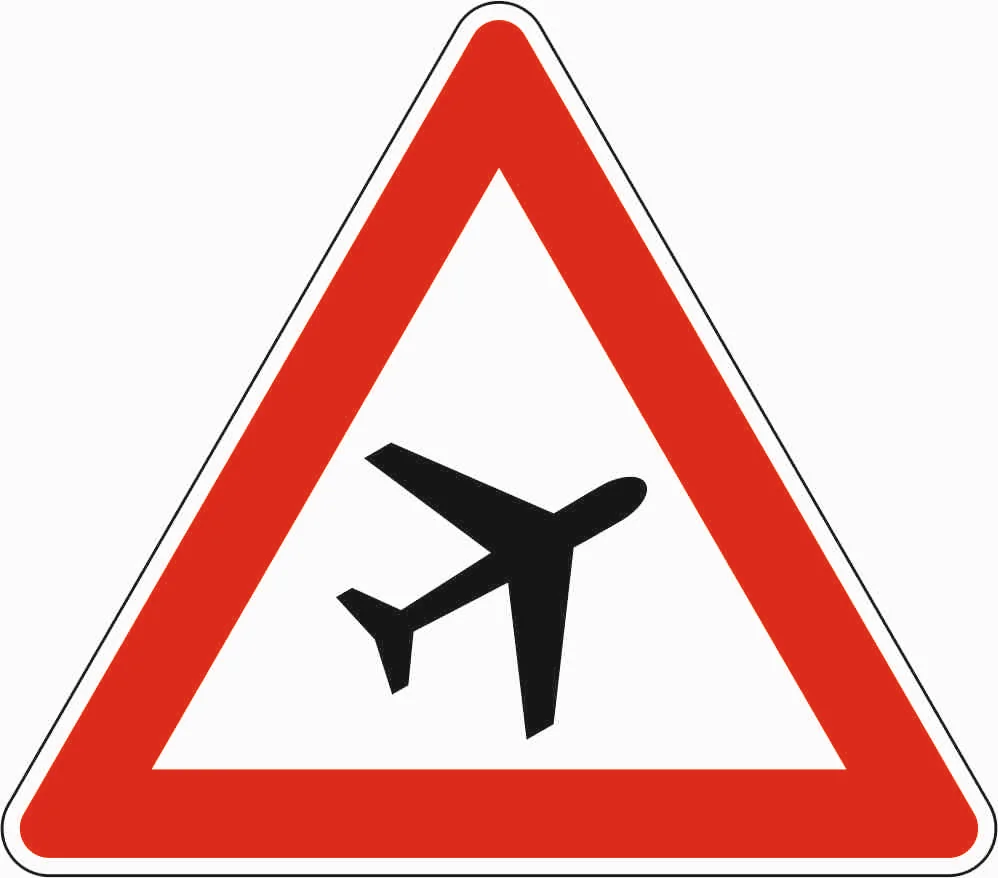
Prepare for Aircraft Operations Ahead with Warning Sign 101-20
Deepen your understanding of these specific road markings by exploring related traffic rules and situational hazard perception exercises. Applying the official StVO regulations ensures you recognize critical signage accurately during your theory test.
Master German Merging Rules for a Smooth and Safe Drive
After any traffic accident in Germany, knowing the correct procedure is paramount. This guide details the mandatory actions you must take according to German law, including securing the accident scene, providing necessary information to other parties, and understanding the implications of §142 StGB (Fahrerflucht). Mastering these steps is vital for both safe driving and succeeding in your German driving theory test.
Stay Safe and Legal: Navigate German Roads with Confidence in Any Weather.
Securing a driving license in Germany requires a clear understanding of the legal requirements and the structured path from theory lessons to your final examination. This guide breaks down the essential criteria for selecting an officially recognized driving school in Hamburg and clarifies the differences between license classes like B, A1, and C, ensuring you are well-prepared for the regulations governed by the FEV.
German road sign 101-20, officially designated "Flugbetrieb - Aufstellung links", belongs to the danger warning signs group. It gives advance notice of a hazard that may not be obvious early enough without the sign. You may see it in approaches to hazards, rural roads, urban conflict points, railway crossings, roadworks, and weather-sensitive sections, depending on how the road authority has arranged the location. This left-side version is used where the sign is placed on the left side of the carriageway or where a mirrored symbol fits the approach direction. Any left reference should be read as part of the direction, road side, lane arrangement, or placement shown by the sign. The practical meaning is not just the symbol itself, but the driving decision it triggers: adjust speed, position, priority, route choice, stopping behaviour, or attention before the situation becomes urgent. For learners, the key skill is anticipating what could go wrong before the hazard is visible. Always combine the sign with road markings, traffic lights, police instructions, and any supplementary plates at the same location.
German road sign 101-10, officially designated "Flugbetrieb - Aufstellung rechts", belongs to the danger warning signs group. It gives advance notice of a hazard that may not be obvious early enough without the sign. You may see it in approaches to hazards, rural roads, urban conflict points, railway crossings, roadworks, and weather-sensitive sections, depending on how the road authority has arranged the location. This right-side version is used where the sign is placed on the right side of the carriageway or where the symbol must face traffic approaching from that side. Any right reference should be read as part of the direction, road side, lane arrangement, or placement shown by the sign. The practical meaning is not just the symbol itself, but the driving decision it triggers: adjust speed, position, priority, route choice, stopping behaviour, or attention before the situation becomes urgent. For learners, the key skill is anticipating what could go wrong before the hazard is visible. Always combine the sign with road markings, traffic lights, police instructions, and any supplementary plates at the same location.
Deepen your understanding of specific road sign categories or test your knowledge with practice questions. Explore our themed sign groups for targeted study or jump into quizzes to reinforce your recognition skills for the official German theory exam.
All German Road Signs List