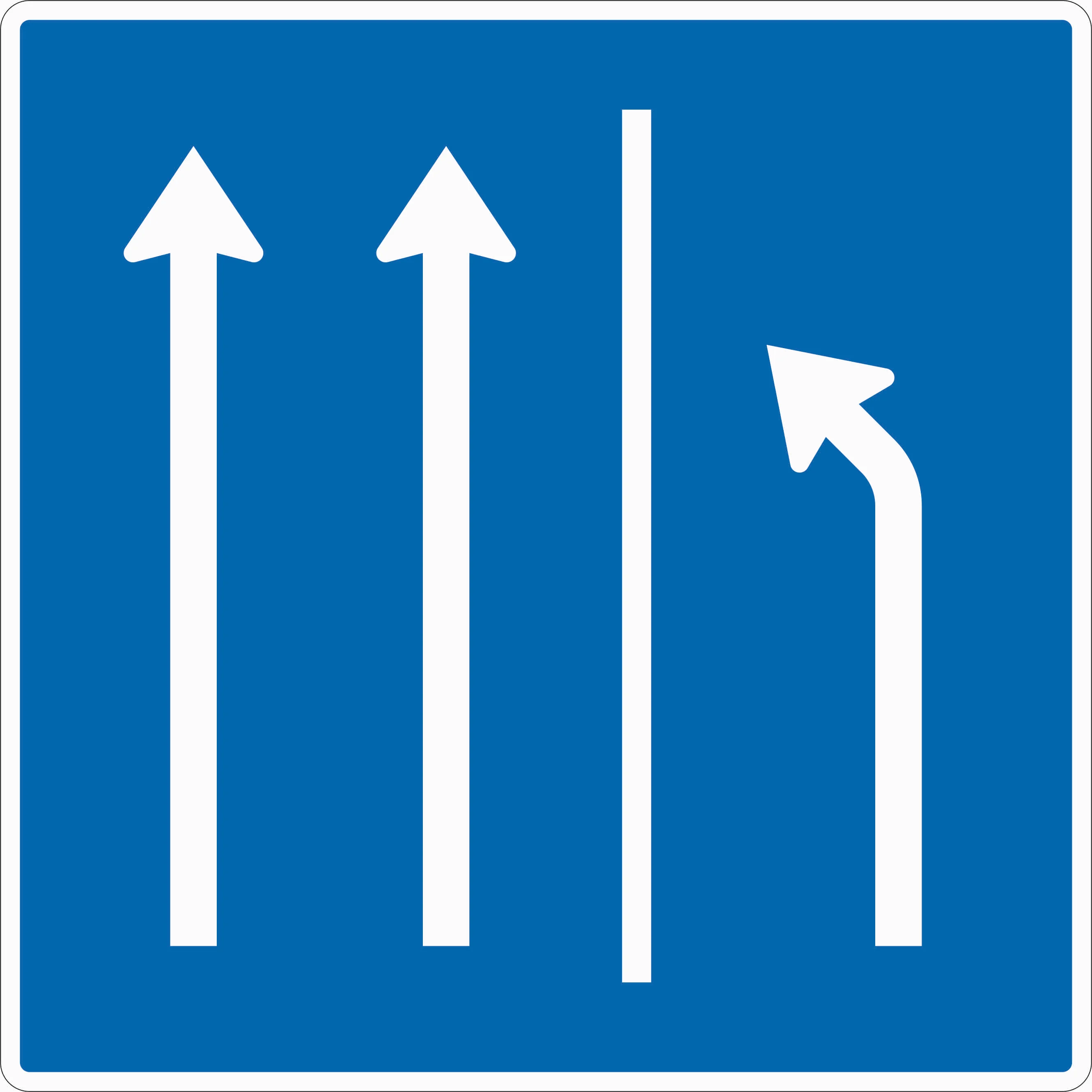
German regulatory sign 223.3-50, officially 'Seitenstreifen räumen - 2 Fahrstreifen + Seitenstreifen', mandates clearing the hard shoulder. You'll encounter this regulatory sign, which is part of binding traffic rules under the StVO, typically near junctions or on roads with specific lane management. It's crucial to recognize this sign early and adjust your driving behaviour before reaching the regulated area, ensuring you comply with all lane and traffic requirements.
This specific German road sign, 'Vacate the hard shoulder lane - 2 lane + hard shoulder,' mandates a crucial change in driving behaviour. Properly understanding its meaning is vital for successful theory test revision and safe navigation of German roads.
German road sign 223.3-50, officially designated "Seitenstreifen räumen - 2 Fahrstreifen + Seitenstreifen", belongs to the regulatory signs group. It gives a binding rule under the German StVO and must be followed rather than treated as advisory information. You may see it in junctions, restricted streets, cycle and pedestrian facilities, parking areas, low-emission zones, and roads with binding lane or speed rules, depending on how the road authority has arranged the location. The practical meaning is not just the symbol itself, but the driving decision it triggers: adjust speed, position, priority, route choice, stopping behaviour, or attention before the situation becomes urgent. For learners, the key skill is knowing whether the sign commands, forbids, limits, or cancels a rule. Always combine the sign with road markings, traffic lights, police instructions, and any supplementary plates at the same location.
German road sign 223.3-50 means "Vacate the hard shoulder lane - 2 lane + hard shoulder" and is officially listed as "Seitenstreifen räumen - 2 Fahrstreifen + Seitenstreifen". In practice, it tells drivers to recognise the situation early, adapt before reaching the controlled area, and check whether markings or supplementary plates change how the rule applies.
Get clear, practical answers to the most common questions about the 223.3-50 - Vacate the hard shoulder lane - 2 lane + hard shoulder road sign. Learn how the sign works, what rules it represents, and how it affects real driving situations. This FAQ strengthens your understanding and supports accurate decision making for the German driving theory exam in Germany.
Sign 223.3-50, 'Vacate the hard shoulder lane - 2 lane + hard shoulder', instructs drivers that the hard shoulder lane is no longer available for use and must be vacated. It requires drivers to prepare to merge or adjust their position before reaching the point where the sign applies.
Upon seeing sign 223.3-50, you must anticipate the need to change lanes or adjust your speed. Check your surroundings, especially traffic in the adjacent lanes, and prepare to move out of the hard shoulder lane before it becomes prohibited or unsafe to do so.
While sign 223.3-50 itself is a binding instruction, its application can be modified by supplementary plates, road markings, or traffic lights. Always observe these alongside the main sign to understand specific conditions, times, or vehicle types that might affect the rule.
A common trap is assuming the hard shoulder is always available unless a specific prohibition sign is present. Sign 223.3-50 is a clear instruction to vacate it, often seen before complex traffic situations or junctions, and neglecting to prepare for this can lead to incorrect answers in the theory test.
No, sign 223.3-50 does not mean you must stop. It means you must stop using the hard shoulder lane. You should instead merge into one of the regular traffic lanes or adjust your position as indicated by road markings or traffic flow, while maintaining a safe speed.
A clear reference image of the 223.3-50 - Vacate the hard shoulder lane - 2 lane + hard shoulder road sign used in Germany.
The 223.3-50 - Vacate the hard shoulder lane - 2 lane + hard shoulder road sign may also be known by these alternative names or terms.
The 223.3-50 - Vacate the hard shoulder lane - 2 lane + hard shoulder road sign is part of the German Regulatory Signs category, which groups together signs with similar rules and functions.
Master German road signs by comparing similar traffic signs to sharpen recognition and reduce confusion. Effective sign recognition practice is key for passing your theory test and navigating traffic rules confidently.
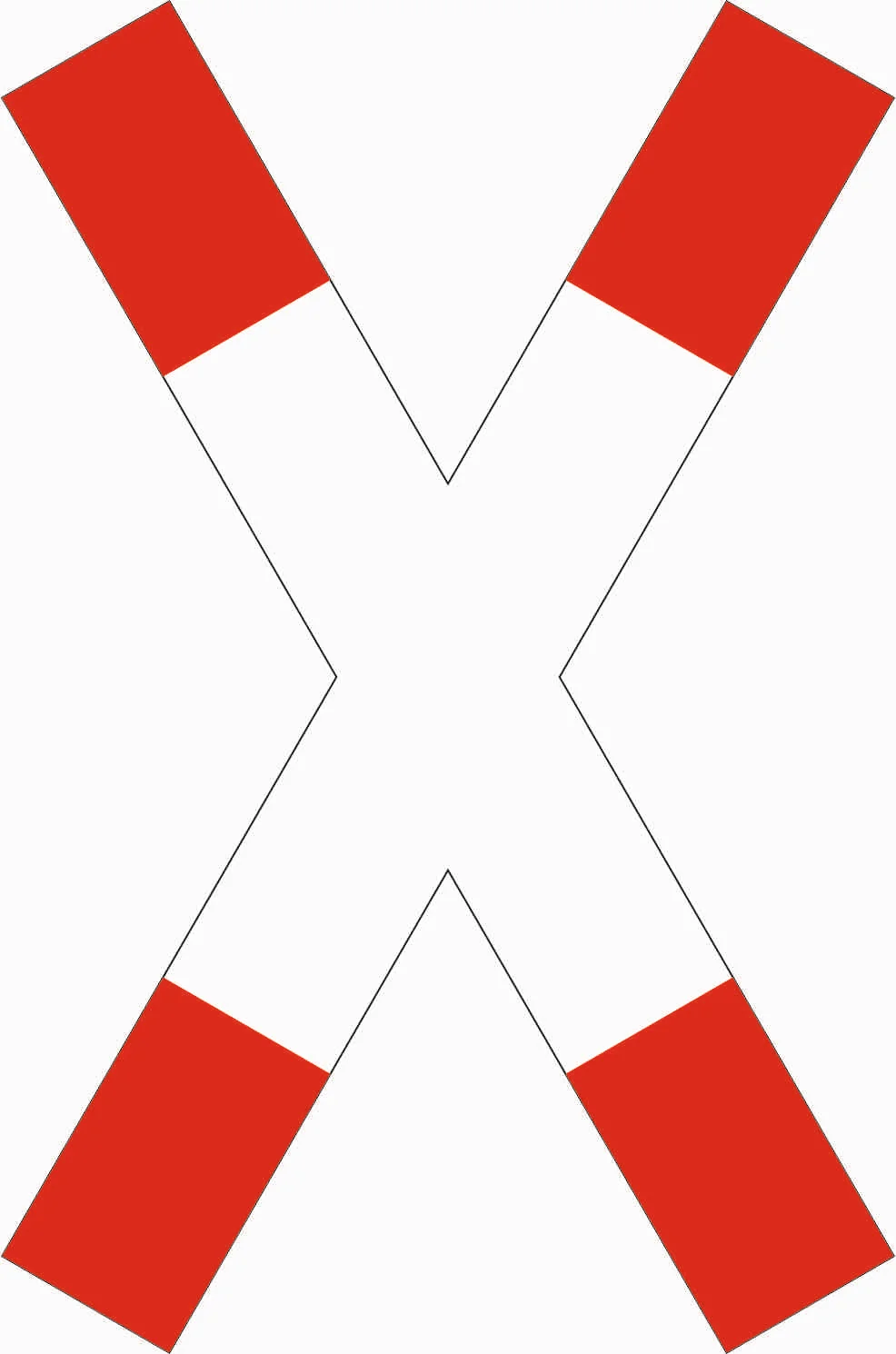
Master the Standing Railway Crossbuck (Andreaskreuz - stehend) Sign
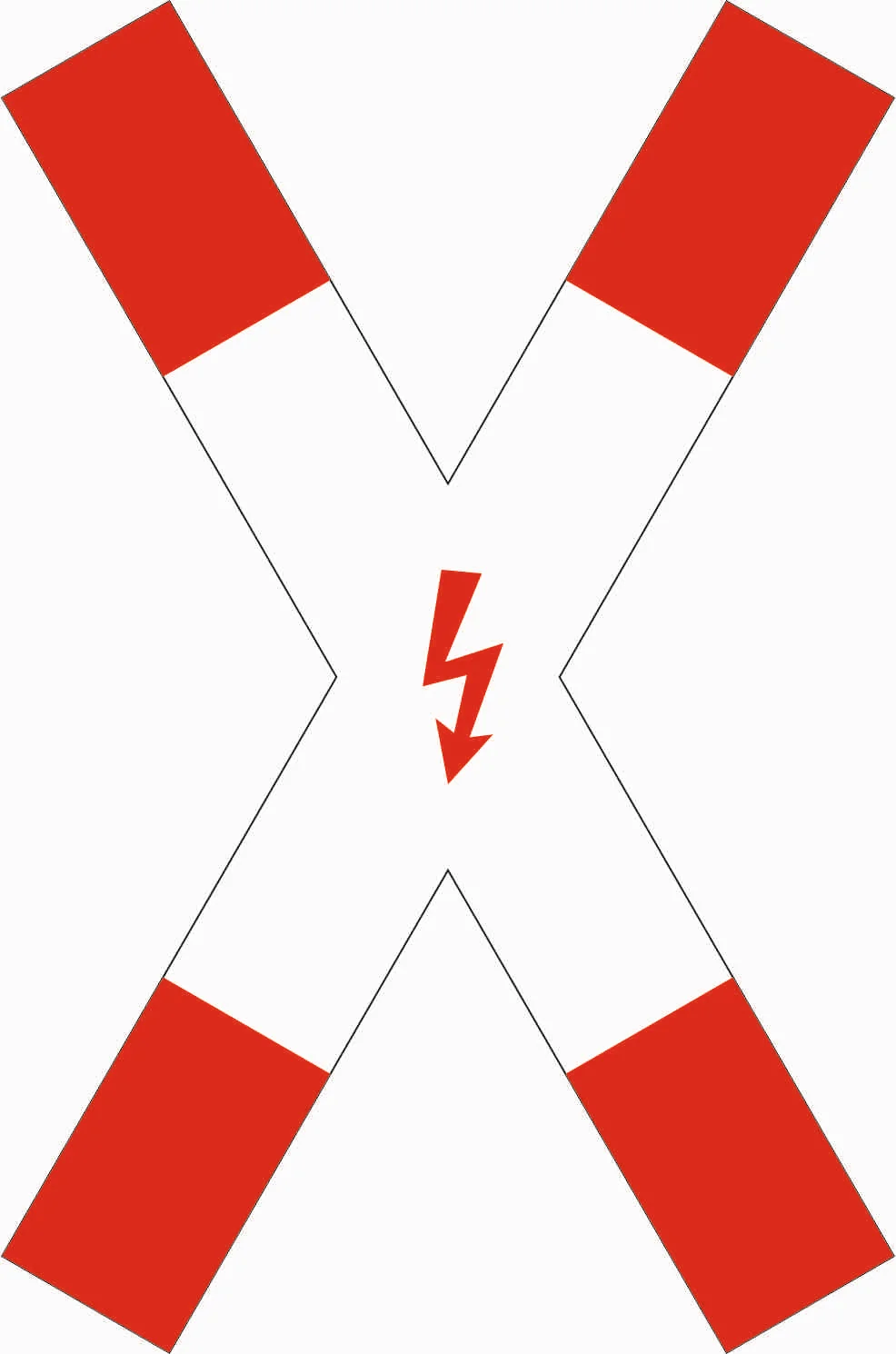
Understand the Railway Crossbuck with Blitzpfeil (Sign 201-51) in Germany
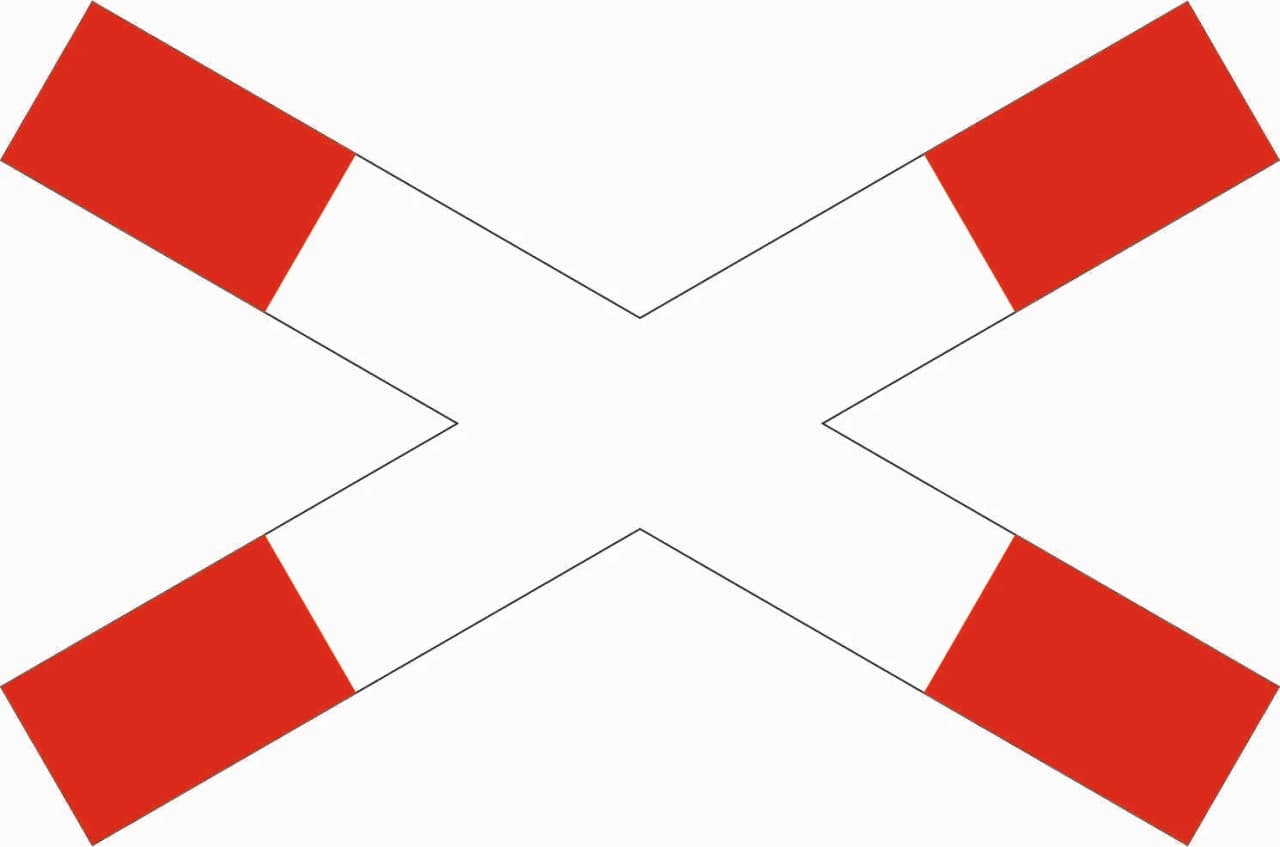
German road sign 201-52: The Railway Crossbuck 'Andreaskreuz - liegend'
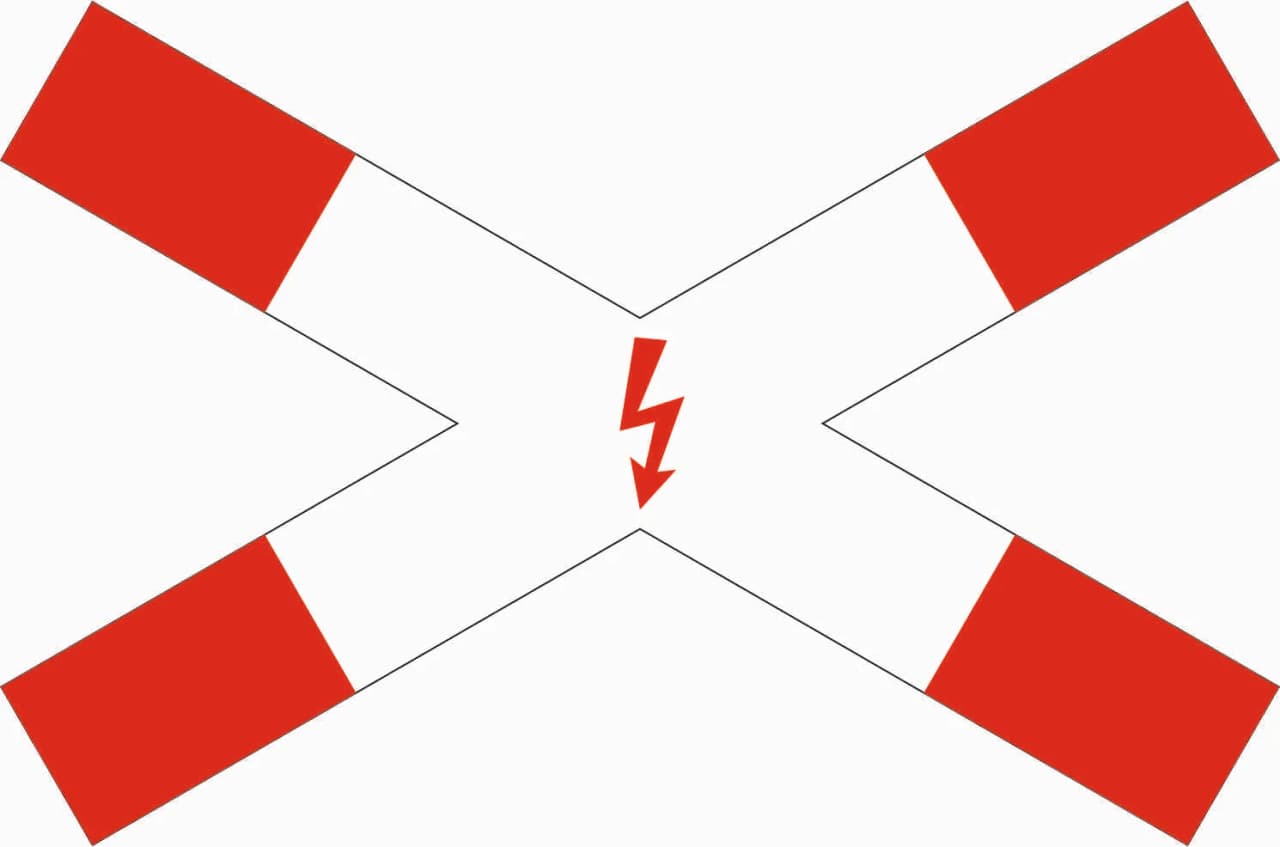
Germany's Railway Crossbuck Sign 201-53 with Blitzpfeil: What You Need to Know
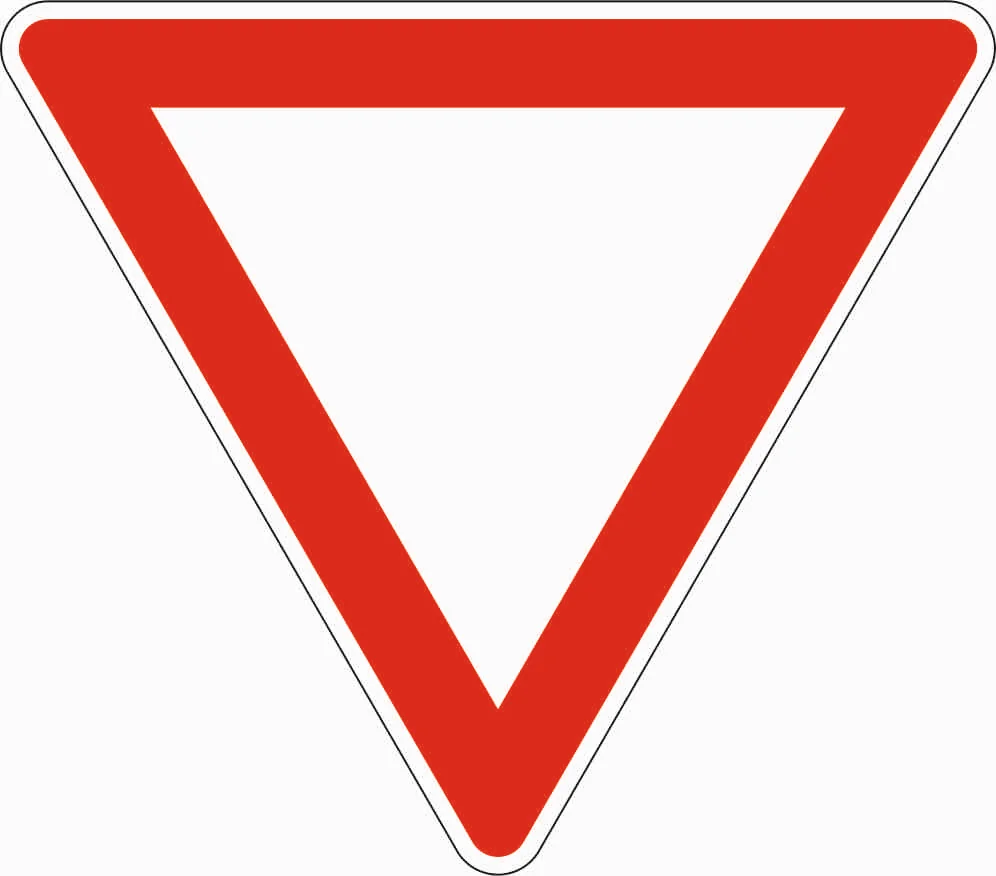
Understand the German "Yield" Sign (Sign 205 - Vorfahrt gewähren)
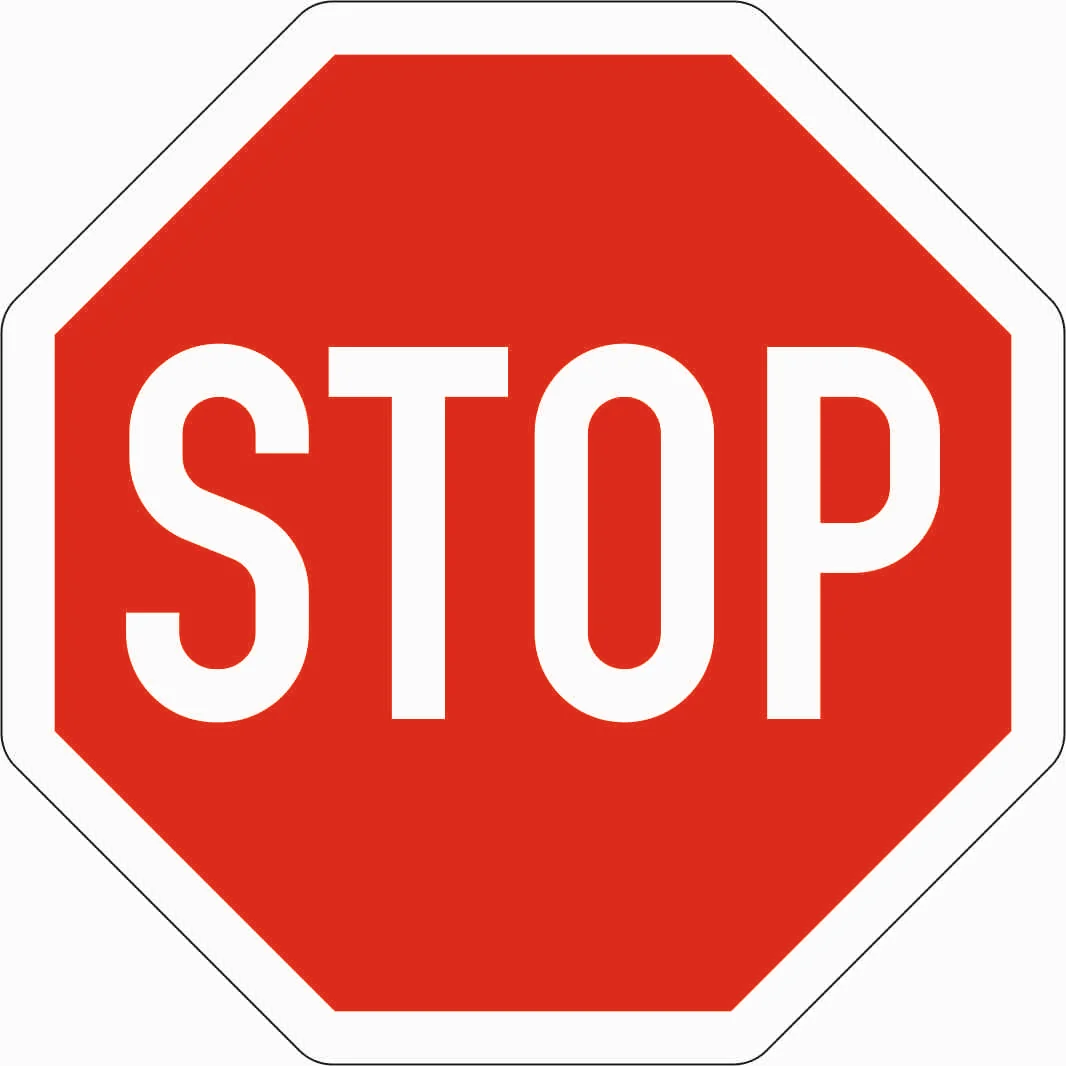
Sign 206: Stop and Yield – You must stop and give way
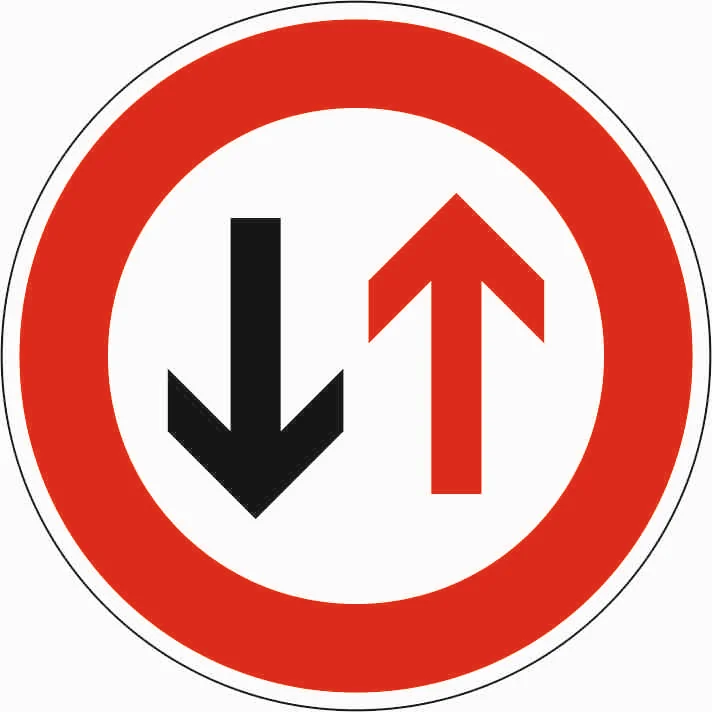
Sign 208: You Must Yield to Oncoming Traffic on This Road
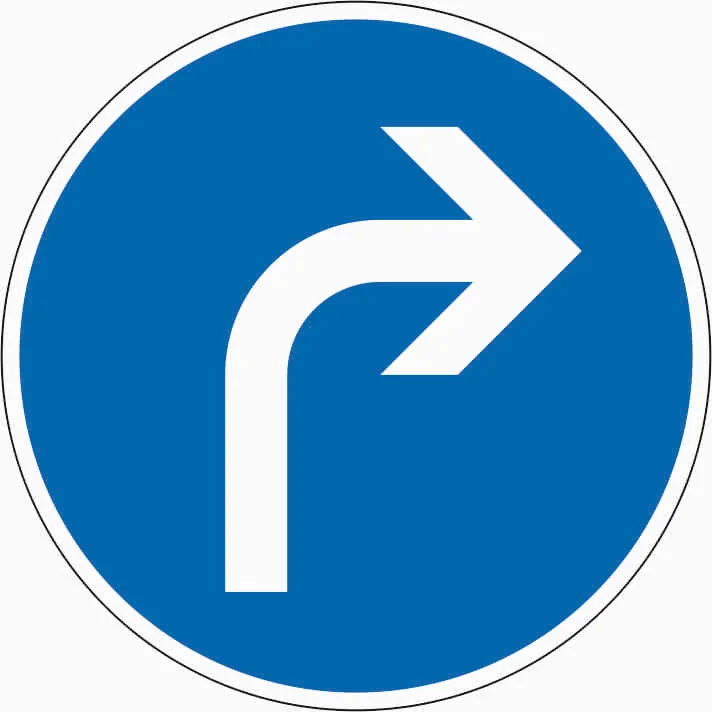
Mandatory Direction - Right: Sign 209 Explained
Deepen your understanding of specific road sign categories or test your knowledge with practice questions. Explore our themed sign groups for targeted study or jump into quizzes to reinforce your recognition skills for the official German theory exam.
All German Road Signs List