This regulatory sign, officially 'Seitenstreifen nicht mehr befahren - 3 Fahrstreifen + Seitenstreifen', indicates that the hard shoulder, which may have been usable as an extra lane, will cease to be so. As a driver, you must anticipate this change and adjust your position or speed before reaching the area indicated by the sign. Always pay attention to road markings and any supplementary signs that might modify the rule's application.
German road sign 223.2-51 signals the termination of the hard shoulder's availability as a driving lane. This sign is critical for your theory test revision, ensuring you understand when to cease using the hard shoulder to maintain compliance with German traffic rules.
German road sign 223.2-51, officially designated "Seitenstreifen nicht mehr befahren - 3 Fahrstreifen + Seitenstreifen", belongs to the regulatory signs group. It gives a binding rule under the German StVO and must be followed rather than treated as advisory information. You may see it in junctions, restricted streets, cycle and pedestrian facilities, parking areas, low-emission zones, and roads with binding lane or speed rules, depending on how the road authority has arranged the location. An end version marks the point where that specific rule, facility, or marked section ceases to apply. The practical meaning is not just the symbol itself, but the driving decision it triggers: adjust speed, position, priority, route choice, stopping behaviour, or attention before the situation becomes urgent. For learners, the key skill is knowing whether the sign commands, forbids, limits, or cancels a rule. Always combine the sign with road markings, traffic lights, police instructions, and any supplementary plates at the same location.
German road sign 223.2-51 means "End use of the hard shoulder as a lane - 3 lane + hard shoulder" and is officially listed as "Seitenstreifen nicht mehr befahren - 3 Fahrstreifen + Seitenstreifen". In practice, it tells drivers to recognise the situation early, adapt before reaching the controlled area, and check whether markings or supplementary plates change how the rule applies.
Get clear, practical answers to the most common questions about the 223.2-51 - End use of the hard shoulder as a lane - 3 lane + hard shoulder road sign. Learn how the sign works, what rules it represents, and how it affects real driving situations. This FAQ strengthens your understanding and supports accurate decision making for the German driving theory exam in Germany.
Sign 223.2-51 means that the hard shoulder will no longer be permitted for use as a driving lane. You must be prepared to move from the hard shoulder to a regular lane or adjust your driving to comply with the upcoming situation before you reach the sign's location.
Upon seeing sign 223.2-51, you should immediately recognize that the hard shoulder's function as a lane is ending. Check your mirrors, be aware of traffic in the regular lanes, and plan to move into one of the designated driving lanes if you are currently using the hard shoulder. Adjust your speed as necessary.
A common trap is assuming the rule ends exactly at the sign. In reality, you must adjust your driving *before* reaching the sign. Learners might also forget to check for supplementary plates that could specify conditions or exceptions, or overlook the importance of road markings that often accompany this sign.
Generally, this sign indicates the end of the hard shoulder use for all vehicles. However, always check for supplementary plates (Zusatzzeichen) below the main sign. These plates can restrict the rule to specific vehicle types, times of day, or directions, so it's crucial to see if any limitations apply to you.
If you are already in a designated driving lane and not using the hard shoulder, sign 223.2-51 serves as a reminder that the temporary extra lane (the hard shoulder) is concluding. Continue driving in your current lane, but remain vigilant for traffic potentially merging from the former hard shoulder.
A clear reference image of the 223.2-51 - End use of the hard shoulder as a lane - 3 lane + hard shoulder road sign used in Germany.
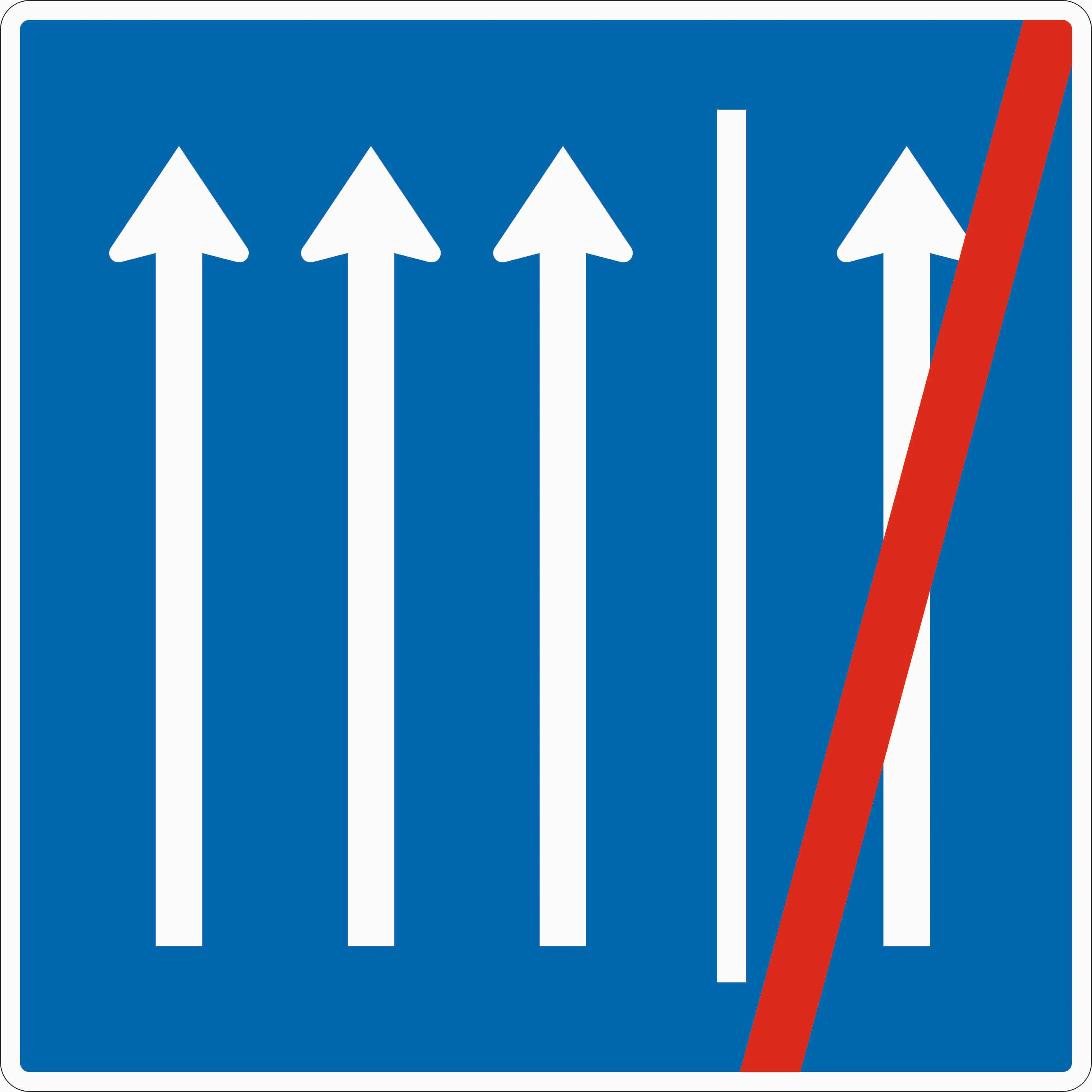
The 223.2-51 - End use of the hard shoulder as a lane - 3 lane + hard shoulder road sign may also be known by these alternative names or terms.
The 223.2-51 - End use of the hard shoulder as a lane - 3 lane + hard shoulder road sign is part of the German Regulatory Signs category, which groups together signs with similar rules and functions.
Reviewing related regulatory signs, like the end of hard shoulder use, helps cement your understanding and improve recognition for the German theory test. Comparing signs aids in distinguishing subtle differences, crucial for accurate recall during your exam preparation.
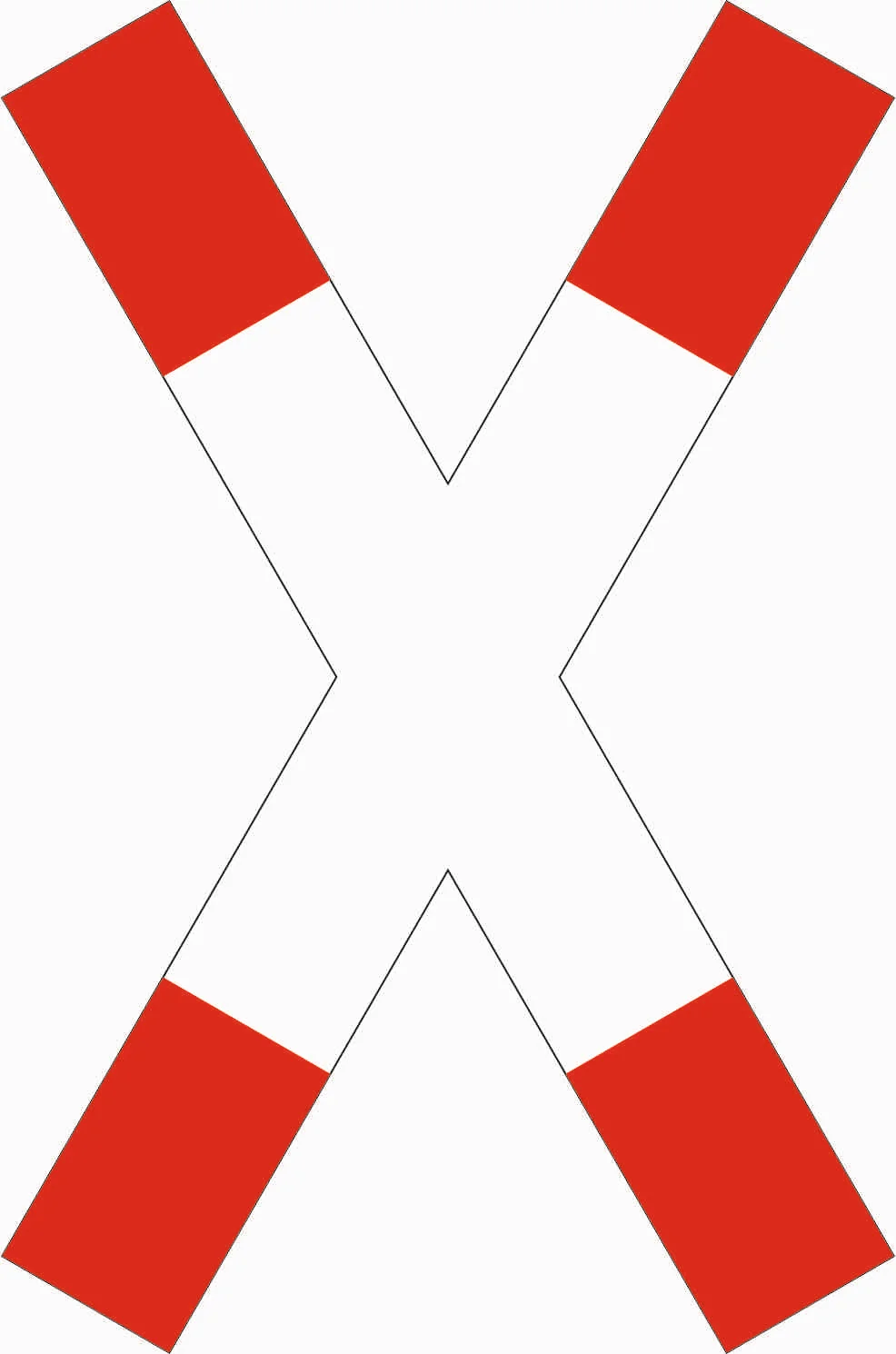
Master the Standing Railway Crossbuck (Andreaskreuz - stehend) Sign
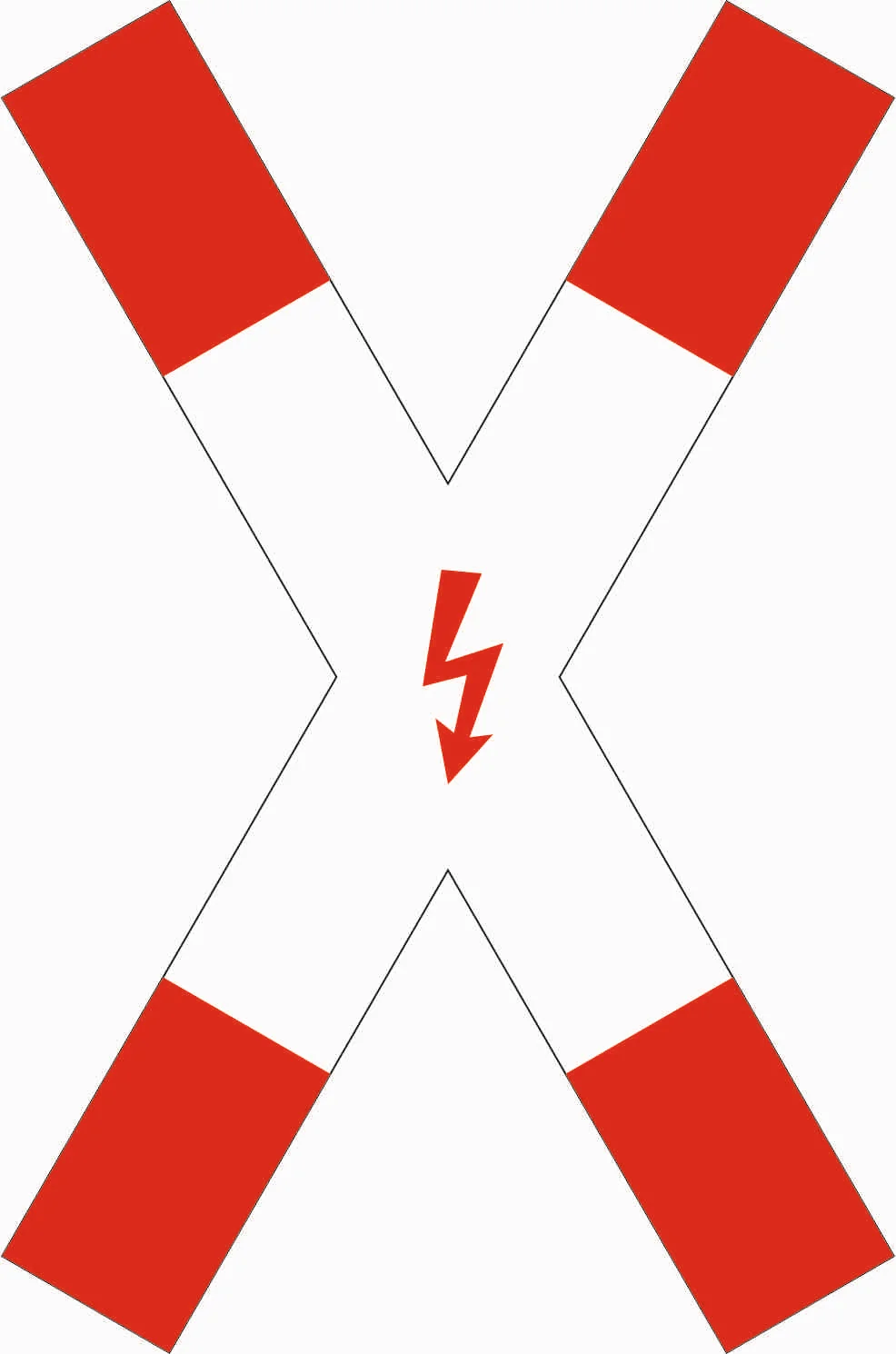
Understand the Railway Crossbuck with Blitzpfeil (Sign 201-51) in Germany
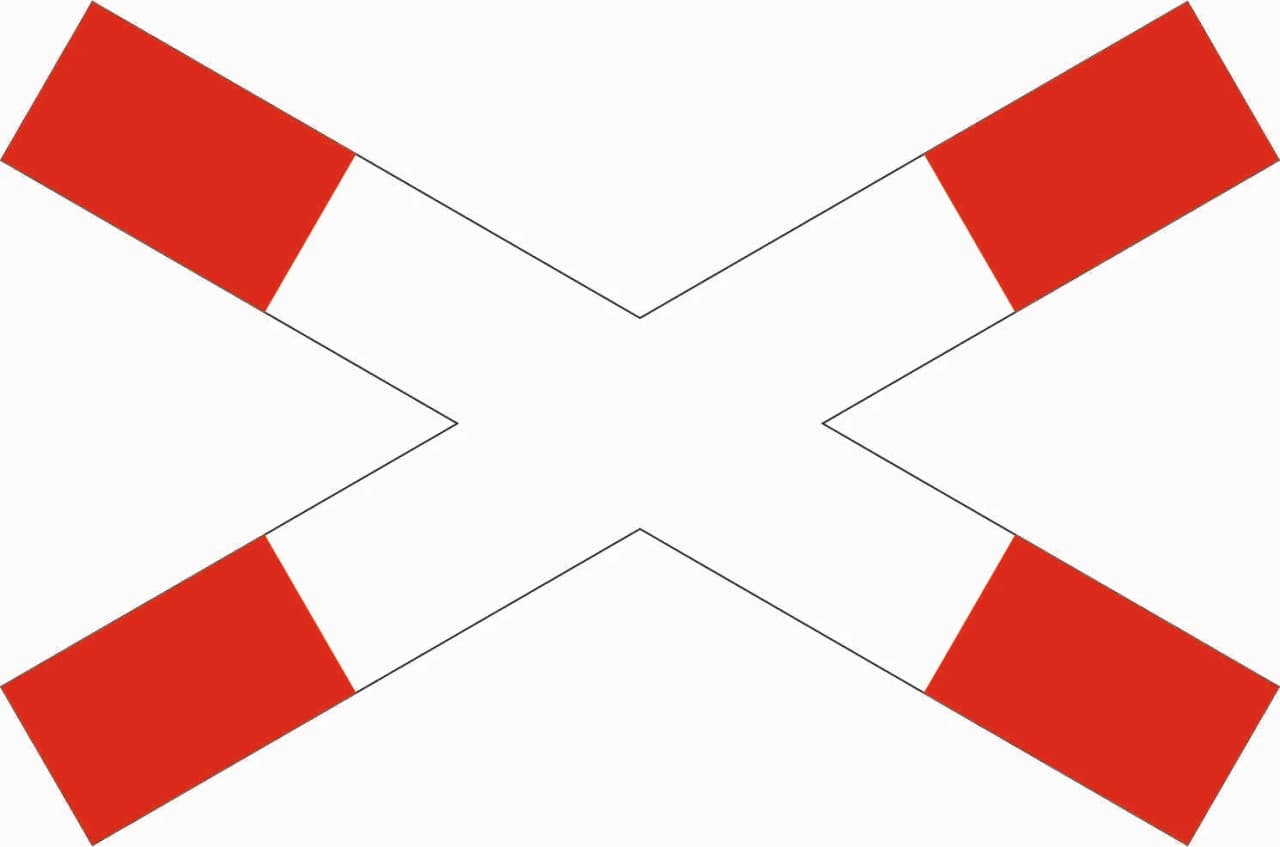
German road sign 201-52: The Railway Crossbuck 'Andreaskreuz - liegend'
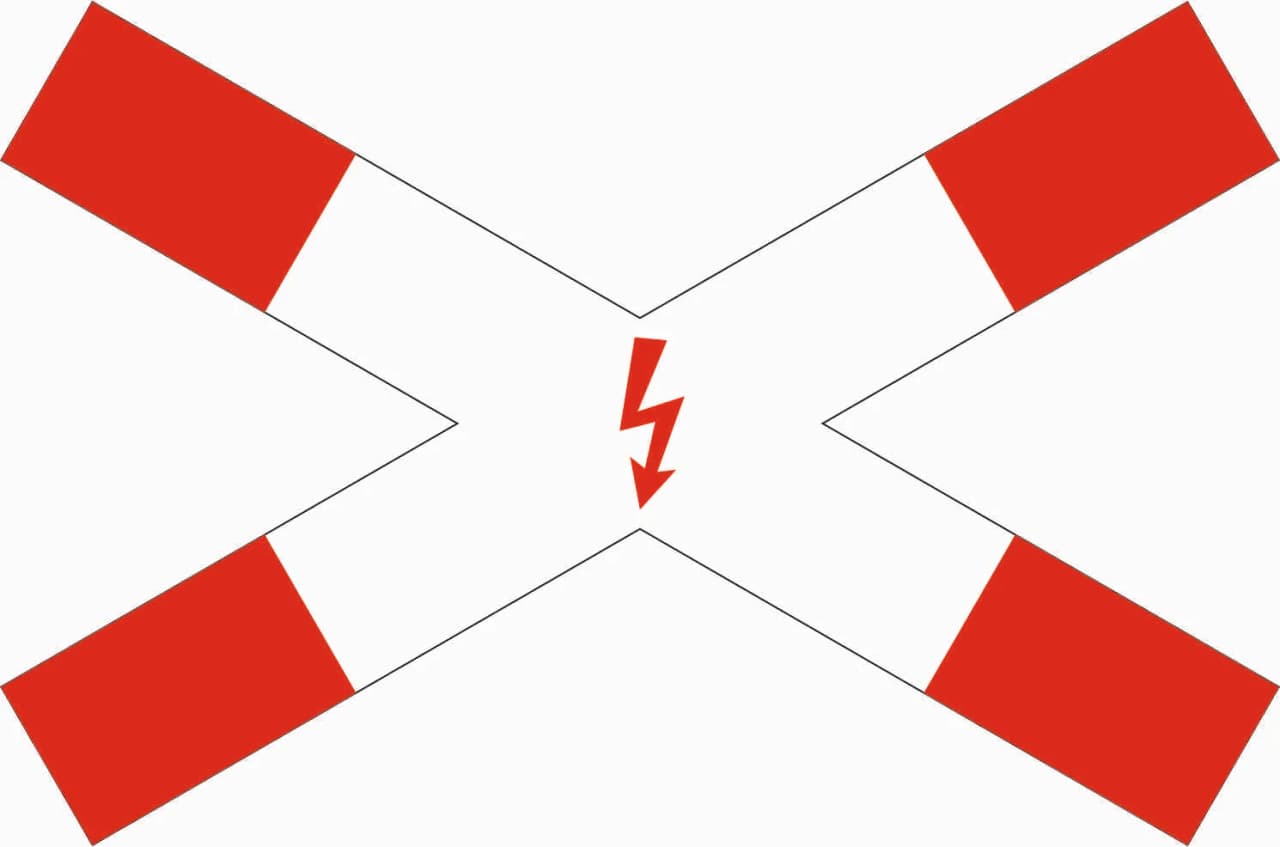
Germany's Railway Crossbuck Sign 201-53 with Blitzpfeil: What You Need to Know
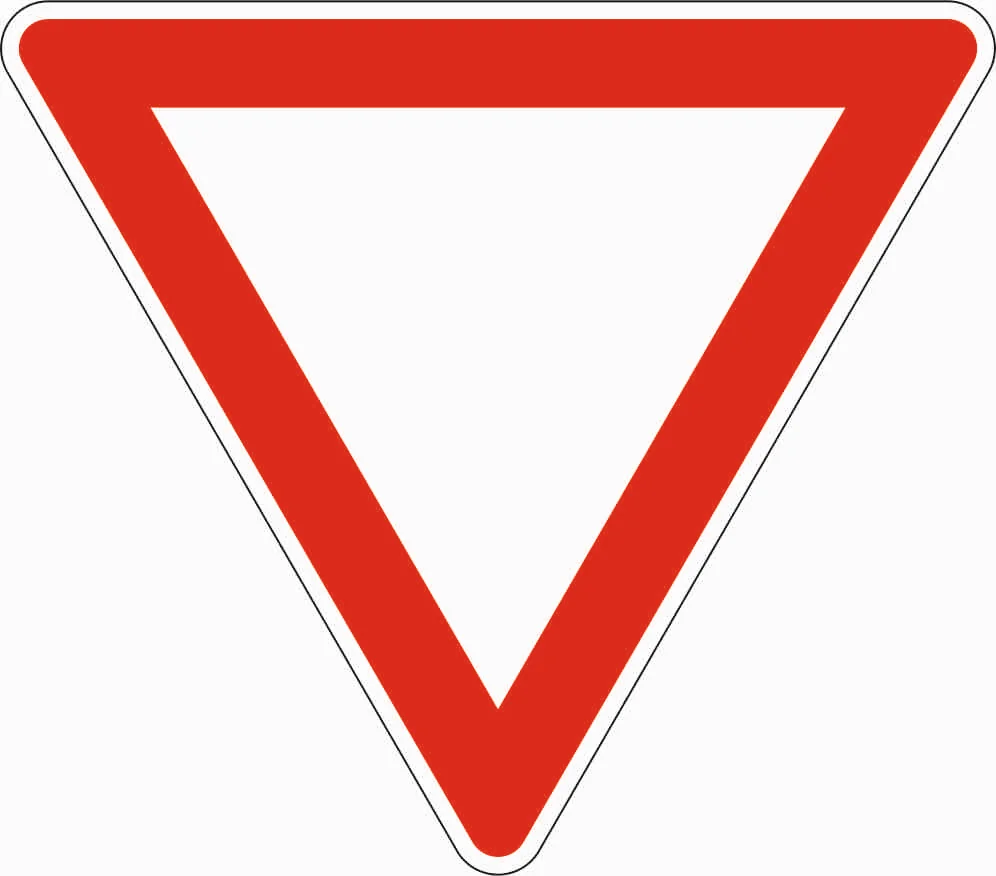
Understand the German "Yield" Sign (Sign 205 - Vorfahrt gewähren)
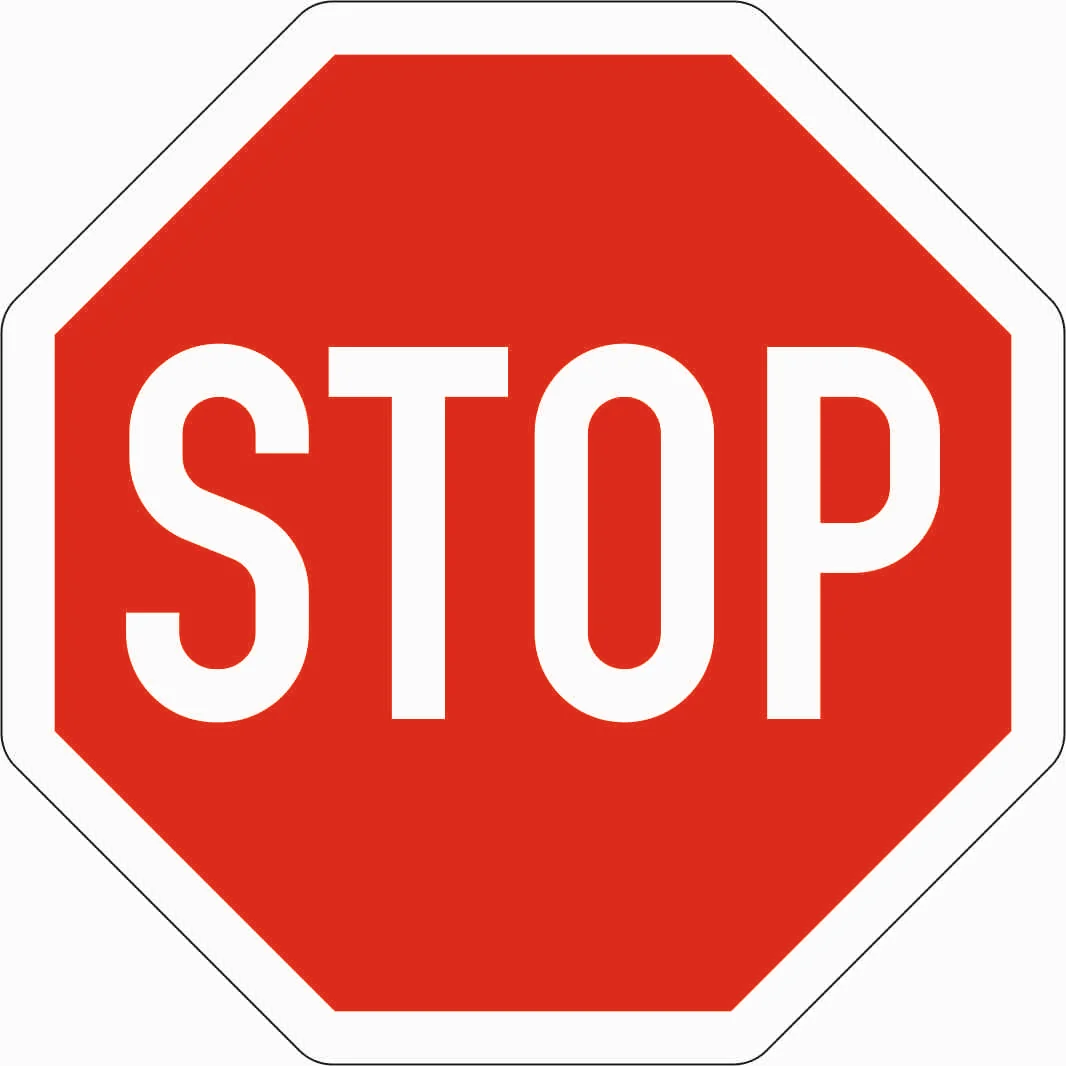
Sign 206: Stop and Yield – You must stop and give way
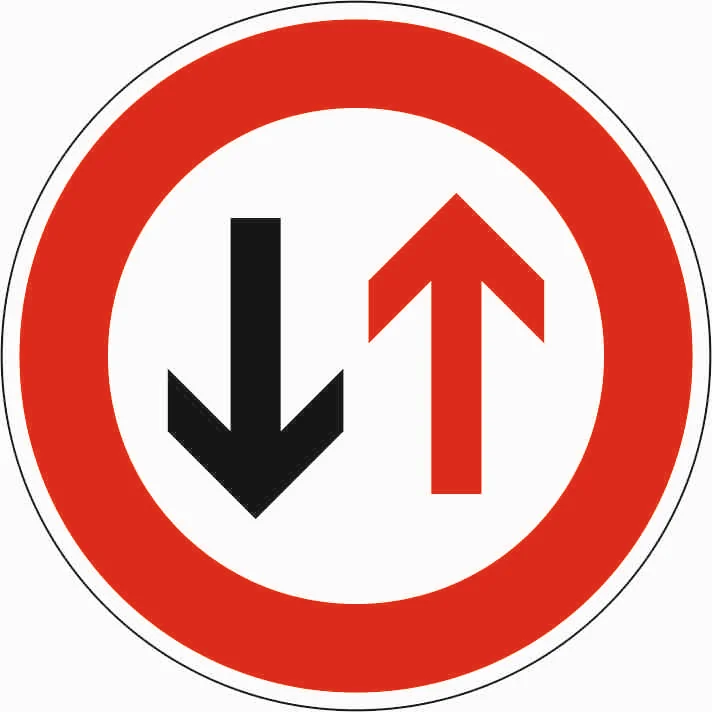
Sign 208: You Must Yield to Oncoming Traffic on This Road
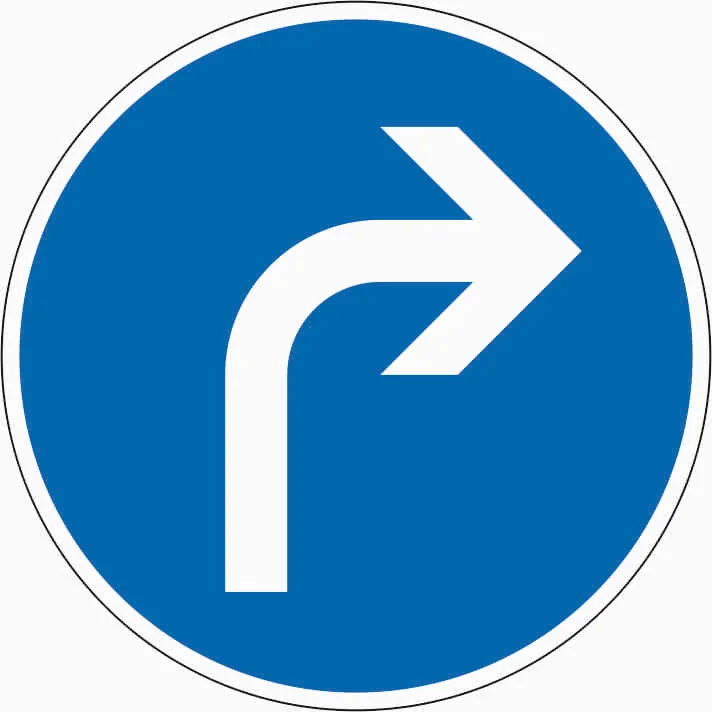
Mandatory Direction - Right: Sign 209 Explained
Deepen your understanding of specific road sign categories or test your knowledge with practice questions. Explore our themed sign groups for targeted study or jump into quizzes to reinforce your recognition skills for the official German theory exam.
All German Road Signs List