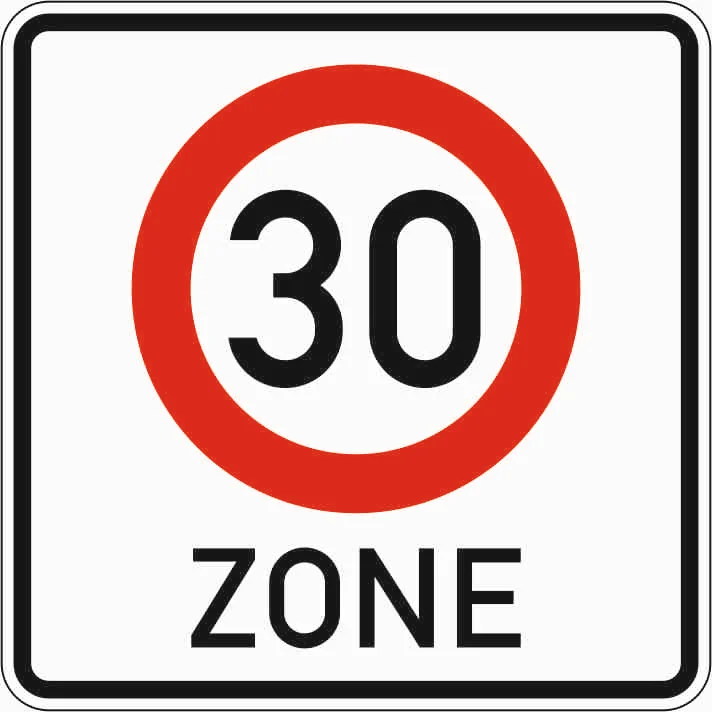
This regulatory sign, officially 'Beginn einer Tempo 30-Zone', signals the start of a mandatory 30 km/h speed limit zone. As part of Germany's regulatory signs, it imposes a binding rule that must be followed. You will often see this sign in residential areas, near schools, or in other places where reducing speed enhances safety for everyone. Be prepared to adjust your speed and check for any supplementary signs or road markings that might further specify the zone's application.
Master the meaning of German road sign 274.1, marking the start of a 30 km/h speed limit zone, to ensure compliance and safety. This explanation is crucial for your theory test revision and understanding German traffic rules, helping you correctly interpret regulatory signs and adapt your driving behaviour accordingly.
German road sign 274.1, officially designated "Beginn einer Tempo 30-Zone", belongs to the regulatory signs group. It gives a binding rule under the German StVO and must be followed rather than treated as advisory information. You may see it in junctions, restricted streets, cycle and pedestrian facilities, parking areas, low-emission zones, and roads with binding lane or speed rules, depending on how the road authority has arranged the location. A start version normally marks the beginning of the controlled section. The practical meaning is not just the symbol itself, but the driving decision it triggers: adjust speed, position, priority, route choice, stopping behaviour, or attention before the situation becomes urgent. For learners, the key skill is knowing whether the sign commands, forbids, limits, or cancels a rule. Always combine the sign with road markings, traffic lights, police instructions, and any supplementary plates at the same location.
German road sign 274.1 means "Start of Tempo 30-Zone" and is officially listed as "Beginn einer Tempo 30-Zone". In practice, it tells drivers to recognise the situation early, adapt before reaching the controlled area, and check whether markings or supplementary plates change how the rule applies.
Get clear, practical answers to the most common questions about the 274.1 - Start of Tempo 30-Zone road sign. Learn how the sign works, what rules it represents, and how it affects real driving situations. This FAQ strengthens your understanding and supports accurate decision making for the German driving theory exam in Germany.
Sign 274.1, officially 'Beginn einer Tempo 30-Zone', indicates that a mandatory speed limit of 30 km/h begins at this point. Its purpose is to reduce speed in areas where it is necessary for safety, such as residential zones or near pedestrian areas. Drivers must adhere to this new speed limit from the sign onwards.
After seeing the 'Start of Tempo 30-Zone' sign (274.1), you must reduce your speed to a maximum of 30 km/h. This is a binding regulatory sign, not a suggestion. You should also be vigilant for any supplementary plates that might restrict this speed limit to certain times or types of vehicles.
Not necessarily. The Tempo 30-Zone officially ends when you see the 'End of Tempo 30-Zone' sign (sign 274.2) or when specific rules indicate its cancellation. Simply reaching a junction does not automatically mean the speed limit is lifted unless a sign or rule explicitly states so. Always look for the end sign.
While sign 274.1 establishes the 30 km/h limit, supplementary plates attached to the sign can modify its application. These might limit the zone to certain times of day, specific vehicle types, or even specify a particular stretch of road. Always check for these additional signs to understand the exact rules.
A common trap is assuming the 30 km/h limit applies indefinitely or ends at a junction. Learners may also forget to check for supplementary plates that could restrict the zone's applicability. It's crucial to remember that sign 274.1 mandates a speed reduction, and you must actively look for the sign indicating the zone's end (274.2).
A clear reference image of the 274.1 - Start of Tempo 30-Zone road sign used in Germany.
The 274.1 - Start of Tempo 30-Zone road sign may also be known by these alternative names or terms.
The 274.1 - Start of Tempo 30-Zone road sign is part of the German Regulatory Signs category, which groups together signs with similar rules and functions.
Comparing similar road signs helps cement your knowledge and reduce confusion, aiding your recall during the theory test. Master sign recognition by reviewing related traffic signs and practice distinct symbol meanings for better exam preparation.
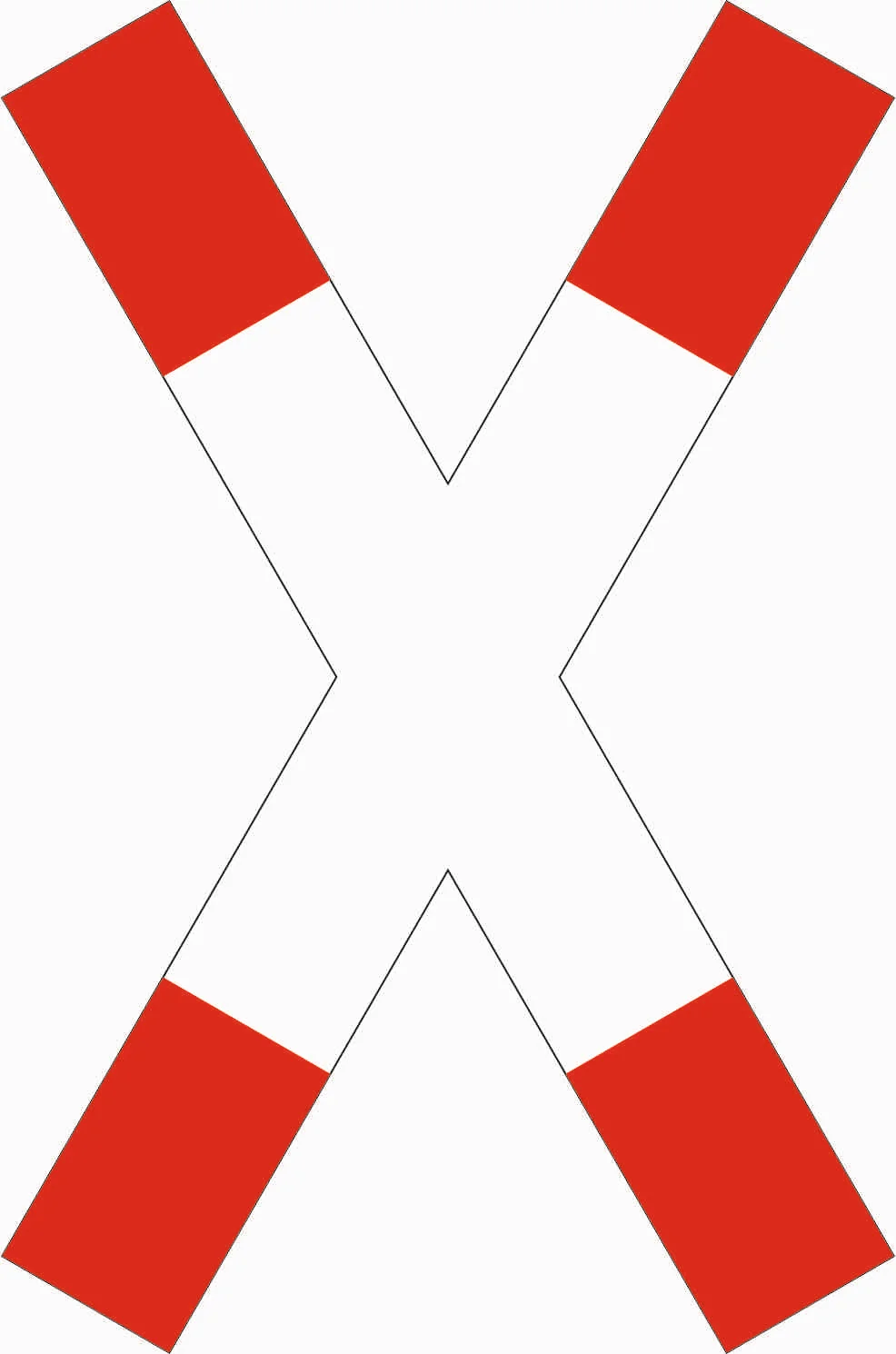
Master the Standing Railway Crossbuck (Andreaskreuz - stehend) Sign
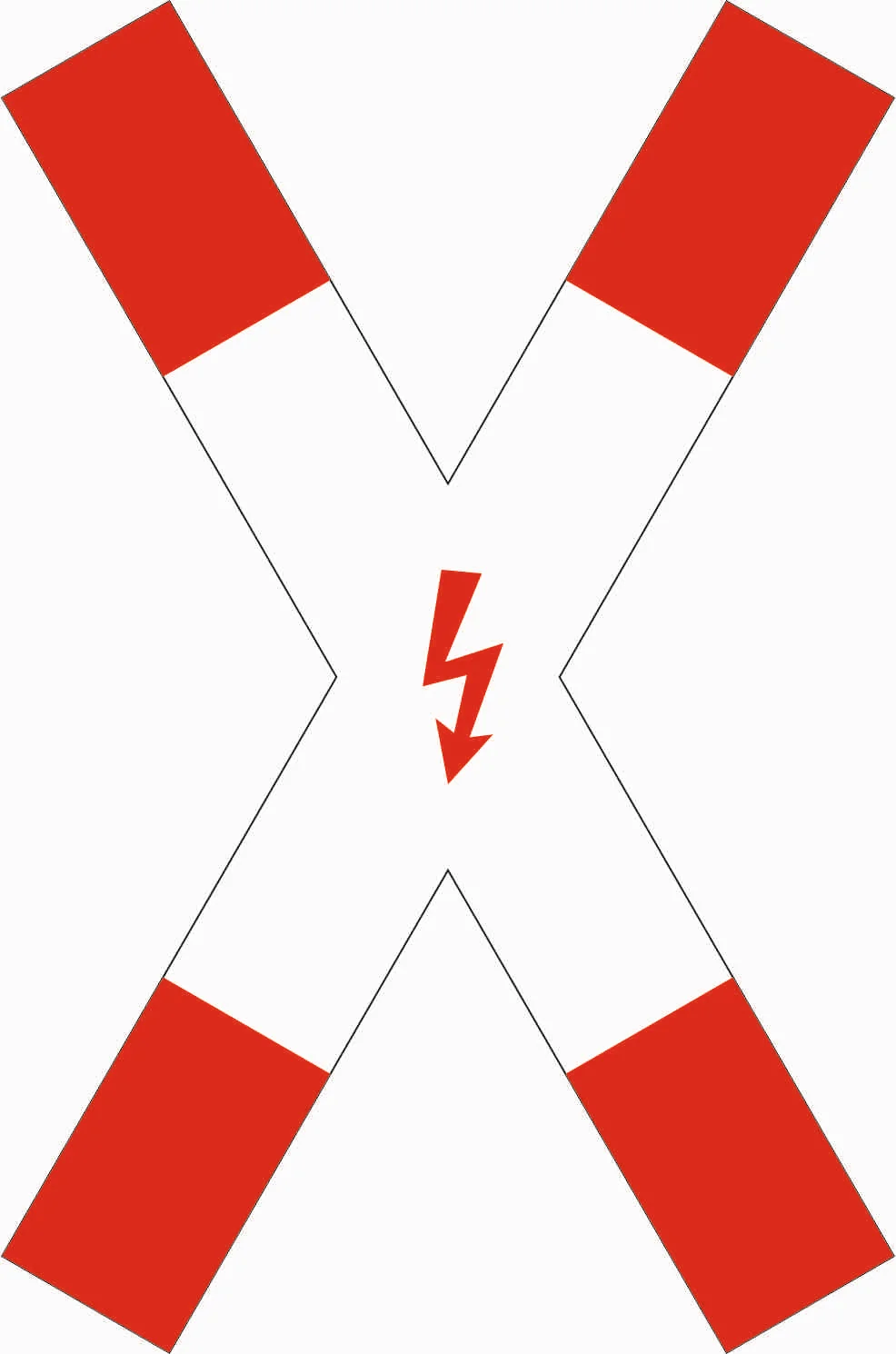
Understand the Railway Crossbuck with Blitzpfeil (Sign 201-51) in Germany
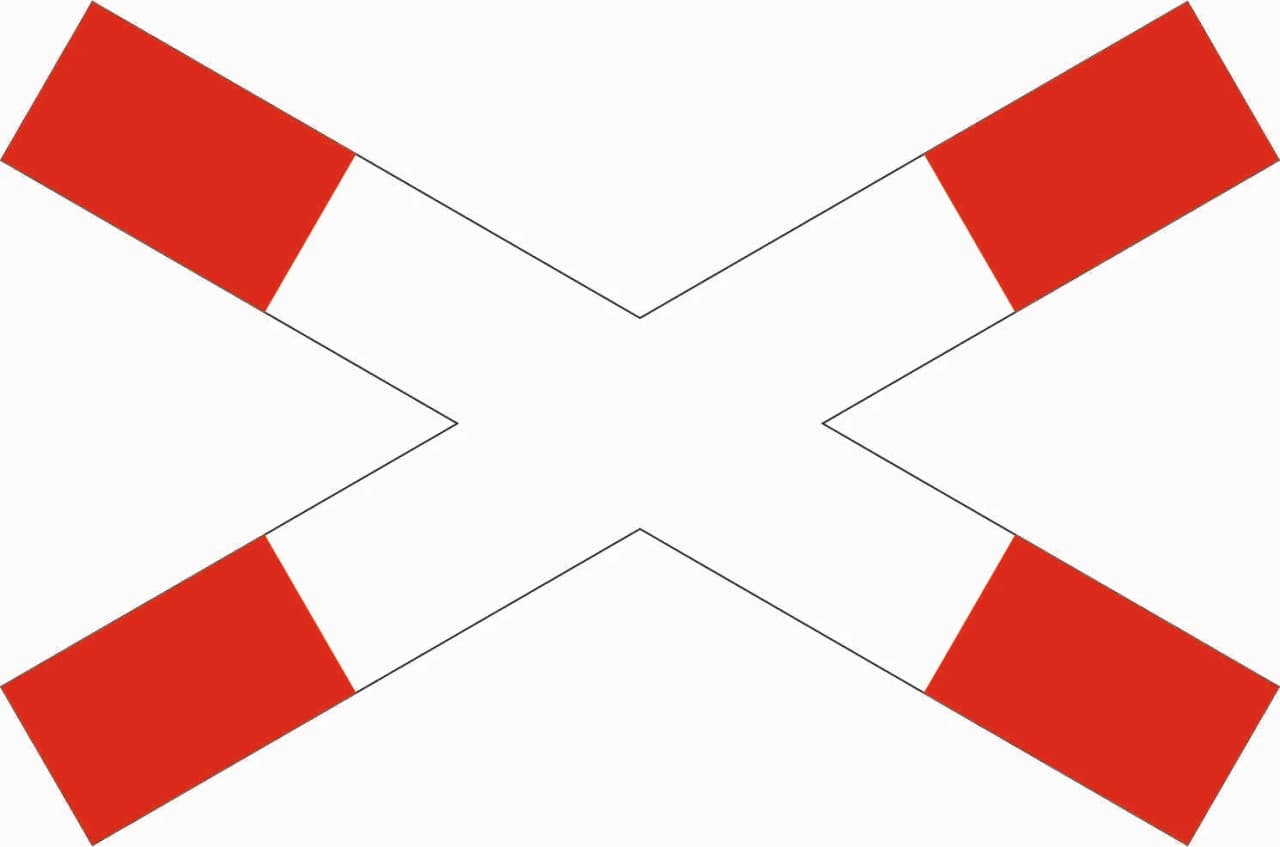
German road sign 201-52: The Railway Crossbuck 'Andreaskreuz - liegend'
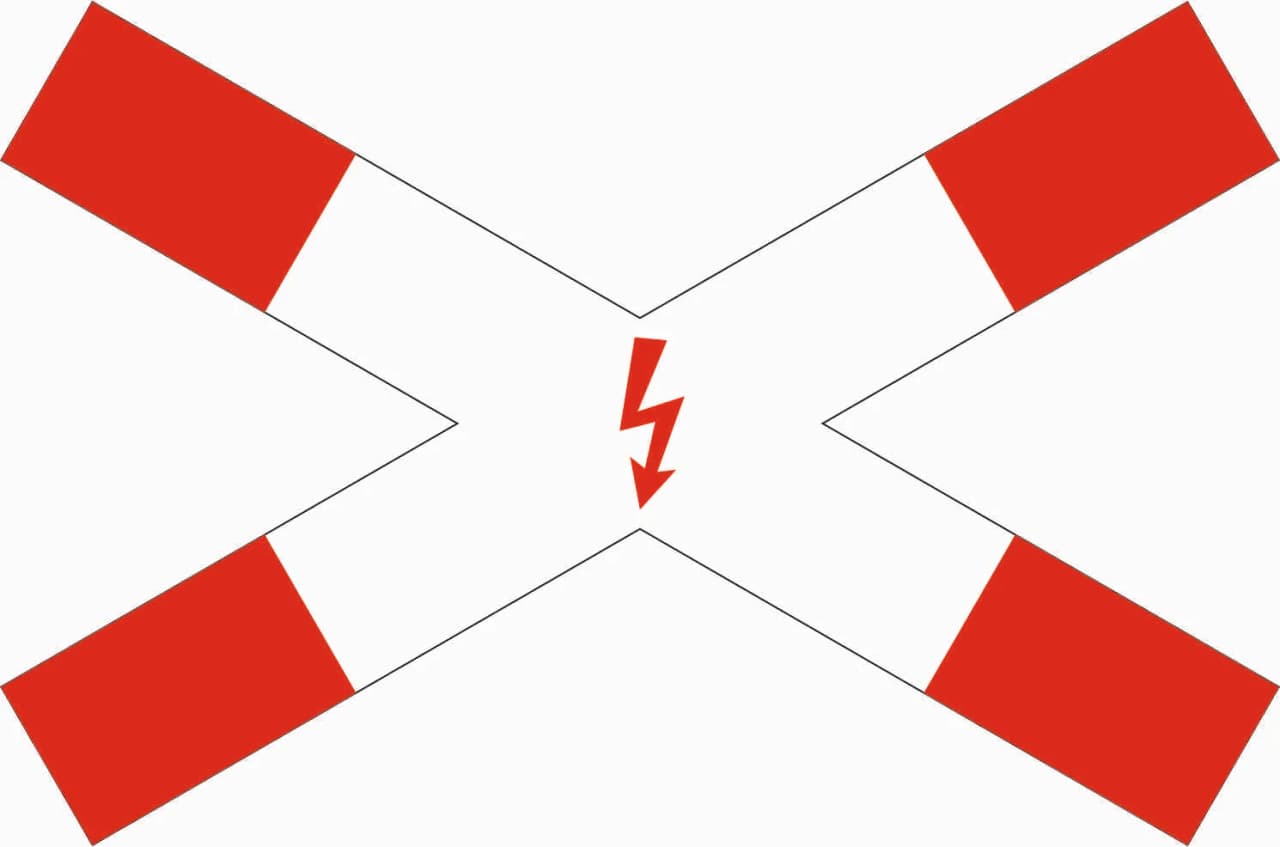
Germany's Railway Crossbuck Sign 201-53 with Blitzpfeil: What You Need to Know
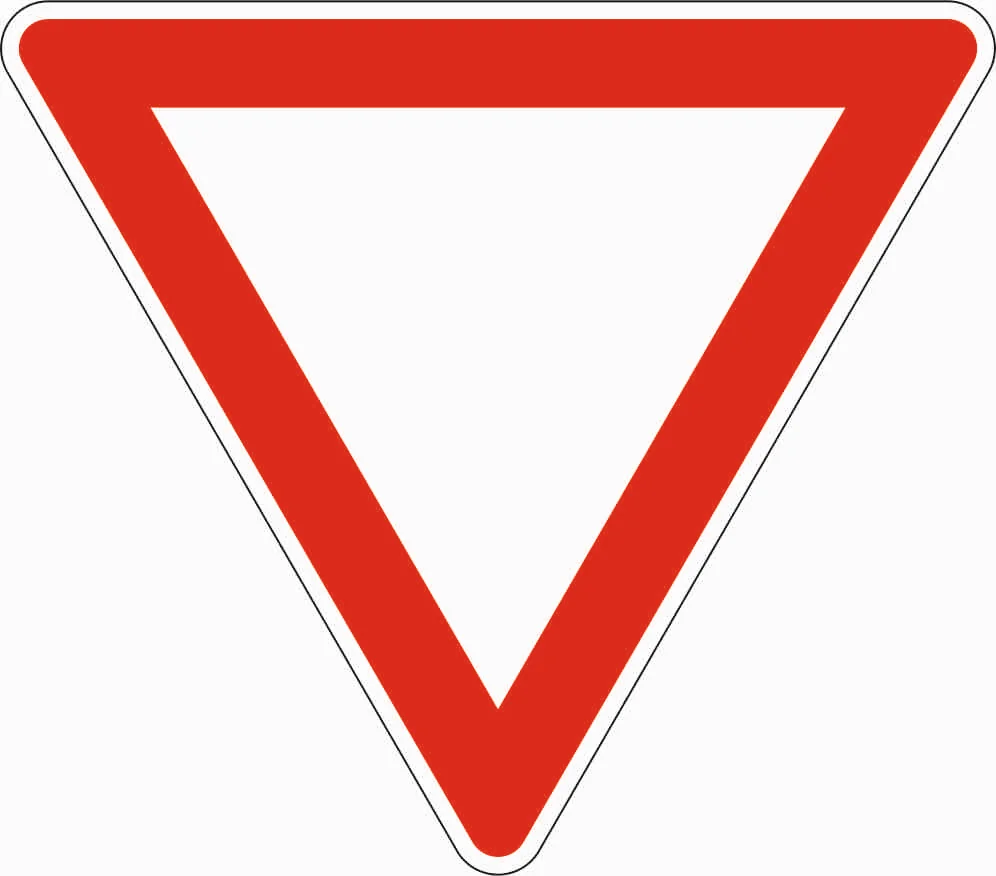
Understand the German "Yield" Sign (Sign 205 - Vorfahrt gewähren)
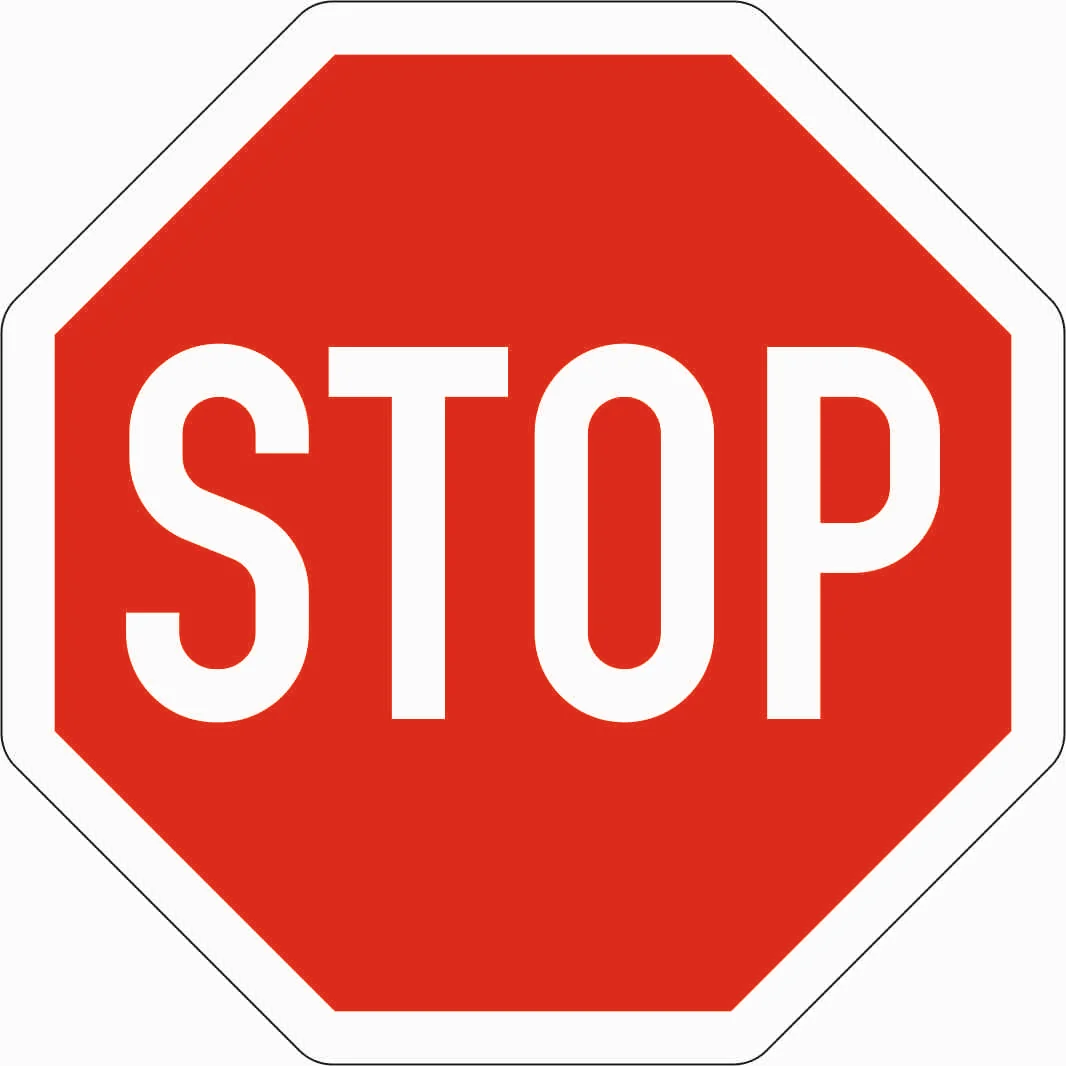
Sign 206: Stop and Yield – You must stop and give way
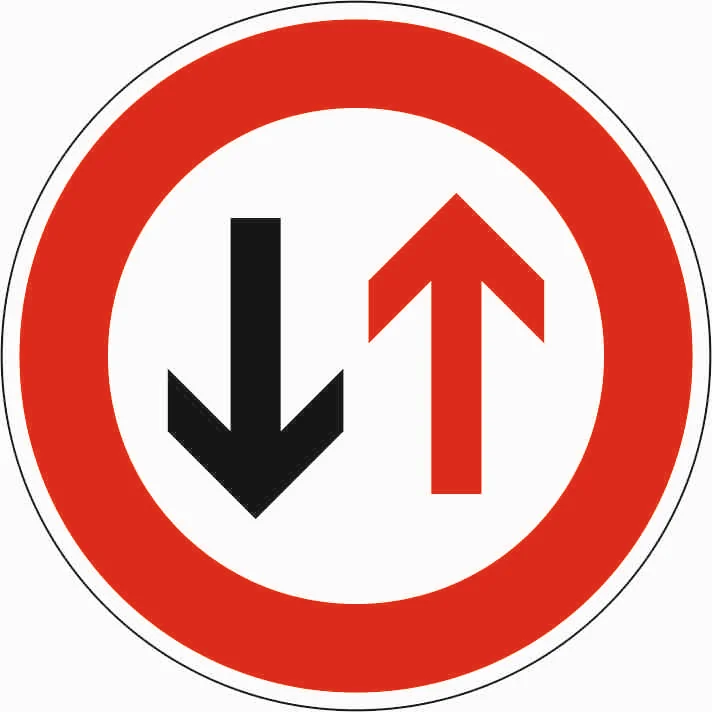
Sign 208: You Must Yield to Oncoming Traffic on This Road
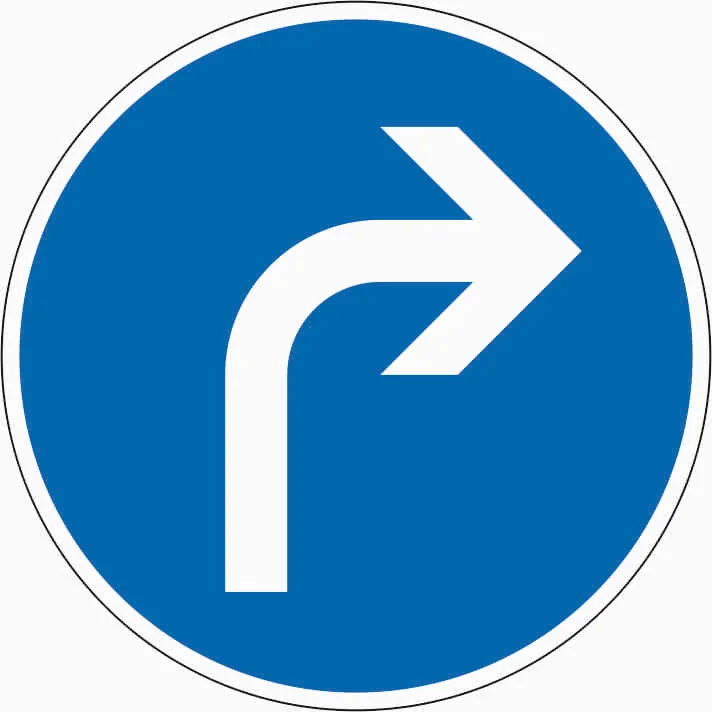
Mandatory Direction - Right: Sign 209 Explained
Deepen your understanding of specific road sign categories or test your knowledge with practice questions. Explore our themed sign groups for targeted study or jump into quizzes to reinforce your recognition skills for the official German theory exam.
All German Road Signs List