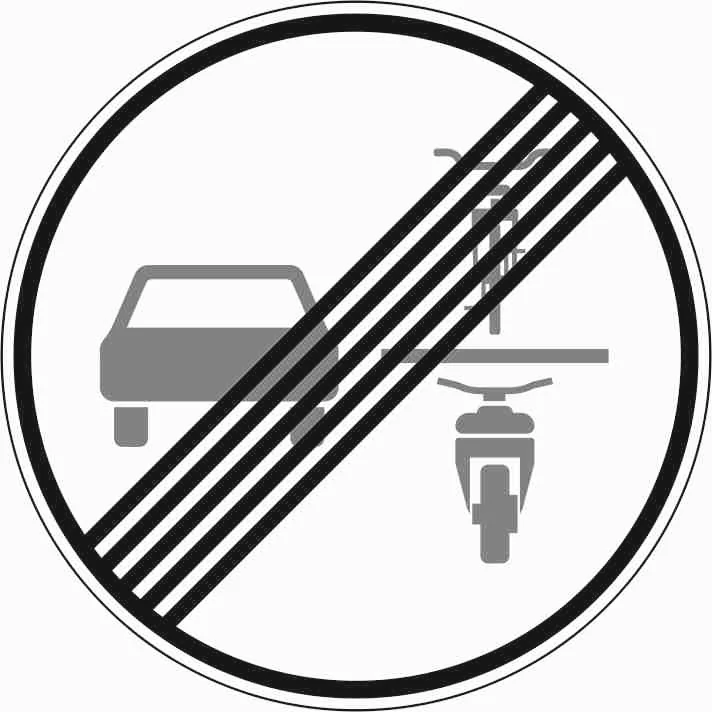
German traffic sign 281.1 marks the end of a specific prohibition: multi-track motor vehicles and motorcycles with sidecars may now overtake single-track vehicles again. This regulatory sign, part of the 'Regulatory Signs' group (though N/A here), indicates that a previously enforced restriction no longer applies. Always be mindful of the specific context, road markings, and any supplementary signs, as they can modify how this cancellation is applied. Pay close attention as you approach this sign to ensure you resume overtaking legally and safely.
Hide the name and meaning, look at the sign and check whether you know what it means.
This German regulatory sign 281.1 signals the end of a specific overtaking ban, meaning you can now overtake single-track vehicles again. Mastering road sign meaning and traffic sign explanation is crucial for your German driving theory test revision and safe driving.
German road sign 281.1, officially designated "Ende des Verbot des Überholens von einspurigen Fahrzeugen für mehrspurige Kraftfahrzeuge und Krafträdern mit Beiwagen", belongs to the regulatory signs group. It assigns a required direction, lane, route, or traffic area and must be followed from the point where the sign applies. You may see it in junctions, restricted streets, cycle and pedestrian facilities, parking areas, low-emission zones, and roads with binding lane or speed rules, depending on how the road authority has arranged the location. An end version marks the point where that specific rule, facility, or marked section ceases to apply. The practical meaning is not just the symbol itself, but the driving decision it triggers: adjust speed, position, priority, route choice, stopping behaviour, or attention before the situation becomes urgent. For learners, the key skill is knowing whether the sign commands, forbids, limits, or cancels a rule. Always combine the sign with road markings, traffic lights, police instructions, and any supplementary plates at the same location.
German road sign 281.1 means "End No overtaking of single-track vehicles by multi-track motor vehicles and motorcycles with sidecars" and is officially listed as "Ende des Verbot des Überholens von einspurigen Fahrzeugen für mehrspurige Kraftfahrzeuge und Krafträdern mit Beiwagen". In practice, it tells drivers to recognise the situation early, adapt before reaching the controlled area, and check whether markings or supplementary plates change how the rule applies.
Get clear, practical answers to the most common questions about the 281.1 - End No overtaking of single-track vehicles by multi-track motor vehicles and motorcycles with sidecars road sign. Learn how the sign works, what rules it represents, and how it affects real driving situations. This FAQ strengthens your understanding and supports accurate decision making for the German driving theory exam in Germany.
Sign 281.1 signifies the end of a specific overtaking ban. It means that multi-track motor vehicles and motorcycles with sidecars are now permitted to overtake single-track vehicles, where previously they were not allowed to. Always check for any supplementary signs that might alter this condition.
Before encountering sign 281.1, you were likely under a prohibition preventing multi-track motor vehicles and motorcycles with sidecars from overtaking single-track vehicles. Sign 281.1 cancels this specific restriction.
Upon seeing sign 281.1, you can resume overtaking single-track vehicles with your multi-track vehicle or motorcycle with sidecar, provided no other signs or conditions prevent it. You should still assess the situation for safety, checking for oncoming traffic and clear visibility, just as you would for any overtaking manoeuvre.
Yes, always look for supplementary signs below sign 281.1. These could indicate that the ban is only lifted for certain types of vehicles, at specific times, or under particular road conditions. Road markings and general traffic rules also still apply.
Sign 281.1 specifically cancels a particular overtaking ban. It does not override general German traffic rules (StVO) regarding safe overtaking, such as ensuring you have enough space, clear visibility, and are not endangering others. Always adhere to the standard safety procedures for overtaking.
A common trap is assuming that because the specific ban is lifted, overtaking is always safe. Learners might forget to check for other, general prohibitions or hazardous conditions. It's crucial to remember that sign 281.1 only cancels one specific rule, not all rules related to overtaking.
A clear reference image of the 281.1 - End No overtaking of single-track vehicles by multi-track motor vehicles and motorcycles with sidecars road sign used in Germany.
The 281.1 - End No overtaking of single-track vehicles by multi-track motor vehicles and motorcycles with sidecars road sign may also be known by these alternative names or terms.
The 281.1 - End No overtaking of single-track vehicles by multi-track motor vehicles and motorcycles with sidecars road sign is part of the German Regulatory Signs category, which groups together signs with similar rules and functions.
Comparing signs like 'End No overtaking' variants helps solidify understanding and prevent common errors during your German driving theory test. Effective traffic sign comparison sharpens recognition and aids accurate recall, crucial for exam preparation.
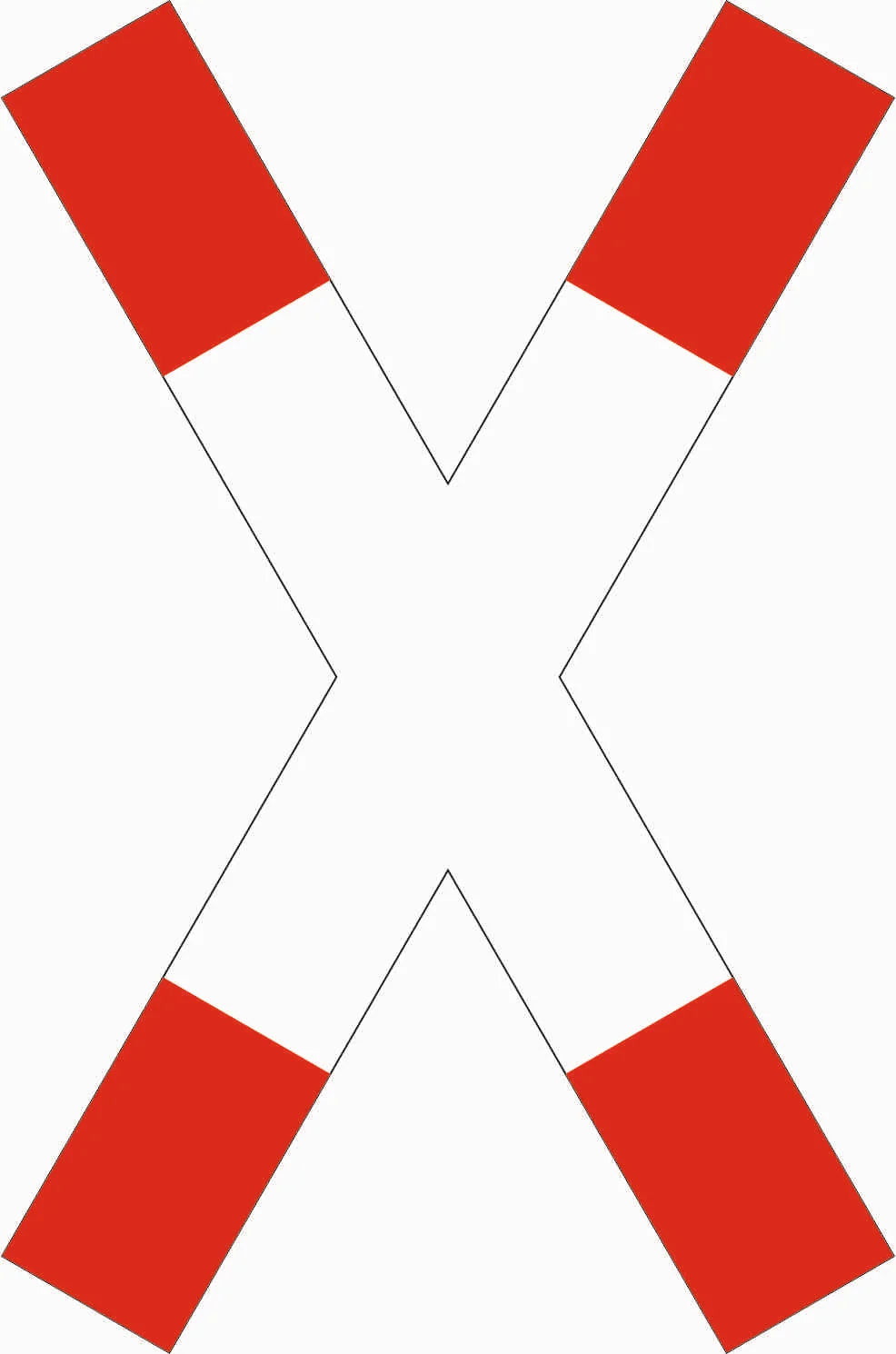
Master the Standing Railway Crossbuck (Andreaskreuz - stehend) Sign
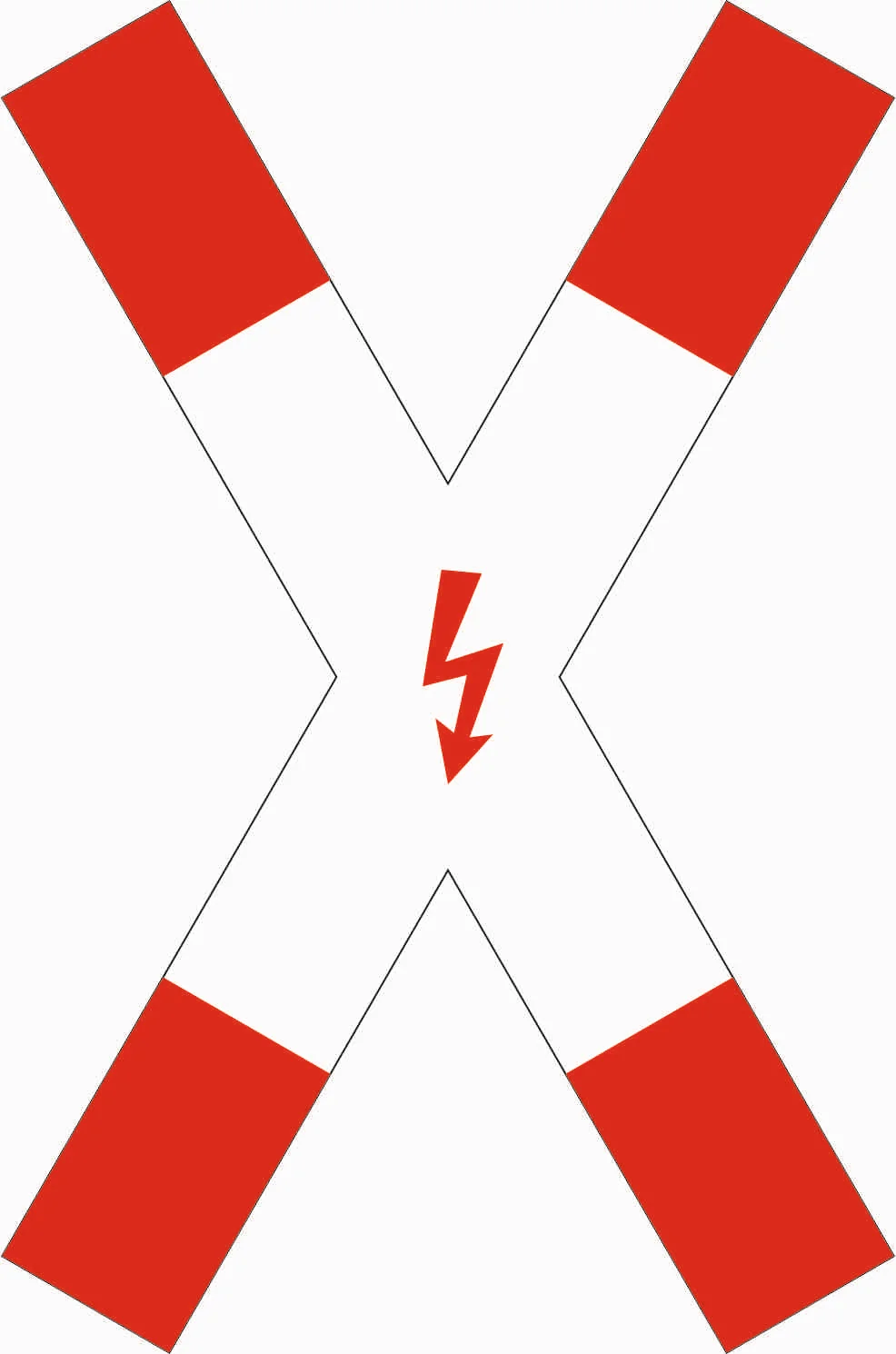
Understand the Railway Crossbuck with Blitzpfeil (Sign 201-51) in Germany
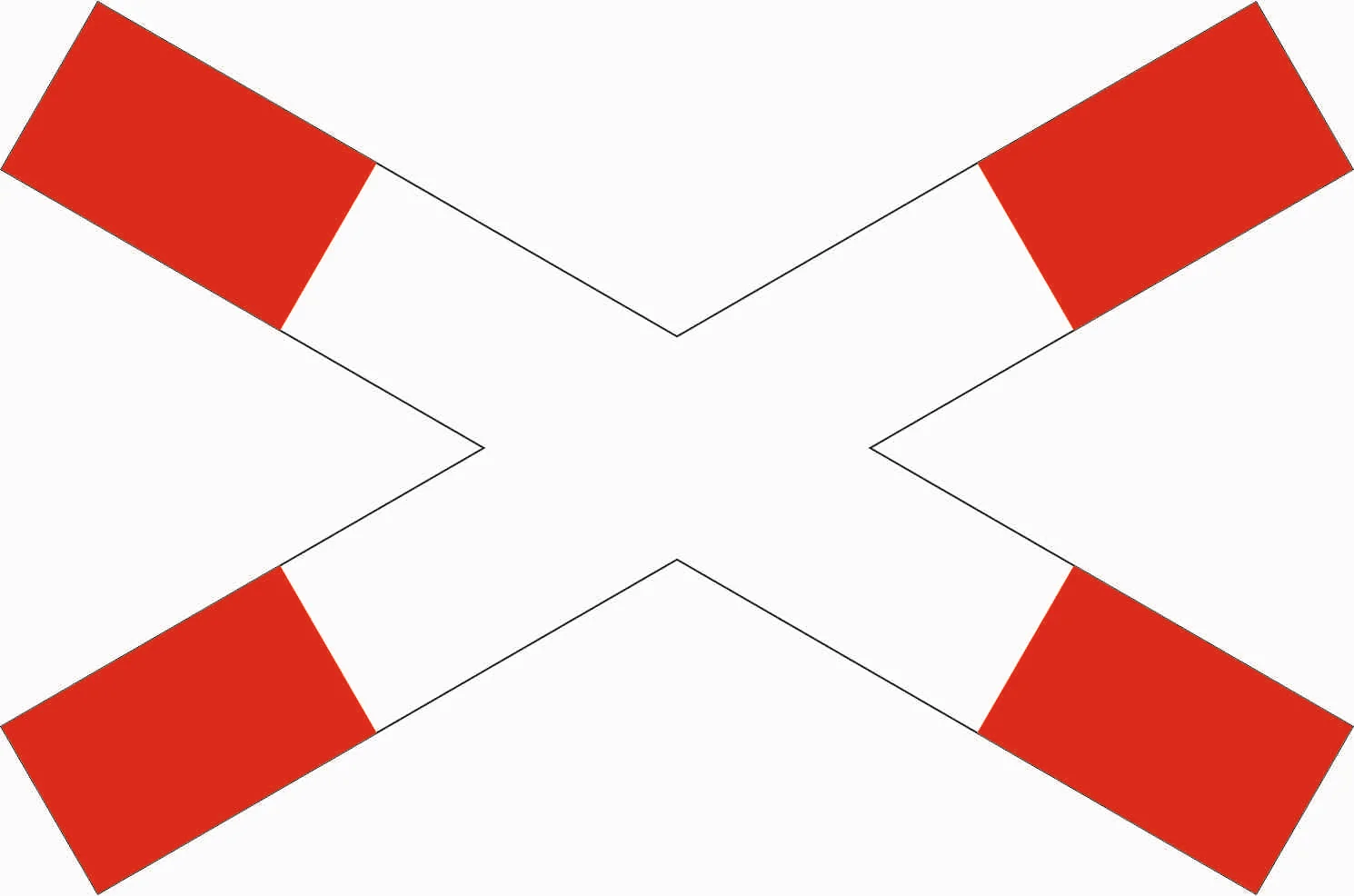
German road sign 201-52: The Railway Crossbuck 'Andreaskreuz - liegend'
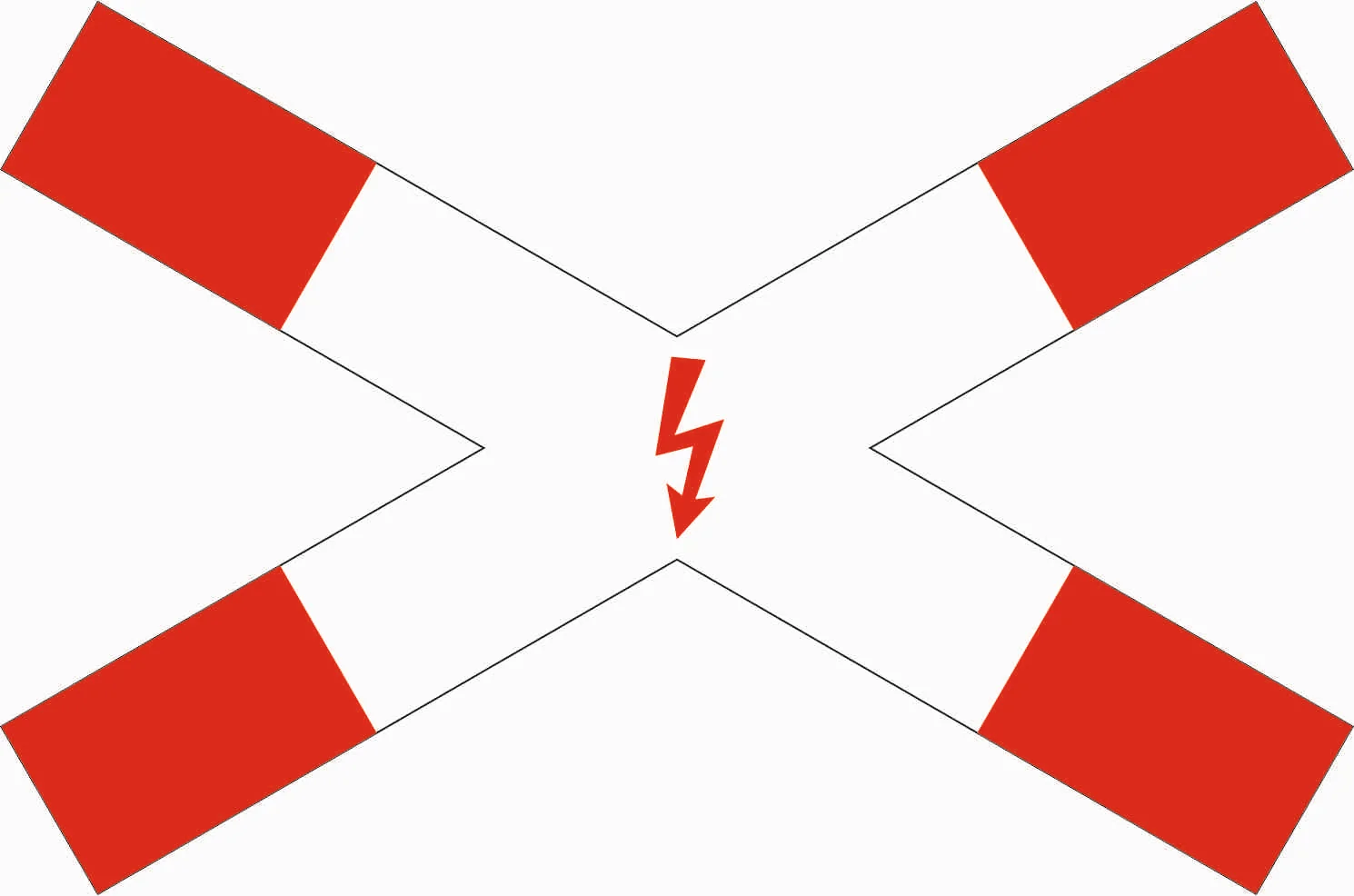
Germany's Railway Crossbuck Sign 201-53 with Blitzpfeil: What You Need to Know
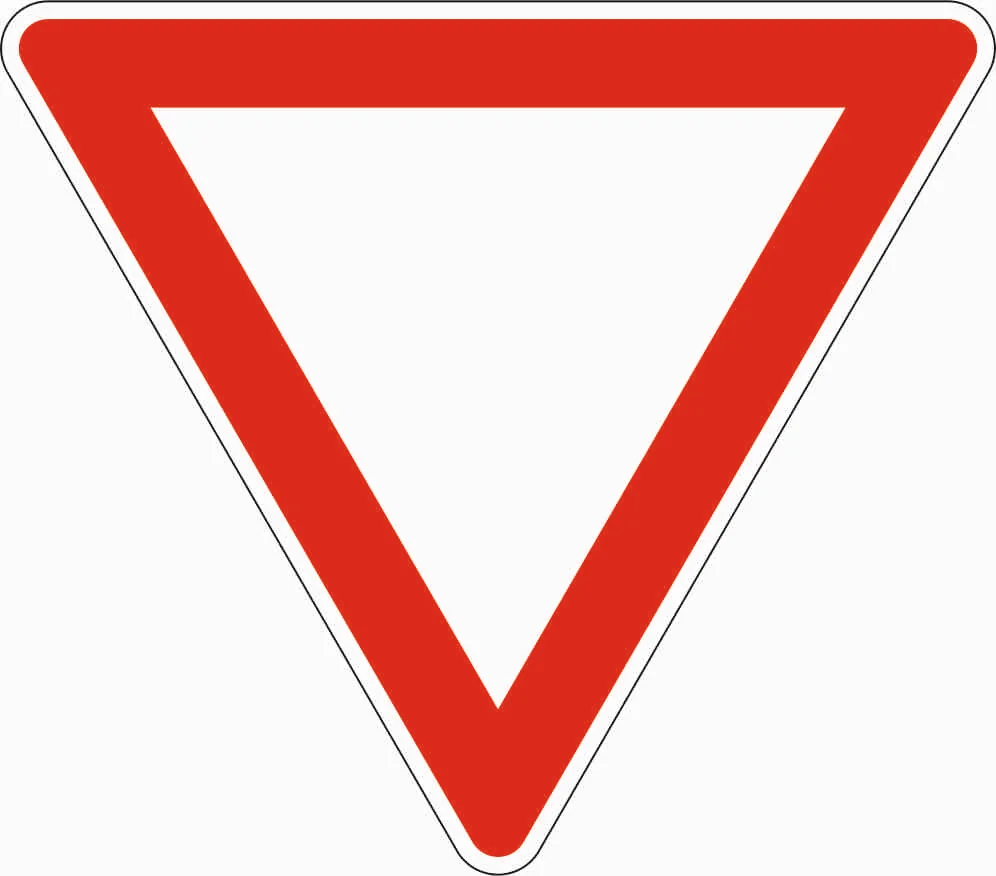
Understand the German "Yield" Sign (Sign 205 - Vorfahrt gewähren)

Sign 206: Stop and Yield – You must stop and give way
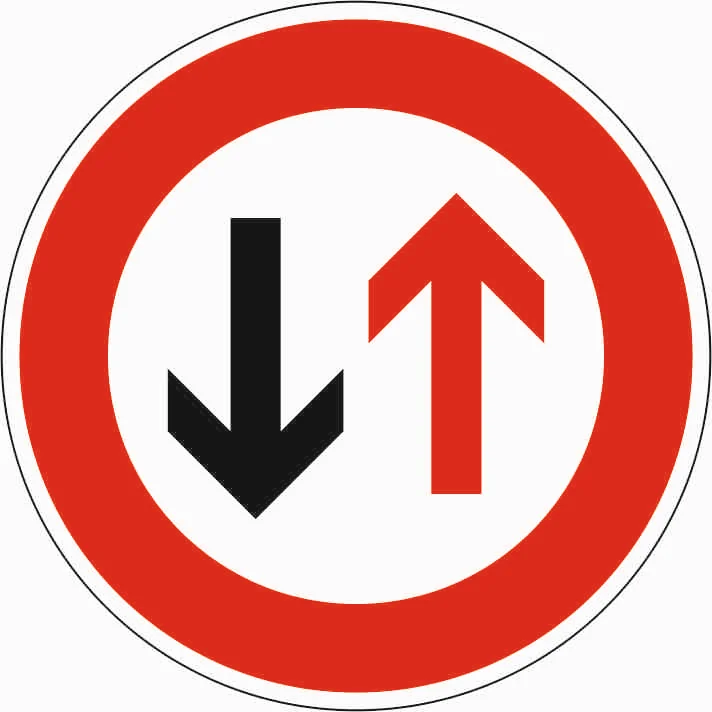
Sign 208: You Must Yield to Oncoming Traffic on This Road
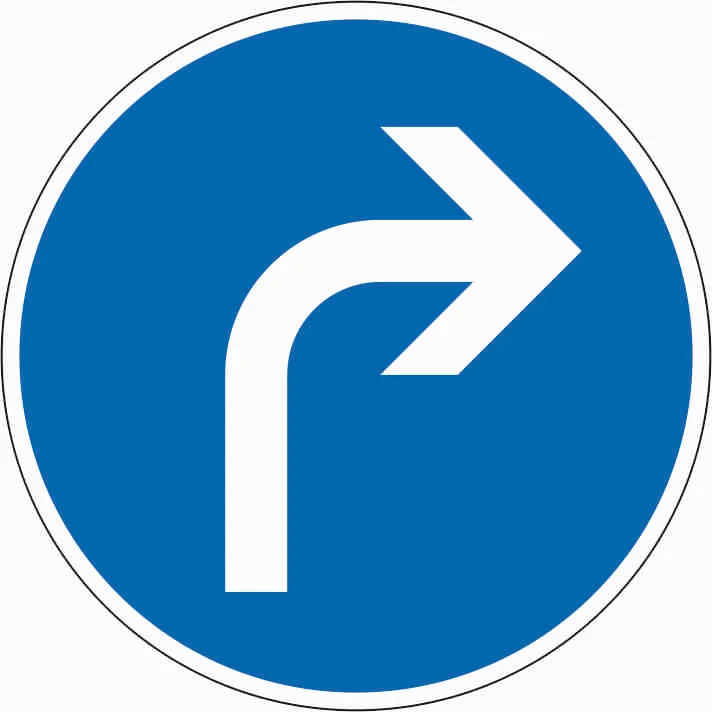
Mandatory Direction - Right: Sign 209 Explained
Deepen your understanding of these specific road markings by exploring related traffic rules and situational hazard perception exercises. Applying the official StVO regulations ensures you recognize critical signage accurately during your theory test.
Selecting the right driving school is a foundational step in your journey to obtaining a German driver's licence. This article outlines how to assess potential schools by considering the official Fahrschüler-Ausbildungsordnung alongside subjective indicators of teaching quality and organizational structure to help you prepare effectively for your theory and practical tests.
Master the rules for German Autobahn service areas and rest stops.
Obtaining a driver's license in Germany through an intensive course requires careful planning and an understanding of the mandatory curriculum. This guide breaks down the balance between theory sessions and practical training, helping you navigate the complexities of booking lessons and exam slots in busy urban areas. You will gain insight into the necessary legal steps to ensure your training effectively prepares you for the official German theory and practical driving tests.
Stay Safe and Legal: Navigate German Roads with Confidence in Any Weather.
German road sign 286-11, officially designated "Eingeschränktes Haltverbot - Ende - Aufstellung links", belongs to the regulatory signs group. It creates a binding restriction or prohibition that applies until it is cancelled, replaced, or limited by a supplementary plate. You may see it in junctions, restricted streets, cycle and pedestrian facilities, parking areas, low-emission zones, and roads with binding lane or speed rules, depending on how the road authority has arranged the location. This left-side version is used where the sign is placed on the left side of the carriageway or where a mirrored symbol fits the approach direction. An end version marks the point where that specific rule, facility, or marked section ceases to apply. Any left reference should be read as part of the direction, road side, lane arrangement, or placement shown by the sign. The practical meaning is not just the symbol itself, but the driving decision it triggers: adjust speed, position, priority, route choice, stopping behaviour, or attention before the situation becomes urgent. For learners, the key skill is knowing whether the sign commands, forbids, limits, or cancels a rule. Always combine the sign with road markings, traffic lights, police instructions, and any supplementary plates at the same location.
German road sign 550-21, officially designated "Zusammenführungstafel - an durchgehender Strecke - 2-streifig plus 1 Fahrstreifen von rechts", belongs to the traffic control boards group. It shows how lanes are arranged, shifted, narrowed, separated, or merged, usually before a roadworks or high-speed lane-change area. You may see it in motorways, multilane roads, temporary roadworks, lane closures, lane shifts, merge areas, and construction-stage traffic management, depending on how the road authority has arranged the location. An end version marks the point where that specific rule, facility, or marked section ceases to apply. Any right reference should be read as part of the direction, road side, lane arrangement, or placement shown by the sign. The practical meaning is not just the symbol itself, but the driving decision it triggers: adjust speed, position, priority, route choice, stopping behaviour, or attention before the situation becomes urgent. For learners, the key skill is translating the arrows into early lane choice rather than reacting at the last moment. Always combine the sign with road markings, traffic lights, police instructions, and any supplementary plates at the same location.
Deepen your understanding of specific road sign categories or test your knowledge with practice questions. Explore our themed sign groups for targeted study or jump into quizzes to reinforce your recognition skills for the official German theory exam.
All German Road Signs List