
Navigating Iceland's roads requires awareness of unique hazards like water-filled ruts and the risk of hydroplaning. This guide will equip you with the knowledge to identify these dangers and apply essential safety techniques, such as the 'no-brake' rule for aquaplaning, to ensure you pass your theory exam and drive safely in all conditions.
Article content overview
Driving in Iceland presents unique challenges, especially concerning road conditions that can catch even experienced drivers off guard. Among the most critical hazards to understand for both your safety and success in the Icelandic theory exam are road ruts, locally known as 'hjólför', and the dangerous phenomenon of hydroplaning, or 'vatnsplan'. These are not merely theoretical concepts; they are real-world risks that demand specific knowledge and safe driving practices. This article will delve into what hjólför are, how they contribute to vatnsplan, and the essential techniques you need to master to navigate them safely, ensuring you are well-prepared for the Icelandic driving theory test.
Many of Iceland's roads, particularly those outside of the main Ring Road, are paved with asphalt that can deteriorate over time, forming distinct channels or grooves known as 'hjólför'. These ruts are created by the repeated passage of vehicle tires, especially under heavy load or in varying weather conditions. While they might seem like a minor inconvenience, hjólför can become significant hazards, especially during periods of heavy rainfall or rapid snowmelt.
The primary danger associated with hjólför is their tendency to collect and hold standing water. During rain, these grooves act like miniature channels, accumulating water that would otherwise disperse across a smoother road surface. This standing water creates a treacherous environment where the risk of hydroplaning dramatically increases, compromising your vehicle's control and significantly extending your braking distances. Even at moderate speeds, driving through water-filled hjólför can lead to a dangerous loss of traction.
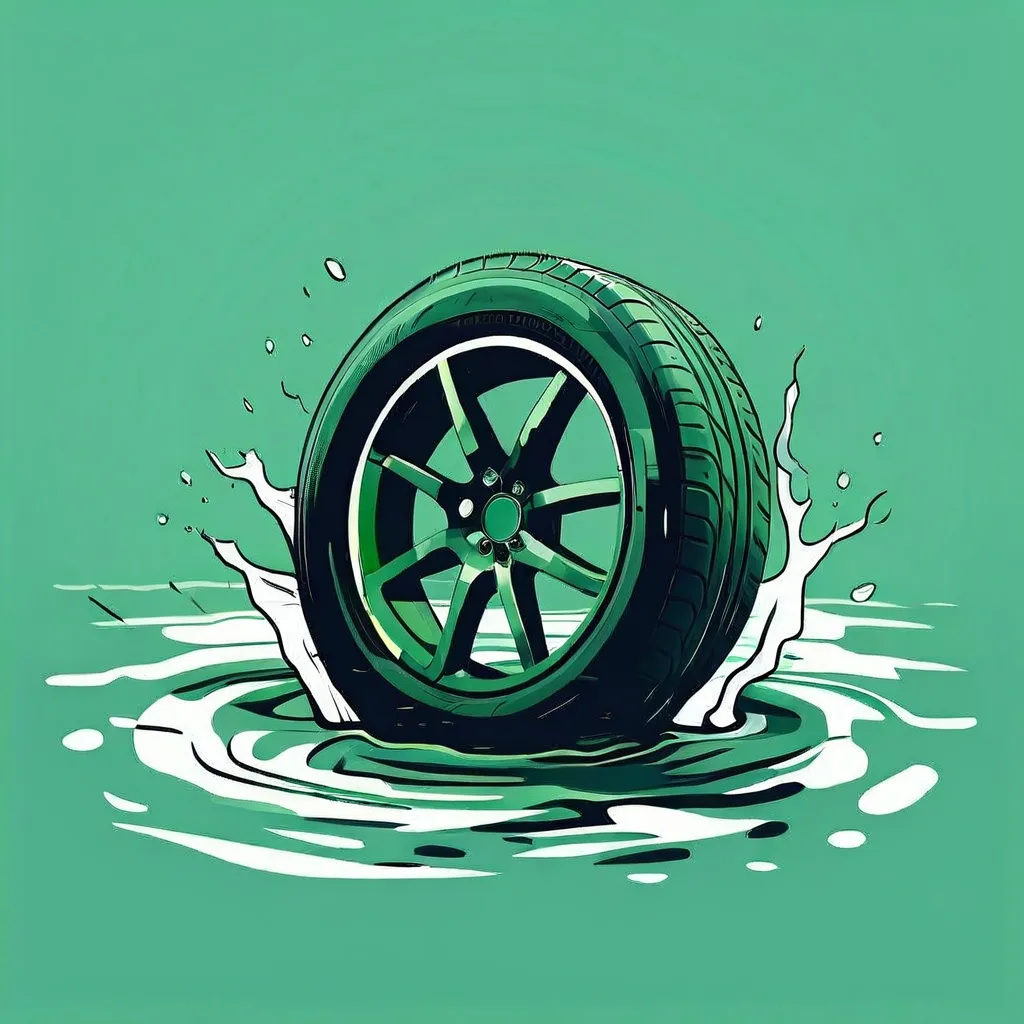
Hydroplaning, or 'vatnsplan' in Icelandic, occurs when a layer of water builds up between your vehicle's tires and the road surface. Instead of the tire treads directly contacting the asphalt, they are lifted off by a film of water, leading to a complete or partial loss of grip. When this happens, you lose steering control, braking effectiveness, and acceleration. The sensation can be alarming, with the steering wheel feeling unusually light and unresponsive.
Several factors contribute to the likelihood of hydroplaning. The most significant is the presence of standing water, often found in those troublesome hjólför. However, tire condition also plays a crucial role. Worn tires with insufficient tread depth cannot effectively channel water away from the contact patch, making them much more susceptible to hydroplaning. Additionally, speed is a major determinant; the faster you are driving, the more likely it is that your tires will be lifted by the water.
Hydroplaning, or vatnsplan, is a dangerous condition where a layer of water prevents the tires of a vehicle from making direct contact with the road surface, resulting in a loss of traction and control.
Given Iceland's often unpredictable weather, understanding how to drive safely on wet roads, especially those with hjólför, is paramount. The Icelandic Transport Authority (Samgöngustofa) and resources like Safetravel.is emphasize proactive measures and appropriate reactions.
Before setting off, it is always advisable to check current weather and road conditions. Websites like www.safetravel.is provide vital information, including special weather alerts and road conditions. When driving in conditions where rain is expected or present, and you anticipate encountering ruts, slowing down is the most critical proactive step. Avoid driving directly in the centre of deep ruts if possible; if the road surface allows, try to position your vehicle on a less waterlogged part of the lane.
Crucially, the condition of your tires cannot be overstated. While the legal minimum tread depth in Iceland for summer tires is 1.6 mm, this is often insufficient for the country's wet conditions. Many experts and experienced drivers recommend a deeper tread for enhanced safety during rainy seasons or on frequently wet roads. Ensuring your tires have adequate tread depth is a fundamental preventative measure against hydroplaning.
If you do find yourself hydroplaning, your immediate instinct might be to slam on the brakes. However, this is precisely the wrong action to take and a common trap tested in the Icelandic theory exam. Braking while hydroplaning will only exacerbate the loss of control, as your wheels will continue to slide without any grip.
The correct procedure is to remain calm and implement the 'no-brake' rule. This involves:
Once you feel the tires reconnect with the asphalt, you can then gently reapply acceleration or braking as needed, always being mindful of your speed and the road conditions.
The connection between tire tread depth and the ability to prevent hydroplaning is direct and critical, especially in Iceland. The tread on your tires is designed to perform several functions, one of the most important being the displacement of water. Deep grooves and sipes in the tread pattern work together to channel water away from the tire's contact patch with the road. When the tread is worn down, these channels become shallower, reducing their capacity to displace water effectively.
In Iceland, where drivers frequently encounter wet roads due to persistent rain, melting snow, and fog, having tires with sufficient tread depth is not just about legal compliance; it's about maintaining essential safety margins. Driving with tires below the recommended depth significantly increases the risk of hydroplaning, even at speeds that might otherwise be considered safe on a dry surface. The Icelandic theory exam often assesses an understanding of this relationship, probing whether candidates grasp the importance of maintaining their tires for all weather conditions.
For driving in Iceland, particularly during the wetter seasons or on roads known for accumulating water, consider using tires with a tread depth greater than the legal minimum of 1.6 mm for summer tires. A tread depth of around 3-4 mm provides a significantly better margin of safety against hydroplaning.
The Icelandic driving theory exam, administered by Samgöngustofa, frequently includes questions designed to test your understanding of specific road conditions and hazard management techniques applicable to Iceland. Expect scenarios that involve:
Understanding the Icelandic terminology like 'hjólför' and 'vatnsplan' will also be beneficial, as questions may incorporate these terms to reflect real-world Icelandic driving contexts.
While not directly related to ruts or hydroplaning, understanding priority signs like the Pedestrian Crossing (C5) is part of comprehensive road awareness tested in the theory exam.
Mastering the nuances of driving in Iceland, particularly concerning hazards like hjólför and vatnsplan, is essential for safe travel and for achieving success in your theory exam. By understanding how road ruts collect water, recognizing the signs of hydroplaning, and diligently applying the 'no-brake' rule, you can significantly mitigate the risks involved. Always prioritize checking road and weather conditions, maintain your tires in good condition with adequate tread depth, and be prepared to adjust your speed according to the prevailing circumstances. Safe driving is proactive driving, and with the knowledge gained from resources like the Icelandic Driving License Theory app and official guidance, you can confidently navigate Iceland's unique road network.
Iceland's roads present unique hazards through water-collecting ruts (hjólför) that lead to hydroplaning (vatnsplan), a dangerous condition where tires lose all contact with the road surface. The critical response is the no-brake rule: maintain gentle steering, ease off the accelerator, and wait for tires to regain grip. Proper tire tread depth is non-negotiable for safety—Iceland's wet conditions demand deeper treads than the 1.6mm legal minimum to effectively channel water away. The theory exam will test your understanding of these specific Icelandic conditions and the correct reaction techniques.
A short set of high-value points that capture the most important ideas from this article.
Road ruts (hjólför) collect standing water and dramatically increase the risk of hydroplaning
Hydroplaning (vatnsplan) eliminates tire contact with the road surface, causing total loss of steering and braking control
The no-brake rule is essential: do not brake, ease off the accelerator, and steer gently until tires reconnect
Tire tread depth must exceed the legal minimum of 1.6mm for effective water displacement in wet Icelandic conditions
Speed must be significantly reduced when driving through water-filled ruts to prevent hydroplaning
During hydroplaning, never apply brakes as this worsens the loss of control
The Icelandic terms hjólför (road ruts) and vatnsplan (hydroplaning) may appear on the theory exam
Worn tires with insufficient tread cannot channel water away, making hydroplaning far more likely
Check Safetravel.is before driving to assess current road and weather conditions
Steer in the direction you want to go while gently easing off the accelerator during hydroplaning
Braking immediately when hydroplaning, which eliminates what little traction remains
Assuming speed limits are safe in wet conditions with visible ruts
Driving with tires at only the legal minimum tread depth (1.6mm) during Iceland's wet seasons
Panicking and making sudden steering corrections instead of maintaining gentle control
Ignoring weather and road condition reports before setting off on a journey
Article content overview
A short set of high-value points that capture the most important ideas from this article.
Road ruts (hjólför) collect standing water and dramatically increase the risk of hydroplaning
Hydroplaning (vatnsplan) eliminates tire contact with the road surface, causing total loss of steering and braking control
The no-brake rule is essential: do not brake, ease off the accelerator, and steer gently until tires reconnect
Tire tread depth must exceed the legal minimum of 1.6mm for effective water displacement in wet Icelandic conditions
Speed must be significantly reduced when driving through water-filled ruts to prevent hydroplaning
During hydroplaning, never apply brakes as this worsens the loss of control
The Icelandic terms hjólför (road ruts) and vatnsplan (hydroplaning) may appear on the theory exam
Worn tires with insufficient tread cannot channel water away, making hydroplaning far more likely
Check Safetravel.is before driving to assess current road and weather conditions
Steer in the direction you want to go while gently easing off the accelerator during hydroplaning
Braking immediately when hydroplaning, which eliminates what little traction remains
Assuming speed limits are safe in wet conditions with visible ruts
Driving with tires at only the legal minimum tread depth (1.6mm) during Iceland's wet seasons
Panicking and making sudden steering corrections instead of maintaining gentle control
Ignoring weather and road condition reports before setting off on a journey
Explore related topics, search based questions, and concepts that learners often look up when studying Icelandic Ruts & Hydroplaning. These themes reflect real search intent and help you understand how this topic connects to wider driving theory knowledge in Iceland.
Find clear and practical answers to common questions learners often have about Icelandic Ruts & Hydroplaning. This section helps explain difficult points, remove confusion, and reinforce the key driving theory concepts that matter for learners in Iceland.
'Hjólför' are deep grooves in the road surface, often collecting water. 'Vatnsplan' is hydroplaning, where a layer of water between your tires and the road causes loss of grip, steering, and braking.
If you hydroplane, resist the urge to brake or sharply turn the wheel. Lift your foot off the accelerator, hold the steering wheel steady, and wait for the tires to regain traction with the road surface.
Adequate tire tread depth is crucial for dispersing water. While 1.6mm is the legal minimum, deeper tread is recommended for Iceland's often wet and challenging conditions to maintain grip.
Reduce speed before entering areas with standing water or deep ruts. Ensure your tires have good tread and avoid driving directly in deep ruts when it's raining. Maintain a safe distance from other vehicles.
Always check www.safetravel.is for current road conditions and special weather alerts before and during your journey.
Refine your driving theory knowledge by exploring more focused articles. Use our comprehensive search to find additional detailed explanations on any Icelandic road rule, traffic situation, or driving procedure to ensure complete readiness for your exam.