Navigate Iceland's roads with confidence by mastering traffic signs, signals, and road markings. This section covers the hierarchy of traffic control and specific Icelandic road features, ensuring you're fully prepared for the Samgöngustofa theory test and safe driving.
Develop a comprehensive understanding of the official traffic control hierarchy, including unique Icelandic road signs like the blind hill and single-lane bridge warnings. These verified guides help you interpret signals and markings to meet Samgöngustofa standards.
Navigate Iceland's unique road challenges by understanding essential warning signs like 'Blindhæð' (Blind Hill) and 'Bundið slitlag endar' (End of Paved Road). This guide explains how to react appropriately to limited visibility on blind crests and the critical need to reduce speed before transitioning to gravel surfaces, directly preparing you for hazard awareness on Icelandic roads and the theory exam.
Driving in Iceland presents unique challenges, especially concerning unexpected road conditions. This article will guide you through understanding critical warning signs like the 'Blindhæð' (Blind Hill) and 'Bundið slitlag endar' (End of Paved Road). Proper comprehension of these signs and the correct reactions are essential for safe driving and for demonstrating your knowledge of Icelandic traffic rules during your theory exam.
Navigate Iceland's roads confidently by mastering its prohibitory road signs, or 'Bannskilti'. This article details the meaning of circular signs with red borders, including crucial differences between 'No Entry' and 'Closed to All Traffic' signs. It also covers specific vehicle and weight restrictions important for anyone driving campers or venturing onto F-roads, ensuring you're prepared for the Icelandic theory exam.
Understand the crucial role of traffic signs, signals, and road markings in Icelandic traffic law. This category provides detailed explanations to help you prepare for your theory exam and drive safely according to Samgöngustofa standards.

Navigate Iceland's unique road challenges by understanding essential warning signs like 'Blindhæð' (Blind Hill) and 'Bundið slitlag endar' (End of Paved Road). This guide explains how to react appropriately to limited visibility on blind crests and the critical need to reduce speed before transitioning to gravel surfaces, directly preparing you for hazard awareness on Icelandic roads and the theory exam.
Updated on Jun 27, 2026

Driving in Iceland presents unique challenges, especially concerning unexpected road conditions. This article will guide you through understanding critical warning signs like the 'Blindhæð' (Blind Hill) and 'Bundið slitlag endar' (End of Paved Road). Proper comprehension of these signs and the correct reactions are essential for safe driving and for demonstrating your knowledge of Icelandic traffic rules during your theory exam.
Updated on Jun 27, 2026

Navigate Iceland's roads confidently by mastering its prohibitory road signs, or 'Bannskilti'. This article details the meaning of circular signs with red borders, including crucial differences between 'No Entry' and 'Closed to All Traffic' signs. It also covers specific vehicle and weight restrictions important for anyone driving campers or venturing onto F-roads, ensuring you're prepared for the Icelandic theory exam.
Updated on May 24, 2026
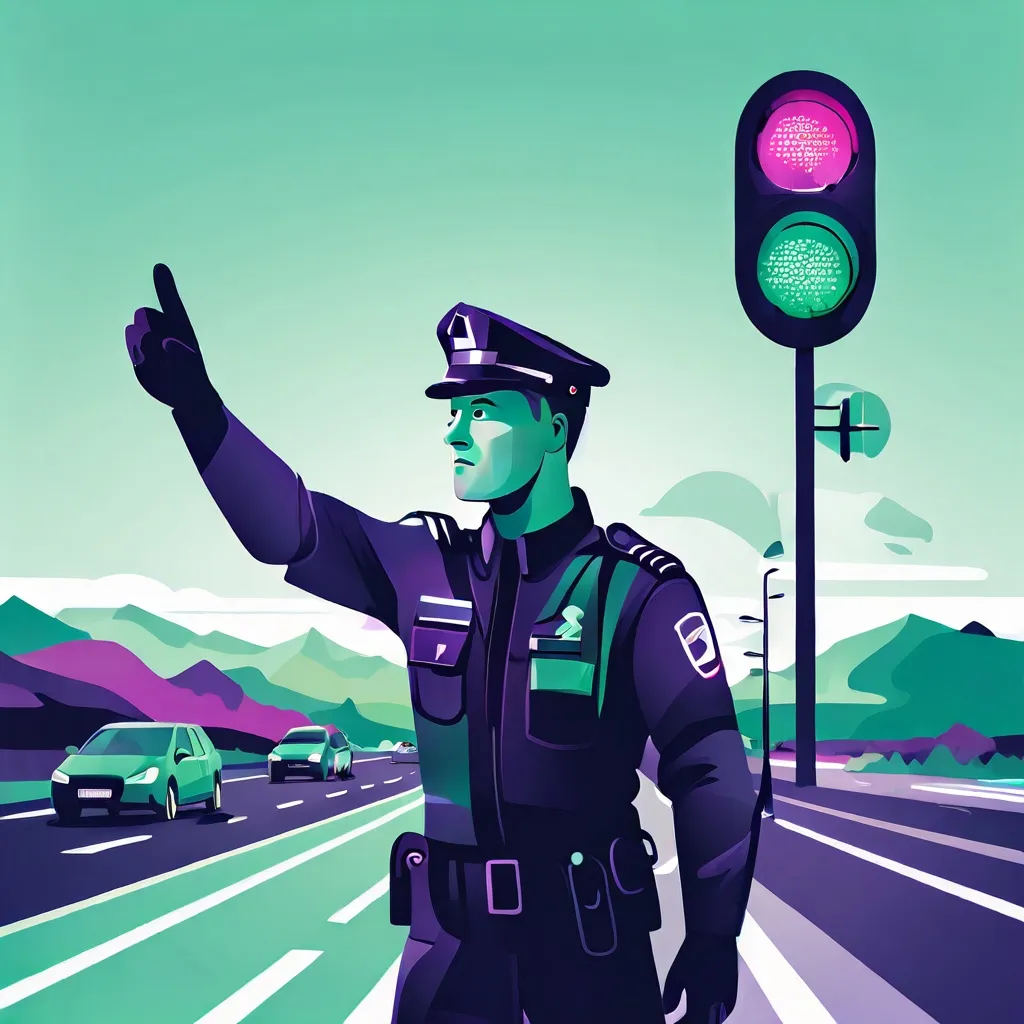
Navigating Icelandic roads requires understanding the hierarchy of traffic control. This article will explain why a police officer's direction is the supreme rule, overriding any traffic light or road sign. Mastering this concept is essential for both safe driving and succeeding in the Icelandic driving theory test administered by Samgöngustofa.
Updated on May 23, 2026

Downtown Reykjavik presents a unique challenge with its network of one-way streets, or 'Einstefna'. This guide will equip you with the knowledge to correctly interpret essential traffic signs like 'Bannaður innakstur' (No Entry) and differentiate them from mandatory direction signs. Understanding these specifics is vital for safe navigation and success in your Icelandic driving test.
Updated on May 12, 2026
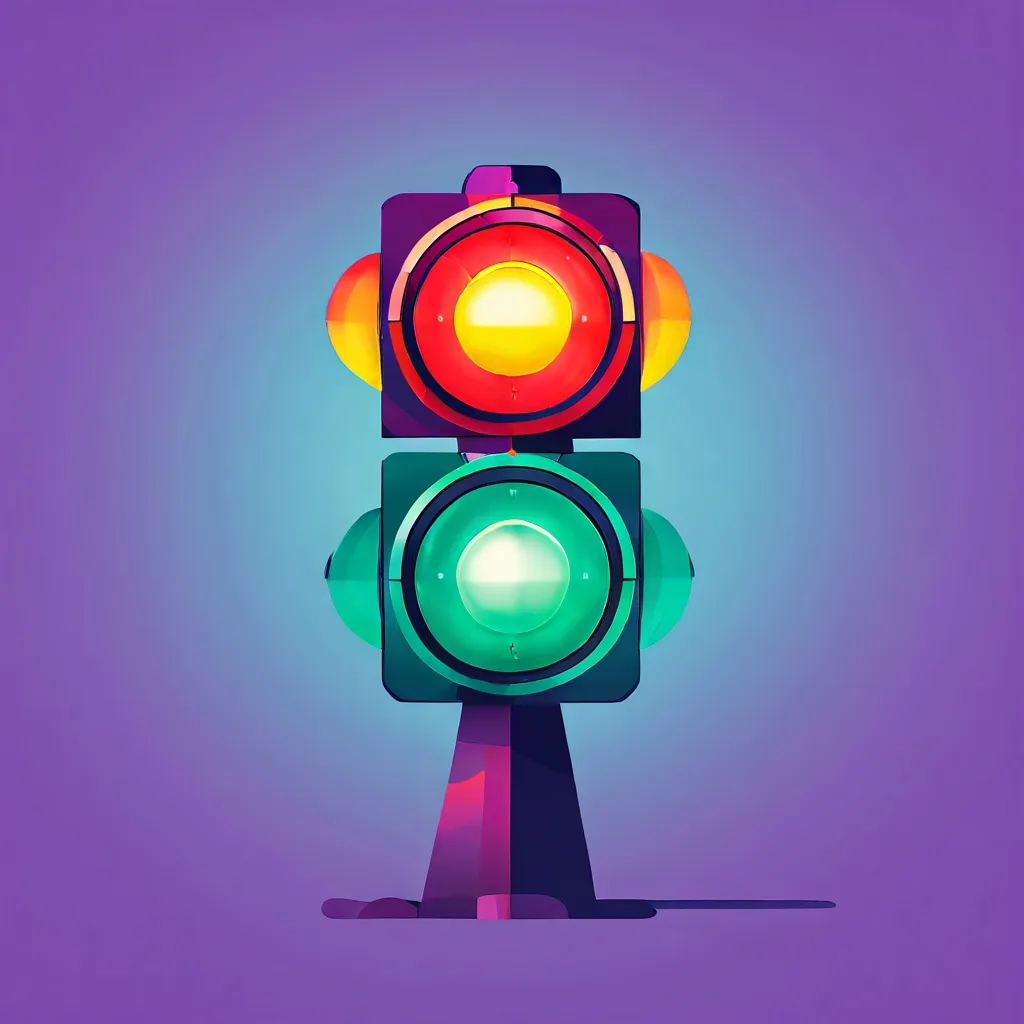
Navigate Icelandic intersections with confidence by understanding the specific meanings of red-yellow and solid amber traffic light signals. This guide clarifies the legal requirements for preparing to drive and for stopping, crucial knowledge for both safe driving and excelling in your theory exam. Learn how these signals are designed with Icelandic road conditions in mind.
Updated on Apr 18, 2026
Discover other categories connected to Icelandic Traffic Signs and Signals. These sections help you explore additional topics, expand your understanding of driving theory in Icelandic, and build a more complete picture of the rules and situations tested during the exam.
Find answers to common questions learners ask about Icelandic Traffic Signs and Signals. This section helps clarify difficult concepts, highlight critical exam information, and support your preparation for the Icelandic driving theory exam in Iceland.
In Iceland, the hierarchy of traffic control is as follows: 1. Police officer signals, 2. Traffic lights, 3. Traffic signs, and 4. General traffic rules. Always obey the highest priority signal present.
In Iceland, yellow backgrounds on warning signs indicate standard permanent warnings, alerting drivers to potential hazards or changes in road conditions ahead.
A broken white line indicates that overtaking is permitted when safe, while a solid white line signifies that overtaking is prohibited. Always adhere to these markings and other traffic signs.
Key unique signs include 'Blindhæð' (blind summit), 'Einbreið brú' (single-lane bridge), and 'Ómaldaður vegur' (gravel road transition). Understanding these is crucial for safe driving in specific Icelandic conditions.
Police signals override all other traffic signals, including traffic lights and signs. If a police officer is directing traffic, you must follow their instructions precisely.
Ready to master Icelandic driving theory? Browse our comprehensive article categories to find specific topics on road signs, traffic laws, and safe driving practices. Build your personalized study plan and prepare confidently for your official driving license exam.
Driving Theory Article Categories