This group includes a variety of signs and markers that are crucial for understanding your immediate driving environment, especially in challenging conditions. They help you identify the road's edge, potential obstacles, and track the road's alignment. Familiarising yourself with these markers is key to both passing your theory test and driving with confidence.
An explanation of how Other Roadside Markers road signs apply in real traffic situations in Iceland. Learn where these signs are typically placed, what drivers are expected to do when they appear, and how correct reactions help you stay safe, avoid fines, and succeed in your Icelandic driving theory exam.
You'll encounter these 'Other Roadside Markers' in a wide range of situations to enhance your awareness and safety. Object marker boards (like 902.1 and 902.2) are frequently seen alongside obstacles such as temporary barriers, pillars, or roadside structures, especially in construction zones or where the road narrows. Directional hazard markers (like 904) are placed on the side of the road to guide you around curves or unexpected bends, indicating which way to steer. Gate boards (like 906.11, 906.12, 914.11, 914.12) are used to mark the entrance or exit of specific areas, such as roadworks, temporary passages, or tunnel entrances, clearly defining the drivable path. Delineator posts (920.1, 920.2) and snow sticks (920.3) are vital for defining the road edge or lane boundaries, particularly at night, in fog, or during heavy snowfall. Posts indicating central islands or restricted areas (940) are common in urban environments or at junctions. Construction-specific markers (various F-codes) are temporary but essential for navigating work zones safely. Their primary role is to make the road layout clear and predictable, reducing the risk of accidents, especially when natural light is poor or the road configuration is unusual.
An overview of the key learning outcomes when studying the Other Roadside Markers road sign category. Understand the main concepts, sign meanings, and traffic situations covered here so you can recognise patterns, answer theory questions more confidently, and build a solid foundation for safe driving in Iceland.
These roadside markers are vital Icelandic road signs that help you accurately judge road edges, obstacles, and changing alignments, especially in low visibility or adverse weather. Studying these specific sign meanings together improves your recognition skills for critical driving situations, preparing you thoroughly for your theory test revision.
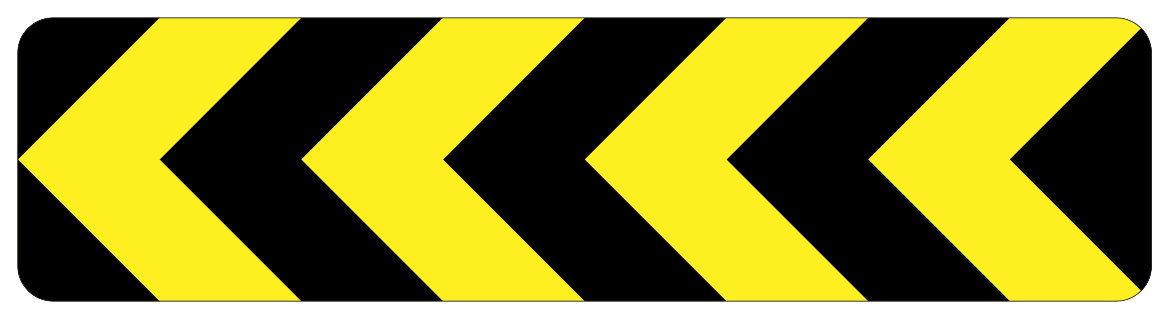
Object Marker Board - Left (902.1): Guiding You Safely Past Obstacles
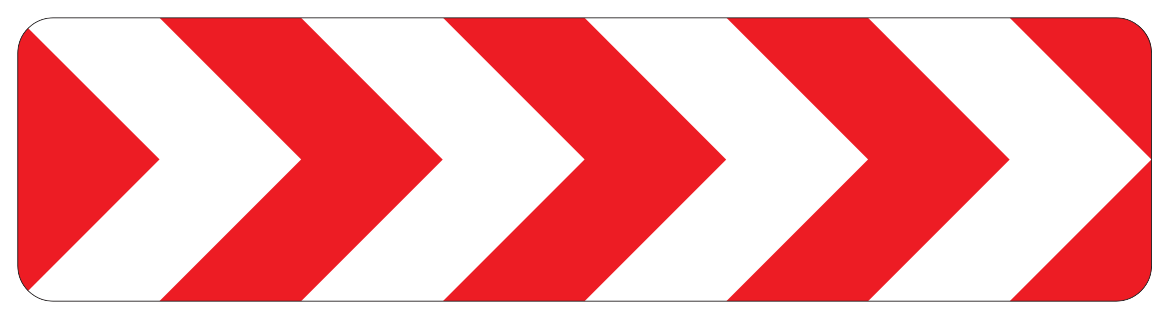
Transversal Construction markers guide you safely along road edges and obstacles.
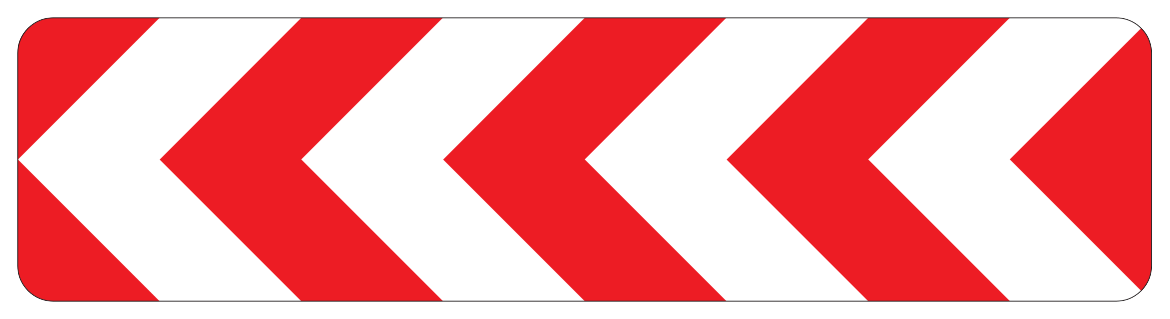
Understand and navigate safely with the Transversal, Construction roadside marker

Learn how the Object Marker Board sign guides you on Icelandic roads.
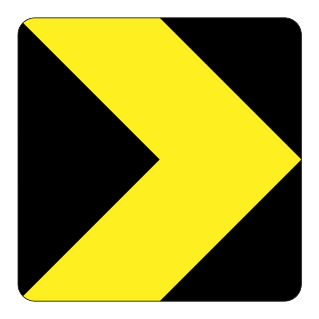
Follow the Directional Hazard Marker - Right to safely navigate road edges and obstacles.
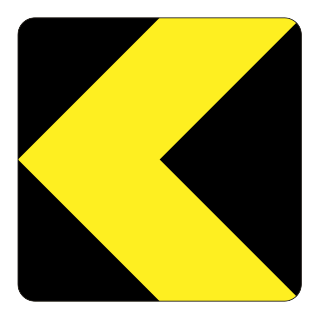
Follow the Directional Hazard Marker - Left to safely navigate obstacles and road edges.
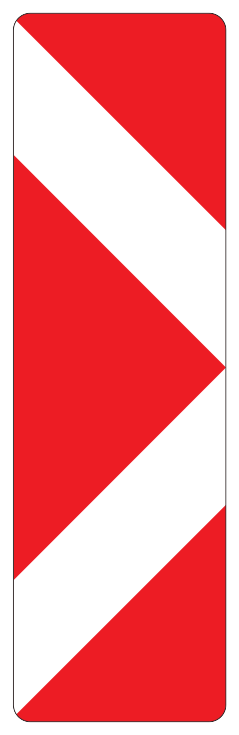
Understand the Directional Sign for Construction to navigate safely.
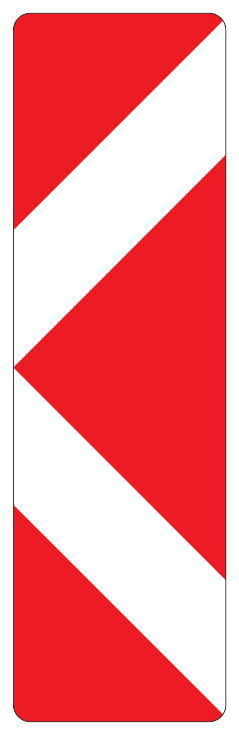
Navigate Safely with the Directional Sign, Construction (904F2) roadside marker.
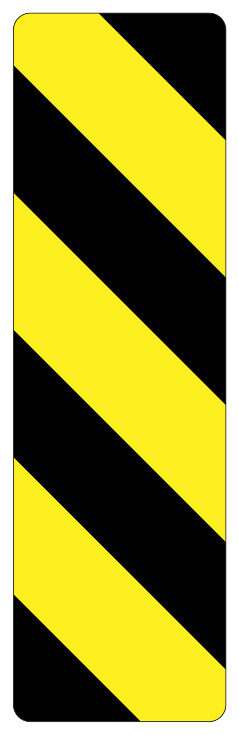
The Gate Marker Board (906.11) Guides You Safely Through Narrow or Obscured Road Sections.
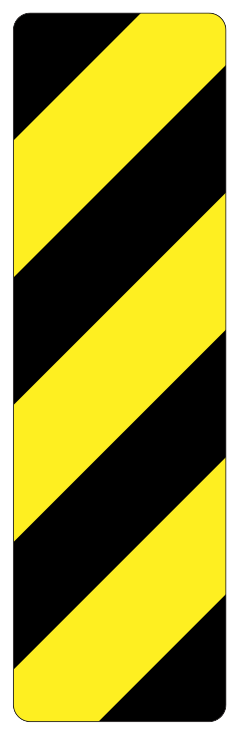
Gate Marker Boards guide you safely past road edges and obstacles.
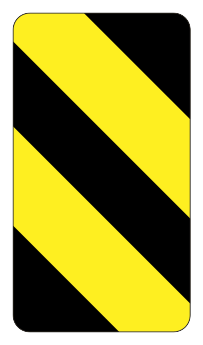
Clearly see the road edge and obstacles with Gate Marker Boards.
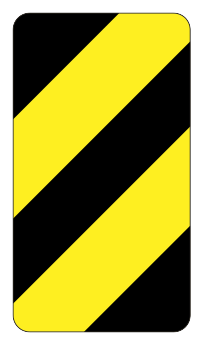
Understand the Gate Marker Board (906.22) for Road Edge and Obstacle Guidance
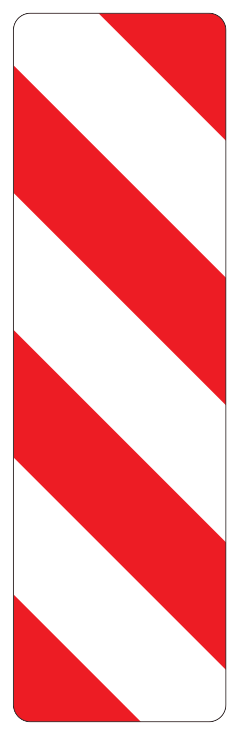
Understand the Gátskjöld, Constructions road sign for safe passage around hazards.
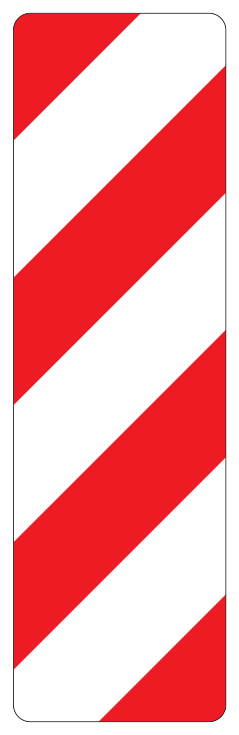
Understand the Gátskjöldur, Constructions roadside marker (906F2) for safe navigation.

Navigate Safely with the Obstacle Course Roadside Marker

Navigate safely with the Obstacle Course roadside marker (908.2)

Understand the 908F Obstacle Course, Construction roadside marker.
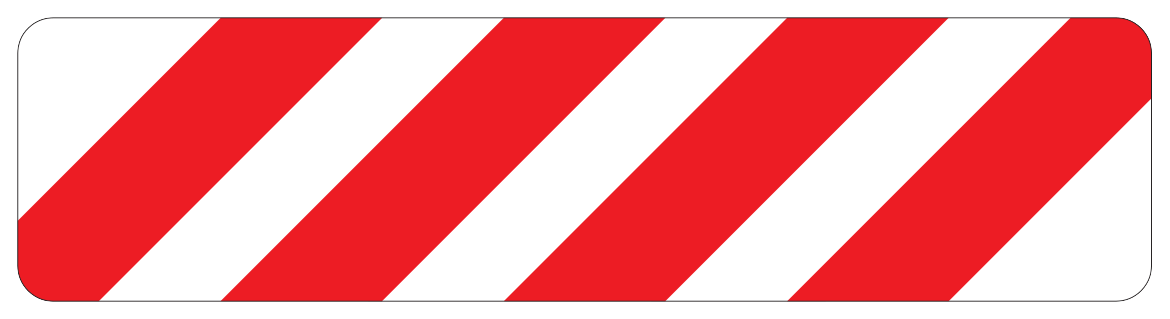
This directional sign guides you safely around road construction and hazards.
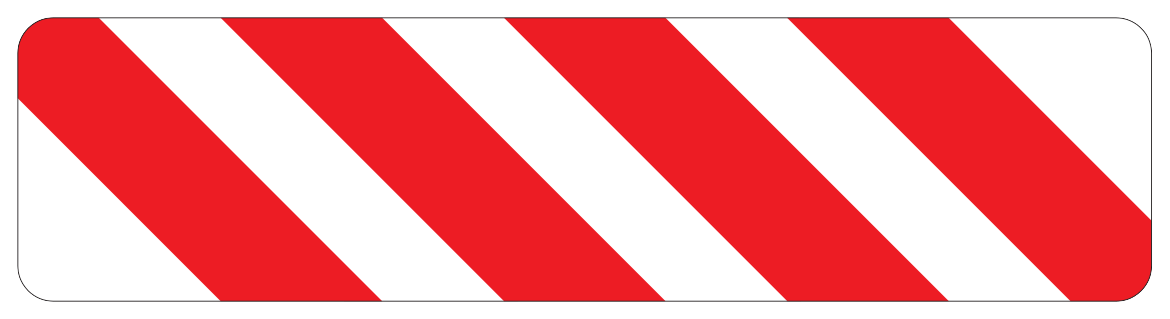
Navigate Construction Zones Safely with the Directional Sign for Construction (909F2)

Road Diagnosis Plaques: Guiding You Safely in Poor Visibility
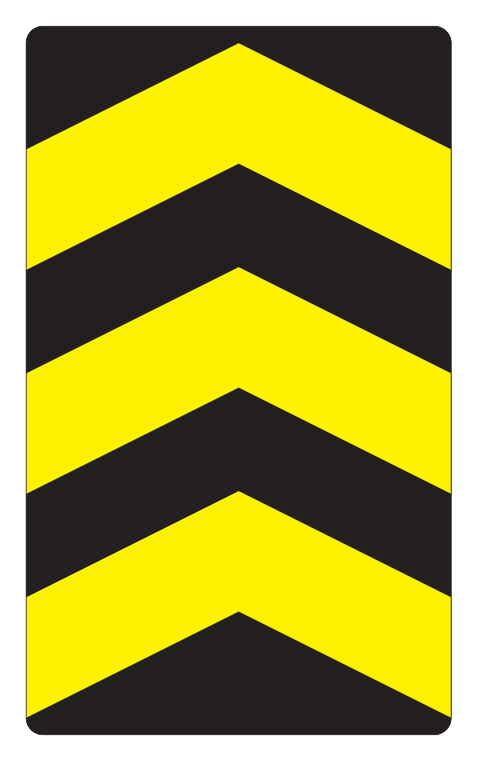
What is the Road Diagnosis Plaque and how does it guide you?
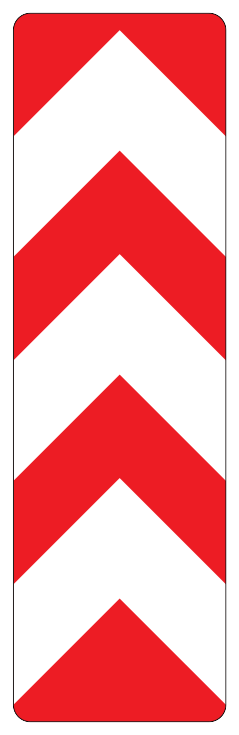
Understand the 'Gátskjöld On Road Analysis, Construction' Markers for Safe Navigation

The 913 Porch Pole traffic sign guides you safely through challenging road conditions.

Understand the Gate Shield In Tunnels road sign for safe passage.

Use Gate Shields in Tunnels to Safely Navigate Road Edges and Obstacles
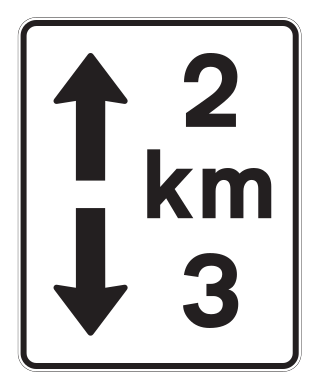
Distance Marking In Tunnels: Guiding You Safely Through Constrained Areas
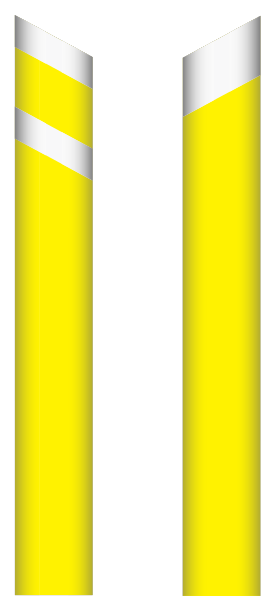
Road Edge Delineator Posts: Your Essential Guide to Road Edges and Obstacles
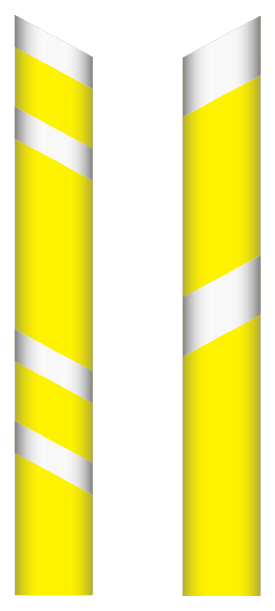
Road Poles in Tunnels: Your Guide to Tunnel Entrances and Edges
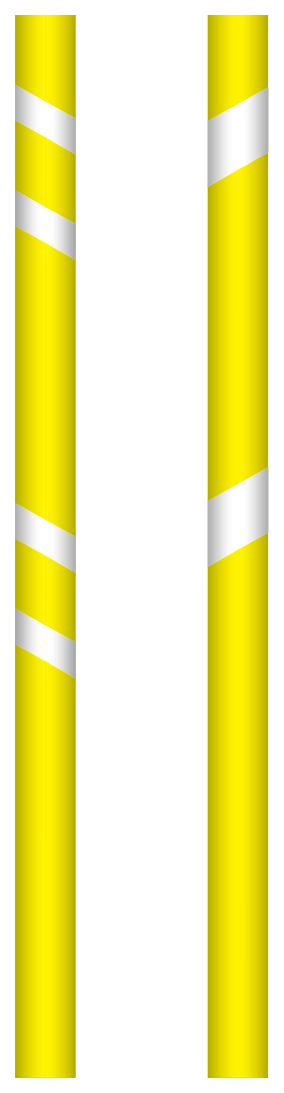
The Snow Stick: Your Visual Guide in Low Visibility and Tunnels
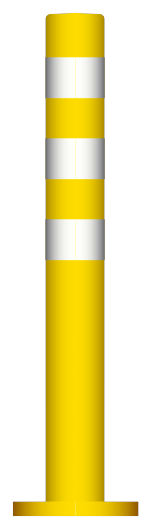
Understand the Post for Delimiting a Central Island or Restricted Area (Sign 940)
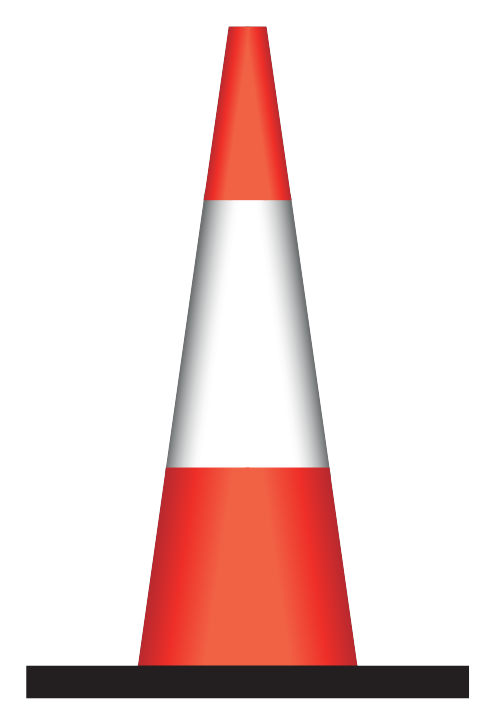
Cone For Demarcation Due To Construction Road Sign Guides You Safely
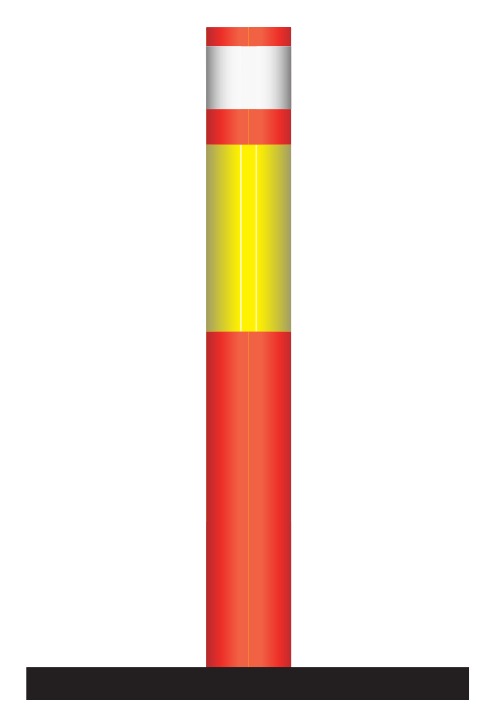
Understand and Obey Construction Demarcation Posts for Safe Road Navigation
Clear answers to common questions about the Other Roadside Markers road sign category. Use this FAQ to review tricky rules, understand how these signs appear in exam scenarios, and remove confusion that often leads to mistakes in the Icelandic driving theory exam in Iceland.
These signs serve specific purposes and appear in various contexts to provide clarity. Object markers guide you around specific roadside hazards. Gate boards can mark entrances, exits, or define safe passage through complex areas like roadworks or tunnels. The variety ensures that drivers receive precise information about the road ahead, enhancing safety especially in poor visibility conditions.
Directional hazard markers, like those indicating a curve to the right or left, are particularly important when the road's natural alignment is not immediately obvious. This includes situations like sharp bends, changes in road width, or areas where visibility is limited due to buildings, vegetation, or weather. They help you anticipate the road's direction and adjust your speed and steering accordingly.
Delineator posts are designed to mark the edge of the road or the lane. They are especially helpful at night or in adverse weather conditions like fog or heavy rain, where the road boundaries might be difficult to see. By clearly showing the road's edge, they help drivers stay within their lane and avoid straying off the road or into hazards.
The 'F' designation on certain road signs typically indicates that the sign is related to construction or temporary road works. These signs are often used as temporary replacements or additions to standard signage to manage traffic flow and safety through a construction zone. They might mark diversions, specific hazards within the work area, or altered road layouts.
While some of these markers function similarly to warning signs by alerting drivers to potential hazards or changes in the road ahead, they are often categorised as object markers, delineators, or guidance devices. Their primary purpose is to clearly define the physical boundaries of the road, obstacles, or safe paths, rather than just providing a general warning. They offer more specific guidance on where to steer or what to avoid.
Ready to ace your Icelandic theory exam? Explore road signs by category. This structured approach helps you grasp complex rules, improve memorization, and confidently prepare for safe driving on Icelandic roads. Begin mastering sign groups today.
Explore Road Sign Categories