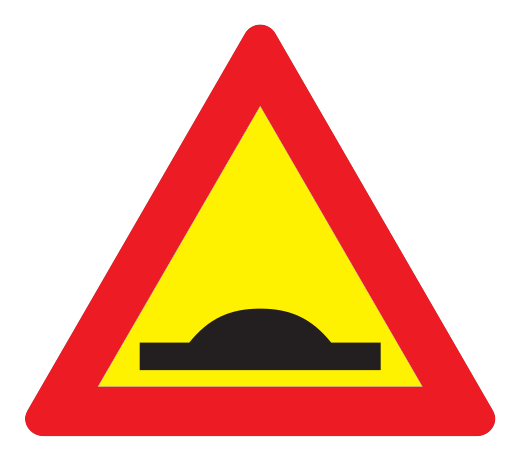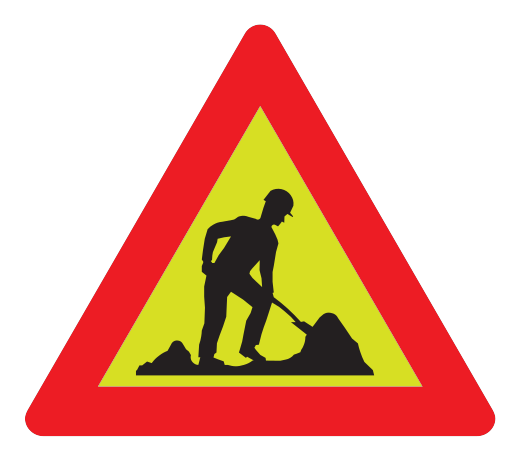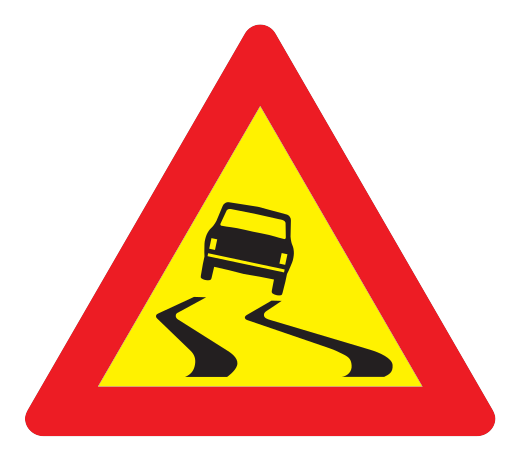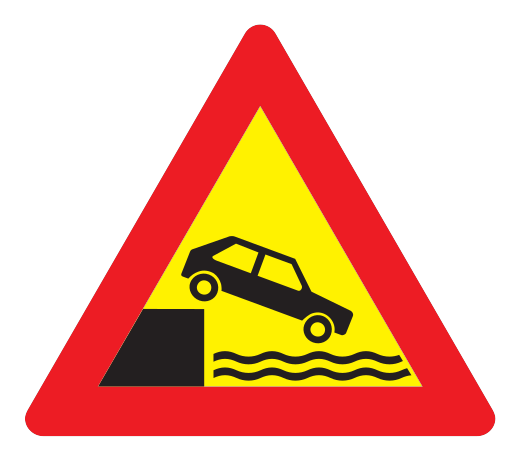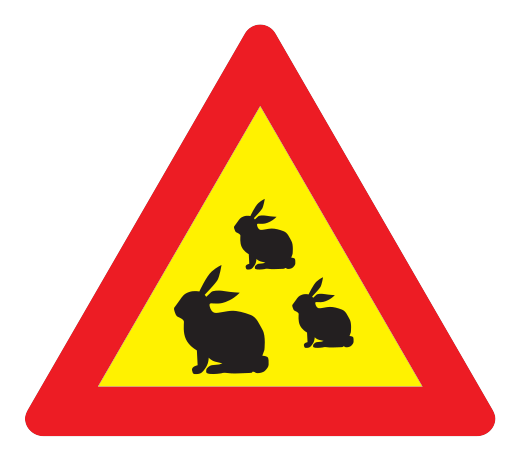
Prepare yourself for the unexpected on the road by mastering warning signs. These triangular signs with red borders alert you to potential hazards ahead, from sharp bends and rough roads to animals or cyclists. Understanding them is crucial for anticipating dangers, adjusting your speed, and reacting appropriately to ensure your safety and the safety of others. This section will equip you with the knowledge needed to interpret these vital alerts and excel in your theory test.
An explanation of how Warning Signs road signs apply in real traffic situations in Iceland. Learn where these signs are typically placed, what drivers are expected to do when they appear, and how correct reactions help you stay safe, avoid fines, and succeed in your Icelandic driving theory exam.
Warning signs are frequently encountered across all types of roads, from rural lanes to busier urban streets, and even on motorways. You'll see them placed well in advance of the hazard they indicate, giving you time to prepare. For instance, a 'Dangerous Left-Hand Bend' sign means you should slow down and be ready to steer before reaching the curve, especially on wet or gravel surfaces. Signs like 'Rough Road' or 'Holes' advise caution on poorly maintained sections, while 'Animals Ahead' or 'Children Ahead' require heightened awareness and reduced speed in specific areas. Warning signs related to weather, such as 'Slippery Road' or 'Icy Road', are critical in certain climates and seasons, demanding significant speed reduction and increased following distance. Similarly, 'Crosswind' signs are vital on exposed stretches of road or bridges. Understanding these signs is not just about passing the theory test; it's about actively managing risk on the road by anticipating potential dangers and modifying your driving behaviour accordingly.
An overview of the key learning outcomes when studying the Warning Signs road sign category. Understand the main concepts, sign meanings, and traffic situations covered here so you can recognise patterns, answer theory questions more confidently, and build a solid foundation for safe driving in Iceland.
This collection groups all official Icelandic warning signs. Studying these critical road signs together helps you quickly identify potential dangers like sharp bends, slippery surfaces, or animals, which are common in Iceland's varied climate. Effective sign recognition is vital for your theory test revision and ensuring safe driving through all conditions.
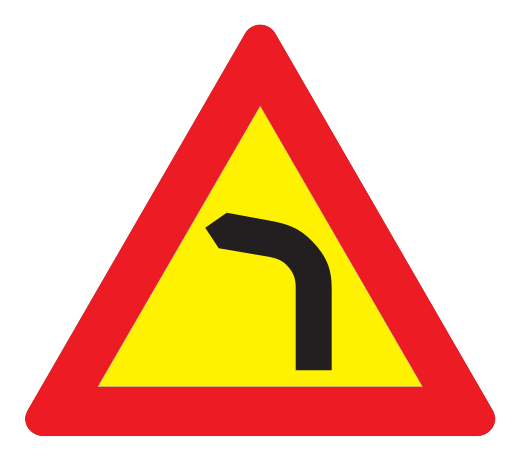
Prepare for a Dangerous Left-Hand Bend Ahead with Sign 100.2
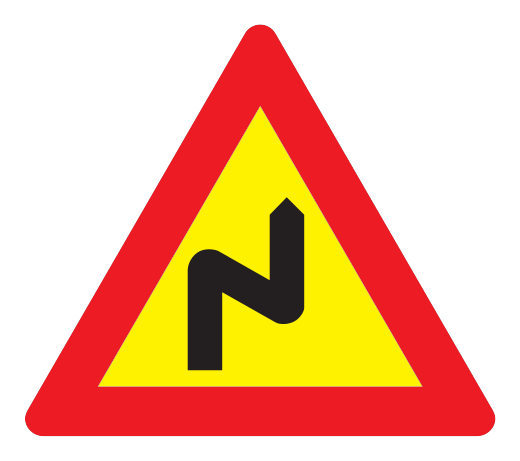
Prepare for a series of bends, starting with a right turn, by understanding the Double Bend warning sign.
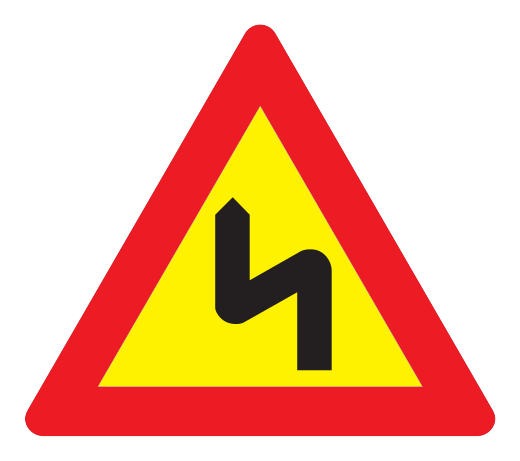
Warning: Double Bend Ahead, First Bend to the Left
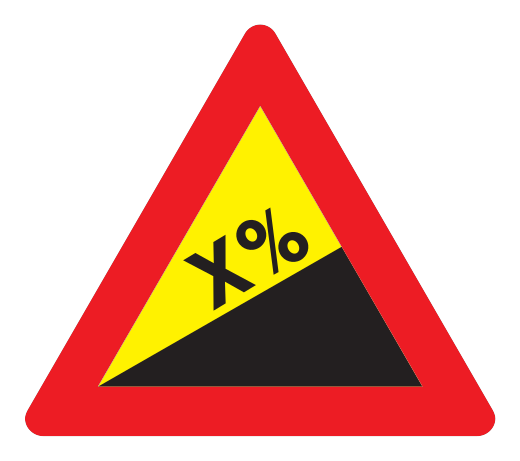
Prepare for a Steep Ascent Ahead: What the 104.1 Sign Means
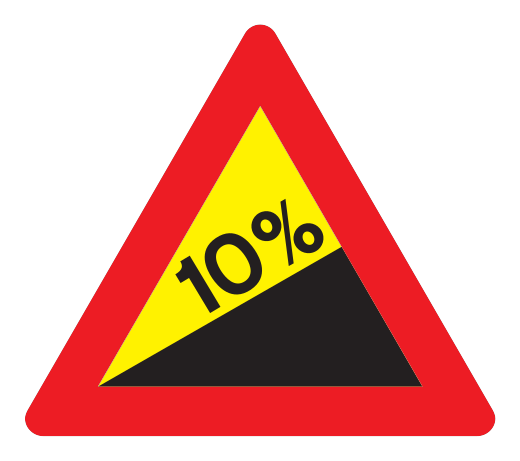
Prepare for Steep Uphill Gradients with the Steep Ascent Sign
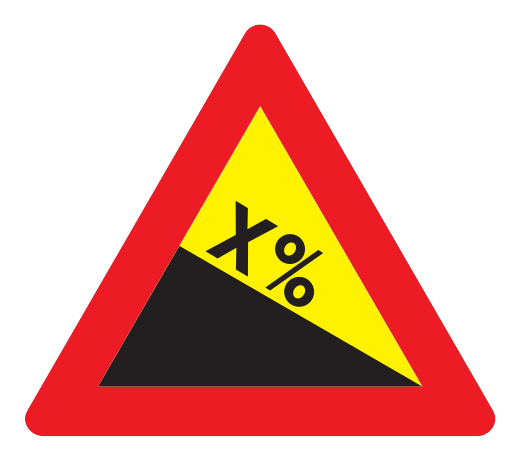
Prepare for a Steep Descent Ahead with this Important Warning Sign
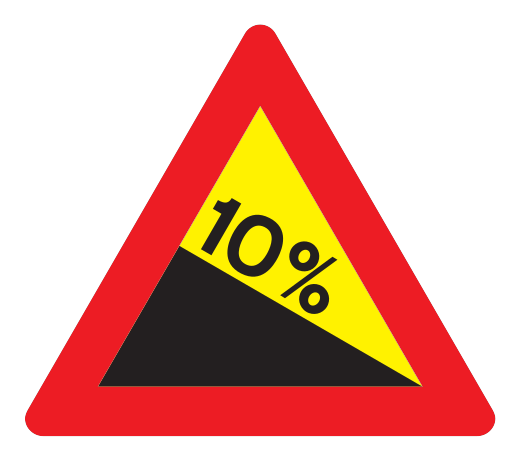
Prepare for Steep Descents with the 104.2 Warning Sign
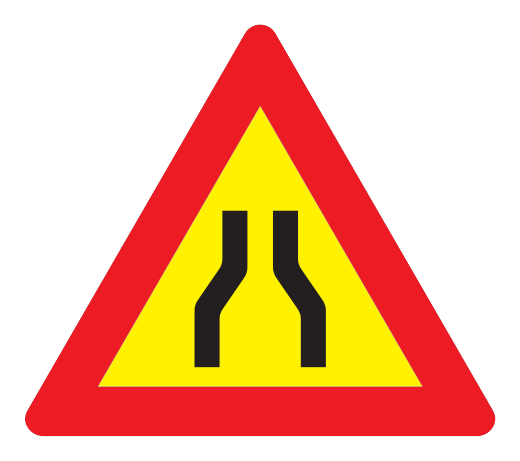
Beware of Narrowing Roads Ahead with the 106.1 Warning Sign
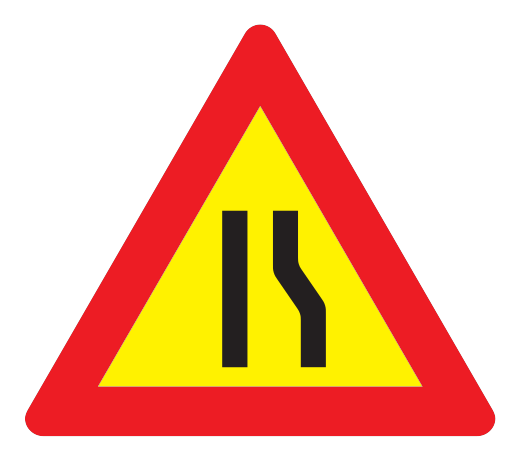
Prepare for the road ahead: Sign 106.2 warns of narrowing carriageway on the right.
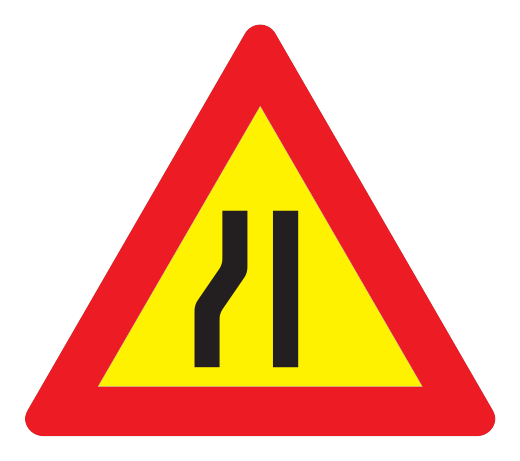
Prepare for a Road Narrows From The Left sign by adjusting your speed and awareness.
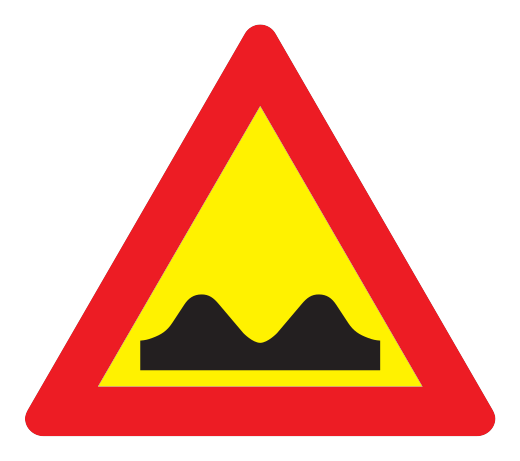
Prepare for an Uneven Road Surface Ahead with the Rough Road Sign.
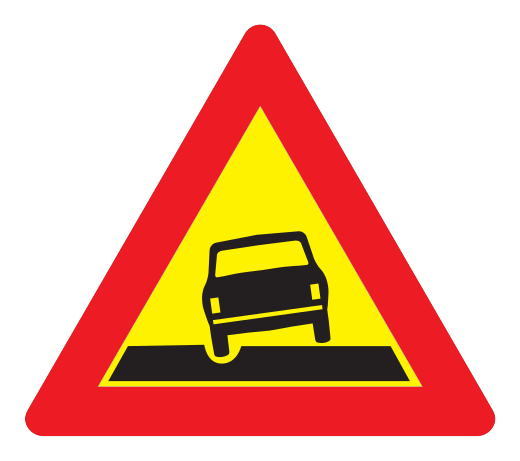
Beware of Potholes Ahead: Understand the 108.2 Holes Warning Sign
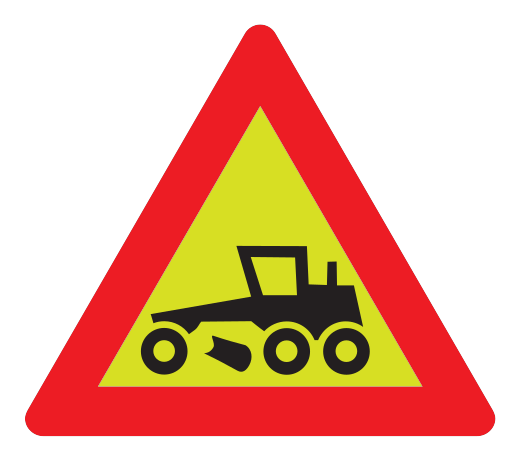
Prepare for changing road surfaces with the Road Grading warning sign.
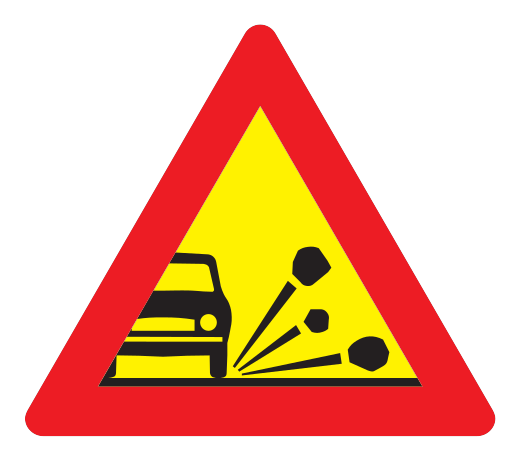
Beware of potential stone throwing and reduce your speed with the Sign 112 warning.
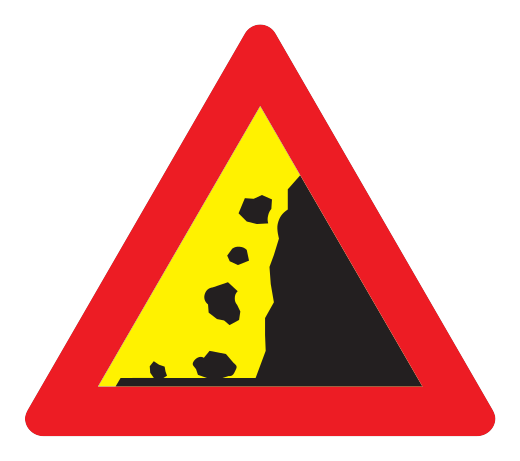
Watch out for rock falls and avalanches from the right with sign 114.1!
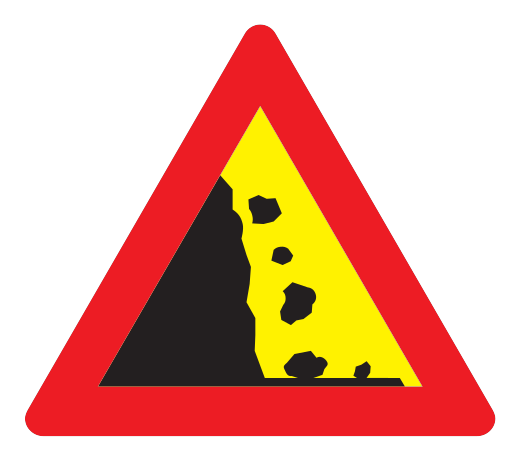
Beware of Rock Falls and Avalanches from the Left Ahead!
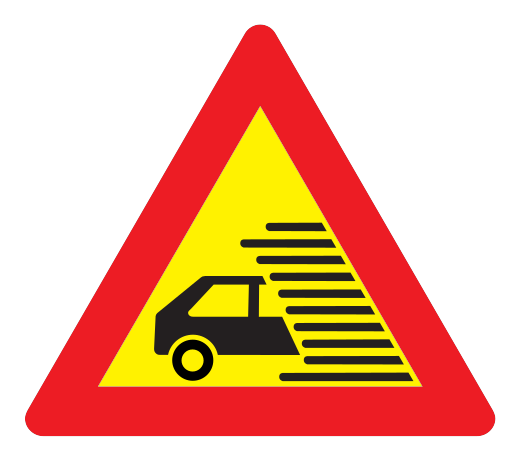
Prepare for reduced visibility ahead due to weather with sign 115
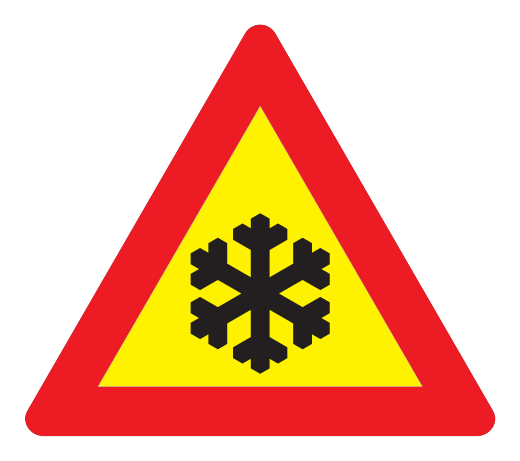
Prepare for Icy Roads Ahead with This Crucial Warning Sign
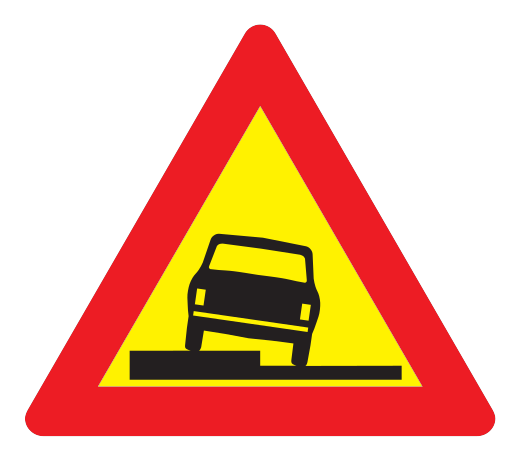
Prepare for a High Tread Edge with this essential Icelandic warning sign.
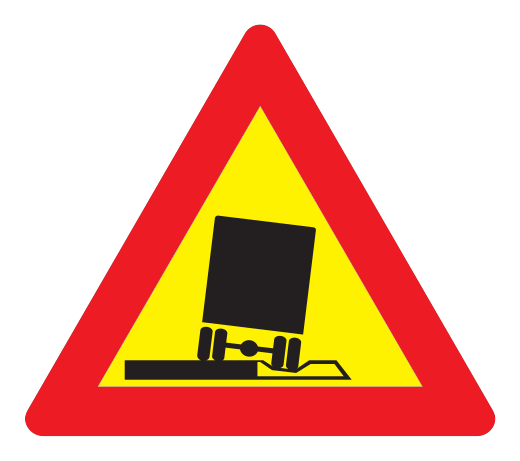
Understand the Unsafe Roadside warning sign (117.2) and how to prepare for hazards ahead.
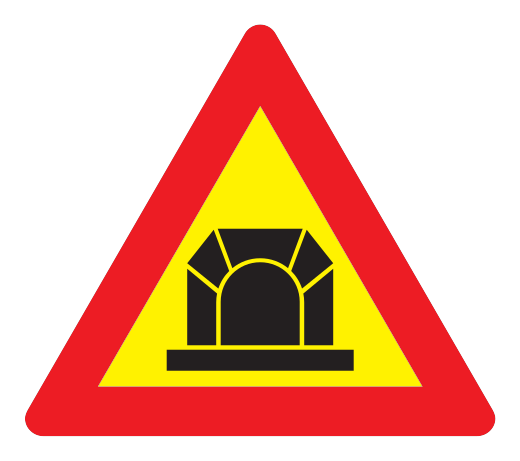
Prepare for tunnels ahead with the 'Tunnel Ahead' warning sign.
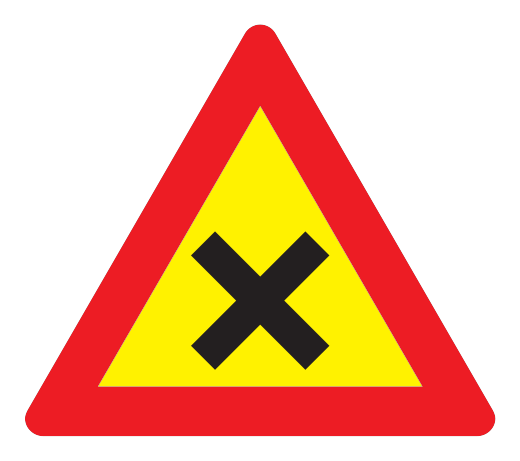
Prepare for Dangerous Crossroads Ahead with Warning Sign 124
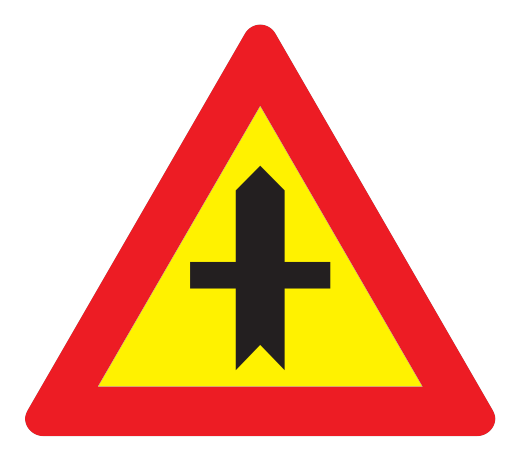
Prepare for Junction Ahead with Priority-Controlled Cross Traffic
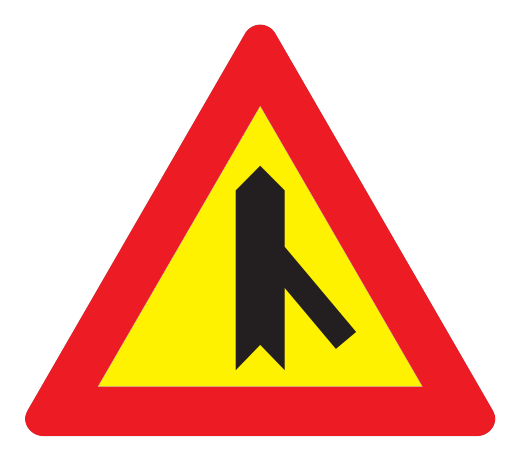
Prepare for a priority junction ahead where traffic from the right has precedence.
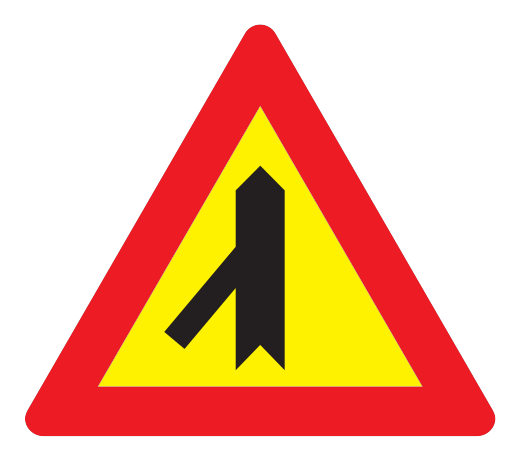
Prepare for a Priority Junction Ahead from the Left with this Warning Sign
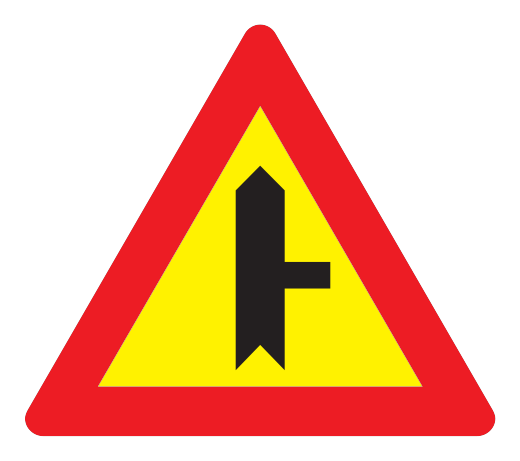
Prepare for a Priority Junction Ahead from the Right
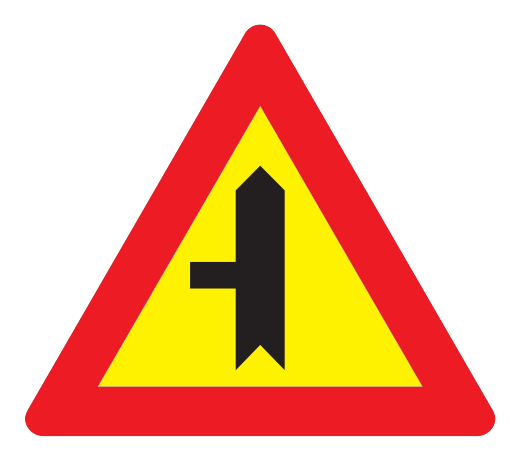
Prepare for a priority junction ahead where traffic from the left has right of way.
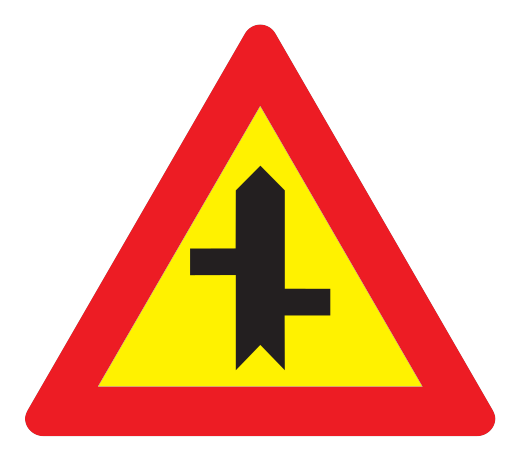
Prepare for Junctions Ahead with Priority Cross Traffic – A Key Warning Sign
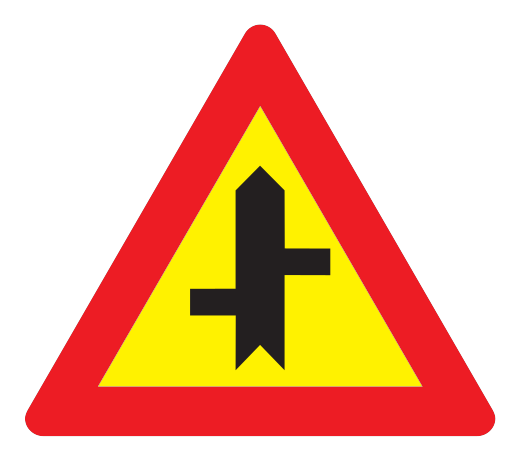
Prepare for a Junction Ahead Where Cross Traffic Has Priority
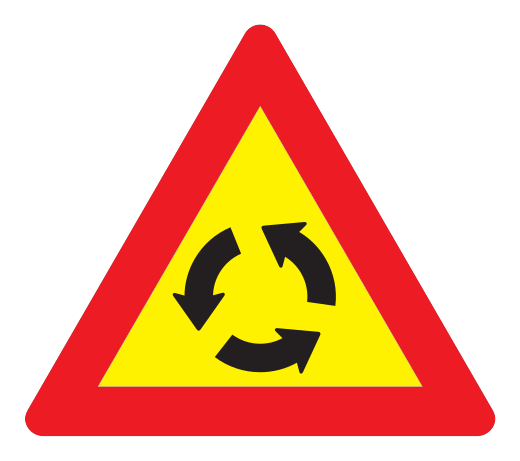
Prepare for a Roundabout Ahead with this Important Warning Sign
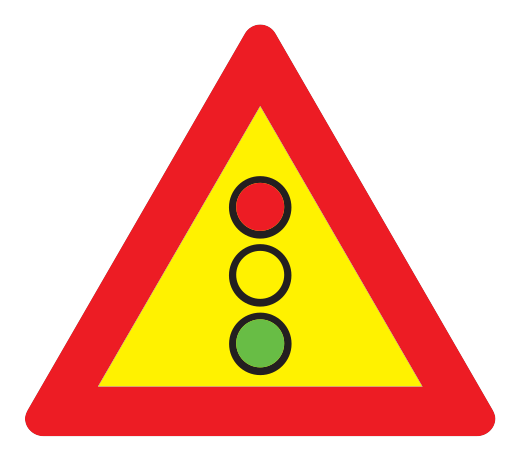
Prepare for traffic lights ahead with this important warning sign.
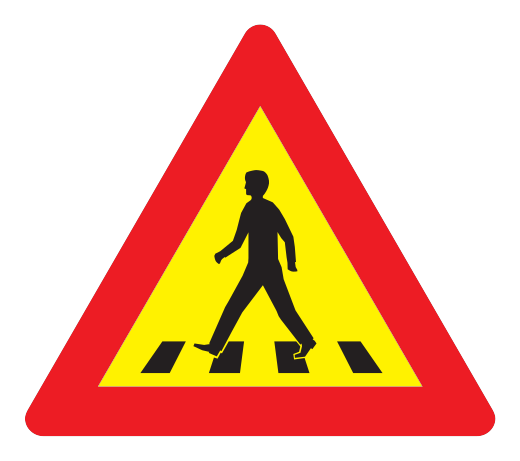
Prepare for Pedestrians Ahead with the Warning Sign!
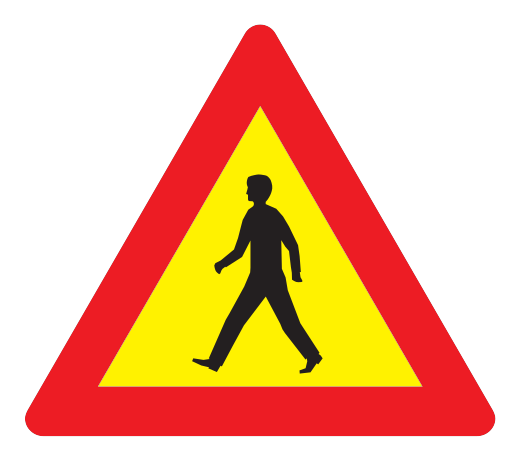
Pedestrians Ahead Sign (141): Warning of Pedestrian Activity
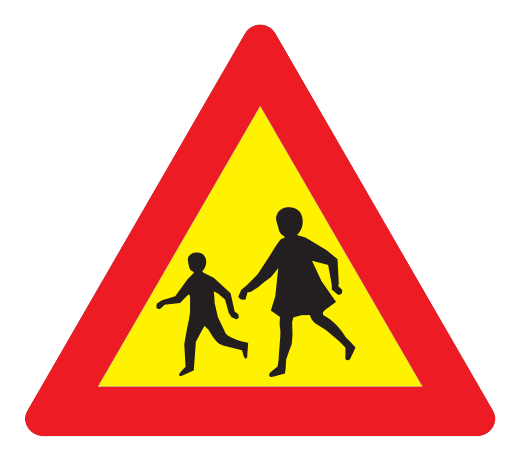
Slow down for children: understand the 'Children Ahead' warning sign.
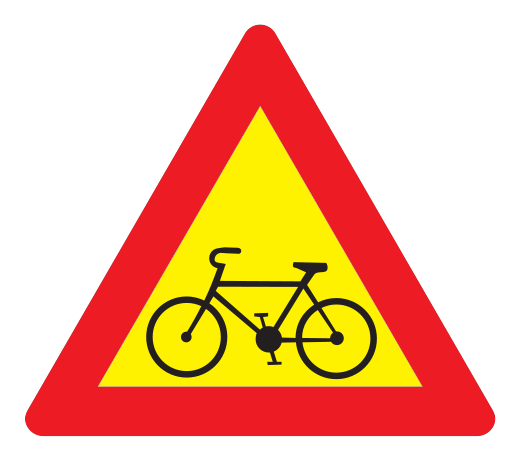
Prepare for Cyclists Ahead with This Warning Sign
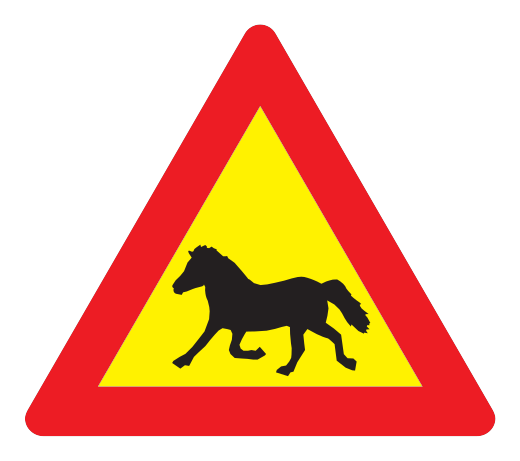
Watch out for horses on the road with the 'Animals Horses' warning sign!
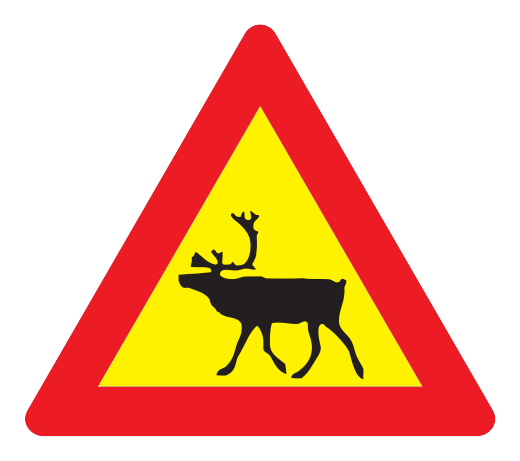
Watch out for reindeer ahead with the 146.2 Animals Reindeer warning sign.
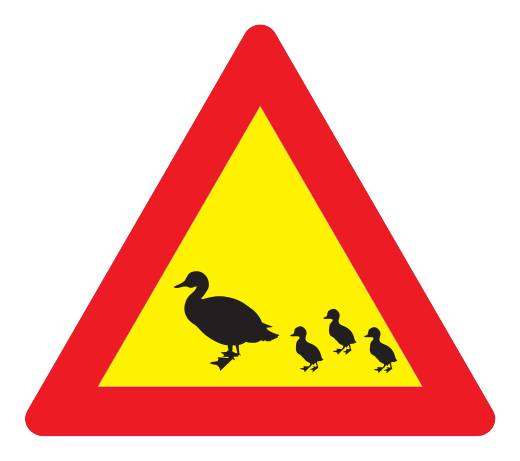
Watch out for animals and birds ahead with this Icelandic warning sign!
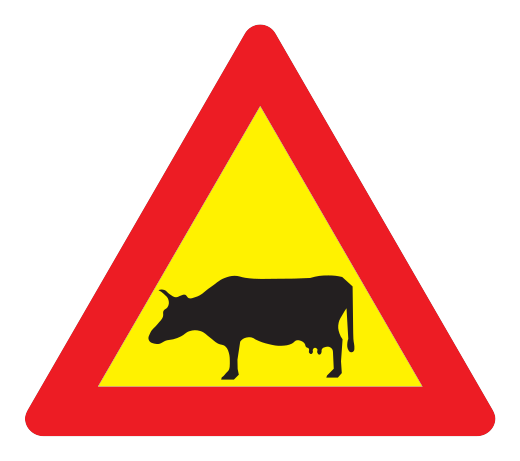
Watch out for cattle: understand the Animals Cattle warning sign (146.4)
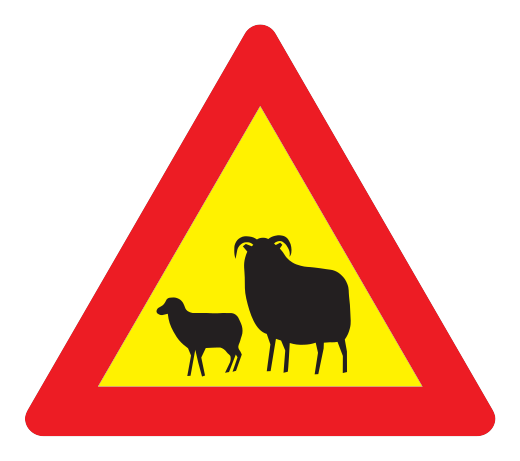
Beware of Sheep Ahead: Understand the Animals Sheep Warning Sign
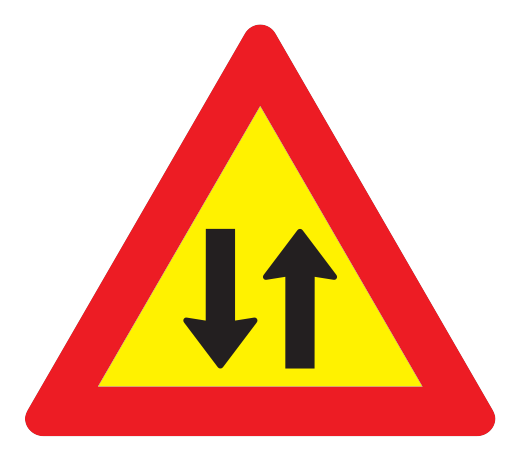
Prepare for Two Way Driving Ahead with Warning Sign 148
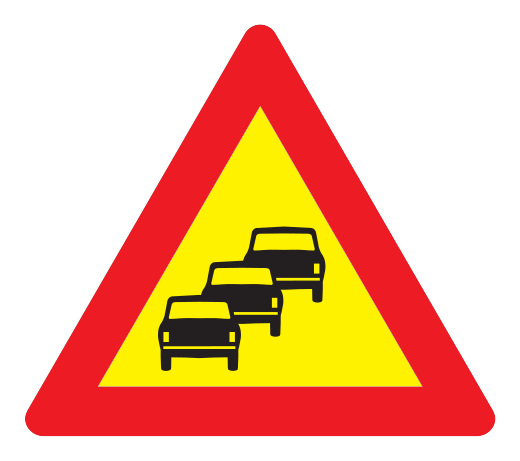
Understand and prepare for traffic delays ahead with this important warning sign.
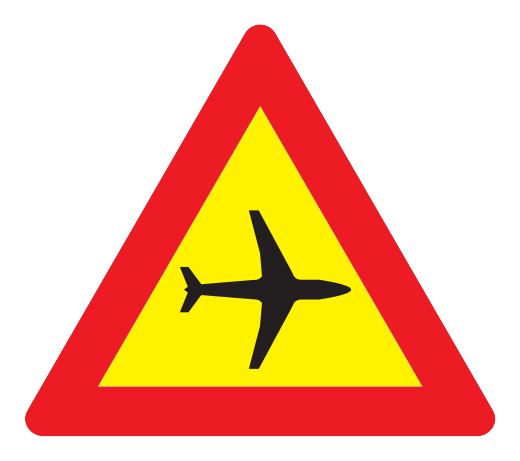
Beware of Low Flying Obstructions from the Left: Sign 150.1
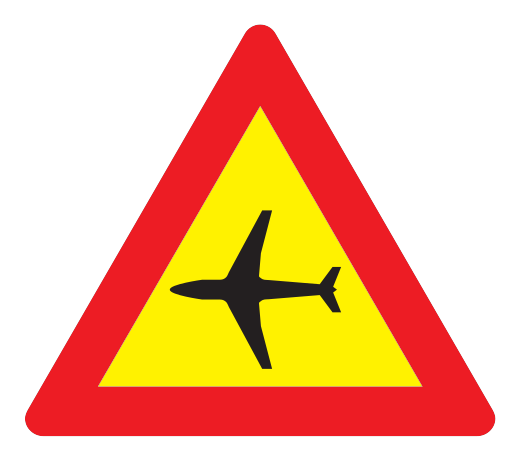
Prepare for low flight from the right with this crucial warning sign.
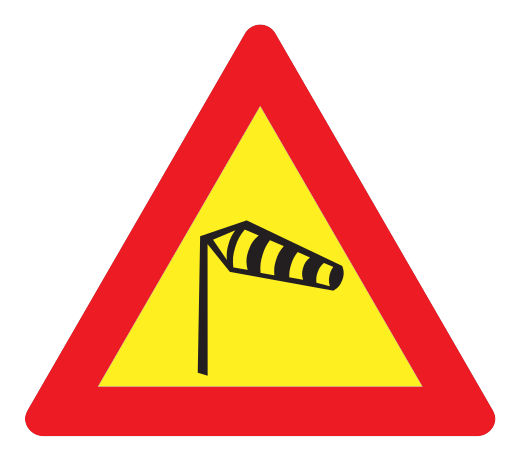
Prepare for strong crosswinds from the left with this crucial warning sign.
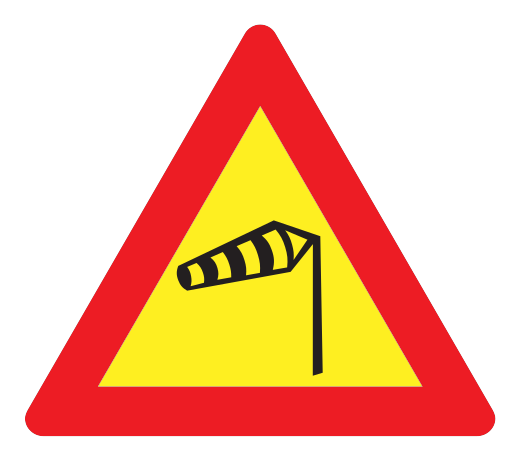
Watch out for gusty winds coming from the right with sign 152.2
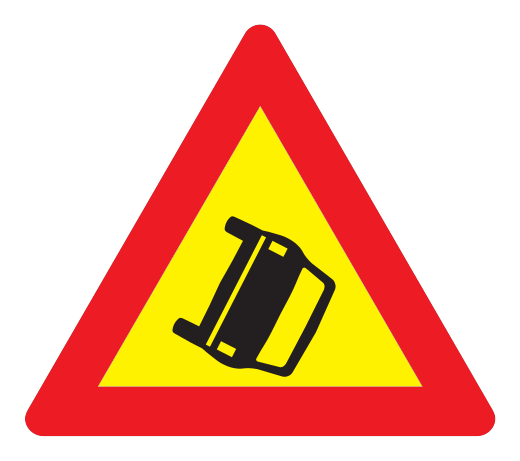
Prepare for an accident ahead with this crucial hazard warning sign.
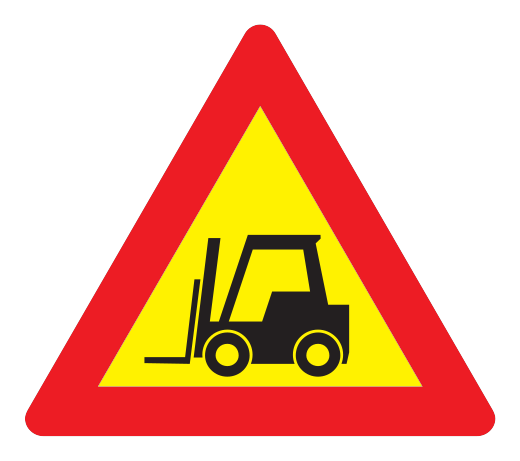
Prepare for Machine Work Ahead with Warning Sign 154
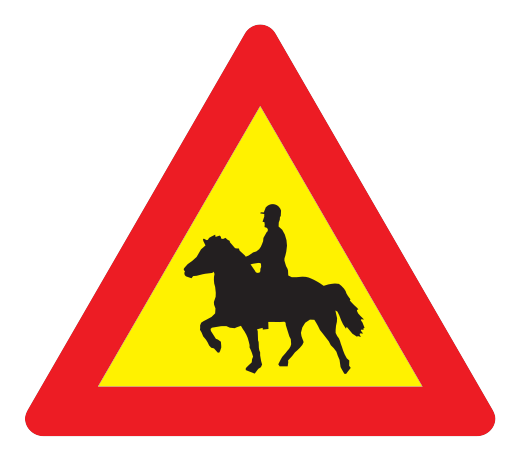
Sign 155: Riders Ahead – Warning of Potential Hazards on Icelandic Roads
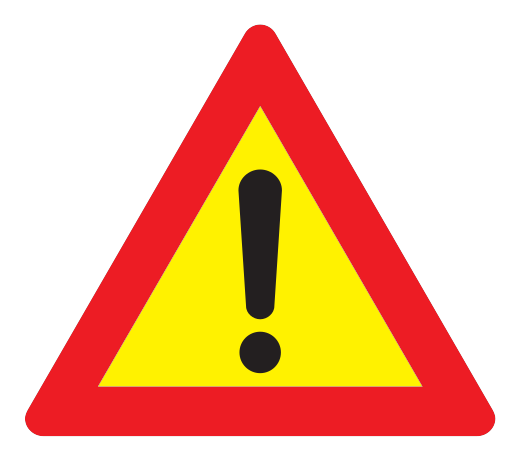
Prepare for 'Another Danger' ahead with this crucial Icelandic warning sign.
Clear answers to common questions about the Warning Signs road sign category. Use this FAQ to review tricky rules, understand how these signs appear in exam scenarios, and remove confusion that often leads to mistakes in the Icelandic driving theory exam in Iceland.
The primary purpose of warning signs is to alert drivers to potential dangers or unusual conditions on the road ahead. They are designed to give you advance notice so you can slow down, adjust your driving, and be prepared to react safely to the hazard.
The distance varies depending on the speed limit and type of road. On faster roads or where a hazard is particularly significant, they are placed further in advance to give drivers ample time to react. Always be prepared to encounter the hazard shortly after seeing the sign.
If you see multiple warning signs, it means there are several hazards in close proximity. You should be extra vigilant, reduce your speed significantly, and be prepared for each successive hazard indicated by the signs. For example, a 'Double Bend' followed by a 'Road Narrows' sign requires continuous caution.
While the signs themselves are advisory, the conditions they warn about often have associated legal requirements. For example, a 'Slippery Road' sign implies that you must drive at a speed that allows you to stop safely, which might be significantly lower than the general speed limit. Ignoring the warning can lead to an accident and potential consequences.
Both signs indicate a reduced grip on the road surface, but 'Icy Road' is a more specific and severe warning of ice formation, which offers extremely poor traction. 'Slippery Road' can refer to a range of conditions like rain, oil, or wet leaves, which also reduce grip but might not be as hazardous as black ice. In both cases, extreme caution, reduced speed, and gentle steering and braking are essential.
Ready to ace your Icelandic theory exam? Explore road signs by category. This structured approach helps you grasp complex rules, improve memorization, and confidently prepare for safe driving on Icelandic roads. Begin mastering sign groups today.
Explore Road Sign Categories