Road markings are your silent guides on the road, painted directly onto the surface to manage traffic flow, indicate priorities, warn of hazards, and guide your vehicle's position. They work in tandem with traffic signs and signals, making their understanding crucial for both safe driving and passing your theory exam. This section will demystify the various types of road markings you'll encounter, from simple lines to complex symbols and inscriptions.
An explanation of how Road Markings road signs apply in real traffic situations in Iceland. Learn where these signs are typically placed, what drivers are expected to do when they appear, and how correct reactions help you stay safe, avoid fines, and succeed in your Icelandic driving theory exam.
Road markings are ubiquitous and appear on virtually every type of road, from busy urban streets and highways to quieter rural lanes. You'll see them guiding your path on motorways, indicating where to stop at intersections or pedestrian crossings, and warning you of upcoming hazards like speed bumps or narrowing lanes. Specific markings like those for pedestrian and cycle crossings require heightened awareness of vulnerable road users. Prohibited area markings, often seen around intersections or temporary roadworks, clearly indicate where you must not drive. Understanding these surface markings is as vital as reading upright signs, as they dictate lane discipline, stopping points, and potential dangers, directly impacting your safety and adherence to traffic laws.
An overview of the key learning outcomes when studying the Road Markings road sign category. Understand the main concepts, sign meanings, and traffic situations covered here so you can recognise patterns, answer theory questions more confidently, and build a solid foundation for safe driving in Iceland.
Road markings are crucial visual cues on Icelandic roads, directly impacting traffic flow and safety. Studying these road signs together reveals how lines, arrows, and symbols provide essential instructions for driving, parking, and lane discipline. Understanding their specific meanings is vital for your driving theory test and safe navigation, ensuring you correctly interpret legal requirements and avoid hazards.

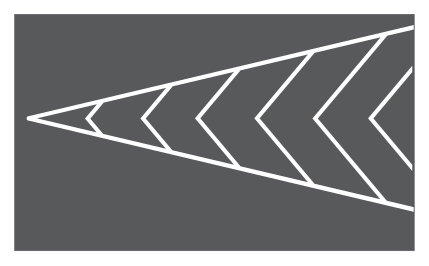
Understand the Half-broken Line (Caution Line) for clear driving guidance on the carriageway.

Unbroken Line: Your Guide to this Essential Road Marking
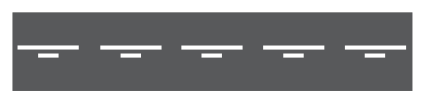
Master the Double Central Line Road Marking (1006.1) for Safer Driving

Understand the Double Central Line Road Marking in Iceland

Obey the Double Central Line road marking for safe lane guidance.

Understand the Double Central Line road marking and how it guides your driving.
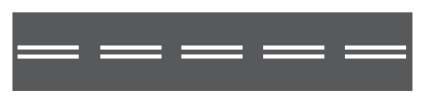
Understand the Double Broken Midline road marking to position your vehicle correctly.
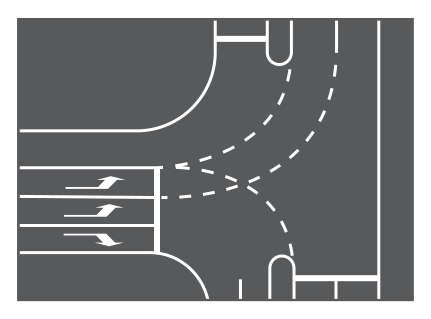
Master the 1010 Control Line: Essential Road Marking Guidance for Icelandic Drivers

Learn to interpret the Broken Border road marking (1012.1a) on Icelandic roads.
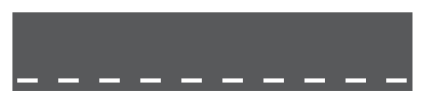
Understand the 'Broken Border' Road Marking for Safe Driving and Your Theory Exam.

Unbroken Border: The Road Marking That Dictates Your Position

Yellow Broken Border: Essential Road Marking for Safe Navigation

Follow the Yellow Unbroken Border Road Marking Carefully
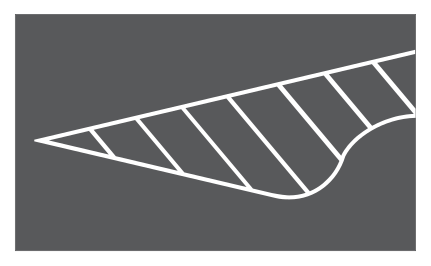
Learn to navigate 'Prohibited Area' road markings on the carriageway
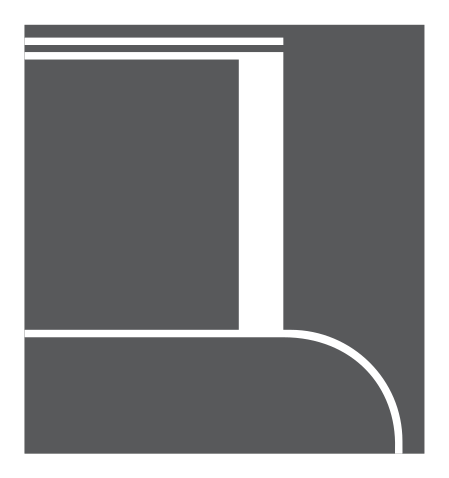
Understand the Stop Line road marking and its crucial role in traffic flow.
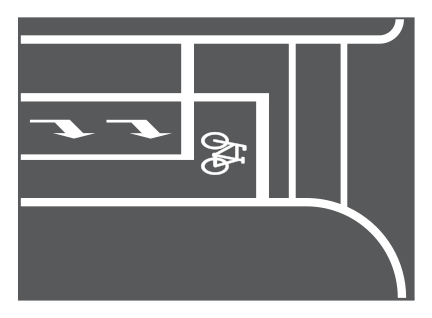
Understand Road Markings: The Wheel Box (1021) Guides Your Vehicle Position
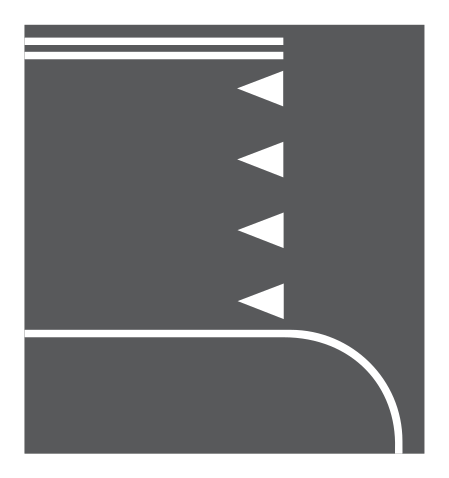
Understand and Obey the 'Obligation to Wait' Road Marking
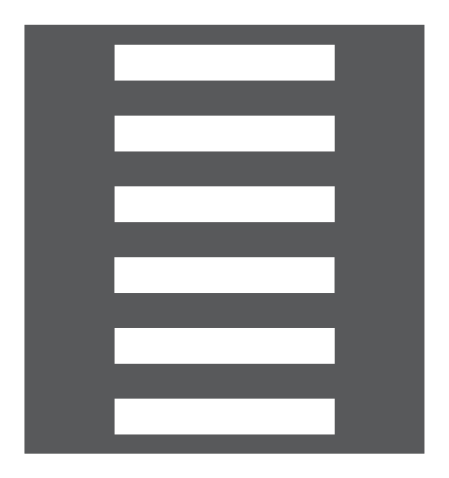
Pedestrian Crossing Marking: Understand this vital road surface guidance.
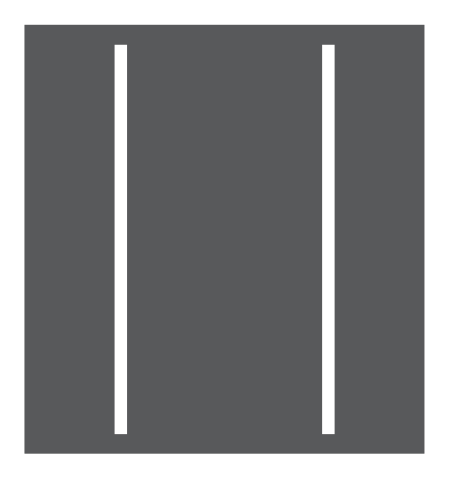
Pedestrian Crossing Marking: Understand and Respect Road Surface Instructions
Understand and obey Bicycle Crossing road markings
Understand the Pedestrian and Cycle Crossing Marking on the Road Surface
Understand the Pedestrian and Cycle Crossing Marking on Icelandic Roads
Learn the Meaning and Importance of the 1027.2 Whirlpool Road Marking in Iceland
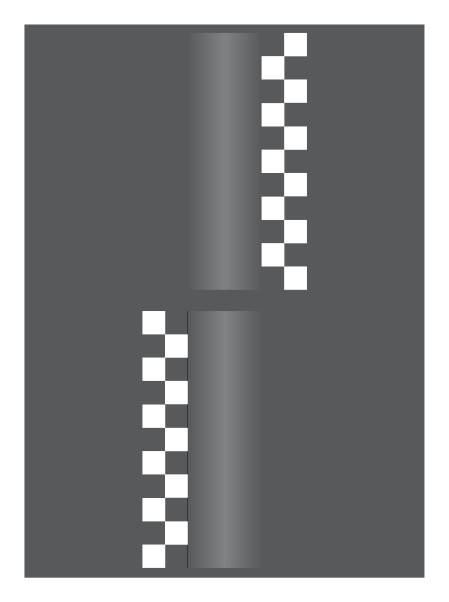
Speed Bump Markings: Understand These Surface Signs for Safe Driving
Understand the 1027.12 Speed Bump road marking and how to react.

Understand the 1028.1 Parking Area road marking for safe driving in Iceland.
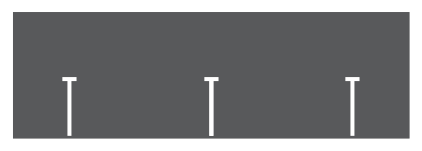
Understand and obey the Parking Area road marking (1028.2)

Understand the 1028.3 Parking Area Road Marking
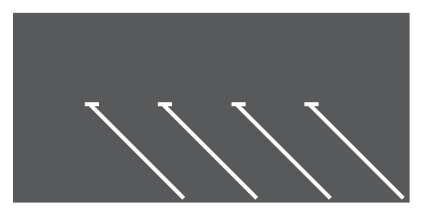
Understand the 'Parking Area' Road Marking on the Carriageway
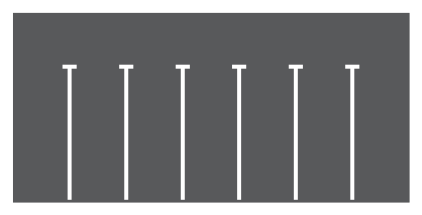
Understand the 'Parking Area' road marking for safe parking and road positioning.

Follow Directional Arrow Markings on the Road Surface
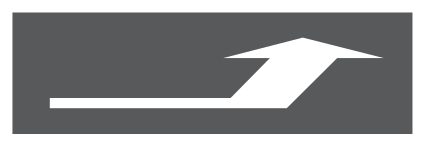
Understand and Follow Directional Arrow Markings on the Road Surface
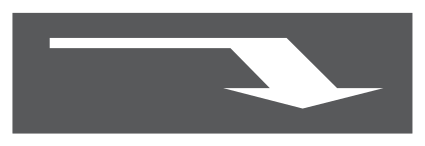
Follow the Directional Arrow Marking on the road surface
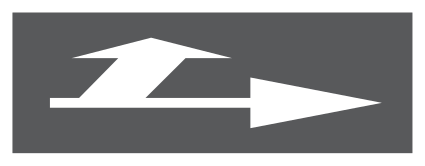
Follow the Directional Arrow Marking on the road surface
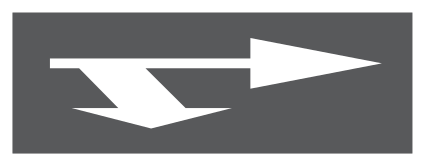
Understand the Directional Arrow Marking road sign for safe navigation

Understand and Follow Directional Arrow Markings on the Roadway
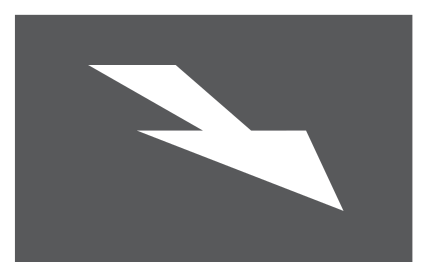
Understand Lane Arrows: Your Guide to Navigating Road Markings Safely
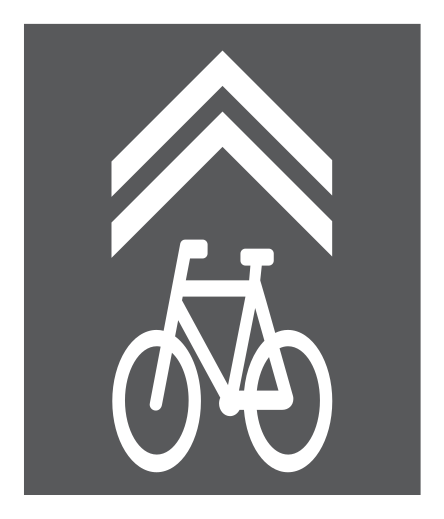
Obey the Wheel Indicator road marking for correct vehicle positioning.
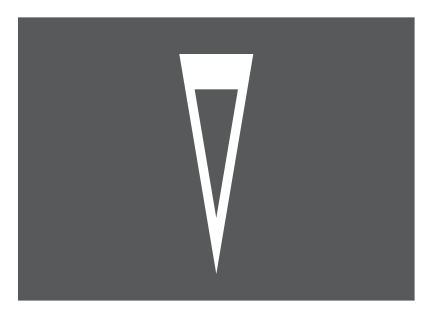
Understand the Symbol For Waiting Duty Road Marking
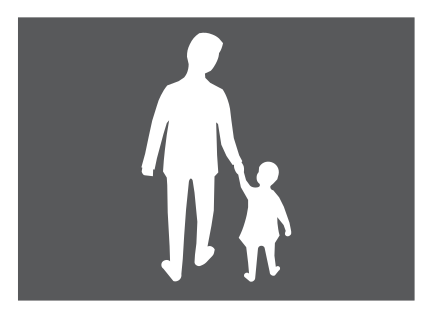
Understand the Symbol For Pedestrians Road Marking (1037)
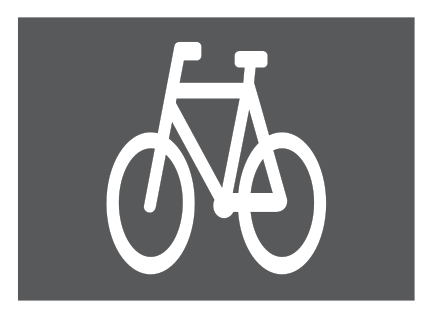
Understand the Symbol for Cyclists road marking and its importance on the Icelandic carriageway.
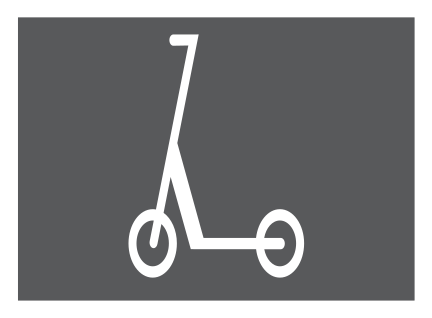
Understand the Symbol For Motorized Scooter Road Marking on the Carriageway
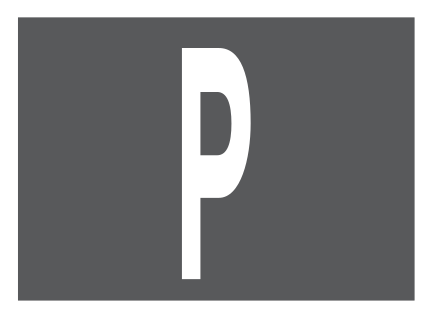
Understand the 1040 Parking Sign painted directly on the road surface.
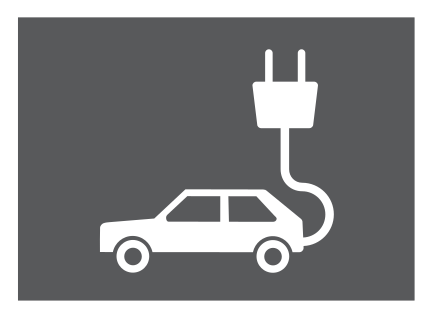
Understand the Electric Charging Station Symbol road marking for safe driving in Iceland.
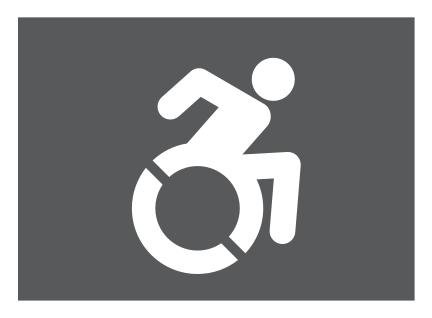
Understand the 'Symbol For Parking Spaces For People With Reduced Mobility' Road Marking
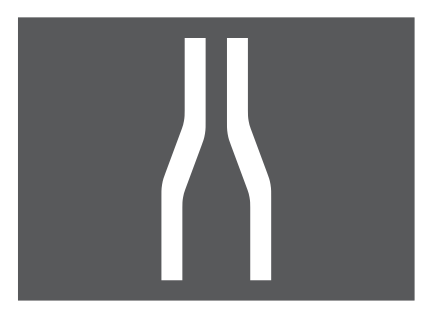
Understand the Symbol for Single Lane Narrowing on the Roadway
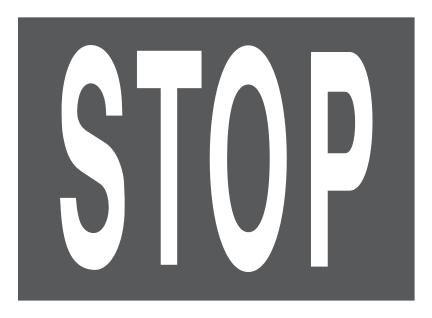
Understand the 'Inscription For Stop Duty' Road Marking on the Icelandic Road Surface
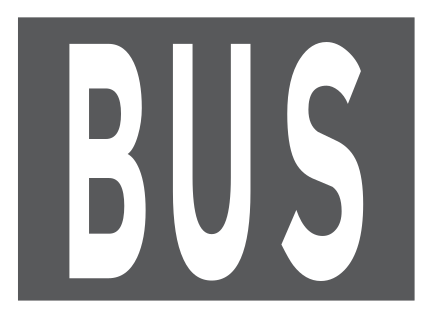
Understand Road Markings for Public Transport Group Vehicles: Sign 1050.2
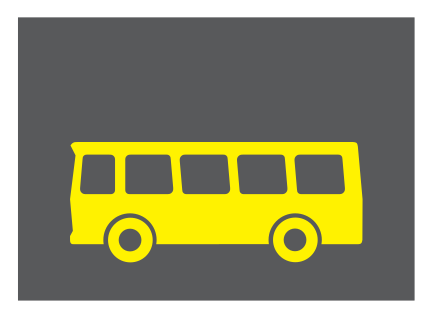
Understand the 1050.2 Road Marking: Inscription For A Group Vehicle In Public Transport 2
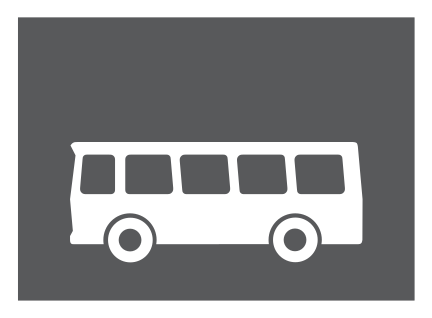
Understand the 'Inscription For A Group Vehicle In Public Transport 3' Road Marking
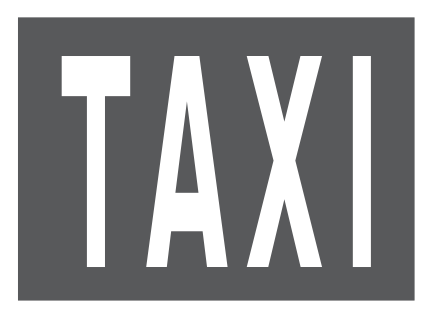
Understand the 'Inscription For Taxis' Road Marking for Safe Navigation
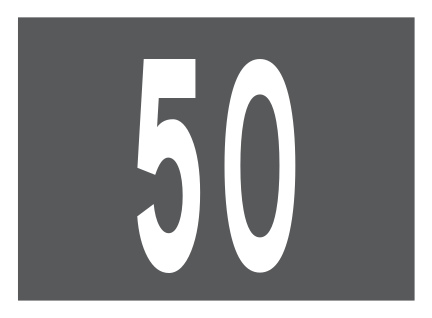
Understand the 'Inscription For Maximum Speed' road marking on the carriageway.
Clear answers to common questions about the Road Markings road sign category. Use this FAQ to review tricky rules, understand how these signs appear in exam scenarios, and remove confusion that often leads to mistakes in the Icelandic driving theory exam in Iceland.
A broken centre line (like a half-broken line or double broken midline) indicates that you may cross it to overtake or change lanes when it is safe to do so, provided there are no oncoming vehicles or other hazards. An unbroken centre line, or a double unbroken centre line, means you must not cross it under any circumstances. This signifies a separation of traffic flows where overtaking is prohibited, usually due to limited visibility or road layout.
A stop line (often a thick white line) indicates the precise point where you must stop when required by a traffic signal, a 'Stop' sign, or a police officer's command. A control line, typically a broken white line, often precedes a stop line or an intersection and signals that you must be prepared to stop or yield if necessary, especially if there is a risk of conflict with other traffic.
Yellow lines, whether broken or unbroken, typically denote parking or stopping restrictions. An unbroken yellow line at the edge of the carriageway usually means no stopping is allowed at any time. A broken yellow line often indicates restrictions on parking or stopping during specific hours or days, which should be supplemented by nearby signs. Always check for accompanying signage for precise details.
While pedestrian crossing markings (often bold white stripes) are a clear visual cue, they are frequently supplemented by upright signs warning drivers of the upcoming crossing. In some cases, you might find markings for combined pedestrian and cycle crossings, requiring extra vigilance for both types of road users. Always be prepared to stop if a pedestrian or cyclist is intending to cross.
Directional arrows painted on the road surface indicate the mandatory direction(s) of travel for the lane you are in. Lane markings, including symbols for bicycles, scooters, or cars, inform you about the intended use of specific lanes. Lane arrows specifically show whether you must go straight, turn left, turn right, or a combination thereof from your current lane, helping to organise traffic flow, especially at junctions.
Ready to ace your Icelandic theory exam? Explore road signs by category. This structured approach helps you grasp complex rules, improve memorization, and confidently prepare for safe driving on Icelandic roads. Begin mastering sign groups today.
Explore Road Sign Categories