
Supplementary plates, often called signs of addition, are crucial companions to many main road signs. They provide vital context, specifying details like distance, time of day, vehicle type, or direction of application. Without understanding these plates, the meaning of the main sign can be unclear or even misleading. This section will clarify how these plates work, ensuring you can interpret them correctly for both your theory exam and safer driving.
An explanation of how Supplementary Plates road signs apply in real traffic situations in Iceland. Learn where these signs are typically placed, what drivers are expected to do when they appear, and how correct reactions help you stay safe, avoid fines, and succeed in your Icelandic driving theory exam.
Supplementary plates are found almost everywhere main road signs exist, making them indispensable for understanding local traffic rules. You'll see distance plates (e.g., '802.2 Distance Plate') indicating how far ahead a hazard or restriction begins, such as a warning for a sharp curve 200 meters ahead. Time period plates (e.g., '806.1 Time Period Plate') might restrict a rule to certain hours, like 'No Parking' only between 8 AM and 6 PM on weekdays. Vehicle class plates (e.g., '807.2 Vehicle Class Plate - Truck') clearly define which vehicles are affected by the main sign – you might see a 'No Entry' sign with a truck plate, meaning only trucks are prohibited. Direction-of-effect plates ('810.1 Direction-of-Effect Plate') are common at junctions, showing if a prohibition or instruction applies ahead, to the left, or to the right. Understanding these plates is vital for correctly interpreting speed limits, parking restrictions, mandatory directions, and warnings, thereby ensuring compliance and safe driving practices.
An overview of the key learning outcomes when studying the Supplementary Plates road sign category. Understand the main concepts, sign meanings, and traffic situations covered here so you can recognise patterns, answer theory questions more confidently, and build a solid foundation for safe driving in Iceland.
Supplementary plates are essential for correctly interpreting Icelandic road signs. They modify main traffic signs by adding details like distance, duration, or vehicle class, defining exactly when and where a rule applies. Studying these sign meanings together helps you master complex scenarios for your theory test revision and ensure accurate sign recognition on Icelandic roads.
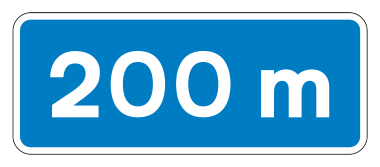
The 802.2 Distance Plate clarifies when and where the main sign's rule applies.
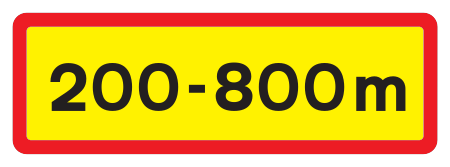
Understand the Length of Validity Plate (804.1) to correctly interpret traffic signs.
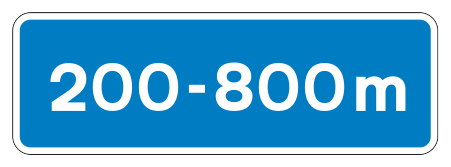
Understand the Length of Effect Plate (804.2) and its impact on main road signs.
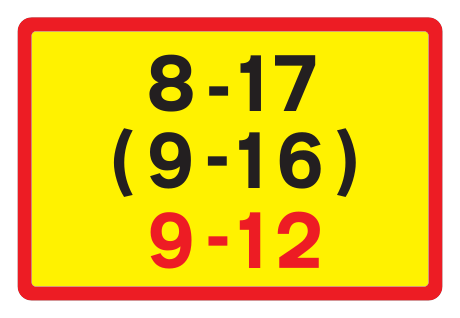
The Time Period Plate (806.1) Always Works With Another Sign Above It
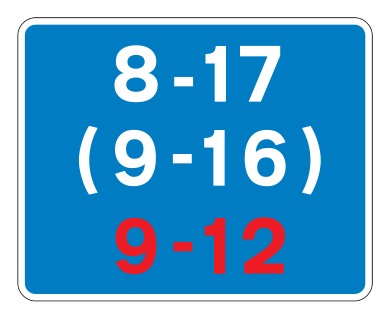
The Time Period Plate (806.2) Modifies Main Signs to Show When They Apply

This supplementary plate clarifies that the main sign applies specifically to passenger cars under 3.5 tonnes.

Understand the 'Truck' Vehicle Class Plate and How it Modifies Main Signs

The 'Bus' Vehicle Class Plate (807.3) is a supplementary sign that specifies rules for buses.

This supplementary plate specifies rules for trucks with trailers.

Understand the Vehicle Class Plate - Bicycle (807.6) and its impact on main traffic signs.

This Supplementary Plate Clarifies Delivery Rules for the Sign Above.

Understand the Tractor Vehicle Class Plate supplementary sign in Iceland.

Vehicle Class Plate - Tracked Off-Road Vehicle: Clarifying the Main Sign's Effect
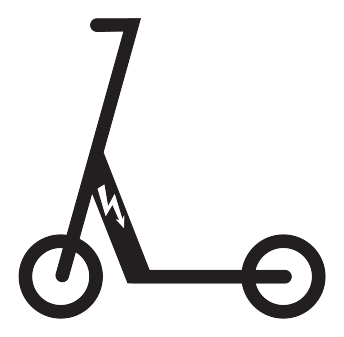
Understand the 'Vehicle Class Plate - Electric Scooter' Supplementary Sign

Vehicle Class Plate - Light Moped: Understand supplementary sign instructions.

Motorcycle Class Plate: Know exactly how the sign above applies to you.

Understand the Vehicle Class Plate - Pedestrians (807.81) Supplementary Sign
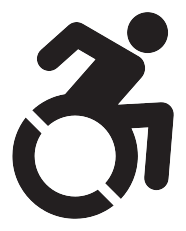
Understand the Vehicle Class Plate for Persons with Reduced Mobility (807.82)

This Supplementary Plate Specifies Rules for Motorhomes Only

Understand the 'Caravans, Campers And Caravans' supplementary plate in Iceland.
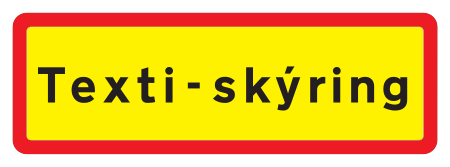
Understand the Text Supplementary Plate to correctly interpret main road signs.
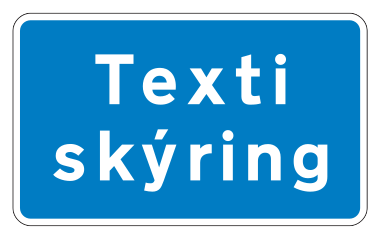
Understand the Text Supplementary Plate (808.2) and its impact on main signs.
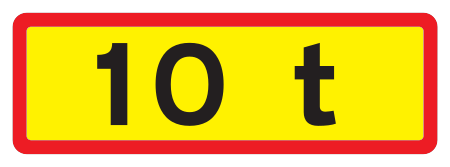
This Text Supplementary Plate modifies the main sign's instruction.
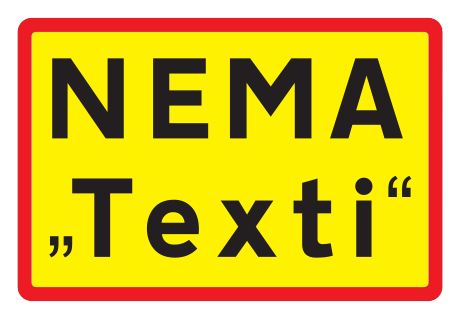
This Text Supplementary Plate Adds Crucial Details to the Main Sign Above.
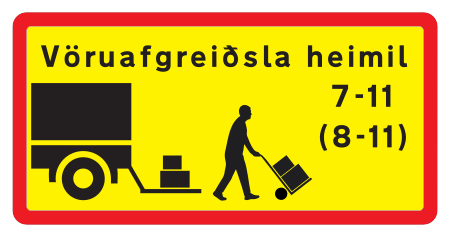
Understand the 808.5 Text Supplementary Plate for Clearer Traffic Rules
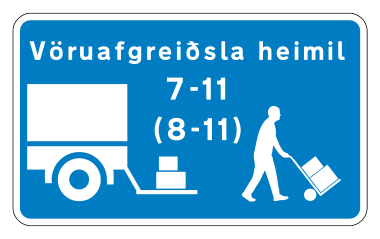
Decode Text Supplementary Plates (808.6) to Fully Understand Main Traffic Signs
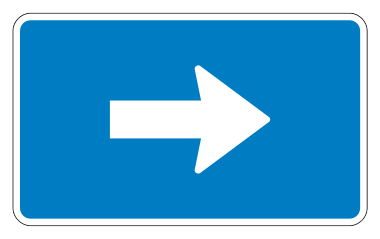
Understand How Direction-of-Effect Plates Modify Main Road Signs
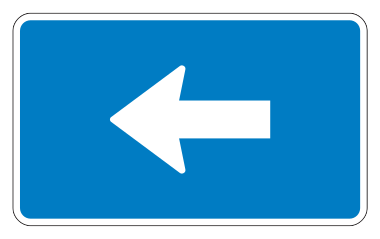
This plate clarifies exactly how the main traffic sign applies to you.
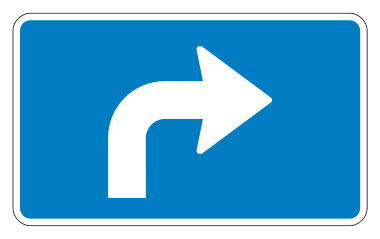
Direction-of-Effect Plate (810.3): Modifying Main Sign Instructions
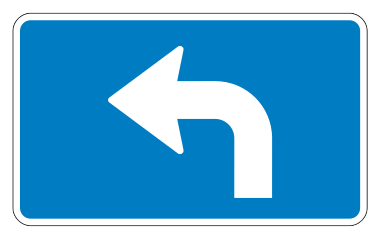
Understand How Supplementary Plates Modify Main Road Signs
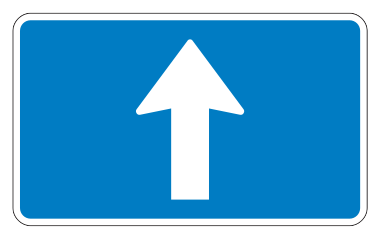
Policy As A Primary Label Applies: Clarifying the Main Sign's Instruction
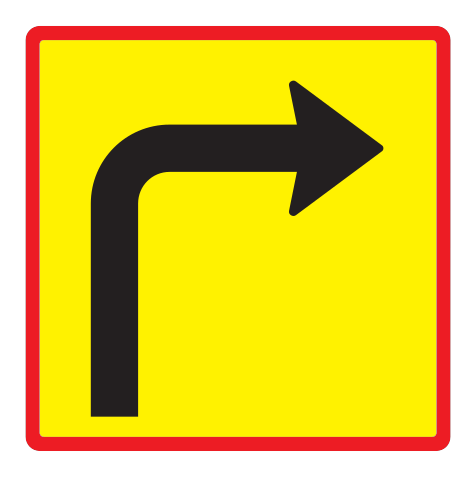
Understand supplementary plates like 'Policy As A Primary Label Applies' (810.6) to correctly interpret main traffic signs.
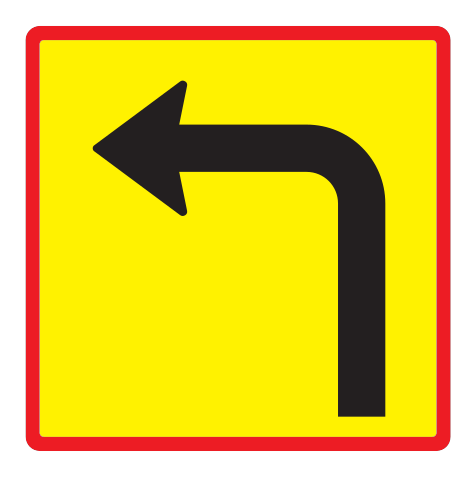
This Supplementary Plate Modifies the Main Sign's Rule
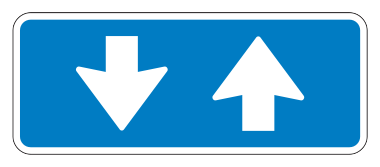
The 811.1 'Cycle Path, Two-way' supplementary plate clarifies main signs
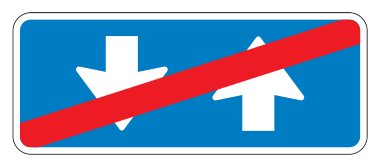
This supplementary plate limits the scope of the main sign above it.
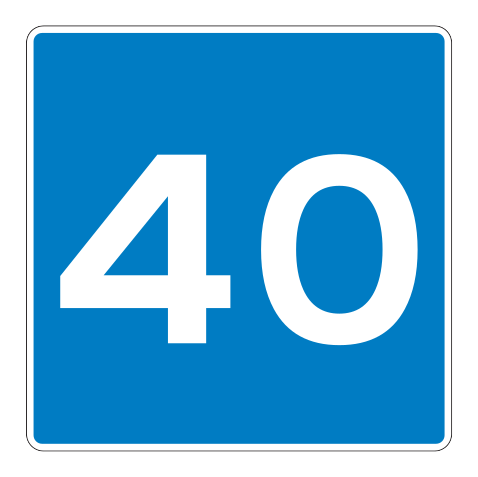
Sign 812: Recommended Maximum Speed clarifies the main traffic sign's instruction.
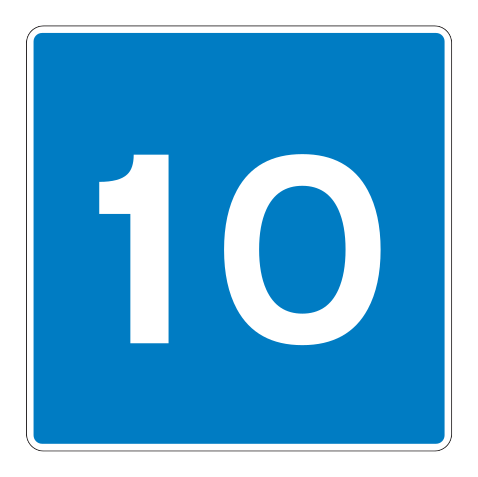
Sign 812.10: Understanding the Recommended Maximum Speed supplementary plate
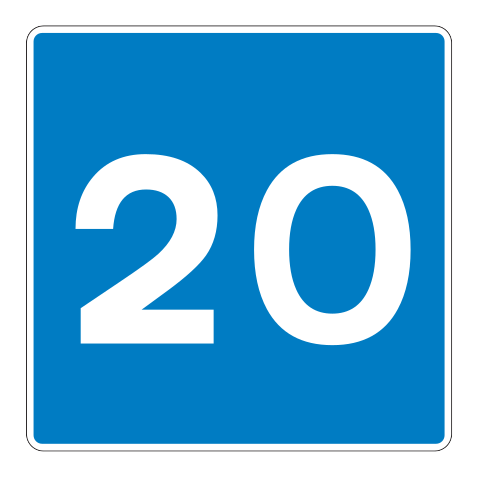
Understand the Recommended Maximum Speed supplementary plate (812.20) for precise speed guidance.
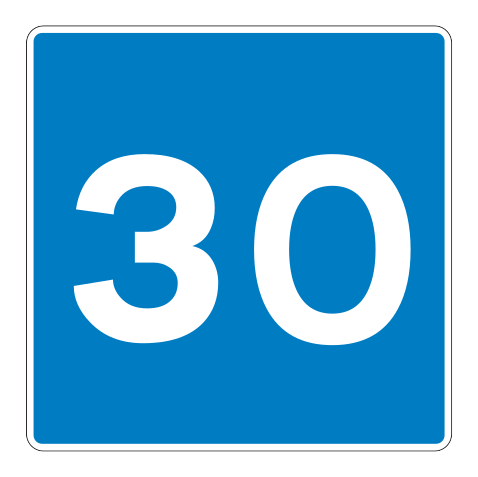
The 'Recommended Maximum Speed' plate clarifies the main sign's instruction.
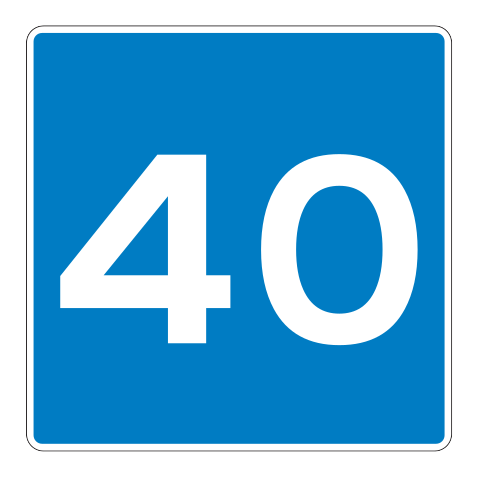
This supplementary plate refines the speed limit set by the sign above it.
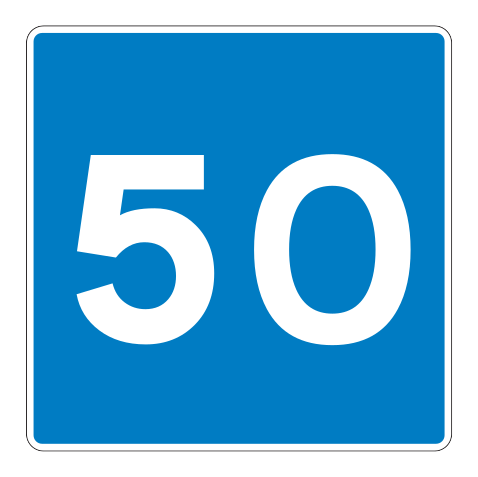
Understand Recommended Maximum Speed Supplementary Plates for Clearer Instructions
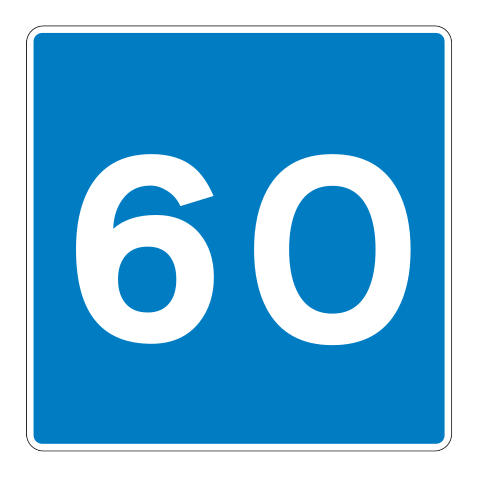
Understand the Recommended Maximum Speed supplementary plate and how it modifies main traffic signs.
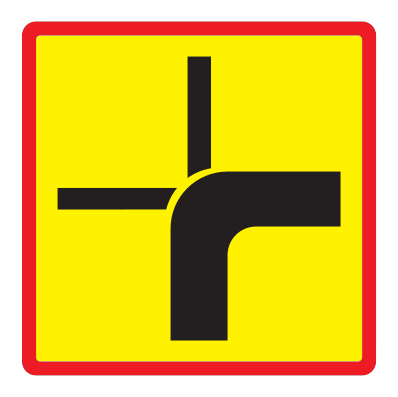
This supplementary plate clarifies the main sign's route at a junction.
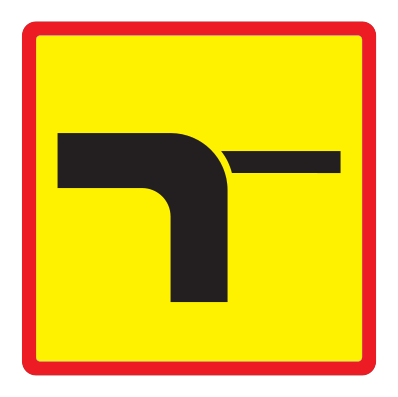
Understand the Route of the Main Road at Junctions with Supplementary Plates

Understand the 'Route of the Main Road at the Junction' supplementary plate
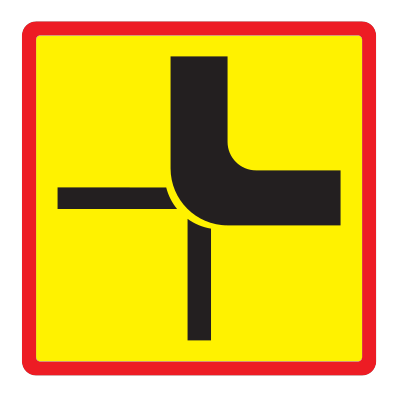
This supplementary plate clarifies the main road's route at a junction, always read with the sign above.
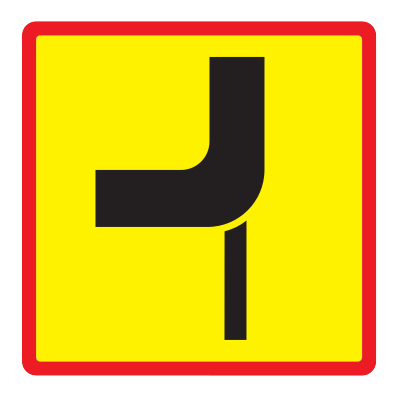
This supplementary plate clarifies the main road's route at a junction.
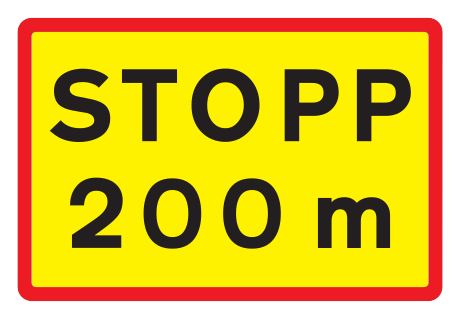
Understand the 'Obligation To Stop Ahead' Supplementary Plate (824)
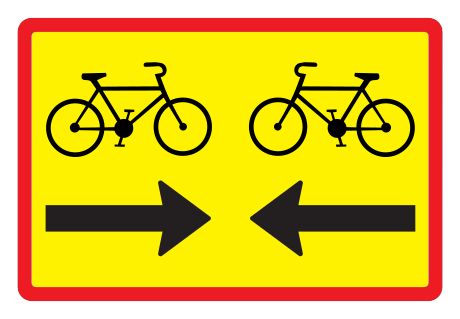
Understand the 'Cyclist Traffic From Both Directions' supplementary sign (826.1) in Iceland.
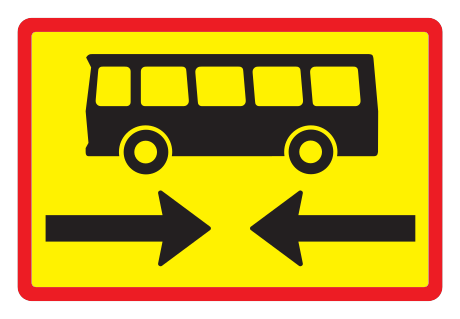
Supplementary Plate 826.2 Clarifies Bus Traffic Rules From Both Directions
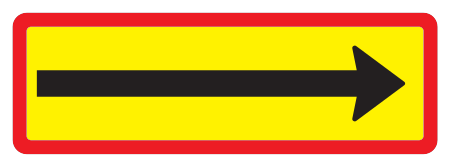
Understand the 828.1 Validity Area: Modifying Main Signs for Clarity
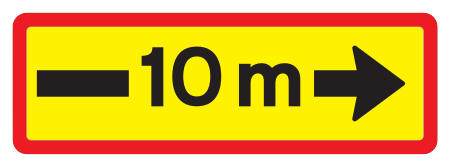
The Validity Area sign (828.2) precisely defines the scope of the main traffic sign above it.
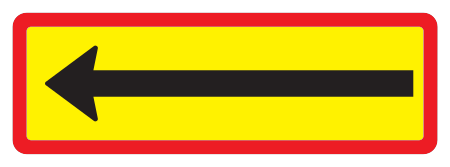
The 828.3 Validity Area sign clarifies the scope of the main sign above it.
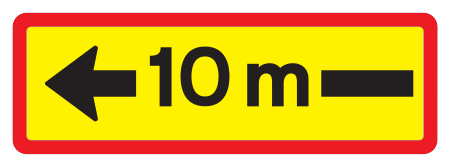
The Validity Area sign (828.4) clarifies the scope of the main sign above it.
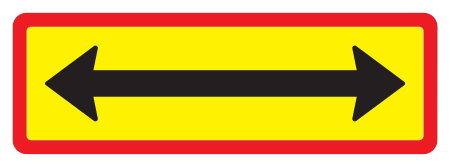
The 828.5 Validity Area plate clarifies the reach of the sign above it.
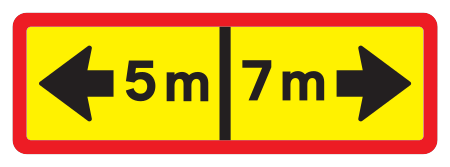
The Validity Area sign (828.6) clarifies the precise scope of the main road sign above it.
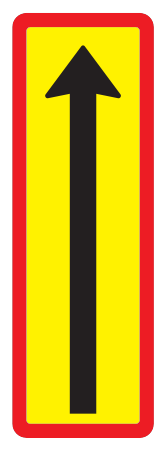
The 828.7 Validity Area plate clarifies the main sign's scope.
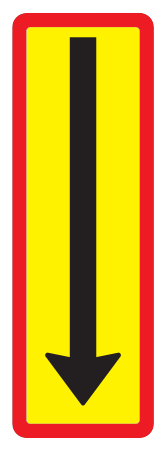
The 828.8 Validity Area sign clarifies and limits the main sign above it.
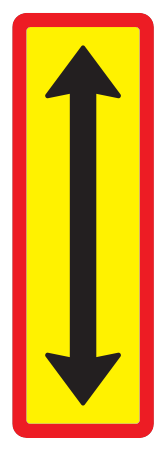
The 828.9 Validity Area sign clarifies the scope of the main sign above it.
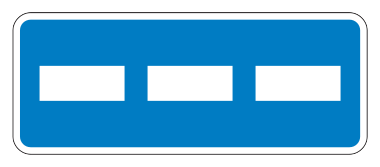
The 829.1 Parking Arrangement sign clarifies parking rules in Iceland.

Deciphering the 'Parking Arrangement' Supplementary Road Sign
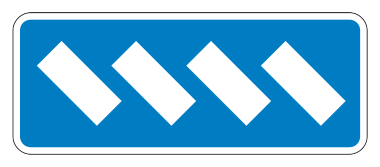
Sign 829.3: Parking Arrangement - How Supplementary Plates Modify Main Signs
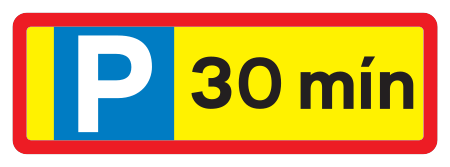
The Maximum Time supplementary plate clarifies how other signs apply.
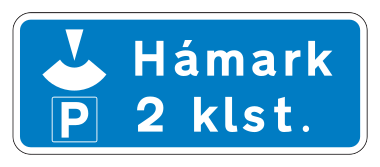
Understand the 'Maximum Time' supplementary plate and how it modifies other traffic signs.
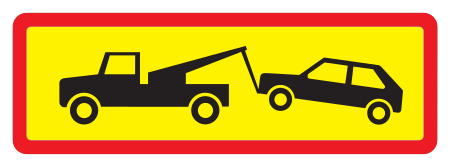
Understand Supplementary Plates: 'Violators Will Be Removed' Explains the Main Sign
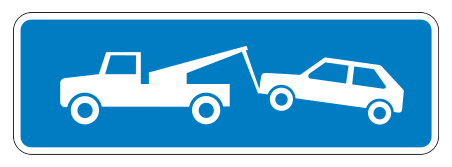
Understand the 'Violators Will Be Removed' supplementary plate (831.52) to correctly interpret main traffic signs.
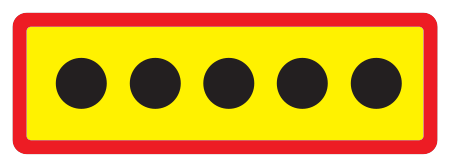
Understand the 'Visually Impaired Pedestrians' supplementary plate (840.1) for safe driving in Iceland.
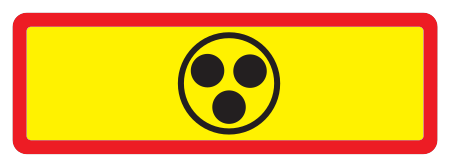
Understand the 'Hearing Impaired Pedestrians' supplementary road sign (840.2)
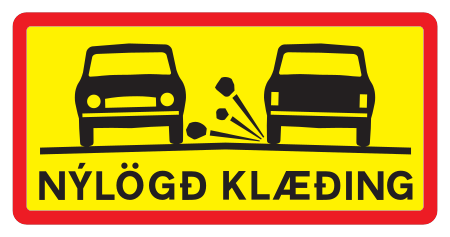
The 'New Cladding' sign adds crucial details to the main sign above it.
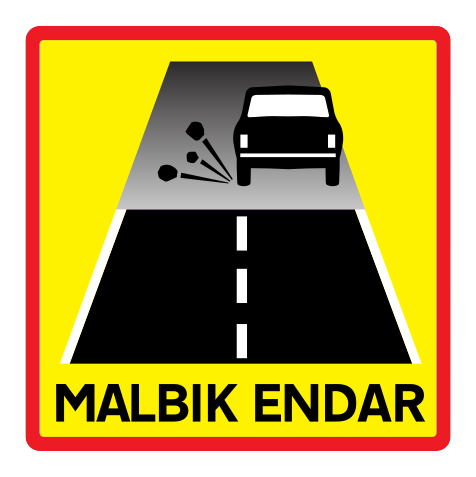
Understand the 'Asphalt Ends' supplementary plate (842.2) for precise traffic sign meaning.
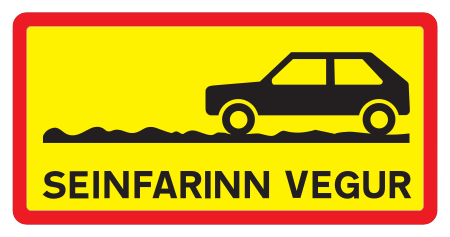
The Slow Road supplementary plate clarifies and narrows the main sign's instruction.
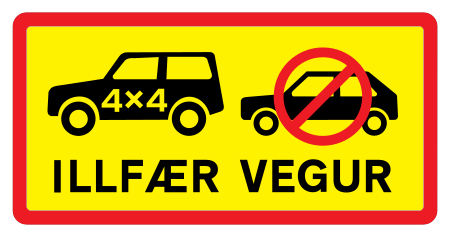
The 'Bad Road' supplementary plate clarifies and restricts the main sign above it.
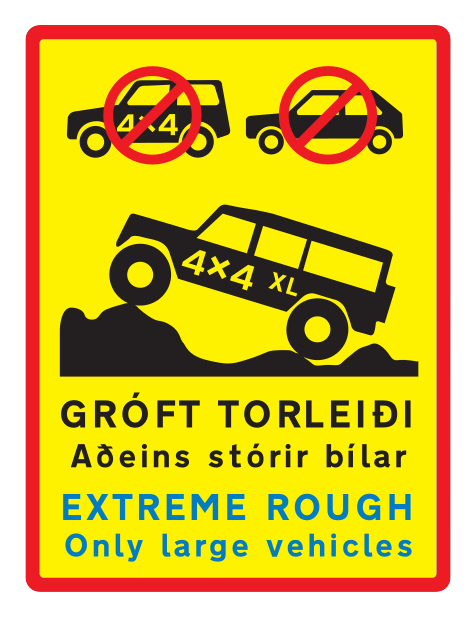
Understand the Difficult Track Warning Plate - Large Sign (844.3) with Main Signs
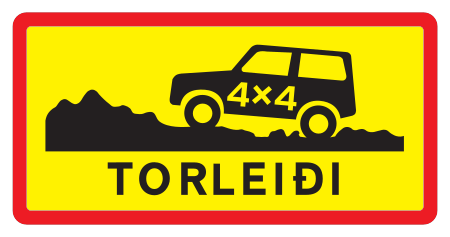
This supplementary plate modifies the meaning of the main sign above it.
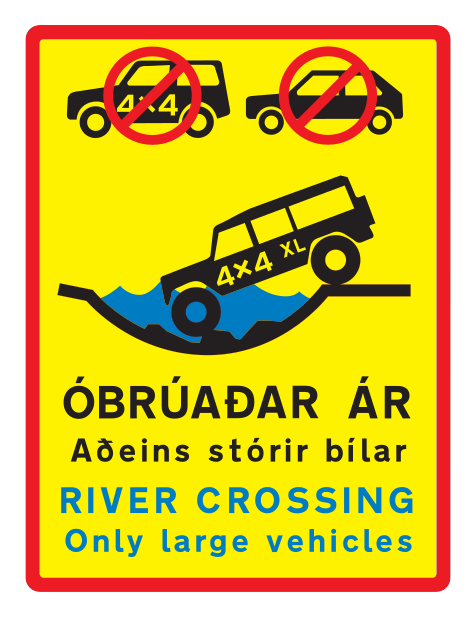
This Supplementary Plate Clarifies the Main Sign's Instructions
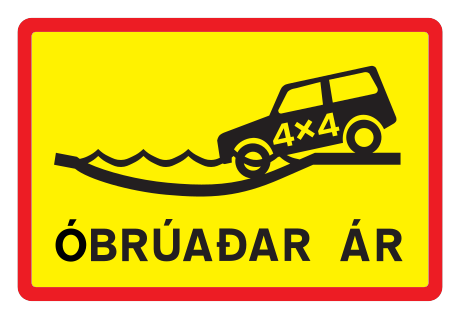
This supplementary plate clarifies the main sign's scope, such as indicating unbridged rivers.
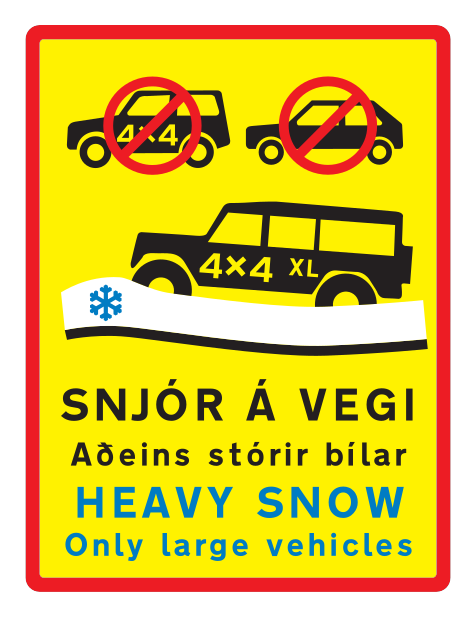
The 'Snow On The Road' plate modifies other signs to specific conditions.
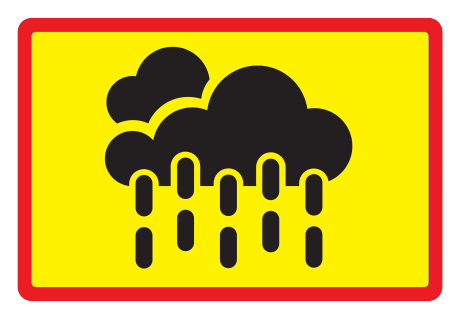
Understand the 'Slippery In The Wet' Supplementary Plate (848.5)
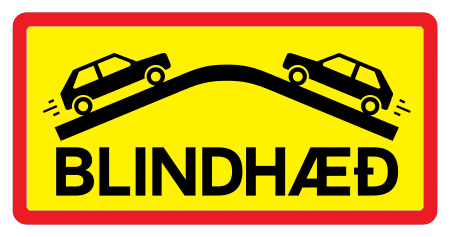
Understand the Blind Height supplementary plate (850.1) that clarifies main road signs.
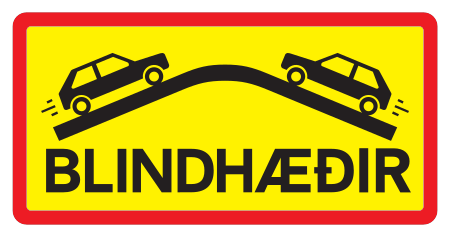
Understand the 'Blind Heights' supplementary plate by reading it with the main sign above.
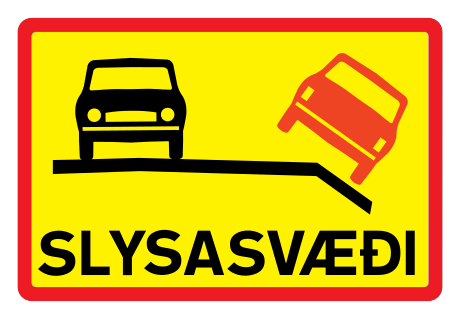
Understand How 'Accident Area' Plates Modify Road Signs in Iceland
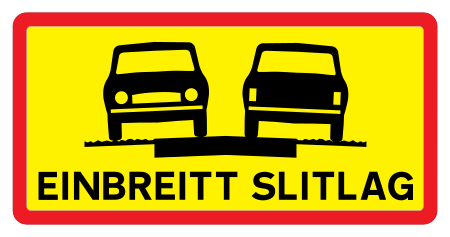
Understand the 'Single Tread' supplementary plate to correctly interpret main road signs.
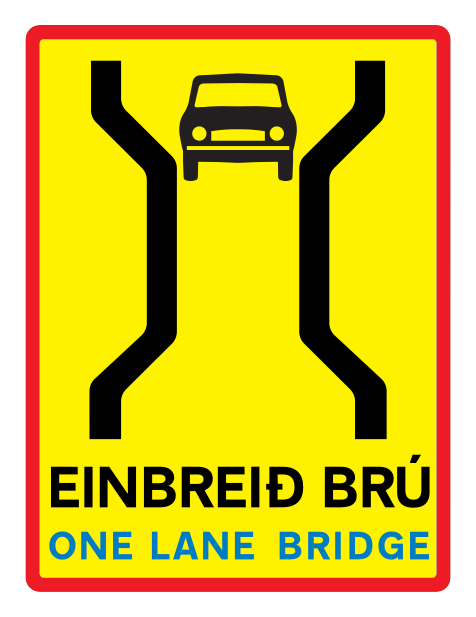
Understand the Single Span Bridge supplementary plate (854.2) to clarify main road signs.
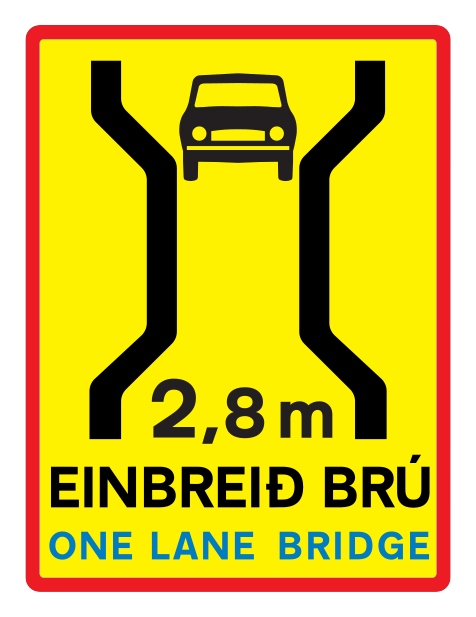
Understand the Single-lane Bridge With Narrow Carriageway Supplementary Plate (854.3)
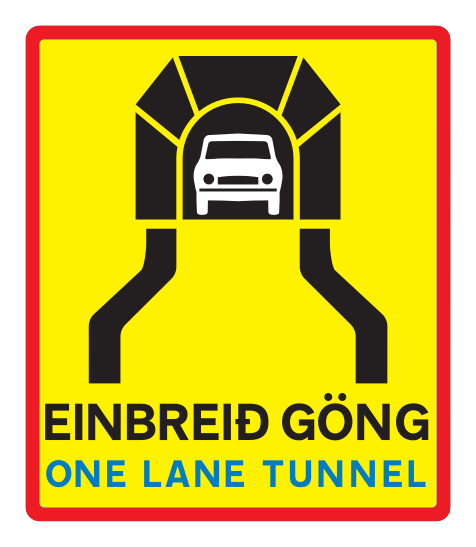
The 854.4 'Single Lane Tunnel' supplementary plate clarifies main traffic signs.
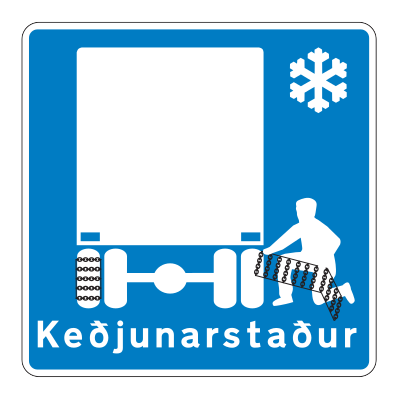
Sign 860 Chain Point: Clarifying the Main Sign Below

This Supplementary Plate Modifies the Main Sign's Instruction

This Supplementary Plate Clarifies When a Main Sign Applies to Longer Buses

The 'Forklift' plate (lyftari) clarifies the main sign above it.

The Road Grader plate clarifies the main sign's instructions.
Clear answers to common questions about the Supplementary Plates road sign category. Use this FAQ to review tricky rules, understand how these signs appear in exam scenarios, and remove confusion that often leads to mistakes in the Icelandic driving theory exam in Iceland.
The most crucial aspect is that supplementary plates *always* work in conjunction with a main road sign. They don't typically stand alone and serve to add specific conditions or context to the primary sign. You must read them as a combined message. For example, a speed limit sign paired with a 'distance plate' tells you the speed limit starts in X meters, not immediately.
Vehicle class plates clearly depict symbols or text indicating the specific vehicle type affected. You'll see signs for passenger cars, trucks, buses, bicycles, motorcycles, and even pedestrians. Always check if your vehicle matches the class shown; if it does, the main sign's restriction or instruction applies to you. If your vehicle type is not shown, the main sign likely does not apply to you.
A 'distance plate' (like 802.2) tells you *how far away* the hazard or restriction begins – for example, '300m'. A 'direction-of-effect plate' (like 810.1) tells you *where* the restriction or instruction applies – ahead, to the left, or to the right, often used at junctions or to indicate the end of a zone.
Yes, absolutely. Warning signs alert you to potential hazards. Supplementary plates can specify details about that hazard. For instance, a 'curve ahead' warning sign might have a 'distance plate' indicating the curve is 150 meters away, or a 'slippery in wet' plate (848.5) to inform you when the hazard is most relevant. This extra information helps you prepare appropriately.
Yes, especially with time period plates and parking plates. For example, a 'No Parking' sign might have different supplementary plates indicating it's only for certain days, specific hours, or for a limited duration (like 'maximum time' plates, 831.1). Always read the main sign and the supplementary plate together carefully to understand the exact rules and avoid confusion or penalties.
Ready to ace your Icelandic theory exam? Explore road signs by category. This structured approach helps you grasp complex rules, improve memorization, and confidently prepare for safe driving on Icelandic roads. Begin mastering sign groups today.
Explore Road Sign Categories