
Temporary work-zone signs are crucial for directing traffic through areas where road conditions have changed due to construction or maintenance. These signs alert you to altered speed limits, lane diversions, and temporary priority rules, ensuring your safety and the safety of workers. Understanding these signs is vital for passing your theory test and for navigating unfamiliar situations on the road with confidence.
An explanation of how Temporary Work-Zone Signs road signs apply in real traffic situations in Iceland. Learn where these signs are typically placed, what drivers are expected to do when they appear, and how correct reactions help you stay safe, avoid fines, and succeed in your Icelandic driving theory exam.
You will frequently encounter temporary work-zone signs in various settings, from busy motorways undergoing repairs to residential streets where utility work is taking place. These signs are placed to warn drivers of upcoming changes and manage traffic flow safely around the work area. You might see them indicating a temporary reduction in speed, often to 30, 40, 50, 60, 70, or 80 km/h, or directing you into different lanes or even a temporary traffic light system. It's essential to pay close attention to these signs as they override normal road markings and speed limits, often for the safety of both drivers and construction workers. Always be prepared to adjust your speed and follow the new road layout as indicated.
An overview of the key learning outcomes when studying the Temporary Work-Zone Signs road sign category. Understand the main concepts, sign meanings, and traffic situations covered here so you can recognise patterns, answer theory questions more confidently, and build a solid foundation for safe driving in Iceland.
Temporary work-zone signs are crucial for safely navigating construction areas and sudden road changes across Iceland. This collection helps you quickly interpret their distinct meanings and prepare for situations that temporarily alter normal traffic rules and speed limits. Mastering these specific road signs is essential for comprehensive theory test revision and safe driving.
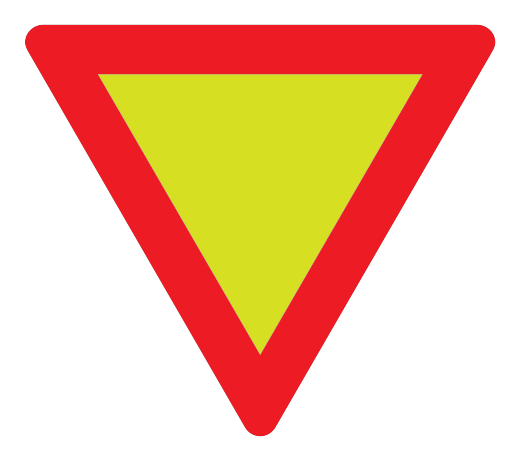
Obey Temporary Give Way signs, especially in roadworks, overriding normal rules.
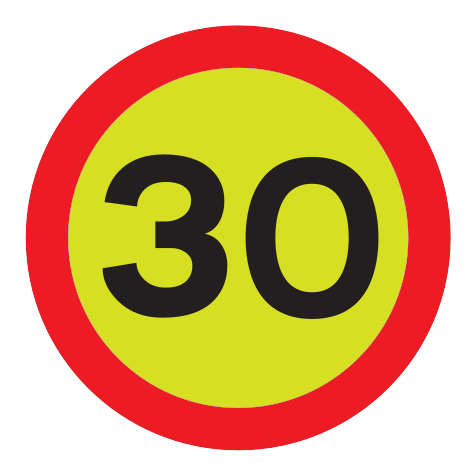
Understand the temporary 30 km/h speed limit sign and why it overrides normal rules.
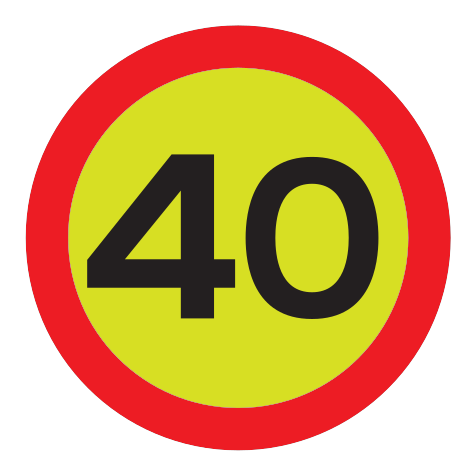
Obey Temporary 40 km/h Speed Limits in Roadworks Zones
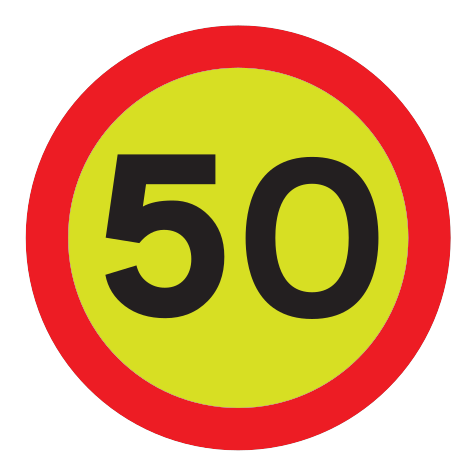
Temporary 50 km/h Speed Limit: Follow the Reduced Speed in Roadworks
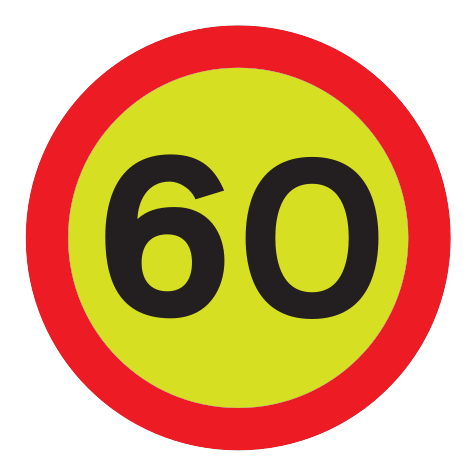
Obey the Temporary 60 km/h Speed Limit Sign in Roadworks
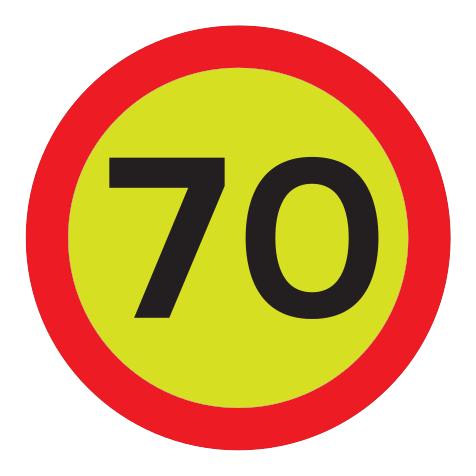
Observe the temporary 70 km/h speed limit sign in roadworks.
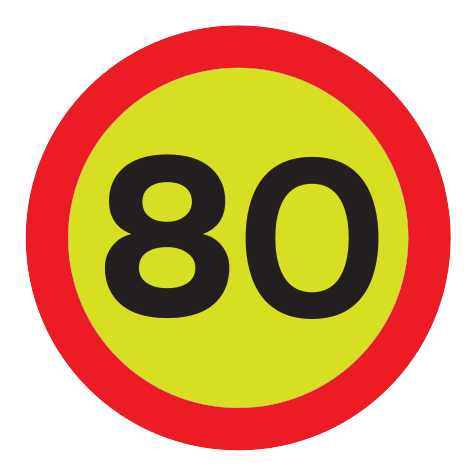
Temporary 80 km/h Speed Limit: Your Guide to Roadworks Safety
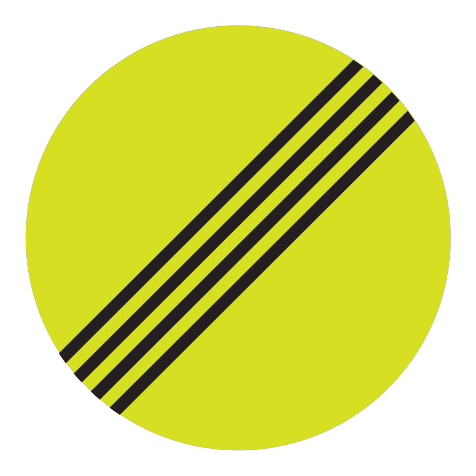
Understand the 'End of Temporary Restriction' Sign (380) to Safely Exit Roadworks
Clear answers to common questions about the Temporary Work-Zone Signs road sign category. Use this FAQ to review tricky rules, understand how these signs appear in exam scenarios, and remove confusion that often leads to mistakes in the Icelandic driving theory exam in Iceland.
Temporary work-zone signs are essential for safety. They inform drivers about immediate changes to road conditions, such as reduced speed limits, lane closures, or altered traffic priorities, which are necessary due to construction, maintenance, or accidents. Ignoring them can lead to accidents, fines, and hazards for both road users and workers.
Temporary speed limit signs are usually placed in a yellow or orange frame, or on temporary posts, indicating that the reduced speed is only for a specific, limited duration and area, typically a work zone. Permanent speed limit signs are usually white and black and apply to longer stretches of road under normal conditions. You must always adhere to the most restrictive speed limit applicable.
When multiple temporary signs appear together, they form a set of instructions for the affected area. Always follow the signs in the order they appear and prioritize the most restrictive or urgent instruction, such as a reduced speed limit or a mandatory lane change. The 'End of Temporary Restriction' sign will indicate when normal conditions resume.
Temporary roadworks end when you pass the 'End of Temporary Restriction' sign (sign 380). This sign signifies that the temporary measures, such as reduced speed limits or lane diversions, are no longer in effect and you can resume driving according to the permanent road markings, speed limits, and rules of the road.
Yes, absolutely. Work zones often require temporary lane closures or diversions, meaning you might be directed into a different lane than usual. In some cases, temporary traffic lights or marshals may be used to manage priority, particularly in narrow sections. Always look for and follow the signs and signals that guide you through these temporary arrangements.
Ready to ace your Icelandic theory exam? Explore road signs by category. This structured approach helps you grasp complex rules, improve memorization, and confidently prepare for safe driving on Icelandic roads. Begin mastering sign groups today.
Explore Road Sign Categories