
Explore fundamental Icelandic driving theory topics. Gain clear explanations of all road rules, traffic signs, and priority situations in Iceland. Understand unique driving conditions, including weather hazards. This hub builds essential knowledge for your theoretical exam. Prepare confidently for your Icelandic driving license.
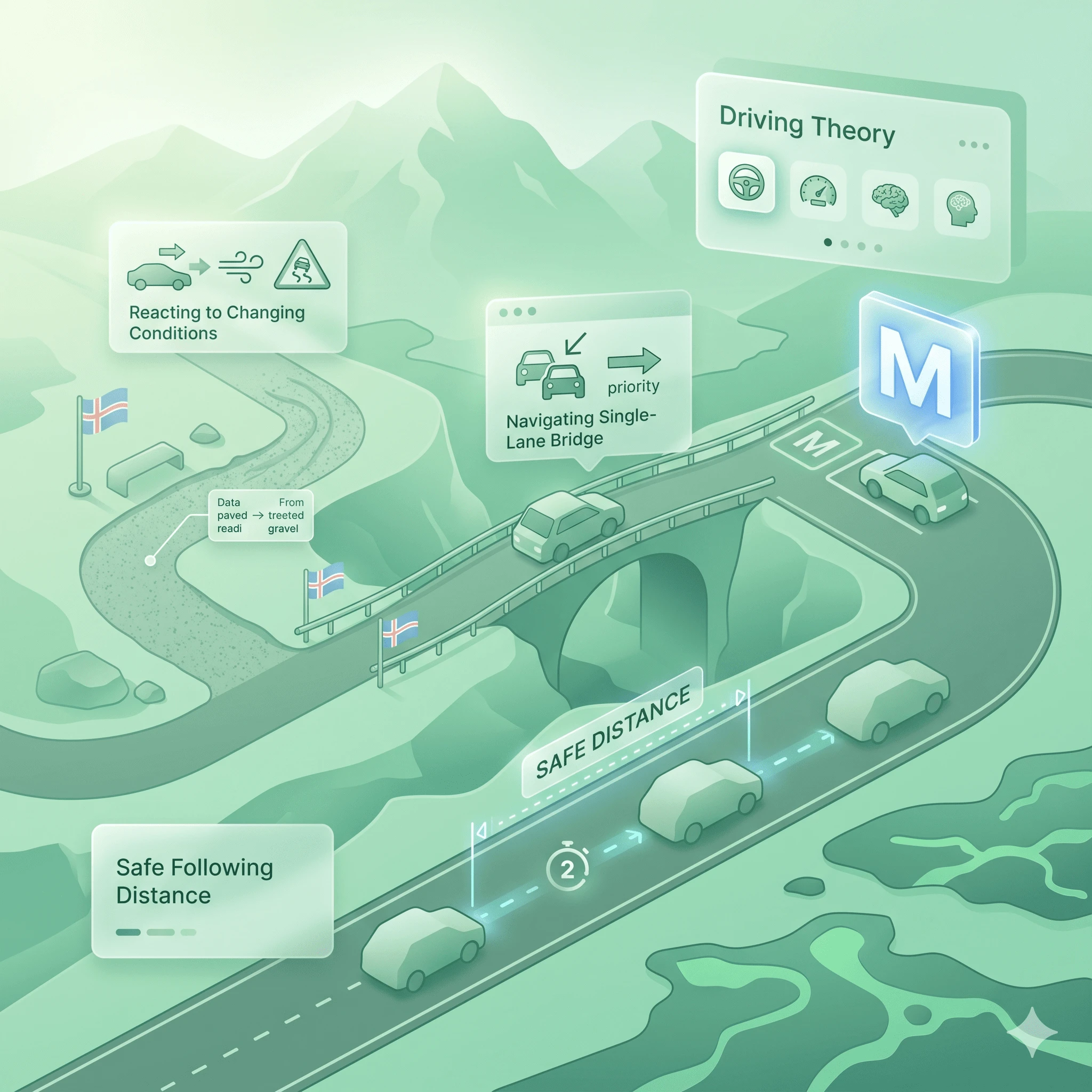
Our curriculum breaks down complex Icelandic traffic rules, priority situations, and essential vehicle knowledge into focused study categories. Master road signs and defensive driving conventions to confidently prepare for your official theory test.
8 topics
7 topics
7 topics
6 topics
3 topics
2 topics
2 topics
2 topics
1 topic
1 topic
1 topic
1 topic
Find specific driving theory topics or browse our comprehensive set of study subjects to prepare for your Icelandic theory test. Understanding Icelandic traffic rules and road signs is crucial for safe driving and passing your exam.
Filter by category
50 theory topics found
Alcohol consumption profoundly affects a driver's mental and physical capabilities, greatly increasing the risk of accidents. In Iceland, traffic laws are very clear: it is strictly prohibited to drive under the influence, and doing so carries severe penalties. This section clarifies how alcohol impairs your driving and why it's a critical safety concern.
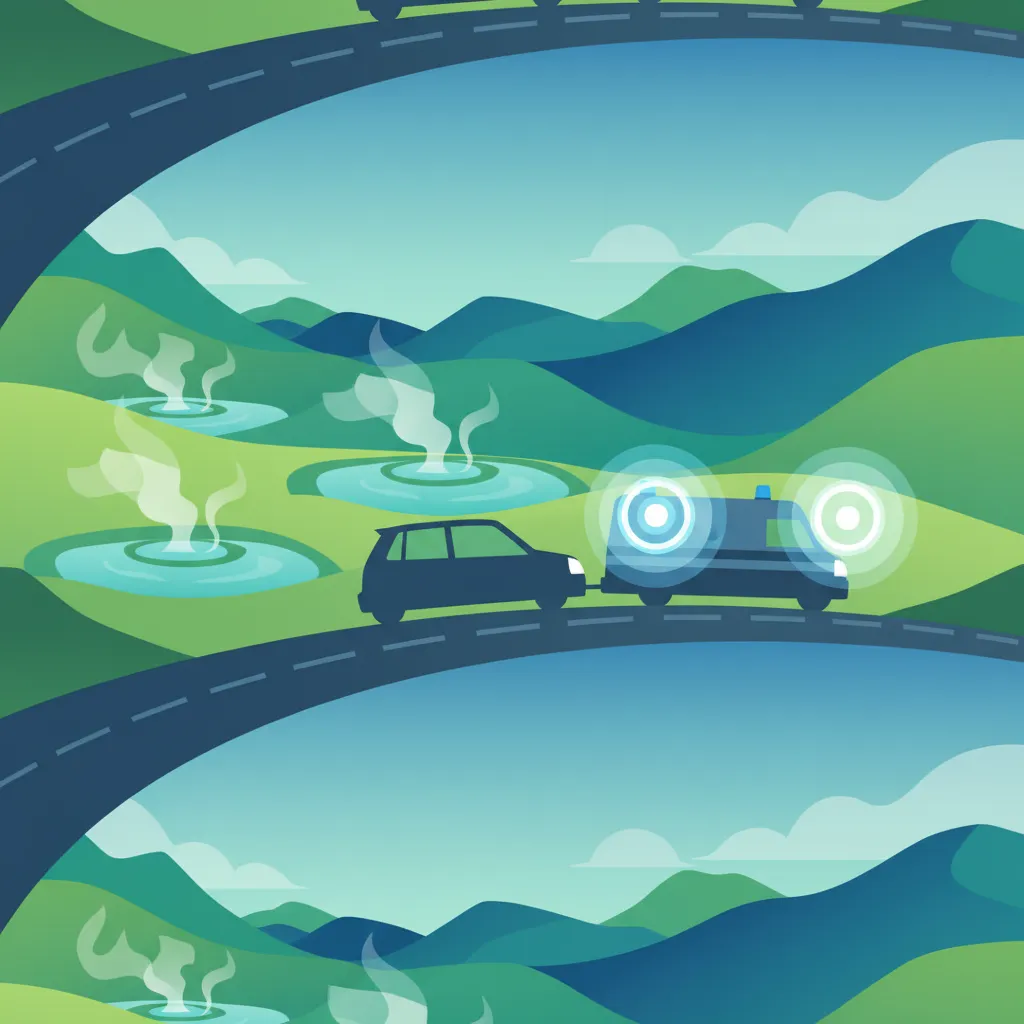
In Iceland, all drivers have a critical responsibility to facilitate the passage of emergency vehicles responding to urgent situations. This involves understanding the signals used by ambulances, police, and fire trucks, and knowing the correct, safe actions to take immediately. Your quick and predictable response can be vital in enabling emergency services to reach their destination without delay.
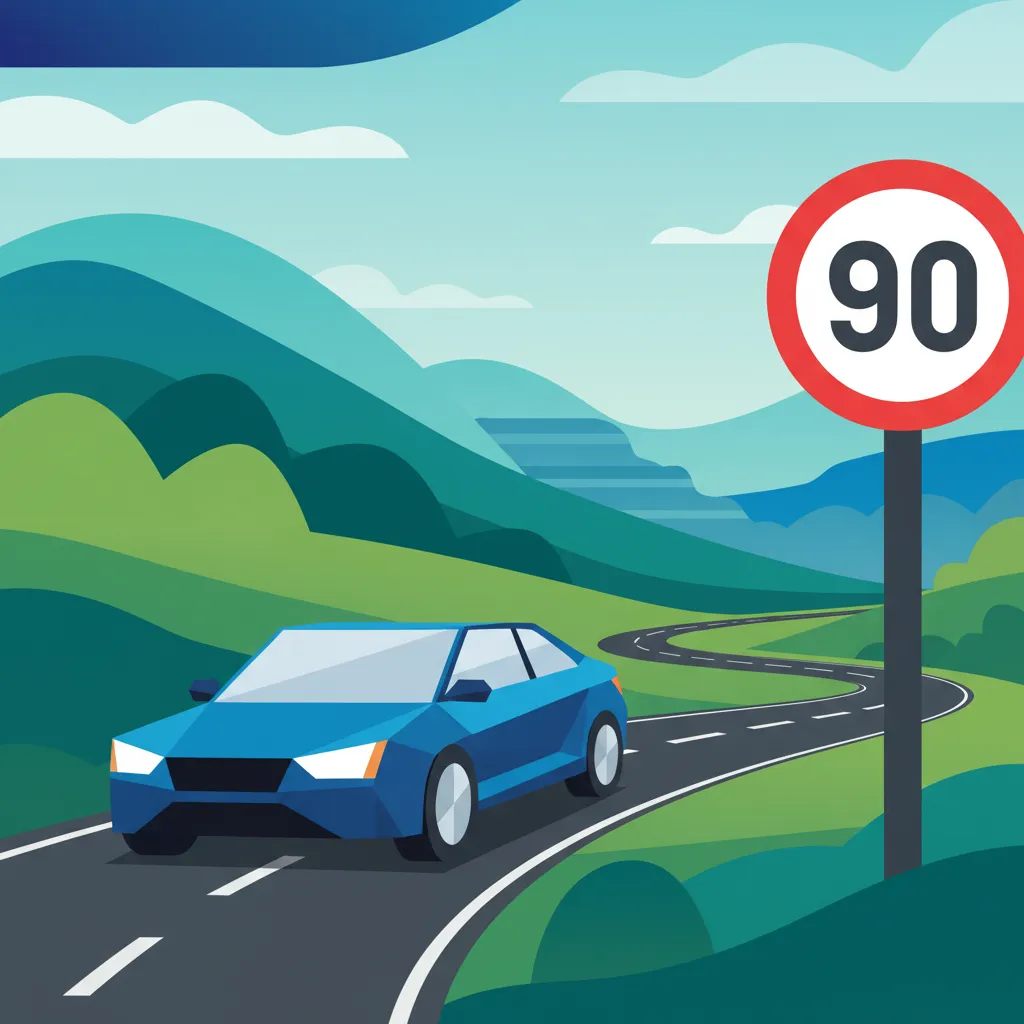
Speed limits are fundamental traffic regulations designed to balance efficient traffic flow with essential road safety. In Iceland, these limits vary significantly by road type, from urban areas to expansive rural and gravel roads. Understanding these maximum legal speeds is only the first step; new drivers must also master the critical skill of adapting their speed to current conditions, traffic density, and environmental factors.

Seat belts are fundamental to vehicle safety, designed to secure occupants and distribute impact forces during sudden stops or collisions. In Iceland, wearing a seat belt is a legal requirement for all occupants, regardless of seating position or journey length. Understanding how seat belts function and the correct way to wear them is crucial for your safety and success in the driving theory exam.
In Iceland, vehicle lighting is not just for night driving; specific rules dictate when and how different lights must be used to ensure safety. This page details the mandatory requirement for driving lights, the functions of low beams, high beams, fog lights, and how each contributes to visibility for you and other road users, preventing collisions in dark or adverse weather.
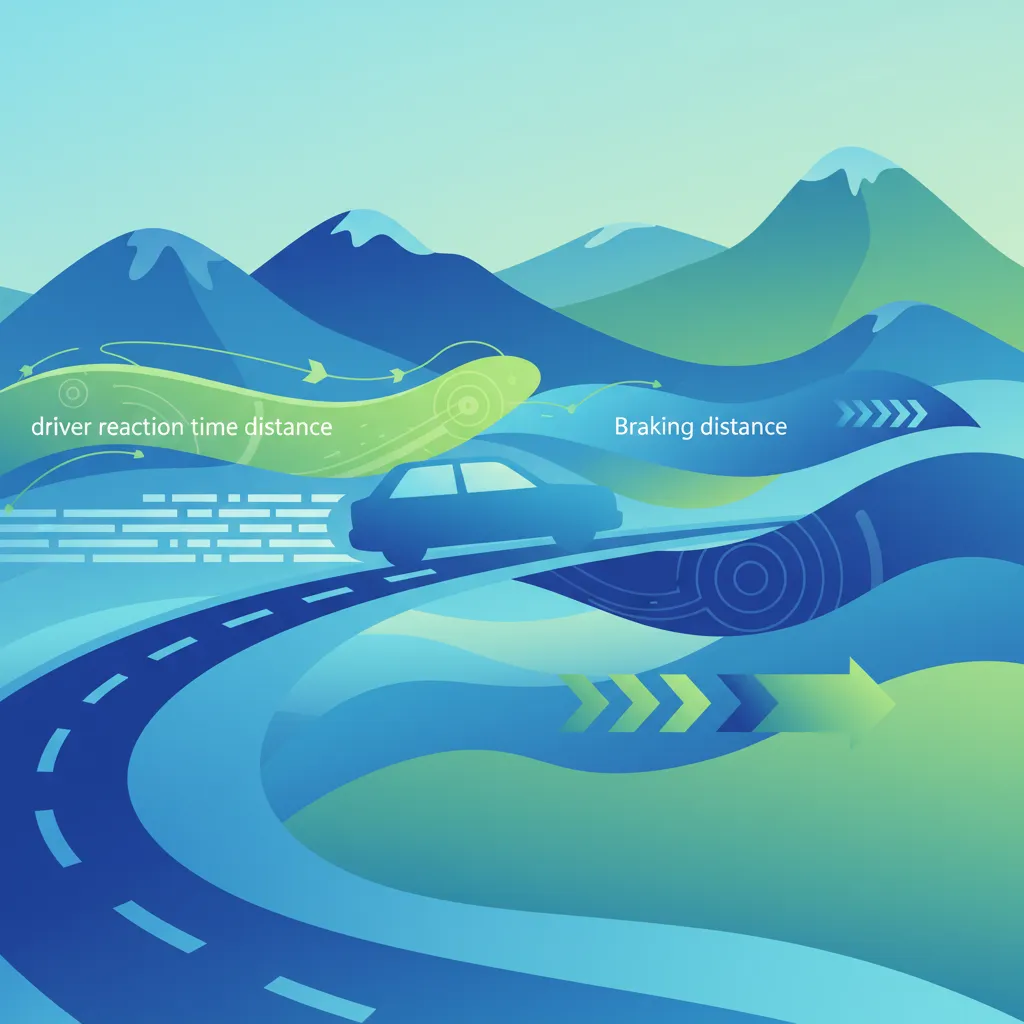
Stopping distance is the total ground a vehicle covers from the moment a driver identifies a hazard until the vehicle comes to a complete halt. It is a critical concept in safe driving, particularly on Icelandic roads which can present diverse and challenging conditions. This concept helps you understand why maintaining a safe following distance is non-negotiable and how various factors profoundly influence the time and space needed to stop.
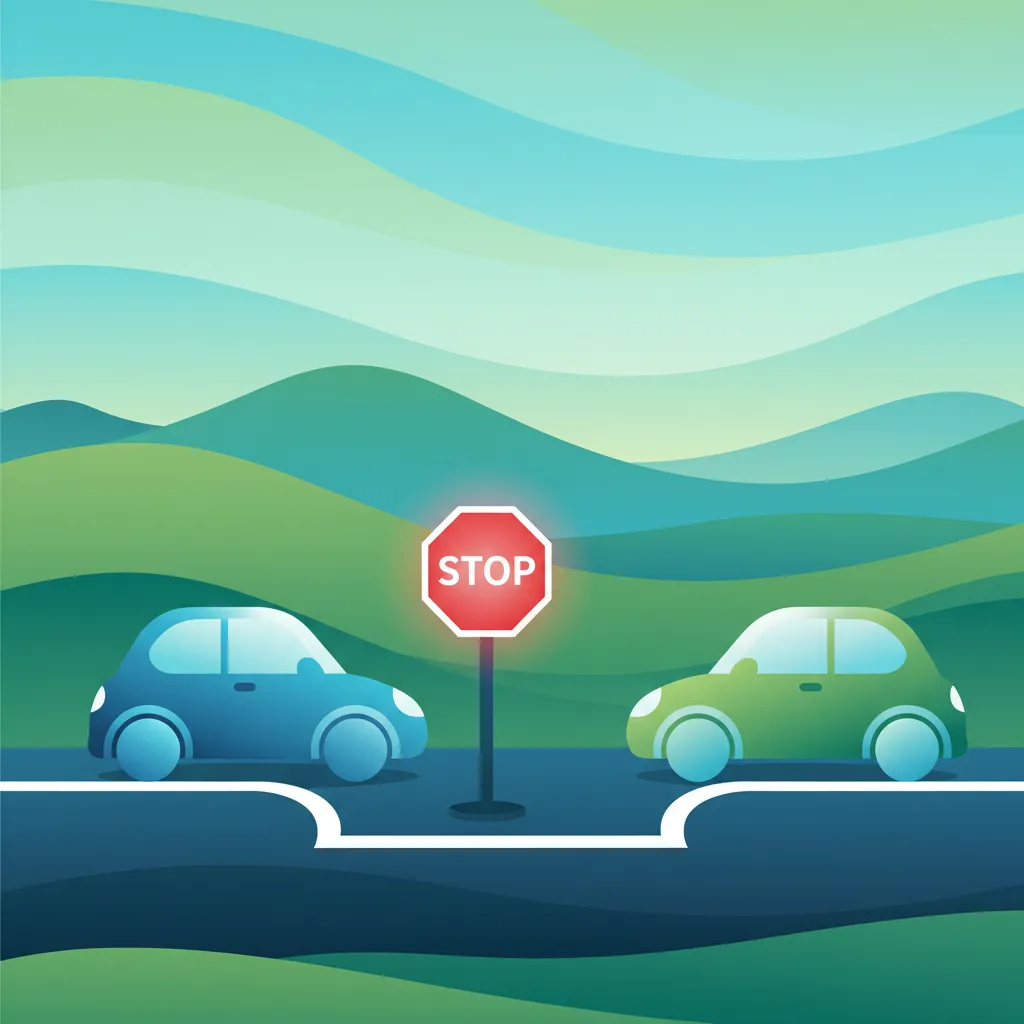
A stop sign (Stöðvunarskylda) is one of Iceland's most critical regulatory traffic signs, requiring drivers to bring their vehicle to a complete halt before proceeding. Unlike a yield sign, which allows for continuous movement if the path is clear, a stop sign mandates a full stop irrespective of traffic conditions. This rule ensures drivers pause to thoroughly assess the situation, especially at intersections with limited visibility or complex traffic flows, aligning with standards set by the Icelandic Transport Authority (Samgöngustofa).
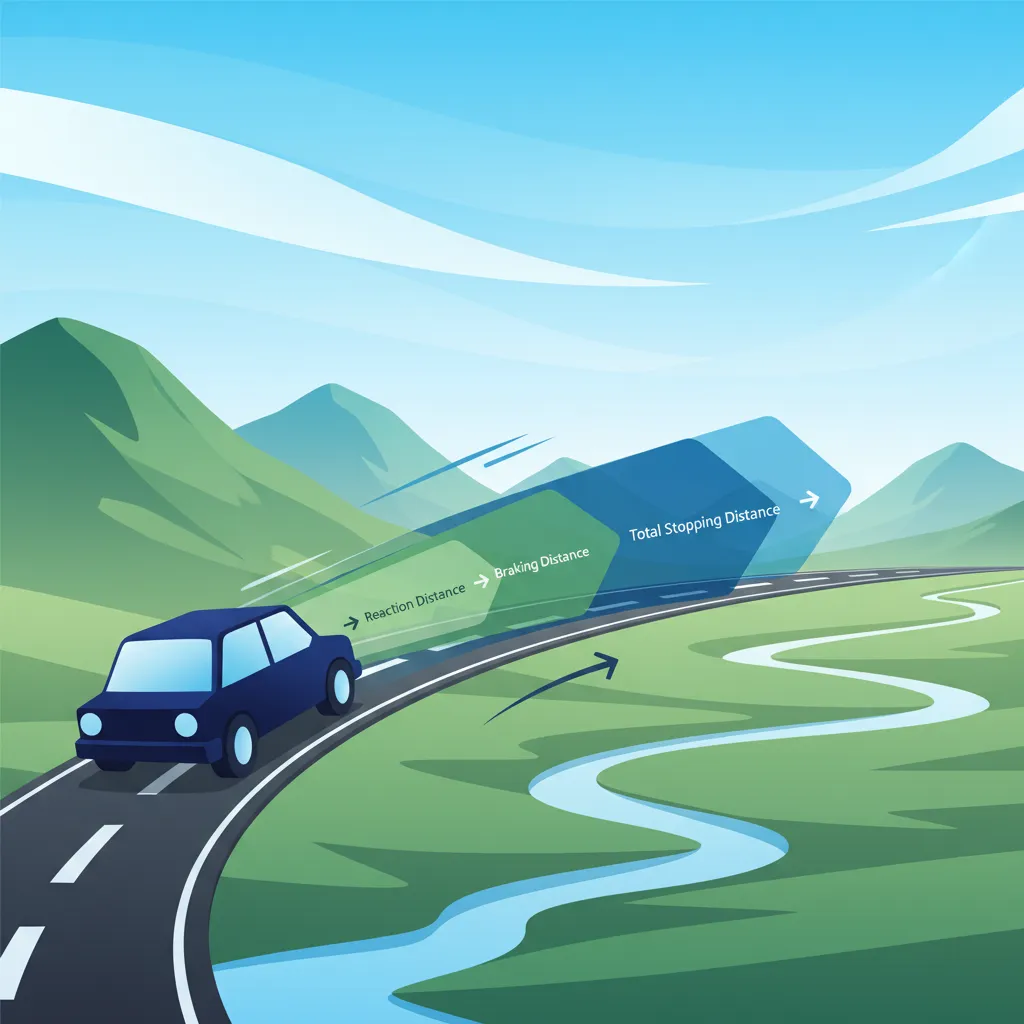
The total distance a vehicle travels from the moment a driver detects a hazard to when the vehicle comes to a complete stop is called stopping distance. This distance is made up of two main parts: reaction distance and braking distance. It's vital to understand how these distances change with speed, as even small increases in velocity can significantly extend the overall stopping distance and reduce your ability to react safely to unexpected situations on Icelandic roads.
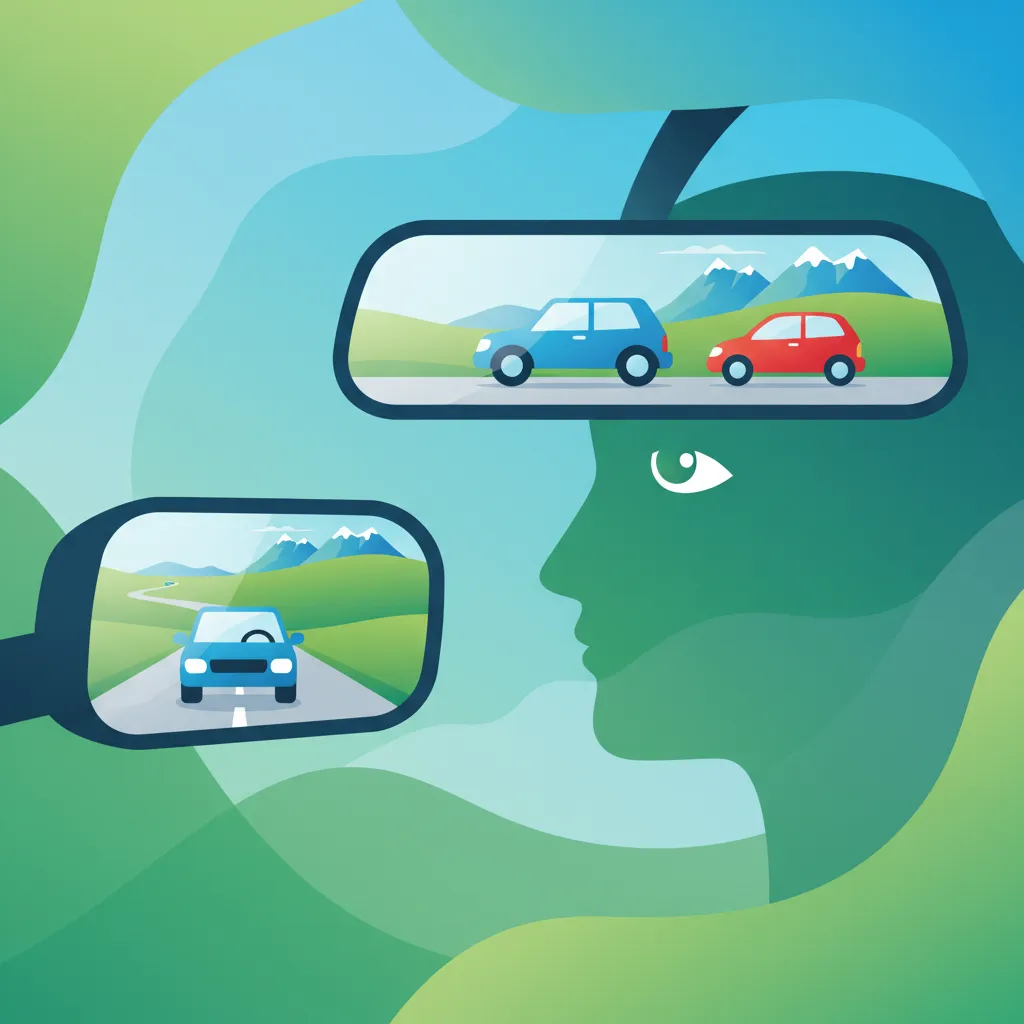
Effective mirror checks are a cornerstone of defensive driving, especially given Iceland's varied road conditions and traffic flows. This guide explains how to properly use your vehicle's mirrors to observe traffic behind and beside you, anticipate other drivers' actions, and ensure safer maneuvers. Understanding these techniques is vital for both your theory exam and practical driving safety.
Pedestrians are among the most vulnerable road users, making it critical for drivers to understand and respect their priority. In Iceland, specific rules dictate when drivers must yield to people on foot, particularly at designated crossings and intersections. This ensures their safety and prevents serious accidents. Drivers are always responsible for driving safely and showing consideration, especially towards pedestrians.
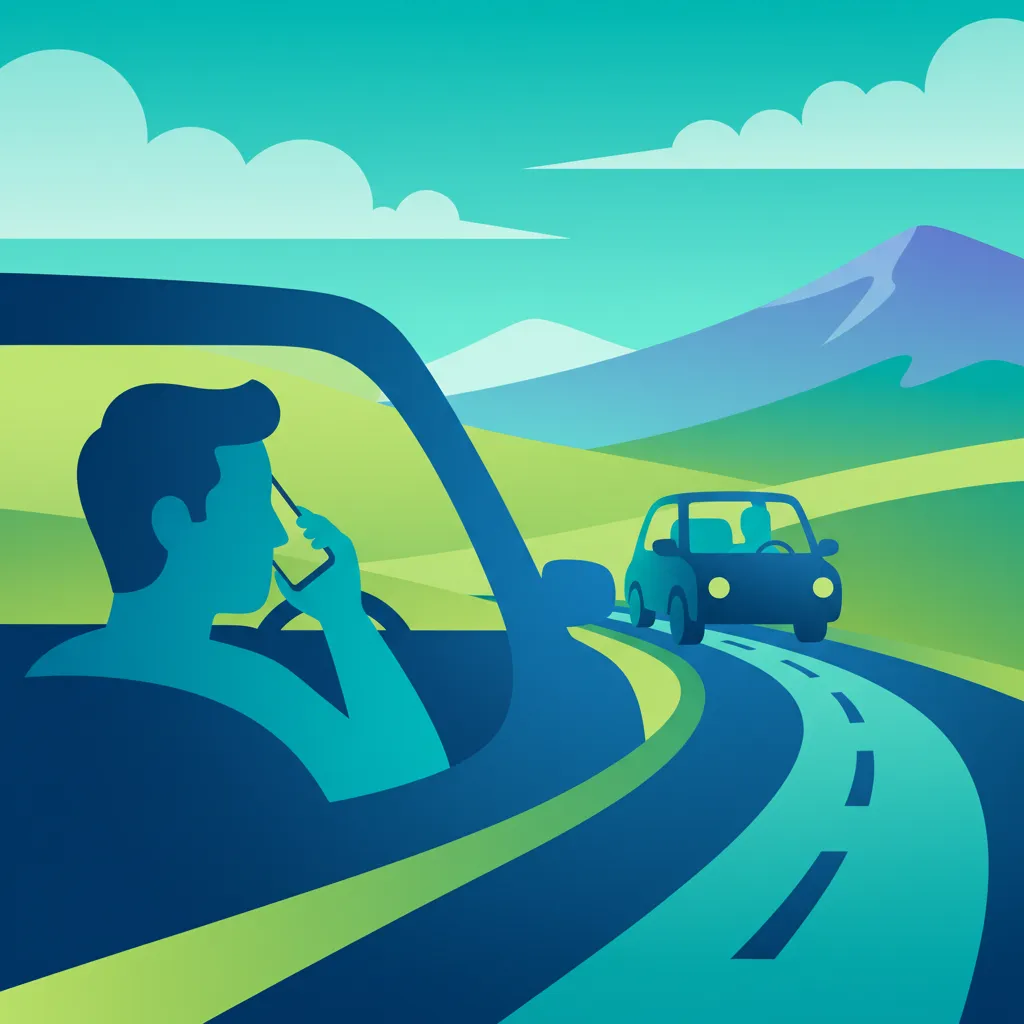
Driving demands your full and continuous attention to the road and surrounding traffic. Using a mobile phone introduces multiple forms of distraction – visual, manual, and cognitive – which severely impair your ability to react safely and maintain situational awareness. This page explains why distracted driving, particularly due to phones, is a major cause of accidents and a crucial topic for your Icelandic driving theory knowledge.
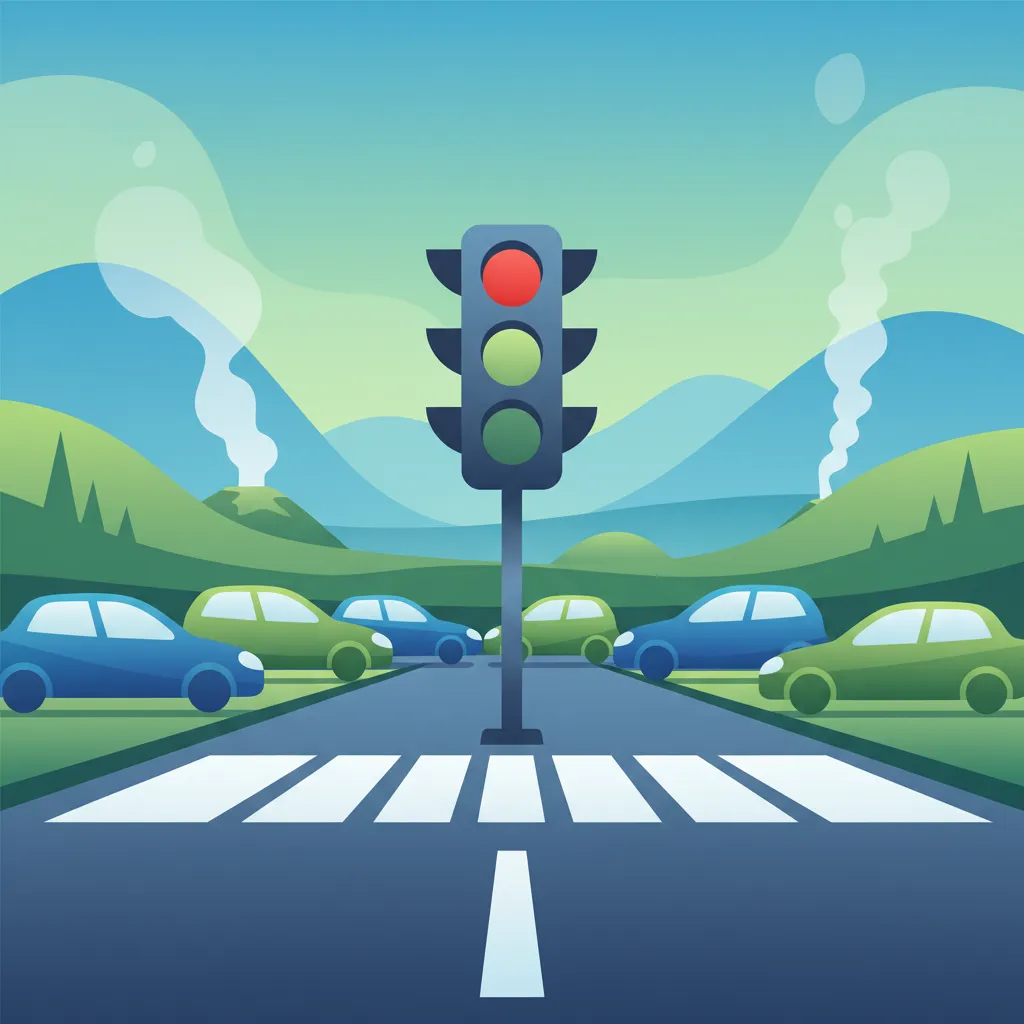
Traffic lights are fundamental for controlling vehicle and pedestrian flow at busy intersections across Iceland. This section explains the precise meaning of red, yellow, and green signals, including how to react safely to changing lights and directional arrows. Mastering these rules ensures smooth traffic and reduces collision risks.

Warning signs are a fundamental part of road safety, designed to give drivers advance notice of hazards that aren't immediately obvious. In Iceland, where road conditions can change rapidly and include unique challenges like unbridged rivers, blind crests, or free-roaming animals, understanding these signs is paramount. They prepare you to adjust your speed, vehicle position, and awareness to prevent accidents.
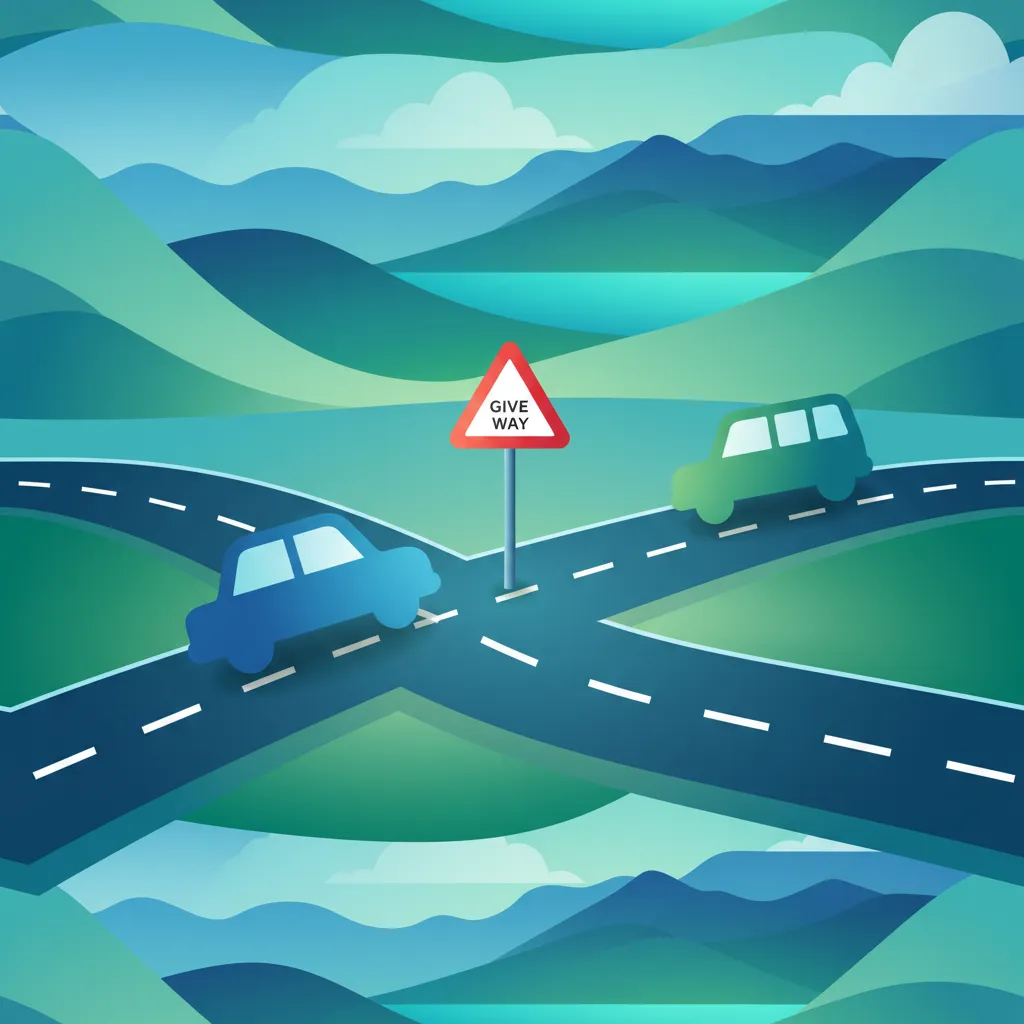
The Give Way sign is an inverted red-bordered triangle that dictates a specific priority rule at intersections and junctions in Iceland. It indicates that you must yield to traffic on the intersecting road before proceeding. This page explains your obligations, how to correctly interpret traffic situations, and the key differences between a Give Way and a Stop sign, all within the context of Icelandic road laws.
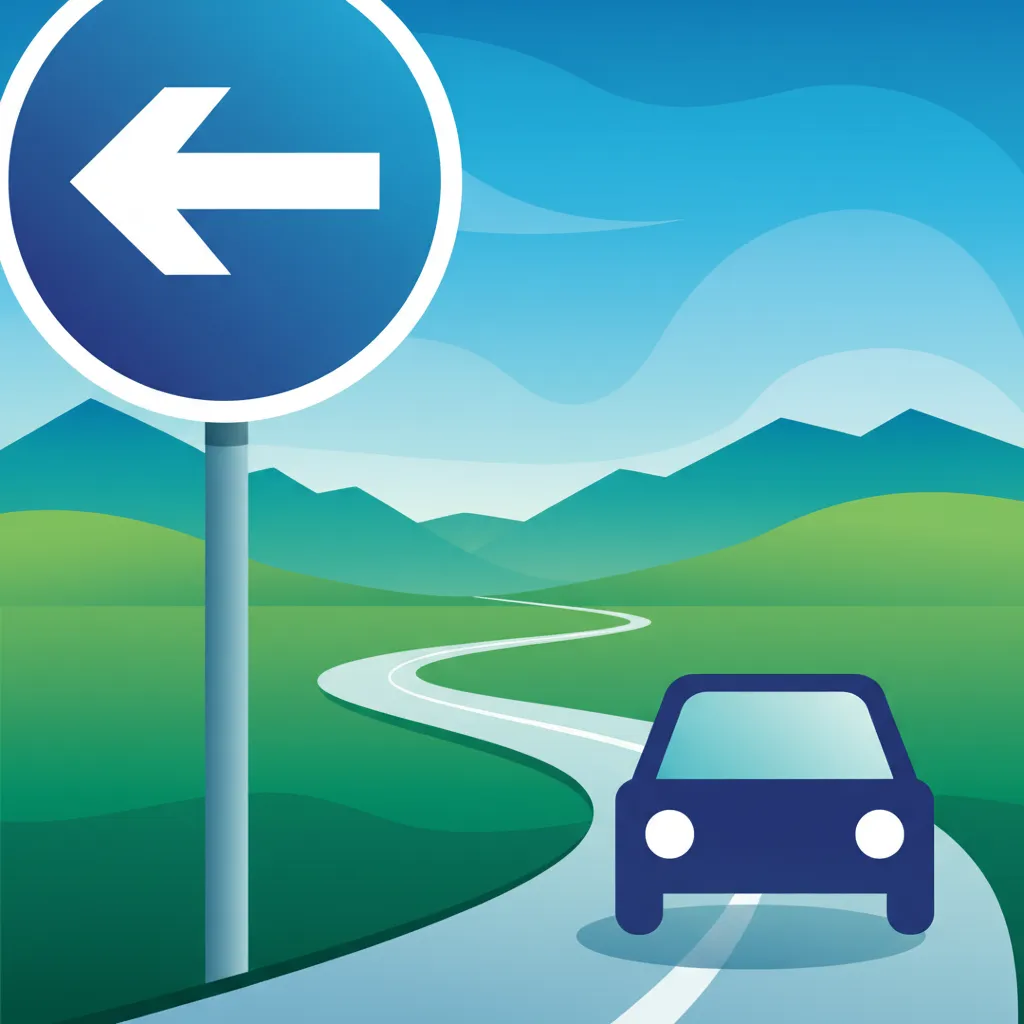
Mandatory signs are a fundamental category of road signs in Iceland, designed to instruct drivers on specific actions they must take. Unlike advisory or prohibitory signs, these signs convey direct commands, such as turning in a certain direction or using a designated lane. Recognizing and complying with these signs is crucial for maintaining orderly traffic and ensuring safety for all road users.

Slippery roads present a significant challenge for drivers, especially in Iceland's diverse weather conditions. Reduced friction between tires and the road surface makes it harder to accelerate, steer, and brake effectively. Mastering the techniques for managing low-grip situations is essential for both your driving safety and success in the theory test.
Driving in snow and ice dramatically changes how your vehicle handles, impacting acceleration, steering, and especially braking. In Iceland, where winter conditions are common, understanding how to manage reduced traction is critical for safety. This page details the specific challenges these conditions pose and how to adapt your driving to maintain control and prevent accidents.
Defensive driving is a proactive approach to road safety, teaching drivers to anticipate potential dangers and adjust their behavior accordingly. In Iceland, where conditions can change rapidly, applying defensive techniques like enhanced observation and maintaining safe margins is essential. This mindset helps prevent accidents by preparing you for unexpected actions from other road users and environmental challenges.
Hazard perception is more than just seeing; it's about actively understanding and predicting what might happen next on the road. This page explains how to continuously observe your surroundings, recognize early warning signs of danger, and anticipate the behavior of other drivers, pedestrians, and cyclists, especially given Iceland's unique driving conditions. Mastering this skill gives you more time to react, preventing accidents and making you a safer driver.
Tailgating occurs when a driver follows too closely, leaving insufficient space to react to sudden changes in traffic. This practice significantly increases the risk of rear-end collisions, as it severely compromises your ability to stop safely. Understanding and applying safe following distances is fundamental to responsible driving, especially given Iceland's diverse road conditions.
Page 1 of 3
Ready to continue your Icelandic driving theory study? Explore more articles covering specific road rules, traffic signs, or essential driving procedures. Our comprehensive guides provide essential support for your licence preparation, helping you achieve exam readiness and confident driving in Iceland.
Explore Icelandic Theory Guides