
Prepare for your Icelandic driving theory exam by mastering merging and acceleration lanes. This practice set from Icelandic Driving License Theory covers critical rules for safely joining high-speed traffic, including matching speeds, yielding obligations, and identifying relevant road signs. Understand proper merging etiquette, even in heavy traffic situations, to ensure you can navigate Icelandic highways confidently and pass your exam.

Sharpen your understanding of merging and acceleration lanes specific to Icelandic highways. This practice set covers essential traffic rules, priority situations, and speed judgment needed for safe highway entry and will help you prepare effectively for your driving theory exam. Master these critical skills for your Icelandic licence.
This set explores various merging scenarios, including those found on Icelandic highways like Reykjanesbraut. It highlights the importance of using acceleration lanes correctly, judging traffic speed, and understanding priority rules to avoid common merging mistakes. Practicing these situations will boost your confidence for the official Icelandic driving theory exam.
Preview sample questions from the Merging & Acceleration practice set to see how they help you prepare for the driving theory exam in Iceland.
Learners choose Merging & Acceleration to improve accuracy and understanding of key exam themes in Iceland. It offers realistic driving theory questions and targeted revision for effective preparation.
Find answers to the most common queries learners have when practising Merging & Acceleration, including how questions match the official theory exam in Iceland, how scoring works, and how this practice improves exam readiness.
An acceleration lane (aðreiningarbraut) allows you to increase your speed to match the flow of traffic on the main road before merging safely. This ensures a smoother transition and reduces disruption to existing traffic.
Generally, the driver already on the main road has priority. The merging driver is responsible for finding a safe gap and yielding. However, in heavy traffic, the 'cogwheel principle' (zipper merge) encourages drivers to take turns merging.
The 'cogwheel principle' (or mesh drive) is a recommendation for merging in heavy or slow-moving traffic. It suggests that drivers from the two merging streams take turns driving into the new single lane, creating a smoother and more efficient flow.
You should aim to match the speed of the traffic already on the main road as closely as possible. This requires accelerating smoothly and observing traffic flow to identify a suitable gap for merging.
Yes, Iceland has a specific 'Merging traffic' sign, identified as sign number 216. This sign indicates that two traffic streams are merging into one and often implies the recommendation for the 'cogwheel principle' in congested situations.
By completing Merging & Acceleration, you will gain stronger rule knowledge, faster recognition of signs and situations, better decision making in traffic scenarios, and increased accuracy on exam style questions used in Iceland. These outcomes directly support higher scoring exam performance.
Explore similar practice sets to solidify your knowledge on merging and acceleration lanes. This focused topic revision aids in comparing different scenarios and preparing thoroughly for the Icelandic theory test.

Navigate Merging Lanes Like a Pro with Iceland's Latest Rules!

Master the 'Mesh Drive' for Seamless Merging and Icelandic Road Safety.
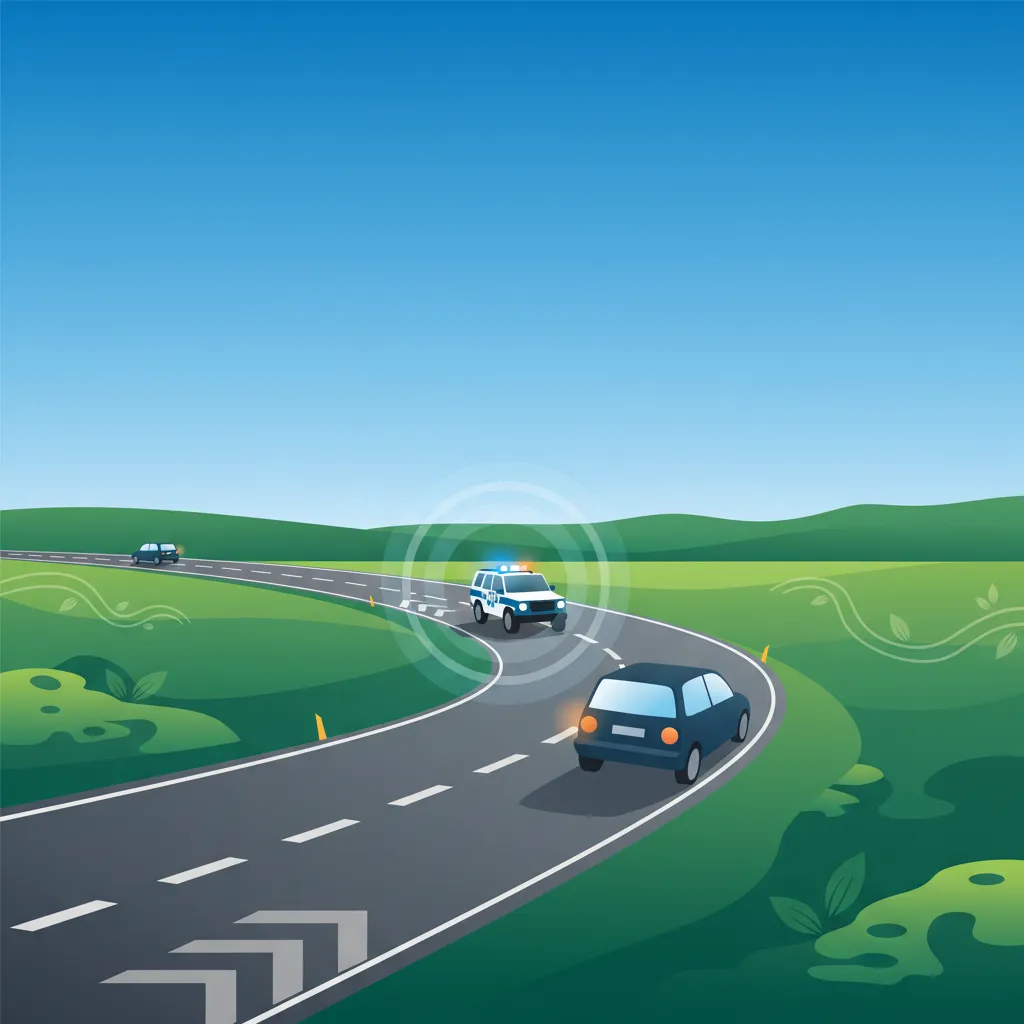
Navigate Urgent Situations and Merge Like a Pro on Icelandic Roads

Navigate Icelandic Roundabouts with Confidence for Your Theory Exam

Mastering right-of-way on Iceland's challenging rural routes.

Master the unique challenges of Icelandic single-lane bridges for a safe drive and exam success.
Questions in Merging & Acceleration
Exam focused questionss
Merging & Acceleration offers quick, focused exam style practice to boost your Icelandic knowledge for the driving theory exam in Iceland.
Merging & Acceleration helps learners in Iceland with clear explanations and targeted Icelandic practice to improve essential driving theory topics.
This practice set is ideal for intermediate learners preparing for the Icelandic driving theory exam who want to improve their understanding of merging. Many drivers find judging speed and priority challenging when joining main roads. This set addresses common confusions and helps you confidently apply Icelandic traffic rules for safe and efficient merging.
Explore more topics for the Icelandic driving theory exam in Iceland.
Choose from Icelandic driving theory categories to start targeted practice. Focus on areas needing revision, such as road signs or traffic rules, building confidence for your official Samgöngustofa exam. Enhance your readiness.
Explore Practice Categories