
This 'Pedestrian Crossing Warning' sign (140) alerts you to pedestrians who may be present on or near the road ahead. It requires you to reduce your speed early and increase your observation, adapting to Icelandic conditions which might include poor visibility, ice, or narrow roads. This sign doesn't enforce a specific action like stopping, but signals the need for increased caution, smoother driving, and preparedness for the hazard, ensuring you maintain a safe speed and position.
This hazard warning sign indicates pedestrians may be present, requiring early speed reduction and enhanced observation. Crucial for Icelandic conditions, it signals the need for careful interpretation during theory test revision to ensure safety on all road types.
Pedestrian Crossing Warning is a hazard warning sign placed far enough in advance to let drivers adapt before reaching the danger. It does not by itself create a fixed manoeuvre, but it clearly signals that the road or traffic situation ahead needs earlier braking, steadier steering, and better lane discipline than an ordinary section of road. In practice, the right response is to finish major braking before the hazard, keep a smooth line through it, and avoid sudden reactions that could destabilise the vehicle. The warning is particularly important in Iceland because weather, darkness, snow, wind, and changing surfaces can make a familiar hazard much more severe.
This warning sign tells drivers that pedestrians likely to be on or near the carriageway is ahead and that they need to reduce speed early, improve observation, and approach with extra care. On Icelandic roads that can mean preparing for poor visibility, loose gravel, ice, strong wind, narrow margins, or limited room to recover if something goes wrong.
Get clear, practical answers to the most common questions about the 140 - Pedestrian Crossing Warning road sign. Learn how the sign works, what rules it represents, and how it affects real driving situations. This FAQ strengthens your understanding and supports accurate decision making for the Icelandic driving theory exam in Iceland.
The main purpose of the 140 Pedestrian Crossing Warning sign is to alert drivers to the potential presence of pedestrians ahead. It signals that you need to reduce your speed proactively, observe carefully, and approach the area with extra caution due to the increased risk.
No, this sign itself does not explicitly require you to stop. It's a warning that pedestrians might be present. You must be prepared to stop if necessary, but the primary instruction is to reduce speed, improve observation, and proceed with great care, adapting to local conditions and traffic.
A common mistake is assuming the road is clear and carrying on at an unsafe speed, or braking too late. Learners might also underestimate the risk, especially in adverse Icelandic weather or low light conditions, failing to prepare for unexpected pedestrian movements. It's vital to finish braking before the hazard zone and maintain a steady course.
Icelandic weather significantly impacts how you should interpret this sign. Poor visibility, snow, ice, strong winds, or narrow road margins can make the hazard much more severe. You must be extra vigilant and ensure your speed and steering are adjusted to cope with these challenging conditions, maintaining stability and control.
'Approach with extra care' means actively scanning for pedestrians, reducing your speed well in advance so you can react safely, and maintaining a stable position on the road. It also means being ready to adjust your driving to the specific conditions, such as grip or visibility, ensuring you don't make sudden inputs.
A clear reference image of the 140 - Pedestrian Crossing Warning road sign used in Iceland.
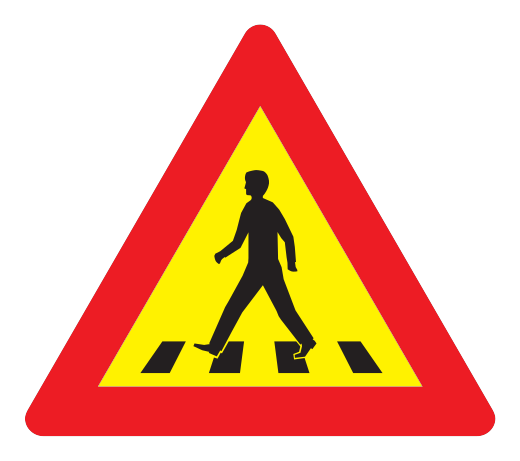
The 140 - Pedestrian Crossing Warning road sign may also be known by these alternative names or terms.
The 140 - Pedestrian Crossing Warning road sign is part of the Warning Signs category, which groups together signs with similar rules and functions.
Reviewing related warning signs like this pedestrian crossing signal helps solidify your understanding and prevents confusion with similar symbols. Master traffic sign comparison for effective theory test revision and improved sign recognition on Icelandic roads.
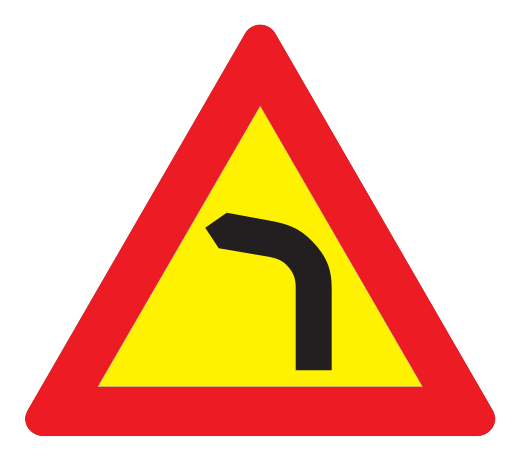
Prepare for a Dangerous Left-Hand Bend Ahead with Sign 100.2
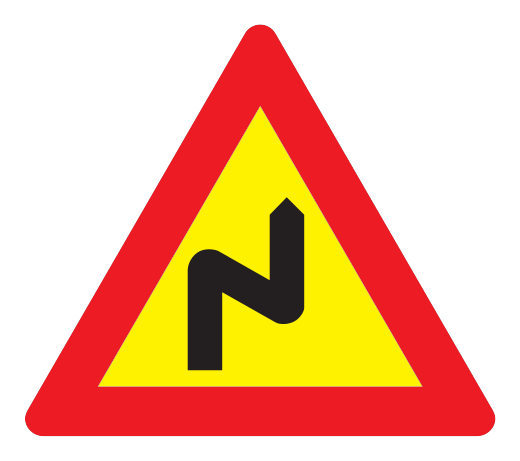
Prepare for a series of bends, starting with a right turn, by understanding the Double Bend warning sign.
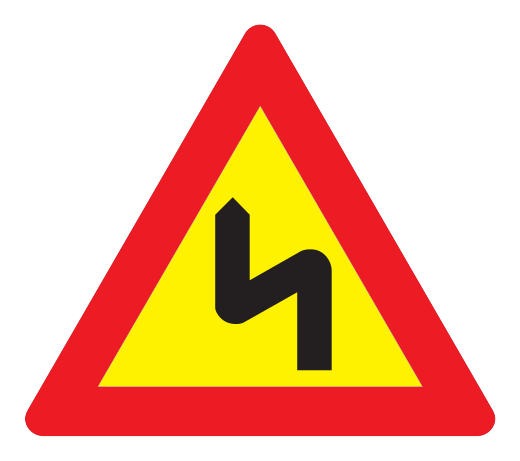
Warning: Double Bend Ahead, First Bend to the Left
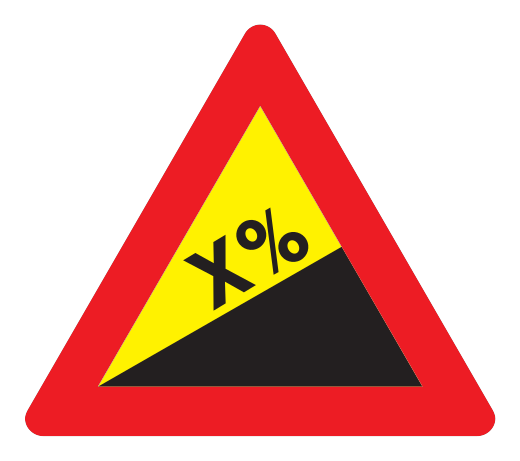
Prepare for a Steep Ascent Ahead: What the 104.1 Sign Means
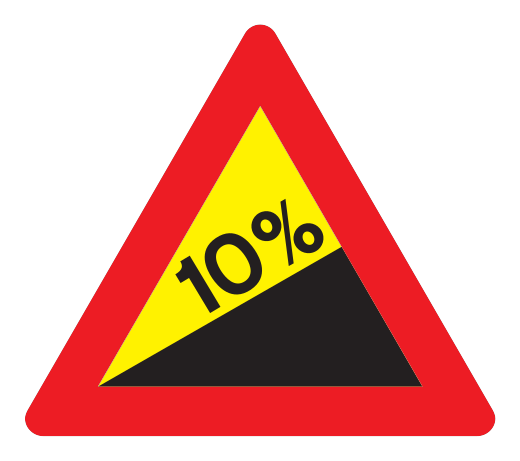
Prepare for Steep Uphill Gradients with the Steep Ascent Sign
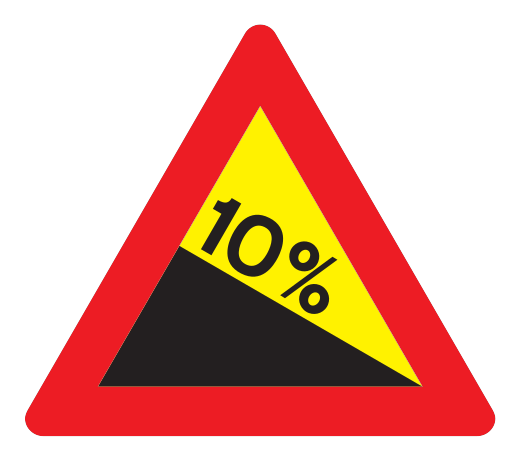
Prepare for Steep Descents with the 104.2 Warning Sign
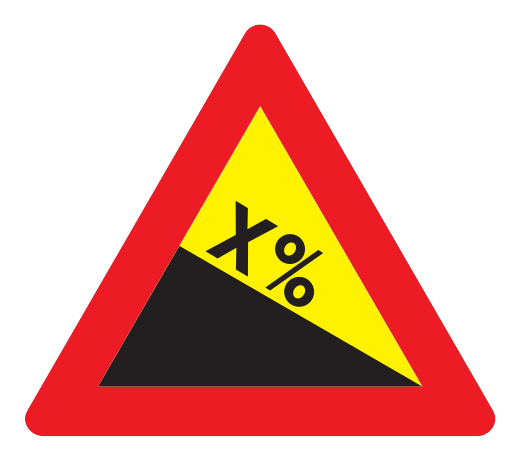
Prepare for a Steep Descent Ahead with this Important Warning Sign
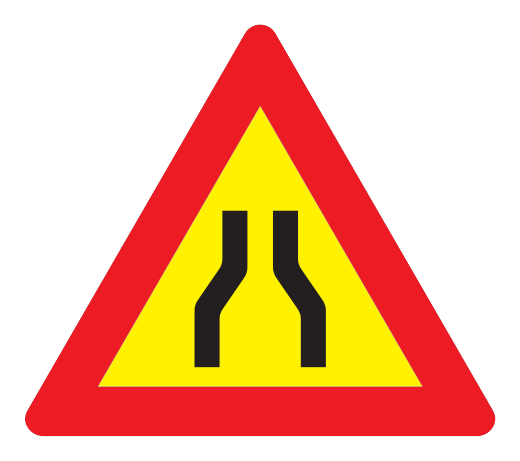
Beware of Narrowing Roads Ahead with the 106.1 Warning Sign
Explore curated theory modules and safety procedures that clarify how specific road signs dictate right-of-way and vehicle conduct on Icelandic roads. Apply this knowledge to your driving theory test preparation by linking visual signage to real-world traffic laws.
Deciphering your Icelandic driving licence categories is essential for legal and safe operation of vehicles. This guide will clarify the scope of common categories like B, BE, and A, detailing vehicle and trailer weight restrictions. Gaining a clear understanding of these entitlements prepares you for the demands of Icelandic traffic and the official theory examination.
Master Your Post-Accident Obligations: Avoid Severe Penalties and Understand Insurance Impacts in Iceland.
Downtown Reykjavik presents a unique challenge with its network of one-way streets, or 'Einstefna'. This guide will equip you with the knowledge to correctly interpret essential traffic signs like 'Bannaður innakstur' (No Entry) and differentiate them from mandatory direction signs. Understanding these specifics is vital for safe navigation and success in your Icelandic driving test.
Know Your Papers: Avoid Fines and Drive Legally in Iceland.
Pedestrians Ahead is a hazard warning sign placed far enough in advance to let drivers adapt before reaching the danger. It does not by itself create a fixed manoeuvre, but it clearly signals that the road or traffic situation ahead needs earlier braking, steadier steering, and better lane discipline than an ordinary section of road. In practice, the right response is to finish major braking before the hazard, keep a smooth line through it, and avoid sudden reactions that could destabilise the vehicle. The warning is particularly important in Iceland because weather, darkness, snow, wind, and changing surfaces can make a familiar hazard much more severe.
An Accident is a hazard warning sign placed far enough in advance to let drivers adapt before reaching the danger. It does not by itself create a fixed manoeuvre, but it clearly signals that the road or traffic situation ahead needs earlier braking, steadier steering, and better lane discipline than an ordinary section of road. In practice, the right response is to finish major braking before the hazard, keep a smooth line through it, and avoid sudden reactions that could destabilise the vehicle. The warning is particularly important in Iceland because weather, darkness, snow, wind, and changing surfaces can make a familiar hazard much more severe.
After reviewing the full list of Icelandic road signs, reinforce your learning with targeted practice. Explore our sign group categories or take a specific quiz to test your recognition and recall. Ensure you're fully prepared to identify and interpret all traffic signs for your upcoming driving theory exam.
View All Icelandic Road Signs