
This lesson details the critical safety procedures for overtaking on Irish roads, a vital component of your Category A, A1, and A2 theory exam preparation. You will learn to evaluate road conditions, signal intent, and execute manoeuvres while adhering to the official Rules of the Road. Building on previous units about lane positioning and visibility, this lesson ensures you can manage overtaking safely in various traffic environments.

Lesson content overview
Overtaking is one of the most high-risk maneuvers a motorcyclist can perform on Irish roads. Because of a motorcycle's narrow profile and rapid acceleration capabilities, riders are often tempted to overtake in situations where larger vehicles cannot. However, this advantage comes with extreme vulnerability.
Executing a safe overtake requires a complex mix of hazard perception, physical coordination, and spatial awareness. You must balance the physical capabilities of your machine against the laws of motion, environmental conditions, and the Irish Rules of the Road. This lesson covers the complete step-by-step framework for planning, executing, and completing safe overtaking maneuvers on both single and dual carriageways in Ireland.
Before initiating any overtake, you must understand the relationship between speed, time, and distance. The critical safety metric here is the speed differential—the difference in speed between your motorcycle and the vehicle you intend to pass.
The difference in speed between the overtaking motorcycle and the slower vehicle ahead, measured in kilometres per hour (km/h).
We categorize speed differentials into three main brackets:
A common mistake among Category A, A1, and A2 learner riders is underestimating how much road is needed to complete an overtake. For example, if you are overtaking a truck traveling at 80 km/h while riding at 100 km/h (a 20 km/h differential), and the truck is 15 metres long, you will need a substantial distance to pull out, clear the vehicle, and return safely to your lane with a protective space buffer.
Regardless of your motorcycle’s power, you must never exceed the posted speed limit of the road to complete an overtake. If an overtake cannot be completed safely within the speed limit, you must not attempt it.
The primary golden rule of overtaking is that you must never commit to the maneuver unless you have an unobstructed view of the road ahead. This is your clear line of sight.
A continuous, unobstructed view of the road from your current position, extending past the target vehicle to the exact point where you intend to safely return to your lane.
On Irish regional (R-roads) and local (L-roads), maintaining a clear line of sight is notoriously difficult. These roads are frequently characterized by:
To achieve a full line of sight, you must manage your follow distance. If you ride too close to the rear of a large vehicle (such as a bus or heavy goods vehicle), your forward vision is entirely blocked by its physical bulk.
To resolve this, adopt a back-and-out viewing position. Drop back to increase your gap (following the two-second rule, or four seconds in wet conditions). This opens up your angle of vision around the side of the vehicle ahead, allowing you to see oncoming traffic and road hazards much earlier.
Evaluating oncoming traffic is more than just looking for headlights; it is about calculating closing speeds. When you pull into the oncoming lane on a single-carriageway road, you and any oncoming vehicle are closing the gap between you at a combined speed.
If you are traveling at 80 km/h and an oncoming car is also traveling at 80 km/h, your closing speed is 160 km/h (approx. 44 metres per second). At this rate, a gap of 400 metres will be completely closed in just 9 seconds.
To ensure consistency and safety, riders should use a structured system of motorcycle control, such as the OSM-PSL (Observation, Signal, Manoeuvre - Position, Speed, Look) routine.
Assess the Necessity: Ask yourself: Is this overtake necessary? Will it gain me any real safety or significant time? If the vehicle ahead is traveling near the speed limit, or if a junction is approaching, the answer is no.
Establish the View: Drop back to a position that maximizes your line of sight. Confirm the road ahead is clear of oncoming traffic, road narrowings, junctions, and hazards.
Check Rear and Blind Spots: Perform a thorough mirror check and a lifesaver look (shoulder check) to the right. Ensure no other vehicle behind you has started to overtake you.
Signal Your Intention: Turn on your right indicator early enough to warn drivers behind and ahead of your intention, but not so early that it looks like you are turning into a nearby driveway.
Position Your Motorcycle: Smoothly move toward the outer edge of your lane (or the center line) to prepare your line of entry. Do not hug the line so closely that you risk being clipped by oncoming traffic.
Accelerate and Commit: When the path is clear, match your gear to your speed for maximum throttle response, move into the overtaking lane, and accelerate smoothly past the vehicle.
Signal to Return: Once you have cleared the vehicle, signal left to indicate your intention to return to your correct lane position.
Return to Lane (Avoid Cutting In): Smoothly steer back into your lane. Do not cut in sharply. Check your left mirror to ensure you can see the entire front of the overtaken vehicle before merging back in.
Overtaking is strictly regulated by Irish road traffic laws. You must understand and obey all road markings and signs. Failing to do so is a serious offence that can lead to penalty points, heavy fines, or a collision.
Double solid white lines (or a single continuous white line) are placed where visibility is severely restricted or where road design makes overtaking extremely hazardous.
Under the official Irish Rules of the Road, there are strict rules regarding which side of a vehicle you may pass on.
A safe rider always plans an "out." Even if you have planned your overtake perfectly, conditions can change instantly. An oncoming vehicle might appear over a hidden crest, or the vehicle you are overtaking might suddenly accelerate.
You must continuously monitor your progress. If at any point before you are fully alongside the target vehicle you realize the maneuver is compromised, you must execute a safe abort.
Never try to force an overtake if conditions deteriorate. Pride must take a backseat to physical safety. Aborting an overtake is a sign of an advanced, highly skilled defensive rider.
The final stage of overtaking is returning to your driving lane. Many riders make the mistake of cutting back in too quickly, which is highly dangerous.
When you cut in sharply:
Before merging back, check your mirrors. A reliable rule of thumb for motorcyclists is that you must see the entire front of the vehicle you just passed (including its front tyres on the tarmac) in your left-hand rearview mirror before you begin to steer back.
This ensures you have established at least a two-second safety buffer between the rear of your bike and the front of their vehicle. Signal your left indicator to alert the driver, and return to the center of the lane in a smooth, diagonal path.
Overtaking rules cannot be applied uniformly across all situations. You must adapt your riding style to match the environmental conditions and the types of road users you encounter on Irish roads.
Rain, road spray, fog, and low winter sun dramatically reduce your line of sight and grip limits.
When overtaking cyclists, horse riders, or pedestrians on the roadside, you must exercise extreme caution.
Analyzing common riding errors helps you avoid making them on your theory and practical exams.
| Error | Cause | Consequence | Prevention |
|---|---|---|---|
| Insufficient Speed Differential | Overtaking at a speed very close to the target vehicle. | Prolonged time in the oncoming lane, increasing head-on collision risk. | Drop back, select a lower gear, and accelerate decisively once the road is clear. |
| Obstructed Line of Sight | Overtaking on a curve or close behind a large vehicle. | Colliding with unseen oncoming vehicles or stationary hazards. | Never overtake unless you can see the entire passing path clearly. |
| Cutting In Too Close | Returning to the lane too quickly after passing. | Risk of being rear-ended; forces the passed driver to brake. | Check your left mirror; ensure you see the vehicle's tyres on the road before returning. |
| Late or No Signaling | Failing to use indicators to signal intentions. | Confuses surrounding traffic; increases risk of side-impacts. | Always apply the OSM-PSL routine. Signal before moving out and before returning. |
| Overtaking Near Junctions | Passing near side roads, crossroads, or private drives. | Target vehicle may turn right into you, or side-road traffic may pull out. | Never overtake in the vicinity of junctions, intersections, or pedestrian crossings. |
To ride defensively and pass your Irish Motorcycle Theory Test, commit these core principles to memory:
Safe overtaking on Irish roads requires careful assessment of speed differentials, road visibility, and legal restrictions before committing. The OSM-PSL routine guides riders through a structured process of observation, signalling, and smooth lane changes while maintaining continuous hazard awareness. Critical rules include never crossing double solid white lines, ensuring a complete line of sight to your return point, and always signalling before moving out and before returning. Riders must calculate closing speeds with oncoming traffic and have a planned abort procedure ready, as conditions can change instantly. Defensive riding means prioritising safety over convenience and recognizing that aborting an overtake demonstrates advanced skill rather than failure.
A short set of high-value points that capture the most important learning from this lesson.
Speed differential categories determine overtake safety: moderate differentials of 11-20 km/h are optimal, while small differentials under 10 km/h extend your time in the opposing lane and increase risk.
A clear line of sight extending from your current position to your safe return point is the absolute prerequisite before committing to any overtake.
The OSM-PSL routine (Observation, Signal, Manoeuvre - Position, Speed, Look) provides the structured framework for safe overtaking execution.
Double solid white lines and no overtaking signs are legally binding prohibitions - crossing them is a serious offence that can cause head-on collisions.
Always maintain an abort plan when overtaking; conditions can change instantly and backing out is a sign of skilled defensive riding.
Explore all units and lessons included in this driving theory course.
Never exceed the posted speed limit to complete an overtake - if it cannot be done safely within the limit, do not attempt it.
Before returning to your lane, you must see the entire front of the passed vehicle including its front tyres in your mirror.
Closing speed with oncoming traffic is the sum of both speeds - at 80 km/h each, you close a 400m gap in just 9 seconds.
Never overtake near junctions, pedestrian crossings, on curves with limited visibility, or where road markings prohibit it.
Give cyclists at least 1.5 metres of lateral clearance in speed zones over 50 km/h and at least 1 metre in zones under 50 km/h.
Insufficient speed differential: overtaking too close to the target vehicle's speed prolongs exposure in the oncoming lane and reduces reaction time.
Obstructed line of sight: riding too close behind large vehicles or attempting overtakes around blind bends hides oncoming hazards.
Cutting in too close: returning to the lane before seeing the full front of the passed vehicle leaves inadequate protective space and risks being rear-ended.
Late or absent signalling: failing to use indicators confuses other road users and increases side-impact collision risk.
Overtaking near junctions: attempting to pass vehicles when a side road, private driveway, or intersection is nearby invites dangerous right-turn collisions.
Lesson content overview
A short set of high-value points that capture the most important learning from this lesson.
Speed differential categories determine overtake safety: moderate differentials of 11-20 km/h are optimal, while small differentials under 10 km/h extend your time in the opposing lane and increase risk.
A clear line of sight extending from your current position to your safe return point is the absolute prerequisite before committing to any overtake.
The OSM-PSL routine (Observation, Signal, Manoeuvre - Position, Speed, Look) provides the structured framework for safe overtaking execution.
Double solid white lines and no overtaking signs are legally binding prohibitions - crossing them is a serious offence that can cause head-on collisions.
Always maintain an abort plan when overtaking; conditions can change instantly and backing out is a sign of skilled defensive riding.
Explore all units and lessons included in this driving theory course.
Never exceed the posted speed limit to complete an overtake - if it cannot be done safely within the limit, do not attempt it.
Before returning to your lane, you must see the entire front of the passed vehicle including its front tyres in your mirror.
Closing speed with oncoming traffic is the sum of both speeds - at 80 km/h each, you close a 400m gap in just 9 seconds.
Never overtake near junctions, pedestrian crossings, on curves with limited visibility, or where road markings prohibit it.
Give cyclists at least 1.5 metres of lateral clearance in speed zones over 50 km/h and at least 1 metre in zones under 50 km/h.
Insufficient speed differential: overtaking too close to the target vehicle's speed prolongs exposure in the oncoming lane and reduces reaction time.
Obstructed line of sight: riding too close behind large vehicles or attempting overtakes around blind bends hides oncoming hazards.
Cutting in too close: returning to the lane before seeing the full front of the passed vehicle leaves inadequate protective space and risks being rear-ended.
Late or absent signalling: failing to use indicators confuses other road users and increases side-impact collision risk.
Overtaking near junctions: attempting to pass vehicles when a side road, private driveway, or intersection is nearby invites dangerous right-turn collisions.
Explore search topics learners often look for when studying Safe Overtaking Practices on Irish Roads. These topics reflect common questions about road rules, driving situations, safety guidance, and lesson level theory preparation for learners in Ireland.
Browse additional driving theory lessons that cover connected traffic rules, road signs, and common driving situations related to this topic. Improve your understanding of how different rules interact across everyday traffic scenarios.
Learn how to optimize your position on the road to increase visibility and maintain a safety buffer from other road users. This theory guide explores lane discipline, managing blind spots, and proactive space management techniques essential for motorcyclists navigating Irish urban and rural road conditions safely.

This lesson explains how to choose the safest riding position within a traffic lane, considering the standard left-side driving rule in Ireland. It details the concept of dominant positioning to prevent other vehicles from crowding your space, while remaining visible to oncoming traffic. Riders will learn to adjust their track constantly to avoid road surface hazards, oil deposits, and wind currents.
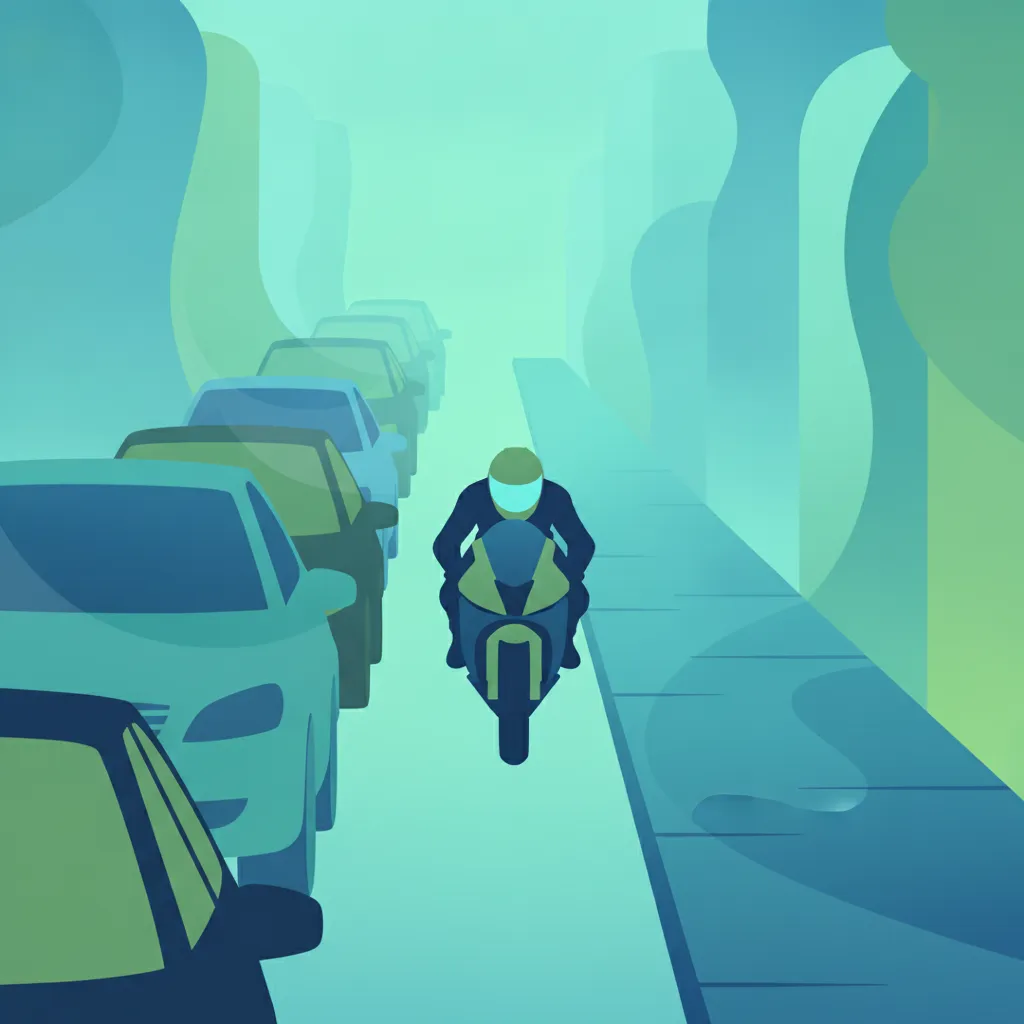
This lesson outlines the defensive techniques and legal principles of filtering or lane-splitting through stationary or slow-moving traffic queues. It emphasizes the absolute necessity of keeping speed low, monitoring for turning vehicles, and anticipating sudden lane changes by frustrated drivers. Riders will learn to evaluate road width, vehicle gaps, and pedestrian hazards before choosing to filter.

This lesson teaches how to cultivate a proactive defensive riding mindset, focusing on situational awareness and constant hazard scanning. It describes the system of motorcycle control, encouraging riders to anticipate potential mistakes from other drivers, pedestrians, and cyclists. Motorcyclists will learn to position themselves defensively, leaving clear escape routes in all driving environments.

This lesson outlines the rules and procedures for riding safely on dual carriageways and motorways in Ireland. It covers merging from slip roads, maintaining lane discipline, and executing high-speed overtaking manoeuvres in accordance with RSA standards. Motorcyclists will learn to anticipate turbulence from large commercial trucks and recognize the safety signs used on high-speed routes.

This lesson outlines how motorcyclists should respond when permanent road signs are dirty, damaged, or hidden by overgrown trees and hedges. It introduces the temporary signage, warning cones, and detour markers commonly deployed at active roadwork zones in Ireland. Riders will learn to read the road ahead defensively, reducing speed when visual information is incomplete or compromised.
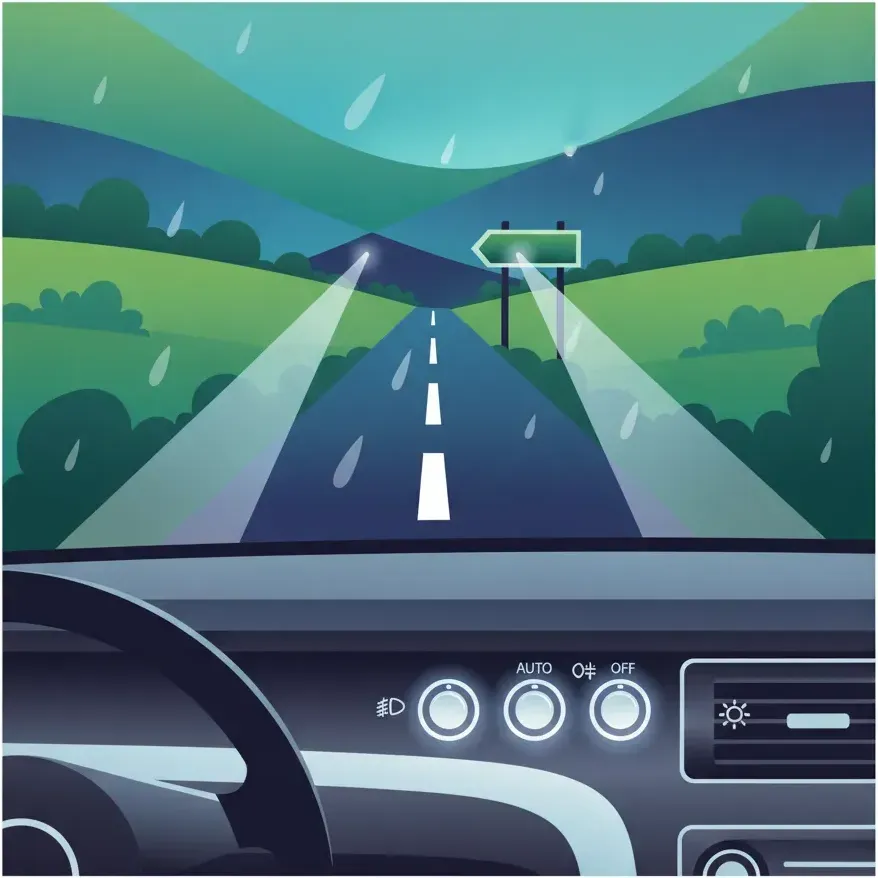
This lesson focuses on practical strategies for maximizing a motorcyclist's visibility to other road users in day and night scenarios. It details the effective placement of retro-reflective materials, high-visibility jackets, and the constant use of dipped headlights. Riders will examine how road positioning within their lane dramatically reduces the likelihood of being obscured by other vehicles.

This lesson provides actionable strategies for Category AM riders to remain visible, focusing on lane positioning and eye contact. It teaches how to avoid riding in the blind spots of larger vehicles and how to signal early and clearly. Cultivating a proactive attitude toward road visibility helps prevent collisions and builds mutual respect on Irish roads.

This lesson teaches riders how to create and preserve a protective safety envelope around their motorcycle under various traffic densities. It explains the two-second rule for dry conditions and how to expand this buffer zone in adverse weather or heavy traffic. Motorcyclists will learn to manage tailgaters by gradually increasing their following distance from the vehicle ahead to prevent sudden braking.

This lesson analyzes traffic flow characteristics in dense municipal areas and teaches safe riding methods for congested gridlock situations. It covers the maintenance of adequate safety cushions, scanning for opening car doors, and monitoring pedestrians stepping from between parked cars. Riders will learn to manage frequent stopping, constant clutch wear, and the stress of urban commuting.

Irish driving theory demands that drivers keep to the left-hand side of the road unless overtaking or turning right. This lesson explains how to maintain consistent lane discipline on multi-lane roads, how to perform safe lane changes, and the dangers of drifting. You will learn the safety sequence of checking mirrors, checking blind spots, signalling, and smoothly executing a lane change without disrupting trailing traffic.
Understand the official Rules of the Road regarding priority, signaling, and positioning when approaching complex junctions and roundabouts in Ireland. This theory content explains the critical maneuvers required to interact safely with other traffic, cyclists, and pedestrians at high-risk intersection points throughout the road network.

This lesson focuses on the safe approach and execution of turns at T-junctions, staggered intersections, and blind crossroads. It explains the critical mirror-signal-manoeuvre routine and how to select the best position for maximum visibility to cross-traffic. Motorcyclists will learn to identify potential hazards like vehicles pulling out suddenly or turning across their direct path.
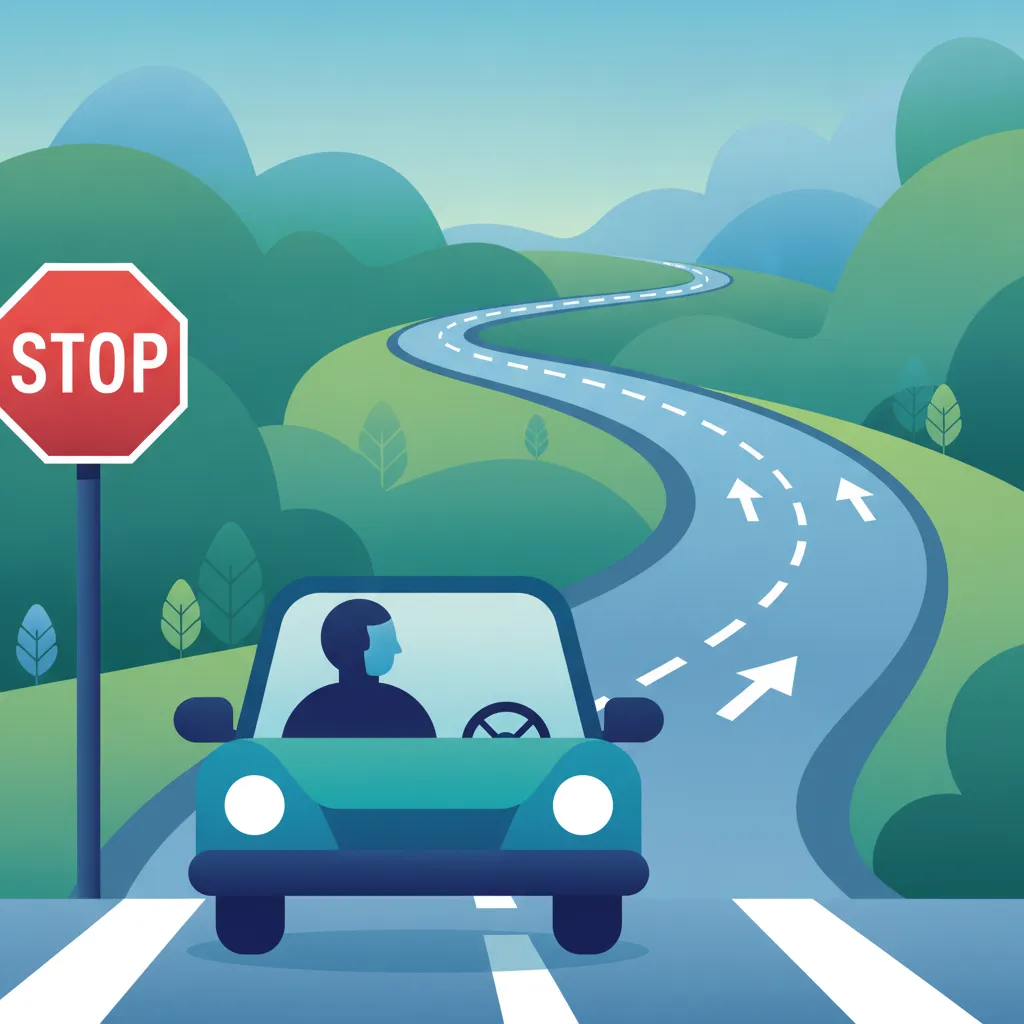
This lesson details the sequential steps required to approach and exit junctions safely under the Irish driving rules. It teaches riders how to select the correct lane, utilize mirrors, apply early signals, and reduce speed appropriately. Effective observation strategies are highlighted to help riders identify crossing pedestrians or approaching side traffic.
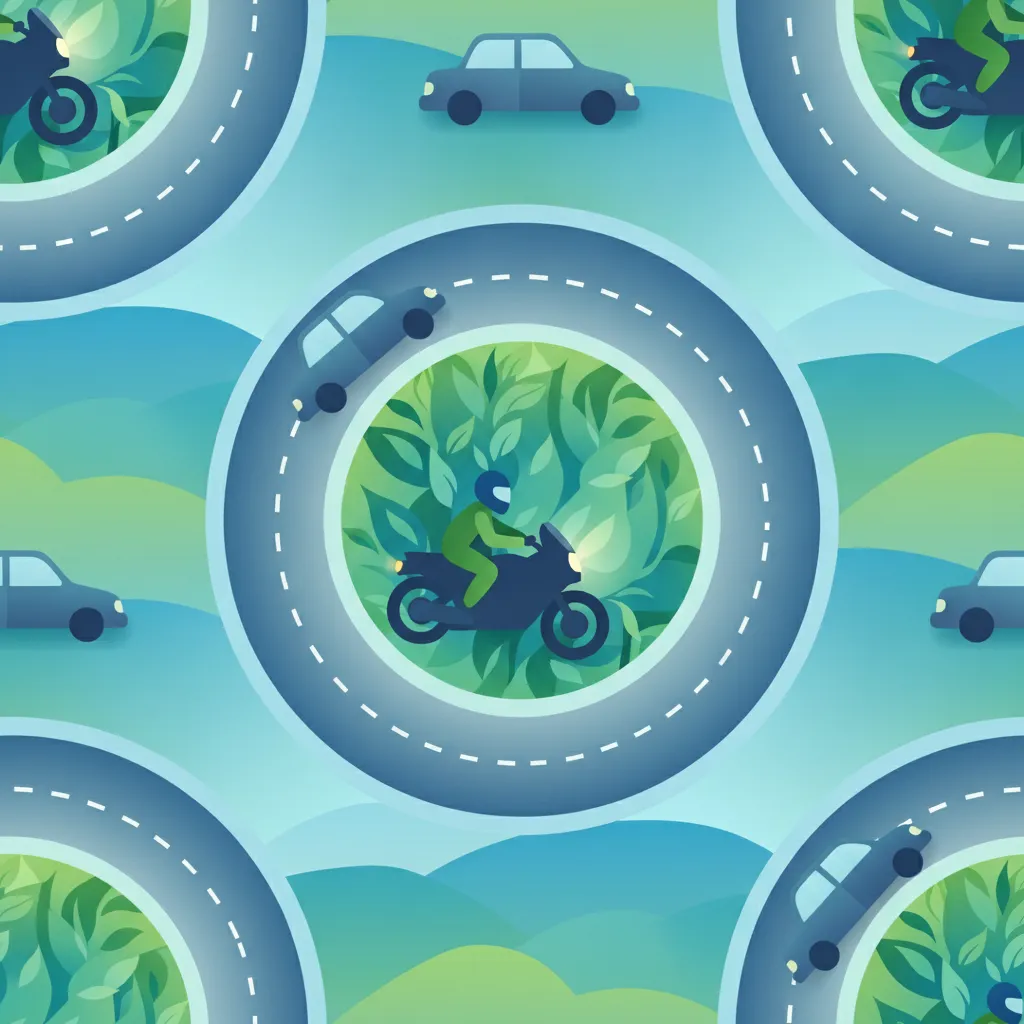
This lesson provides a comprehensive guide to navigating single and multi-lane roundabouts safely in accordance with the Irish Rules of the Road. It covers correct lane selection on approach, signaling rules for exiting, and maintaining a steady path through traffic. Riders will learn to anticipate lane-changing mistakes made by other drivers and manage the unique banking angles of roundabouts.
This lesson covers correct procedures for navigating roundabouts, which present significant risks for Category AM riders. It details lane selection rules, timely indicator signals for exiting, and the importance of checking blind spots before shifting lanes. Riders will learn to safely share the roundabout with large vehicles and vulnerable road users.
This lesson teaches the fundamental principles of priority and right-of-way at controlled and uncontrolled intersections across Ireland. It explains the legal obligations at yield signs, stop lines, and when meeting oncoming traffic turning across your lane. Motorcyclists will learn to carefully verify other drivers' intentions rather than assuming they will yield the correct right-of-way.
This lesson covers the absolute rules of priority that regulate junctions, roundabouts, and pedestrian crossings in Ireland. It teaches riders when they must yield, who has right-of-way, and how to read Stop and Yield signs correctly. Understanding these priority hierarchies prevents collisions and maintains orderly, predictable movement at busy junctions.

Navigating multi-lane roundabouts requires precise lane selection, continuous scanning, and timely signaling. This lesson teaches you the 'clock rule' for determining which lane to enter, how to yield to traffic already on the roundabout from your right, and when to activate your left indicator to exit. Mastering these procedures minimizes lane-drift accidents and ensures a seamless flow of traffic on busy roundabouts.
This lesson details the correct sequence and meaning of automated traffic light signals and specialized cycling indicators at Irish intersections. It explains the legal requirements associated with solid red, flashing amber, green filter arrows, and pedestrian crossing lights. Motorcyclists will learn to manage their speed when approaching lights to avoid emergency stops on slippery road surfaces.

Uncontrolled junctions represent a high-risk scenario because they lack physical signs, lines, or lights to dictate priority. This lesson covers the crucial 'priority to the right' principle, where you must yield to any traffic approaching from your right-hand side. You will learn the importance of reducing your speed, preparing to stop, and verifying the intentions of other drivers at these equal-status crossings.
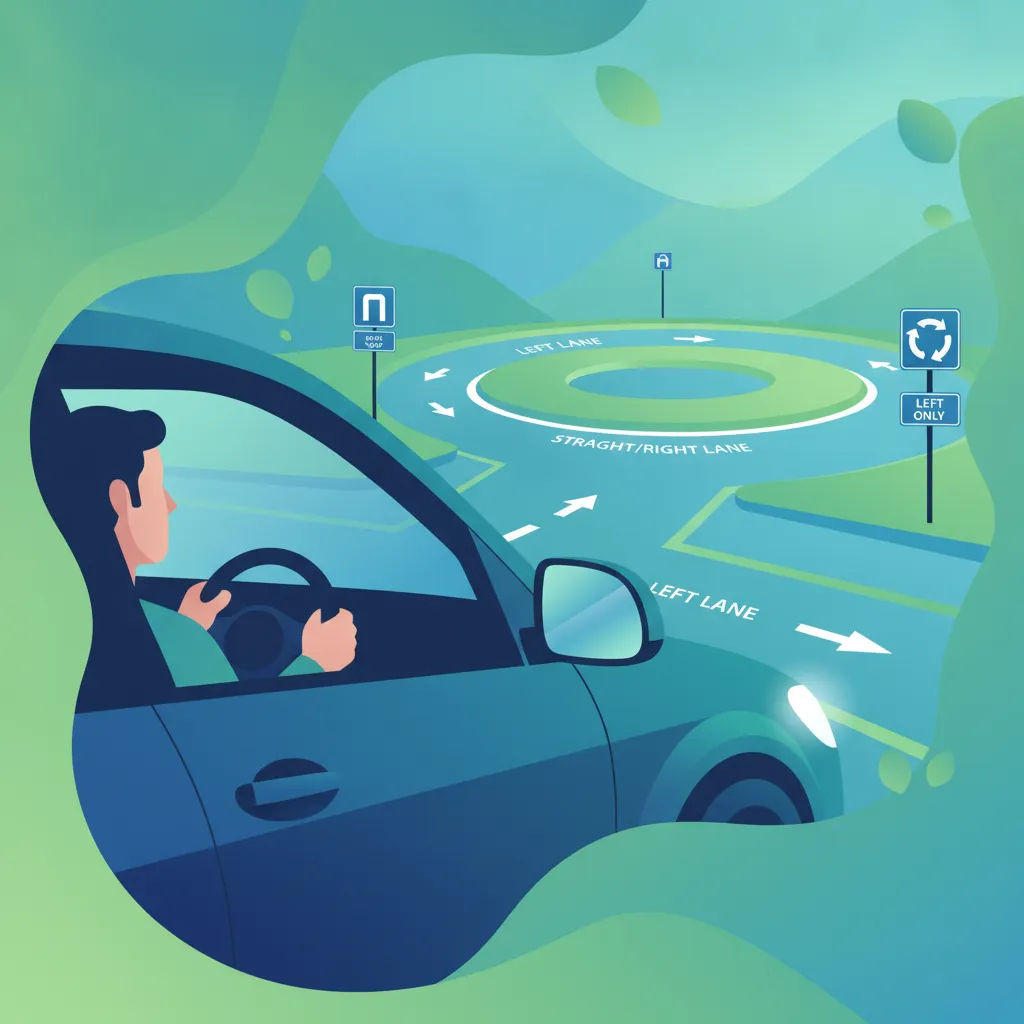
Executing safe turns requires early preparation, correct road positioning, and clear communication with other road users. This lesson focuses on the mandatory Mirror-Signal-Manoeuvre (MSM) routine used across Ireland for turning at cross junctions and navigating roundabouts. You will learn how to choose the correct lane early, adjust your speed, and complete your turn smoothly without cutting corners or blocking trailing vehicles.
Find clear answers to common questions learners have about Safe Overtaking Practices on Irish Roads. Learn how the lesson is structured, which driving theory objectives it supports, and how it fits into the overall learning path of units and curriculum progression in Ireland. These explanations help you understand key concepts, lesson flow, and exam focused study goals.
You must never overtake where road markings, such as a solid white line, indicate it is prohibited. Additionally, overtaking is forbidden at pedestrian crossings, near brow of hills, or at any junction where it would put other road users at risk.
Always check your mirrors and blind spot thoroughly before signalling. Only once you have confirmed the road ahead is clear and it is safe to proceed should you signal and move into the overtaking lane.
No, filtering involves moving past slow-moving or stationary traffic in the same lane, whereas overtaking usually involves moving into a different lane to pass a vehicle. Both require extreme caution and constant observation.
Overtaking on the left is generally prohibited unless the vehicle in front is turning right or you are in a lane that is moving faster than the lane to your right, such as in congested urban traffic.
Use the practice question search tool to pinpoint specific topics, road signs, or rules you need to master for your official Driver Theory Test. Refine your study strategy and ensure comprehensive preparation for all aspects of the Irish driving exam. Start your focused revision now and build confidence for your learner permit test.