
The II.3-d sign is an additional panel used with other traffic signs to specify when their restrictions or information are active. When accompanied by symbols of crossed hammers, it indicates that the main sign's rule applies only during the hours shown and exclusively on working days (Mondays to Fridays, excluding public holidays). Always interpret this panel in conjunction with the primary sign it modifies, as it narrows the scope of the rule significantly.
This supplementary panel, indicated by two crossed hammers, restricts the main sign's applicability to working days within the specified hours. Proper interpretation is crucial for your theory test revision and understanding Italian traffic rules.
This additional panel is not normally interpreted alone. It changes the scope of the main sign by showing distance, length, time, vehicle category, exception, road condition, direction, or where a rule starts, continues, or ends. Ignoring the panel can make the main sign too broad or too narrow, so the complete sign assembly should be read before deciding. Official catalogue code: II.3-d.
The "Timetable: the sign between the hours shown but only in working days (represented by the two hammers crossed)" panel modifies the main sign by adding scope information such as distance, length, time, category, exception, condition, direction, or start/end point. Catalogue code II.3-d.
Get clear, practical answers to the most common questions about the II.3-d - Timetable: the sign between the hours shown but only in working days (represented by the two hammers crossed) road sign. Learn how the sign works, what rules it represents, and how it affects real driving situations. This FAQ strengthens your understanding and supports accurate decision making for the Italian driving theory exam in Italy.
The II.3-d sign, when featuring crossed hammers, acts as a timetable and specifies that the main sign it accompanies is only valid during the indicated hours and strictly on working days (Monday to Friday, excluding holidays). It's crucial to read it alongside the primary sign.
This additional panel restricts the application of the main sign. For example, if a 'No Entry' sign is accompanied by a II.3-d timetable panel showing 8:00-18:00, entry is prohibited only between those hours on working days. Outside these times or on weekends/holidays, the 'No Entry' restriction does not apply.
A common error is to forget the 'working days' limitation indicated by the crossed hammers. Learners might assume the restriction applies every day within the given hours, when in fact it's limited to weekdays. Another mistake is not reading the timetable panel with the main sign, thus misinterpreting the overall rule.
Yes. If the II.3-d sign with crossed hammers is present, the restriction or information from the main sign does NOT apply on Saturdays, Sundays, or official public holidays, regardless of the hours indicated on the panel. You only need to comply with the main sign's rule during its specified hours on Monday through Friday.
While the input specifically describes the II.3-d panel for hours and working days, other variants of additional panels (including timetable ones) can specify distance, length, exceptions, or directions. If a II.3-d panel is attached and implies timing without explicit hours, or has other symbols, always consider its precise context with the main sign to understand its full meaning.
A clear reference image of the II.3-d - Timetable: the sign between the hours shown but only in working days (represented by the two hammers crossed) road sign used in Italy.
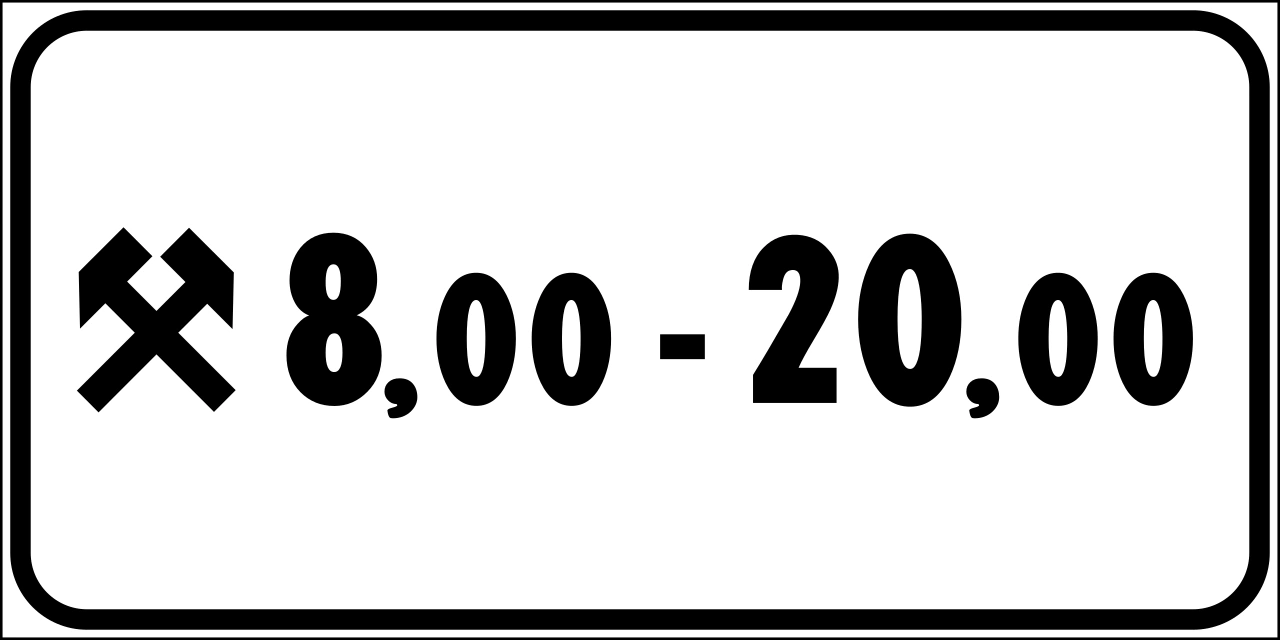
The II.3-d - Timetable: the sign between the hours shown but only in working days (represented by the two hammers crossed) road sign may also be known by these alternative names or terms.
The II.3-d - Timetable: the sign between the hours shown but only in working days (represented by the two hammers crossed) road sign is part of the Italian Additional Panels category, which groups together signs with similar rules and functions.
Comparing signs like 'Timetable: working days' with similar panels helps solidify your knowledge and reduce errors during your Italian driving theory exam revision. Effective traffic sign comparison is key for accurate recall and better sign recognition.

Understanding the 'Distance (in metres)' Additional Panel (II.1-a)

The II.1-b panel provides essential distance or scope context for other road signs.
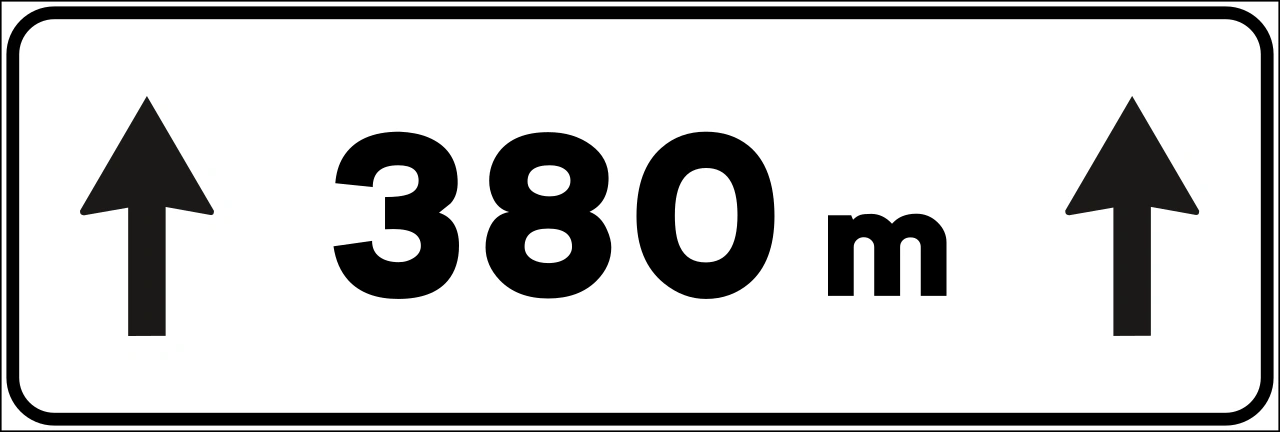
Understand the 'Length of Danger or Prescription' Panel (II.2-a)
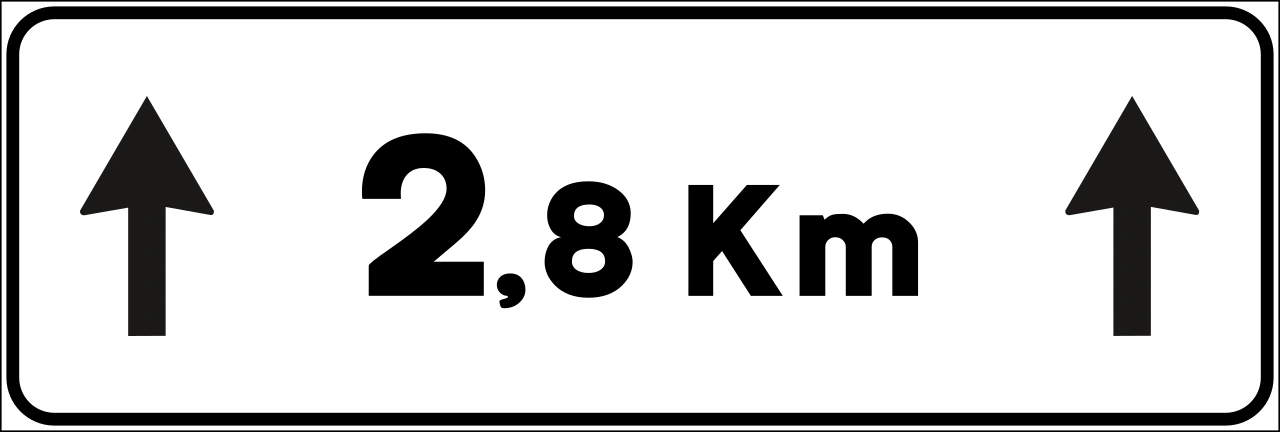
Understand the II.2-b Panel: Extending Danger or Prescription Distances
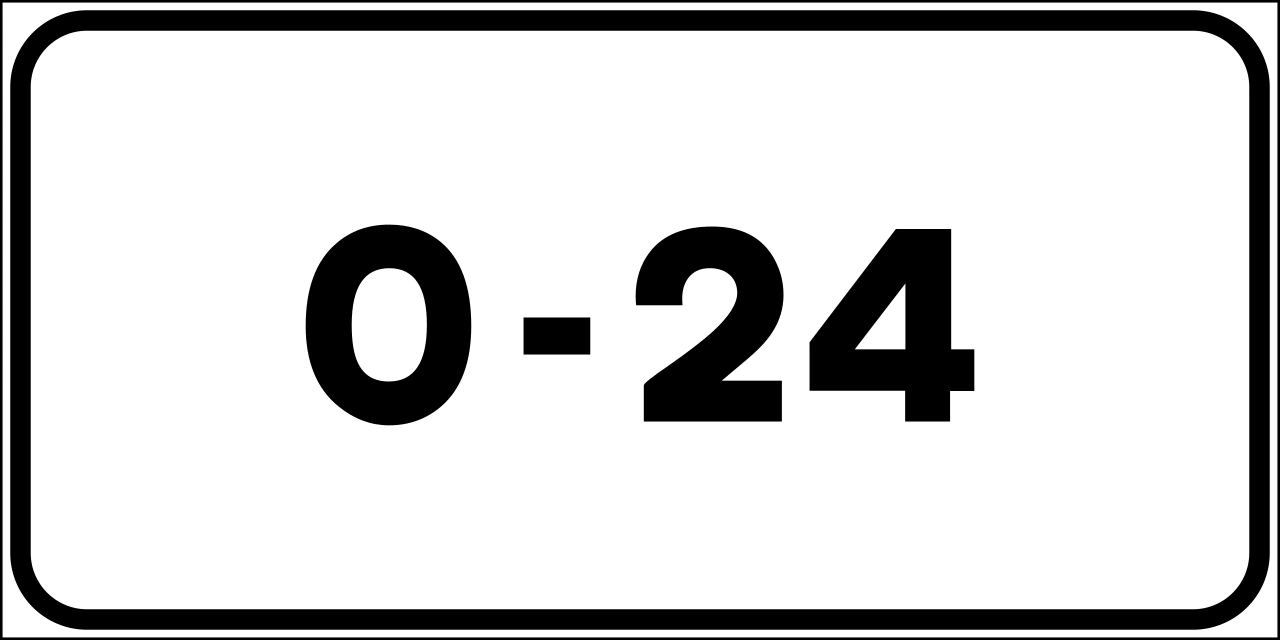
Understand the II.3-a 'Applies All Day' Timetable Panel
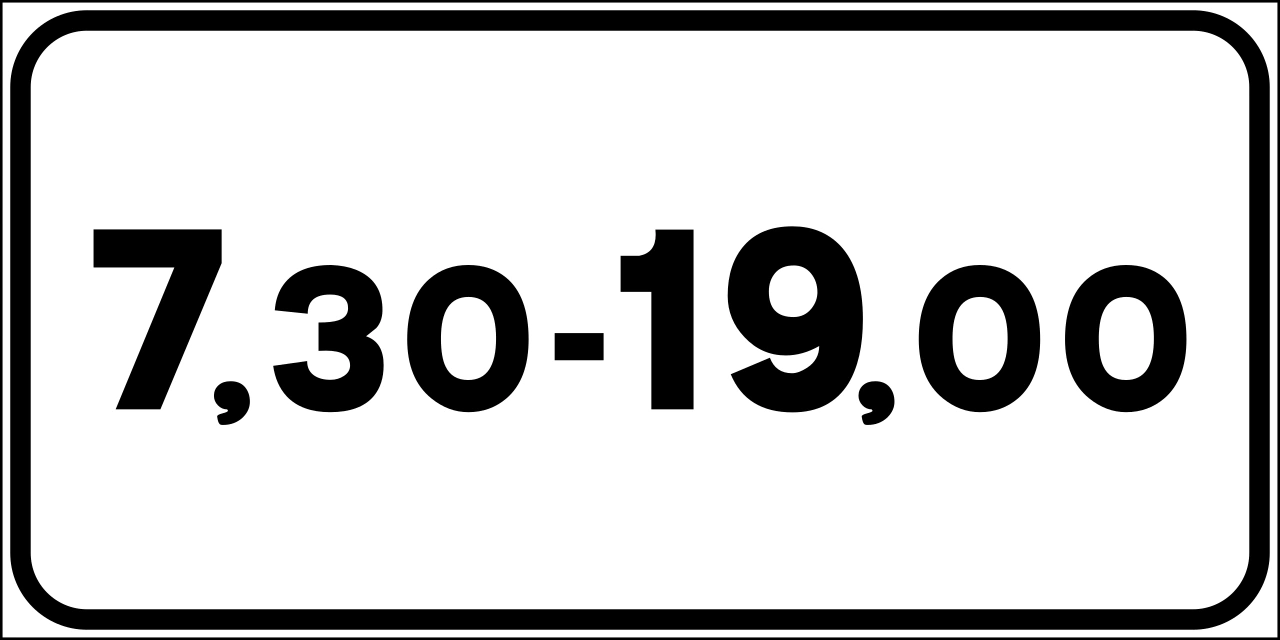
II.3-b Additional Panel: Understanding Time-Based Sign Meanings
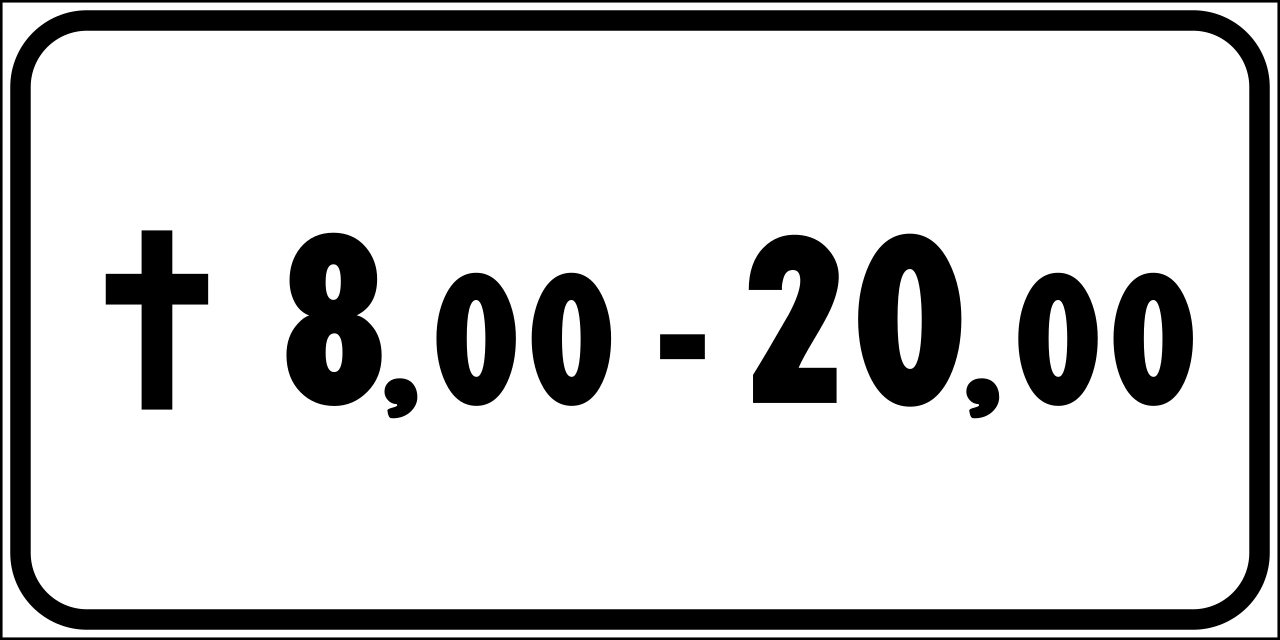
Understand the 'Timetable: Holidays' Supplementary Road Sign (II.3-c)
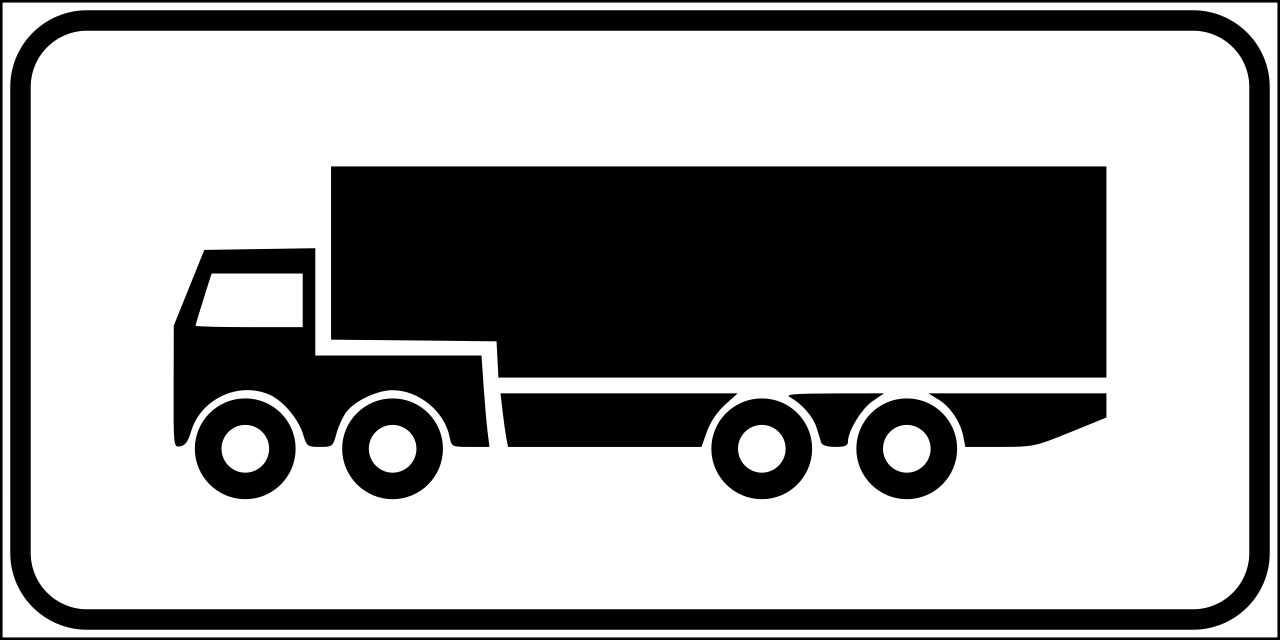
II.4-a Additional Panel: Refining the Meaning of Main Road Signs
Connect visual recognition to the official Italian traffic regulations to improve your performance on the theory test. These targeted resources clarify how specific road signs dictate right-of-way and safety requirements across diverse Italian driving environments.
Renting a car in Italy offers freedom, but comes with specific rules foreign drivers must know. This guide clarifies documentation, insurance, and potential pitfalls such as ZTL fines and toll charges, helping you prepare thoroughly for your journey and avoid costly mistakes.
Avoid fines and confidently navigate Italian traffic by mastering all stopping and parking prohibitions.
Master the Nuances of Right-Side Overtaking in Italian Traffic Law
Prepare for your Italian driving theory test by understanding the core of its traffic legislation, the Codice della Strada (CdS). This guide breaks down the fundamental principles and structure of D.Lgs. 285/1992, clarifying your essential duties as a road user. Gaining this knowledge is crucial for passing your exam and navigating Italian roads safely.
This additional panel is not normally interpreted alone. It changes the scope of the main sign by showing distance, length, time, vehicle category, exception, road condition, direction, or where a rule starts, continues, or ends. Ignoring the panel can make the main sign too broad or too narrow, so the complete sign assembly should be read before deciding. Official catalogue code: II.3-c.
This additional panel is not normally interpreted alone. It changes the scope of the main sign by showing distance, length, time, vehicle category, exception, road condition, direction, or where a rule starts, continues, or ends. Ignoring the panel can make the main sign too broad or too narrow, so the complete sign assembly should be read before deciding. Official catalogue code: II.3-b.
After reviewing the complete sign list, explore signs by specific categories such as warning, regulatory, or information signs. Understanding signs in context will enhance your recognition and interpretation skills, crucial for the Italian driving theory exam.
All Italian Road Signs List