
This Italian additional panel, known as 'Queue' (IT-AP-22), doesn't stand alone but works with a primary traffic sign to clarify its scope. It can specify crucial details like distance, length, time, vehicle category, exceptions, road conditions, or direction. Always read this panel together with the main sign it modifies to understand the full context and apply the correct driving behaviour.
This 'Queue' panel is vital for correctly interpreting main traffic signs by specifying distance, length, time, or exceptions. Mastering its application is key for accurate road sign meaning and successful theory test revision.
This additional panel is not normally interpreted alone. It changes the scope of the main sign by showing distance, length, time, vehicle category, exception, road condition, direction, or where a rule starts, continues, or ends. Ignoring the panel can make the main sign too broad or too narrow, so the complete sign assembly should be read before deciding. Official catalogue code: IT-AP-22.
The "Queue" panel modifies the main sign by adding scope information such as distance, length, time, category, exception, condition, direction, or start/end point. Catalogue code IT-AP-22.
Get clear, practical answers to the most common questions about the IT-AP-22 - Queue road sign. Learn how the sign works, what rules it represents, and how it affects real driving situations. This FAQ strengthens your understanding and supports accurate decision making for the Italian driving theory exam in Italy.
The IT-AP-22 'Queue' panel is used in conjunction with a main traffic sign to refine its meaning. It provides specific information about the scope of the main sign, such as how far away a situation is, how long a rule applies, a specific time period, or which vehicles are affected or exempted.
No, the IT-AP-22 'Queue' panel should never be interpreted on its own. It is supplementary information designed to modify another sign. Ignoring the main sign and only reading the panel can lead to misunderstanding and incorrect actions, which could be a trap in the theory test.
The 'Queue' panel narrows or defines the application of the main sign. For example, if the main sign is a speed limit, the 'Queue' panel might indicate the speed limit only applies for the next 500 meters, or only to heavy vehicles. You must consider both signs to know the precise rule.
The IT-AP-22 panel can provide various types of scope-defining information. This includes distances (e.g., '200m ahead'), lengths (e.g., 'roadworks for 1km'), time restrictions (e.g., 'except Sundays'), vehicle categories (e.g., 'for trucks only'), exceptions (e.g., 'except residents'), or directional guidance (e.g., 'straight ahead').
A common mistake is to forget that these panels are supplementary and to either ignore them or misinterpret them as separate rules. Learners might also miss the specific details the panel provides, such as a limited distance or a specific exception, leading to incorrect responses in real traffic or during the theory exam.
A clear reference image of the IT-AP-22 - Queue road sign used in Italy.
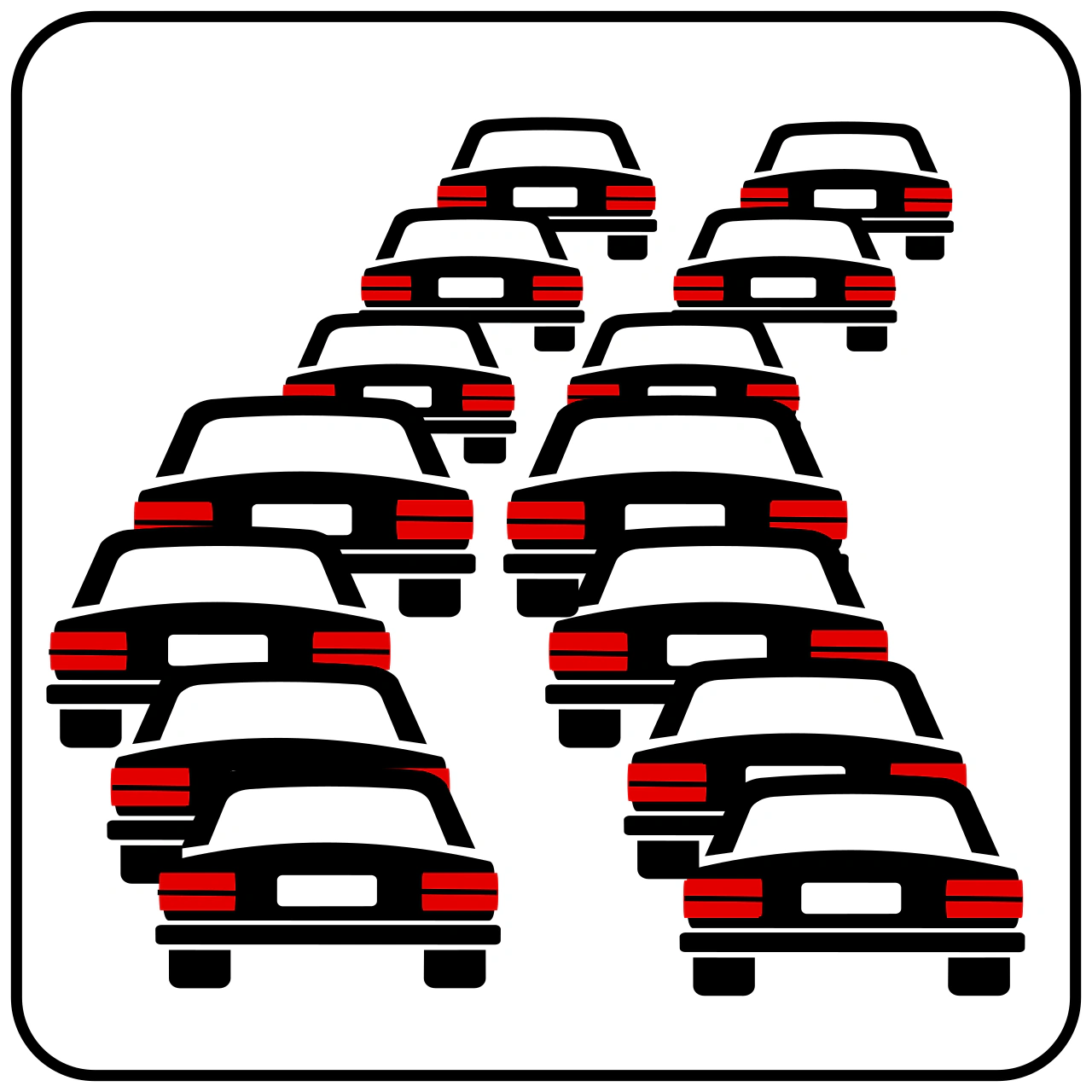
The IT-AP-22 - Queue road sign may also be known by these alternative names or terms.
The IT-AP-22 - Queue road sign is part of the Italian Additional Panels category, which groups together signs with similar rules and functions.
Comparing supplementary panels like 'Queue' with other traffic sign variations helps solidify your understanding and reduces errors during your theory test revision. This focused review of similar road signs and traffic sign comparison is crucial for accurate recall and confident exam preparation.

Understanding the 'Distance (in metres)' Additional Panel (II.1-a)

The II.1-b panel provides essential distance or scope context for other road signs.
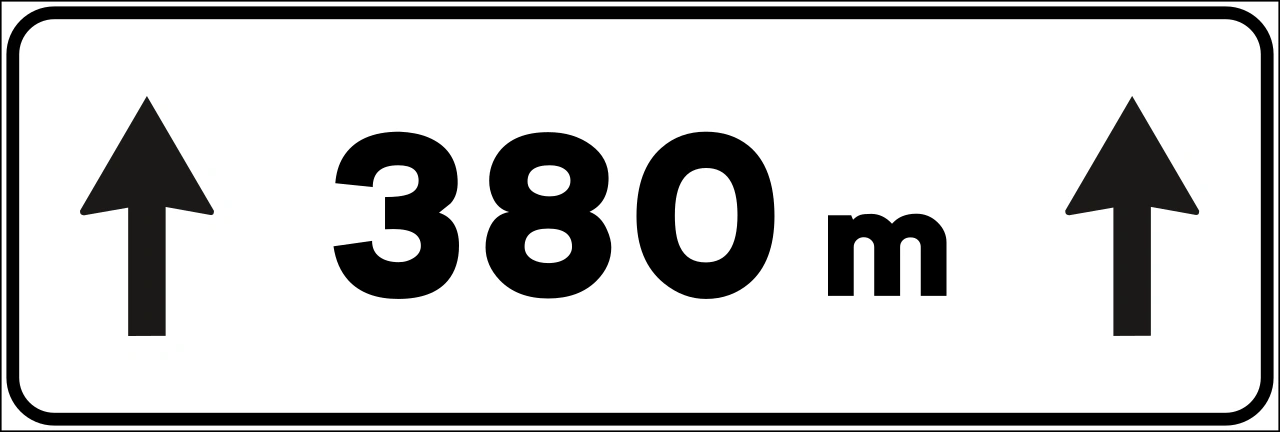
Understand the 'Length of Danger or Prescription' Panel (II.2-a)
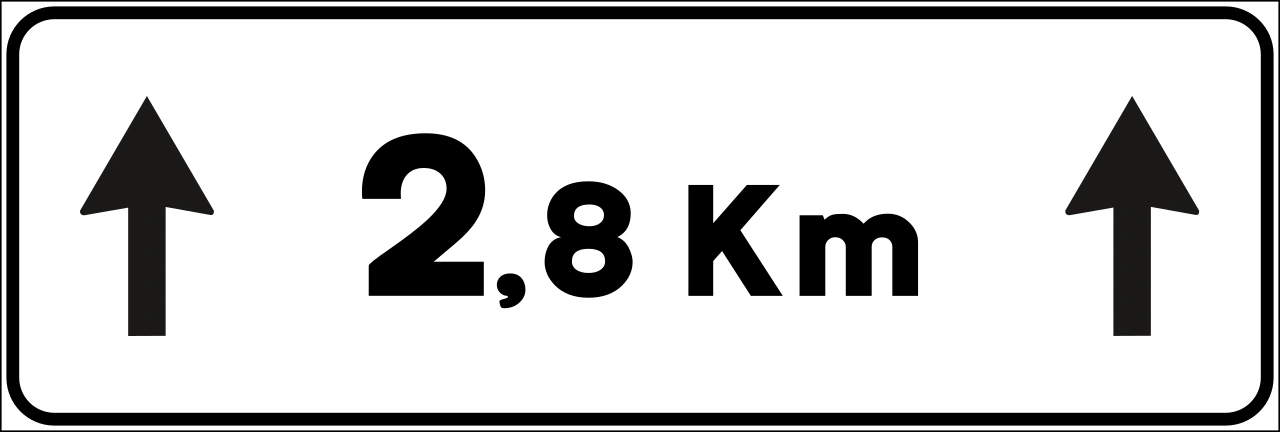
Understand the II.2-b Panel: Extending Danger or Prescription Distances
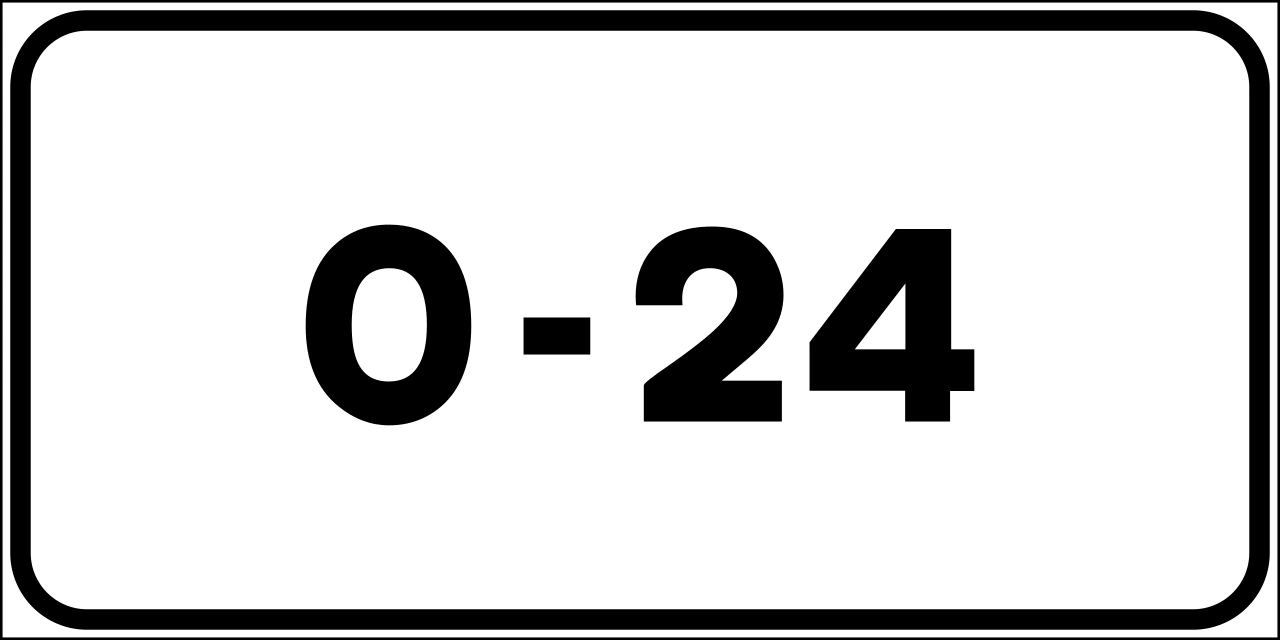
Understand the II.3-a 'Applies All Day' Timetable Panel
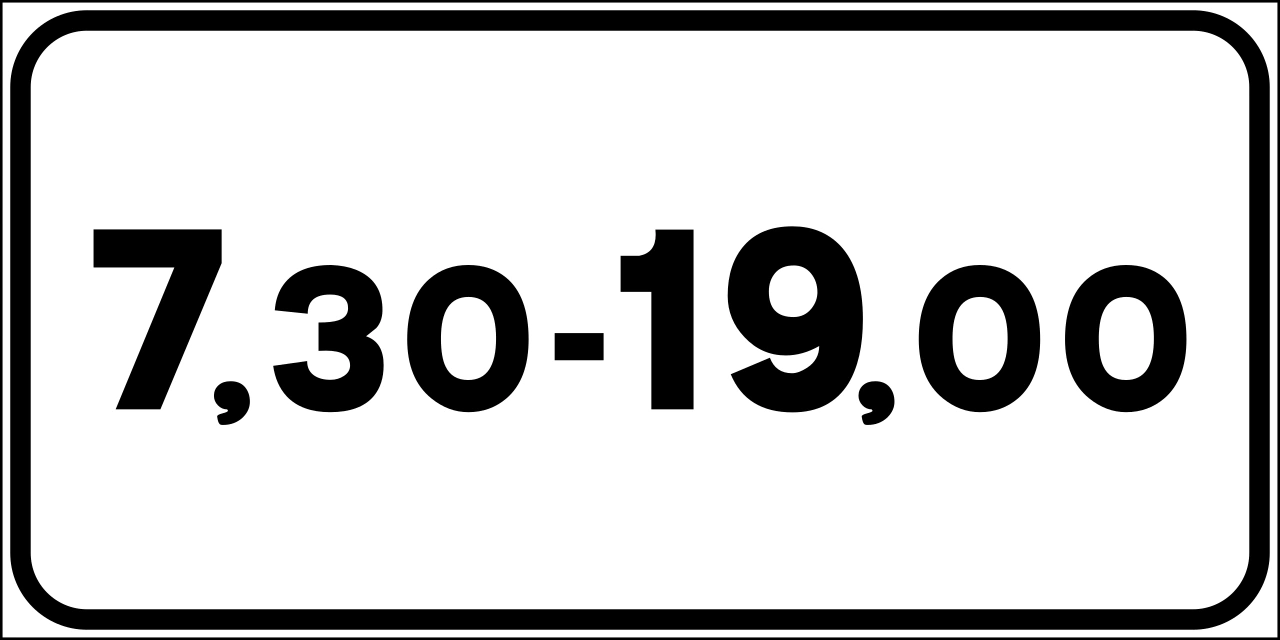
II.3-b Additional Panel: Understanding Time-Based Sign Meanings
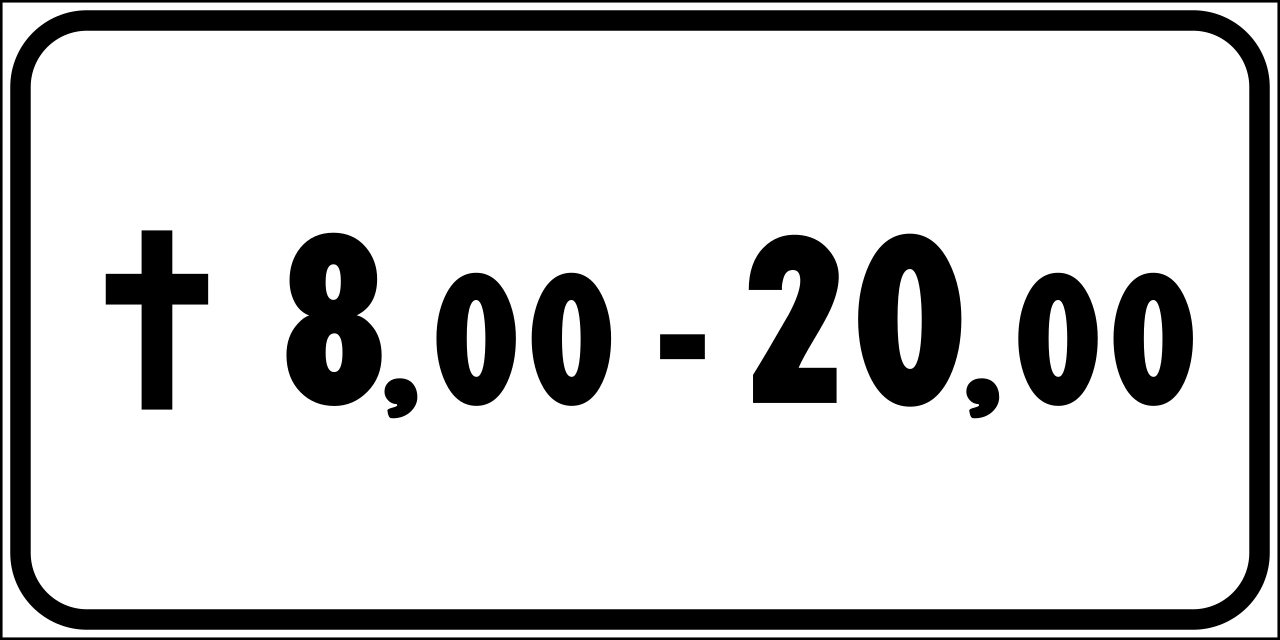
Understand the 'Timetable: Holidays' Supplementary Road Sign (II.3-c)
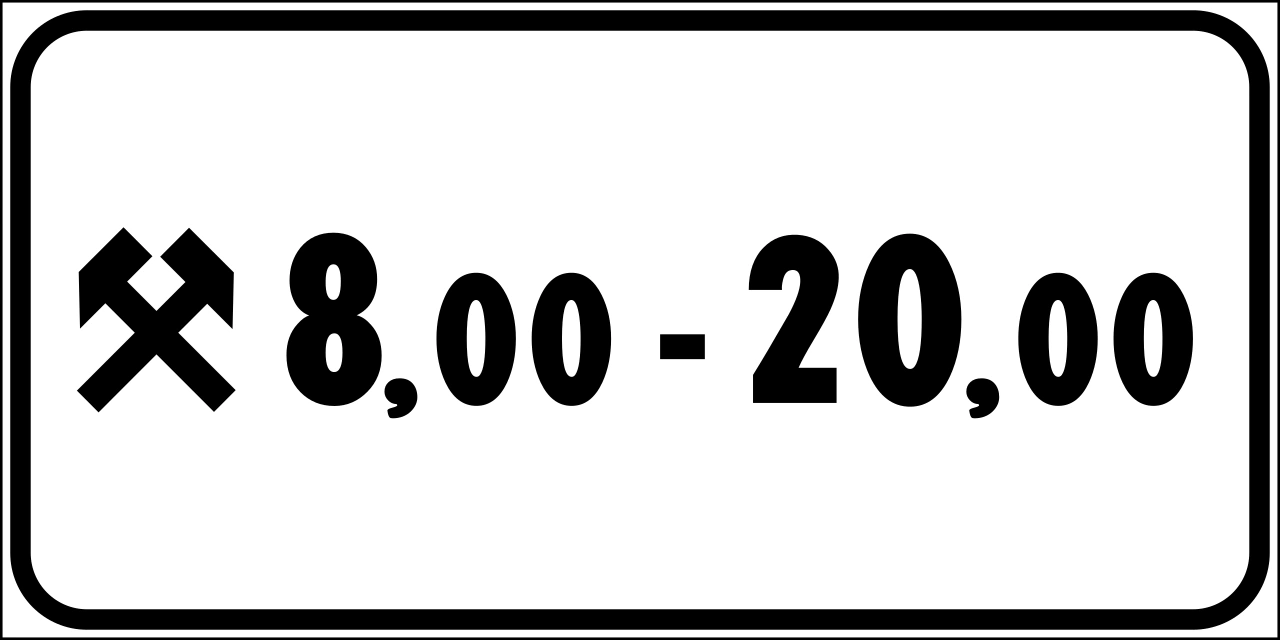
This Timetable Sign Means Restrictions Apply Only on Working Days
Connect visual recognition to the official Italian traffic regulations to improve your performance on the theory test. These targeted resources clarify how specific road signs dictate right-of-way and safety requirements across diverse Italian driving environments.
Renting a car in Italy offers freedom, but comes with specific rules foreign drivers must know. This guide clarifies documentation, insurance, and potential pitfalls such as ZTL fines and toll charges, helping you prepare thoroughly for your journey and avoid costly mistakes.
Master the Nuances of Right-Side Overtaking in Italian Traffic Law
Prepare for your Italian driving theory test by understanding the core of its traffic legislation, the Codice della Strada (CdS). This guide breaks down the fundamental principles and structure of D.Lgs. 285/1992, clarifying your essential duties as a road user. Gaining this knowledge is crucial for passing your exam and navigating Italian roads safely.
Master the Italian Theory Exam Structure Before You Even Start Driving
This additional panel is not normally interpreted alone. It changes the scope of the main sign by showing distance, length, time, vehicle category, exception, road condition, direction, or where a rule starts, continues, or ends. Ignoring the panel can make the main sign too broad or too narrow, so the complete sign assembly should be read before deciding. Official catalogue code: IT-AP-19.
This additional panel is not normally interpreted alone. It changes the scope of the main sign by showing distance, length, time, vehicle category, exception, road condition, direction, or where a rule starts, continues, or ends. Ignoring the panel can make the main sign too broad or too narrow, so the complete sign assembly should be read before deciding. Official catalogue code: IT-AP-28.
After reviewing the complete sign list, explore signs by specific categories such as warning, regulatory, or information signs. Understanding signs in context will enhance your recognition and interpretation skills, crucial for the Italian driving theory exam.
All Italian Road Signs List