
The II.92-b sign indicates a mandatory route specifically designated for pedestrians and cyclists to share. As a driver, you must follow the route prescribed by this sign, which might involve a specific lane or direction. Always pay close attention to road markings, lane arrows, and any supplementary panels that clarify the sign's exact application and duration. This sign is part of Italy's mandatory signs, requiring specific actions from road users.
Mastering the combined pedestrian and bicycle path sign is crucial for navigating Italian roads safely and legally. This mandatory instruction sign requires specific path usage, making it vital for theory test revision and safe driving practice.
This mandatory sign requires a specific action or route choice rather than merely giving information. It may control direction, lane use, compulsory paths, minimum speed, equipment, customs, tolls, police controls, or routes reserved for certain users. Drivers should match the sign to the correct lane and road layout, then look for markings, panels, and end signs that define how long the instruction remains in force. Official catalogue code: II.92-b.
The "Combined pedestrian and bicycle path" sign requires the movement, path, lane use, or road-user route shown by the sign. Position early and follow the instruction smoothly. Catalogue code II.92-b.
Get clear, practical answers to the most common questions about the II.92-b - Combined pedestrian and bicycle path road sign. Learn how the sign works, what rules it represents, and how it affects real driving situations. This FAQ strengthens your understanding and supports accurate decision making for the Italian driving theory exam in Italy.
The II.92-b sign is a mandatory traffic sign indicating a shared path or route that must be used by both pedestrians and cyclists. It dictates a specific path or movement that must be followed, unlike informational signs that merely suggest.
The II.92-b sign specifically applies to pedestrians and cyclists, not motor vehicles. However, if this sign is placed in a context that affects traffic flow or designates a specific lane closure that drivers must be aware of, you should follow any instructions indicated by associated lane arrows, road markings, or supplementary panels. Its primary purpose is to manage pedestrian and bicycle movement.
Learners might misunderstand who the II.92-b sign applies to. While it directly mandates cyclists and pedestrians, drivers must be aware of their presence, especially if a motor vehicle lane is affected or closed. Another mistake is assuming the instruction ends prematurely; always look for end signs or changes in road layout.
The instruction of the II.92-b sign remains in effect until it is explicitly cancelled by an 'end of mandatory route' sign, or by a subsequent traffic regulation or sign that changes the required action or lane use. Always observe your surroundings for further indications of the route's termination or alteration.
The II.92-b sign is typically found in urban environments, parks, or areas where pedestrian and bicycle traffic needs to be safely channelled. It is generally not found on motorways (autostrade) where dedicated high-speed lanes are separated from slower traffic and non-motorised users.
A clear reference image of the II.92-b - Combined pedestrian and bicycle path road sign used in Italy.
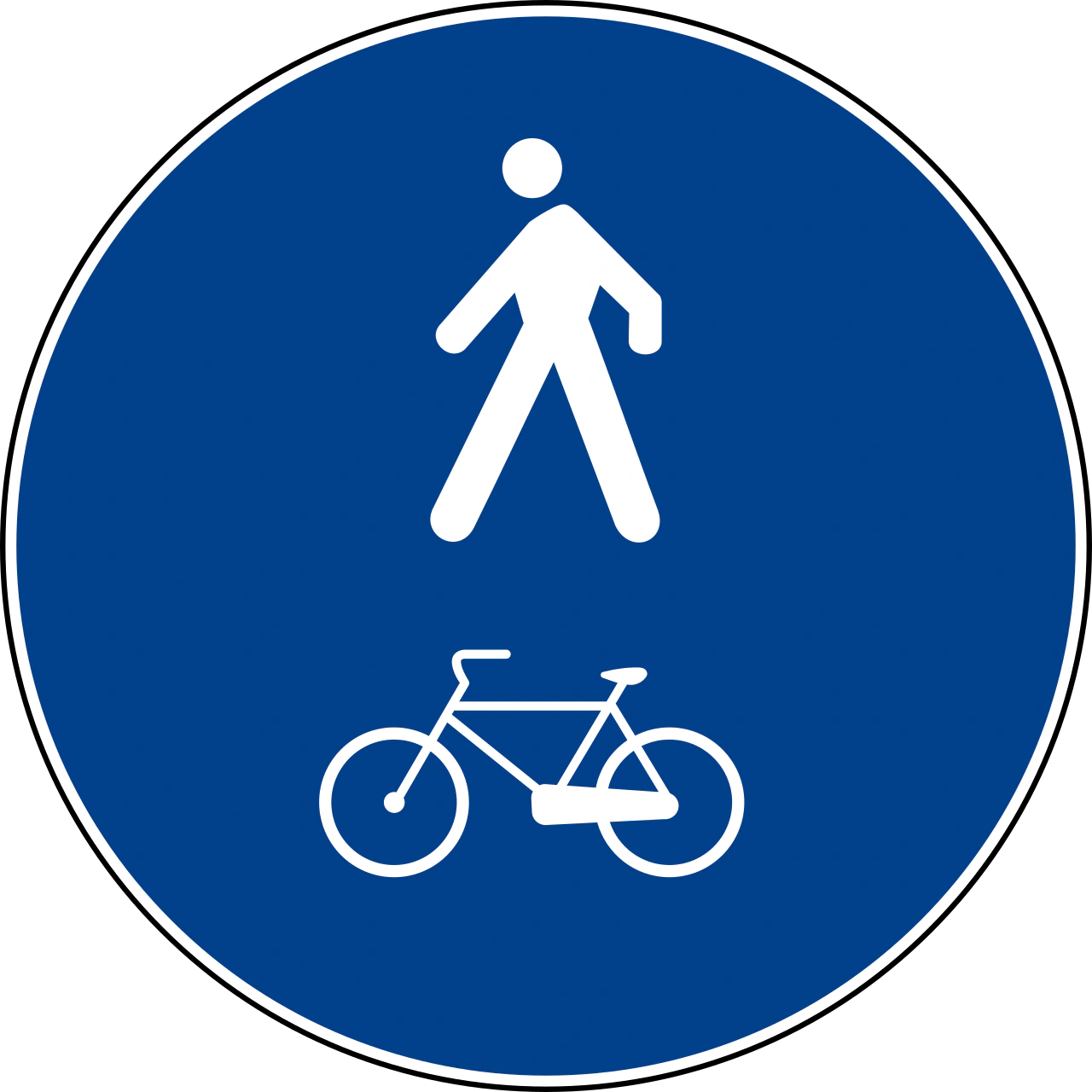
The II.92-b - Combined pedestrian and bicycle path road sign may also be known by these alternative names or terms.
The II.92-b - Combined pedestrian and bicycle path road sign is part of the Italian Mandatory Signs category, which groups together signs with similar rules and functions.
Reviewing related road signs like combined pedestrian and bicycle paths helps cement your knowledge and reduce confusion during your Italian theory test. Practice effective traffic sign comparison to improve your sign recognition and theory test revision.
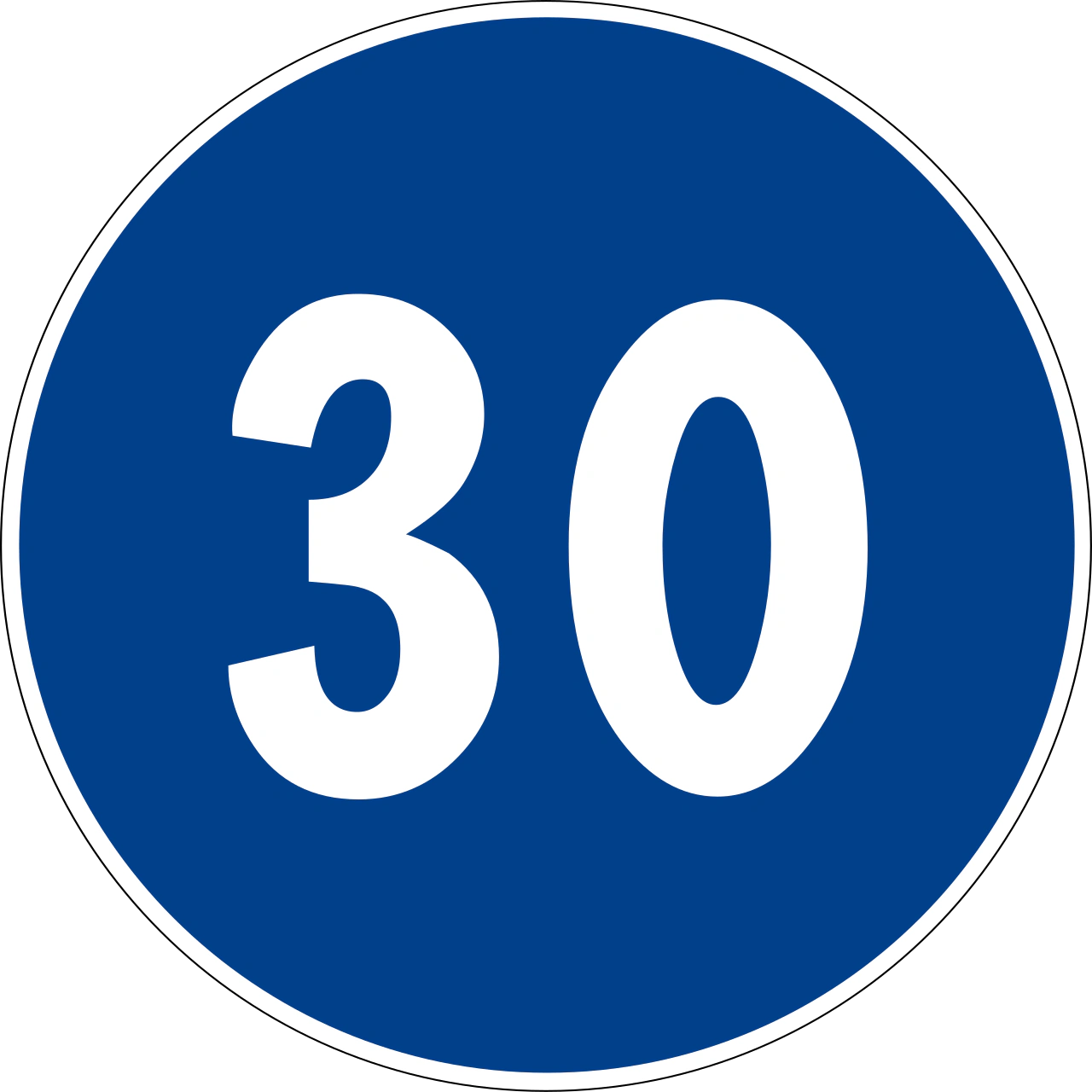
The II.85 Minimum Speed sign means you MUST maintain a certain speed.
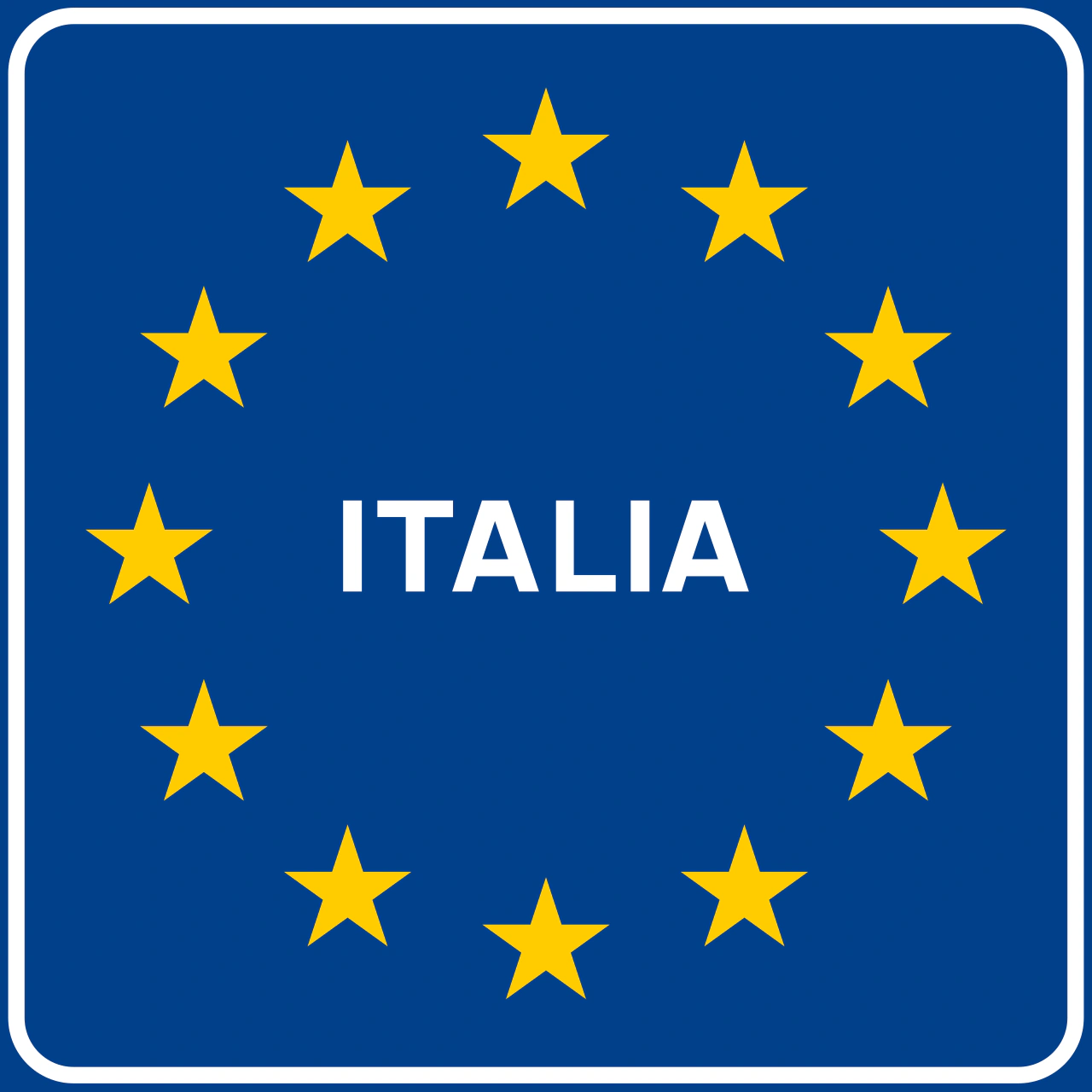
Understand the EU Country Border Sign (II.97-a): Stop and Comply
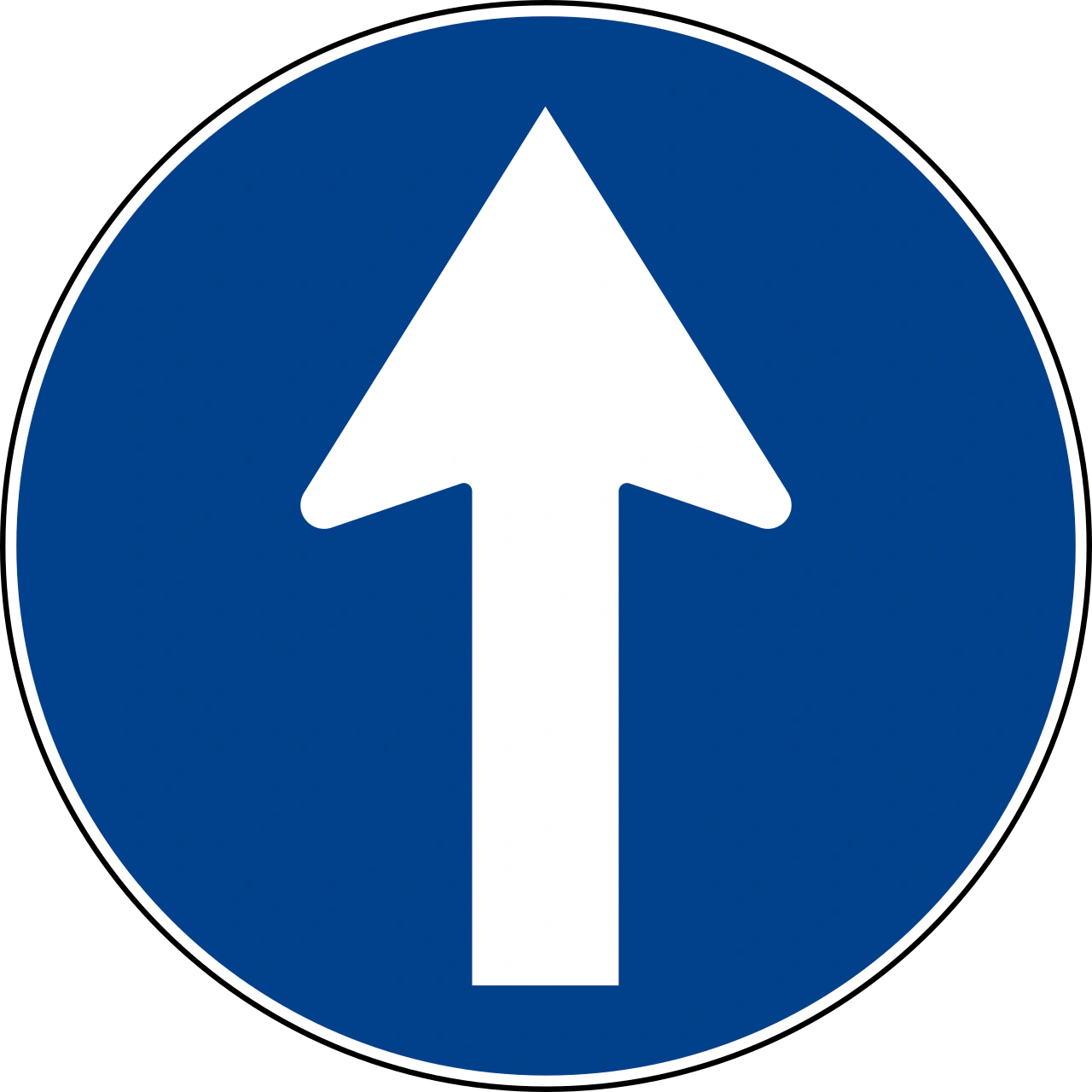
IT-M-01: You Must Drive Straight Ahead
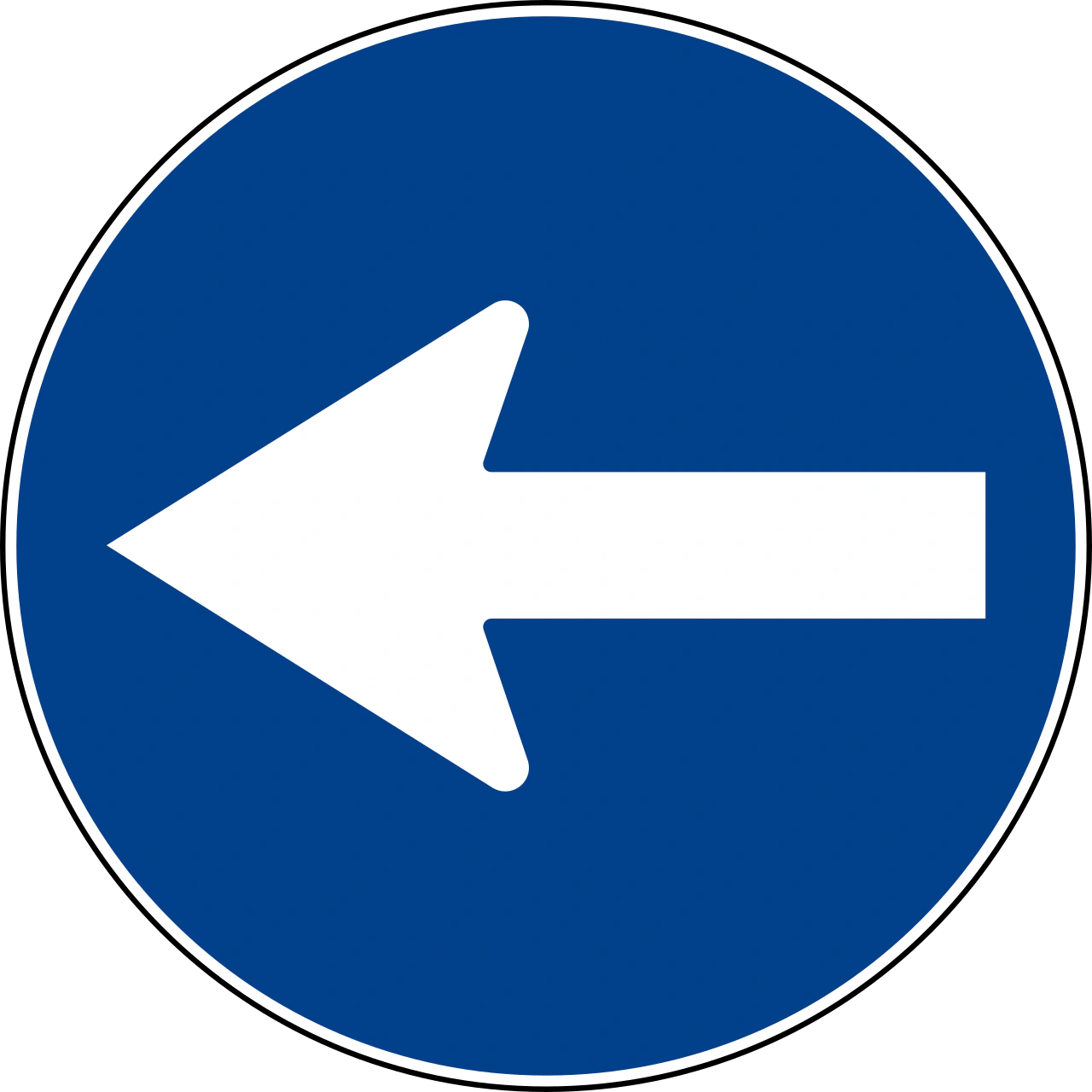
Mandatory Turn Left: Follow the Arrow, Change Your Lane Accordingly
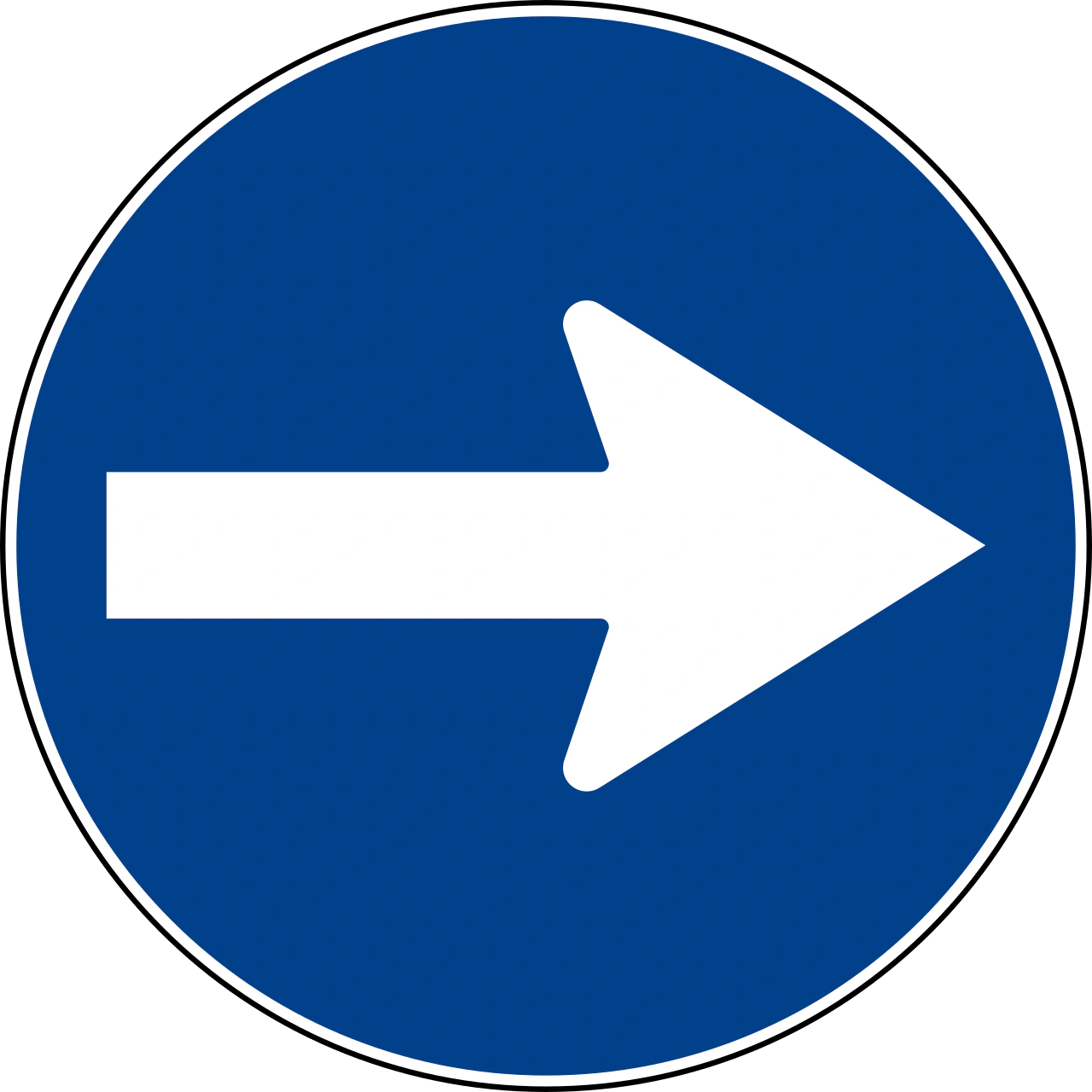
Mandatory 'Turn Right' Sign (IT-M-03): You Must Go This Way

Mandatory 'Right Turn Only Ahead' Sign (IT-M-04): Your Lane Choice is Restricted.
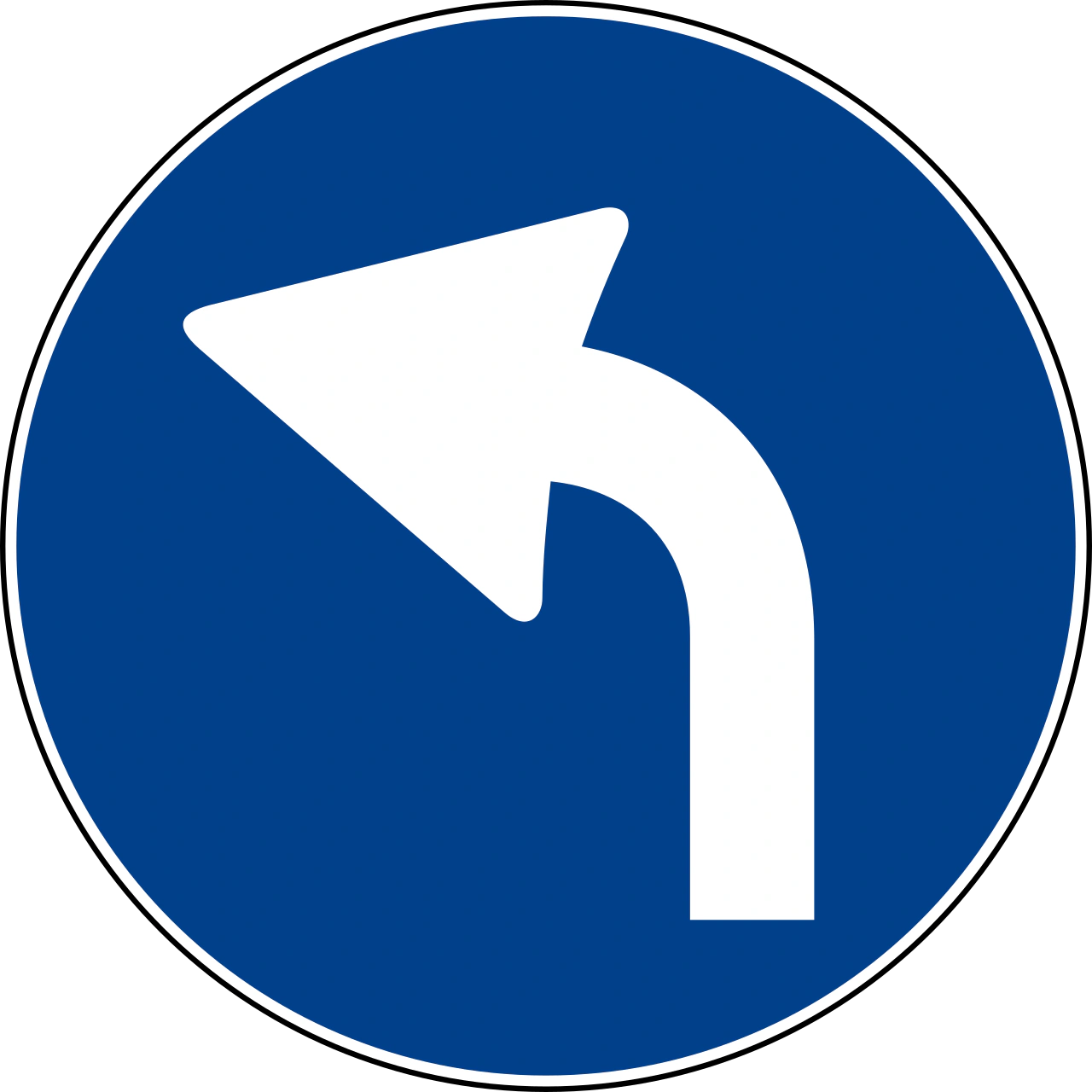
Mandatory Left Turn Only Ahead Road Sign (IT-M-05)
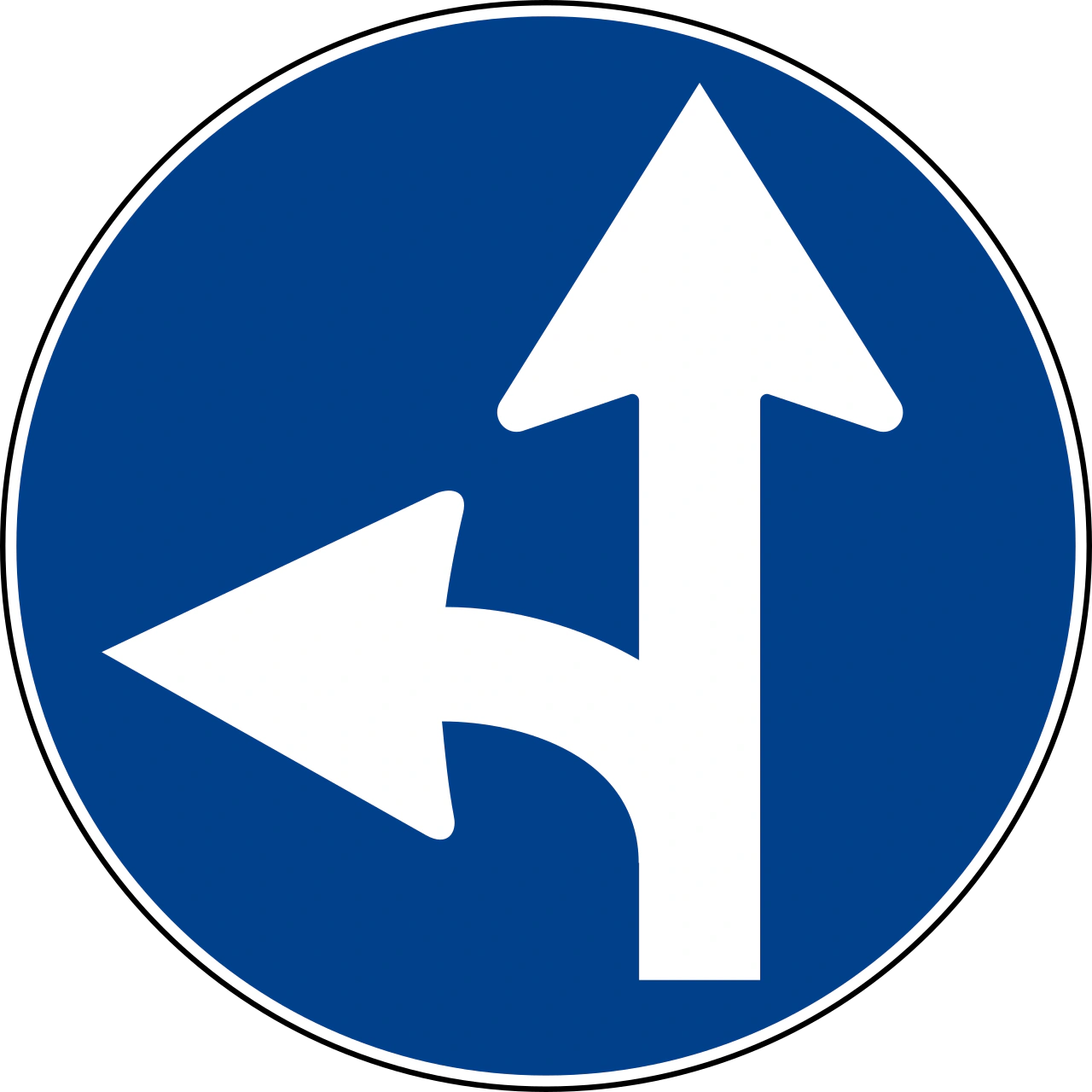
Mandatory Right or Left Turn Only Ahead: Follow the Arrow!
Connect visual recognition to the official Italian traffic regulations to improve your performance on the theory test. These targeted resources clarify how specific road signs dictate right-of-way and safety requirements across diverse Italian driving environments.
Avoid fines and confidently navigate Italian traffic by mastering all stopping and parking prohibitions.
Master Italian Traffic Control Priority to Avoid Confusion and Pass Your Exam
Navigate Italian roads with confidence by mastering the 'precedenza a destra' rule at unmarked intersections and understanding the current priority system at roundabouts. This guide explains these fundamental Italian traffic laws, essential for both safe driving and success in your theory test, helping you avoid common mistakes and hazardous situations.
While an Italian Class B license provides certain privileges for lighter vehicles, it is critical to understand the exact technical limitations enforced by the Codice della Strada. This guide breaks down the eligibility for A1 category motorcycles, the restricted nature of these permissions to Italian territory, and the legal consequences of exceeding your licensed category. Mastering these rules is essential for both your theoretical knowledge and your safety on the road.
This mandatory sign requires a specific action or route choice rather than merely giving information. It may control direction, lane use, compulsory paths, minimum speed, equipment, customs, tolls, police controls, or routes reserved for certain users. Drivers should match the sign to the correct lane and road layout, then look for markings, panels, and end signs that define how long the instruction remains in force. Official catalogue code: IT-M-23.
This mandatory sign requires a specific action or route choice rather than merely giving information. It may control direction, lane use, compulsory paths, minimum speed, equipment, customs, tolls, police controls, or routes reserved for certain users. Drivers should match the sign to the correct lane and road layout, then look for markings, panels, and end signs that define how long the instruction remains in force. Official catalogue code: IT-M-01.
After reviewing the complete sign list, explore signs by specific categories such as warning, regulatory, or information signs. Understanding signs in context will enhance your recognition and interpretation skills, crucial for the Italian driving theory exam.
All Italian Road Signs List