
The 'Stop, pay toll' sign (IT-M-19) is a mandatory traffic sign in Italy, requiring drivers to stop or follow specific instructions, often for payment or checks. You must approach this sign slowly, be prepared to comply with officials, and adhere strictly to the indicated action, whether it's stopping, paying a toll, or proceeding through a controlled checkpoint. Always consider the sign in conjunction with lane markings, traffic lights, and any supplementary panels to ensure correct behaviour.
Mastering the mandatory 'Stop, Pay Toll' sign is crucial for navigating Italian roads and understanding toll collection points, directly aiding your theory test revision. This sign's interpretation is key for compliance with traffic law and avoiding potential issues during your driving licence process.
This mandatory sign requires a specific action or route choice rather than merely giving information. It may control direction, lane use, compulsory paths, minimum speed, equipment, customs, tolls, police controls, or routes reserved for certain users. Drivers should match the sign to the correct lane and road layout, then look for markings, panels, and end signs that define how long the instruction remains in force. Official catalogue code: IT-M-19.
The "Stop, pay toll" sign requires drivers to stop or follow the checkpoint instruction shown. Approach slowly and be ready to comply with officials or payment controls. Catalogue code IT-M-19.
Get clear, practical answers to the most common questions about the IT-M-19 - Stop, pay toll road sign. Learn how the sign works, what rules it represents, and how it affects real driving situations. This FAQ strengthens your understanding and supports accurate decision making for the Italian driving theory exam in Italy.
The 'Stop, pay toll' sign (IT-M-19) is a mandatory sign. It requires you to stop or follow the precise instruction displayed, which is typically related to paying a toll or passing through a checkpoint. You should always approach slowly and be ready to comply with any directions from officials or automated systems.
Not necessarily every time, but you must be prepared to stop. The sign indicates a point where a stop, payment, or compliance with an instruction is required. Always assess the specific situation: check for active payment lanes, presence of officials, or further instructions indicated by traffic lights or additional panels before proceeding.
Ignoring a 'Stop, pay toll' sign (IT-M-19) is a serious traffic violation. It can lead to fines, penalties, and potential disqualification, especially if it involves evading toll payments or failing to comply with official controls. In the theory test, failing to recognise and react correctly to such mandatory signs will result in a fail.
The road layout is crucial. This sign often appears on motorways or at entry points to specific areas. You need to match your lane to the sign's instruction early on. Look for arrows, lane markings, and overhead signs that confirm which lane is for stopping, paying tolls, or following a specific route. If you are in the wrong lane, do not make sudden movements; follow the required route until it's safe to change lanes later.
The instruction remains in force until you have completed the required action (stopping, paying) or until another sign or traffic rule indicates the end of the controlled zone or instruction. For example, passing through the toll plaza or following a designated path for a certain distance would signify the end of this specific requirement.
A clear reference image of the IT-M-19 - Stop, pay toll road sign used in Italy.
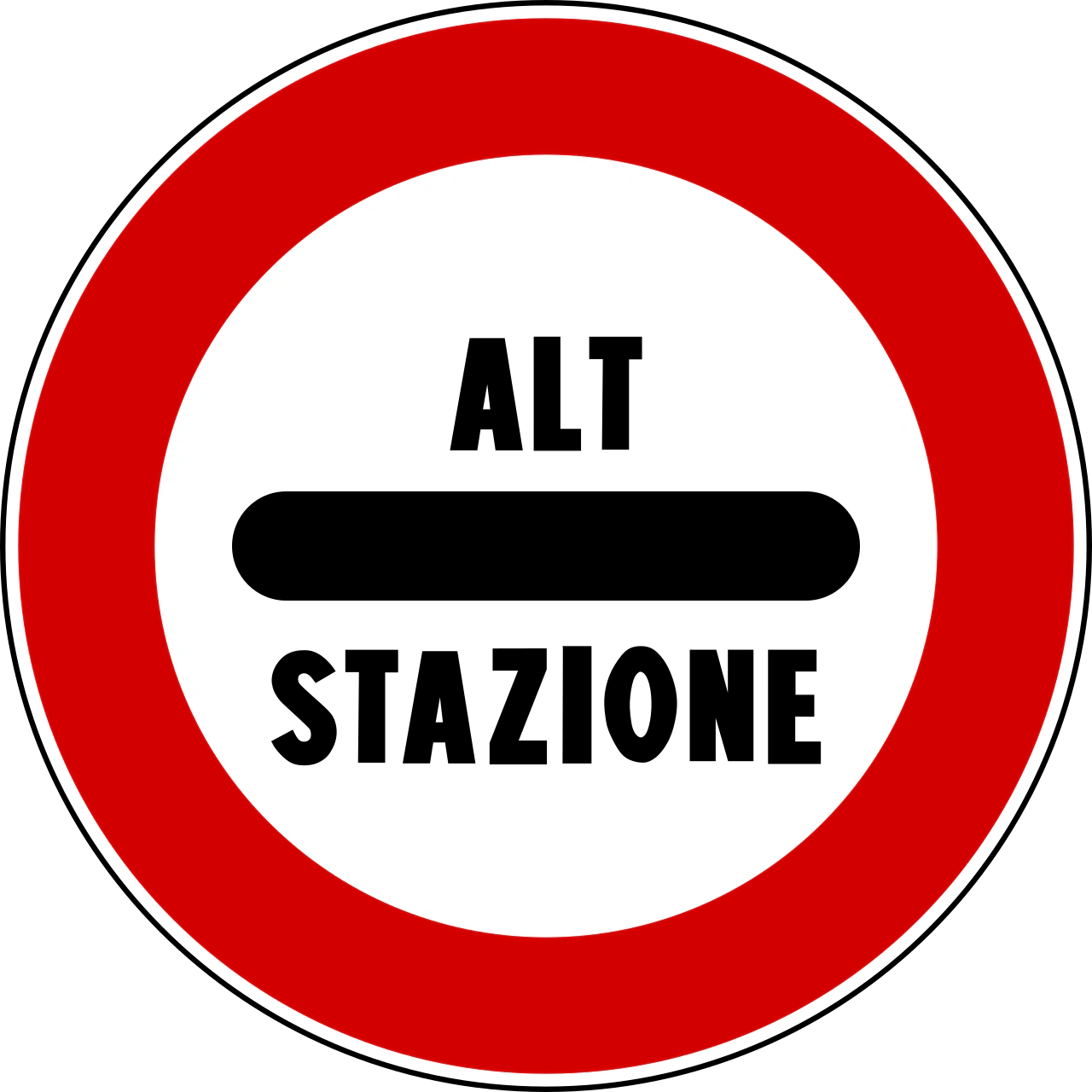
The IT-M-19 - Stop, pay toll road sign may also be known by these alternative names or terms.
The IT-M-19 - Stop, pay toll road sign is part of the Italian Mandatory Signs category, which groups together signs with similar rules and functions.
Reviewing signs similar to the 'Stop, pay toll' marker helps solidify your understanding of Italian traffic rules. Comparing related road signs and their nuances is a proven method for improving sign recognition and reducing errors during your theory test revision.
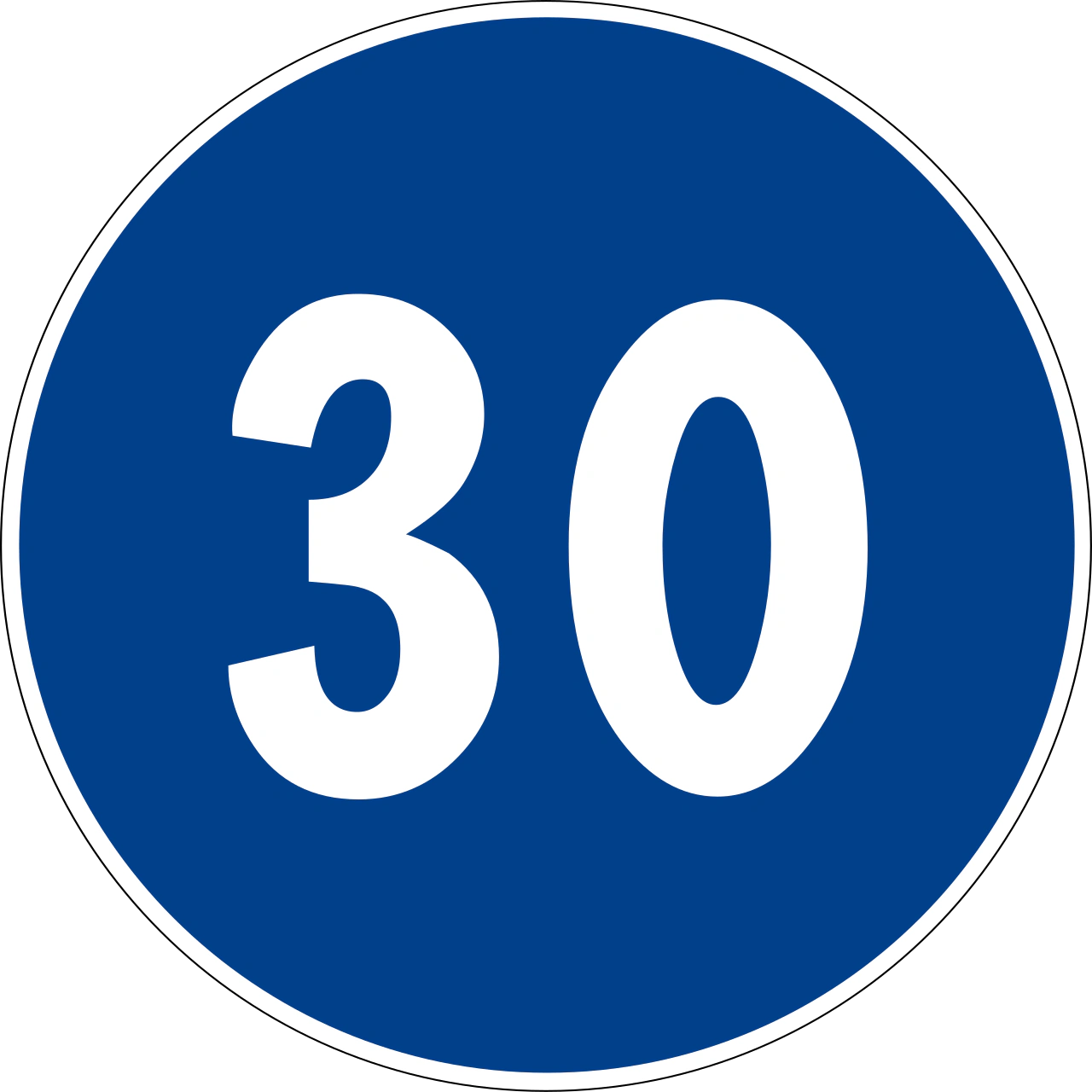
The II.85 Minimum Speed sign means you MUST maintain a certain speed.
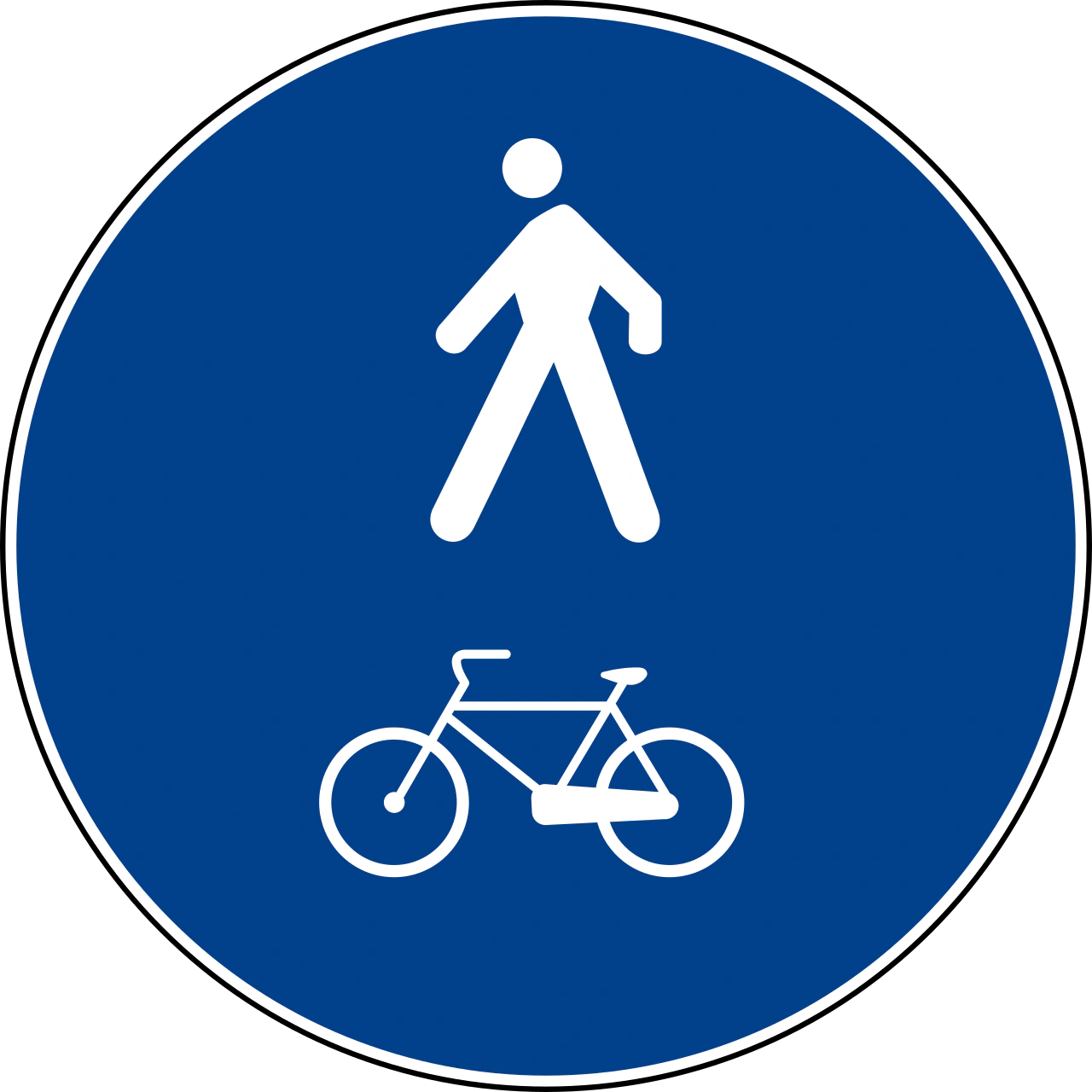
Understand the II.92-b Combined Pedestrian and Bicycle Path Mandatory Sign
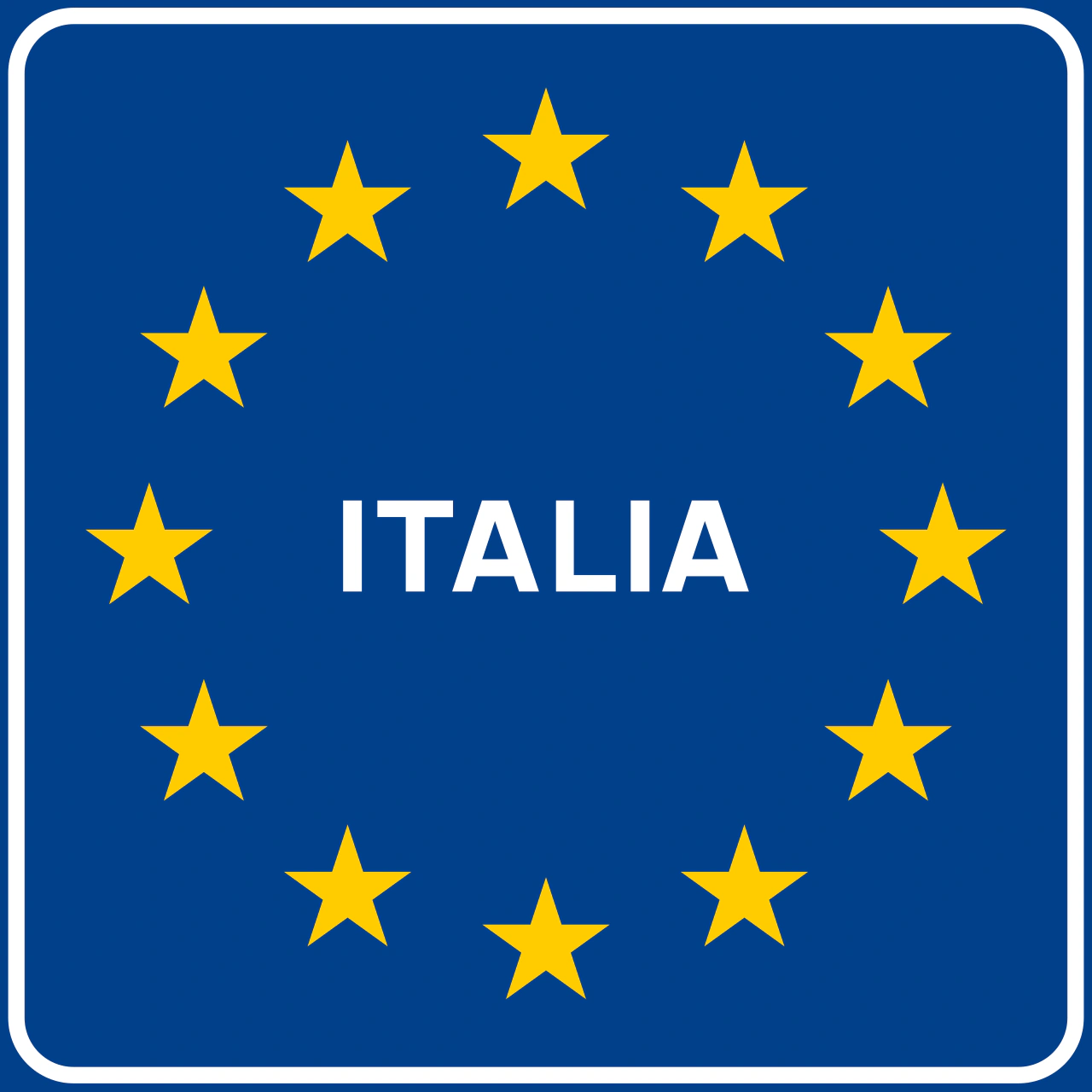
Understand the EU Country Border Sign (II.97-a): Stop and Comply
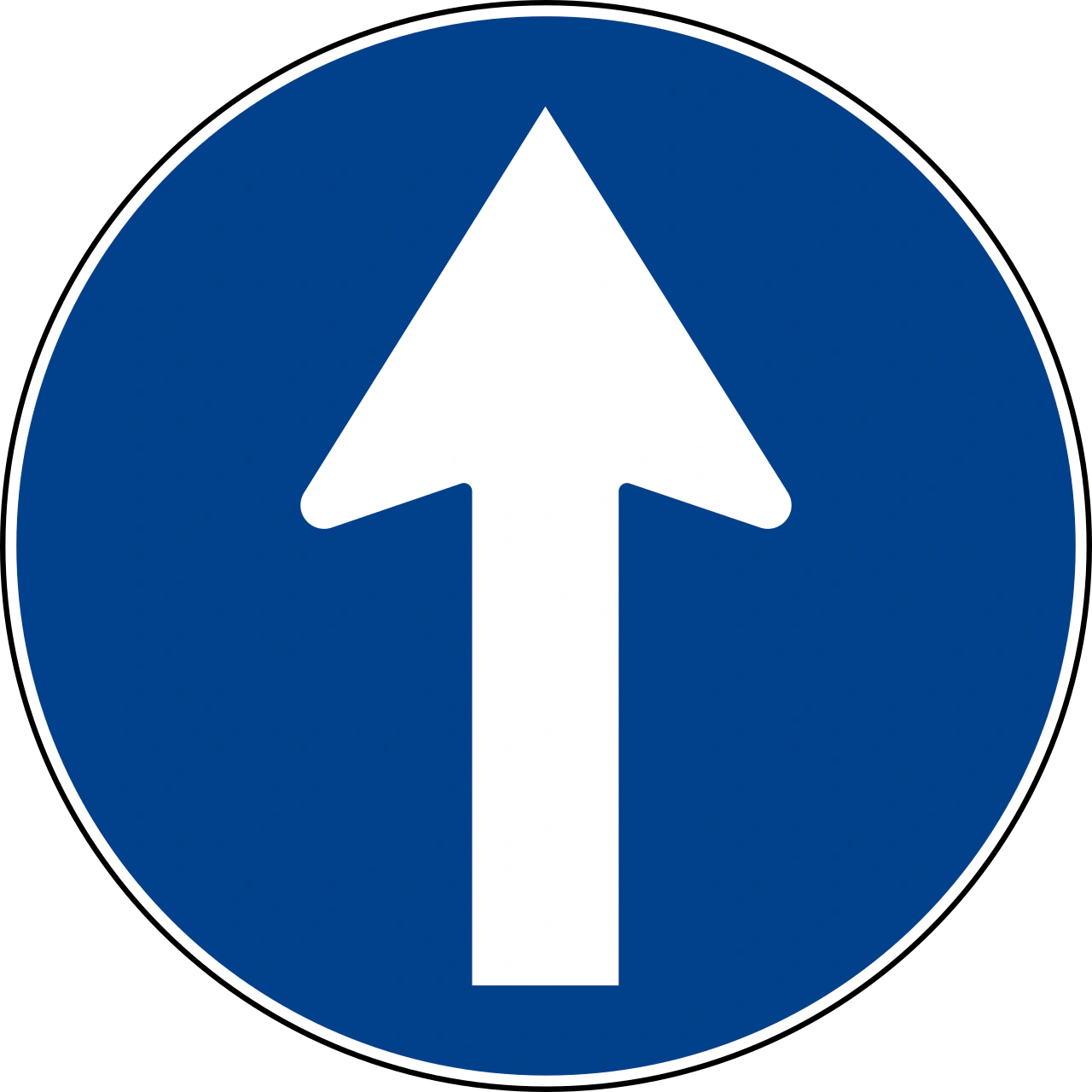
IT-M-01: You Must Drive Straight Ahead
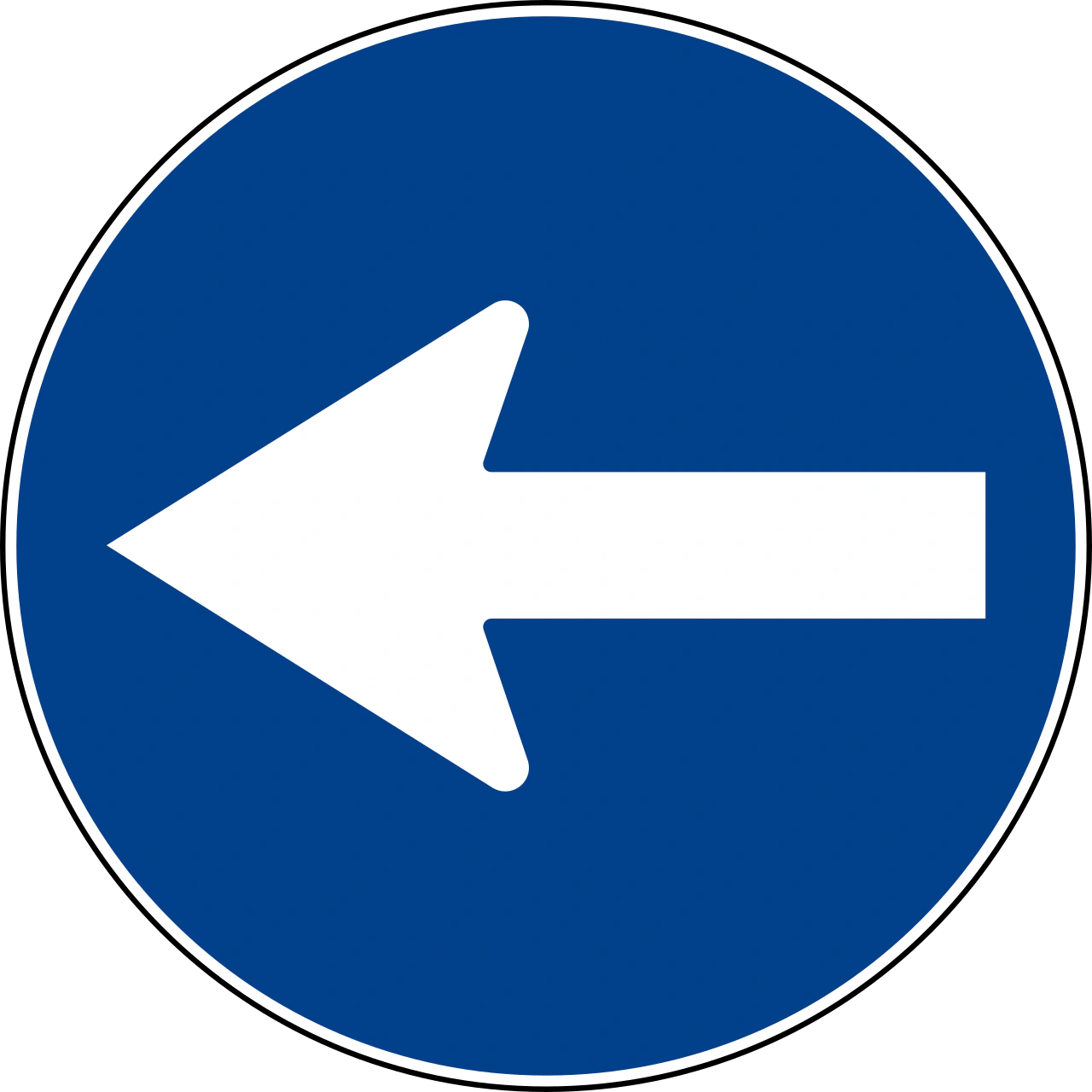
Mandatory Turn Left: Follow the Arrow, Change Your Lane Accordingly
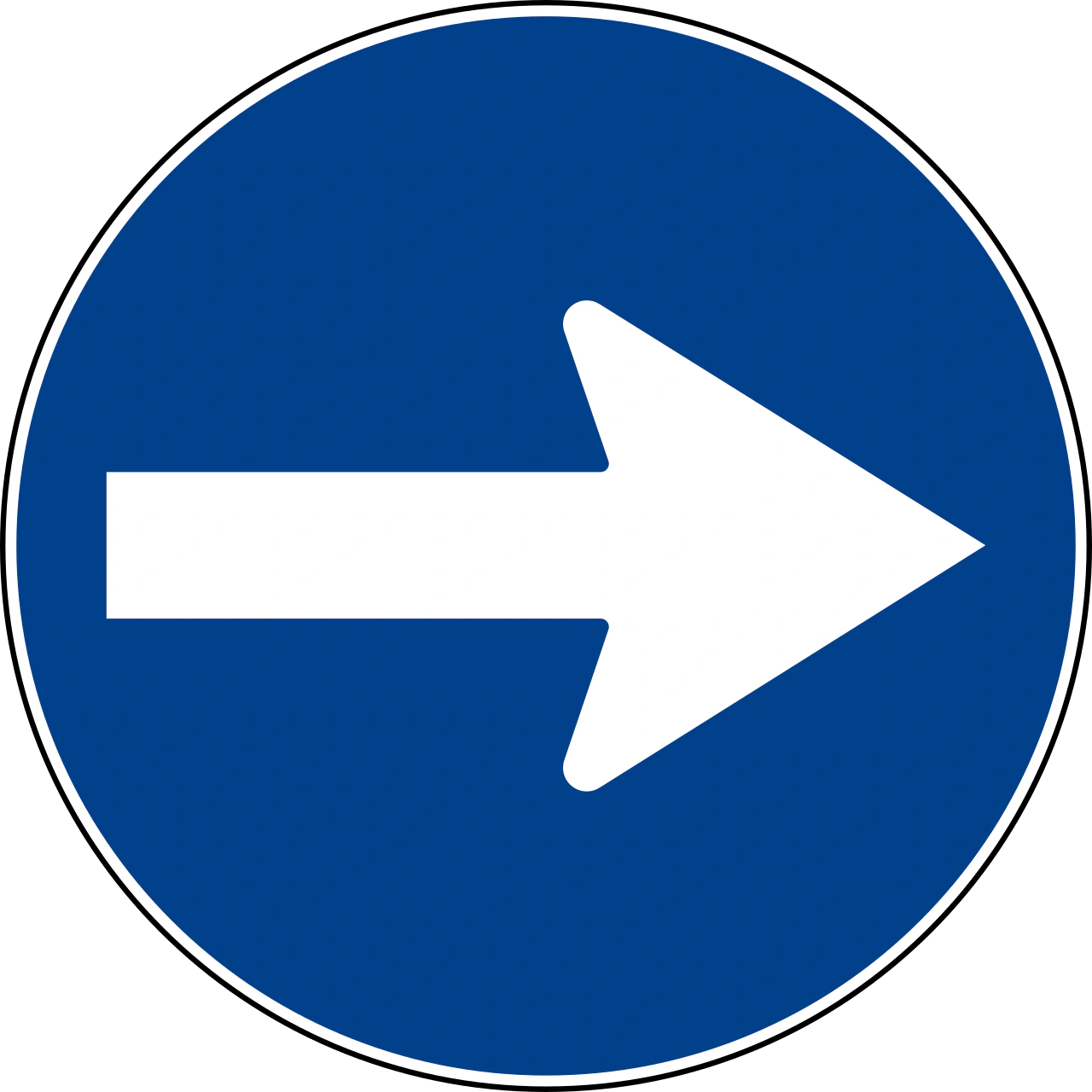
Mandatory 'Turn Right' Sign (IT-M-03): You Must Go This Way
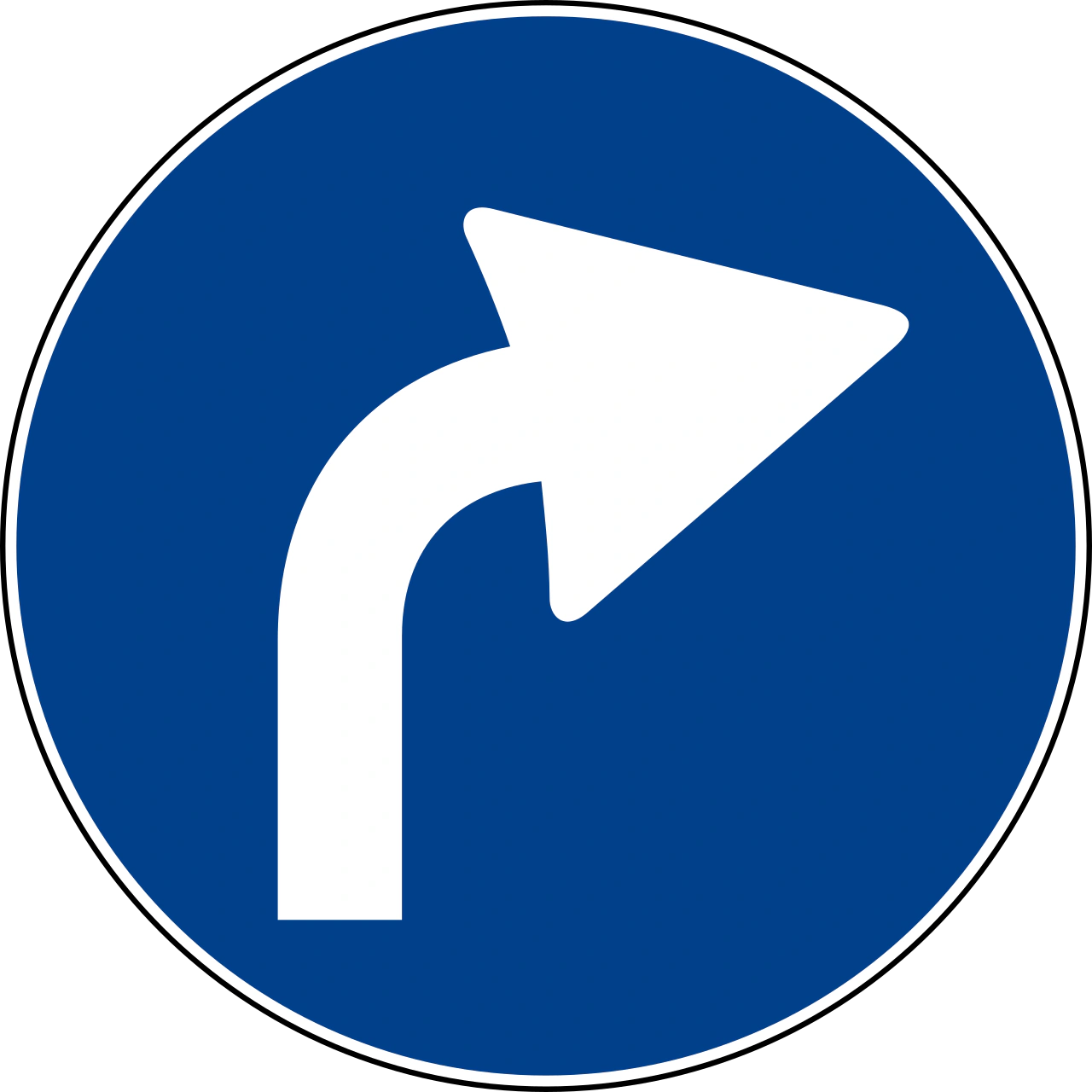
Mandatory 'Right Turn Only Ahead' Sign (IT-M-04): Your Lane Choice is Restricted.
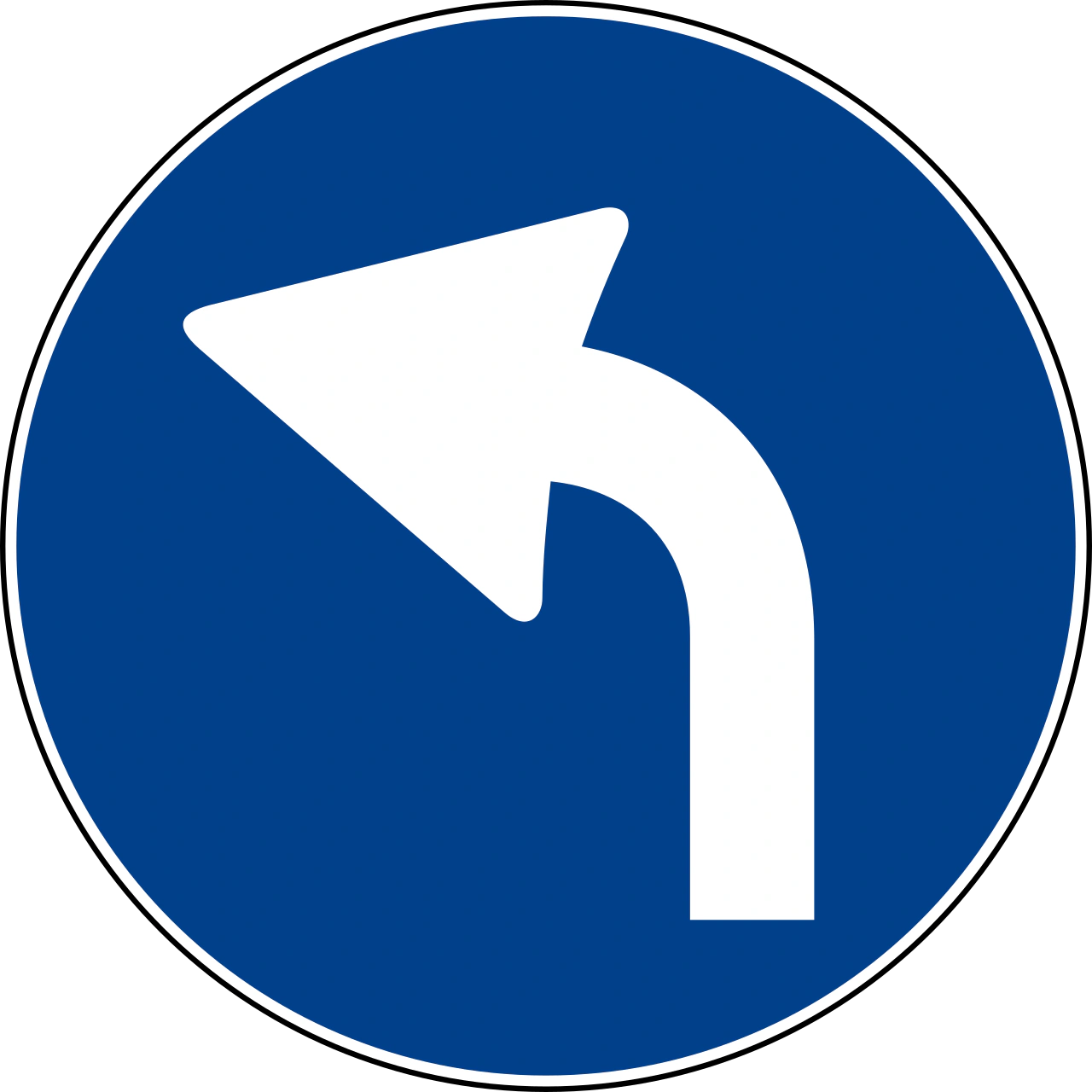
Mandatory Left Turn Only Ahead Road Sign (IT-M-05)
Connect visual recognition to the official Italian traffic regulations to improve your performance on the theory test. These targeted resources clarify how specific road signs dictate right-of-way and safety requirements across diverse Italian driving environments.
If you hold an Italian Category B driving license, towing a trailer involves specific rules and weight restrictions that you must adhere to. This article clarifies the combinations permitted with a standard B license, the requirements for the B96 qualification, and when a full BE license is necessary. Mastering these regulations is essential for safe driving and passing your theory test.
Know Your Rights and Duties at an Italian Police Checkpoint!
This article breaks down the Italian regulations on window tinting, outlining the specific VLT percentages permitted for front and rear windows according to the Codice della Strada. Knowing these limits is essential for any driver in Italy, helping you avoid costly penalties and potential vehicle impoundment. We also cover the procedure for applying for a medical exemption for photosensitive conditions, ensuring you can drive legally and safely.
Be prepared for emergencies: master Italy's essential safety equipment rules.
This mandatory sign requires a specific action or route choice rather than merely giving information. It may control direction, lane use, compulsory paths, minimum speed, equipment, customs, tolls, police controls, or routes reserved for certain users. Drivers should match the sign to the correct lane and road layout, then look for markings, panels, and end signs that define how long the instruction remains in force. Official catalogue code: II.97-a.
This mandatory sign requires a specific action or route choice rather than merely giving information. It may control direction, lane use, compulsory paths, minimum speed, equipment, customs, tolls, police controls, or routes reserved for certain users. Drivers should match the sign to the correct lane and road layout, then look for markings, panels, and end signs that define how long the instruction remains in force. Official catalogue code: IT-M-16.
After reviewing the complete sign list, explore signs by specific categories such as warning, regulatory, or information signs. Understanding signs in context will enhance your recognition and interpretation skills, crucial for the Italian driving theory exam.
All Italian Road Signs List