The P-3E road sign indicates specific rules for parking on the sidewalk, presented in a horizontal view. This informational sign helps drivers understand where and how they can park their vehicles without obstructing pedestrians or traffic flow. Always check for additional plates, road markings, or arrows accompanying this sign, as they provide crucial details about permitted parking methods, duration, or specific zones. Understanding this sign is vital for complying with Turkish traffic regulations and passing your driving theory exam.
Hide the name and meaning, look at the sign and check whether you know what it means.
This sign clarifies Turkish regulations for parking on or alongside the sidewalk, crucial for avoiding fines and ensuring pedestrian safety. Understanding this sign's specific meaning is vital for your driving theory test revision and navigating urban traffic rules in Türkiye.
Parking signs show where vehicles may park, where stopping is prohibited, or what type of parking facility is available. This sign may relate to ordinary parking, parking garages, stopping restrictions, sidewalk parking, partial sidewalk parking, or park-and-ride links to tram or metro services. It should be read with road markings, arrows, supplementary plates, and local rules before leaving the vehicle. Official Turkish sign code: P-3E.
"Parking on the sidewalk (horizontal view)" controls or identifies parking, stopping, parking facilities, sidewalk parking, or park-and-ride use. Drivers should confirm exactly where and how parking is permitted before stopping.
Get clear, practical answers to the most common questions about the P-3E - Parking on the sidewalk (horizontal view) road sign. Learn how the sign works, what rules it represents, and how it affects real driving situations. This FAQ strengthens your understanding and supports accurate decision making for the Turkish driving theory exam in Turkey.
The P-3E sign specifically illustrates the method of parking on a sidewalk in a horizontal view. It controls where and how parking is permitted in such a manner. Drivers must pay close attention to associated road markings and supplementary signs for precise instructions before parking.
The P-3E sign implies prohibitions against parking or stopping where it's not clearly permitted. It's crucial not to block pedestrian pathways, driveways, junctions, or crossings. You must never assume sidewalk parking is allowed unless this sign, along with other markings, explicitly permits it.
When you see the P-3E sign, you are allowed to park on the sidewalk *if* the sign and accompanying road markings clearly indicate this is permitted. You must adhere to the specific parking method shown and ensure you do not obstruct pedestrian movement or access points. Always check supplementary plates for any restrictions or specific user requirements.
A common exam trap is assuming any parking sign allows parking freely. For the P-3E sign, learners might incorrectly believe all sidewalk parking is permissible. It’s essential to remember that this sign details *how* to park on a sidewalk if allowed, not that it is always allowed. Always look for confirmatory signs and markings.
No, the P-3E sign does not automatically mean sidewalk parking is allowed everywhere. It clarifies the *method* of parking on a sidewalk when it is permitted. You must always check for explicit permission through the sign assembly, road markings, and any supplementary plates before leaving your vehicle.
If the P-3E sign appears without any supplementary plates or distinct road markings, it typically indicates a general rule for sidewalk parking in that specific location. However, in most traffic laws, blocking pedestrian access is prohibited. Therefore, exercise extreme caution and assume parking is only permitted if it leaves ample space for pedestrians and does not obstruct any access points.
A clear reference image of the P-3E - Parking on the sidewalk (horizontal view) road sign used in Turkey.
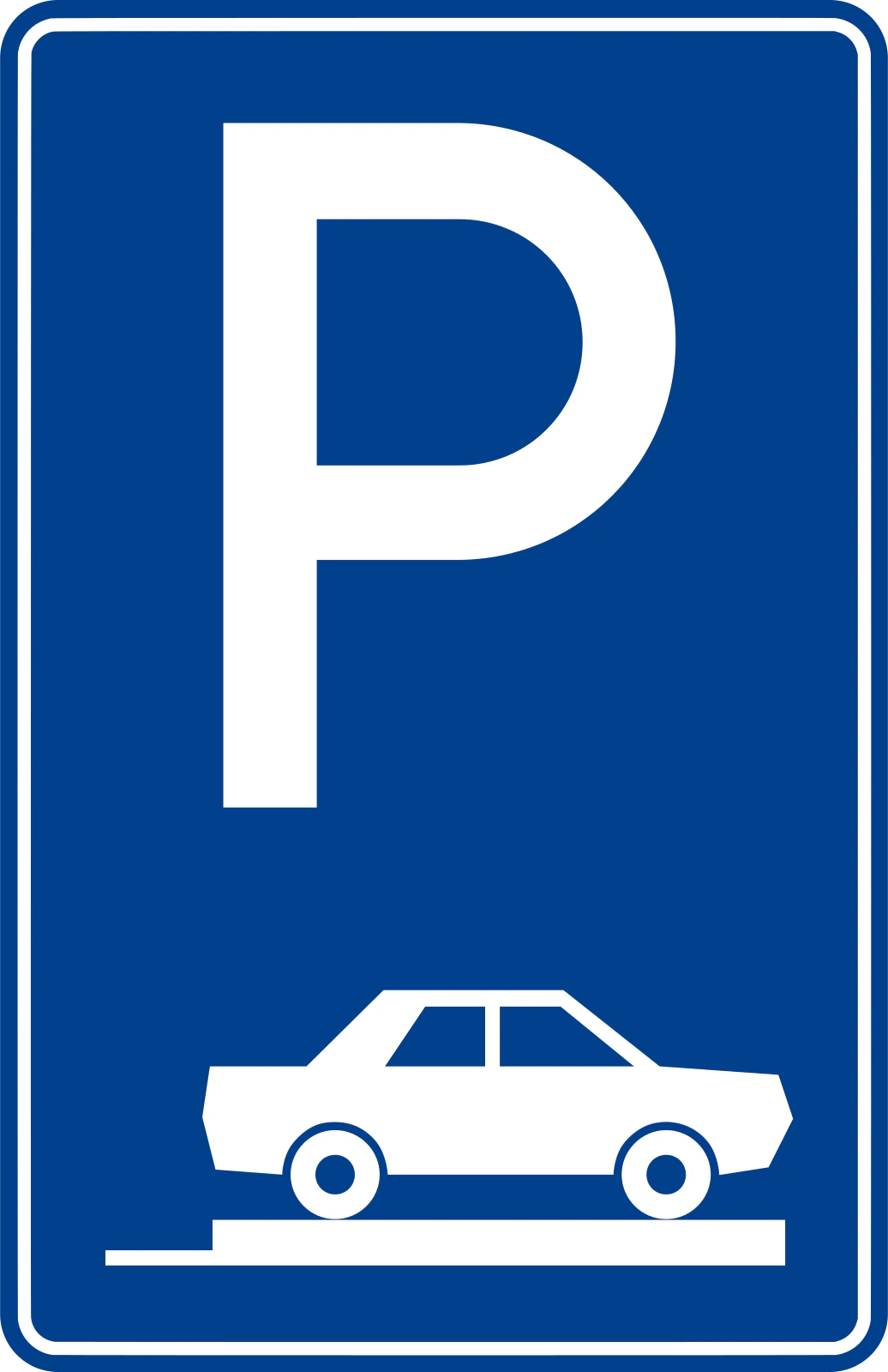
The P-3E - Parking on the sidewalk (horizontal view) road sign may also be known by these alternative names or terms.
The P-3E - Parking on the sidewalk (horizontal view) road sign is part of the Turkey Parking Signs category, which groups together signs with similar rules and functions.
Reviewing related traffic signs helps solidify your understanding and avoid confusion, crucial for effective theory test revision. Comparing similar road signs in Türkiye improves sign recognition and prepares you for the ehliyet sınavı.
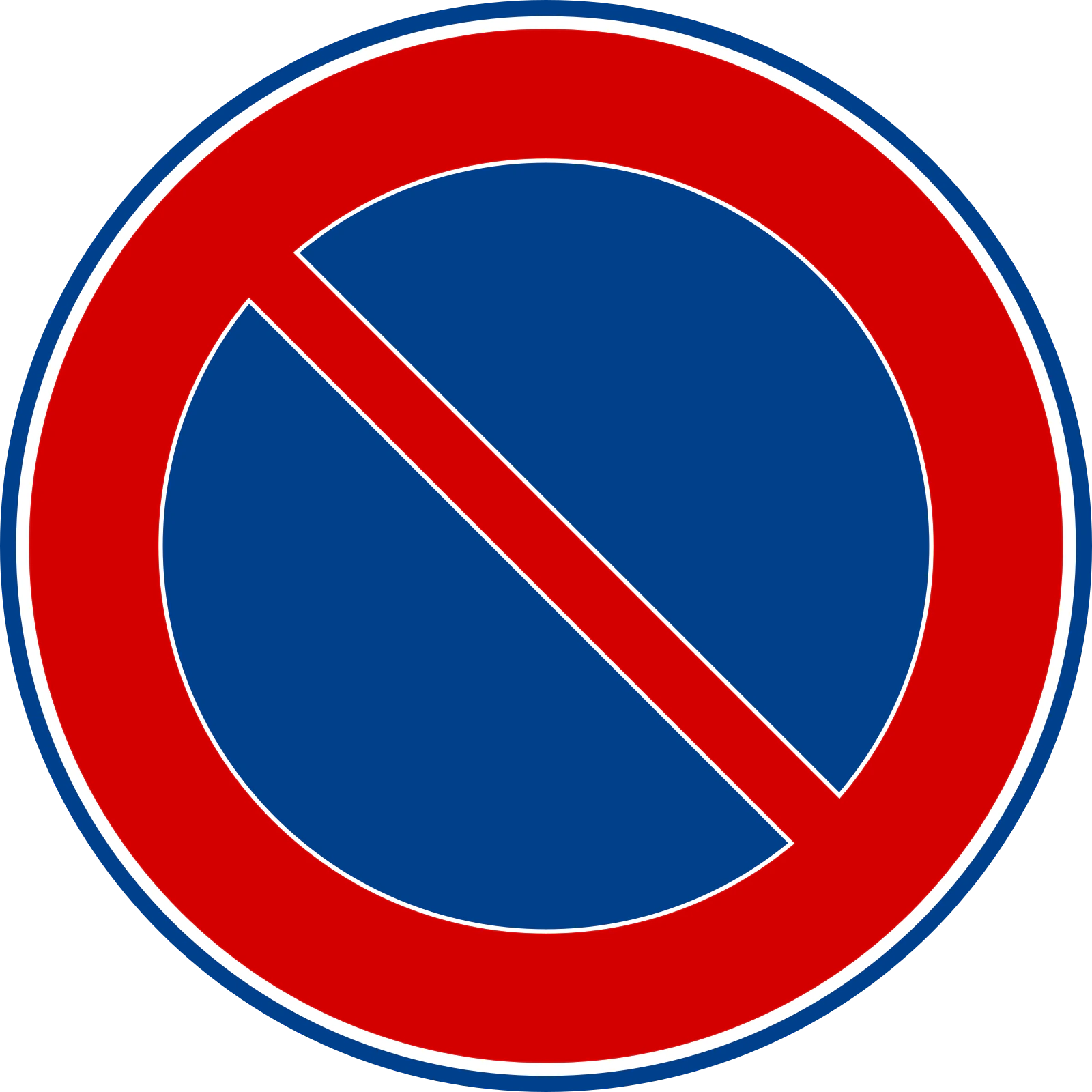
The P-1 'No Parking' Sign: Know Where You Can and Cannot Stop
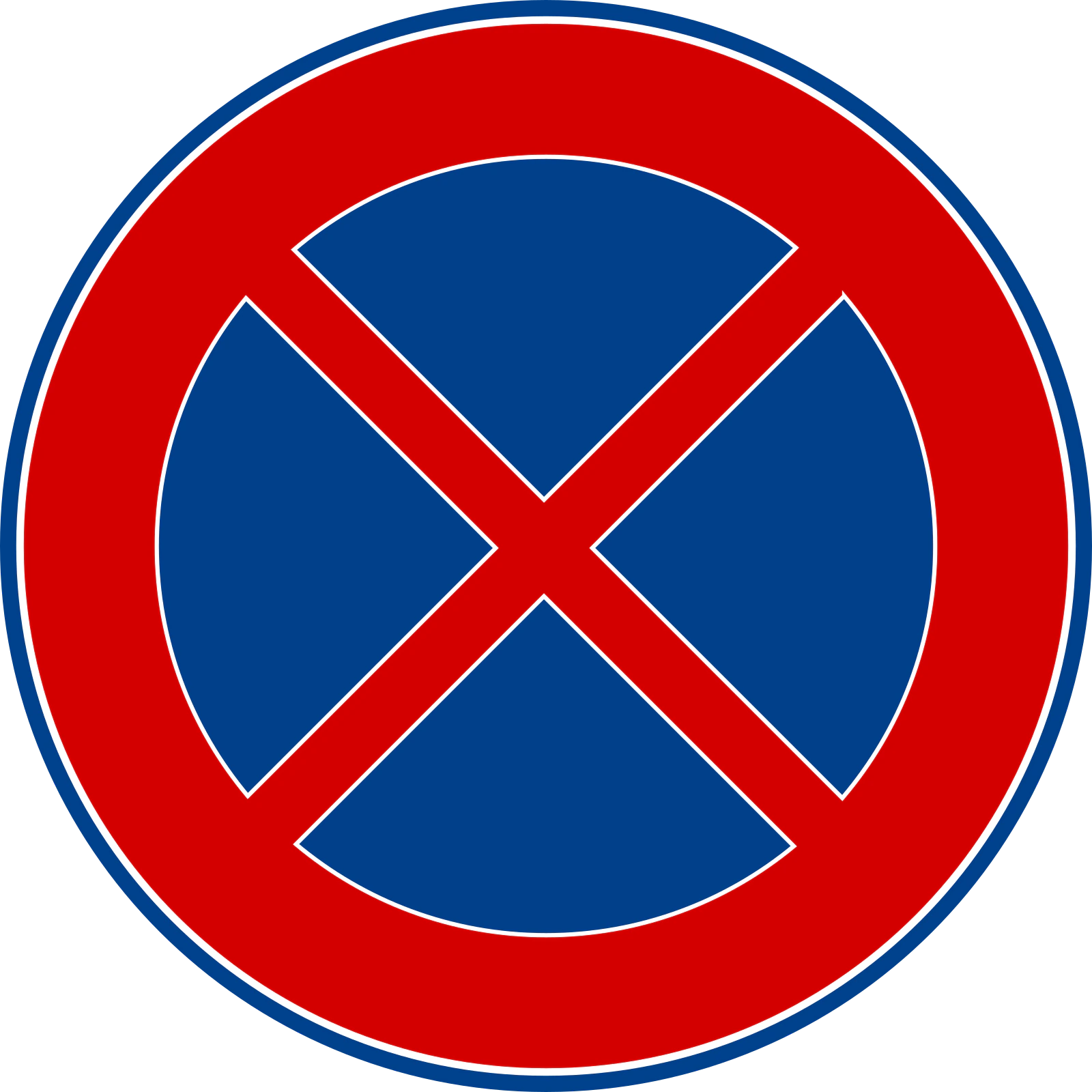
Understand the P-2 'No Stopping (and Parking)' Traffic Sign
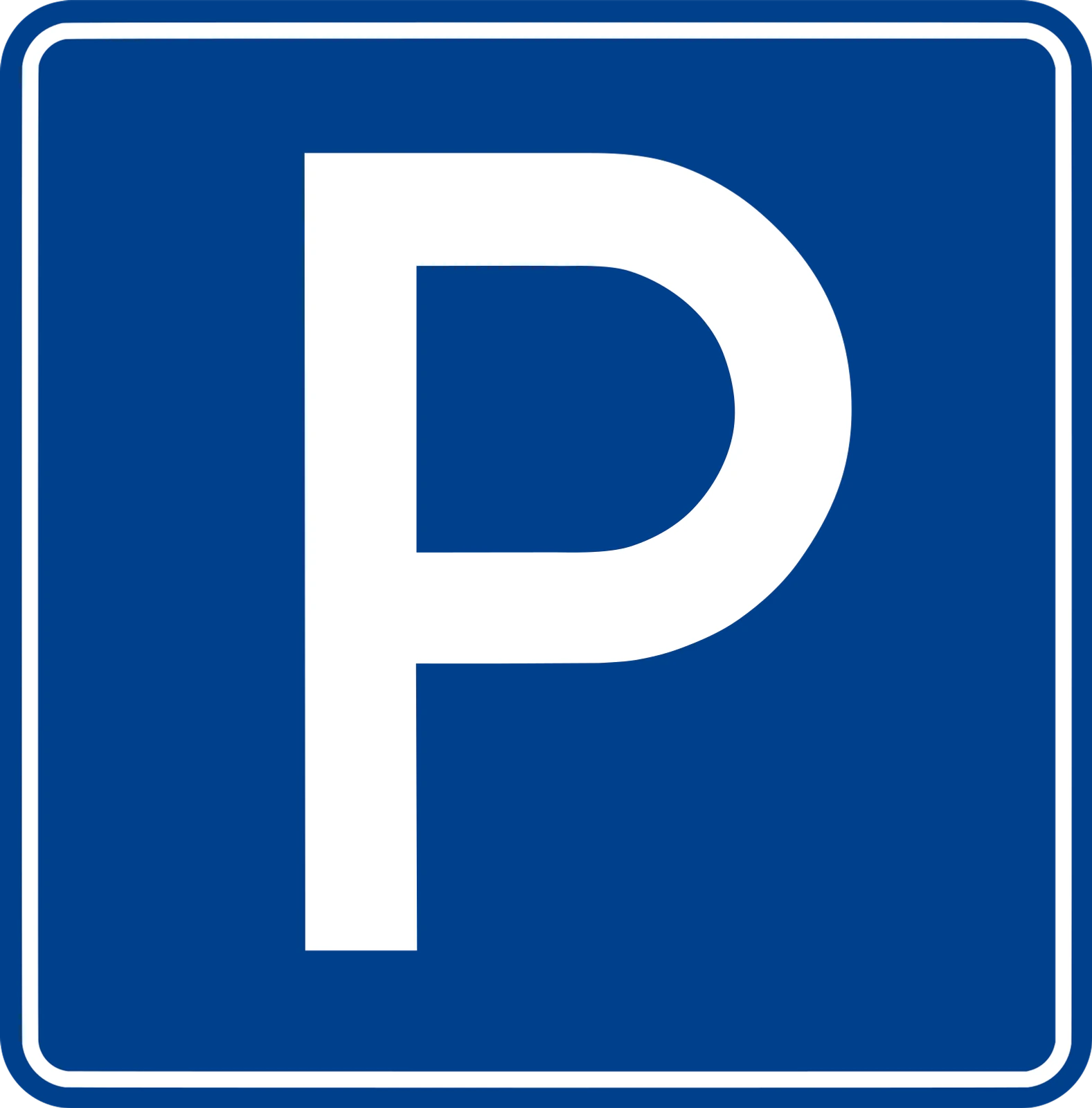
Decode the P-3A Parking Sign: Your Guide to Stopping and Parking Rules in Turkey
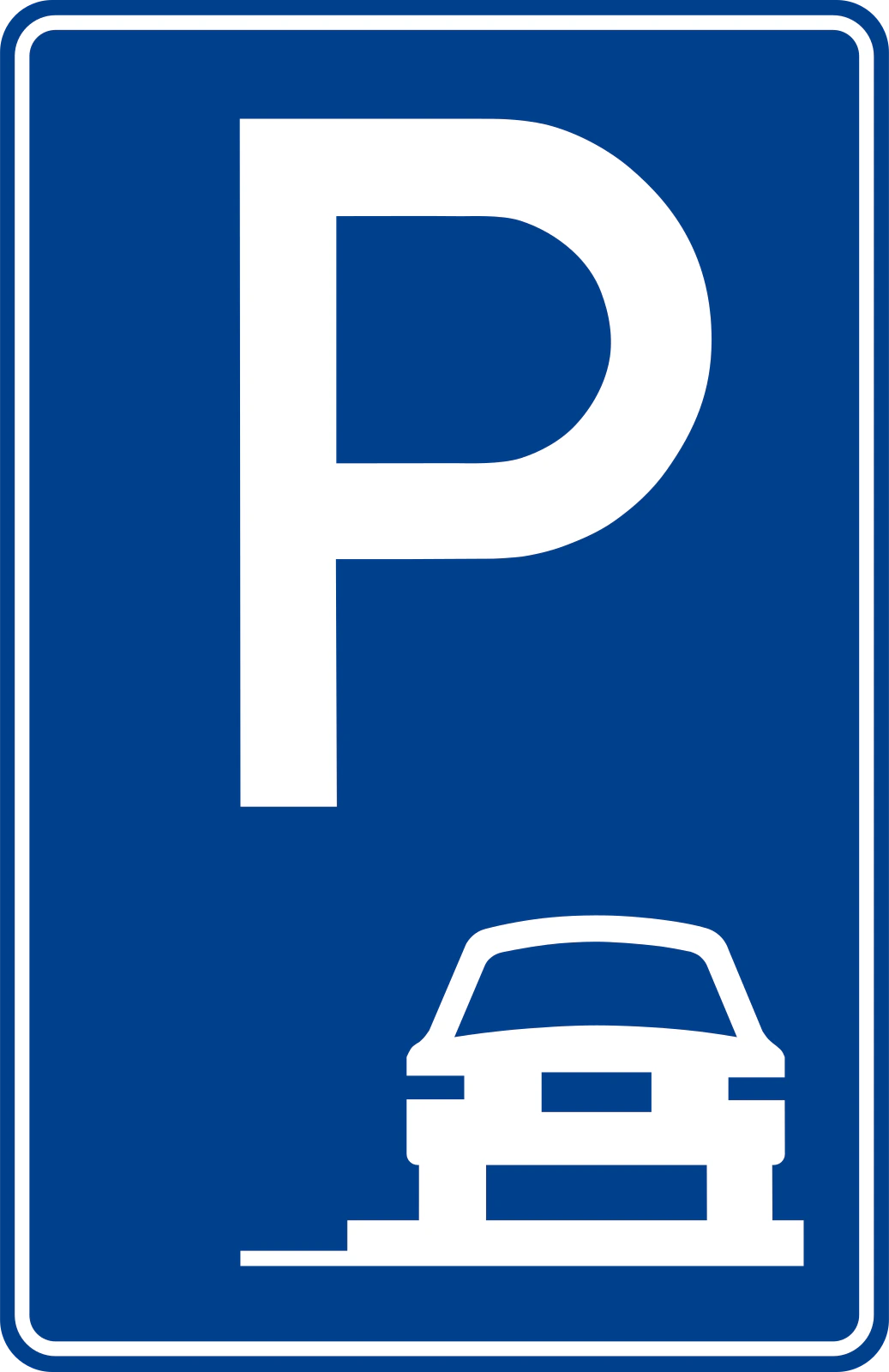
Understand the 'Park on the Sidewalk' (P-3B) Traffic Sign in Turkey
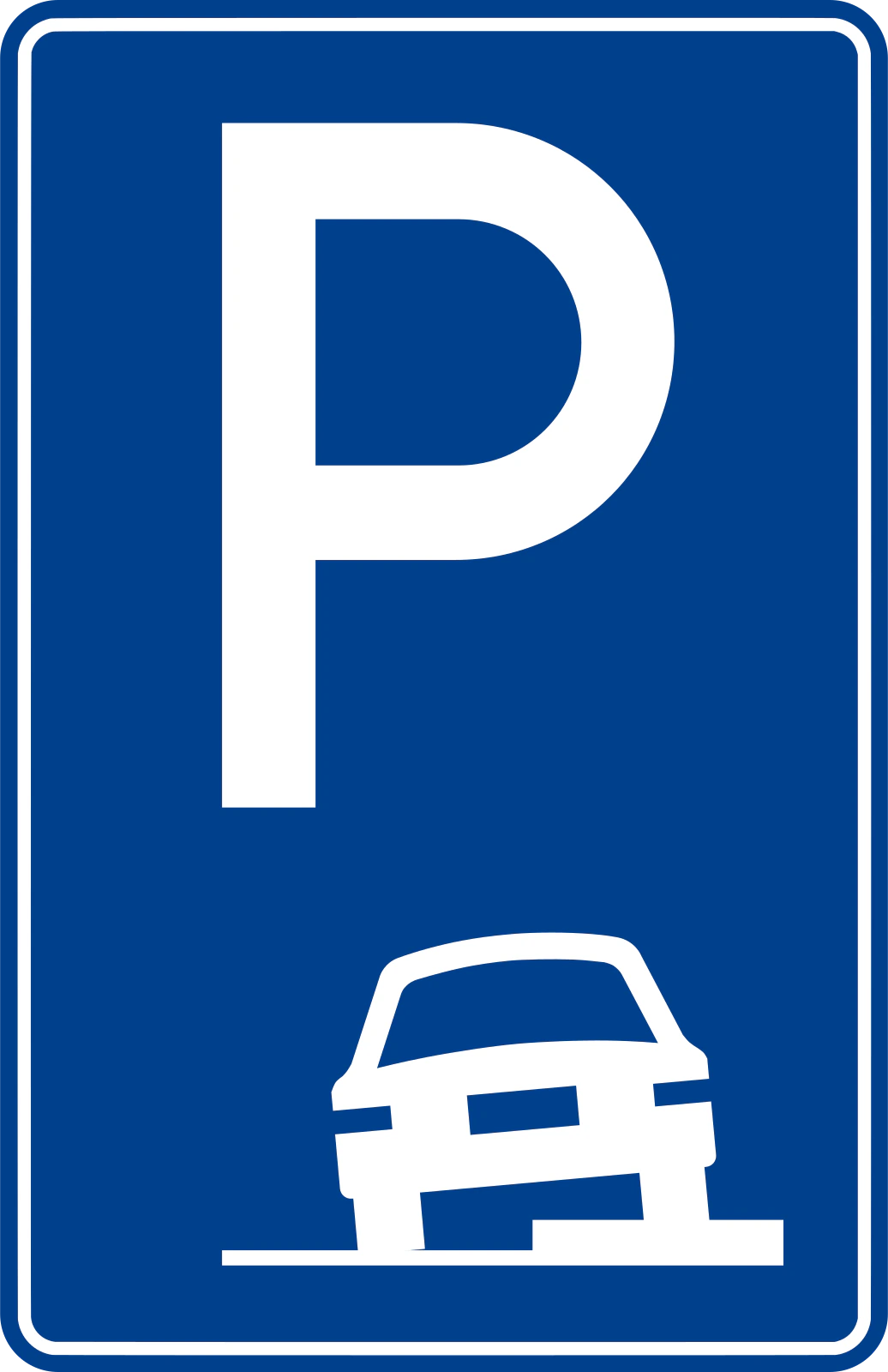
Understand the P-3C 'Park Halfway on Sidewalk' Traffic Sign
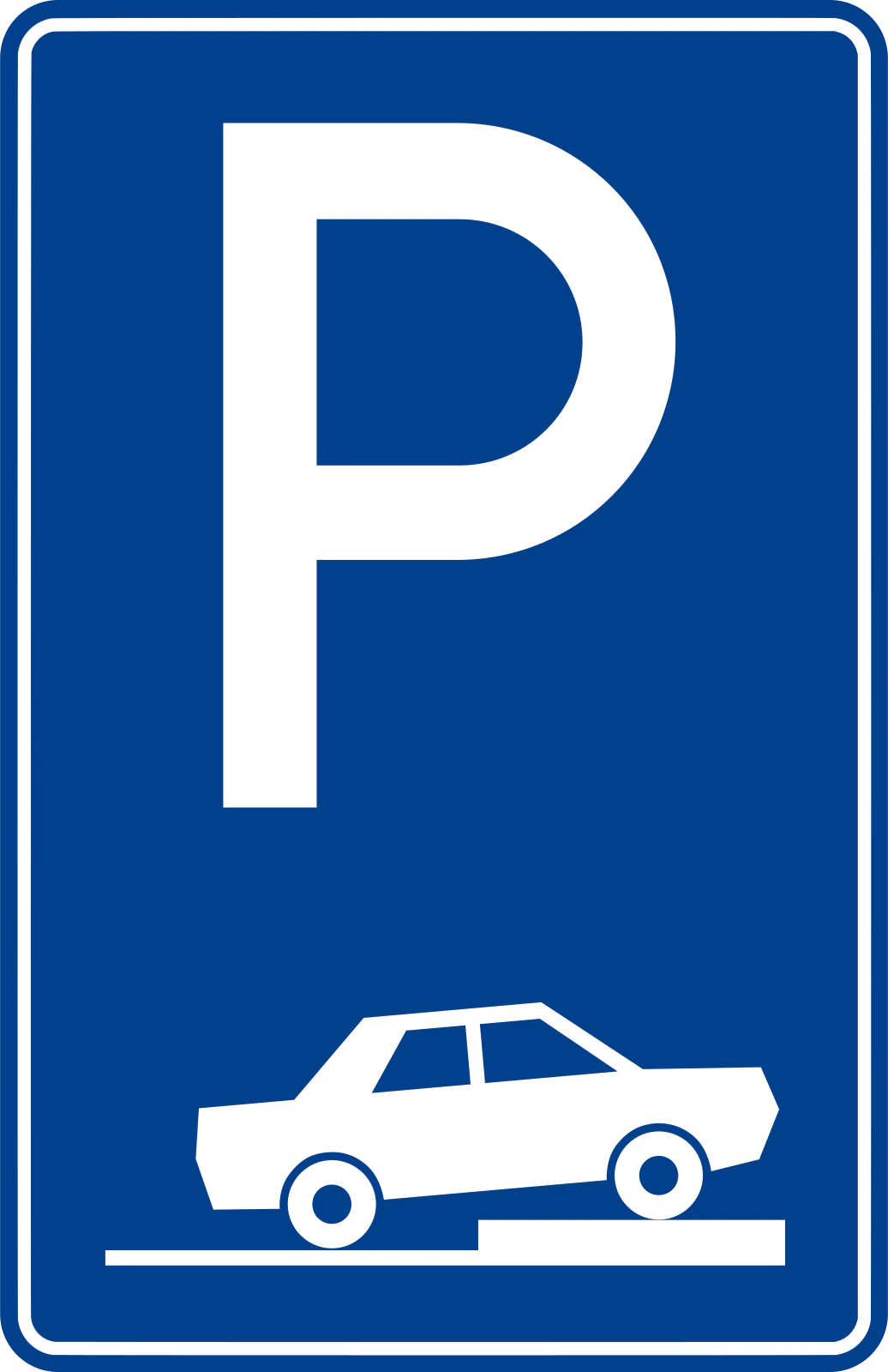
Know the P-3D Sign: Parking Halfway on the Sidewalk Explained
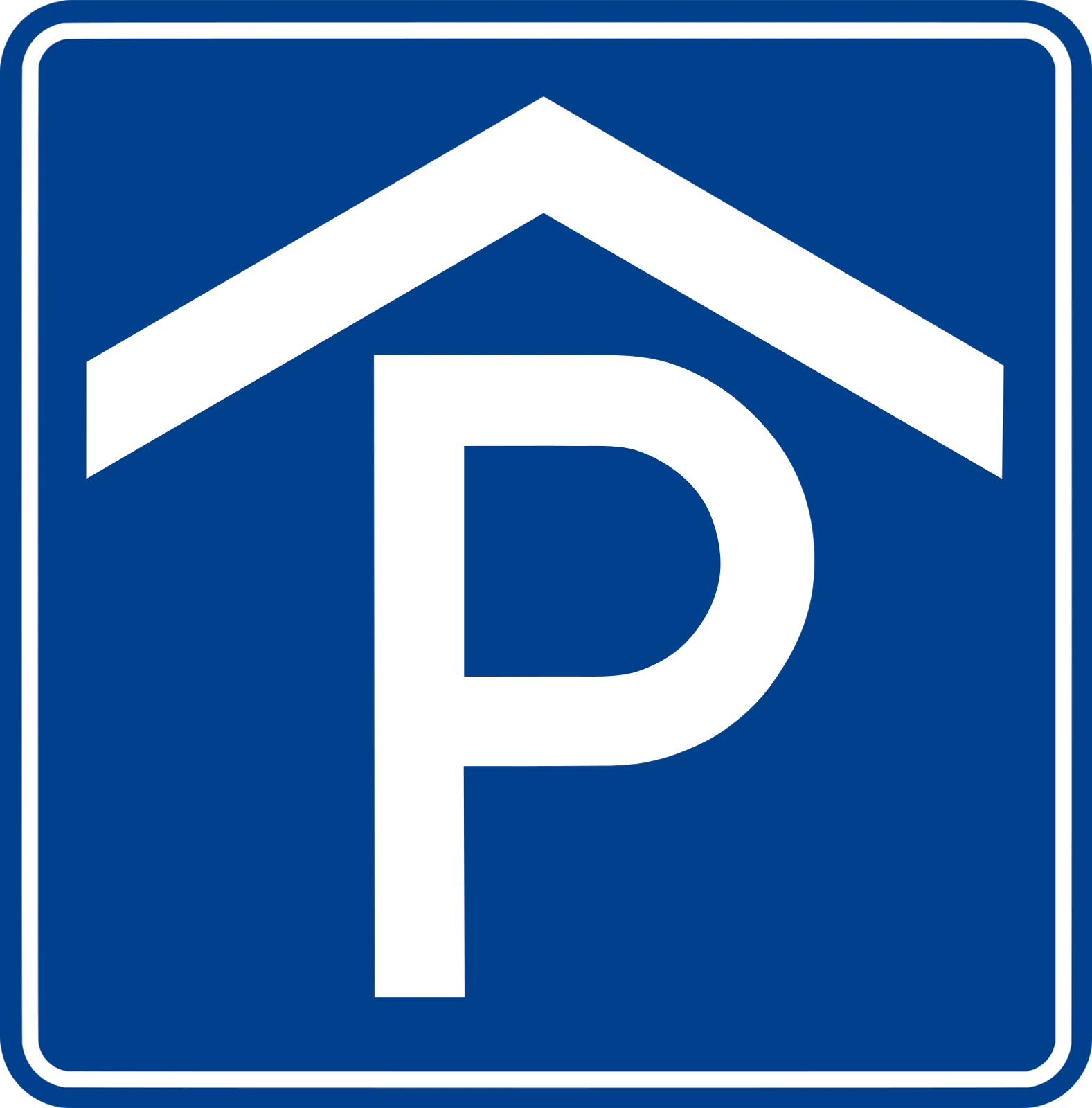
The P-3F Sign Indicates a Parking Garage Facility
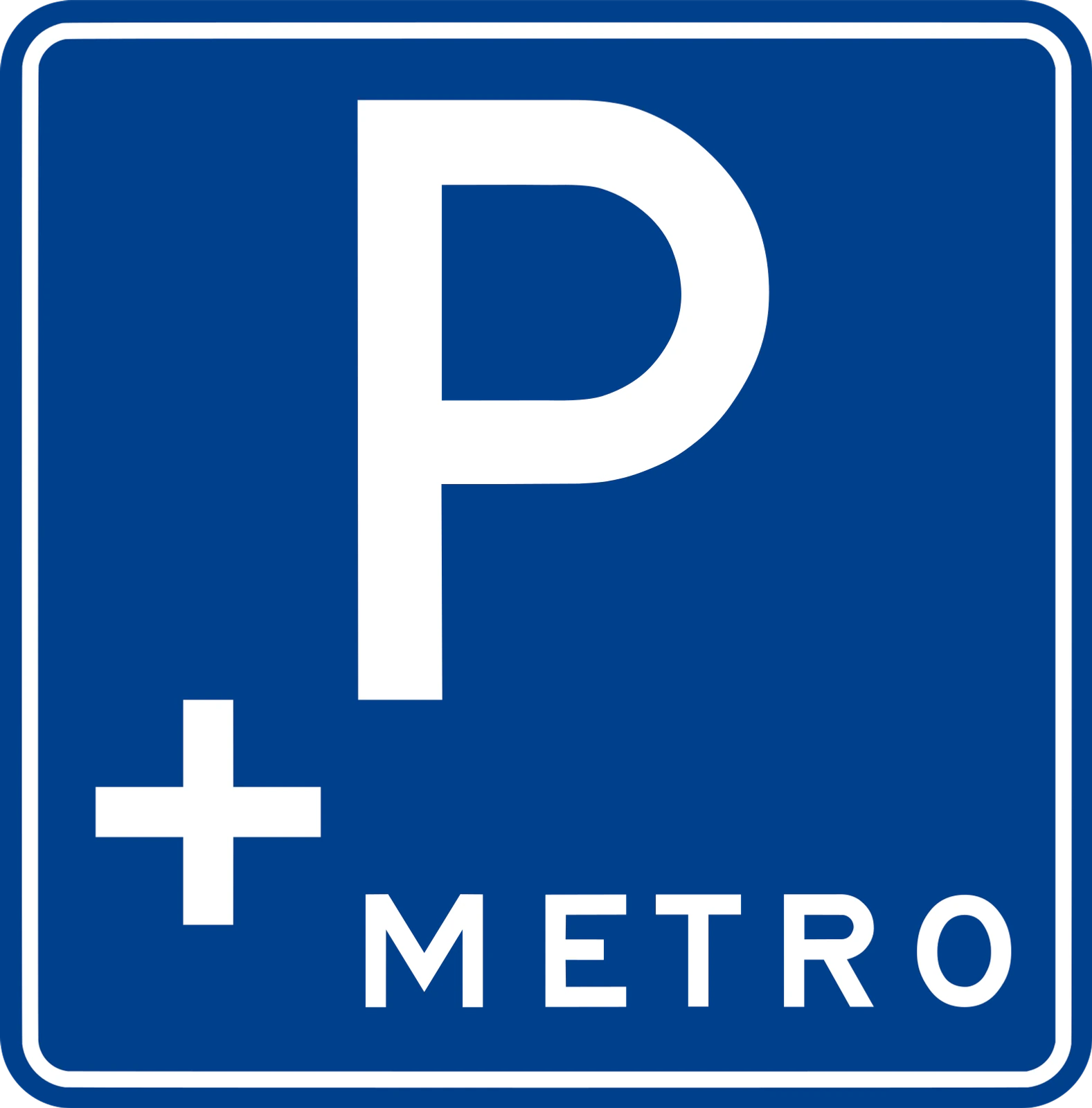
What the P-3G Parking and Ride (Metro Station) Sign Means in Turkey
Deepen your understanding of specific Turkish traffic signs by exploring related theory modules and practical application exercises. These resources help you translate symbol recognition into the correct legal actions required for the MTSK e-sınav exam.
Understanding the specific responsibilities of bus and minibus drivers at passenger stops is a core requirement for any Category D license holder. This article explains the mandatory safety checks and legal procedures required before moving a vehicle away from a stop, helping you avoid common exam traps in the MTSK e-sınav. You will learn how to balance regulatory requirements with proactive safety measures to ensure passenger protection and compliance with Turkish traffic laws.
Mastering Complex Situations at Turkish Roadworks and Traffic Controls
Starting with recent regulatory updates, all new and re-registered vehicles in Türkiye must feature standardized license plates containing a unique QR code and identification number. This guide clarifies the legal importance of these measures, the clear distinction between official and unauthorized plates, and the heavy penalties for document forgery that could arise from non-compliance. These topics are highly relevant for the MTSK e-sınav, particularly within the vehicle and environment safety modules.
Navigate construction zones and police checks safely and confidently.
Parking signs show where vehicles may park, where stopping is prohibited, or what type of parking facility is available. This sign may relate to ordinary parking, parking garages, stopping restrictions, sidewalk parking, partial sidewalk parking, or park-and-ride links to tram or metro services. It should be read with road markings, arrows, supplementary plates, and local rules before leaving the vehicle. Official Turkish sign code: P-2.
Parking signs show where vehicles may park, where stopping is prohibited, or what type of parking facility is available. This sign may relate to ordinary parking, parking garages, stopping restrictions, sidewalk parking, partial sidewalk parking, or park-and-ride links to tram or metro services. It should be read with road markings, arrows, supplementary plates, and local rules before leaving the vehicle. Official Turkish sign code: P-3H.
After reviewing the full list of Turkish road signs, dive deeper into specific categories or test your knowledge with practice questions. Further study will solidify your understanding of trafik işaretleri for your ehliyet sınavı success.
View All Turkish Road Signs