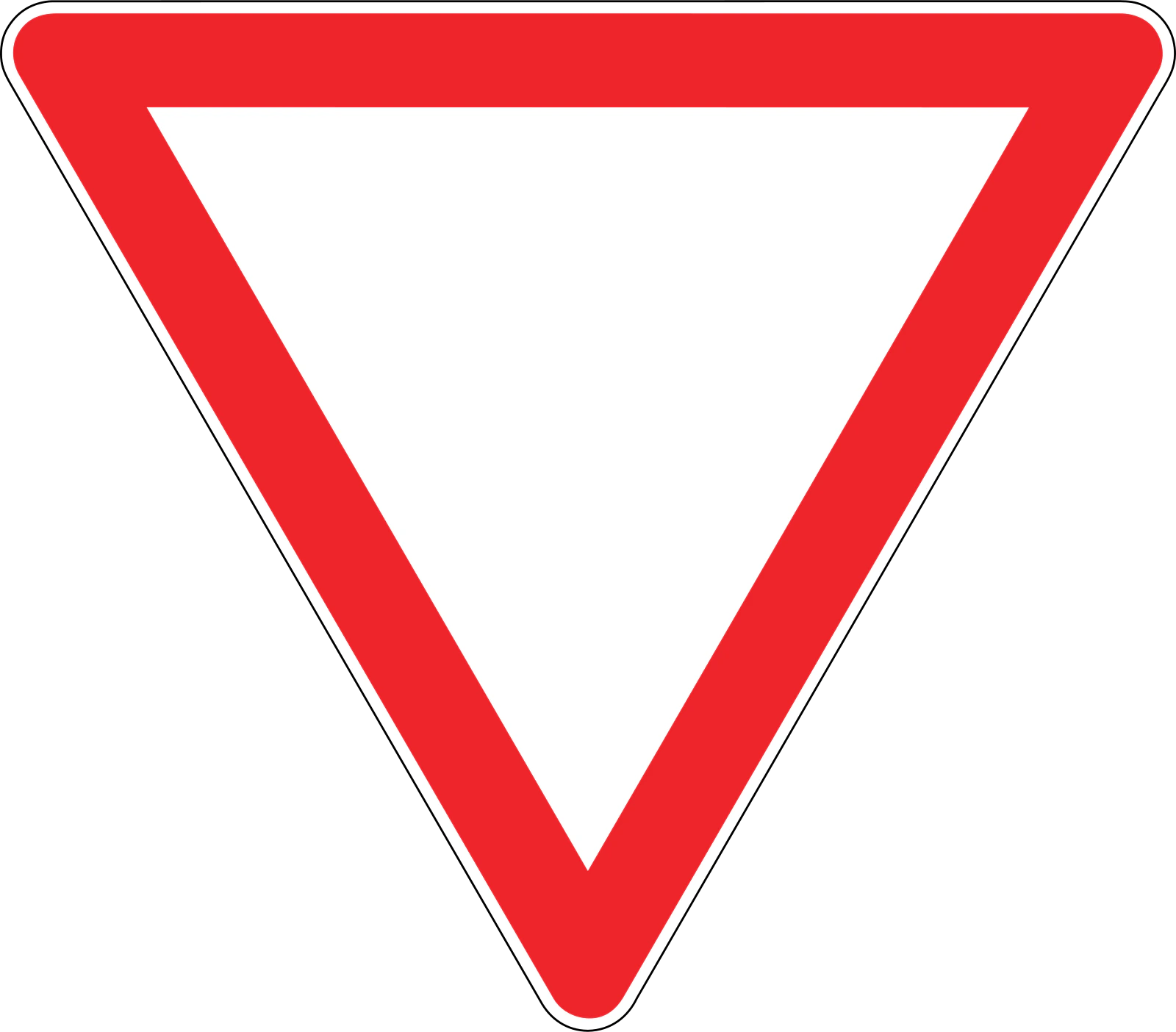
The TT-24 'Weight Limit' traffic sign is a binding prohibitory sign in Turkey, indicating that vehicles exceeding a specific weight are not allowed to proceed. You must check any supplementary plate accompanying this sign, as it might detail restrictions based on vehicle type, distance, or direction. If this restriction applies to your vehicle, you must find an alternative legal route before reaching the controlled point. Ignoring such signs or following other drivers who do can lead to serious safety issues and fines.
This "Weight Limit" sign (TT-24) is crucial for understanding vehicle restrictions in Turkey, ensuring you comply with legal requirements and avoid unsafe situations during your theory test revision. Recognizing and correctly interpreting this prohibitory sign is vital for safe navigation and a successful ehliyet sınavı.
Prohibitory signs are binding traffic controls used to prevent unsafe or unsuitable movements. This sign may restrict entry, overtaking, turning, pedestrians, vehicle types, vehicle dimensions, weight, speed, dangerous goods, horns, or stopping for controls such as customs. Drivers should identify whether the sign applies to them before entering the controlled point and choose another legal action if it does. Official Turkish sign code: TT-24.
"Weight limit" tells drivers that a movement, access, vehicle category, vehicle condition, speed, stopping action, or behaviour is prohibited. The restriction applies from the sign unless another sign or plate changes it.
Get clear, practical answers to the most common questions about the TT-24 - Weight limit road sign. Learn how the sign works, what rules it represents, and how it affects real driving situations. This FAQ strengthens your understanding and supports accurate decision making for the Turkish driving theory exam in Turkey.
The TT-24 'Weight Limit' sign means that vehicles over a certain weight are prohibited from entering the area or road section ahead. It's a binding instruction, so if your vehicle's weight exceeds the limit specified on the sign or its supplementary plate, you must not proceed on that route.
Upon seeing the TT-24 sign, you must first check if it applies to your vehicle. Look for any supplementary plates that might specify vehicle types, distances, or directions. If your vehicle's weight exceeds the limit, you must safely choose an alternative legal route. Do not assume the restriction doesn't apply to you or is optional.
A common trap is assuming the sign doesn't apply if other vehicles are ignoring it, or failing to check supplementary plates for specific conditions. Learners might also not plan an alternative route in advance. The theory exam will test your understanding that prohibitory signs are always binding unless officially rescinded.
Yes, supplementary plates are crucial. They can refine the restriction by stating it only applies to certain vehicle types (e.g., heavy goods vehicles), specific distances, times of day, or directions. Always read the main sign and any accompanying plate carefully to understand the exact restriction.
You do not necessarily need to stop, but you must cease proceeding on that route if your vehicle exceeds the weight limit. The sign is a prohibition of movement for overweight vehicles, not a stop sign itself. You must either comply with the weight limit (if possible) or divert to another suitable route before the restricted zone.
A clear reference image of the TT-24 - Weight limit road sign used in Turkey.
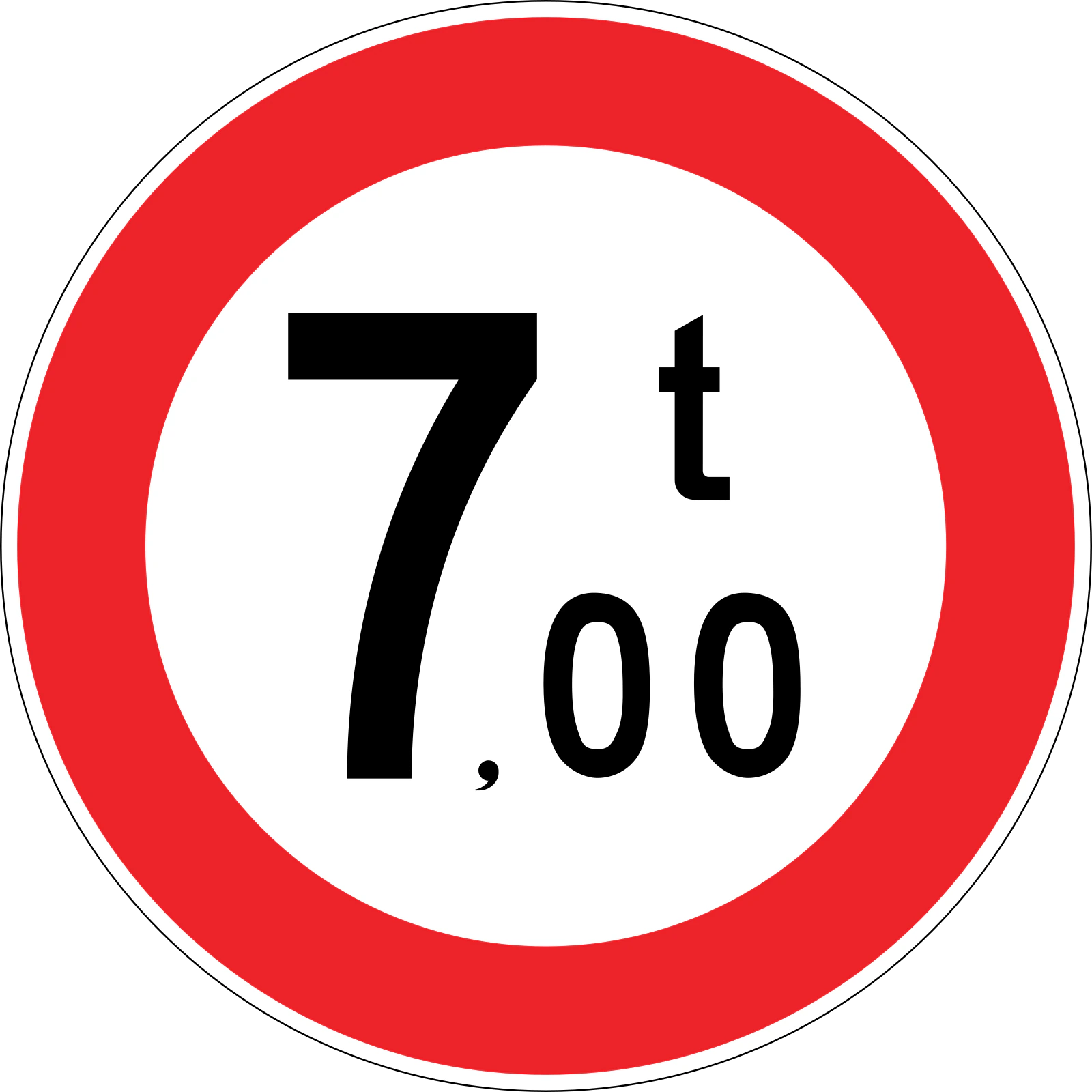
The TT-24 - Weight limit road sign may also be known by these alternative names or terms.
The TT-24 - Weight limit road sign is part of the Turkey Prohibitory Signs category, which groups together signs with similar rules and functions.
Mastering Turkish road signs is key for your ehliyet sınavı. By comparing similar signs like this weight limit warning with others, you enhance sign recognition and reduce theory test mistakes. Practice comparing traffic signs to solidify your understanding of traffic rules and prepare effectively.
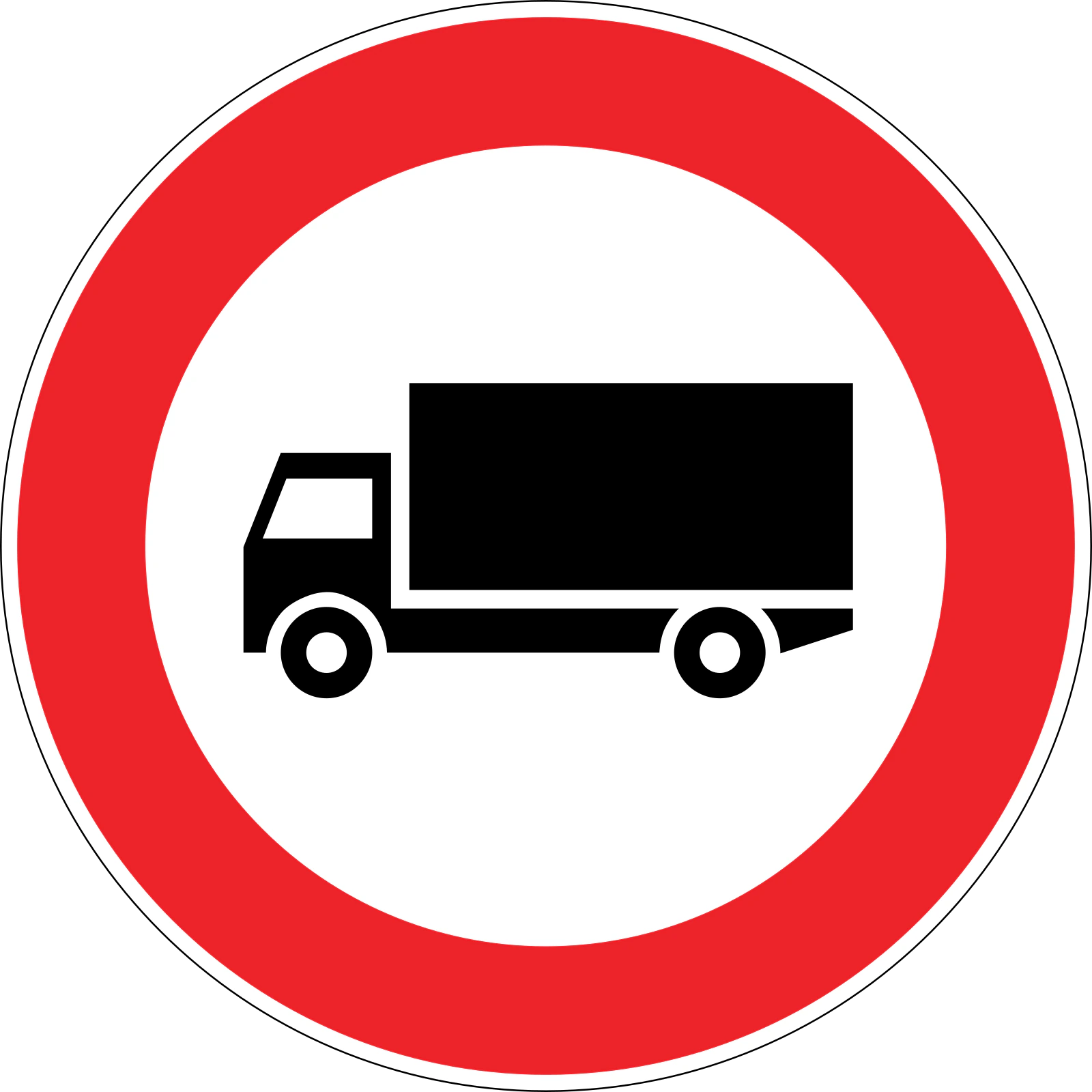
Understand the TT-10A 'No Trucks' Prohibitory Road Sign in Turkey
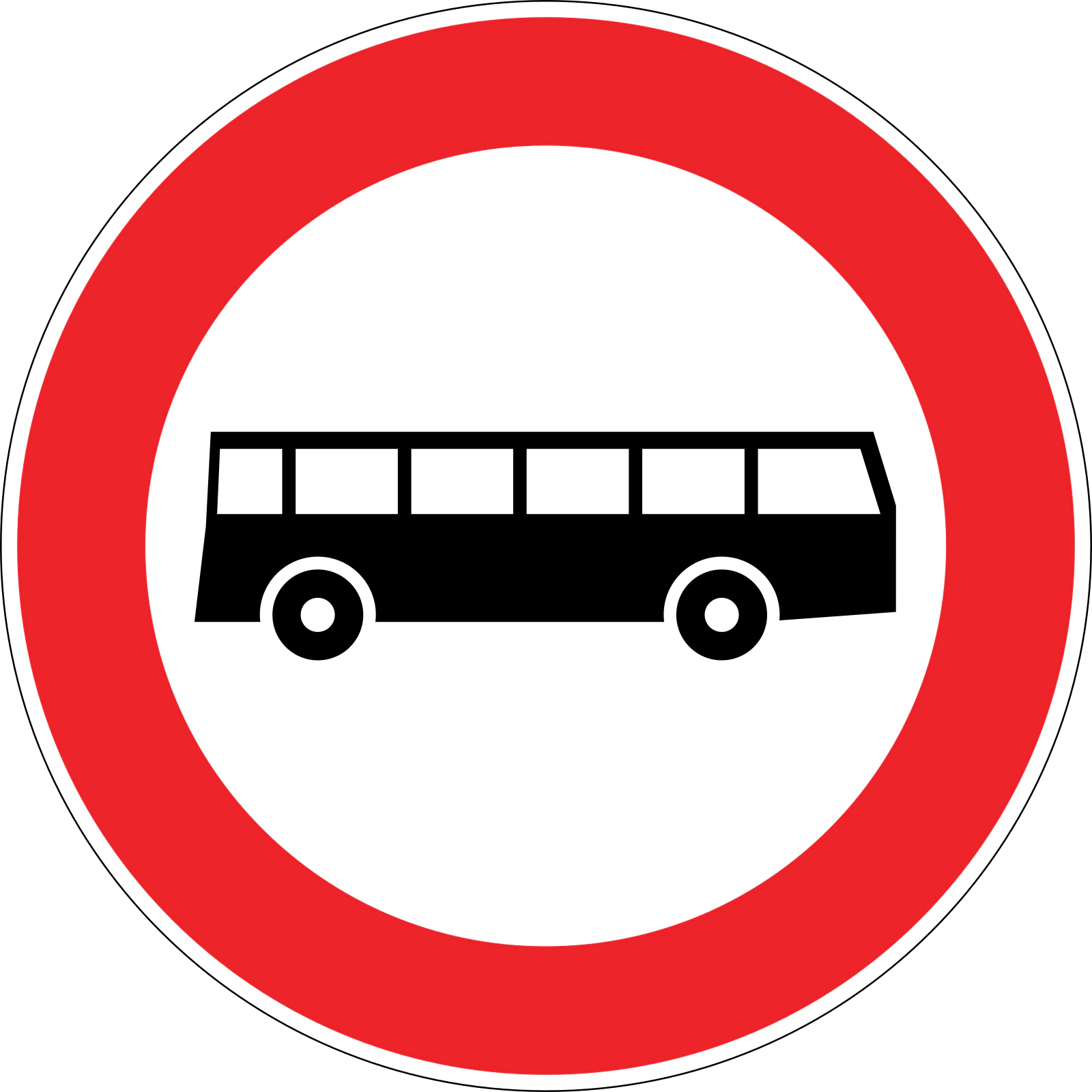
Understand the TT-10B 'No Buses' Prohibitory Sign in Turkey
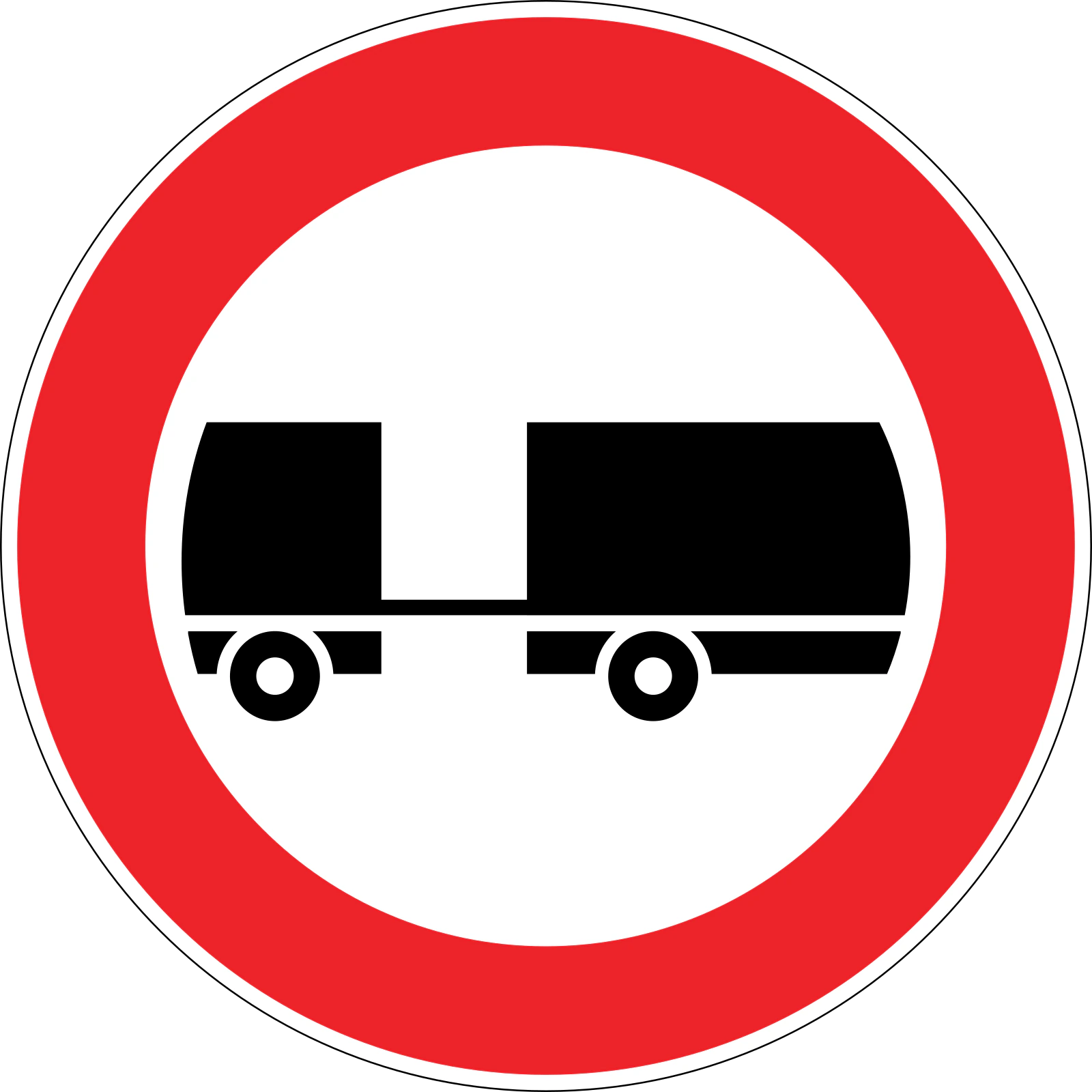
TT-11: No Trailers Sign - Important Prohibitory Traffic Control
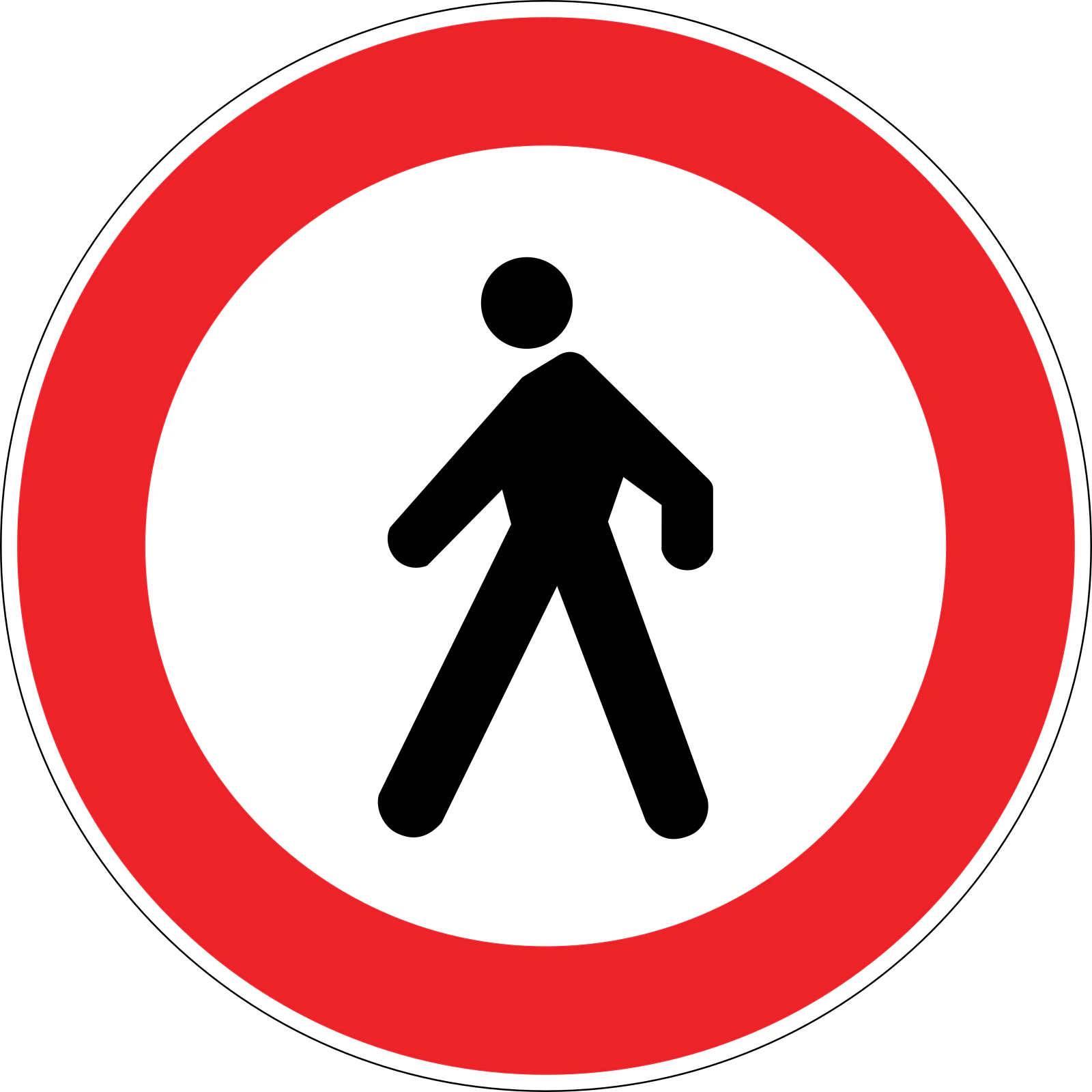
Understand the TT-12 'No Pedestrians' Prohibitory Sign
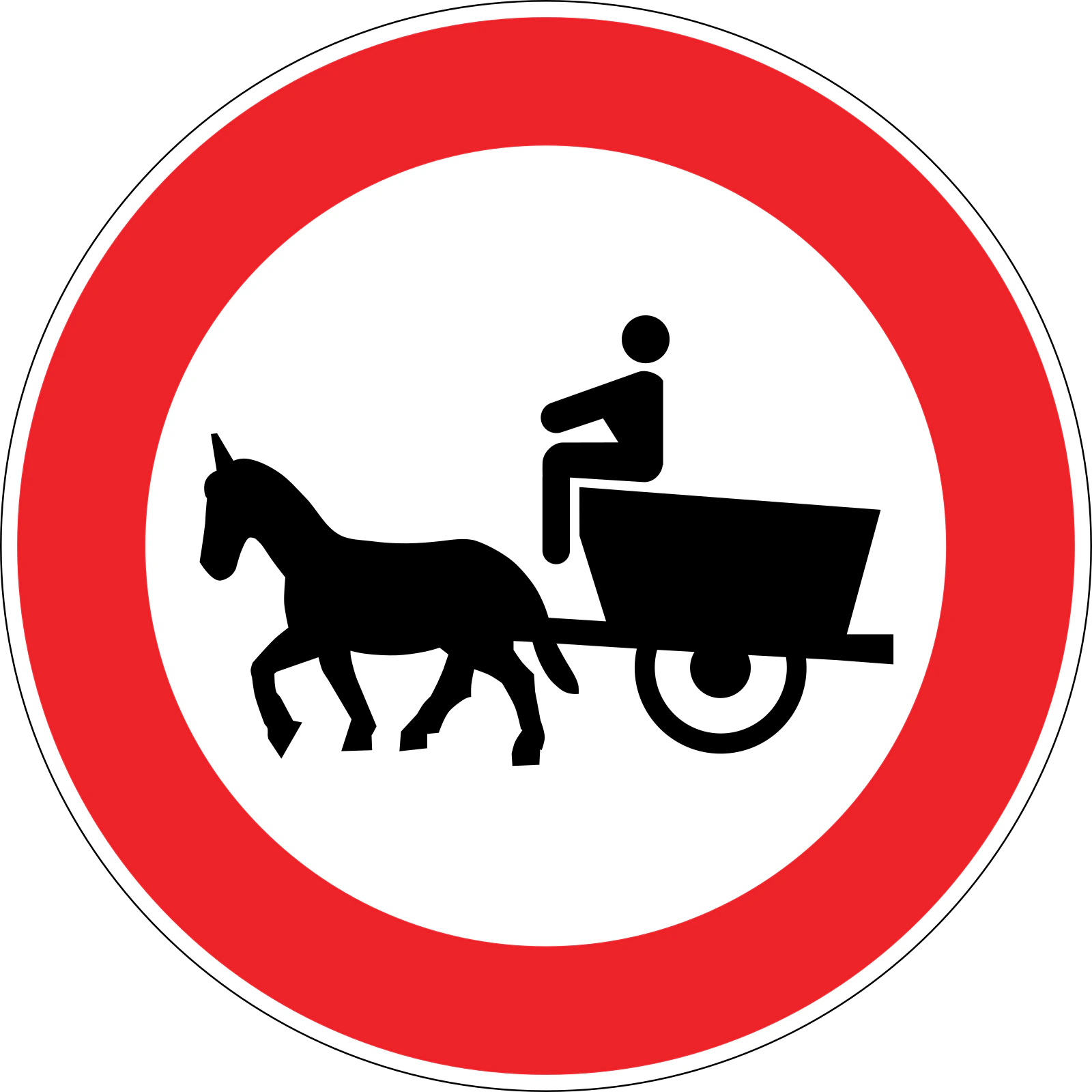
Understand the TT-13 'No Animal-Drawn Vehicles' Prohibitory Sign in Turkey
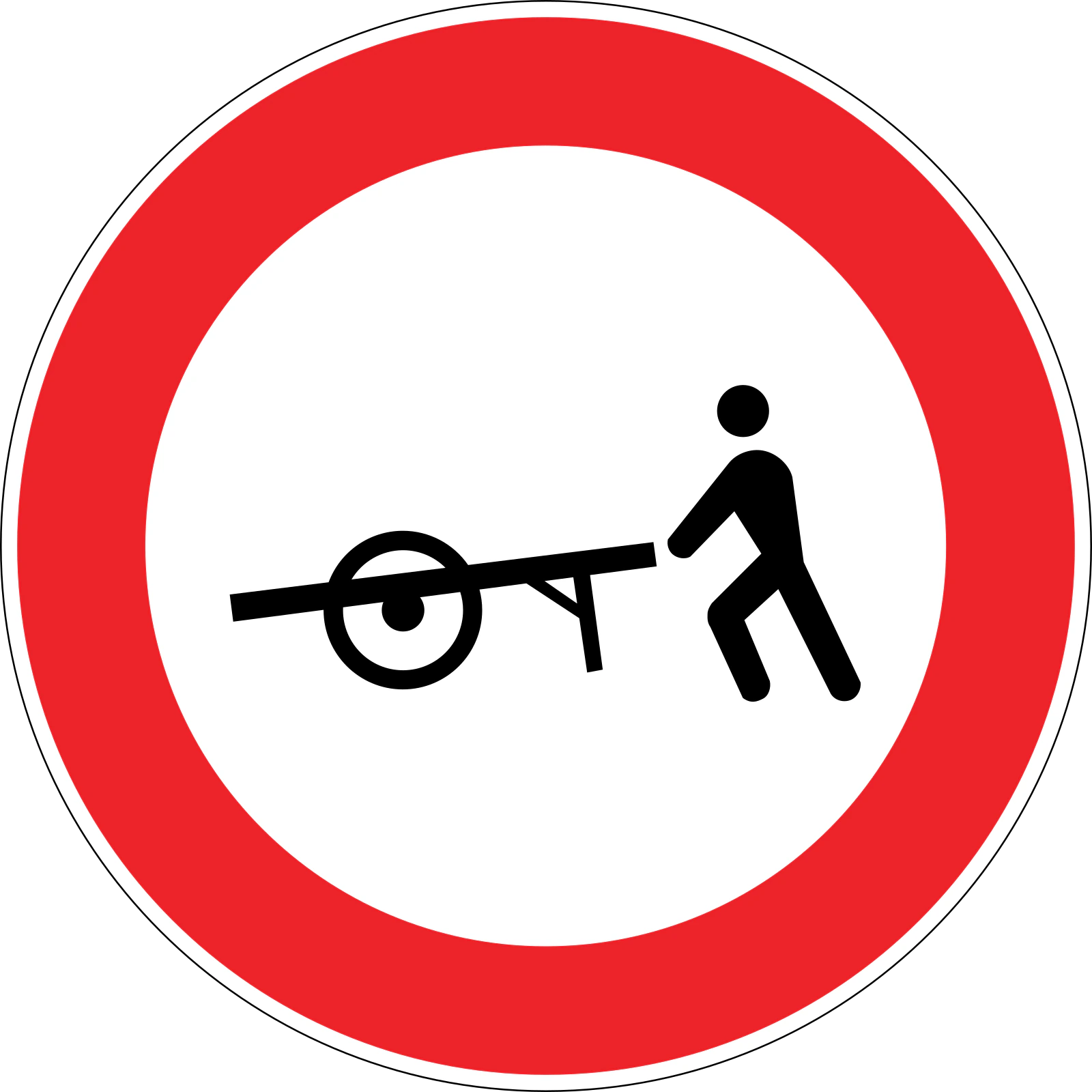
The TT-14 'No Handcarts' sign means handcarts are prohibited from this area.
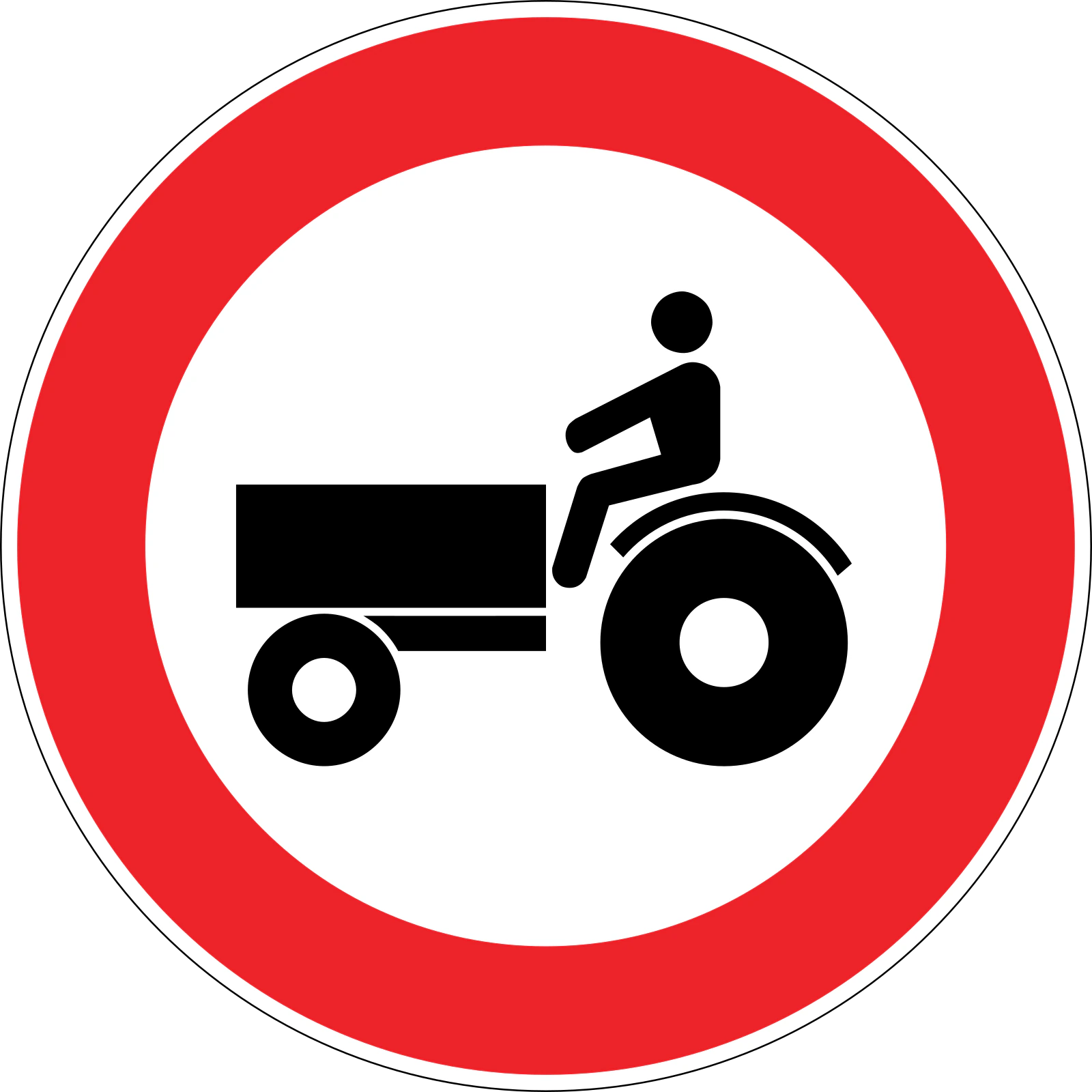
The TT-15 'No Tractors' sign means tractors are prohibited from entering or proceeding.
Deepen your understanding of specific Turkish traffic signs by exploring related theory modules and practical application exercises. These resources help you translate symbol recognition into the correct legal actions required for the MTSK e-sınav exam.
Before you start your engine in Türkiye, a thorough check of your vehicle's lights, indicators, and general visibility is non-negotiable for safe driving. This article guides you through these essential checks, explaining why they are crucial for your ehliyet theory test and everyday driving compliance with Turkish traffic legislation.
Learn the essential parking rules in Turkey that are crucial for keeping emergency routes clear. This article covers the legal requirements and the importance of mindful parking to prevent obstructing ambulances, fire trucks, and police vehicles, a key aspect tested in the Turkish driving theory exam (ehliyet sınavı).
Navigate Tricky Turkish Parking Situations with Confidence and Safety.
Master the critical skills for safe night driving and emergency handling on Turkey's highways.
Prohibitory signs are binding traffic controls used to prevent unsafe or unsuitable movements. This sign may restrict entry, overtaking, turning, pedestrians, vehicle types, vehicle dimensions, weight, speed, dangerous goods, horns, or stopping for controls such as customs. Drivers should identify whether the sign applies to them before entering the controlled point and choose another legal action if it does. Official Turkish sign code: TT-23.
Prohibitory signs are binding traffic controls used to prevent unsafe or unsuitable movements. This sign may restrict entry, overtaking, turning, pedestrians, vehicle types, vehicle dimensions, weight, speed, dangerous goods, horns, or stopping for controls such as customs. Drivers should identify whether the sign applies to them before entering the controlled point and choose another legal action if it does. Official Turkish sign code: TT-32.
After reviewing the full list of Turkish road signs, dive deeper into specific categories or test your knowledge with practice questions. Further study will solidify your understanding of trafik işaretleri for your ehliyet sınavı success.
View All Turkish Road Signs