As a driver in France, when you see the B33 'End of 50 km/h zone' traffic sign, it signifies that the mandatory 50 km/h speed limit you were previously subject to has now officially ended. This sign is crucial because restrictions only cease at their designated marker. You may then gradually return to the general speed limit or any new limit indicated by subsequent signs, always prioritising safety and current road conditions. Do not assume the restriction has ended before passing this specific sign.
Properly recognizing the B33 sign is crucial for adhering to French traffic rules, as it signifies the end of a mandatory 50 km/h speed limit. Understanding this road sign meaning helps ensure you are aware of the new speed regulations, which is vital for your theory test revision.
End signs are important because a restriction does not disappear simply because the road looks different. This sign marks the point where the earlier rule stops applying and normal road rules or the next signed rule take over. Drivers should still choose a safe speed and position for the conditions after the restriction ends. Official French sign code: B33.
"End of 50 km/h zone" shows that a previous restriction, obligation, zone rule, or special condition has ended. Drivers may return to the normal rule only after passing the official end sign.
Get clear, practical answers to the most common questions about the B33 - End of 50 km/h zone road sign. Learn how the sign works, what rules it represents, and how it affects real driving situations. This FAQ strengthens your understanding and supports accurate decision making for the French driving theory exam in France.
The B33 sign indicates that the previous mandatory speed limit of 50 km/h is no longer in effect. You should not assume the restriction has ended before you have passed the sign itself. After passing it, you can adjust your speed to the normal limit or a new indicated limit, ensuring it's safe for the road conditions.
Yes, it's essential to remain vigilant after passing the B33 sign. While it ends the 50 km/h zone, another sign immediately following it could impose a different speed limit or other restrictions. Always be prepared to adjust your driving according to any new traffic signs you encounter.
No, you should not accelerate sharply just because a speed restriction has ended. Returning to a higher speed should be done gradually and only when it is safe and legal to do so, considering the current traffic, road layout, and weather conditions. Maintaining a safe and appropriate speed is always your responsibility.
A common trap is anticipating the end of a restriction. Learners might slow down thinking the zone is ending before they reach the actual B33 sign, or they might speed up too soon. Remember, the restriction is only officially over once you have passed the sign, and any new speed should be adopted safely.
Not necessarily. The B33 sign specifically ends the '50 km/h zone'. If there was another separate speed restriction in place, or if a new sign indicating a different speed limit (e.g., 70 km/h or 90 km/h) appears immediately after the B33, you must adhere to that new rule. Always observe the road ahead for further signage.
A clear reference image of the B33 - End of 50 km/h zone road sign used in France.

The B33 - End of 50 km/h zone road sign may also be known by these alternative names or terms.
The B33 - End of 50 km/h zone road sign is part of the France End of Restriction Signs category, which groups together signs with similar rules and functions.
Reviewing related road signs, like this 'End of 50 km/h zone' sign, helps solidify your understanding and reduces confusion. Effective traffic sign comparison is crucial for passing your theory test revision and mastering French road rules.

The B31 'End of Restriction' Sign: Knowing When a Rule No Longer Applies

You can sound your horn again: The End of No Sounding of Horns sign (B35) means the restriction is over.
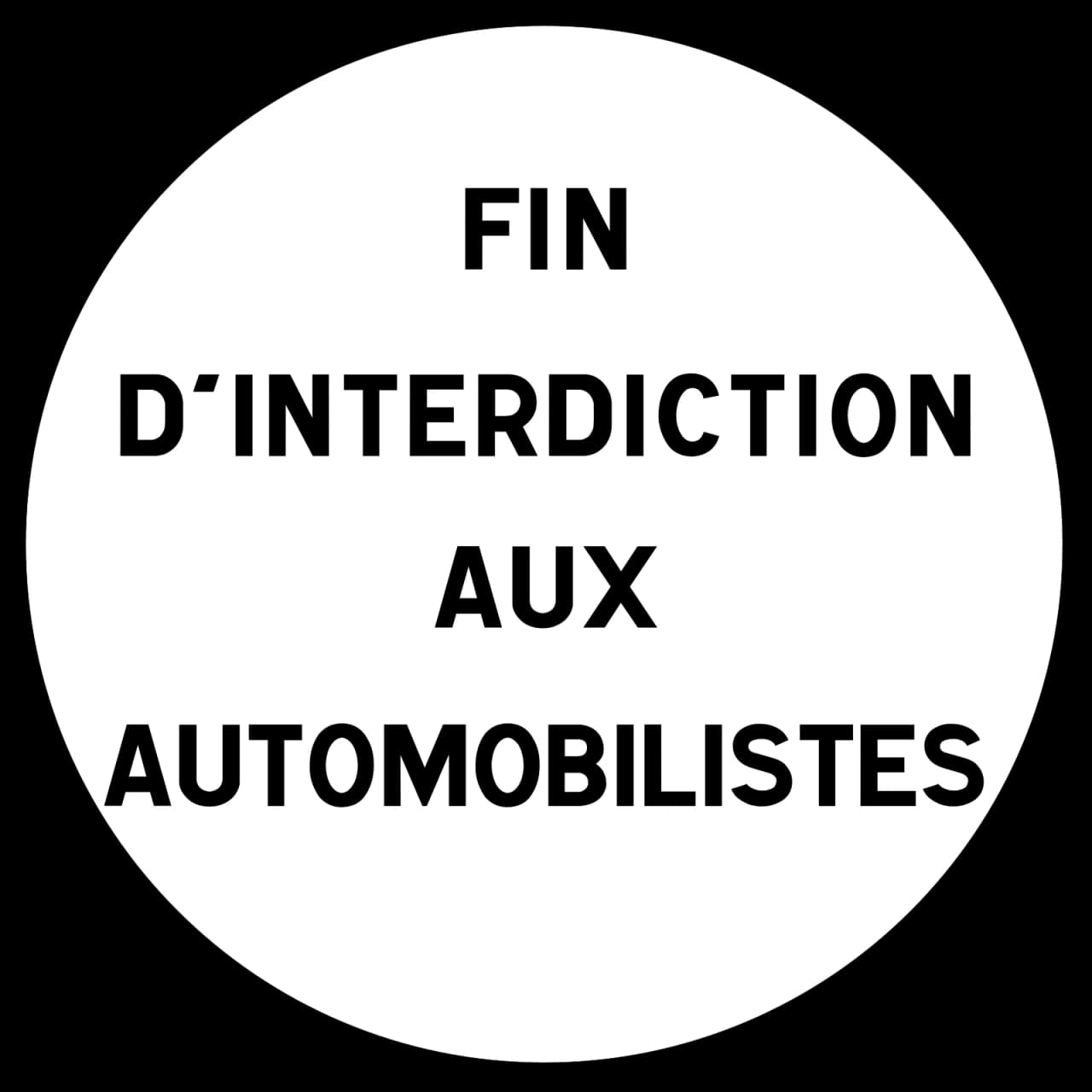
The B39 sign signifies the end of previous driving restrictions or special rules.
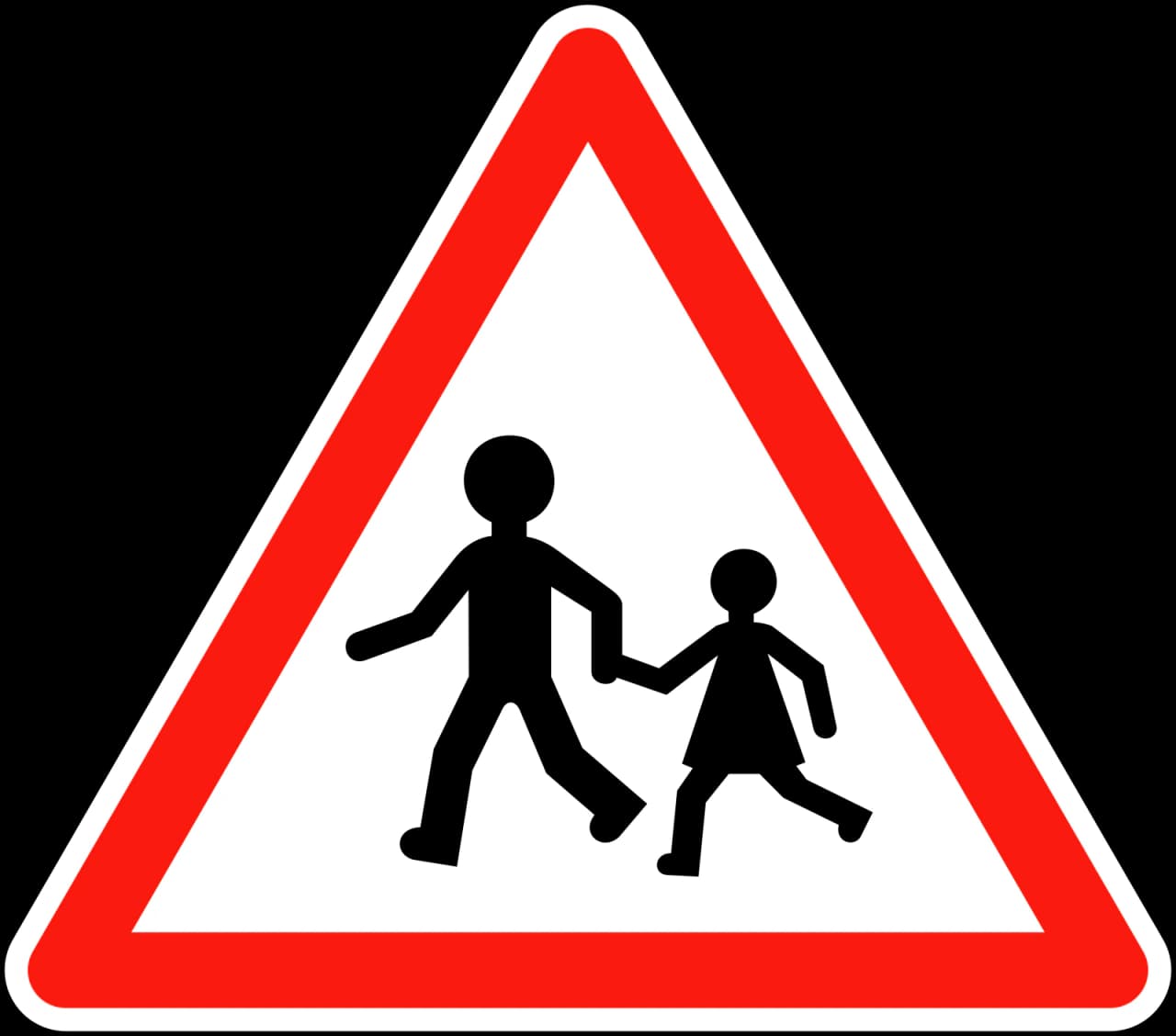
Warning: Children Crossing Ahead – Prepare to slow down and be vigilant!
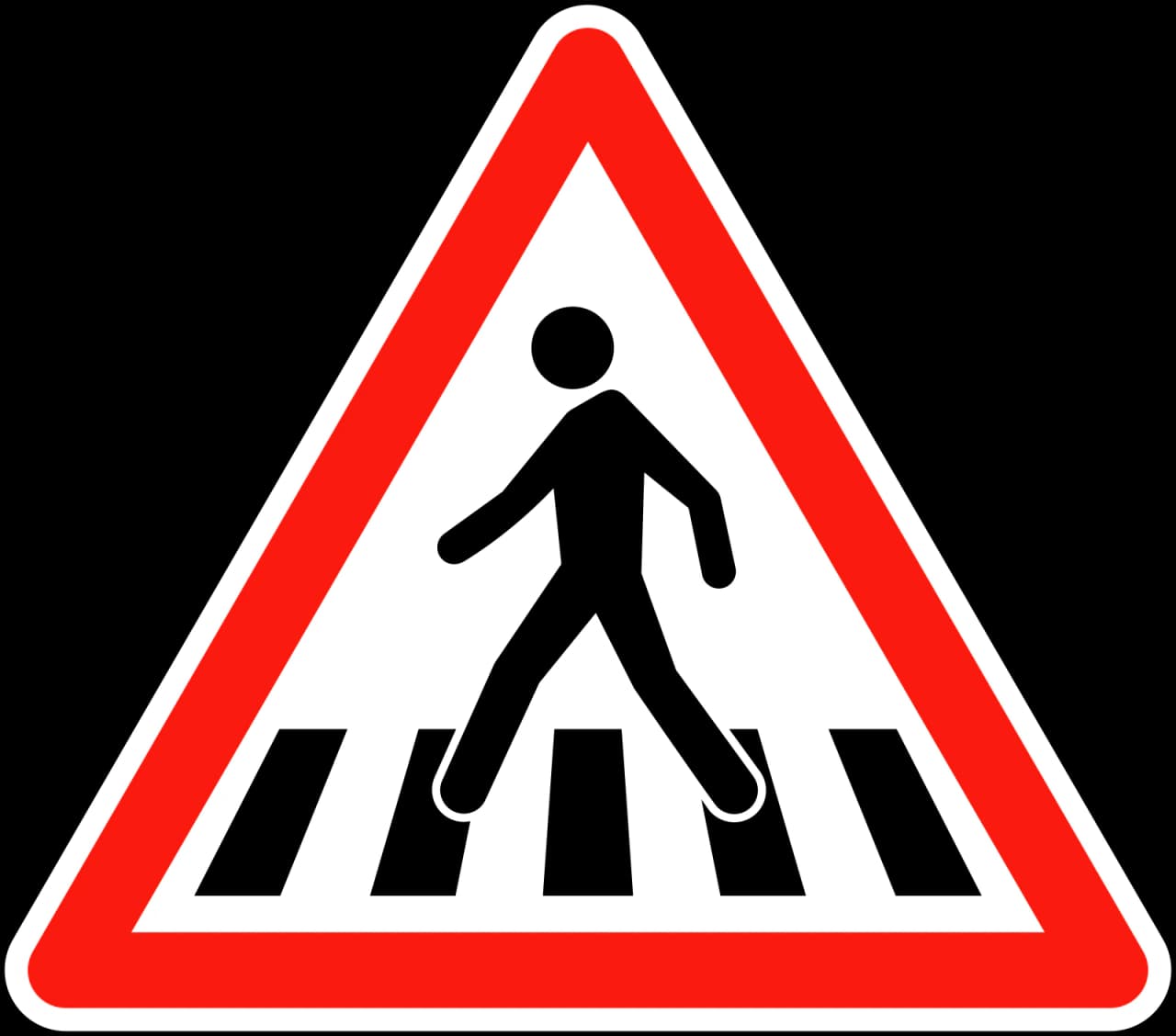
Prepare for Pedestrians: The A13b 'Pedestrian Crossing Ahead' Warning Sign
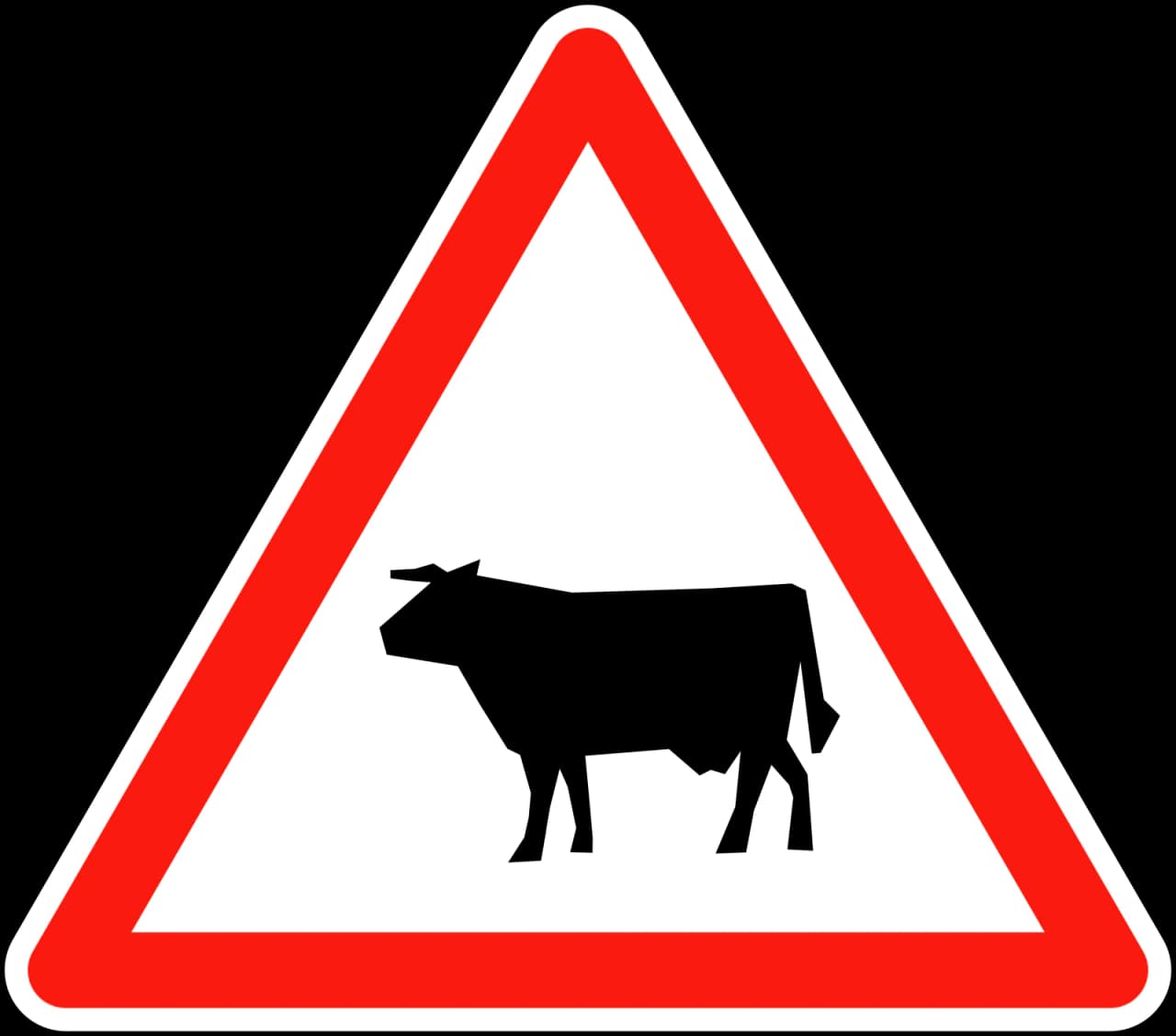
Prepare for cattle on the road with the French A15a warning sign.
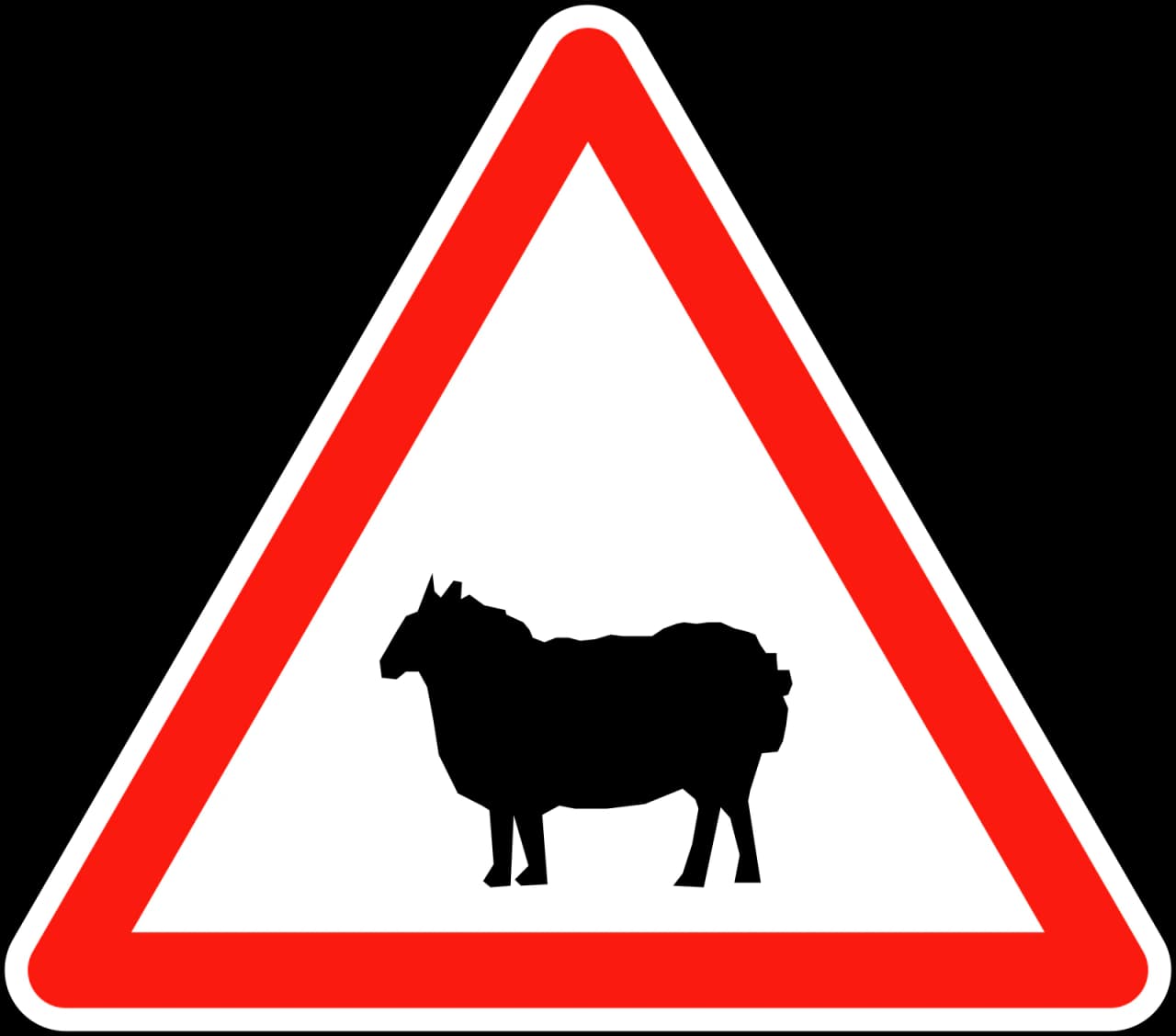
Watch out for Sheep: Understanding the A15a Warning Sign in France
Now that you've reviewed the full list of French road signs, enhance your understanding. Explore signs grouped by specific categories for deeper insights, test your recognition with practice questions, and solidify your knowledge for the Code de la route exam.
Browse All French Road Signs