Understanding France's indication plates is crucial for navigating traffic safely and confidently. These signs, often found beneath main traffic signs, provide essential supplementary information that refines their meaning. By learning to interpret symbols like aircraft crossings, high voltage cables, or accident risks, you'll be better prepared for real-world driving scenarios and excel in your theory test.
An explanation of how France Indication Plates road signs apply in real traffic situations in France. Learn where these signs are typically placed, what drivers are expected to do when they appear, and how correct reactions help you stay safe, avoid fines, and succeed in your French driving theory exam.
Indication plates in France are frequently used to provide context or specific warnings related to the main traffic sign they accompany. For instance, an 'aircraft crossing' plate (M9a) would typically be placed near airfields or low-flying routes, alerting drivers to potential overhead dangers. A 'high voltage cables' plate (M9b) warns of power lines, often seen in rural or industrial areas. Signs indicating 'risk of accident' (M9j) are positioned in areas with a history of collisions, urging extra caution. Other plates might specify reserved lanes (M9k) for certain vehicles, indicate the presence of noise barriers (M9l), or signal emergency equipment like phones (M9e) or fire extinguishers (M9f). Drivers must always read these supplementary plates as part of the complete sign message, adjusting their speed and awareness accordingly, especially when the plate indicates specific conditions like speed bumps (M9d) or exceptions for bicycles (M9v).
An overview of the key learning outcomes when studying the France Indication Plates road sign category. Understand the main concepts, sign meanings, and traffic situations covered here so you can recognise patterns, answer theory questions more confidently, and build a solid foundation for safe driving in France.
Master France's indication plates which clarify main signs with vital details on aircraft crossings, high voltage, or accident risks. Studying these supplementary signs as a family helps in understanding complete road sign meanings for your driving theory revision and exam preparation.
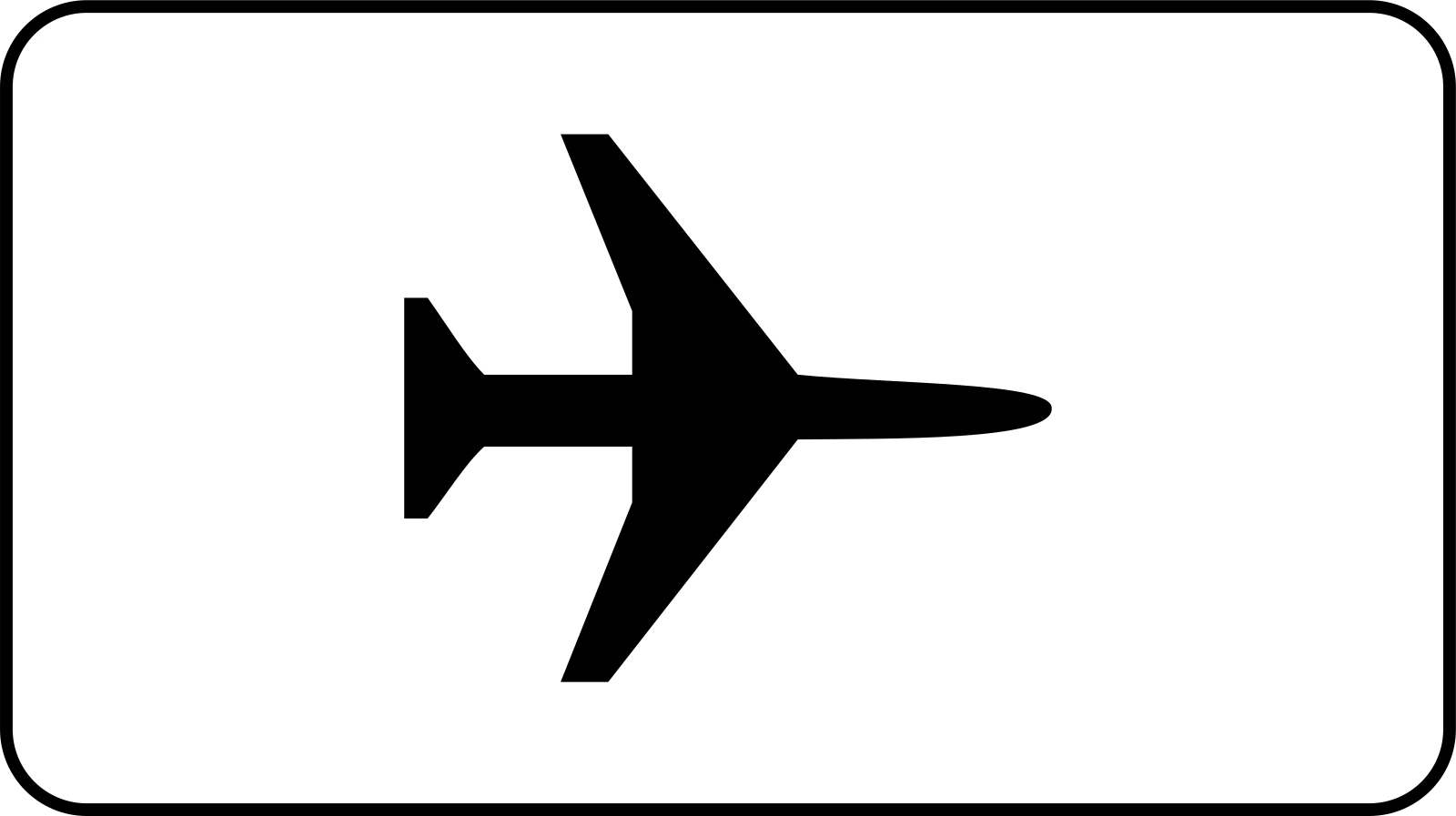
The M9a 'Aircraft Crossing' plate adds crucial context to main road signs in France.

Beware of High Voltage Cables: Understand the M9b Indication Plate
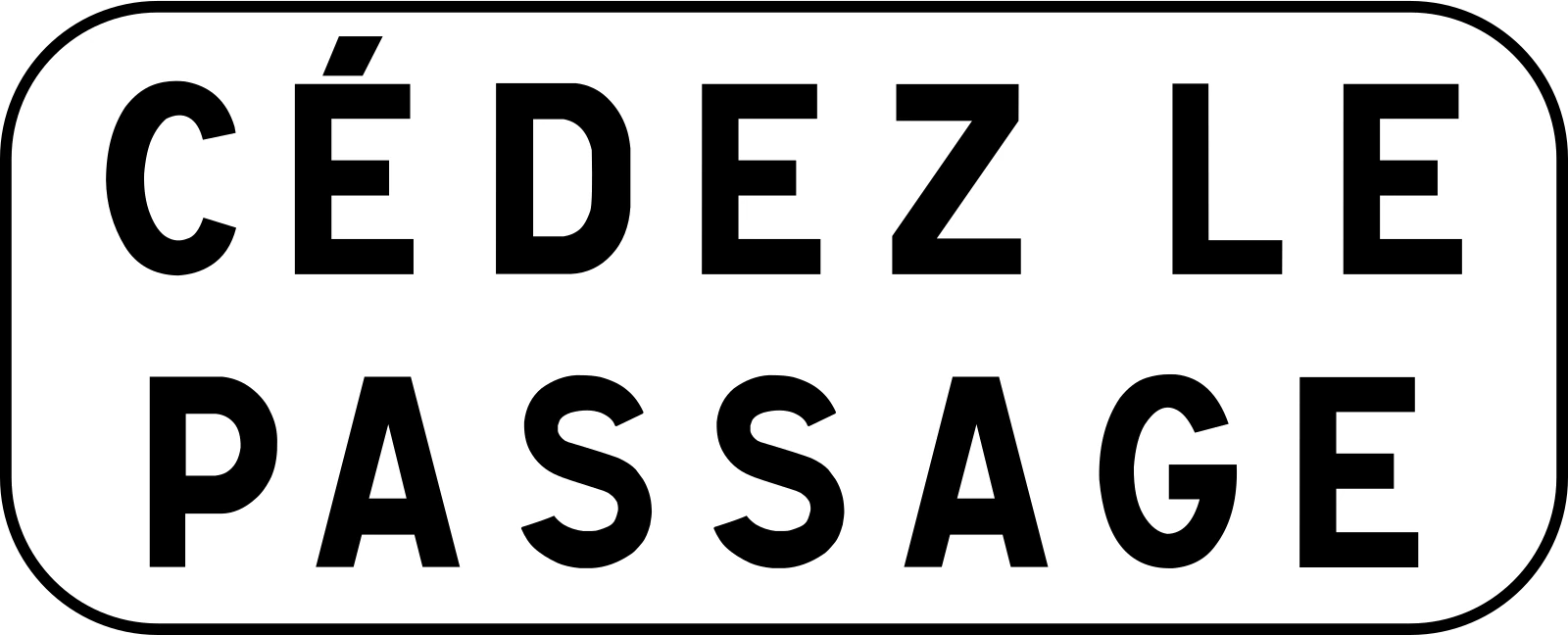
Understand the M9c 'Give Way' indication plate and its role with main traffic signs in France.

The M9d 'Speed Bump' indication plate provides crucial extra information on French roads.
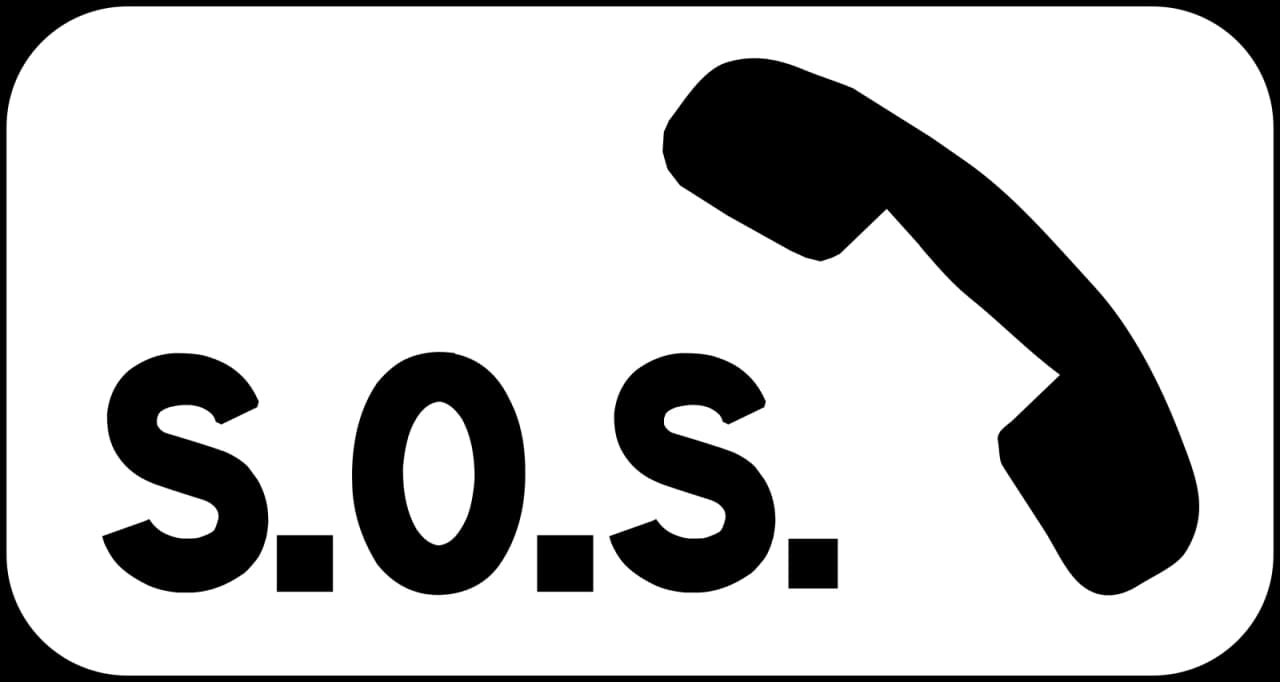
The M9e 'Emergency Phone' indication plate adds crucial context to main road signs in France.
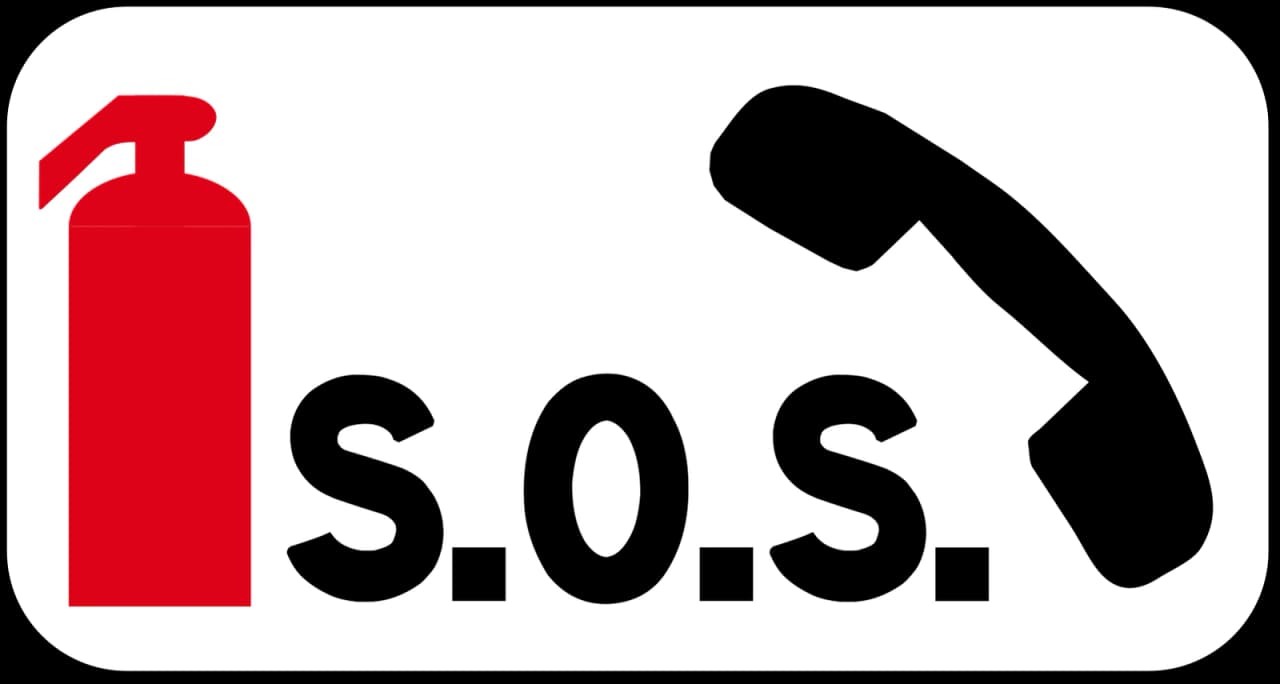
Understand the M9f 'Emergency Phone and Fire Extinguisher' Indication Plate in France
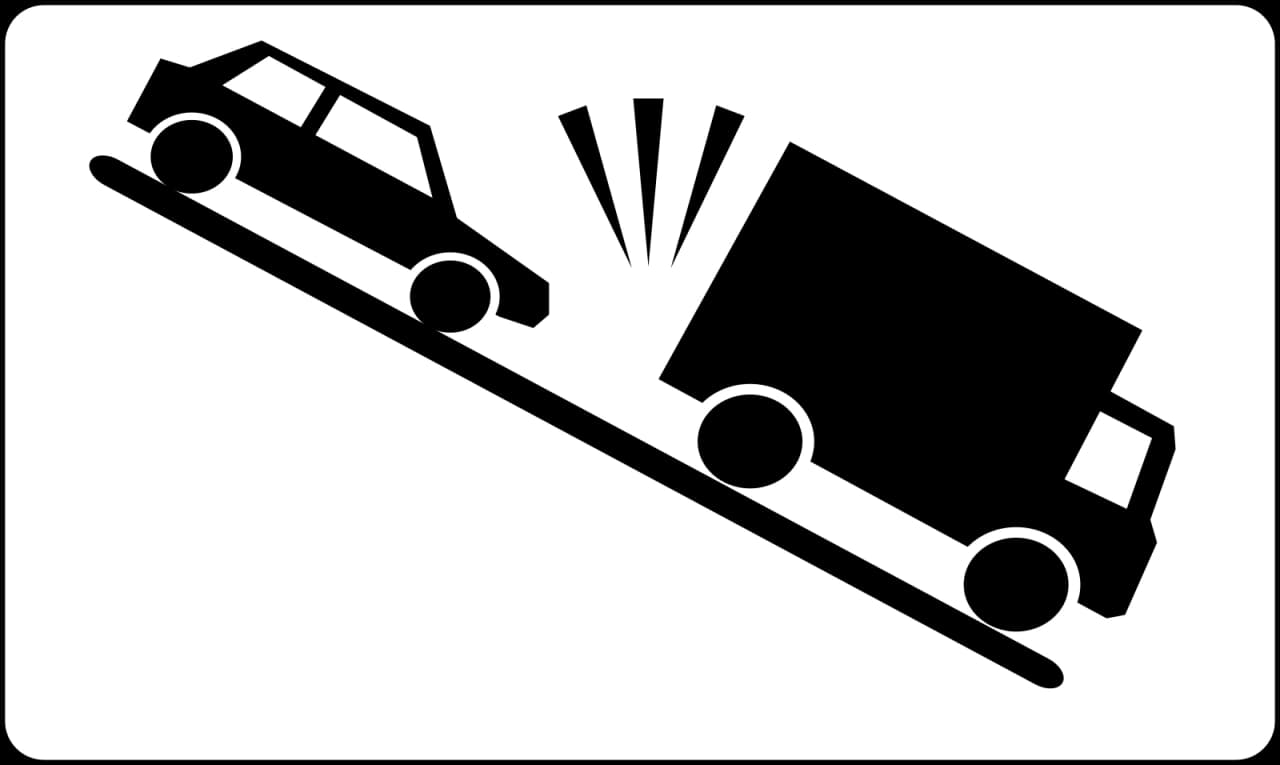
What does the M9j 'Risk of Accident' indication plate mean on French roads?
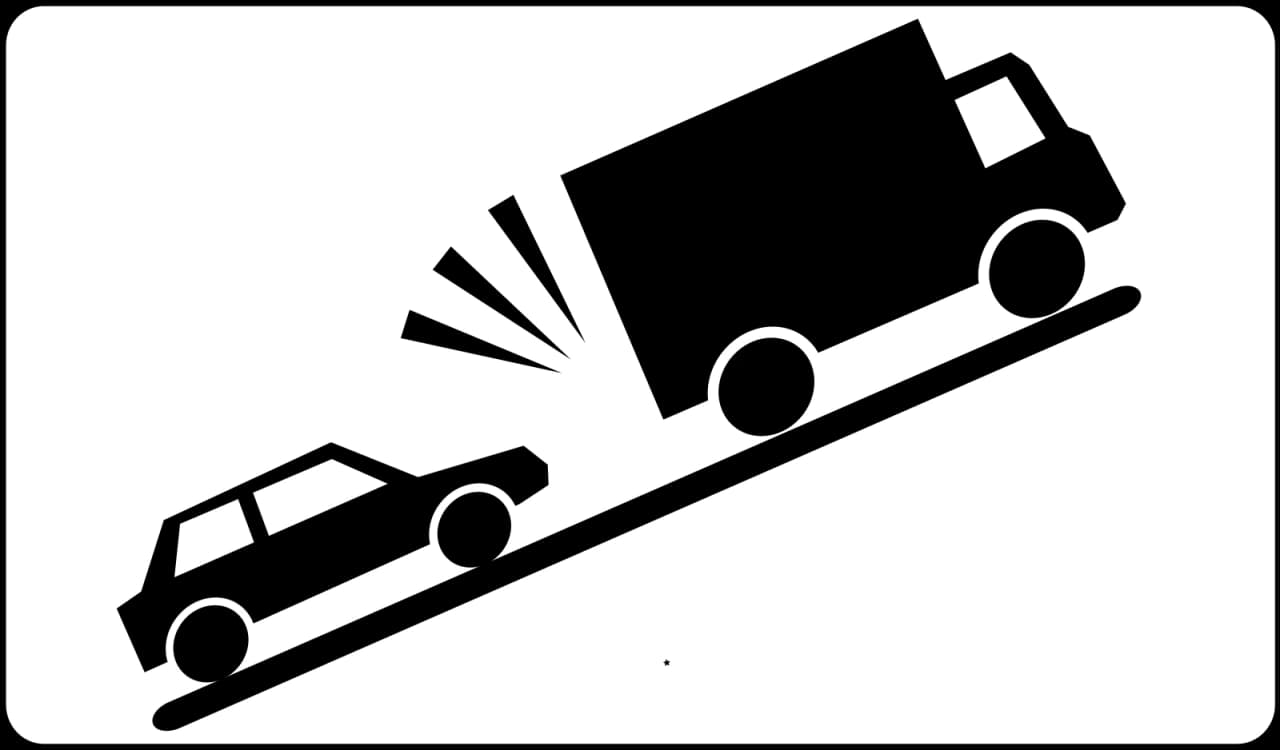
Decode the 'Risk of Accident' M9j Indication Plate in France
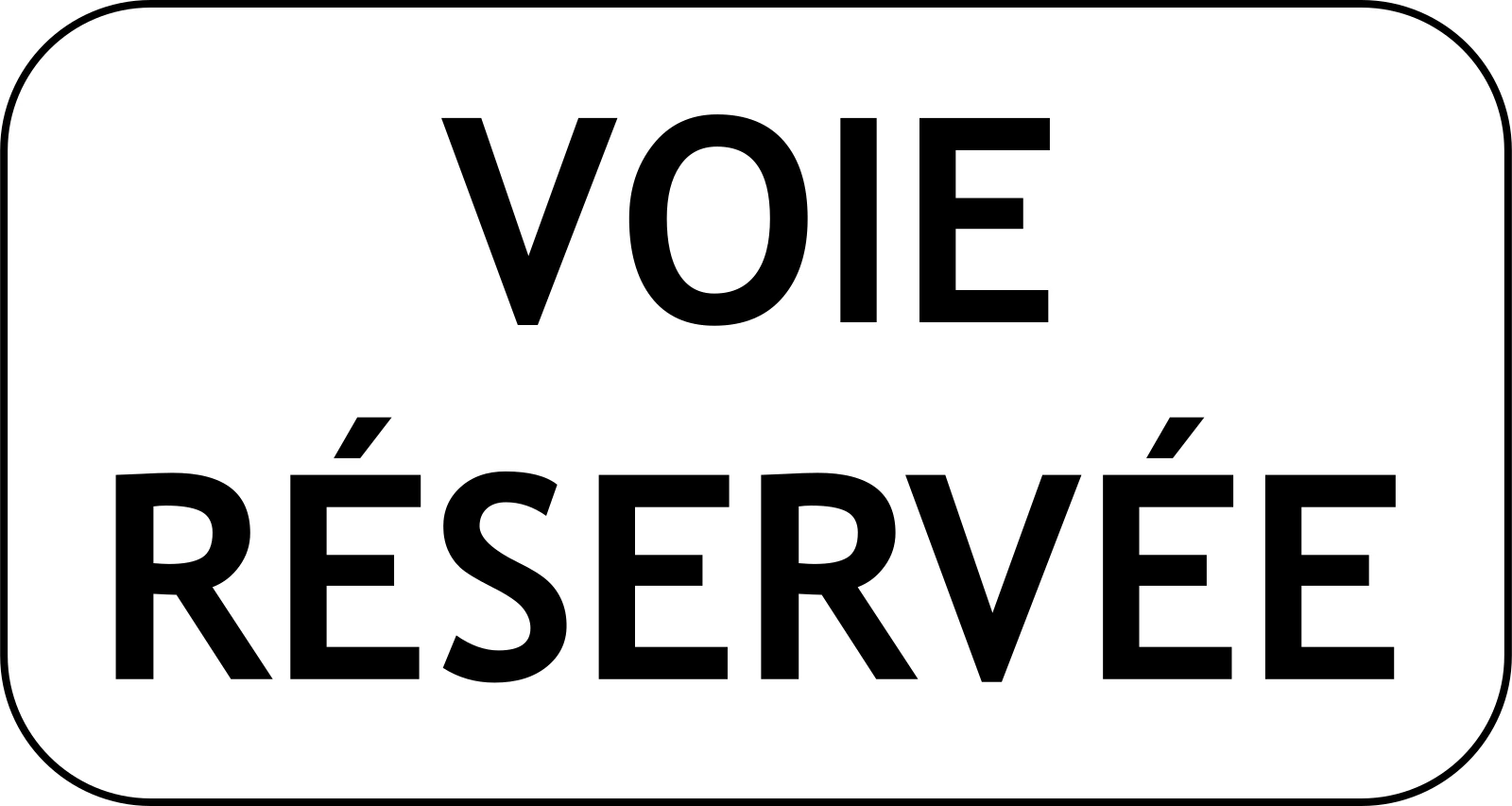
The M9k Indication Plate: Understanding Reserved Lanes and Special Conditions
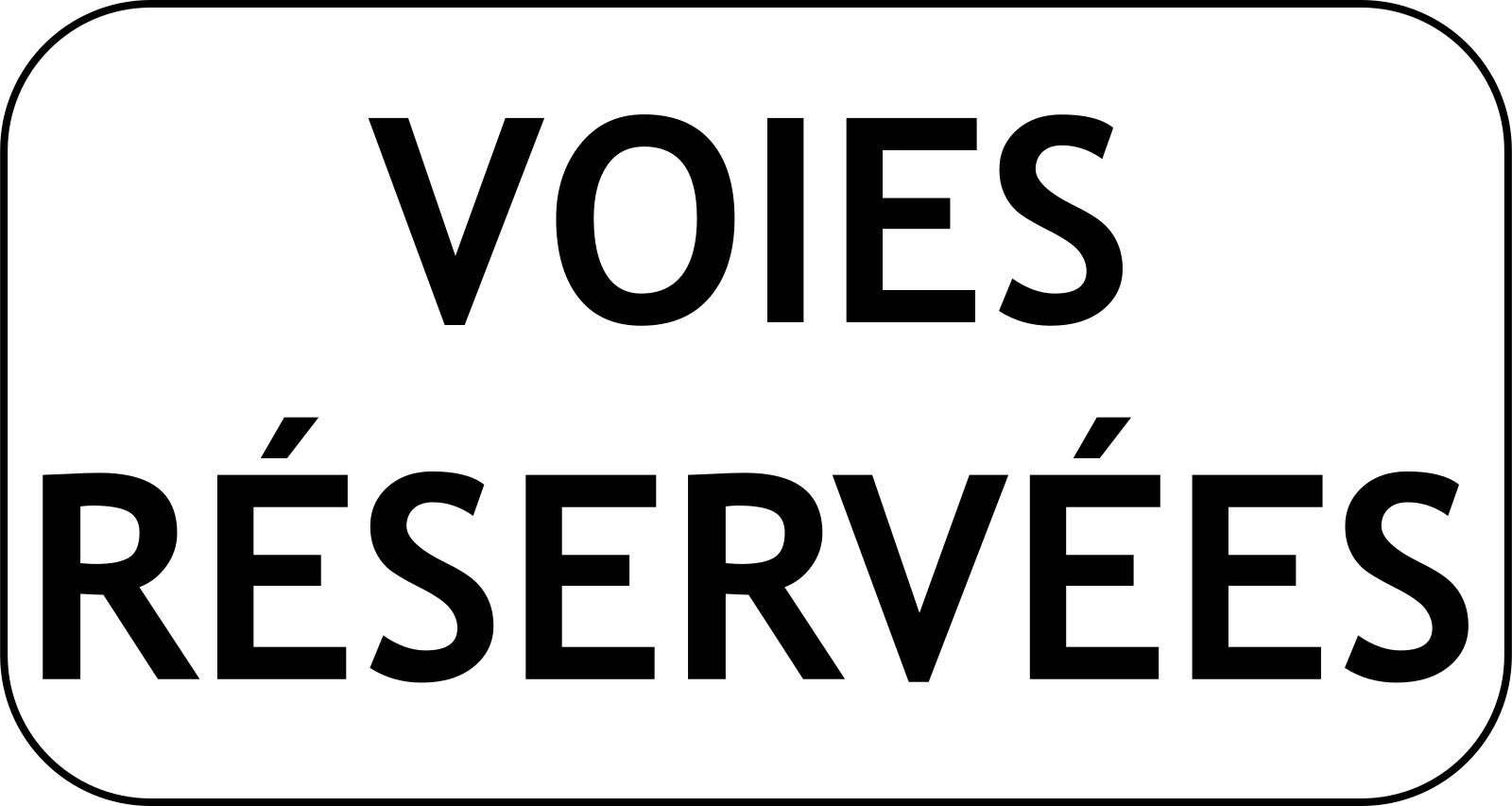
The M9k Indication Plate: Adding Specific Context to Road Signs in France
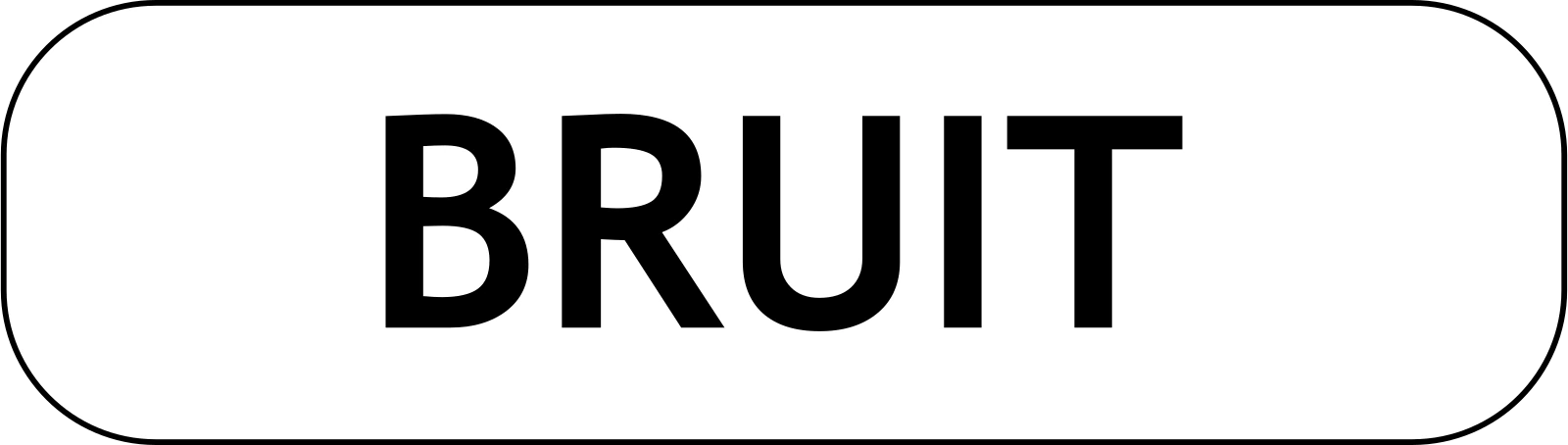
The M9l 'Noise Protection' plate adds vital context to other traffic signs.
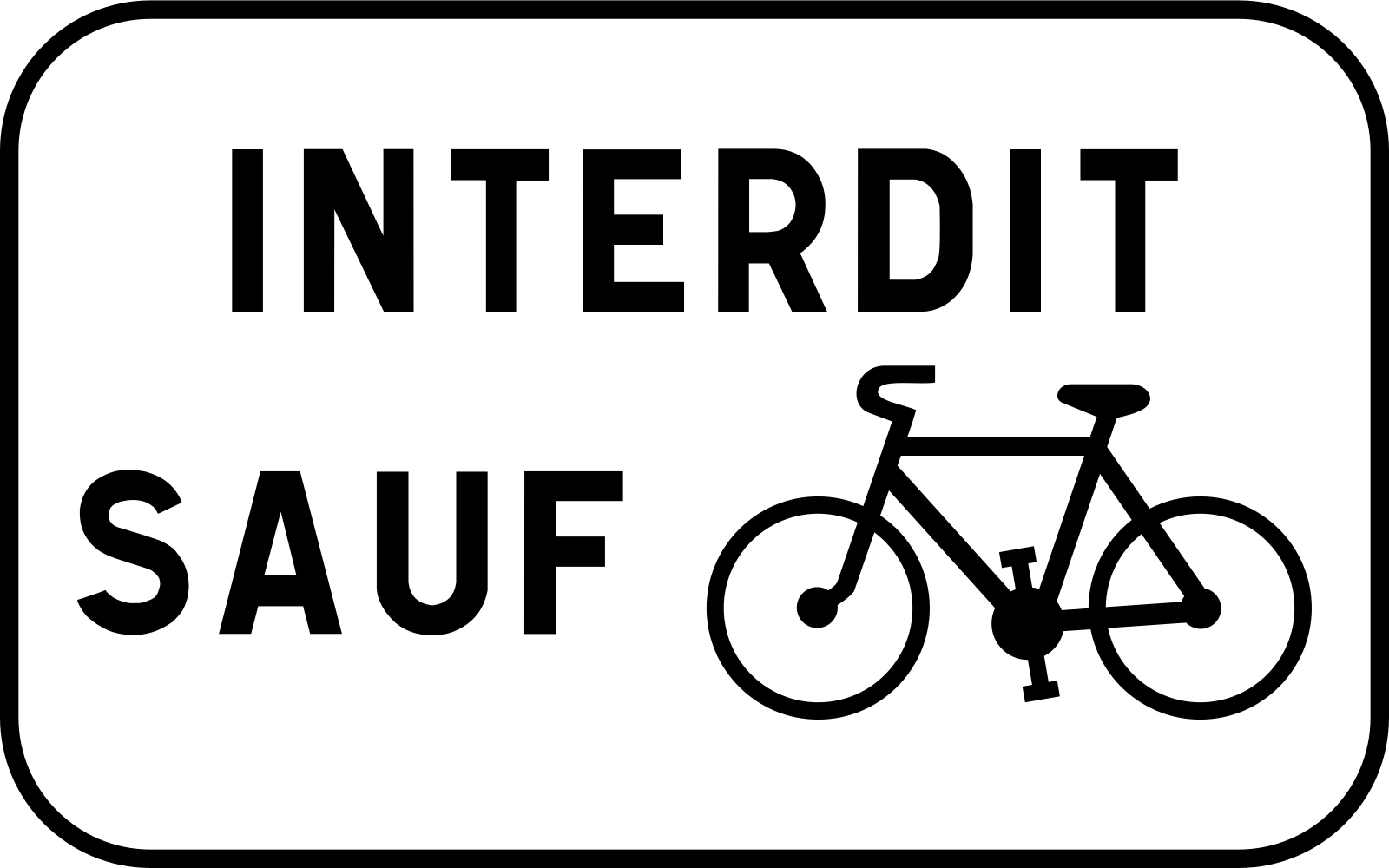
The M9v 'Except for Bicycles' sign clarifies additional information or exceptions for the main road sign it accompanies.
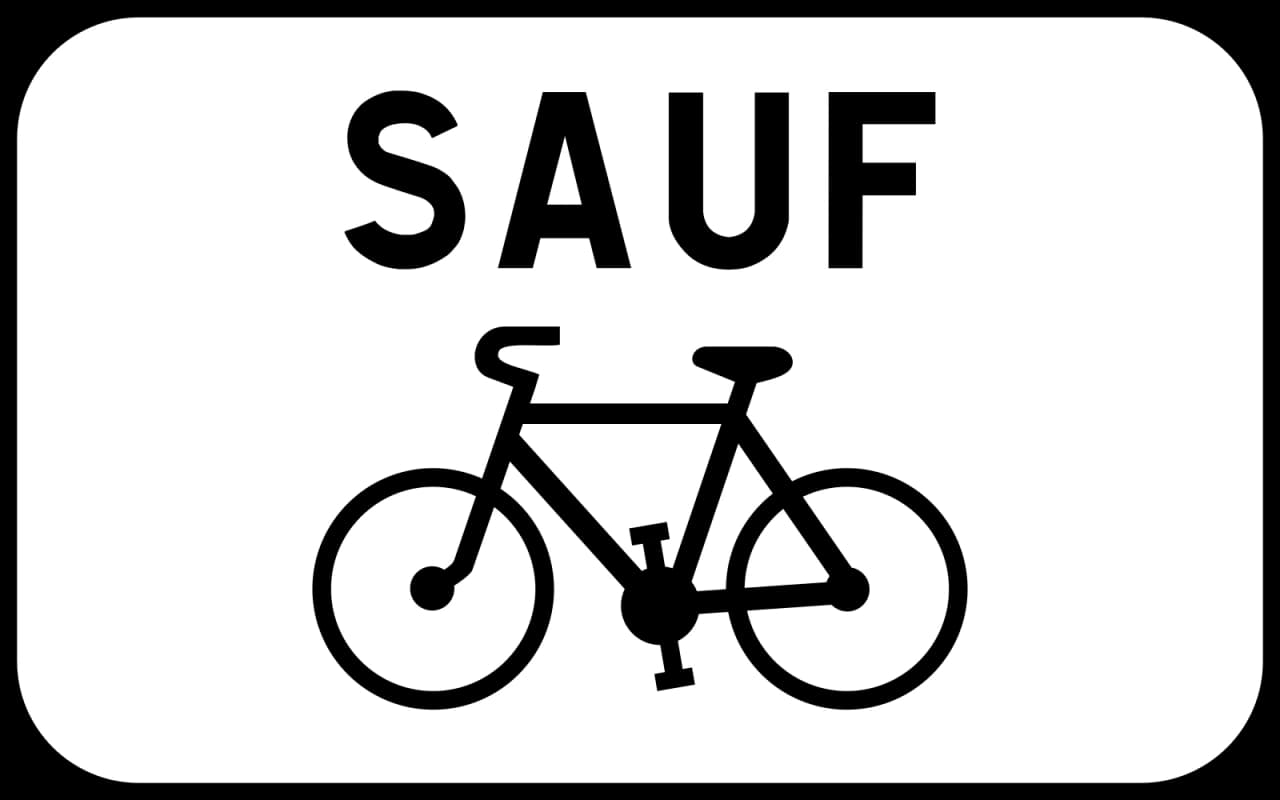
The M9v Indication Plate: Clarifying Exceptions for Bicycles
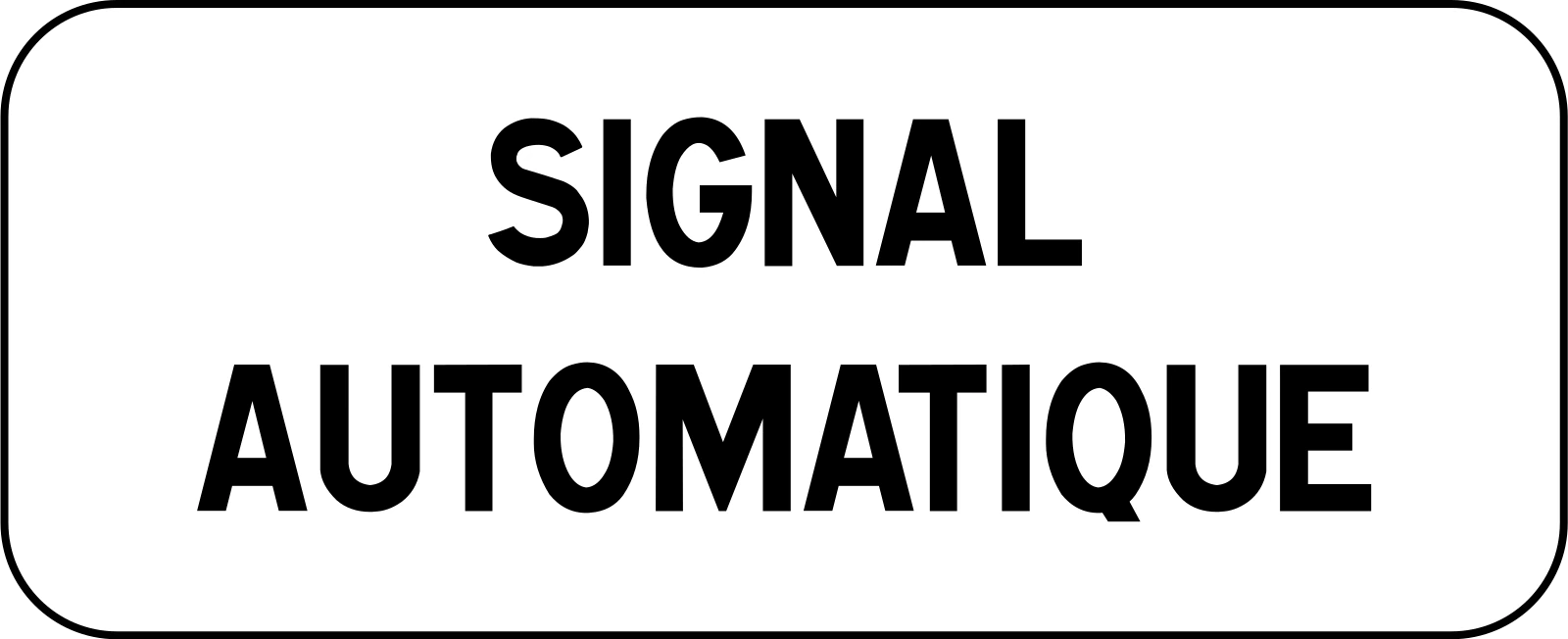
The M9z 'Other Indication' plate adds vital context to the main road sign it accompanies.
Clear answers to common questions about the France Indication Plates road sign category. Use this FAQ to review tricky rules, understand how these signs appear in exam scenarios, and remove confusion that often leads to mistakes in the French driving theory exam in France.
France indication plates, also known as supplementary plates, provide additional information to clarify or modify the meaning of the main traffic sign they are placed with. They help drivers understand specific conditions, hazards, exceptions, or requirements related to the primary sign's instruction, making traffic situations clearer and safer.
You should always assume an indication plate applies to you unless it explicitly states an exception, such as 'Except for bicycles'. For example, if a speed limit sign is accompanied by a 'Reserved lane' plate, it indicates that the speed limit might apply differently to that lane, or that the lane itself has a specific purpose. Always consider the plate's message in conjunction with the main sign.
Indication plates can be found anywhere that additional context is needed for a traffic sign. This includes rural roads warning of specific hazards like animal crossings or uneven surfaces, urban areas clarifying lane usage or parking rules, and motorways providing information about emergency services or upcoming conditions. They are designed to give drivers precise information needed for immediate decision-making.
A common point of confusion in the theory test is distinguishing between an indication plate and a main traffic sign. Learners sometimes treat them as separate entities. It's vital to remember they form a single instruction. For instance, a 'Risk of accident' plate combined with a curve sign means the curve is particularly dangerous. Also, understanding plates that indicate exceptions, like 'Except for bicycles', is key to answering questions correctly.
When you see an 'accident risk' indication plate (M9j), especially when it's below a warning sign for a hazard like a bend or a junction, you must significantly increase your caution. This sign highlights an area with a documented history of collisions. Slow down, maintain a greater following distance, and be extra vigilant for potential dangers or erratic behaviour from other road users.
Ready to deepen your understanding of French road signs? Dive into our comprehensive overview of official sign categories and groups. This structured approach will help you learn Code de la route classifications more effectively, preparing you thoroughly for your Permis de Conduire theory exam.
Explore Sign Categories