
The M9j 'Risk of accident' plate is an important indication sign used in France to provide extra context to a primary traffic sign. It doesn't typically stand alone but adds crucial details about hazards, exceptions, equipment, or lane usage. Drivers must always read this plate in conjunction with the main sign it accompanies, adapting their speed, observation, and actions to the specific information provided to ensure safety and compliance with French road rules.
This M9j indication plate, meaning 'Risk of Accident', provides crucial context to primary traffic signs in France. Mastering its interpretation is key for your theory test revision and safe driving.
Indication plates provide context that the main sign symbol alone may not show. They can refer to aircraft crossings, high-voltage cables, accident risk, emergency phones, reserved lanes, bicycle exceptions, noise protection, speed humps, or other special conditions. Drivers should read the plate as part of the complete sign and adapt speed, observation, lane choice, or legal interpretation accordingly. Official French sign code: M9j.
"Risk of accident" adds special information, exception, risk, equipment, or lane-use detail to the main sign. It helps drivers understand the practical situation behind the sign.
Get clear, practical answers to the most common questions about the M9j - Risk of accident road sign. Learn how the sign works, what rules it represents, and how it affects real driving situations. This FAQ strengthens your understanding and supports accurate decision making for the French driving theory exam in France.
The M9j plate provides additional information that clarifies or modifies the main traffic sign it's attached to. It specifically highlights a risk of accident, but can also detail exceptions, necessary equipment, or lane conditions relevant to the primary sign's message. Always interpret it as part of the complete sign.
Your reaction depends on the main sign and the specific context provided by the M9j plate. If it warns of an accident risk, you should be extra vigilant and potentially reduce your speed. If it indicates an exception, such as for cyclists on a specific lane, ensure you understand who the exception applies to and act accordingly.
No, the M9j indication plate should never be ignored. While it adds context, that context is vital for understanding the full meaning of the main sign. Overlooking it could lead to misinterpreting the situation, making a mistake, or failing a question on your French theory exam about road sign combinations.
A common trap is assuming the M9j plate only means 'danger ahead'. It can mean much more, like specific equipment nearby (e.g., emergency phone), an exception to a rule for certain road users, or details about lane usage. Learners might also forget that the M9j plate modifies the main sign, potentially leading them to apply the wrong rule.
Not necessarily. While 'Risk of accident' is in its title, this plate serves as a versatile indicator. It can signal potential hazards that could lead to an accident, but also highlight specific conditions like reserved lanes, special equipment, or exceptions to general rules that drivers must be aware of to navigate safely.
A clear reference image of the M9j - Risk of accident road sign used in France.
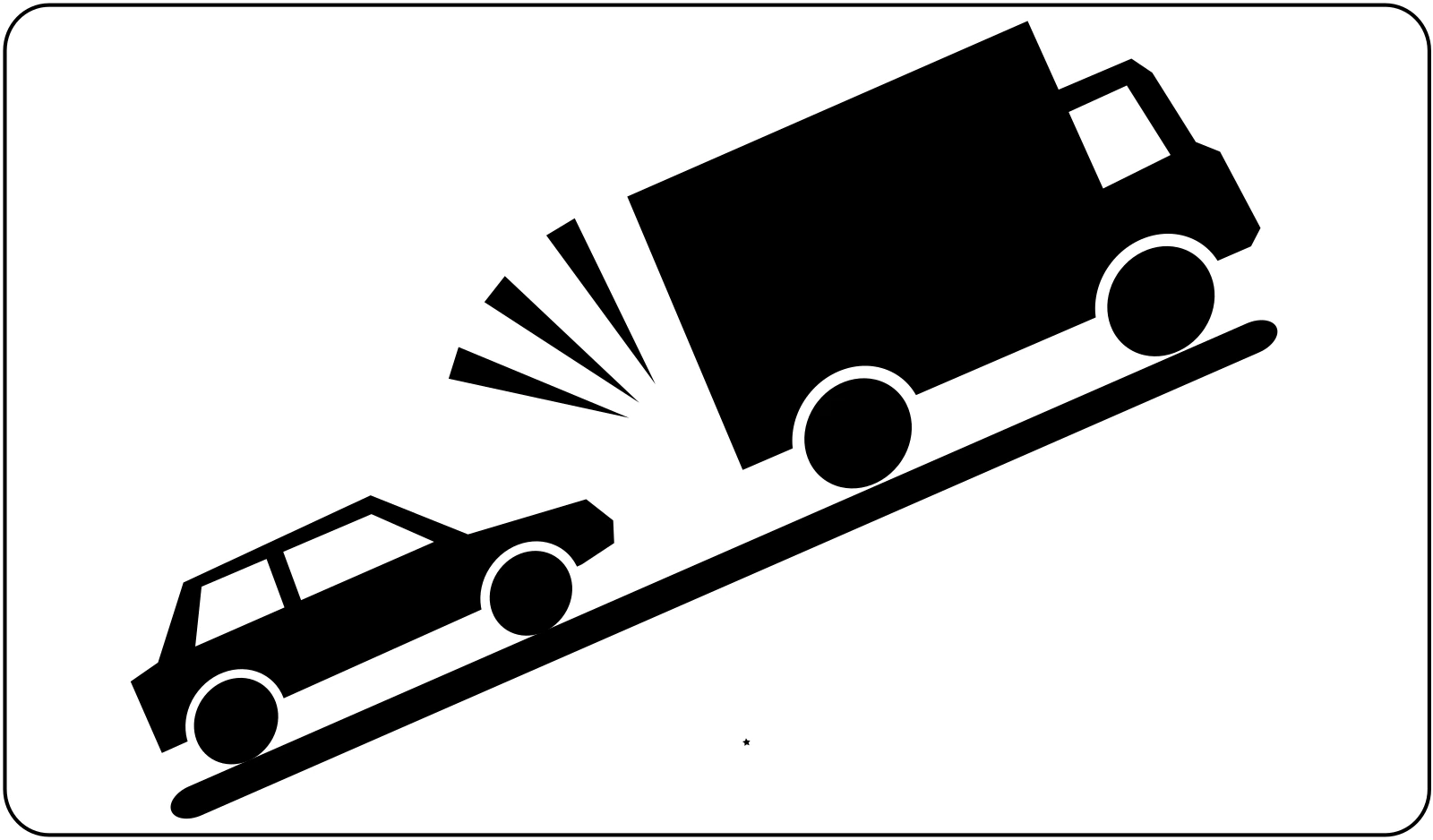
The M9j - Risk of accident road sign may also be known by these alternative names or terms.
The M9j - Risk of accident road sign is part of the France Indication Plates category, which groups together signs with similar rules and functions.
Reviewing similar traffic signs side-by-side sharpens your ability to distinguish critical differences, crucial for accurate theory test revision. Effective traffic sign comparison helps you avoid common mistakes and builds lasting recognition for your French driving licence exam.
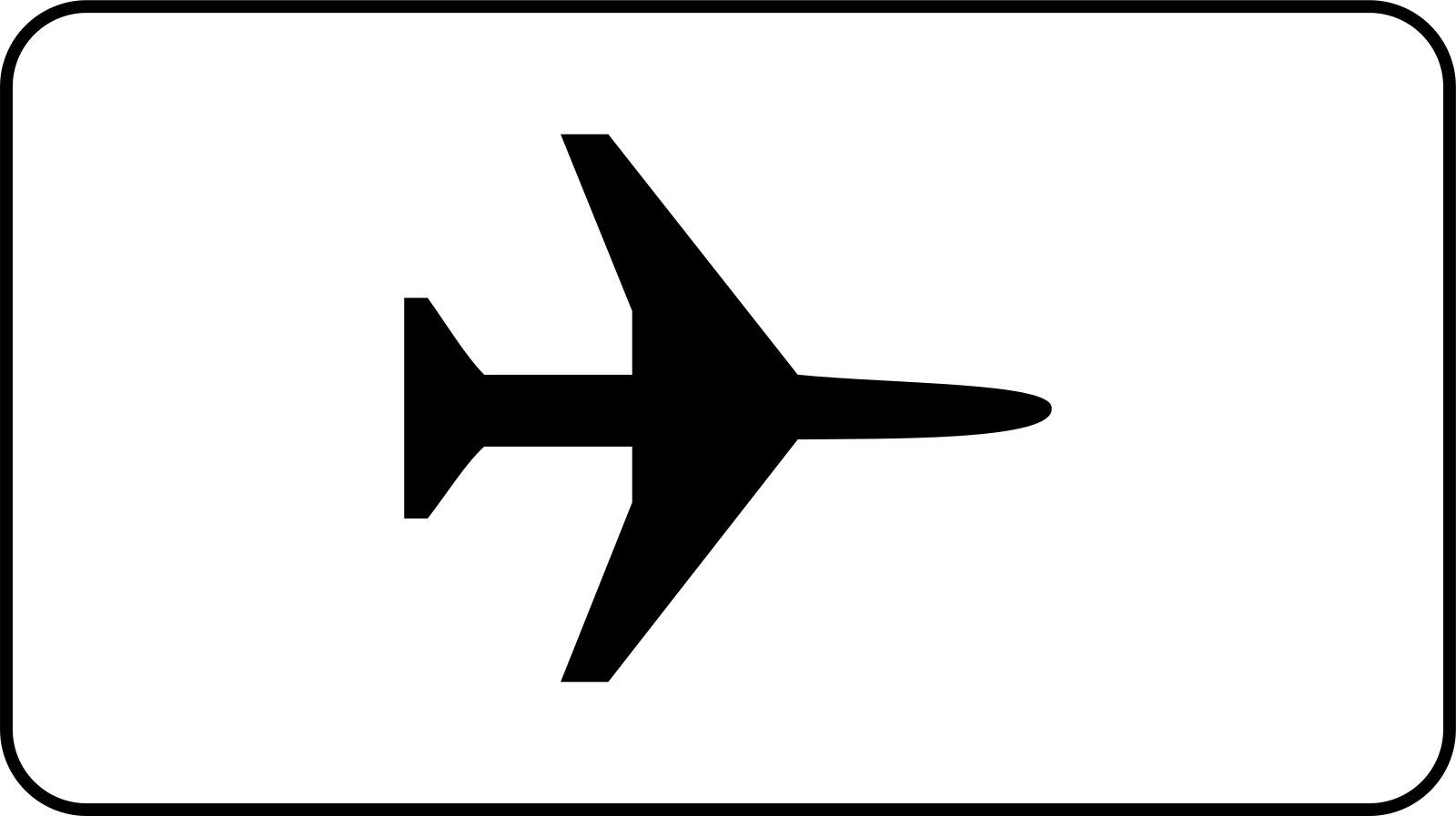
The M9a 'Aircraft Crossing' plate adds crucial context to main road signs in France.
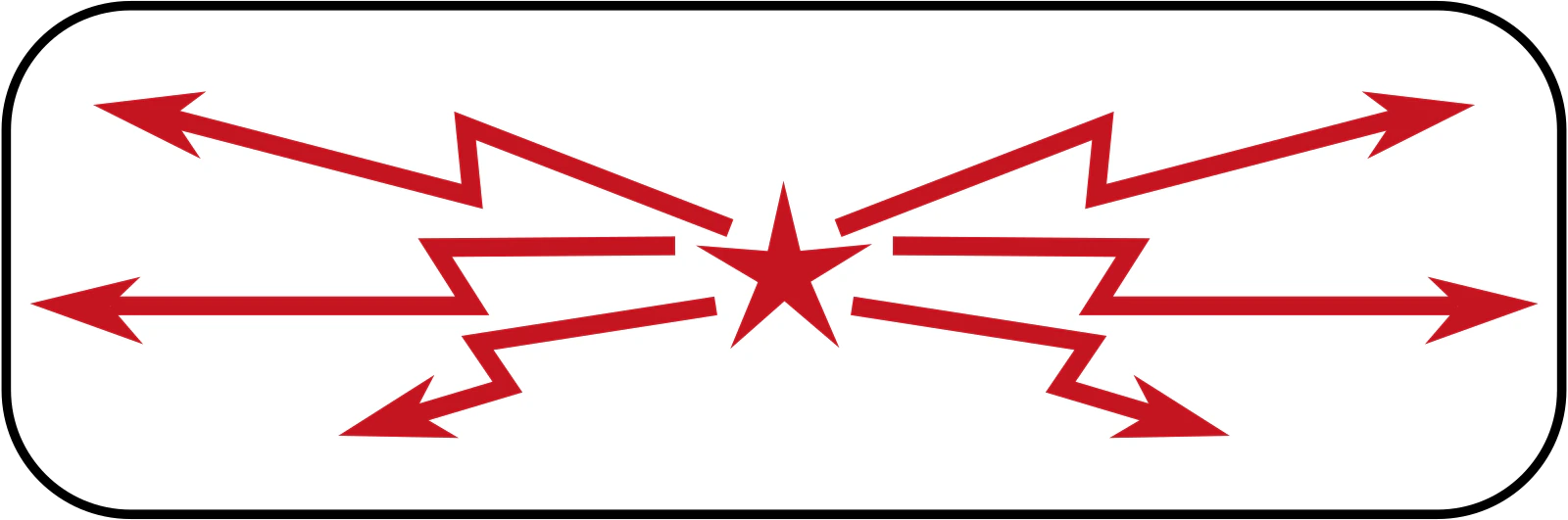
Beware of High Voltage Cables: Understand the M9b Indication Plate
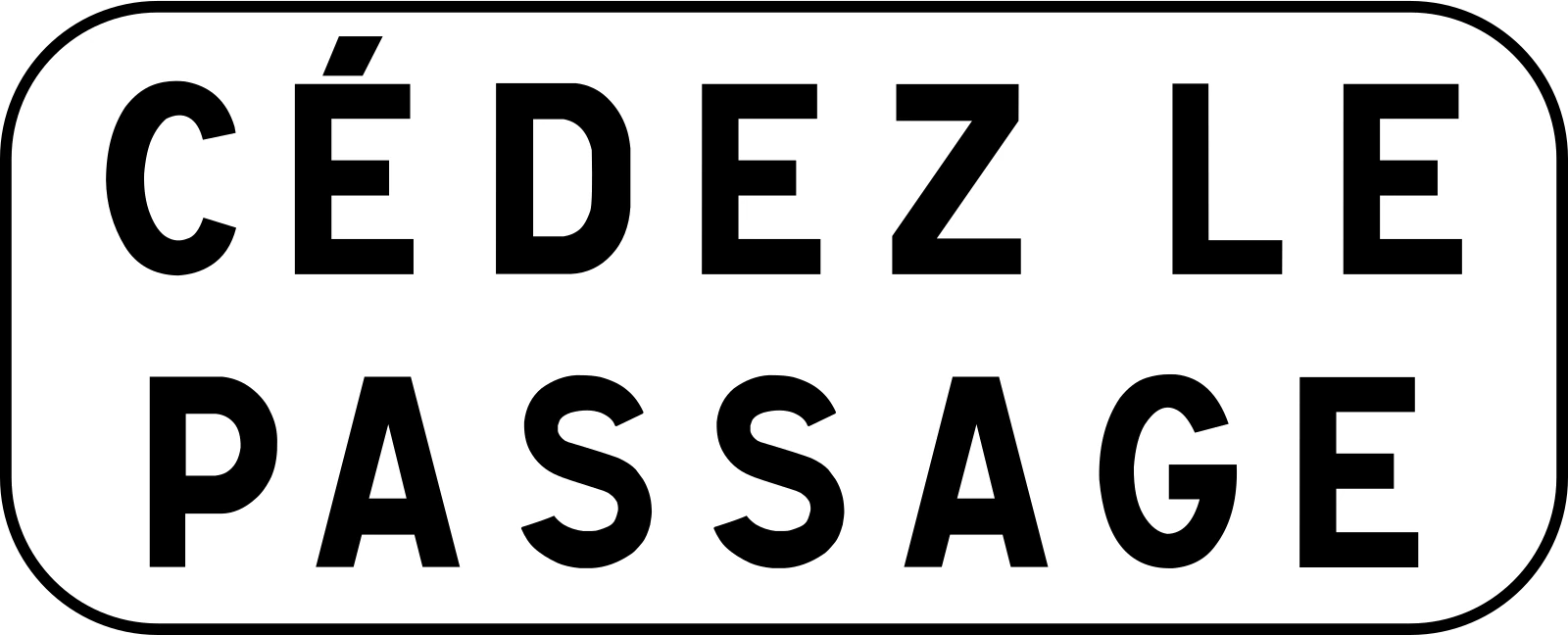
Understand the M9c 'Give Way' indication plate and its role with main traffic signs in France.

The M9d 'Speed Bump' indication plate provides crucial extra information on French roads.
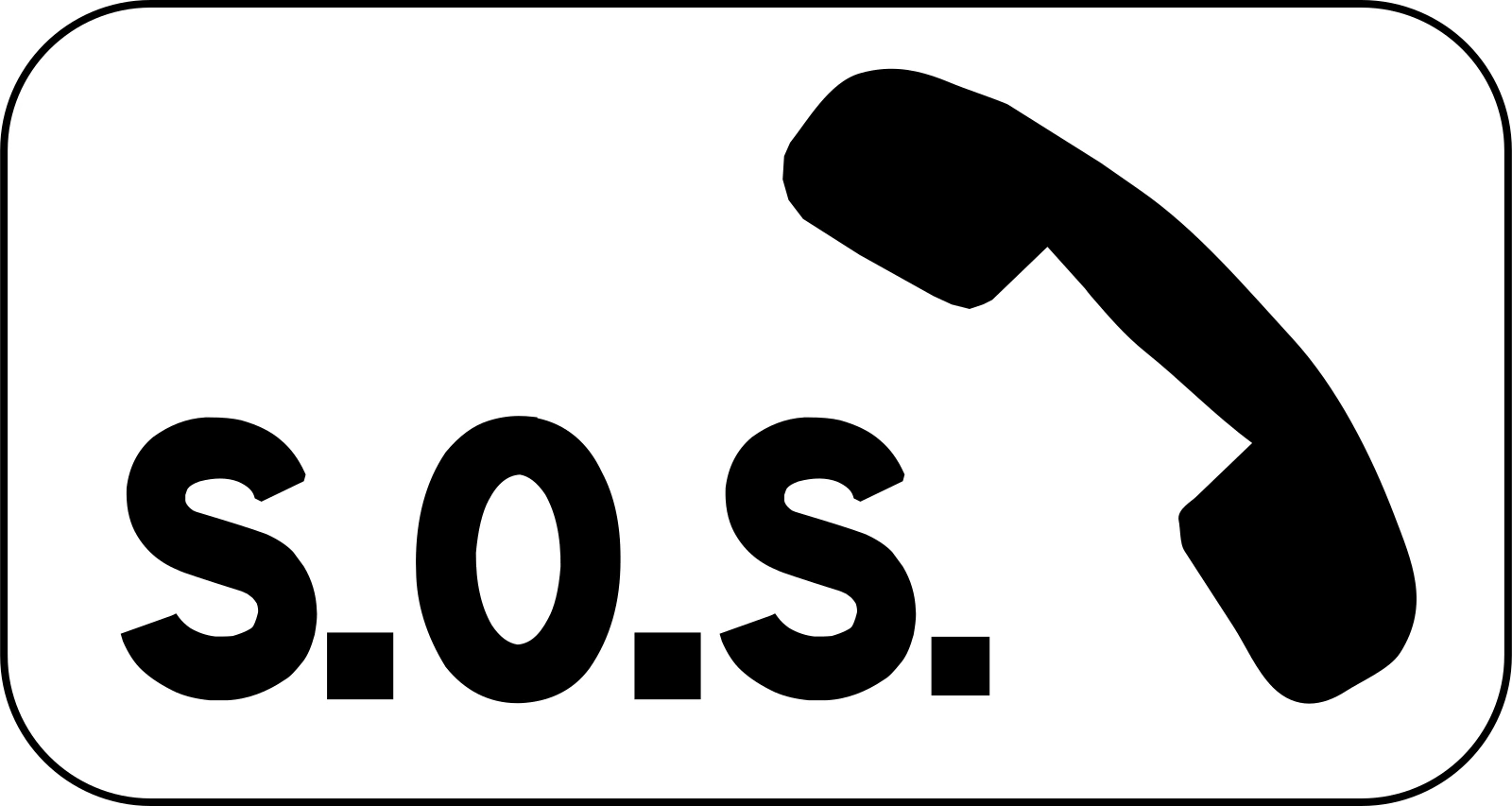
The M9e 'Emergency Phone' indication plate adds crucial context to main road signs in France.
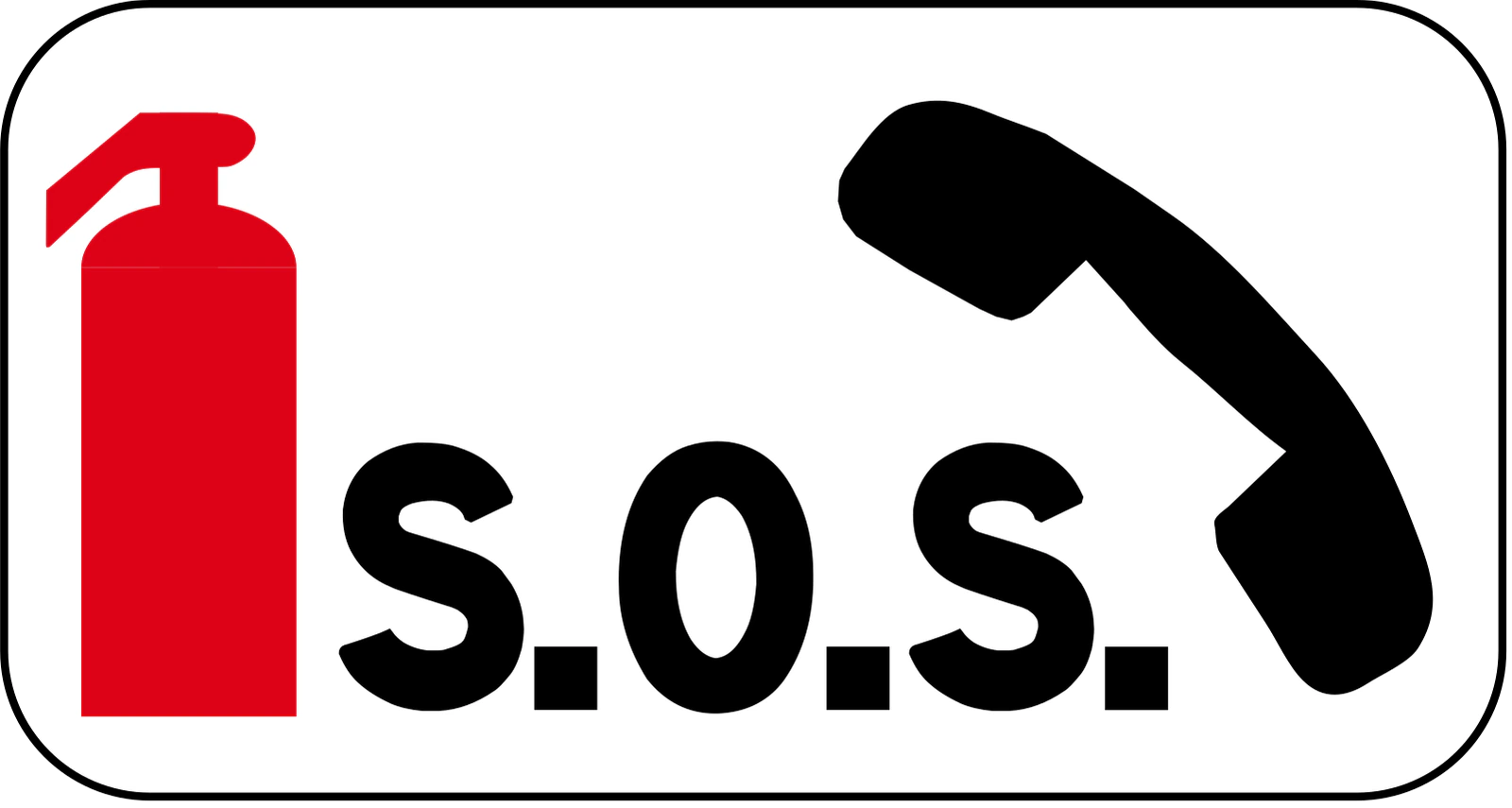
Understand the M9f 'Emergency Phone and Fire Extinguisher' Indication Plate in France
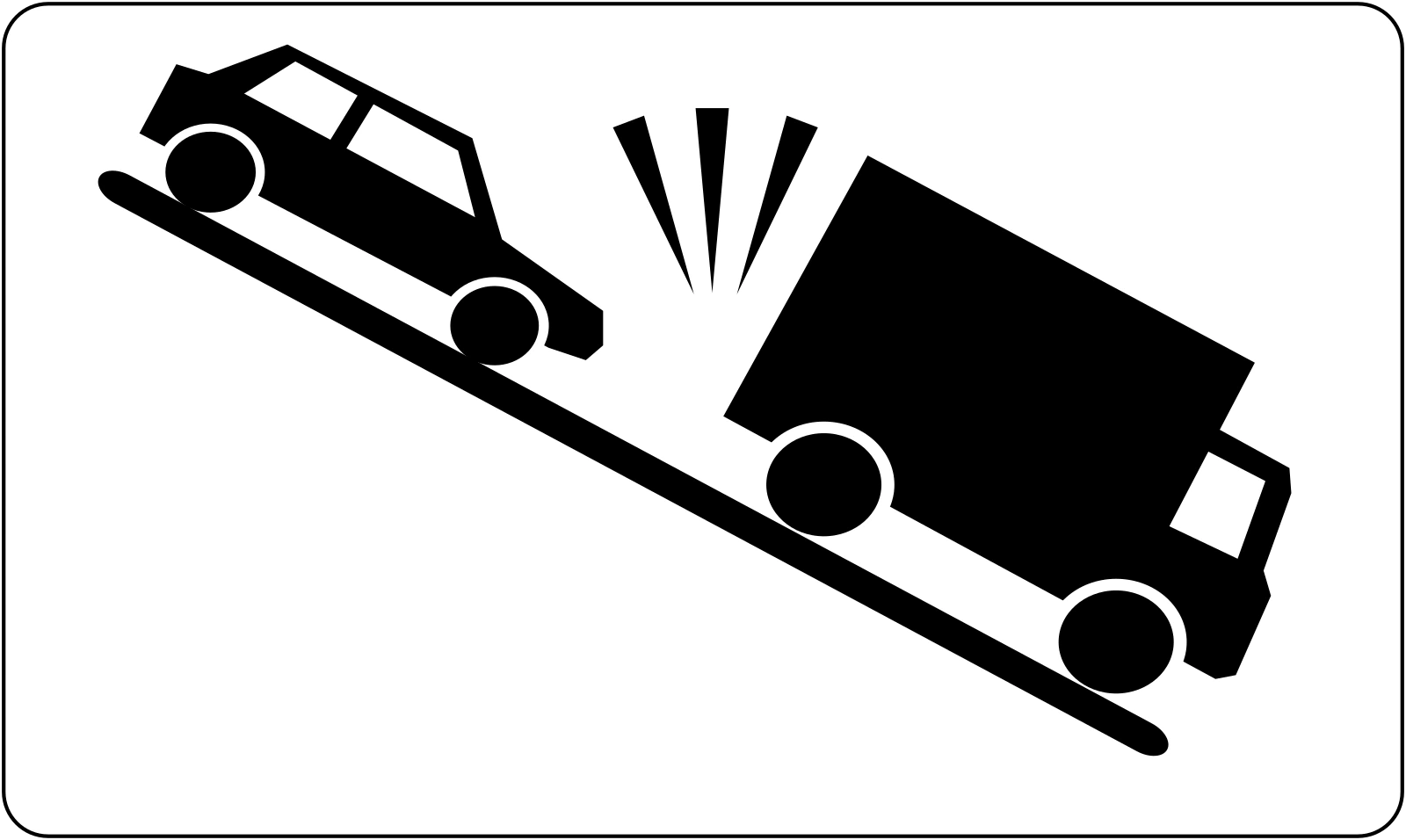
What does the M9j 'Risk of Accident' indication plate mean on French roads?
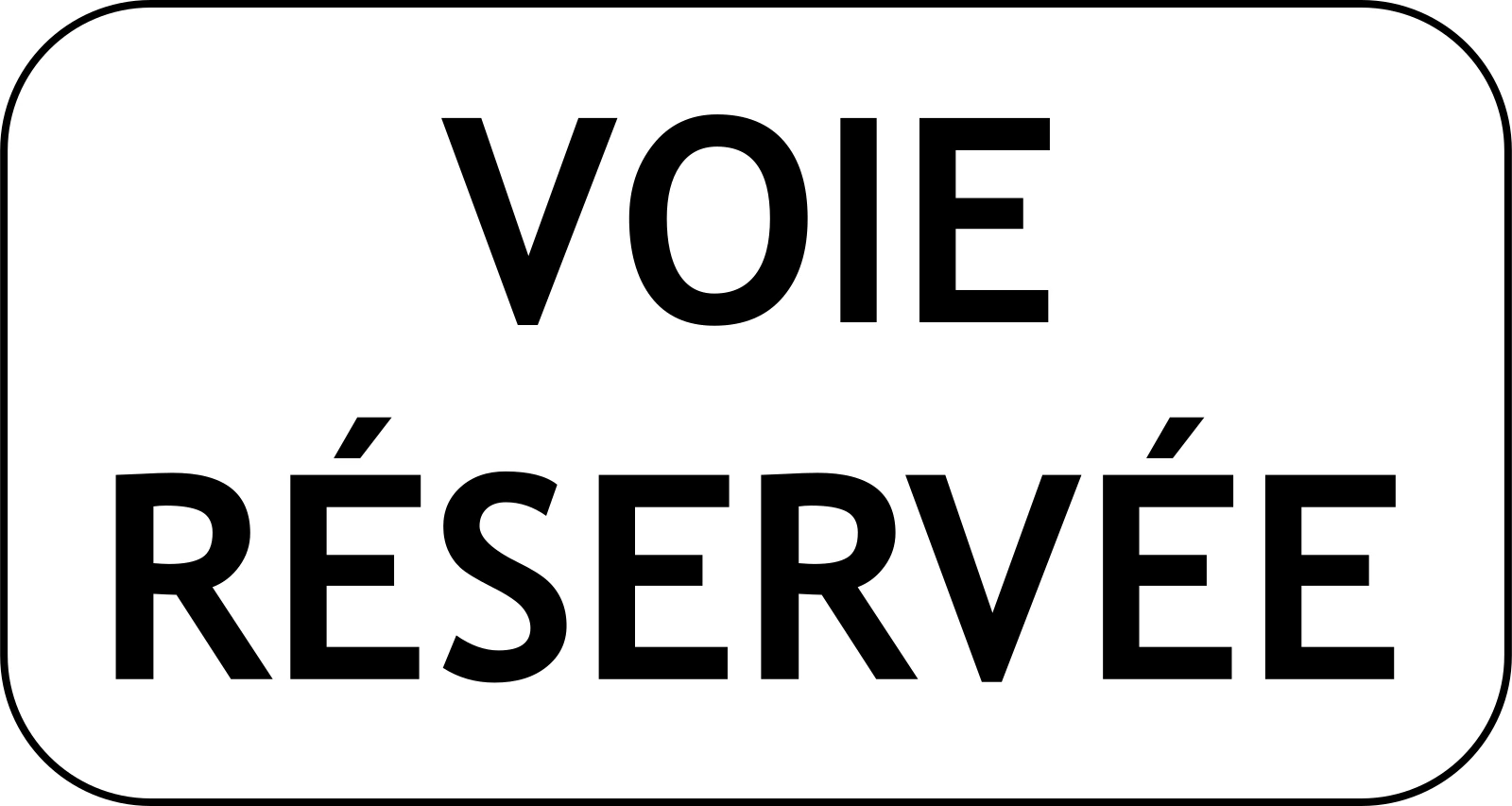
The M9k Indication Plate: Understanding Reserved Lanes and Special Conditions
Explore these structured materials to bridge the gap between visual sign recognition and the specific traffic rules required for your ETG theory test. These resources help clarify how regional road signs dictate right-of-way and safety in France.
After passing the practical exam and receiving your CEPC, the reality of driving solo on French roads can lead to a sense of false security. This guide explores the psychological pitfalls that many new drivers face, helping you recognize the dangers of social influence and overestimation of your current driving skills. By focusing on defensive driving and the reality of your probationary status, you will learn to prioritize safety over peer expectations.
Master accident procedures and priority rules for your French driving exam.
Discover the essential first steps to take after a car accident in France, emphasising the critical 'protect and alert' sequence. This guide clarifies your immediate responsibilities to ensure scene safety and initiate necessary communication, aligning with the requirements of the French Code de la route and vital for passing your theory exam.
Master French Accident Procedures: Protect Yourself and Others on the Road.
Indication plates provide context that the main sign symbol alone may not show. They can refer to aircraft crossings, high-voltage cables, accident risk, emergency phones, reserved lanes, bicycle exceptions, noise protection, speed humps, or other special conditions. Drivers should read the plate as part of the complete sign and adapt speed, observation, lane choice, or legal interpretation accordingly. Official French sign code: M9b.
Indication plates provide context that the main sign symbol alone may not show. They can refer to aircraft crossings, high-voltage cables, accident risk, emergency phones, reserved lanes, bicycle exceptions, noise protection, speed humps, or other special conditions. Drivers should read the plate as part of the complete sign and adapt speed, observation, lane choice, or legal interpretation accordingly. Official French sign code: M9a.
Now that you've reviewed the full list of French road signs, enhance your understanding. Explore signs grouped by specific categories for deeper insights, test your recognition with practice questions, and solidify your knowledge for the Code de la route exam.
Browse All French Road Signs