Location signs, such as those indicating the entrance or exit of a town or village, are crucial for drivers to understand changing speed limits and local conditions. Recognizing these signs helps you adjust your speed appropriately, ensuring a safer journey for yourself and others. This section will equip you to interpret these important traffic indicators, vital for both passing your theory exam and navigating real-world traffic confidently.
An explanation of how France Location Signs road signs apply in real traffic situations in France. Learn where these signs are typically placed, what drivers are expected to do when they appear, and how correct reactions help you stay safe, avoid fines, and succeed in your French driving theory exam.
Location signs are frequently encountered when travelling between different areas, particularly when entering or leaving towns and villages. The 'Entrance to town or village' sign (EB10) typically appears at the boundary of a built-up area, signalling the start of a reduced default speed limit, usually 50 km/h, unless a different limit is posted. Drivers must be vigilant upon seeing this sign, as it indicates increased traffic, pedestrian activity, and more side roads. Conversely, the 'End of town or village' sign (EB20) signifies the end of the built-up area and the associated speed restrictions. Upon passing this sign, the general speed limit for the road outside built-up areas, or any other indicated limit, becomes applicable, allowing drivers to resume a higher speed if conditions permit. Understanding these signs is critical for obeying speed limits and being aware of potential hazards unique to urban environments.
An overview of the key learning outcomes when studying the France Location Signs road sign category. Understand the main concepts, sign meanings, and traffic situations covered here so you can recognise patterns, answer theory questions more confidently, and build a solid foundation for safe driving in France.
Master France's location signs, including town entrances and exits, to correctly apply speed limits. These signs signal transitions into areas with reduced speed limits, typically 50 km/h, and increased urban hazards. Accurate recognition is vital for your theory test revision and safe driving.
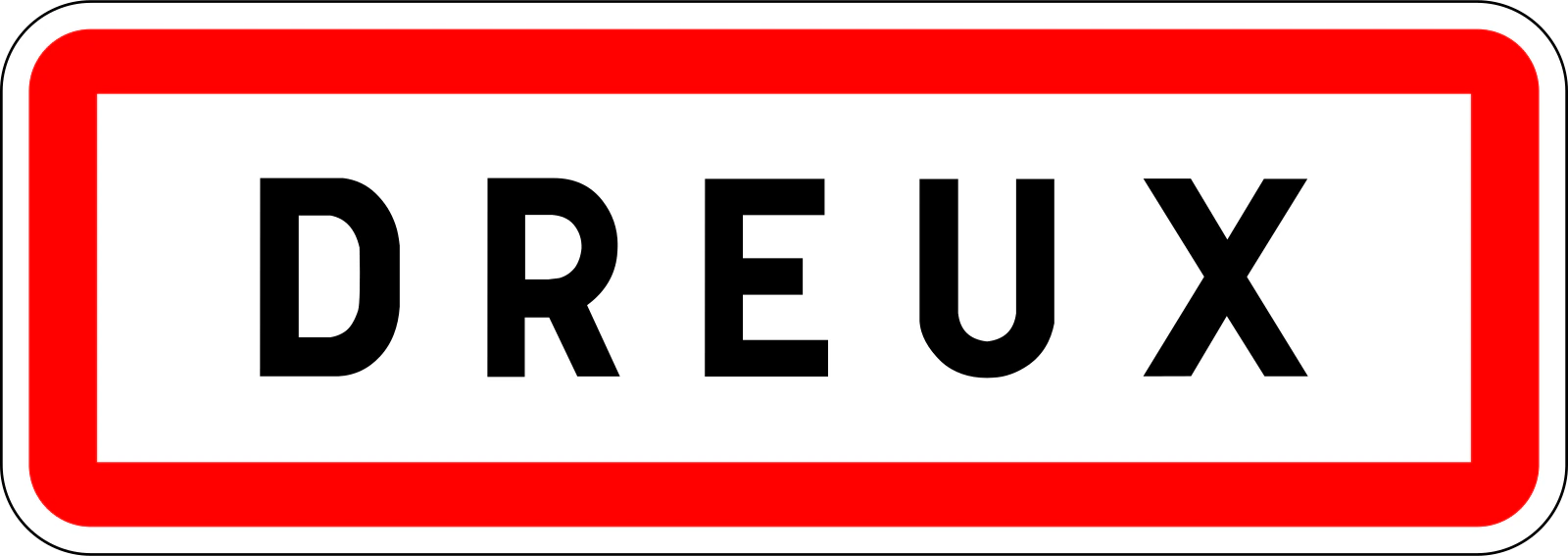
EB10: Entering a Town or Village with a 50 km/h Speed Limit
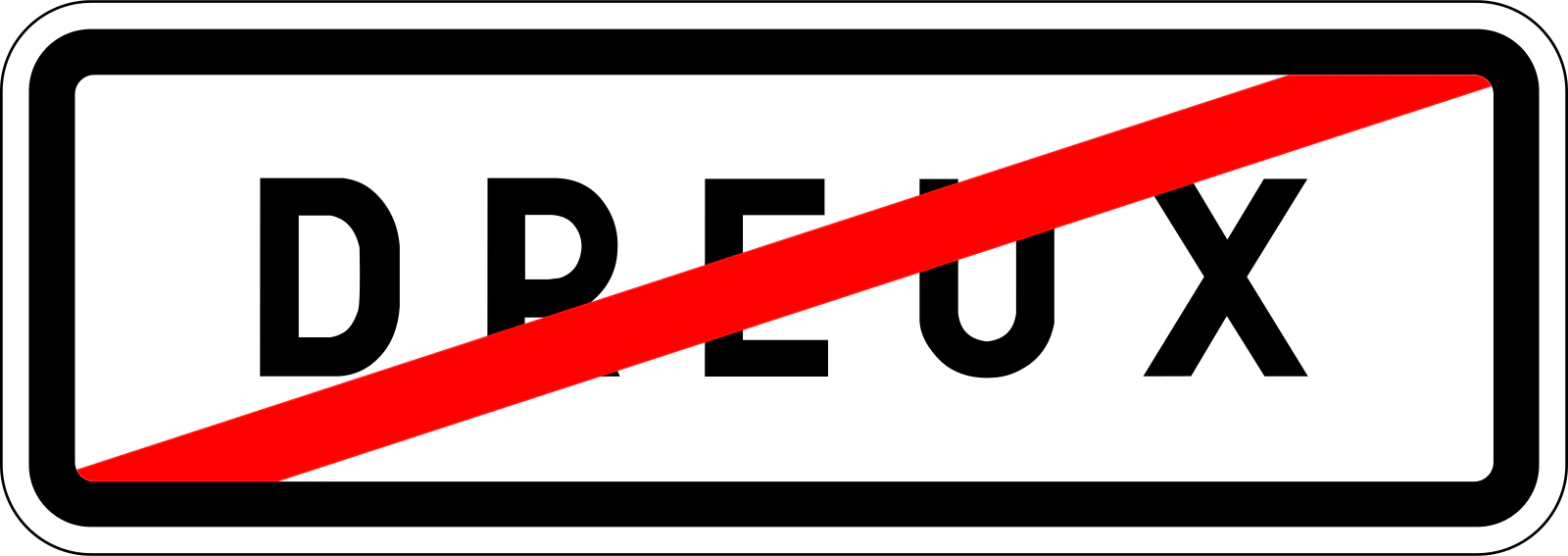
The EB20 sign marks the end of a town or village, signalling a change in driving environment and speed rules.
Clear answers to common questions about the France Location Signs road sign category. Use this FAQ to review tricky rules, understand how these signs appear in exam scenarios, and remove confusion that often leads to mistakes in the French driving theory exam in France.
The main purpose of location signs is to inform drivers about entering or leaving a built-up area, which directly affects the default speed limit. The EB10 sign indicates the start of a zone with a typically lower speed limit (often 50 km/h), while the EB20 sign marks the end of this zone, meaning the general speed limit outside built-up areas resumes.
Upon seeing the 'Entrance to town or village' sign (EB10), you must reduce your speed to the default limit for built-up areas, which is commonly 50 km/h, unless a different speed limit is explicitly displayed by another sign. It’s also a good time to be more aware of your surroundings, looking out for pedestrians, cyclists, and emerging traffic from side roads.
The 'End of town or village' sign (EB20) indicates that the lower speed limit for the built-up area no longer applies. You can then drive at the general speed limit for the road outside built-up areas, or any other speed limit that is currently in effect. However, always ensure it is safe to accelerate, checking your mirrors and being aware of other road users and traffic conditions.
Yes, while 50 km/h is the standard default speed limit for built-up areas, this can be overridden by other traffic signs. You might see signs indicating a lower speed limit (e.g., 30 km/h) or, in some cases, a higher limit if permitted. Always adhere to the most restrictive speed limit indicated by any posted signs.
Understanding location signs is essential for the theory test because questions often assess your knowledge of speed limits and how they change based on road types and areas. Knowing that entering a built-up area usually means a 50 km/h limit, and how to recognise when that limit ends, is a common topic tested to ensure drivers are aware of varying speed regulations.
Ready to deepen your understanding of French road signs? Dive into our comprehensive overview of official sign categories and groups. This structured approach will help you learn Code de la route classifications more effectively, preparing you thoroughly for your Permis de Conduire theory exam.
Explore Sign Categories