
In France, the EB20 road sign, officially titled 'End of town or village', indicates that you are leaving a built-up area. This sign is crucial as it signifies the end of the default 50 km/h urban speed limit (unless otherwise posted) and often means you can resume a higher speed, but always check for other signs and hazards. Be aware that leaving a built-up area may still present local traffic, pedestrians, cyclists, or side roads, so adjust your speed appropriately and safely.
This 'End of town or village' sign (EB20) signals a departure from built-up area rules, influencing speed limits and hazard awareness for your French theory test. Proper sign interpretation is crucial for navigating urban and rural driving conditions safely and passing your driving knowledge exam.
Town and village signs in France are not just place-name markers for navigation. Entry signs normally indicate the start of a built-up area where the default speed limit is 50 km/h unless another sign sets a different limit, and exit signs indicate the end of that built-up area. Drivers should adapt before the sign and expect pedestrians, cyclists, parked vehicles, side roads, and local priority situations. Official French sign code: EB20.
"End of town or village" identifies entry to or exit from a town or village. It can affect the driving environment and the default urban speed rule.
Get clear, practical answers to the most common questions about the EB20 - End of town or village road sign. Learn how the sign works, what rules it represents, and how it affects real driving situations. This FAQ strengthens your understanding and supports accurate decision making for the French driving theory exam in France.
The EB20 sign in France signifies the end of a built-up area, such as a town or village. It often means the default urban speed limit of 50 km/h no longer applies, and you may be able to drive faster, provided other traffic signs and conditions permit.
No, you should not automatically accelerate to the maximum speed limit immediately after passing the EB20 sign. Always check for other traffic signs, road conditions, visibility, and potential hazards like pedestrians, cyclists, or junctions before increasing your speed.
Absolutely not. While the EB20 sign indicates the end of the formal built-up area, you must remain vigilant. Local traffic, parked vehicles, side roads, and vulnerable road users like pedestrians and cyclists can still be present. Drive defensively and be prepared to react.
A common trap is assuming that seeing the EB20 sign permits immediate acceleration without checking for other speed limit signs or potential dangers. Learners may also forget to anticipate that the road ahead might not be clear, leading to unsafe speed adjustments.
In France, entering a built-up area (indicated by an entry sign, not EB20) usually means the speed limit becomes 50 km/h unless another sign specifies otherwise. The EB20 sign marks the end of this zone, meaning this default 50 km/h limit is lifted. However, always be guided by actual posted speed limits.
A clear reference image of the EB20 - End of town or village road sign used in France.
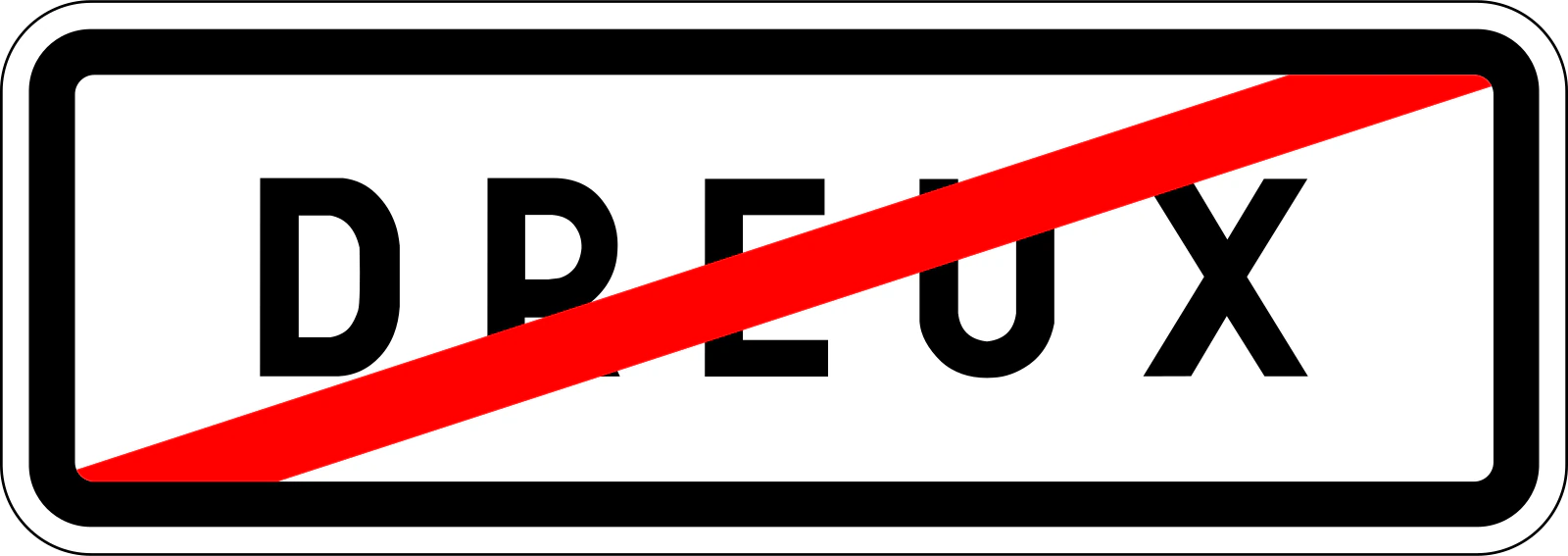
The EB20 - End of town or village road sign may also be known by these alternative names or terms.
The EB20 - End of town or village road sign is part of the France Location Signs category, which groups together signs with similar rules and functions.
Master French road signs by comparing similar ones, like the 'End of town or village' sign (EB20), to sharpen your recognition skills and reduce exam errors. This comparative revision aids in differentiating traffic sign meanings for effective theory test preparation.
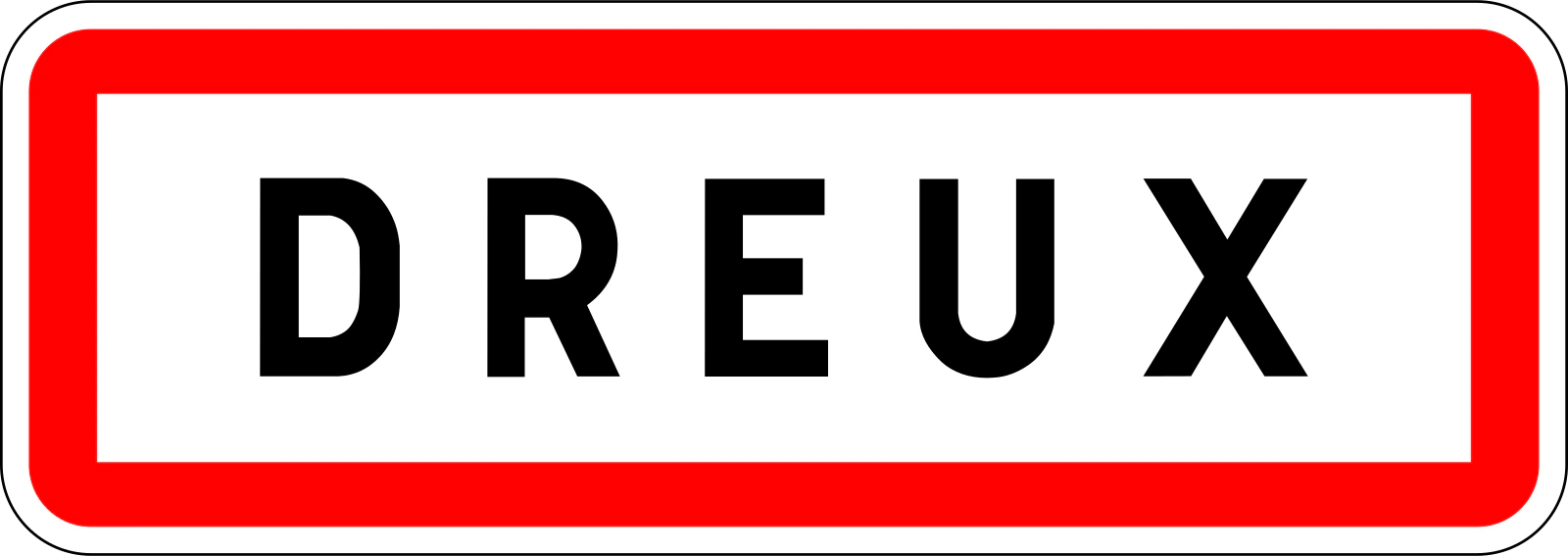
EB10: Entering a Town or Village with a 50 km/h Speed Limit
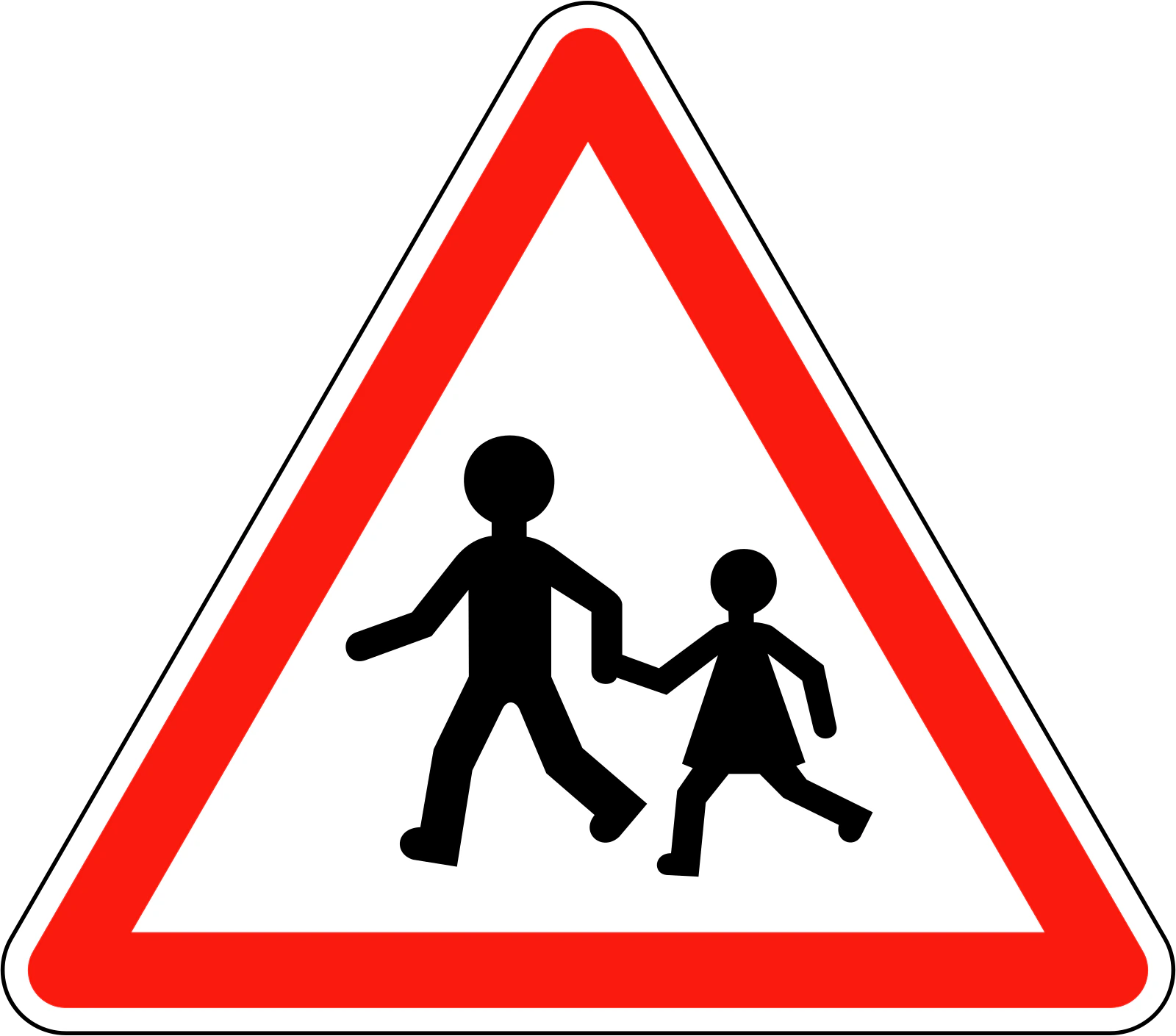
Warning: Children Crossing Ahead – Prepare to slow down and be vigilant!
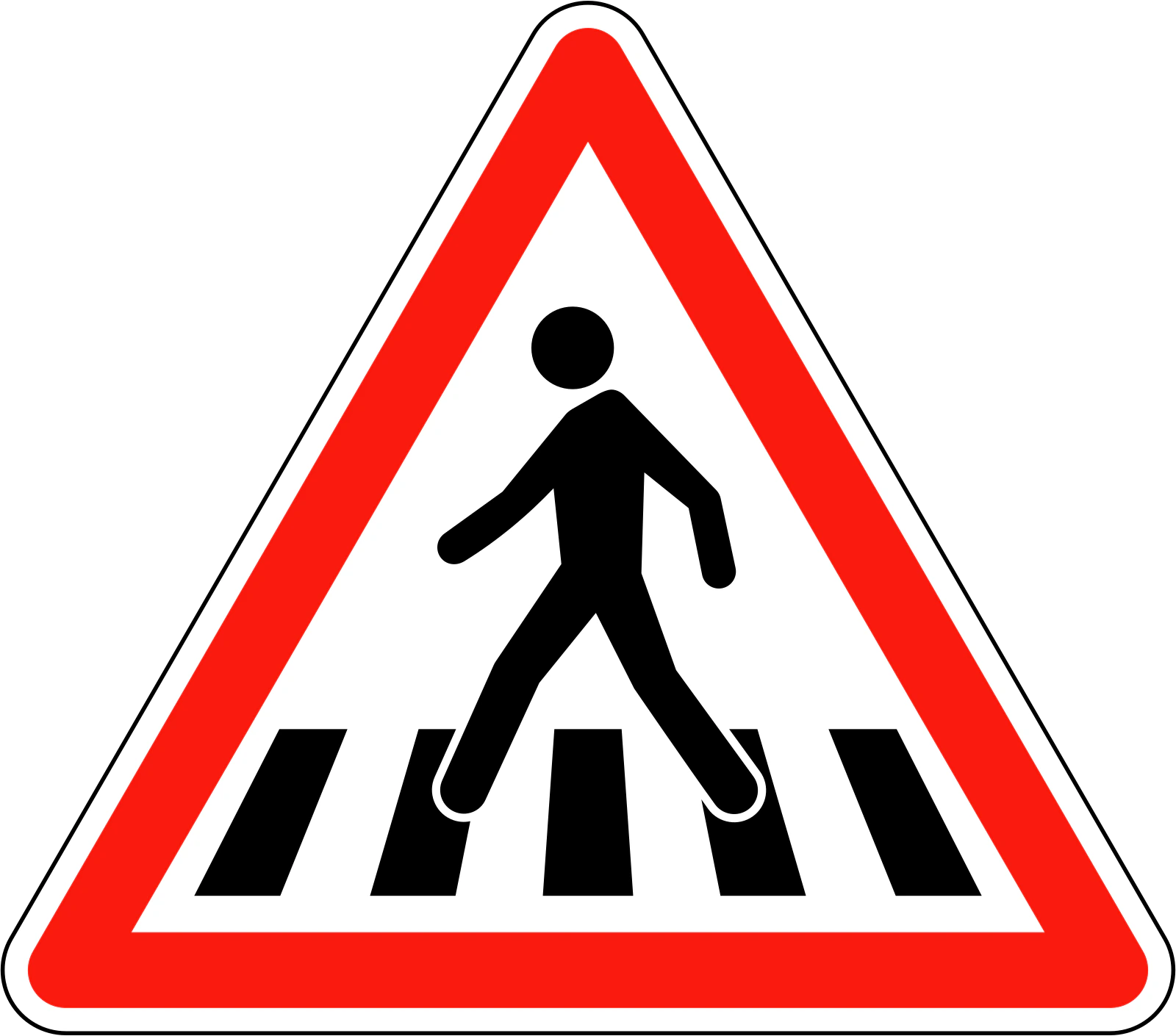
Prepare for Pedestrians: The A13b 'Pedestrian Crossing Ahead' Warning Sign
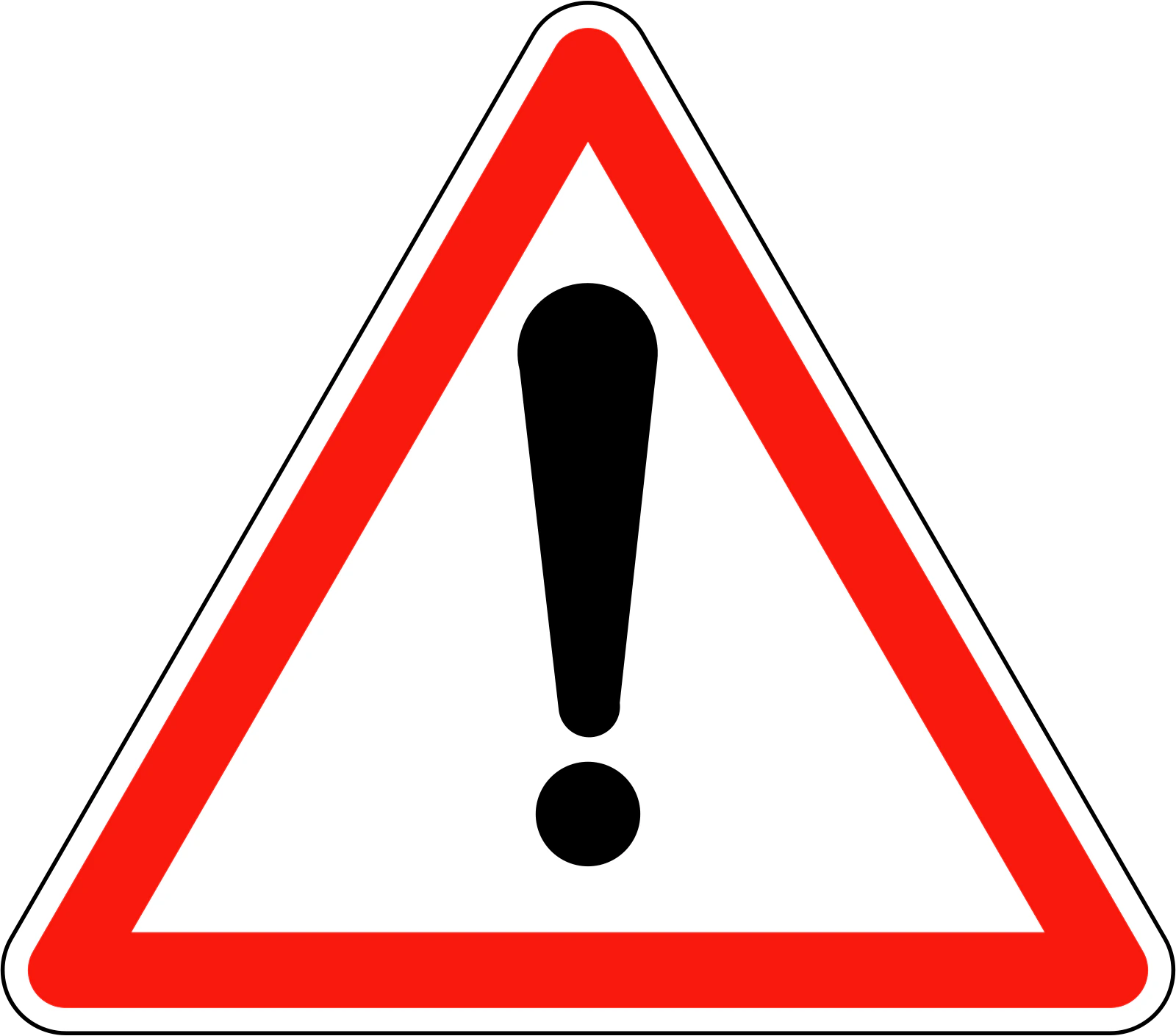
A14 Other Danger: Prepare for the Unexpected Ahead!
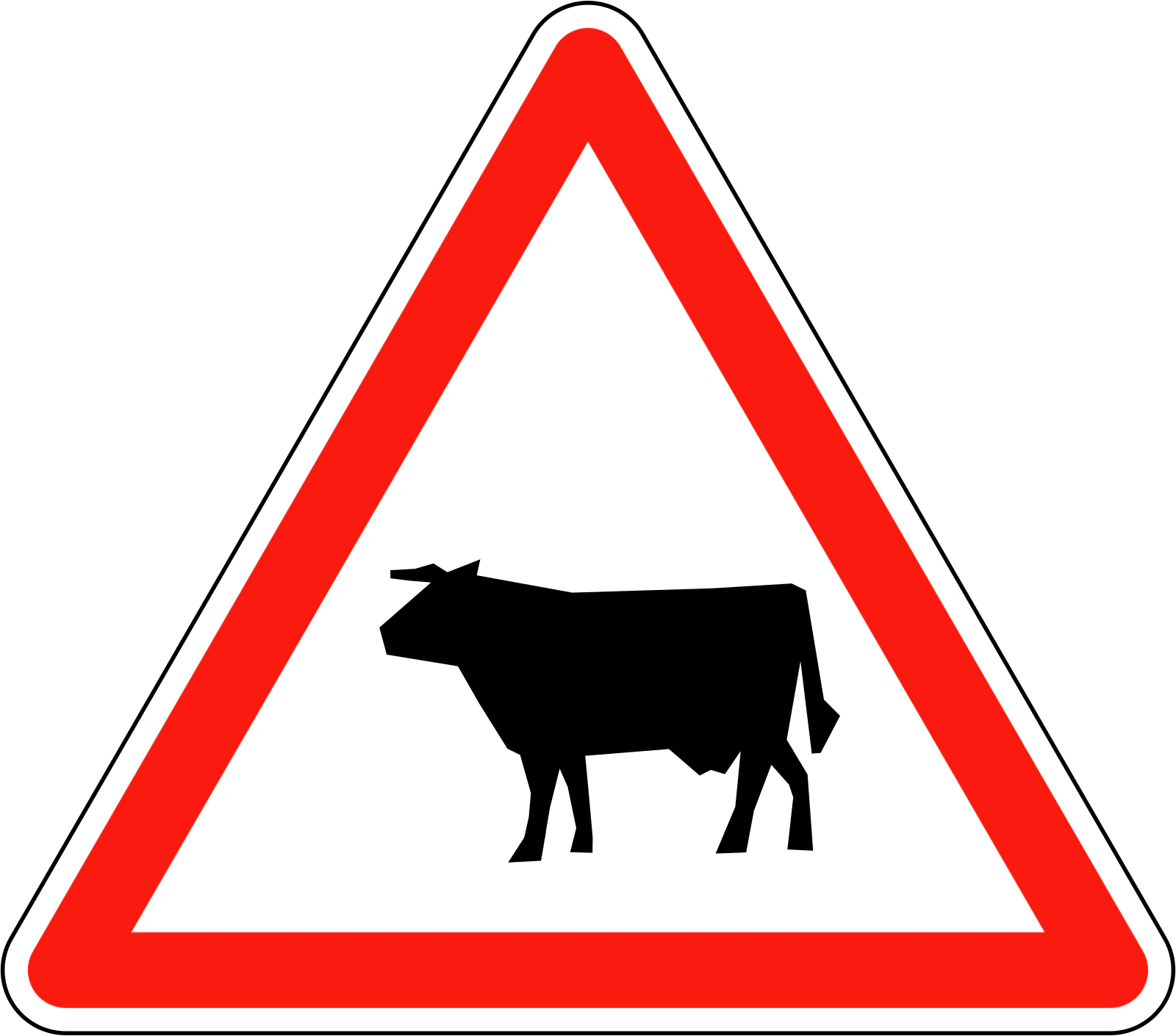
Prepare for cattle on the road with the French A15a warning sign.
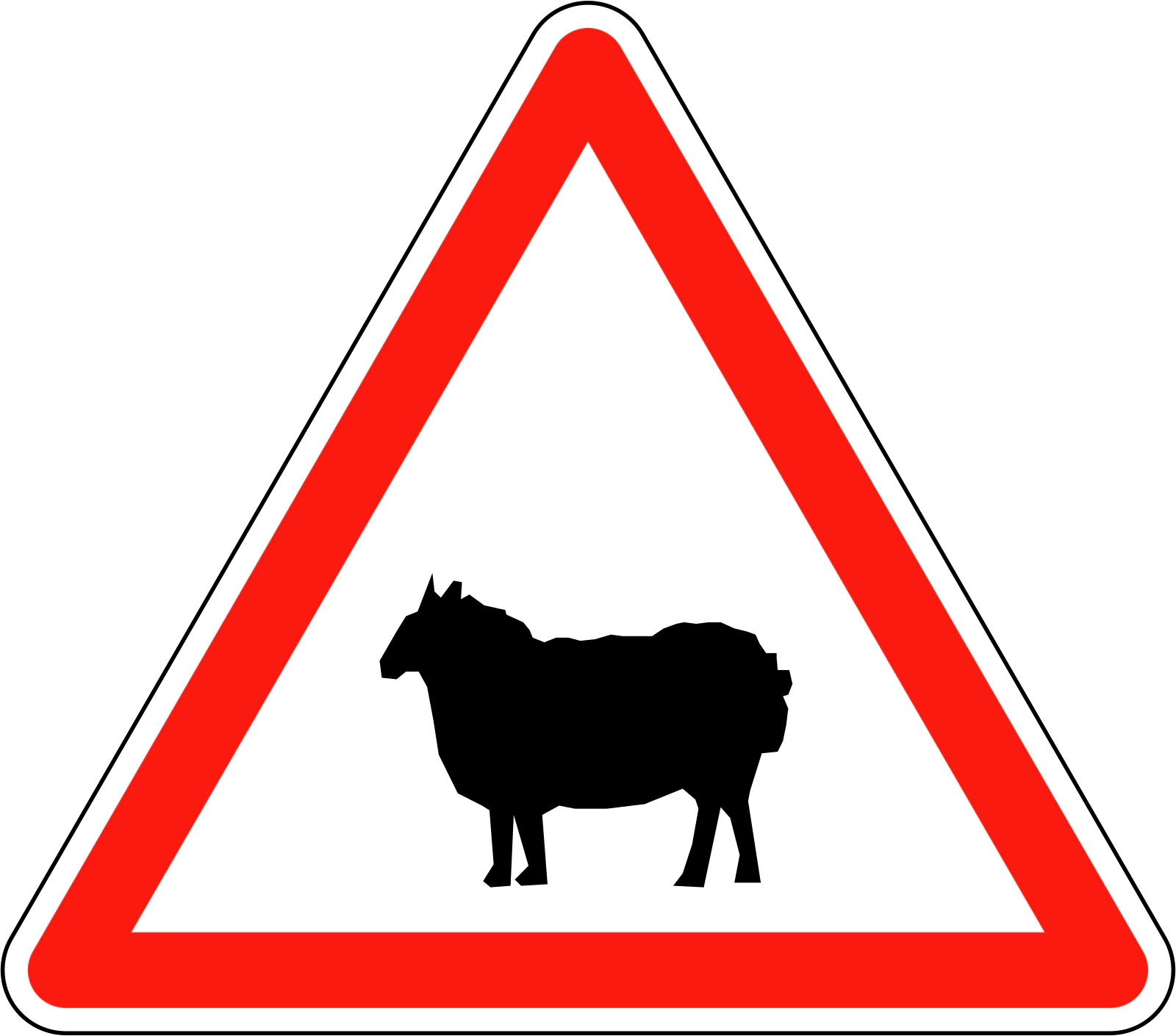
Watch out for Sheep: Understanding the A15a Warning Sign in France
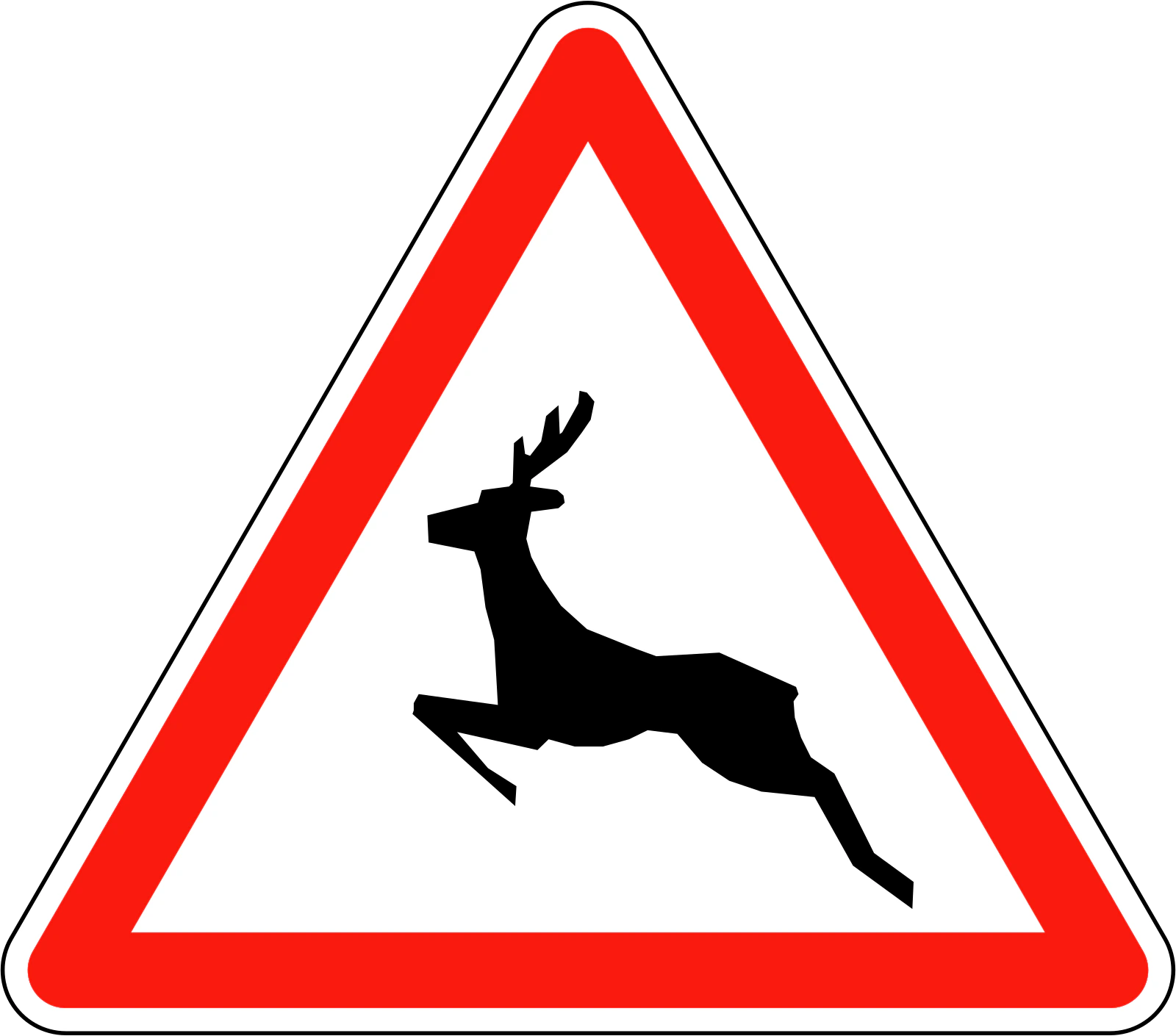
Be aware of wild animals with the A15b warning sign.
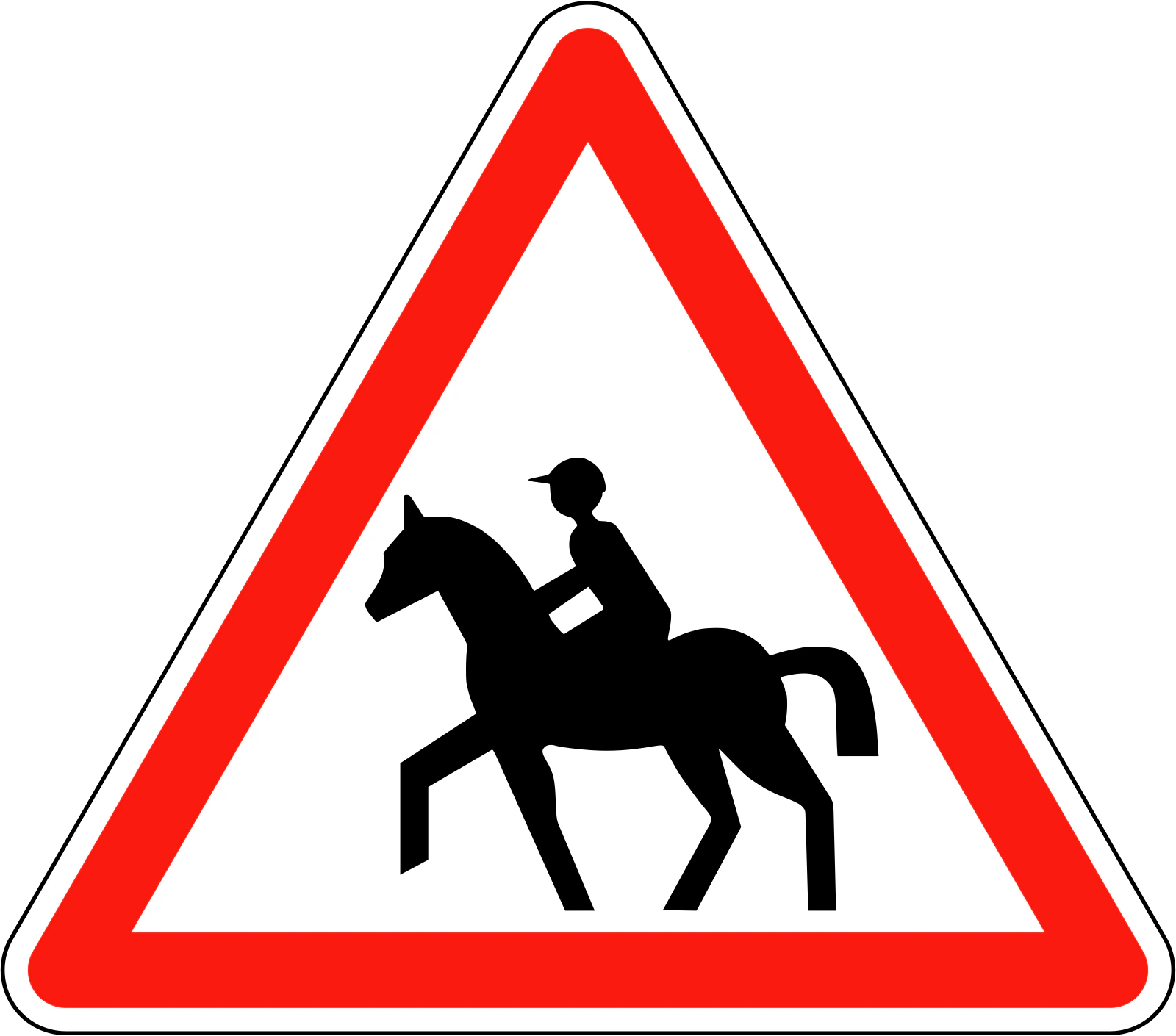
Watch out for horses: Understand the 'Equestrians' warning sign (A15c).
Explore these structured materials to bridge the gap between visual sign recognition and the specific traffic rules required for your ETG theory test. These resources help clarify how regional road signs dictate right-of-way and safety in France.
Receiving a fine early in your driving journey can be discouraging, potentially affecting your confidence and approach to learning the French Code de la route. This article delves into how these initial penalties can influence your preparation for the ETG (examen théorique général), offering insights to help you maintain momentum and build safer driving habits without focusing on legal repercussions.
Navigating French cities in a large vehicle presents unique challenges, primarily due to significant blind spots and the necessity for wide turns. This article provides essential insights into managing these risks, focusing on techniques that align with the French Code de la route. Learners will gain a deeper understanding of hazard perception and safe driving practices for heavy goods vehicles in built-up areas, directly aiding their preparation for the theory exam.
Master French Agglomeration Rules and Urban Priority Challenges
Master French Cycling Rules for a Safer Road and a Confident Permis B.
Town and village signs in France are not just place-name markers for navigation. Entry signs normally indicate the start of a built-up area where the default speed limit is 50 km/h unless another sign sets a different limit, and exit signs indicate the end of that built-up area. Drivers should adapt before the sign and expect pedestrians, cyclists, parked vehicles, side roads, and local priority situations. Official French sign code: EB10.
A built-up area, or agglomération in French, is a town or city where specific traffic rules and a reduced speed limit typically apply.
Now that you've reviewed the full list of French road signs, enhance your understanding. Explore signs grouped by specific categories for deeper insights, test your recognition with practice questions, and solidify your knowledge for the Code de la route exam.
Browse All French Road Signs