
Temporary warning signs are crucial for alerting drivers to short-term hazards that might not be immediately obvious. These signs are used to signal upcoming dangers such as roadworks, accidents, or changing road conditions, ensuring you can adapt your driving accordingly. Understanding these signs is vital for both passing your theory exam and maintaining safety on the road by anticipating and reacting to unexpected situations.
An explanation of how France Temporary Warning Signs road signs apply in real traffic situations in France. Learn where these signs are typically placed, what drivers are expected to do when they appear, and how correct reactions help you stay safe, avoid fines, and succeed in your French driving theory exam.
You will encounter temporary warning signs in various dynamic situations that affect the normal flow and safety of traffic. These are most commonly seen around roadworks, where lanes may be narrowed, the road surface altered (AK2, AK3, AK4, AK22), or temporary traffic lights installed (AK17). They are also used to alert you to unexpected events like accidents (AK31), potential traffic queues (AK30), or areas with reduced visibility due to weather or other obstructions (AK32). Signs like 'Other danger' (AK14) serve as a catch-all for unique, unlisted hazards. When you see these signs, it's imperative to reduce your speed early, increase your following distance, and remain highly attentive to your surroundings, looking out for workers, equipment, cones, and any sudden changes in traffic movement.
An overview of the key learning outcomes when studying the France Temporary Warning Signs road sign category. Understand the main concepts, sign meanings, and traffic situations covered here so you can recognise patterns, answer theory questions more confidently, and build a solid foundation for safe driving in France.
Master France's temporary warning signs, crucial for navigating roadworks and unexpected hazards. Understanding these signs, like those for queues or reduced visibility, is key for your theory test revision and safe driving in France. Focus on their temporary nature and the need for increased vigilance.
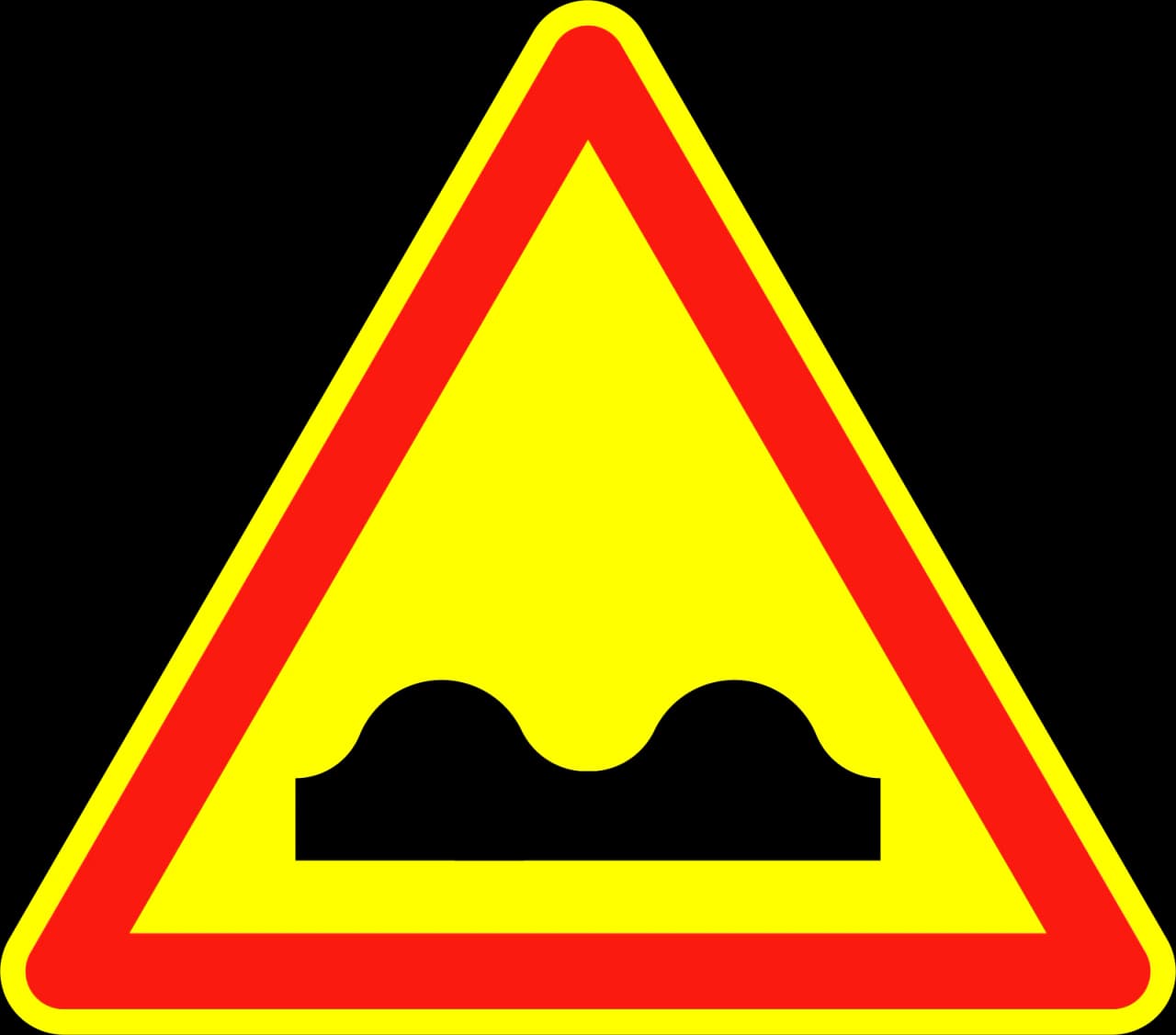
AK2 Uneven Road: Prepare for Temporary Hazards and Changed Conditions
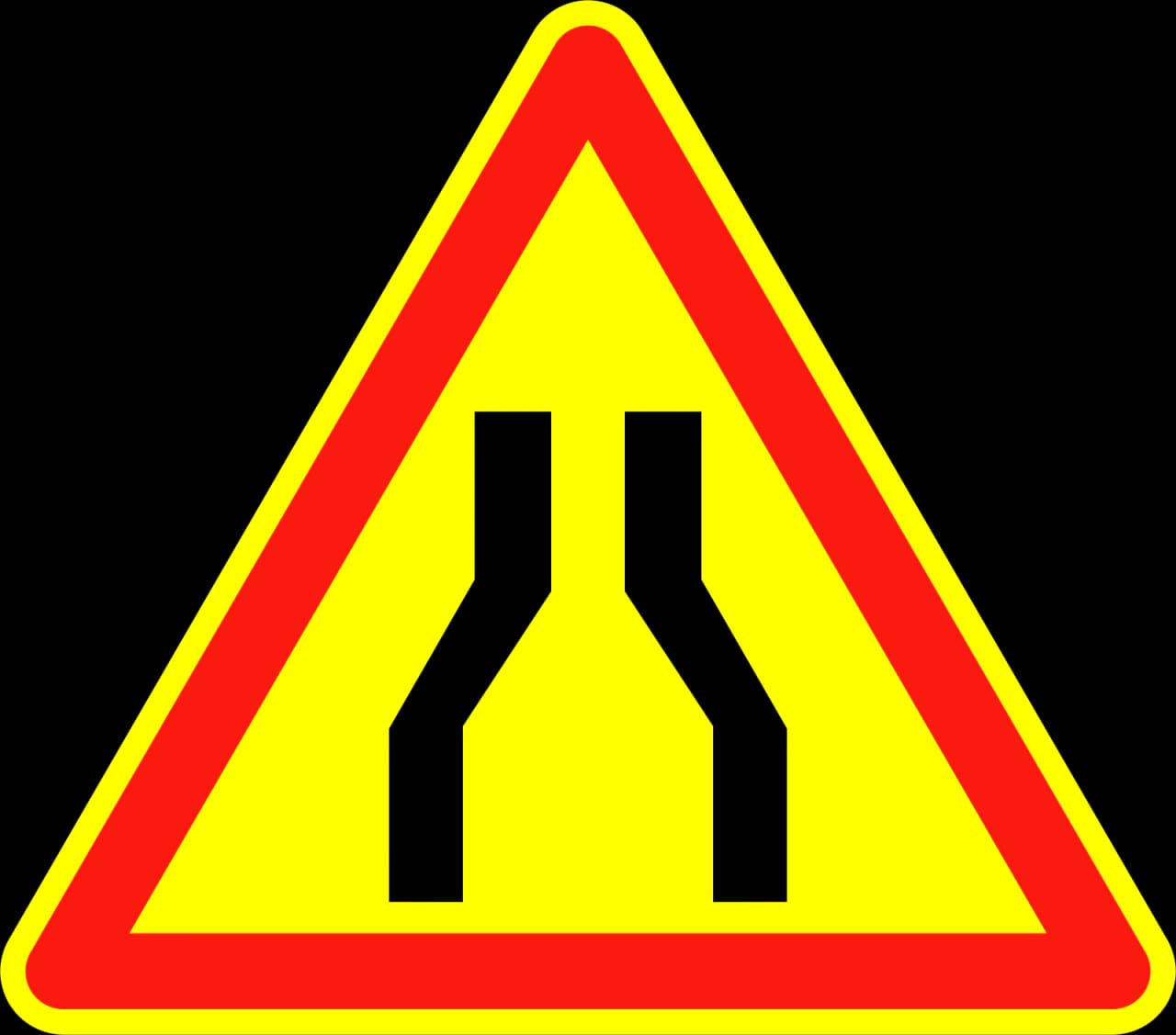
AK3 Road Narrows: Prepare for Temporary Hazards Ahead
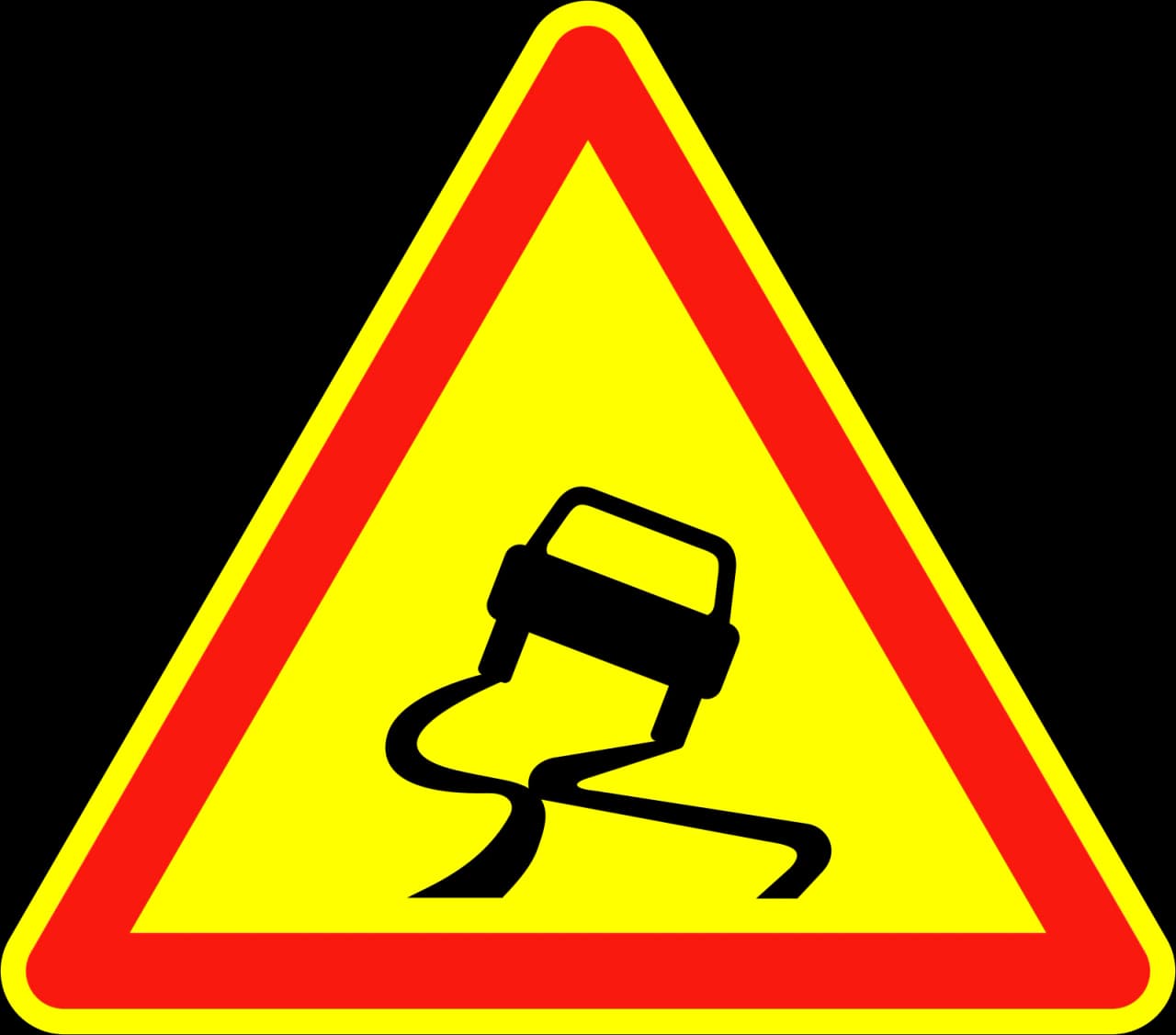
Watch out for a slippery road ahead with the AK4 warning sign!
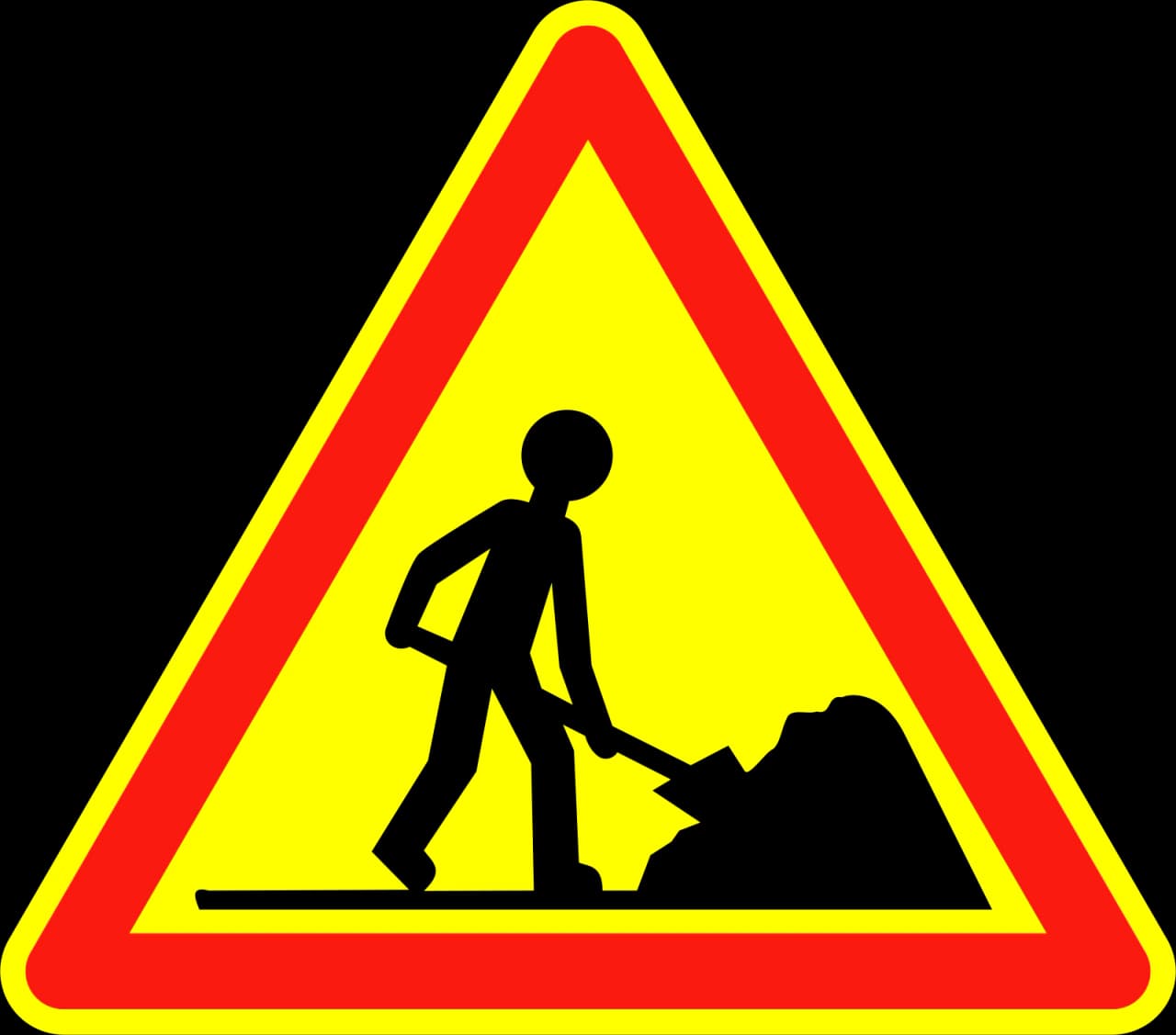
AK5 Road Works Sign: Warning of Temporary Hazards and Changed Road Conditions
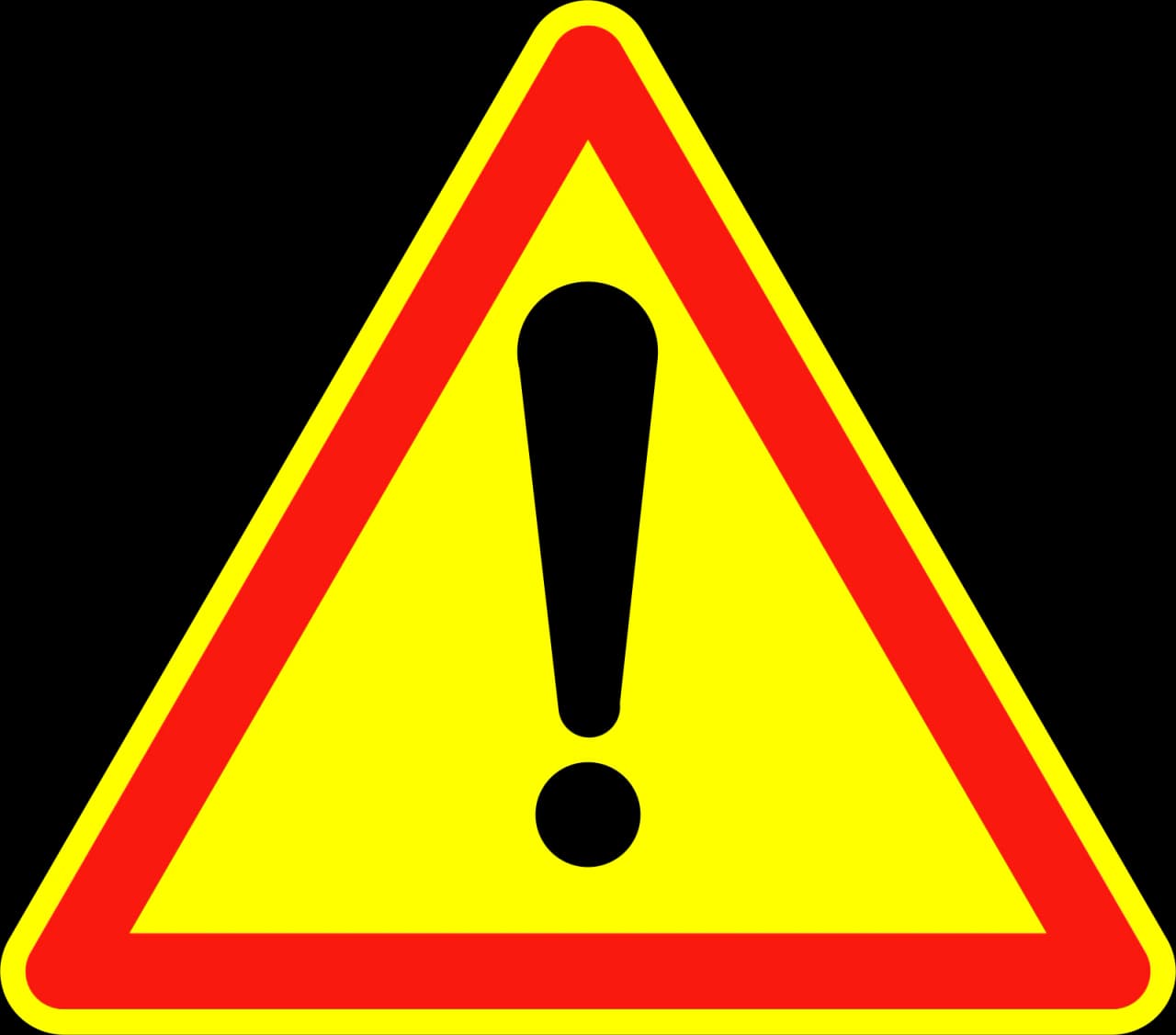
The AK14 'Other Danger' sign warns of unexpected temporary hazards ahead.
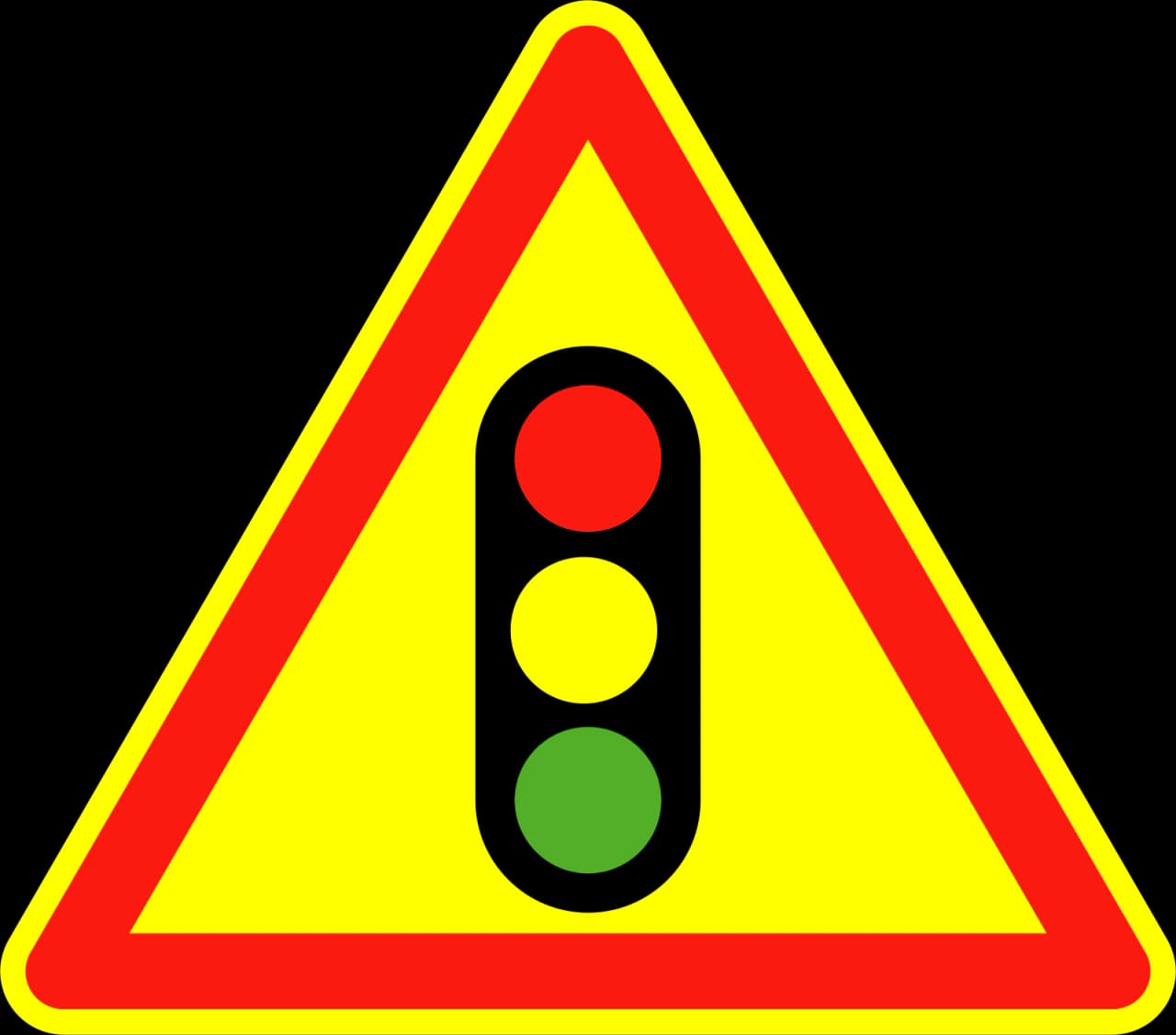
AK17: Temporary Traffic Signals Ahead!
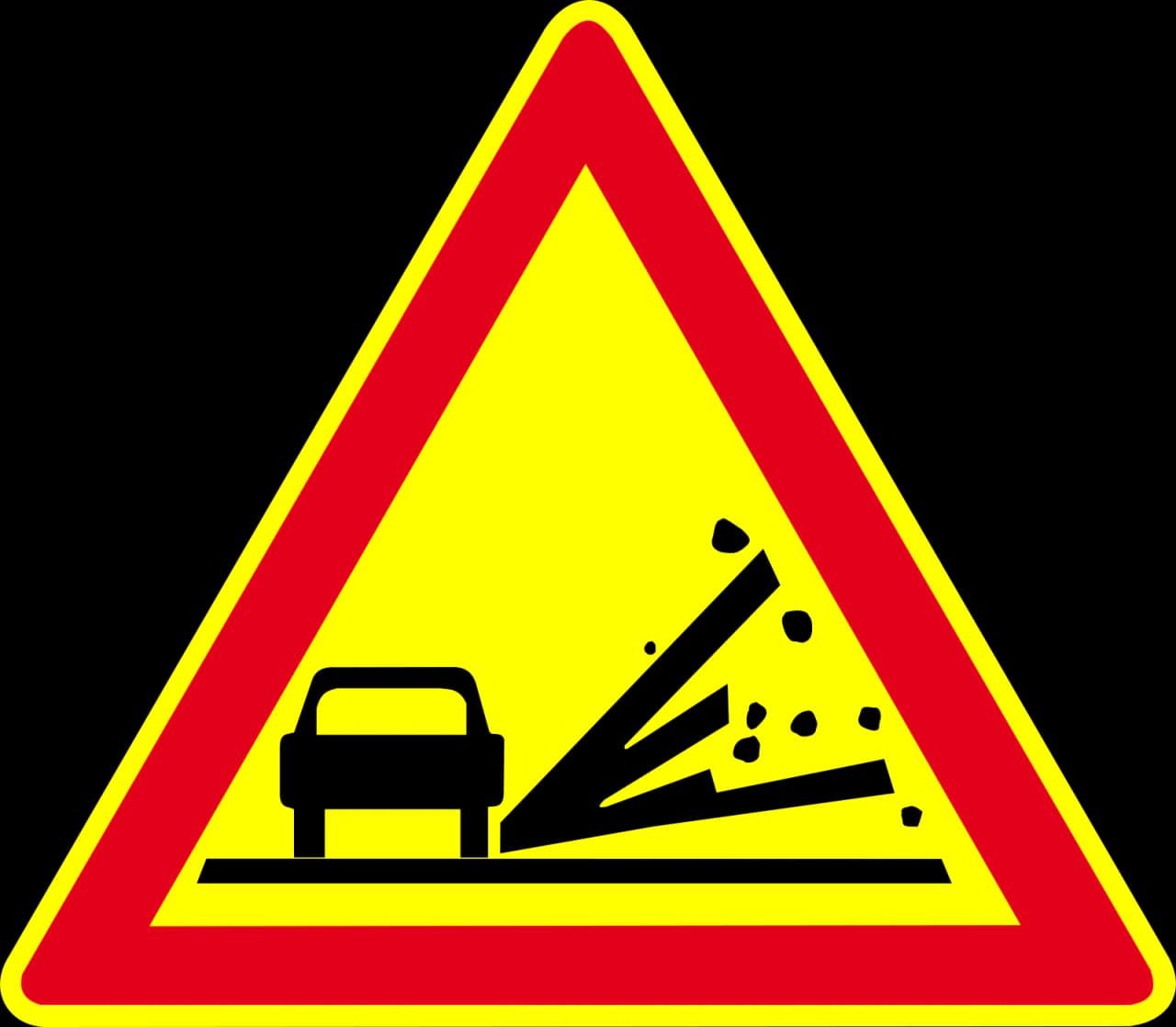
AK22 Loose Chippings: Slow Down for Temporary Road Hazards!
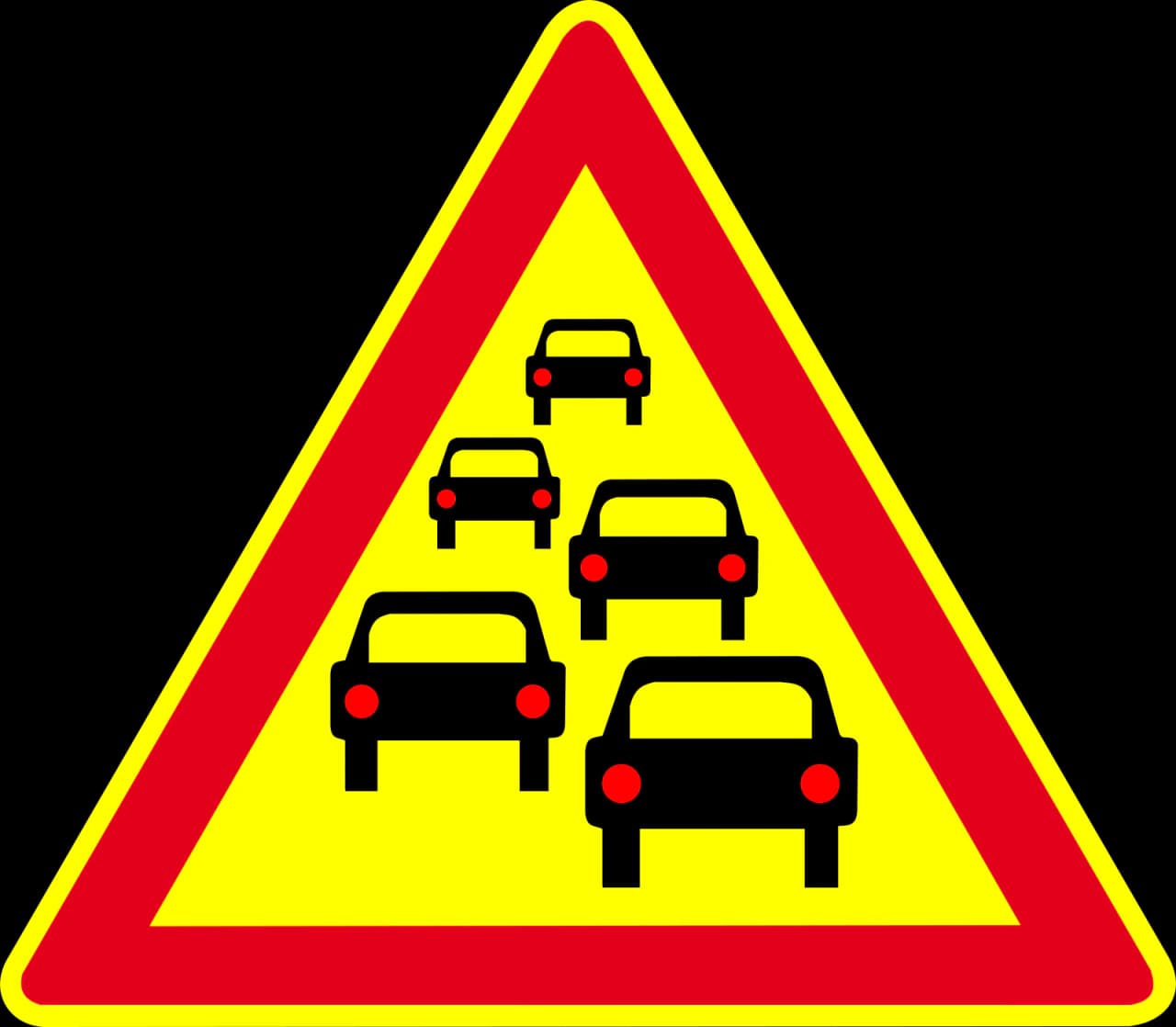
AK30 'Queues Likely': Prepare for Temporary Hazards on French Roads
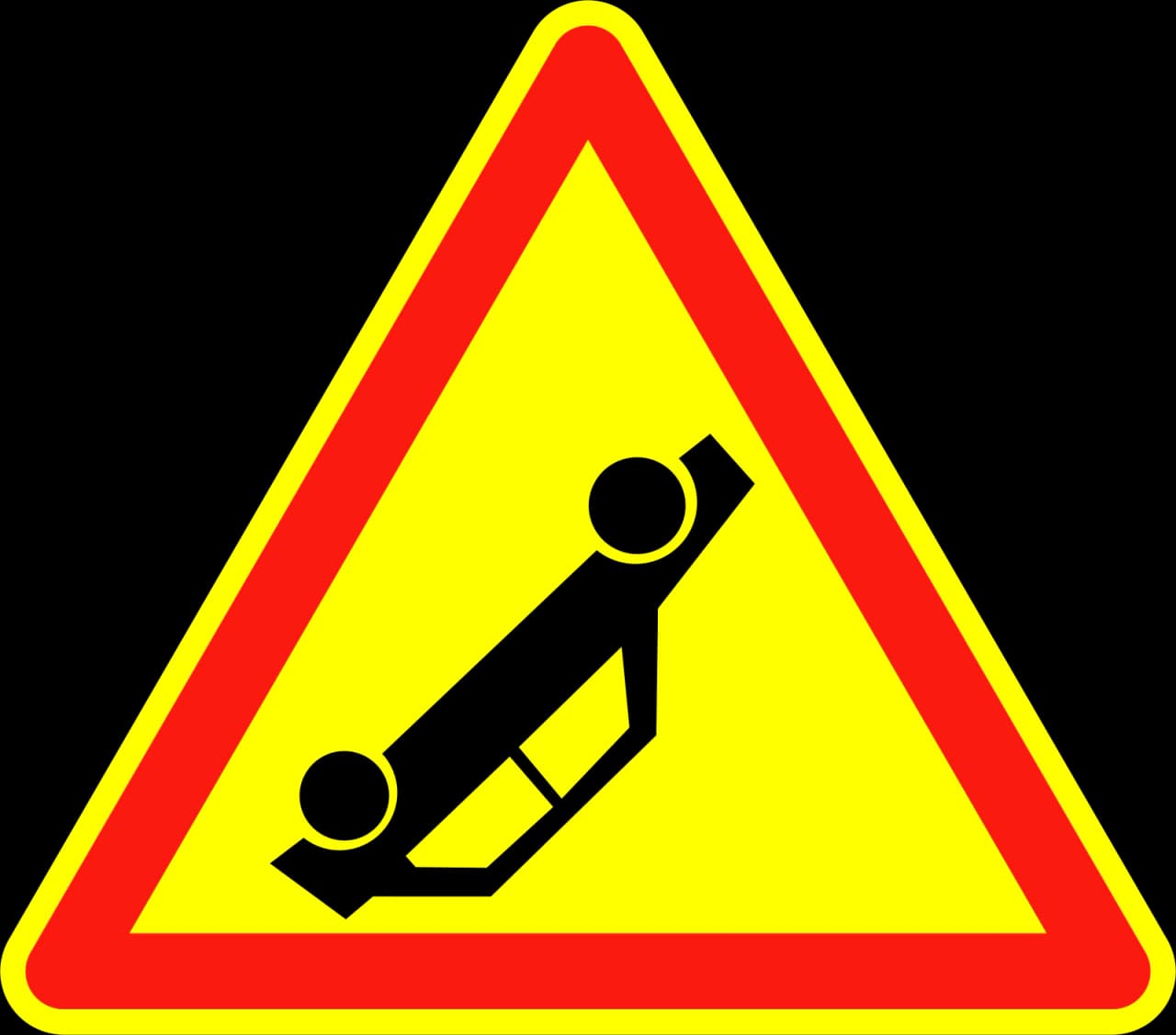
The AK31 'Accident' sign warns of temporary hazards ahead.
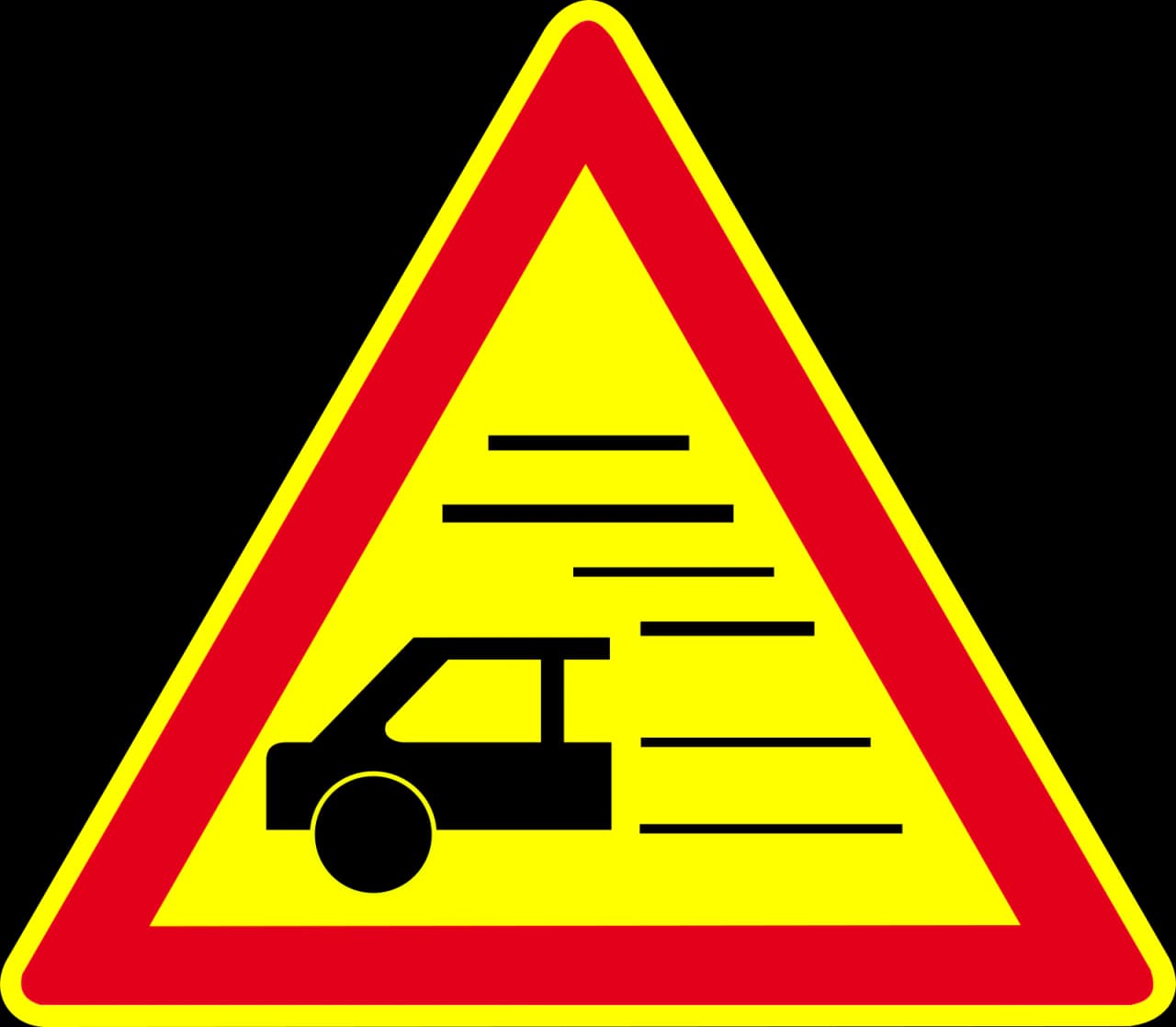
Understand the AK32 'Reduced Visibility' Temporary Warning Sign
Clear answers to common questions about the France Temporary Warning Signs road sign category. Use this FAQ to review tricky rules, understand how these signs appear in exam scenarios, and remove confusion that often leads to mistakes in the French driving theory exam in France.
Temporary warning signs are designed to alert drivers to short-term or unexpected hazards, such as road construction, accidents, or sudden changes in road conditions. Permanent warning signs typically indicate more established or long-term road features like sharp bends or junctions. Temporary signs often have a yellow or orange background, but this can vary, so always focus on the symbol and the context.
The 'Queues likely' sign (AK30) means you should prepare for sudden traffic slowdowns or complete stops ahead. It's important to reduce your speed as soon as you see this sign, increase your distance from the vehicle in front, and be ready to brake. This helps prevent tailgating and reduces the risk of a rear-end collision, especially if traffic stops unexpectedly.
Temporary traffic signals (AK17) function similarly to permanent traffic lights but are often used in temporary traffic management schemes, such as at roadworks. You must obey their signals (red, amber, green) just as you would with regular traffic lights. Always watch for the signal itself, and be aware of potential queues or conflicting traffic movements that might be managed by these signals.
The most important rule is to increase your awareness and adjust your driving. This means slowing down well in advance of the hazard indicated, increasing your following distance, and being extra vigilant for any changes or unexpected events. These signs are there to give you advance notice, so use that time to prepare and react safely.
The 'Other danger' sign (AK14) is a general warning used when there's a specific hazard not covered by other temporary signs. You must be extra alert and scan your surroundings carefully to identify the nature of the danger. It could be anything from a temporary dip in the road to unusual pedestrian activity or special equipment operating nearby. Your primary action should be to slow down and observe.
Ready to deepen your understanding of French road signs? Dive into our comprehensive overview of official sign categories and groups. This structured approach will help you learn Code de la route classifications more effectively, preparing you thoroughly for your Permis de Conduire theory exam.
Explore Sign Categories