
The AK17 sign, indicating Temporary Traffic Signals, warns you of changed road conditions. This could be due to road works, an accident, temporary signals themselves, or other short-term hazards. It's crucial to reduce your speed early, maintain a safe distance from other vehicles, and pay close attention to any temporary lane markings, cones, or instructions from traffic controllers. Always be prepared for unexpected situations and follow all temporary directions until normal road conditions and signing resume.
Master the meaning and application of temporary traffic signals (AK17) essential for your French theory test. Understanding these critical road sign explanations helps you navigate unexpected road conditions safely and efficiently during your licence process.
Temporary warning signs are used where the normal road environment has been changed by works, incidents, traffic management, or short-term surface conditions. The hazard may not match the permanent road layout, so drivers need to look for cones, workers, temporary markings, temporary signals, and sudden queues. The safe response is to reduce speed early, increase following distance, and follow the temporary sequence of signs. Official French sign code: AK17.
"Temporary traffic signals" warns of a temporary hazard or changed condition such as works, uneven surface, queues, reduced visibility, loose chippings, accident, or temporary signals. It calls for earlier speed control and extra spacing.
Get clear, practical answers to the most common questions about the AK17 - Temporary traffic signals road sign. Learn how the sign works, what rules it represents, and how it affects real driving situations. This FAQ strengthens your understanding and supports accurate decision making for the French driving theory exam in France.
The AK17 sign is a warning sign alerting you to temporary changes or hazards on the road ahead. This can include temporary traffic lights, road works, uneven surfaces, reduced visibility, or accident sites. It signals that you need to be extra cautious and prepare to adjust your speed and driving behaviour.
When you see the AK17 sign, you should immediately prepare to slow down. Increase your following distance from the vehicle in front, as conditions can change rapidly. Be vigilant for temporary traffic lights, cones, workers, or other unusual road layouts and follow any specific instructions given.
Yes, you must avoid driving at your normal speed over areas indicated as hazardous, such as those with loose chippings or poor visibility. Do not ignore the temporary layout just because you know the permanent road. Also, avoid overtaking or changing lanes abruptly in narrow temporary lanes or coned-off areas.
A common trap is assuming the road will return to normal quickly or ignoring the sign because the hazard isn't immediately visible. Learners might also forget to reduce speed sufficiently or fail to anticipate queues or sudden stops. Remember, temporary signs often override your expectations of the permanent road layout.
Yes, the AK17 sign specifically warns of temporary signals. These temporary signals, whether they are traffic lights or other forms of traffic control (like cones directing traffic flow), must be obeyed. They are put in place to manage traffic safely through the temporary hazard and take precedence over any usual road layout or signals.
A clear reference image of the AK17 - Temporary traffic signals road sign used in France.
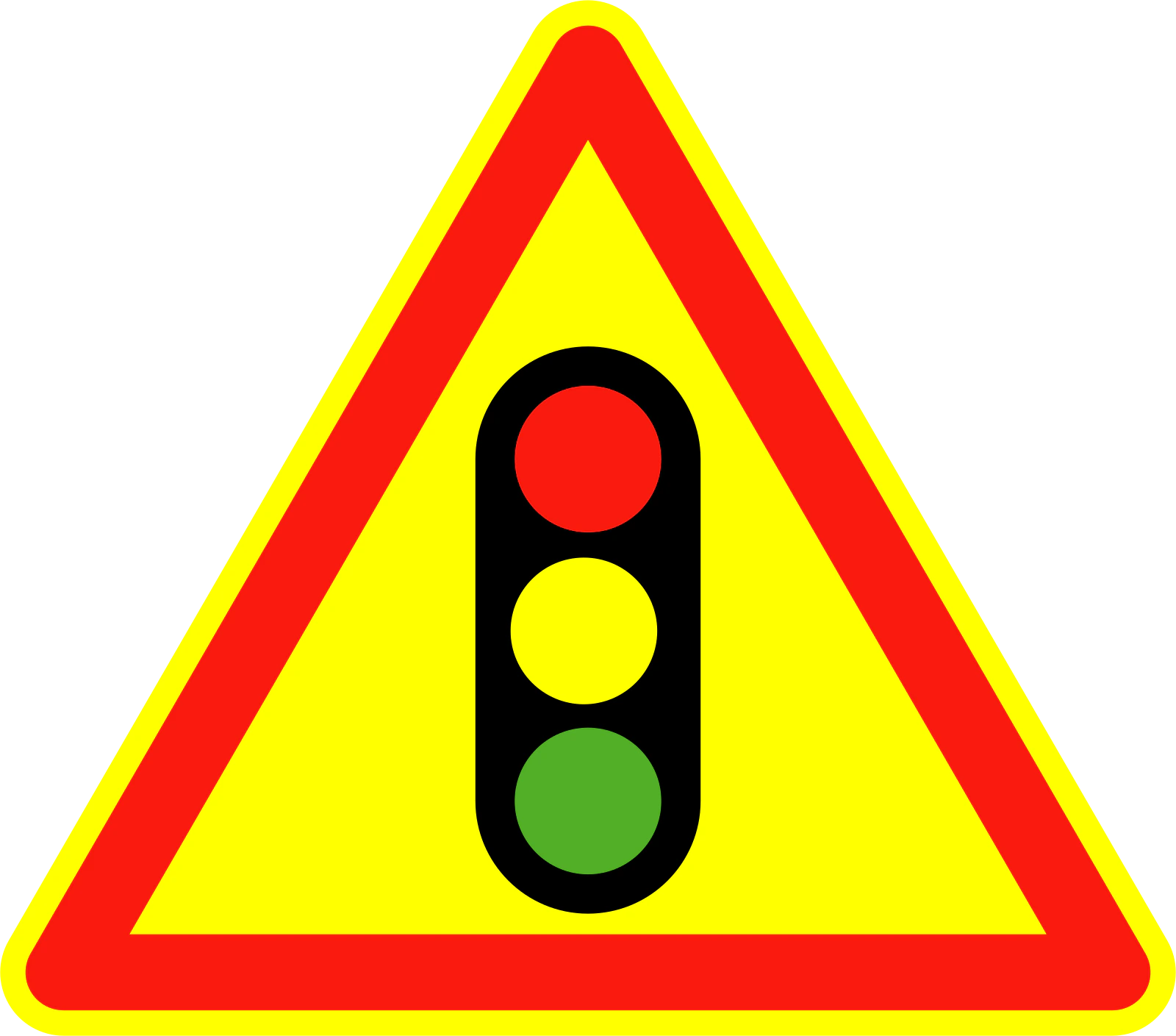
The AK17 - Temporary traffic signals road sign may also be known by these alternative names or terms.
The AK17 - Temporary traffic signals road sign is part of the France Temporary Warning Signs category, which groups together signs with similar rules and functions.
Understanding AK17, Temporary Traffic Signals, involves recognizing its unique context and comparing it with other temporary warning signs. This helps reinforce your knowledge of roadworks and hazard awareness, crucial for successful theory test revision and traffic sign comparison.
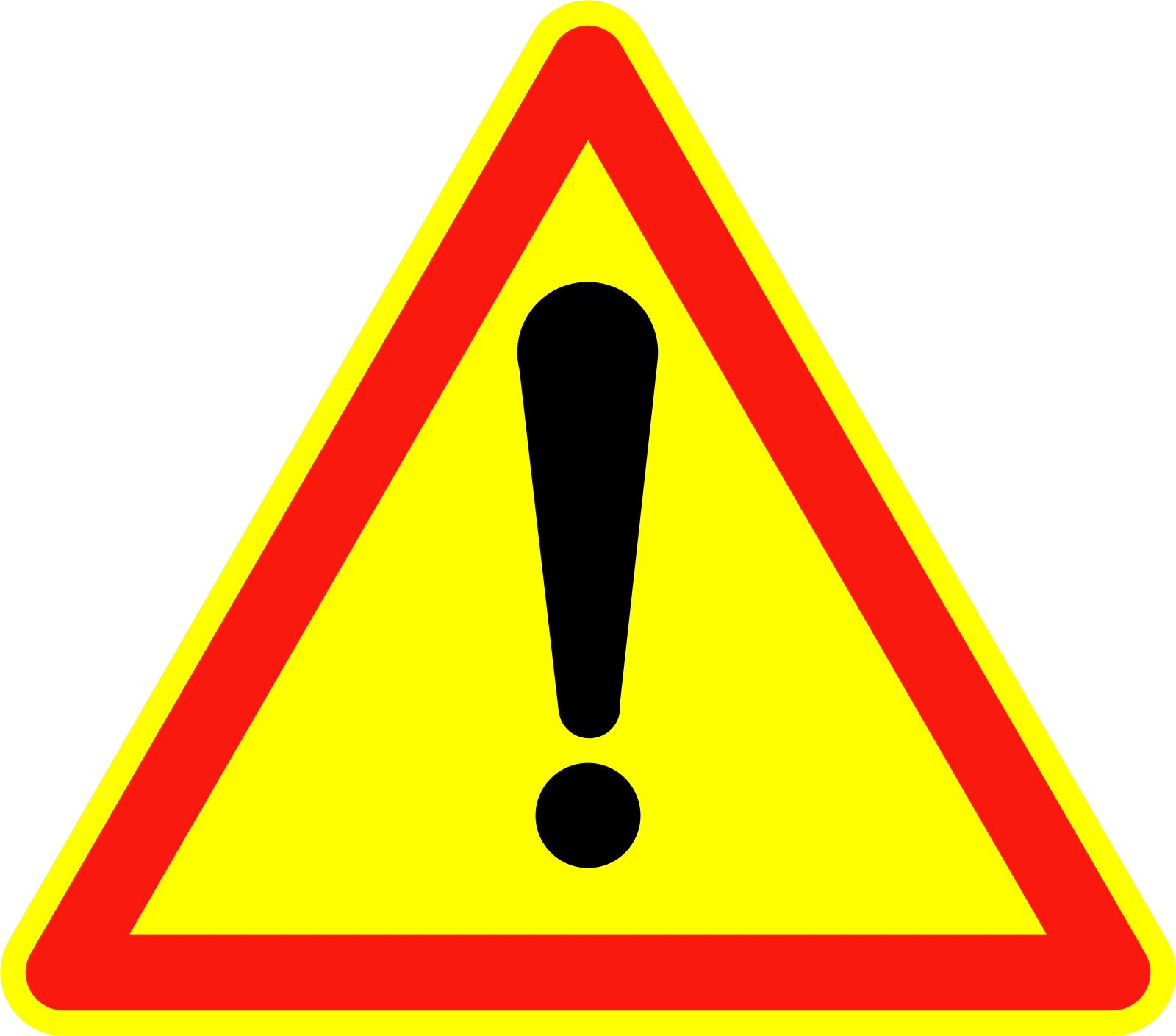
The AK14 'Other Danger' sign warns of unexpected temporary hazards ahead.
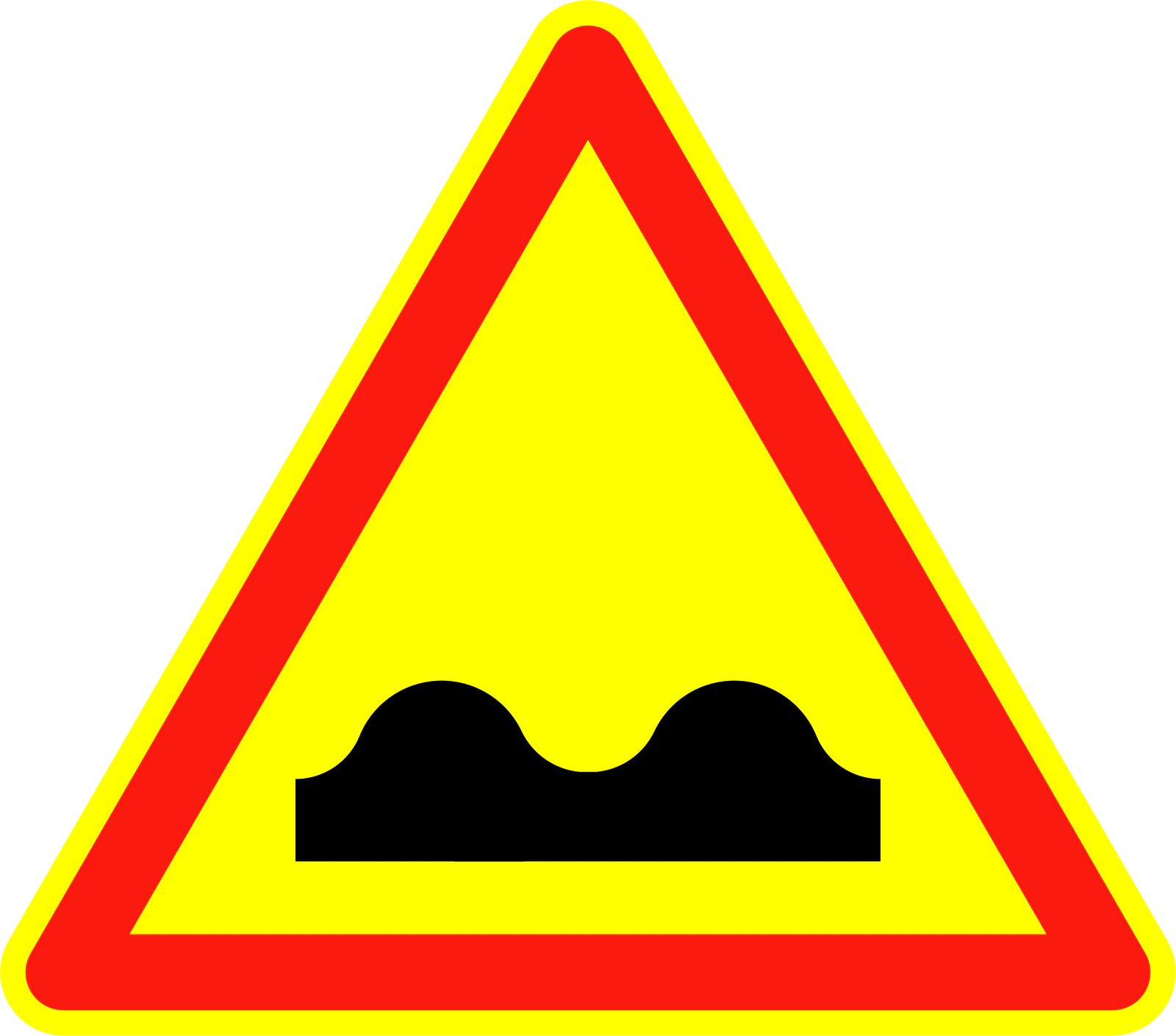
AK2 Uneven Road: Prepare for Temporary Hazards and Changed Conditions
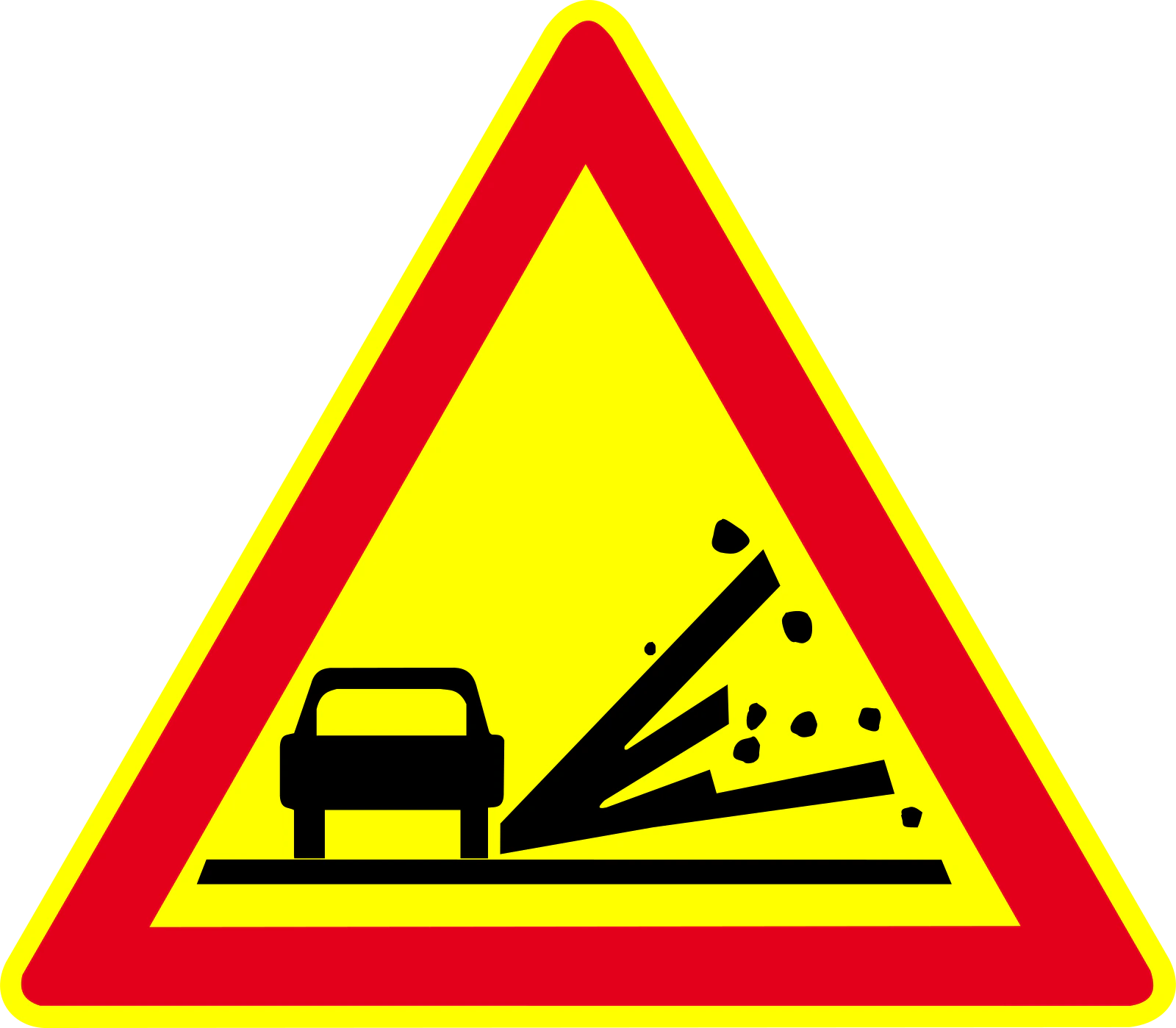
AK22 Loose Chippings: Slow Down for Temporary Road Hazards!
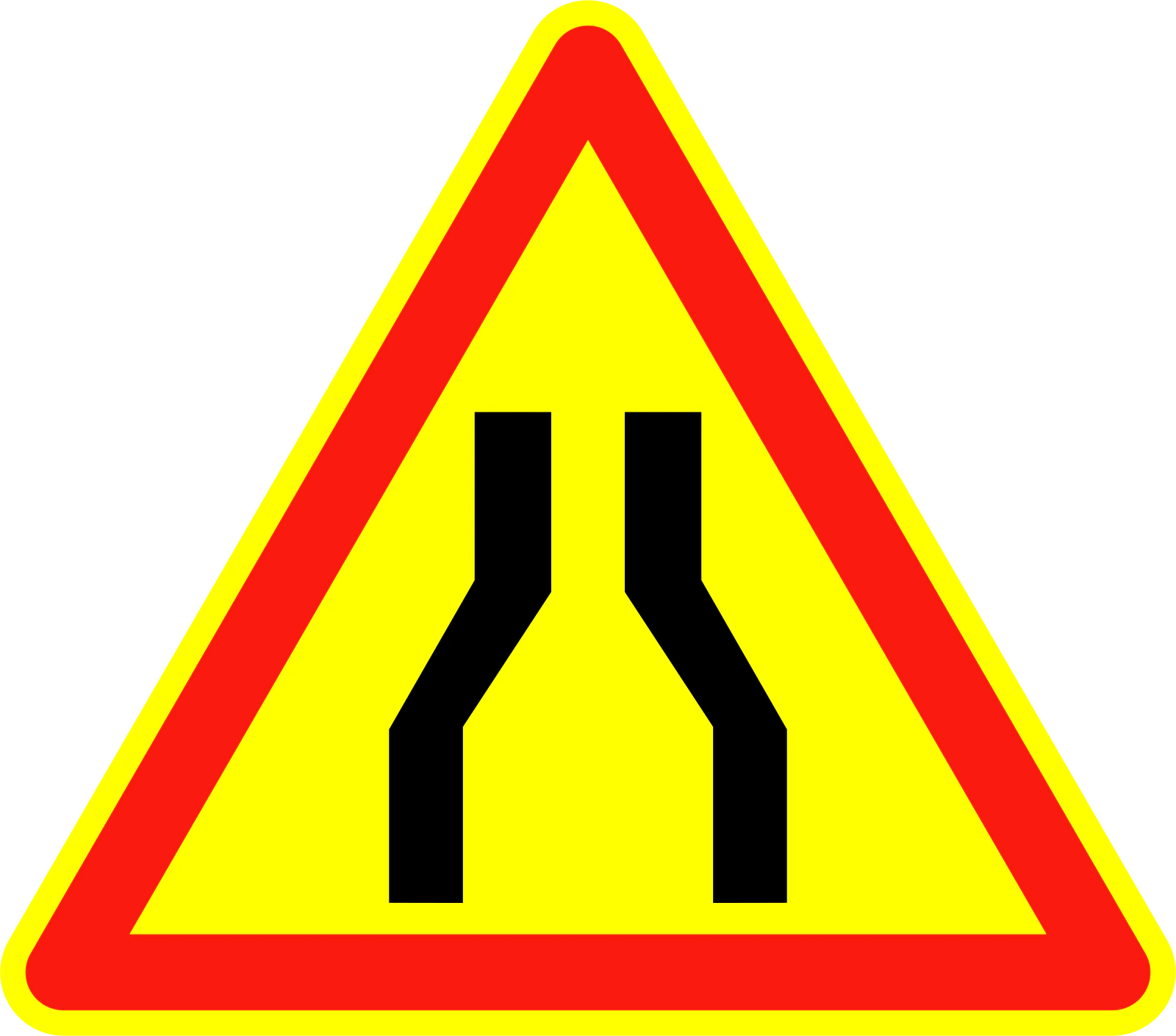
AK3 Road Narrows: Prepare for Temporary Hazards Ahead
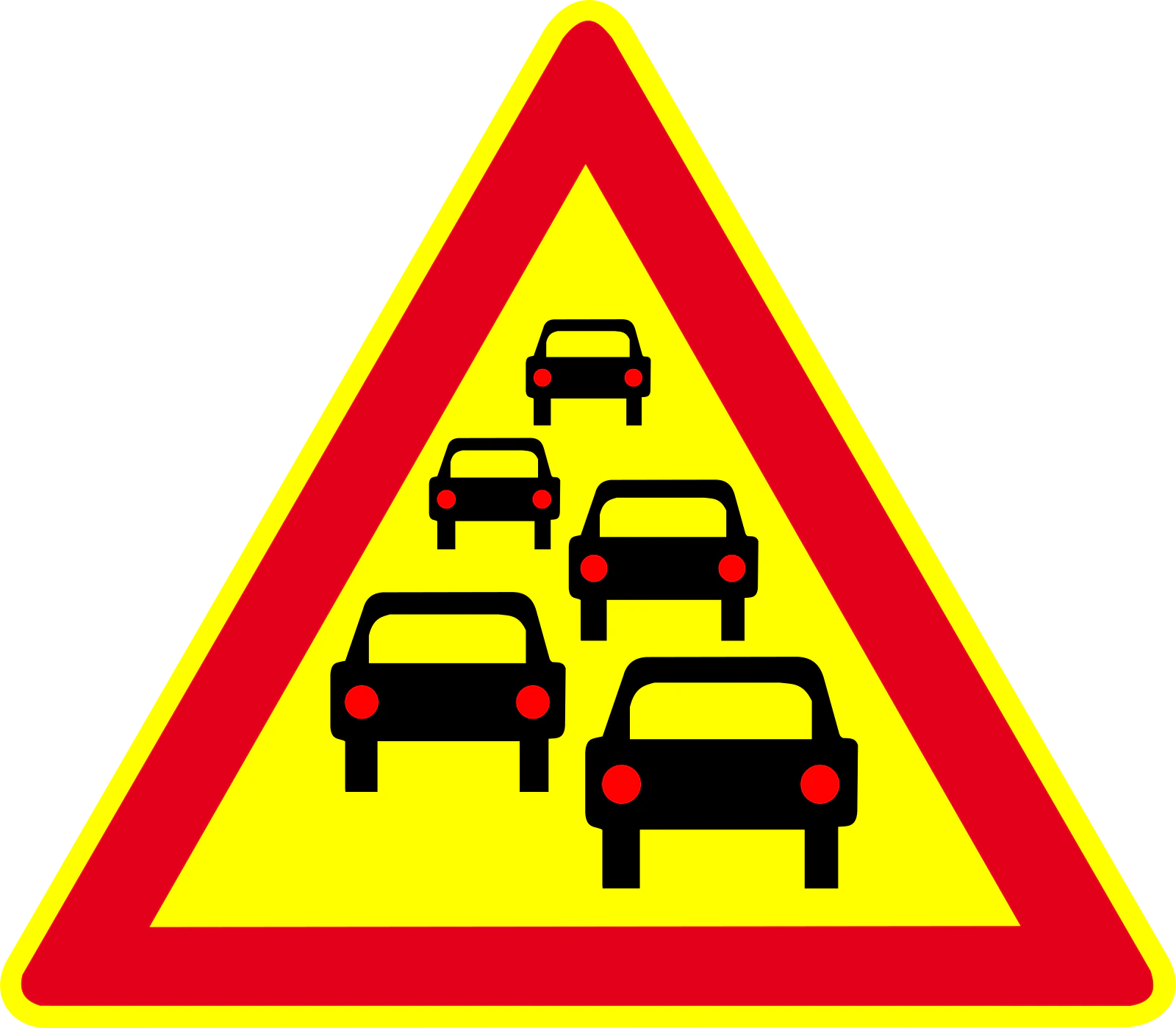
AK30 'Queues Likely': Prepare for Temporary Hazards on French Roads
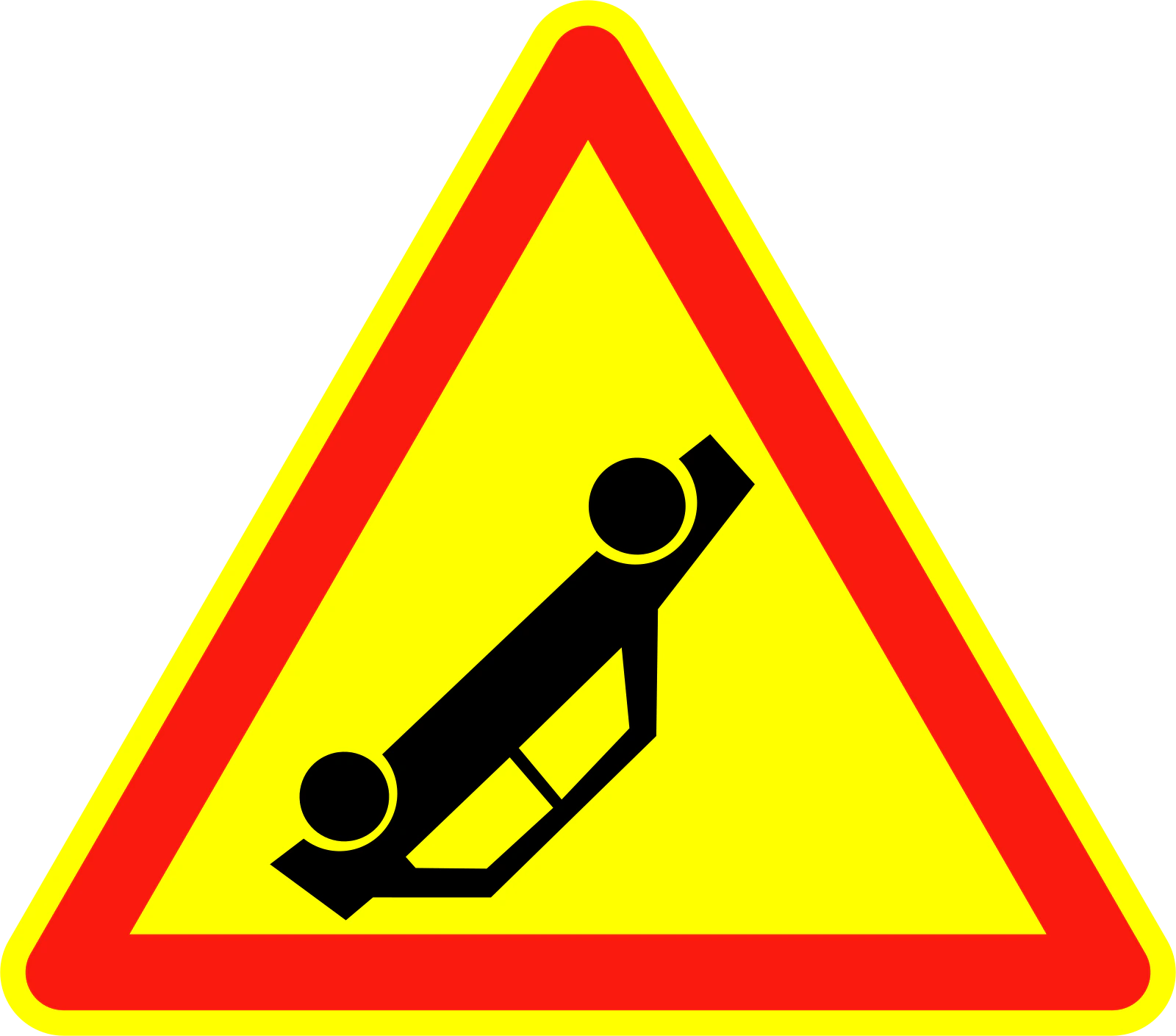
The AK31 'Accident' sign warns of temporary hazards ahead.
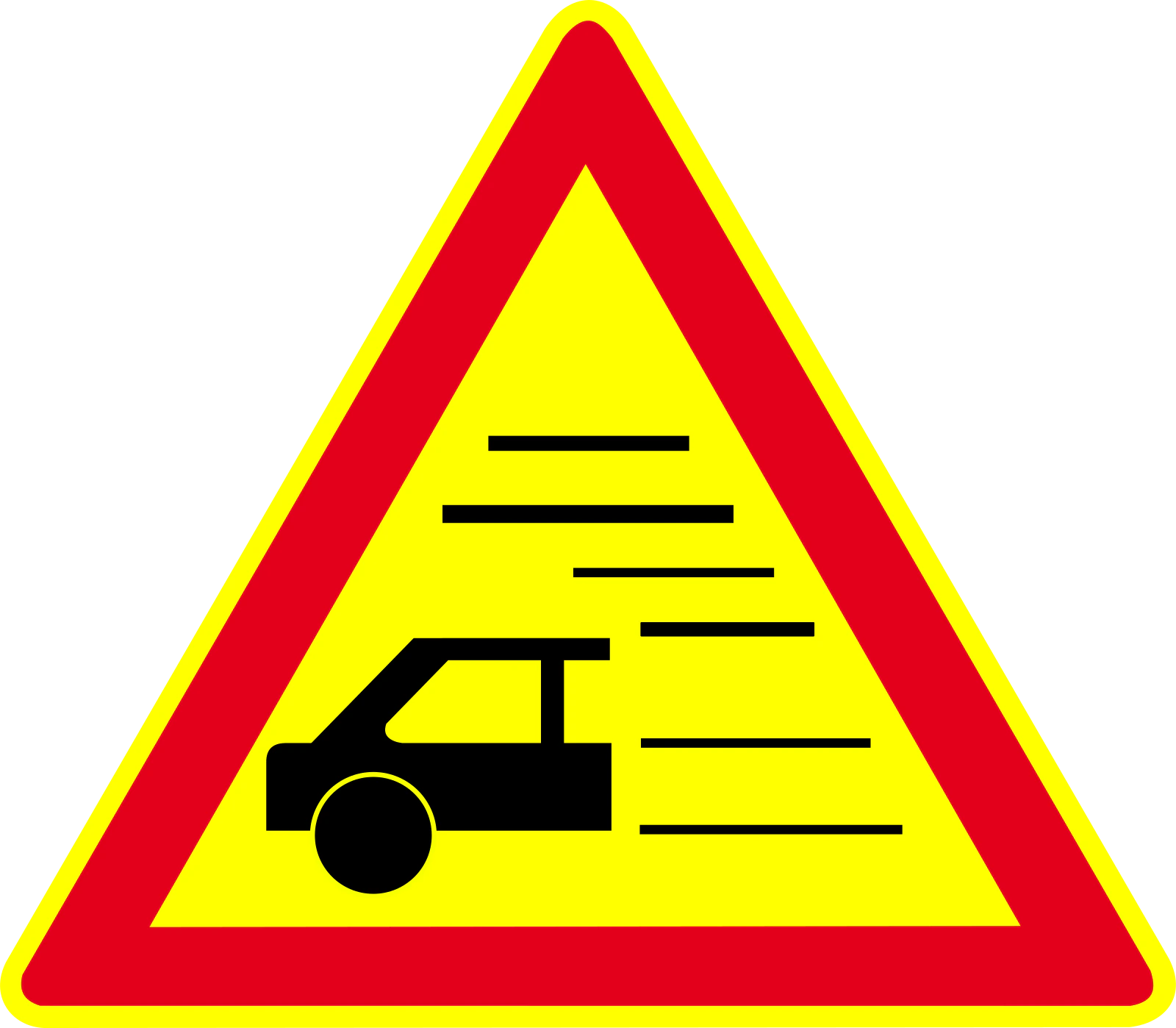
Understand the AK32 'Reduced Visibility' Temporary Warning Sign
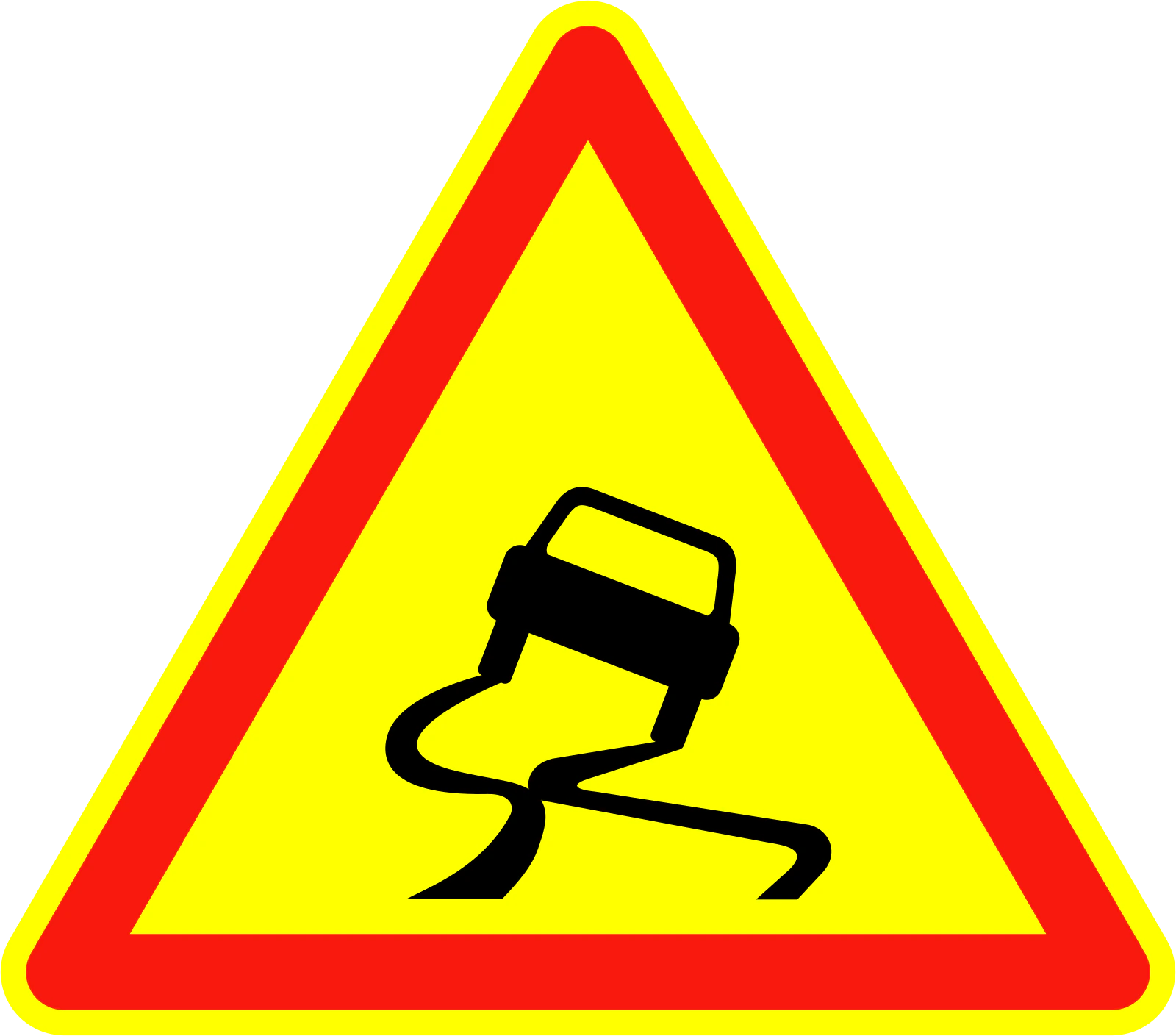
Watch out for a slippery road ahead with the AK4 warning sign!
Explore these structured materials to bridge the gap between visual sign recognition and the specific traffic rules required for your ETG theory test. These resources help clarify how regional road signs dictate right-of-way and safety in France.
Learn to interpret French road signs at a glance by understanding the fundamental role of their shapes and colours. This guide covers danger, regulatory, and informational signs as required by the Code de la Route, providing the foundational knowledge needed for safe driving and exam success. Grasping these basic principles is key to navigating French roads confidently.
After being involved in a car accident in France, understanding your immediate duties is crucial for safety and legal compliance. This guide explains the essential steps, from securing the scene and alerting the proper authorities to initiating the necessary documentation, ensuring you are prepared to handle the situation correctly according to French Code de la route regulations.
Master French Accident Procedures: Protect Yourself and Others on the Road.
Master complex traffic situations and secure your points as a new French driver.
Temporary warning signs are used where the normal road environment has been changed by works, incidents, traffic management, or short-term surface conditions. The hazard may not match the permanent road layout, so drivers need to look for cones, workers, temporary markings, temporary signals, and sudden queues. The safe response is to reduce speed early, increase following distance, and follow the temporary sequence of signs. Official French sign code: AK22.
Temporary warning signs are used where the normal road environment has been changed by works, incidents, traffic management, or short-term surface conditions. The hazard may not match the permanent road layout, so drivers need to look for cones, workers, temporary markings, temporary signals, and sudden queues. The safe response is to reduce speed early, increase following distance, and follow the temporary sequence of signs. Official French sign code: AK31.
Now that you've reviewed the full list of French road signs, enhance your understanding. Explore signs grouped by specific categories for deeper insights, test your recognition with practice questions, and solidify your knowledge for the Code de la route exam.
Browse All French Road Signs