This group of signs, known as zonal prescription signs, indicates the start and end of specific rules that apply across a defined area, not just at the sign's location. These rules can cover parking, speed limits, access restrictions, and even mandatory equipment. Understanding these signs is crucial for both passing your theory exam and ensuring safe driving by obeying zone-wide regulations.
An explanation of how France Zonal Prescription Signs road signs apply in real traffic situations in France. Learn where these signs are typically placed, what drivers are expected to do when they appear, and how correct reactions help you stay safe, avoid fines, and succeed in your French driving theory exam.
Zonal prescription signs are commonly found in urban environments and residential areas. For example, you'll encounter 'no parking' or 'meter parking' zone signs at the entrance to streets where parking is regulated across several blocks. A '30 km/h zone' sign might be placed at the entry to a residential neighbourhood, meaning all streets within that neighbourhood have a reduced speed limit until an end sign is visible. Similarly, 'pedestrian precinct' signs designate areas where vehicle access is limited, often to residents or for specific times. It's vital to remember that the rule applies until you see the corresponding 'end of zone' sign, even if no individual street signs repeat the restriction.
An overview of the key learning outcomes when studying the France Zonal Prescription Signs road sign category. Understand the main concepts, sign meanings, and traffic situations covered here so you can recognise patterns, answer theory questions more confidently, and build a solid foundation for safe driving in France.
Master France's zonal prescription signs, essential for understanding rules like 30 km/h zones, parking areas, and restricted access across multiple streets. Recognizing these traffic signs is key for theory test revision as the rule applies until the end zone sign. Learn these sign meanings to navigate French driving with confidence.
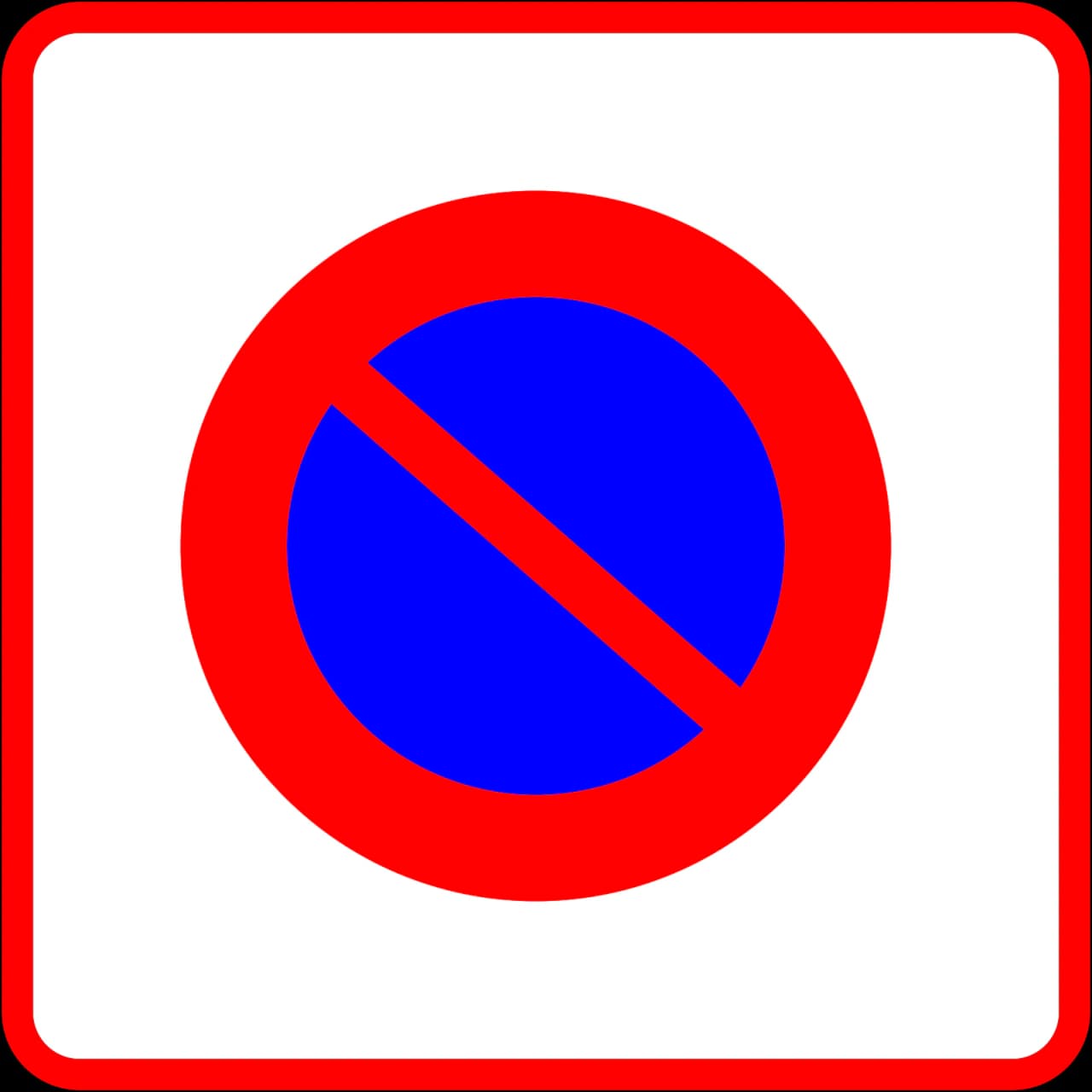
The B6b 'No Parking Zone' sign means parking is prohibited throughout a designated area.
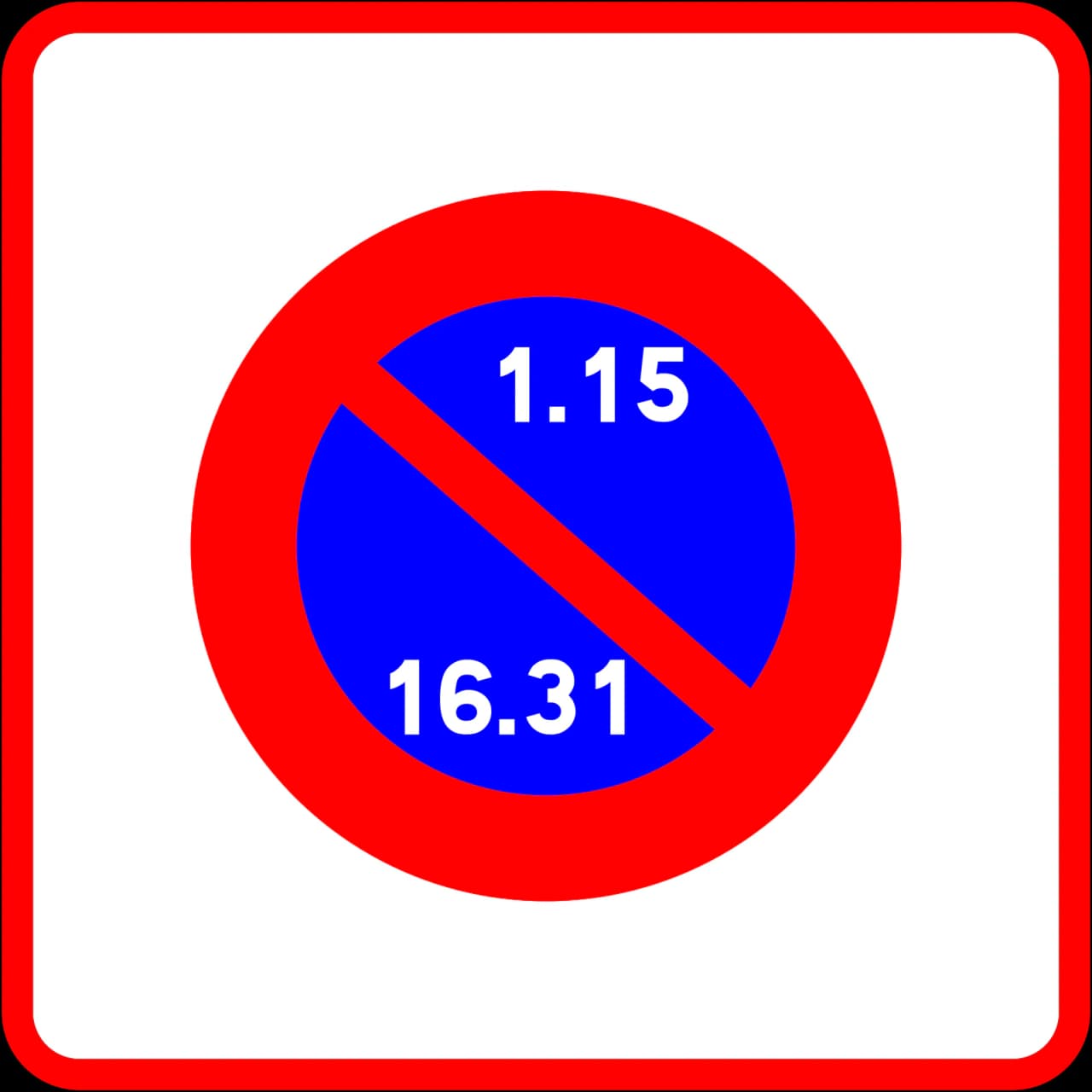
The B6b Restricted Parking Zone sign means parking rules apply to an entire area.
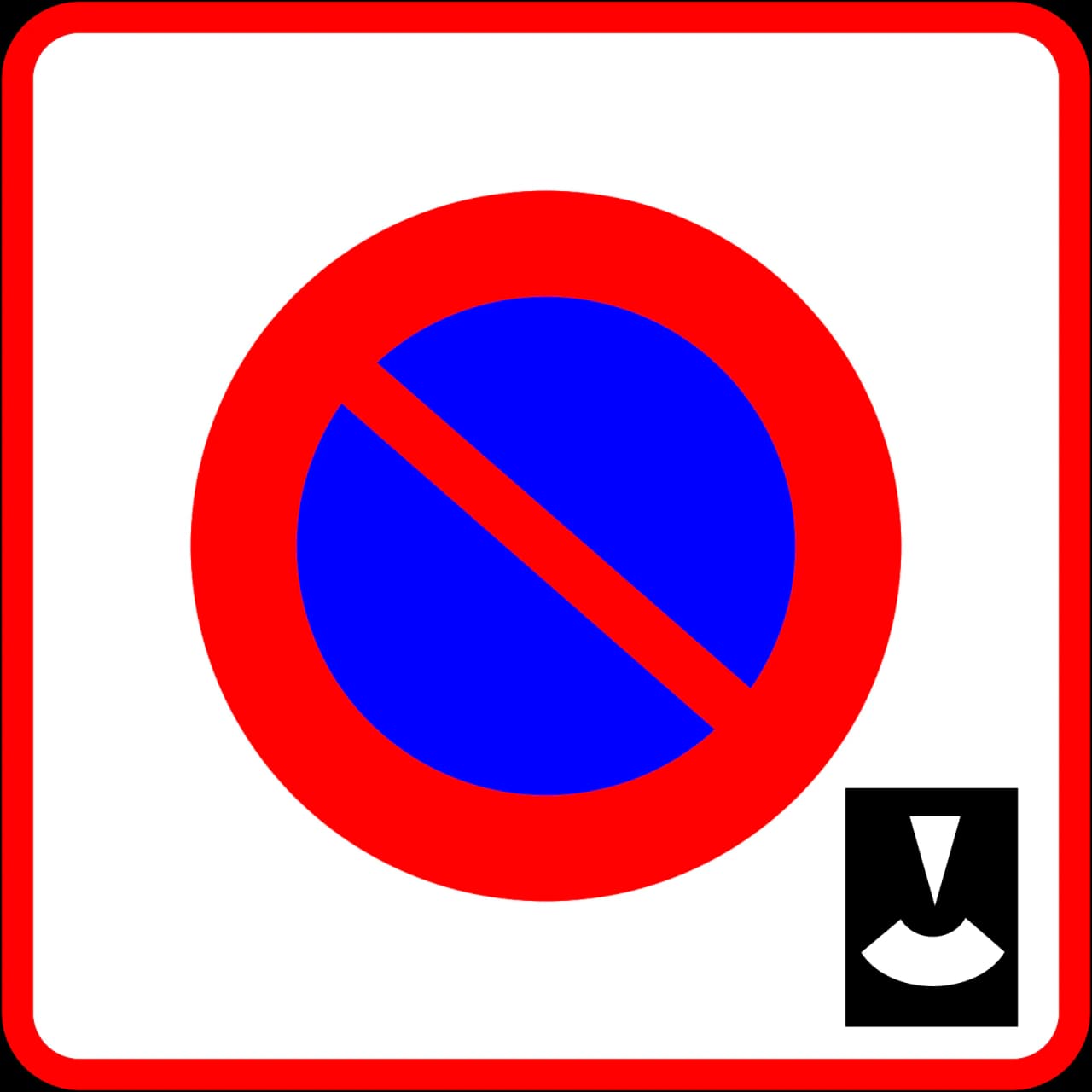
Master the B6b Disc Parking Zone sign for your French driving theory exam.
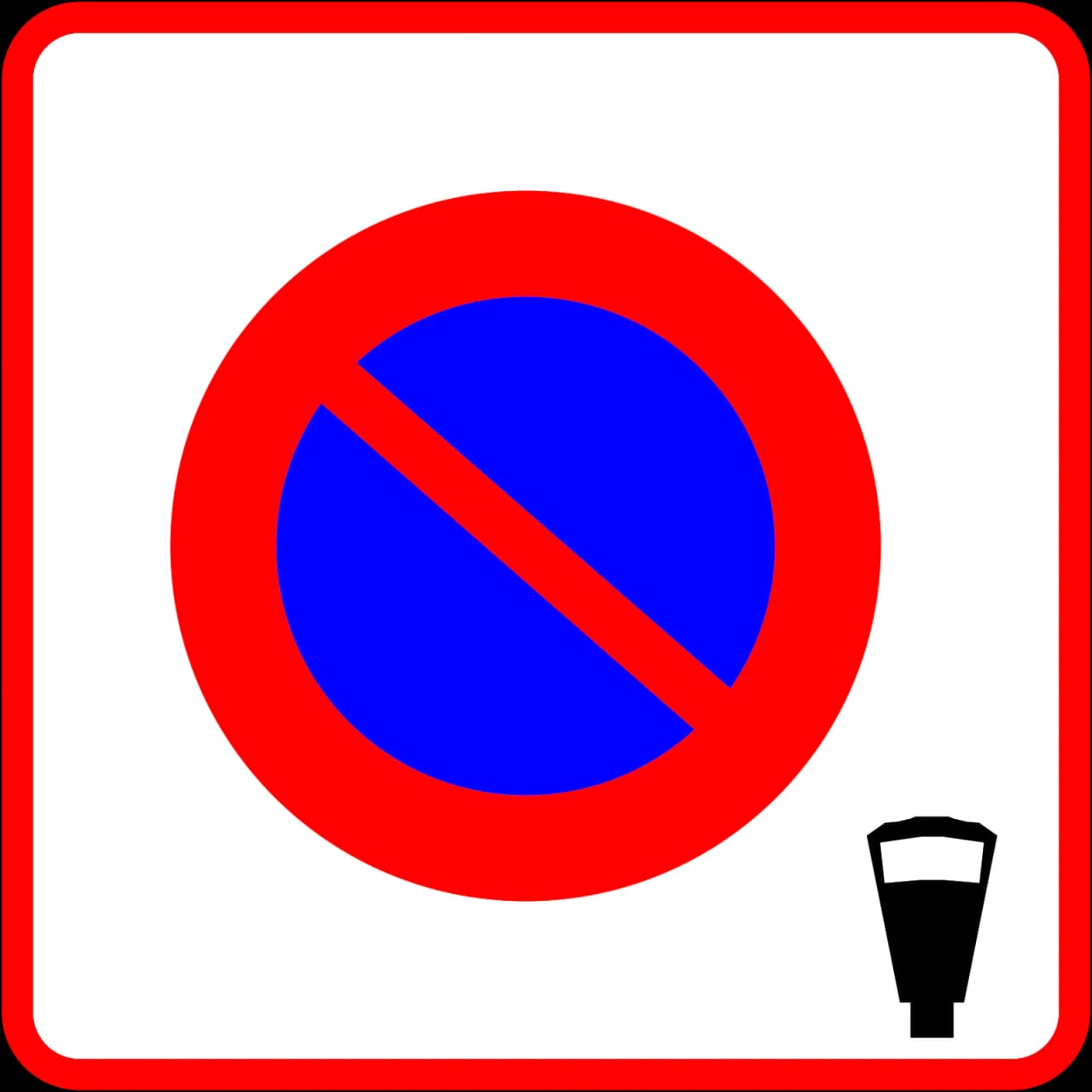
The B6b Meter Parking Zone sign means paid parking applies across this entire area.
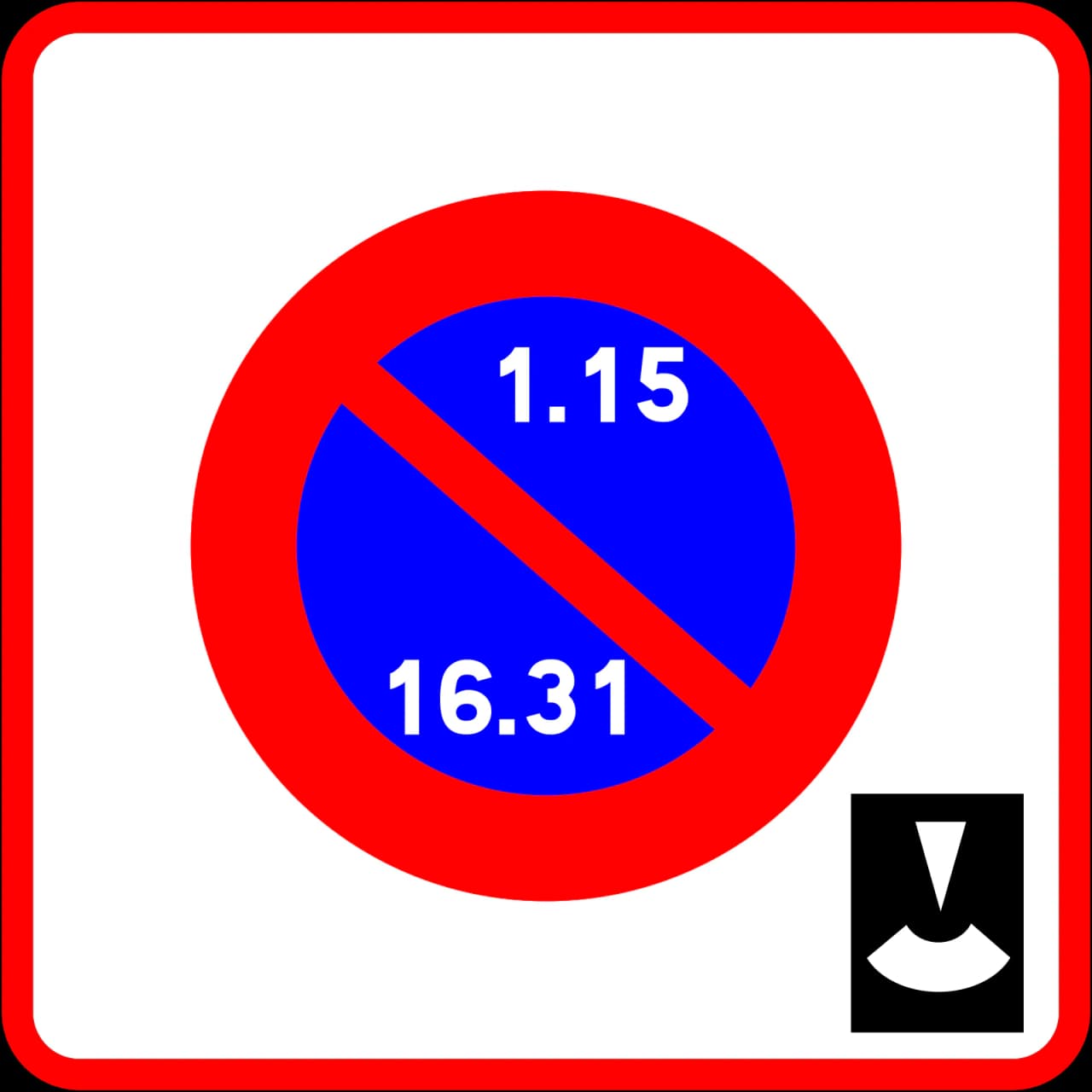
The B6b Restricted Disc Parking Zone sign indicates area-wide parking regulations.

The B50a sign signals the end of a restricted parking zone.

You've reached the end of the restricted parking zone, B50b.

The B50c sign marks the end of a controlled disc parking zone.

The B50d sign signals the end of a metered parking zone, ending area-wide parking restrictions.

You've reached the end of a restricted disc parking zone.

The B30 sign means you've entered a 30 km/h zone where speed is restricted area-wide.

The B51 sign signals the end of a 30 km/h speed limit zone.
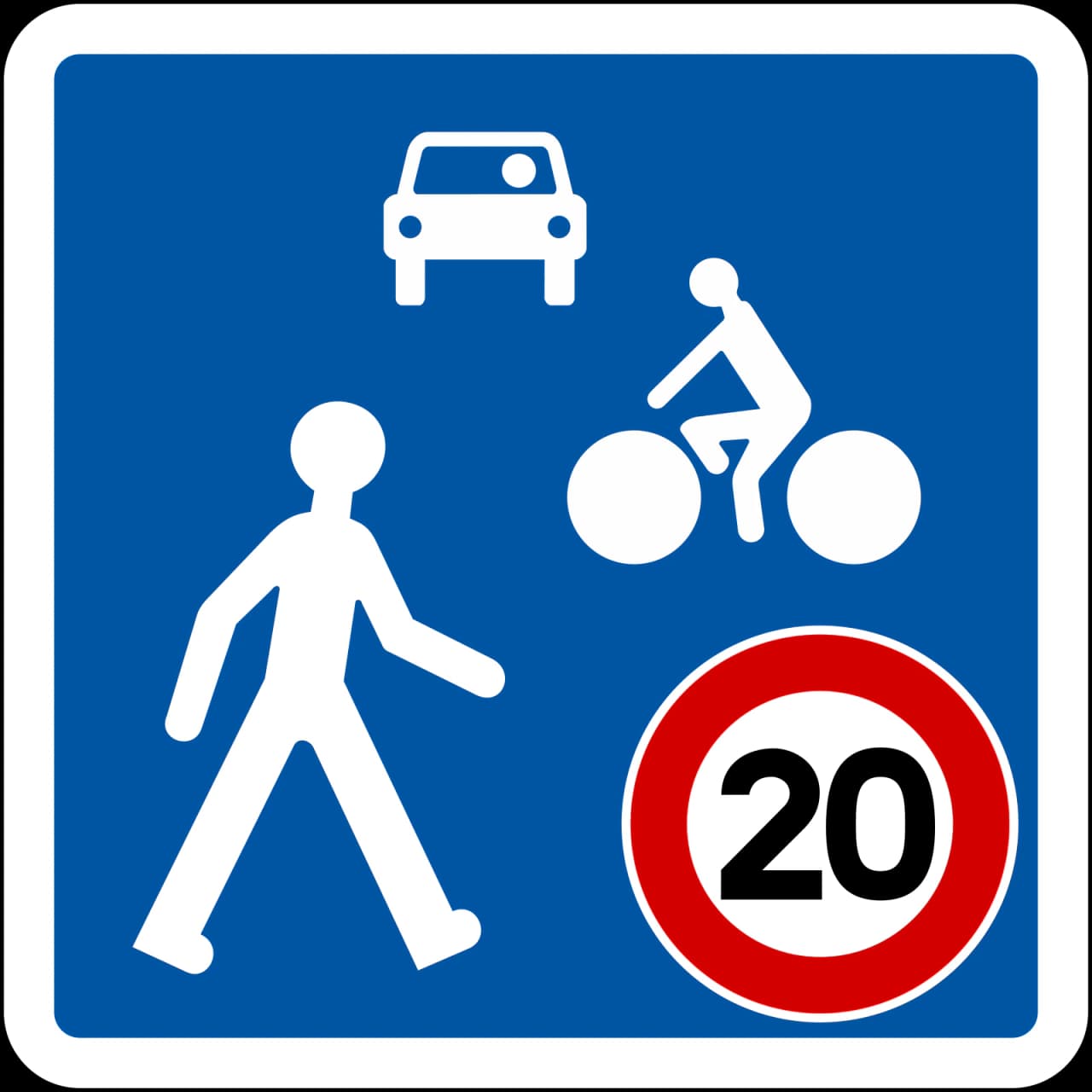
The B52 Home Zone sign means a 20 km/h speed limit applies to the entire area.
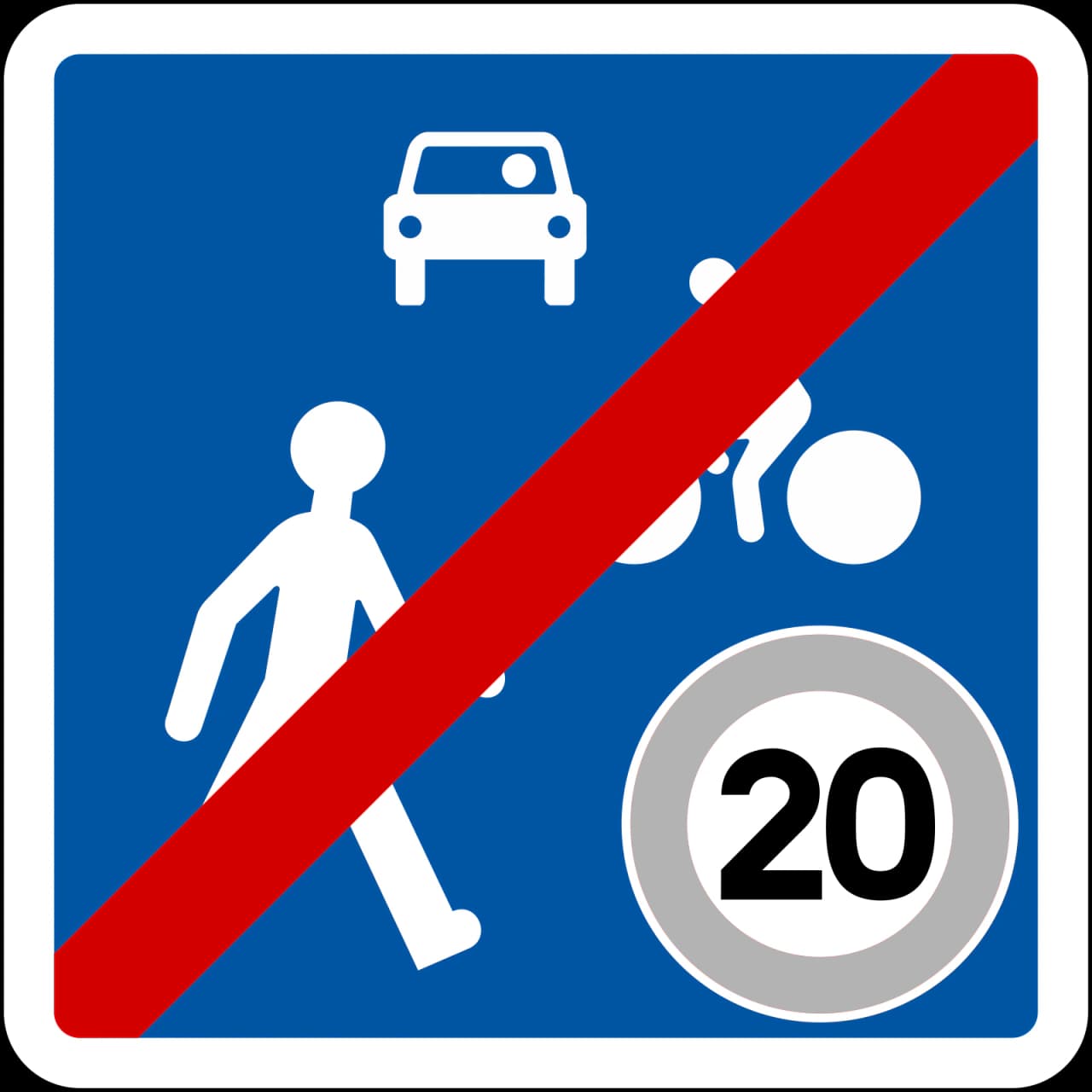
The B53 'End of Home Zone' sign signals the end of area-wide traffic rules.
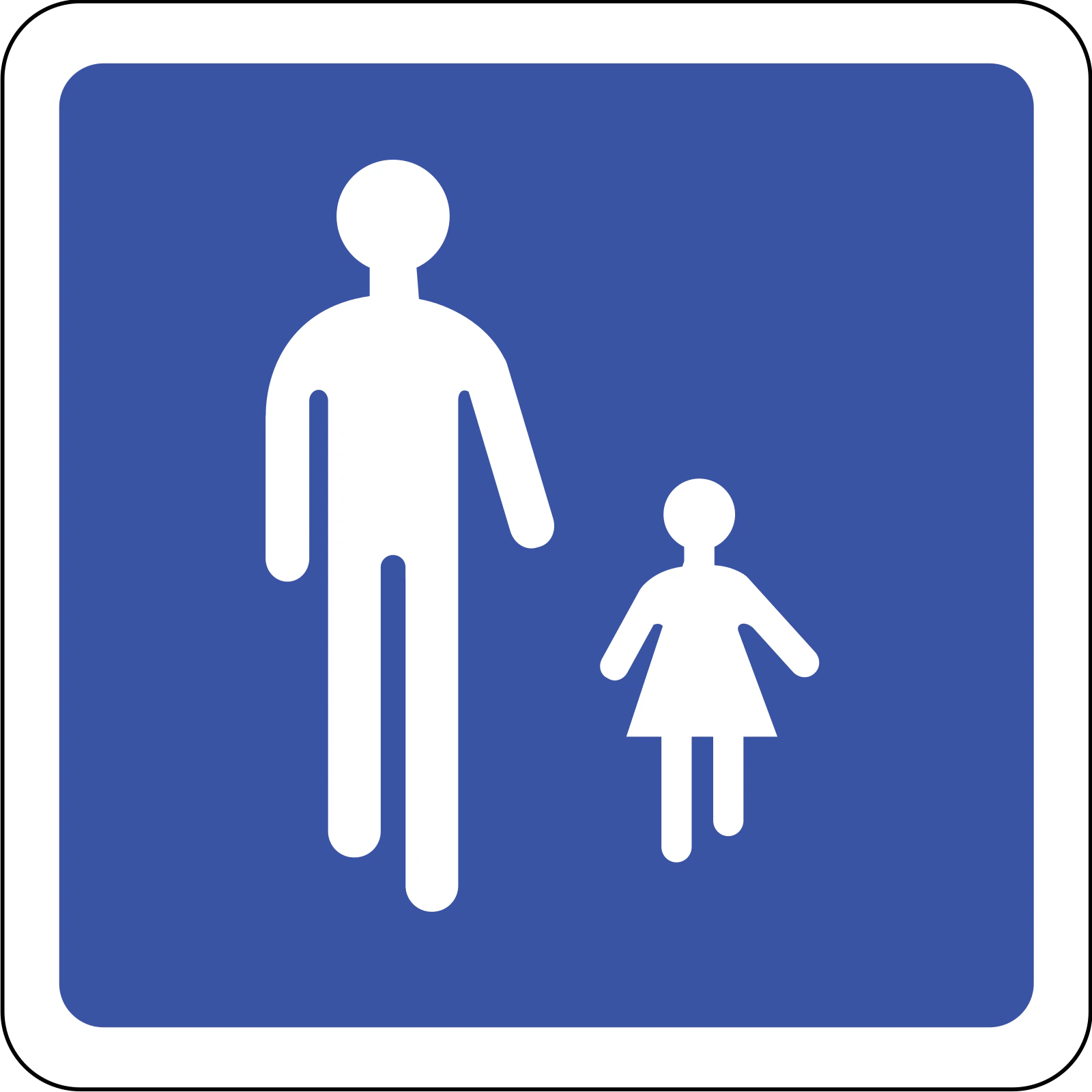
The B54 Pedestrian Precinct sign marks the start of a special traffic zone.
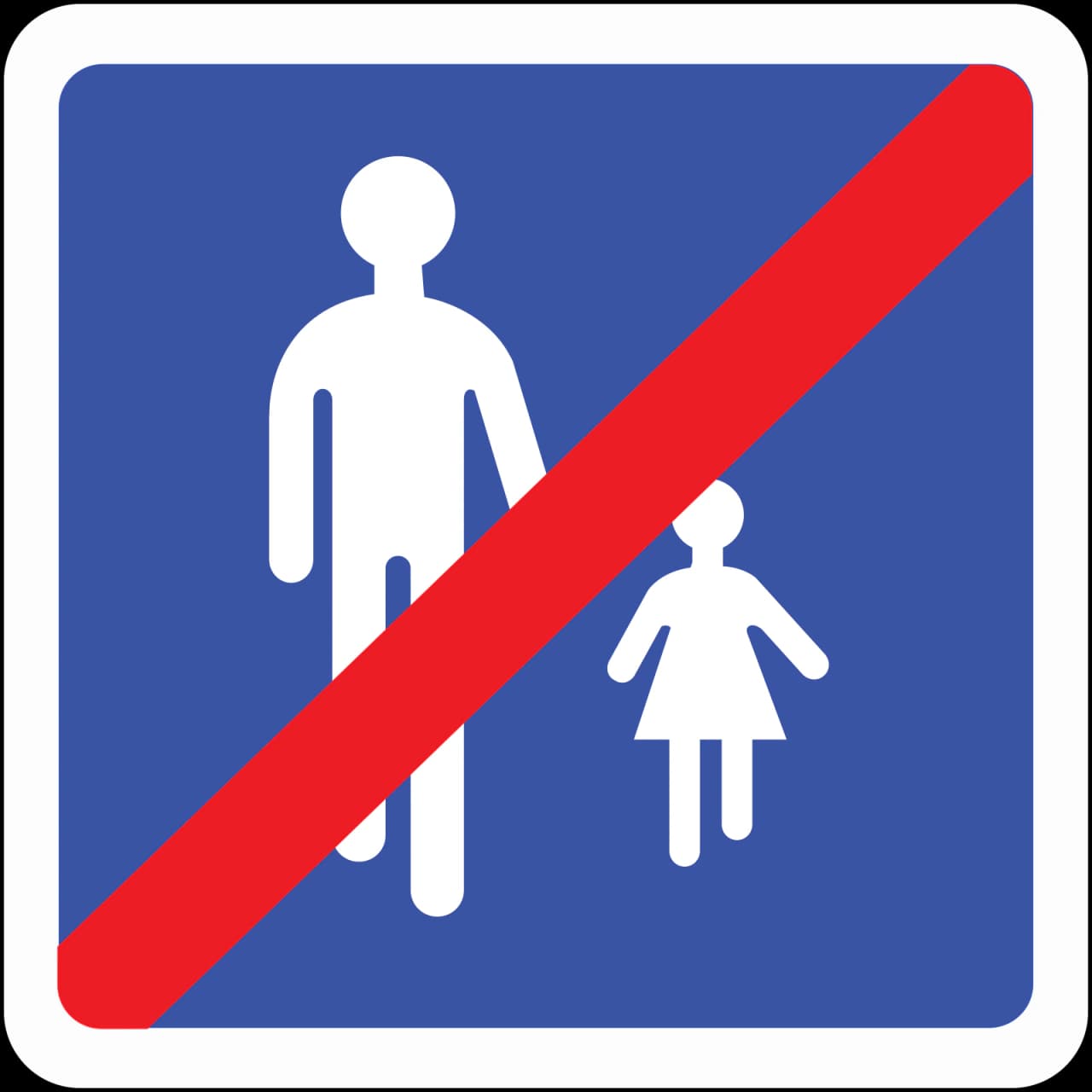
You are now exiting the pedestrian zone with the B55 sign.
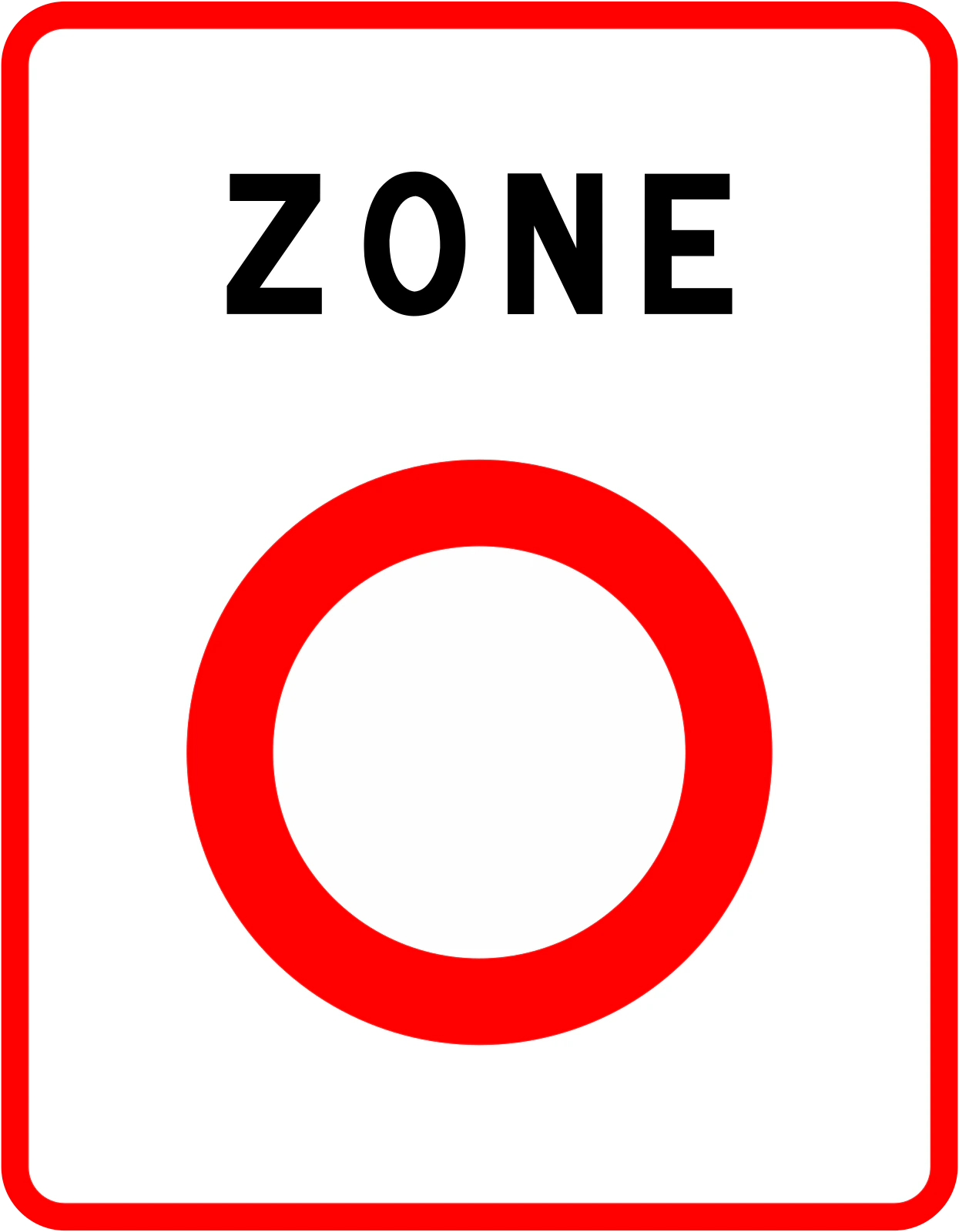
B56 Restricted Access Area: Understand Zonal Rules in France
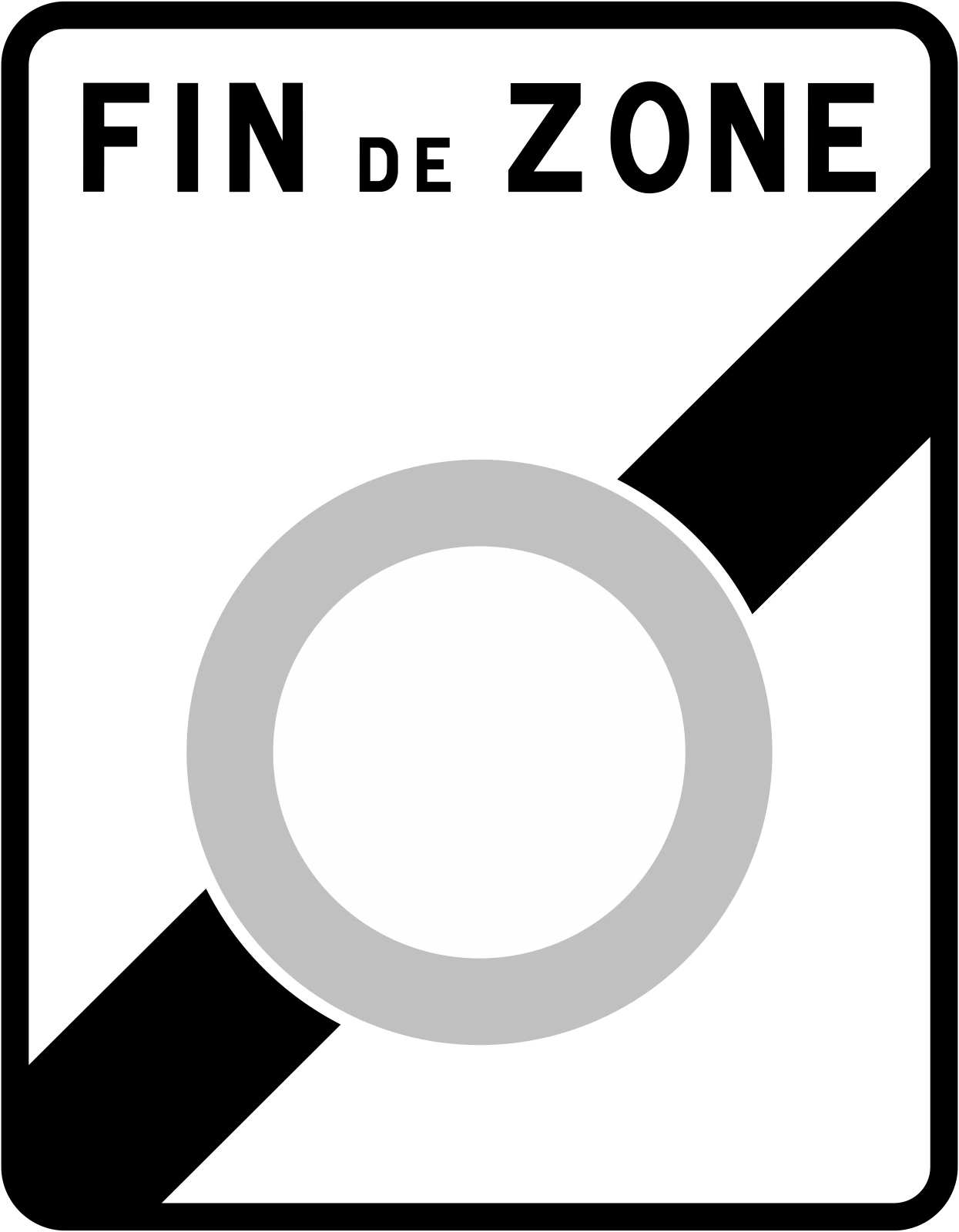
The B57 sign marks the end of a restricted zone, meaning you can now follow normal traffic rules.
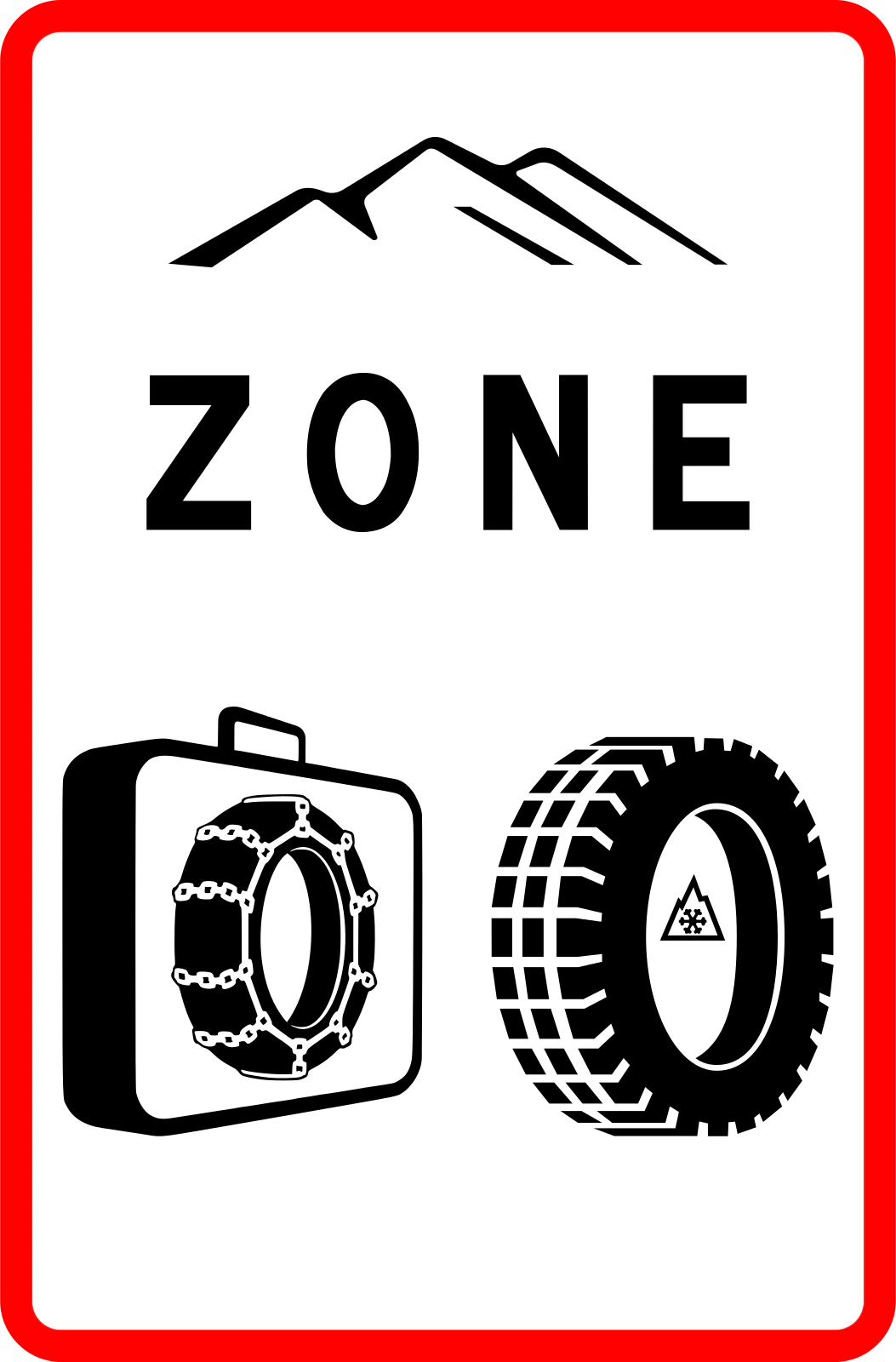
The B58 sign means winter equipment is mandatory in this zone.

End of Compulsory Winter Equipment Zone Sign (B59)
Clear answers to common questions about the France Zonal Prescription Signs road sign category. Use this FAQ to review tricky rules, understand how these signs appear in exam scenarios, and remove confusion that often leads to mistakes in the French driving theory exam in France.
A regular prohibition sign, like a 'no parking' sign, typically applies only at the sign's immediate location or along the side of the road where it's posted. A zonal prescription sign, however, marks the beginning of a rule that is enforced throughout a larger, defined area encompassing multiple streets. The rule remains in effect until you encounter a specific 'end of zone' sign for that particular regulation.
Each type of zonal prescription sign has a corresponding 'end of zone' sign. For example, a '30 km/h zone' sign (B30) will have an 'end of 30 km/h zone' sign (B51) to indicate that the speed limit no longer applies. Always look out for these specific cancellation signs to know when you can resume normal driving behaviour outside the zone's influence.
Yes, it's possible for an area to be subject to multiple zonal rules simultaneously. For instance, a neighbourhood might be designated as both a '30 km/h zone' and a 'home zone'. In such cases, you must adhere to all applicable zone rules. The 'end of zone' signs will specify which rule is being lifted, so you might see one end-of-zone sign while another rule still applies.
While both often involve a speed limit of 30 km/h or less, 'Home Zones' (B52) have a specific additional character: they are designed to be safer shared spaces where pedestrians, cyclists, and residents have priority. Speed limits are generally very low (often 20 km/h) and traffic calming measures are usually present. A '30 km/h zone' (B30) simply enforces a maximum speed limit across the area, but doesn't necessarily imply the same priority for non-motorised users or the same shared-space design as a Home Zone.
Ignoring zonal prescription signs can lead to fines and penalty points on your driving licence. More importantly, it can create dangerous situations. For example, entering a 'pedestrian precinct' (B54) when it's not permitted puts pedestrians at serious risk. Similarly, exceeding the speed limit in a 30 km/h zone or a home zone increases the likelihood of accidents and reduces your ability to react to unexpected events.
Ready to deepen your understanding of French road signs? Dive into our comprehensive overview of official sign categories and groups. This structured approach will help you learn Code de la route classifications more effectively, preparing you thoroughly for your Permis de Conduire theory exam.
Explore Sign Categories