
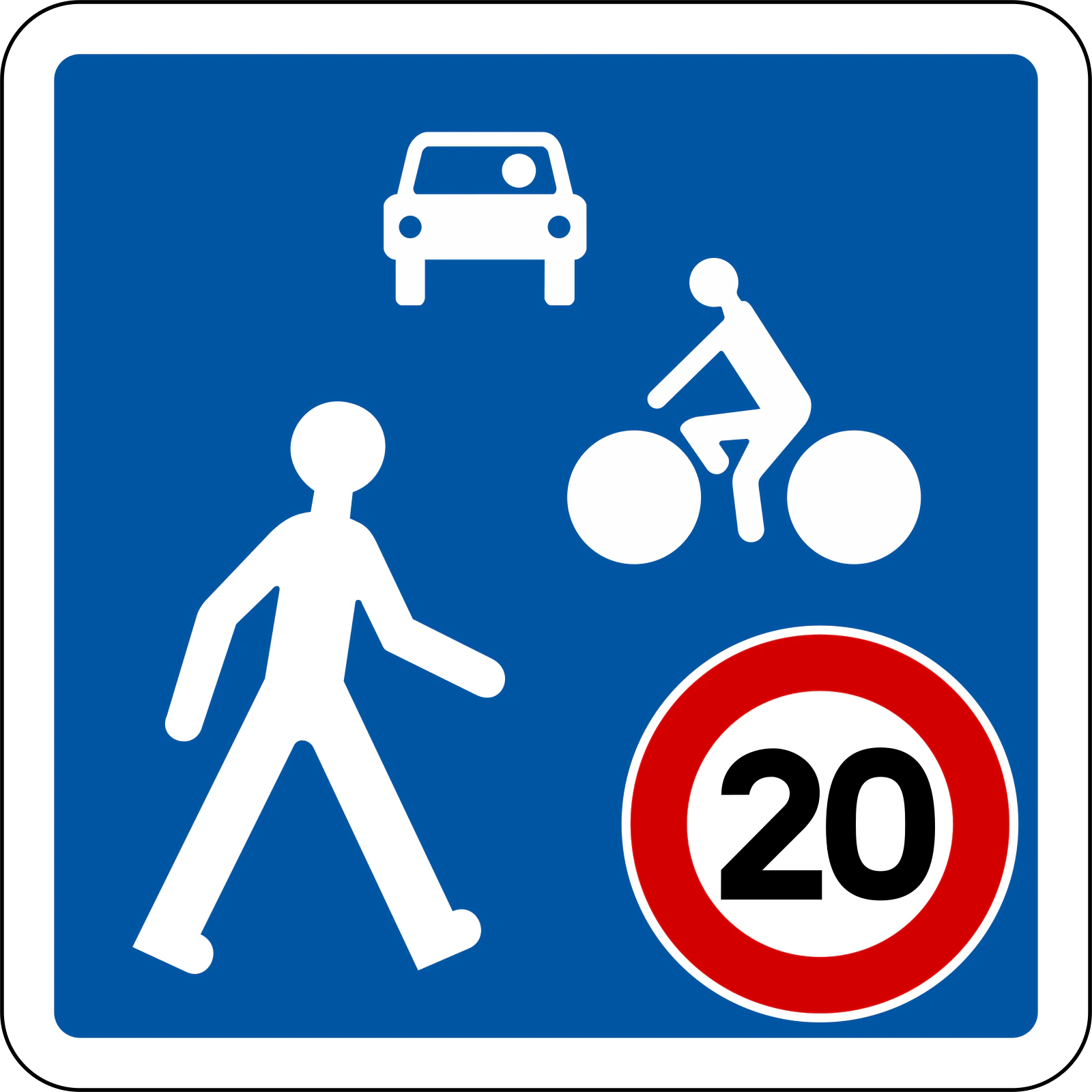
The B52 road sign, often called a Home Zone sign, marks the beginning of an area where a general speed limit of 20 km/h is in effect. This is a zonal prescription sign, meaning the rule applies throughout the designated zone, which may cover multiple streets, until you see a specific sign indicating the end of the zone. Safe driving here requires adapting your speed and being extra aware of pedestrians and cyclists. This sign is crucial for understanding area-wide traffic regulations in France and for your theory exam.
This sign marks the start of a Home Zone, indicating a mandatory 20 km/h speed limit across the entire area until an official exit sign is encountered. Accurate road sign meaning is crucial for your theory test revision and safe French driving.
Zonal signs are used when a rule applies to more than one point or street, such as parking controls, speed zones, pedestrian areas, home zones, restricted access areas, or winter-equipment zones. The sign tells drivers to remember the rule even when it is not repeated on every side street. Safe driving means adapting speed, access, stopping, or equipment from the zone entry until the signed exit. Official French sign code: B52.
"Home Zone (20 km/h speed limit)" marks the start or end of an area-wide rule. The rule applies throughout the zone until an official end-of-zone sign is reached.
Get clear, practical answers to the most common questions about the B52 - Home Zone (20 km/h speed limit) road sign. Learn how the sign works, what rules it represents, and how it affects real driving situations. This FAQ strengthens your understanding and supports accurate decision making for the French driving theory exam in France.
The B52 sign indicates that you are entering a 'Home Zone' where the maximum speed limit for all vehicles is 20 km/h. This rule applies to all streets within the zone until you reach a sign indicating the end of the zone.
The 20 km/h speed limit remains in effect for the entire duration you are within the Home Zone. You must continue to adhere to this speed until you encounter a specific 'end of zone' sign, which will then permit you to revert to the standard speed limits applicable to the road you are on.
A common mistake is assuming the 20 km/h limit only applies to the immediate street or that it ends when turning into another road within the zone. Learners might also forget to look for the specific end-of-zone sign, wrongly assuming the rule is no longer active. Always remember that zonal signs apply to the entire designated area.
Yes, absolutely. Home Zones are typically designed to be shared spaces, often with a high presence of pedestrians, children, and cyclists. You should drive slowly, cautiously, and be prepared to stop at any time to allow them to pass safely. The low speed limit of 20 km/h is specifically to enhance safety in these environments.
While the B52 sign itself primarily sets the 20 km/h speed limit for the zone, there might be supplementary plates attached to the sign or other signs within the zone that specify exceptions, restricted times for certain vehicles, or particular parking rules. Always check for any accompanying signs.
A clear reference image of the B52 - Home Zone (20 km/h speed limit) road sign used in France.
The B52 - Home Zone (20 km/h speed limit) road sign may also be known by these alternative names or terms.
The B52 - Home Zone (20 km/h speed limit) road sign is part of the France Zonal Prescription Signs category, which groups together signs with similar rules and functions.
Comparing signs like the Home Zone (B52) with other zonal or speed-limit markers improves your ability to quickly identify and recall traffic rules. Effective traffic sign comparison and theory test revision are key to avoiding mistakes and building confidence for your exam.
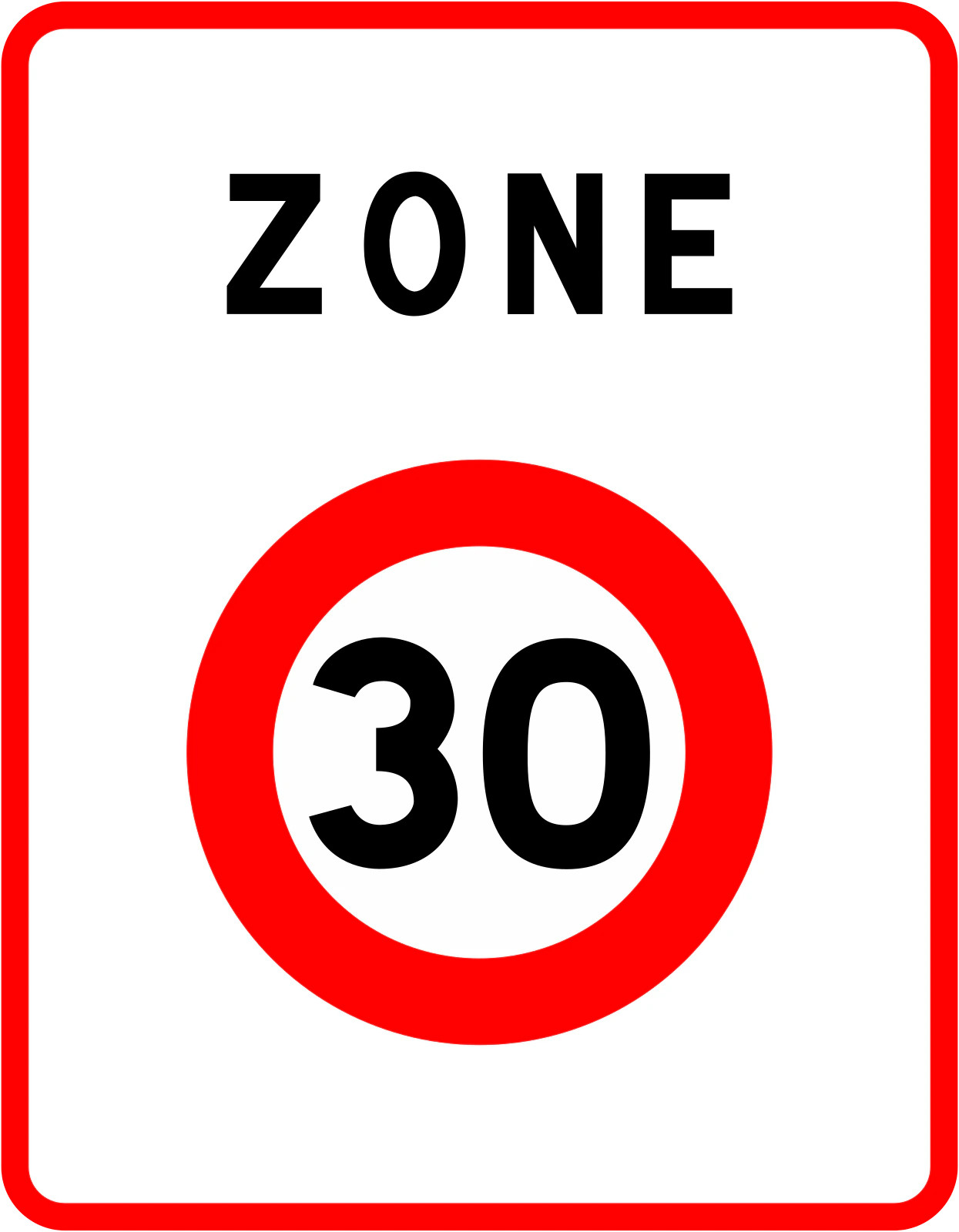
The B30 sign means you've entered a 30 km/h zone where speed is restricted area-wide.
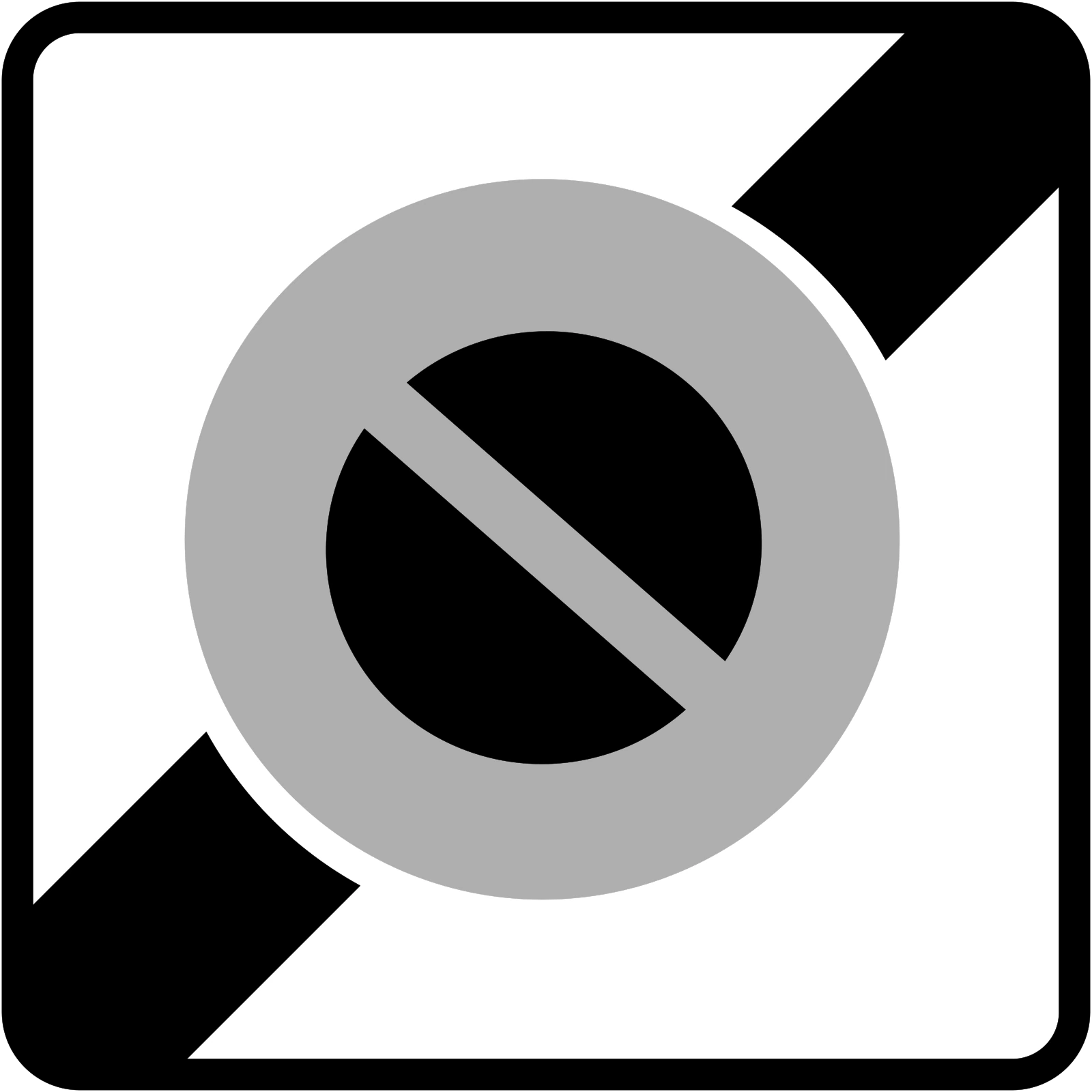
The B50a sign signals the end of a restricted parking zone.
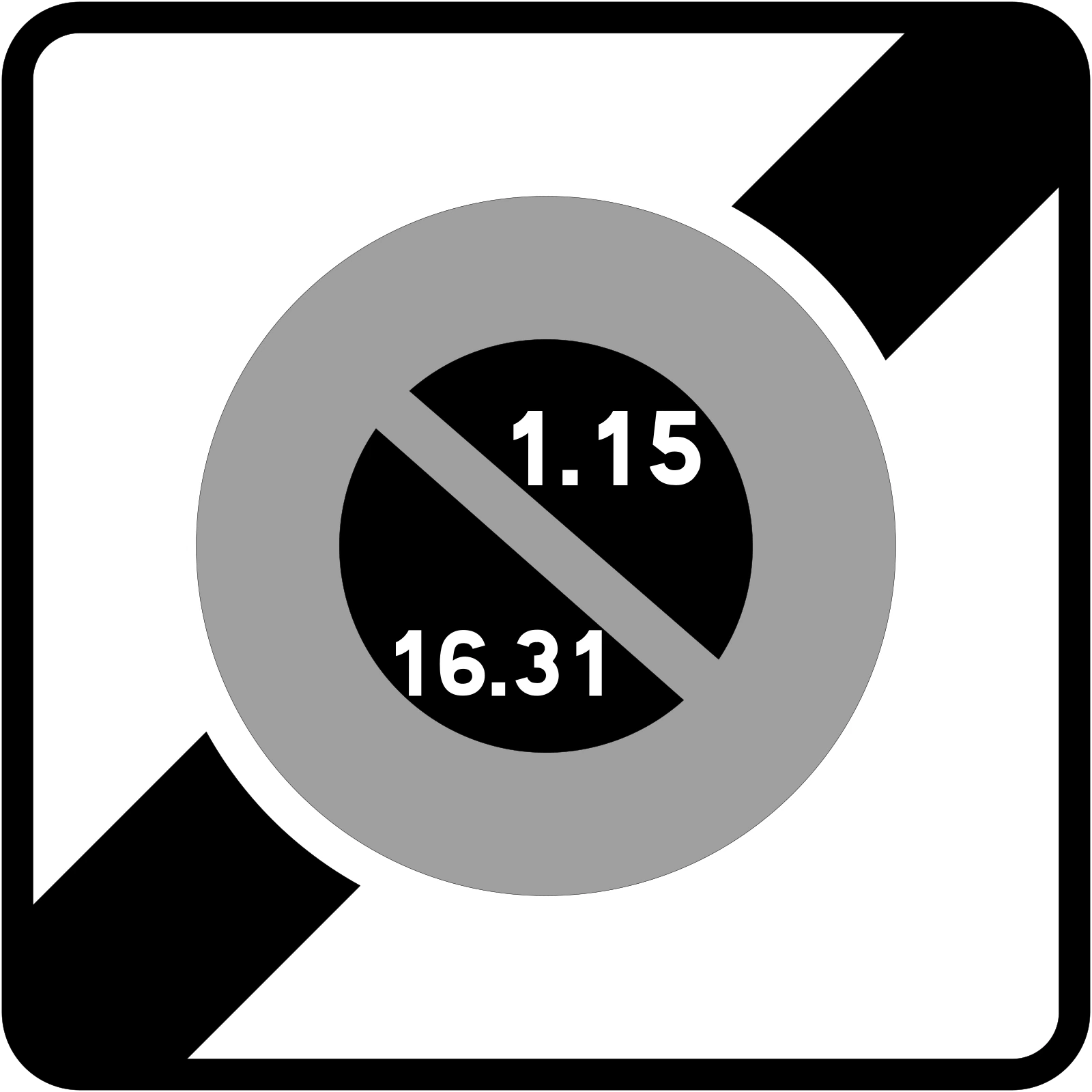
You've reached the end of the restricted parking zone, B50b.
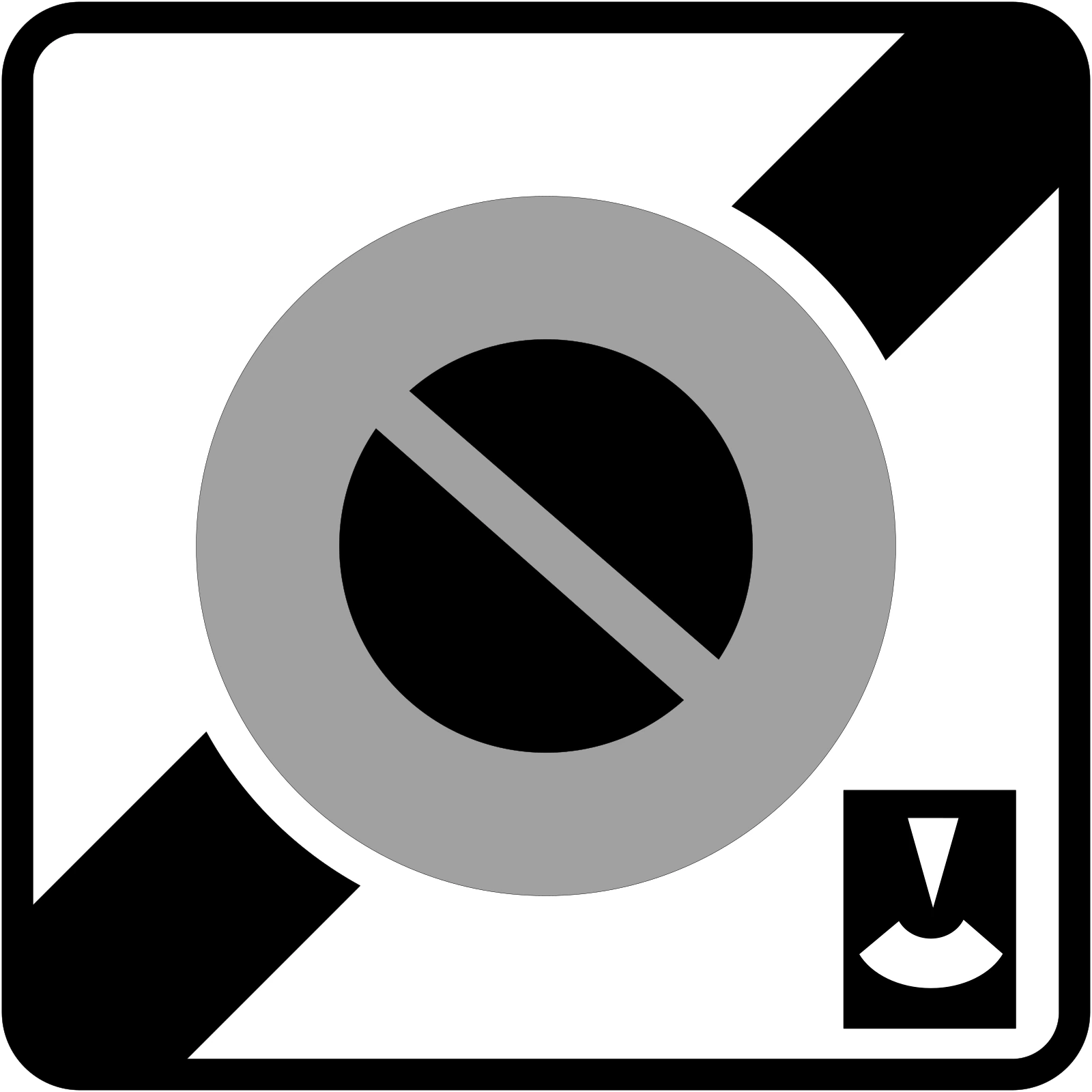
The B50c sign marks the end of a controlled disc parking zone.
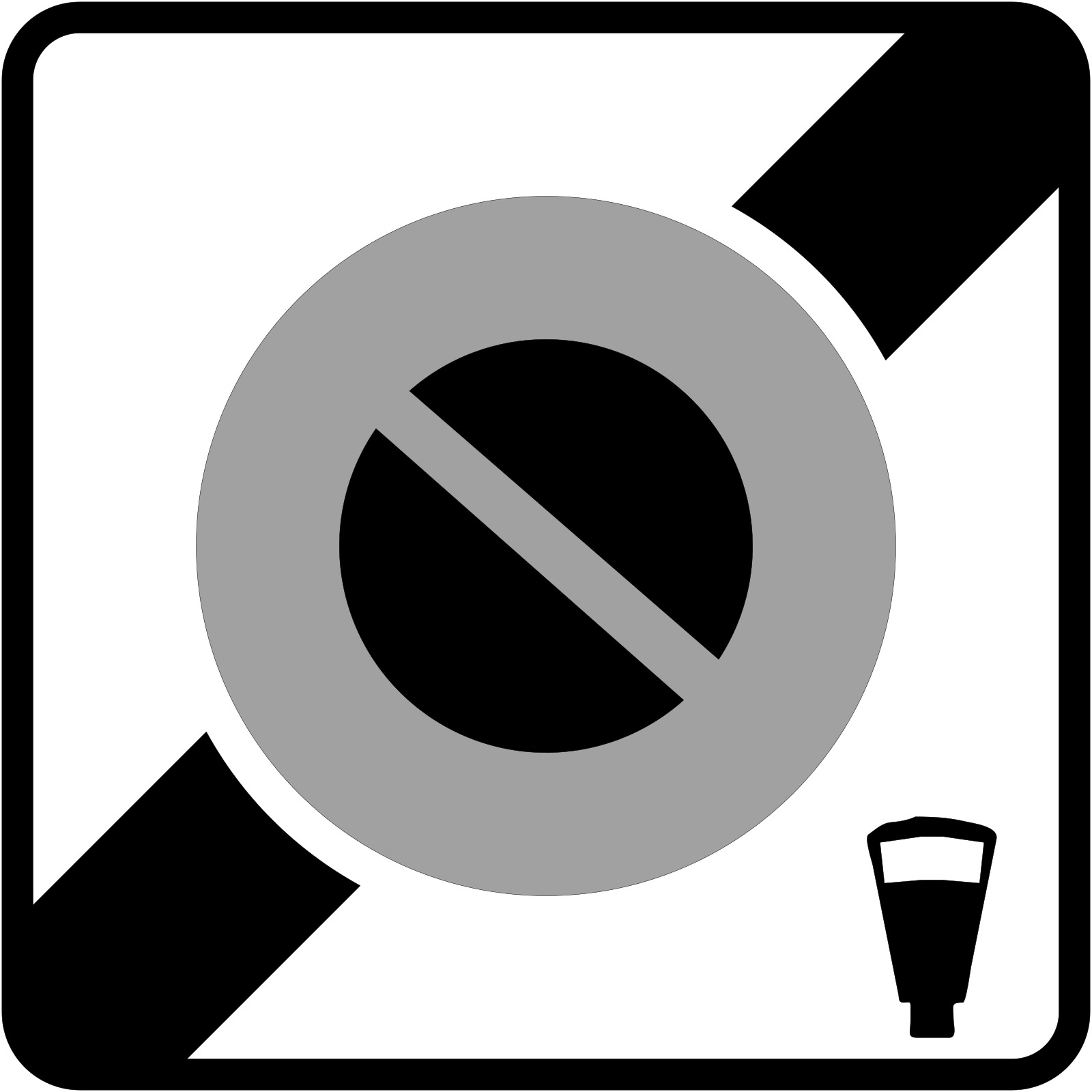
The B50d sign signals the end of a metered parking zone, ending area-wide parking restrictions.
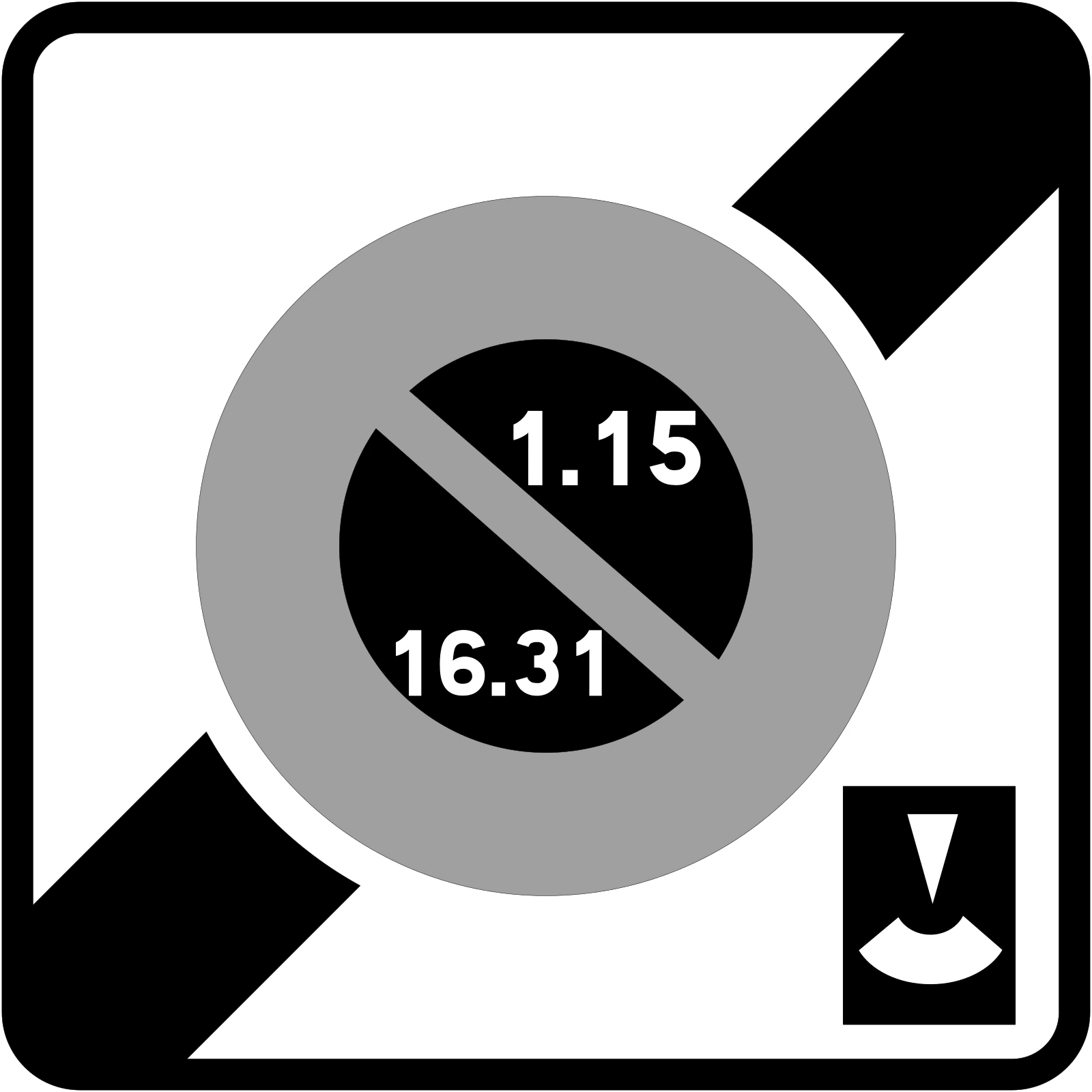
You've reached the end of a restricted disc parking zone.
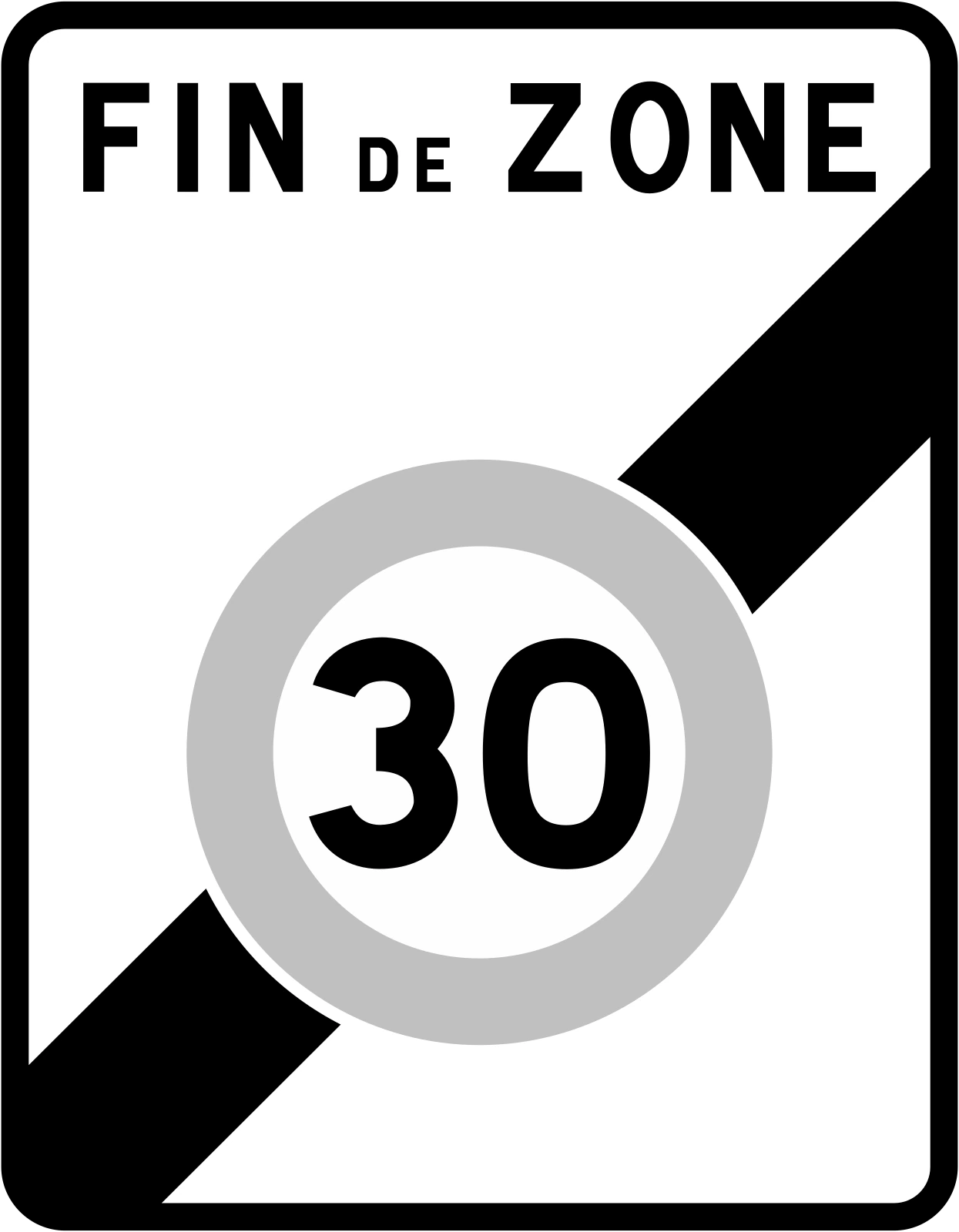
The B51 sign signals the end of a 30 km/h speed limit zone.
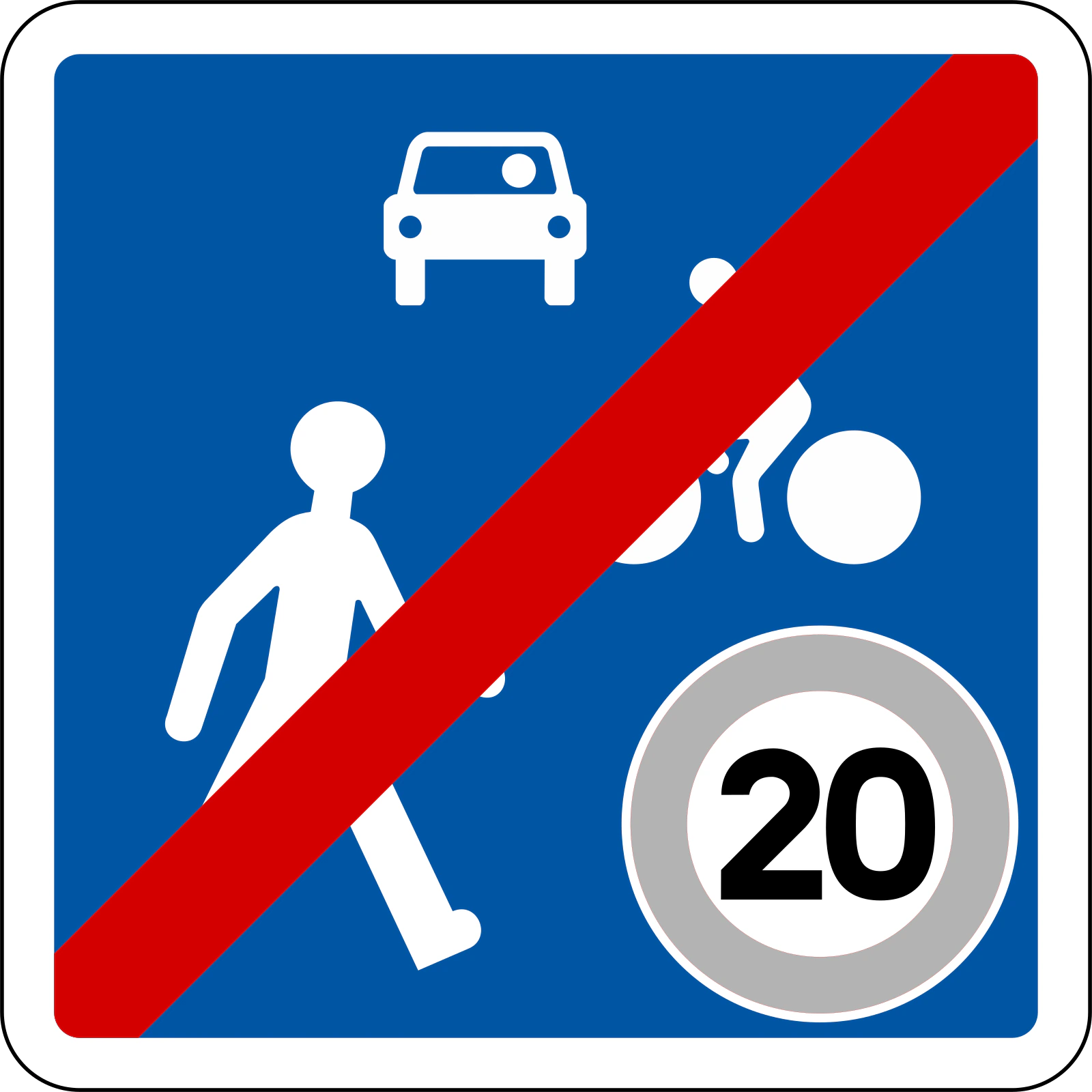
The B53 'End of Home Zone' sign signals the end of area-wide traffic rules.
Explore these structured materials to bridge the gap between visual sign recognition and the specific traffic rules required for your ETG theory test. These resources help clarify how regional road signs dictate right-of-way and safety in France.
For those guiding new drivers in France through supervised learning, understanding the 'accompagnateur' role is paramount. This article breaks down the legal requirements and pedagogical duties of supervisors in programs like 'conduite supervisée' and AAC. It clarifies what knowledge of the French 'Code de la route' you must impart and what safety standards you are legally obligated to uphold, ensuring a solid foundation for the learner.
Master complex traffic situations and secure your points as a new French driver.
After passing the practical exam and receiving your CEPC, the reality of driving solo on French roads can lead to a sense of false security. This guide explores the psychological pitfalls that many new drivers face, helping you recognize the dangers of social influence and overestimation of your current driving skills. By focusing on defensive driving and the reality of your probationary status, you will learn to prioritize safety over peer expectations.
Navigate French Priority Junctions with Confidence and Precision.
Zonal signs are used when a rule applies to more than one point or street, such as parking controls, speed zones, pedestrian areas, home zones, restricted access areas, or winter-equipment zones. The sign tells drivers to remember the rule even when it is not repeated on every side street. Safe driving means adapting speed, access, stopping, or equipment from the zone entry until the signed exit. Official French sign code: B57.
Zonal signs are used when a rule applies to more than one point or street, such as parking controls, speed zones, pedestrian areas, home zones, restricted access areas, or winter-equipment zones. The sign tells drivers to remember the rule even when it is not repeated on every side street. Safe driving means adapting speed, access, stopping, or equipment from the zone entry until the signed exit. Official French sign code: B56.
Now that you've reviewed the full list of French road signs, enhance your understanding. Explore signs grouped by specific categories for deeper insights, test your recognition with practice questions, and solidify your knowledge for the Code de la route exam.
Browse All French Road Signs