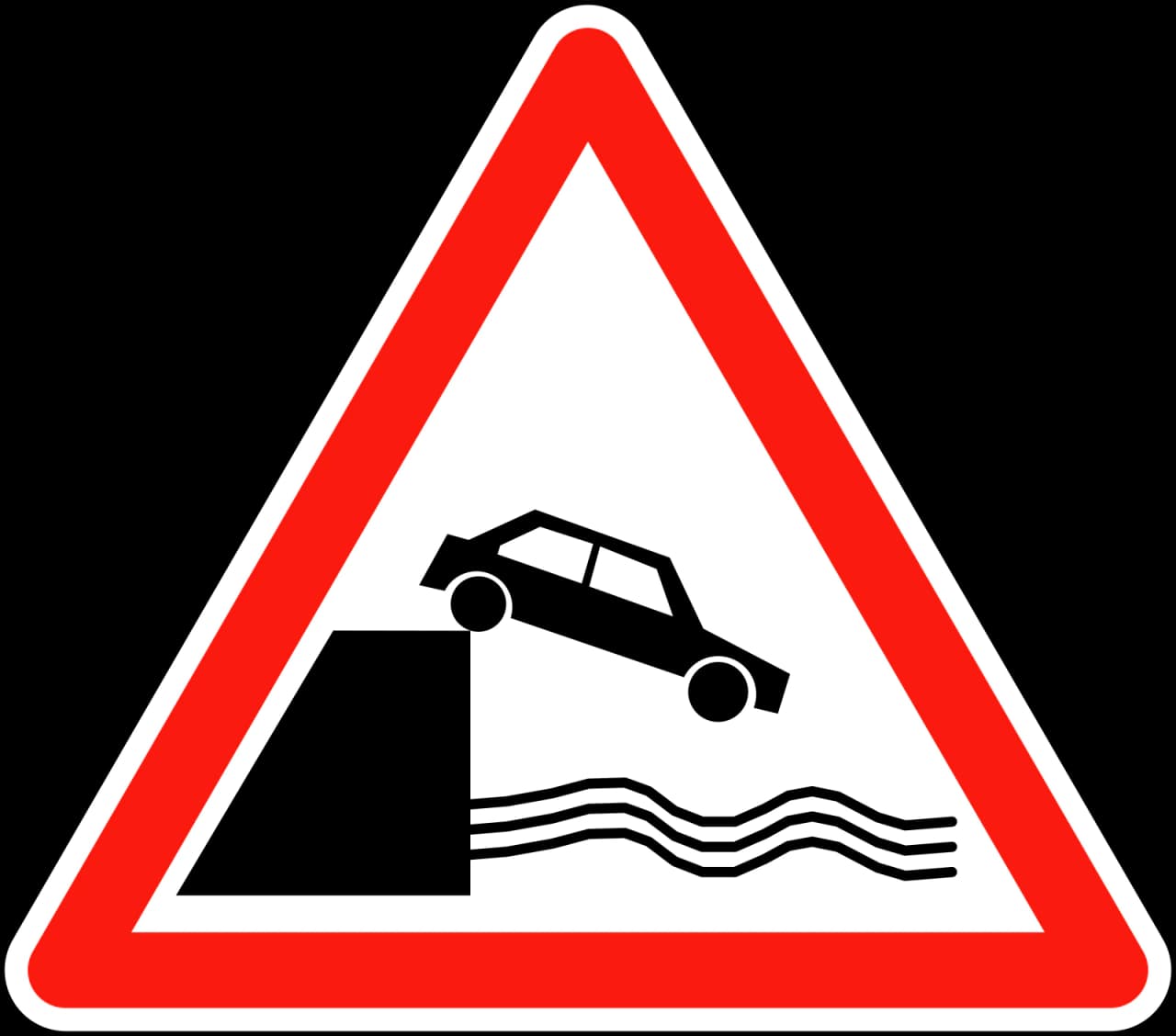
The A20 warning sign in France alerts you to the potential presence of a quayside or river bank ahead. This sign doesn't indicate an immediate danger but warns that conditions might change, possibly affecting grip, visibility, or road width. It's crucial to reduce your speed in advance, scan your surroundings, and be ready to adapt your driving, especially in varying weather or traffic conditions.
Master the meaning and application of the French A20 warning sign, essential for your theory test revision. This sign interpretation helps you anticipate hazards like quaysides or river banks, ensuring you react appropriately to maintain road safety and fulfil legal requirements.
This French warning sign is used before a hazard or road feature that could require an earlier response than the driver would otherwise make. It should trigger mirror checks, smoother speed control, wider observation, and extra following distance before the hazard is reached. The exact response depends on the location, traffic level, road surface, weather, and whether pedestrians, cyclists, animals, or crossing traffic may be present. Official French sign code: A20.
"Quayside or river bank" warns drivers that quayside or river bank may affect the road ahead. It gives time to reduce speed if needed, scan further ahead and to the sides, and prepare for a change in grip, visibility, priority, road width, or stopping distance.
Get clear, practical answers to the most common questions about the A20 - Quayside or river bank road sign. Learn how the sign works, what rules it represents, and how it affects real driving situations. This FAQ strengthens your understanding and supports accurate decision making for the French driving theory exam in France.
The A20 sign is a French warning sign indicating that you are approaching a quayside or river bank. It serves as an early alert that the road ahead may have specific conditions that require your attention, such as a change in road surface, width, or proximity to water.
Upon seeing the A20 sign, you should anticipate potential hazards. This means checking your mirrors, easing off the accelerator to reduce speed smoothly, increasing your following distance, and observing the road ahead and to the sides more carefully. Be prepared for changes in grip or visibility.
No, the A20 sign is a warning sign, not a prohibition. It alerts you to a potential hazard ahead. It does not prohibit specific actions like overtaking outright, but it strongly implies that conditions may make such manoeuvres unsafe. You must not ignore the warning and should prepare to adjust your driving accordingly.
A common exam trap is treating the A20 sign as an immediate instruction rather than an early warning. Learners might wait too long to slow down or fail to scan sufficiently. The key is early anticipation and preparation, not a last-second reaction. Also, remember that the specific hazard response depends on real-time conditions.
The A20 sign warns that the quayside or river bank *may* affect the road ahead. This could mean a change in road width, a change in road surface condition (potentially more slippery, especially in wet weather), or altered visibility. It's a cue to be extra vigilant and ready to adjust your speed and position.
A clear reference image of the A20 - Quayside or river bank road sign used in France.
The A20 - Quayside or river bank road sign may also be known by these alternative names or terms.
The A20 - Quayside or river bank road sign is part of the France Warning Signs category, which groups together signs with similar rules and functions.
Master French road signs by studying related examples. Comparing similar traffic signs, like warning signs and regulatory signs, aids recognition and reduces errors during your theory test revision.
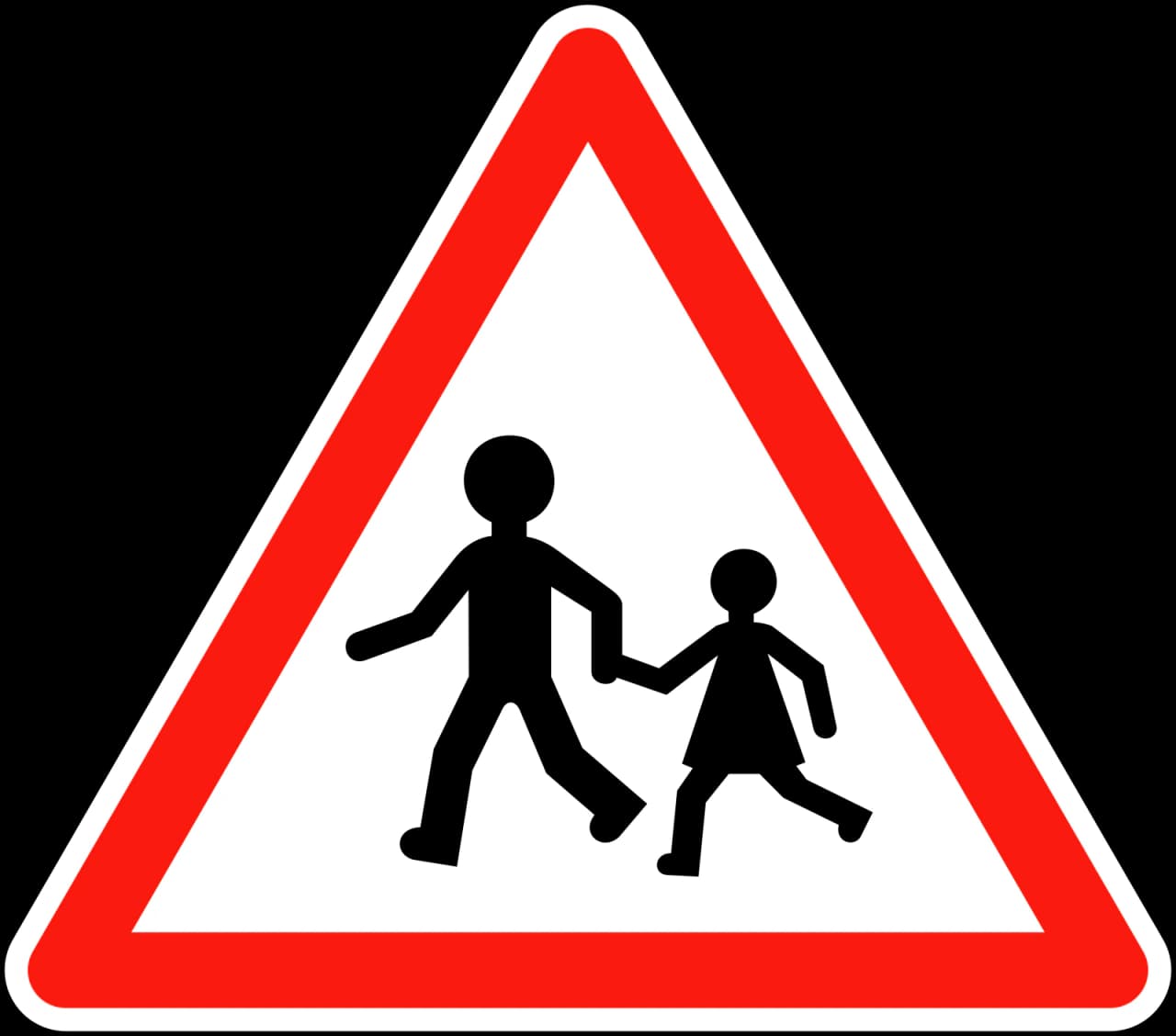
Warning: Children Crossing Ahead – Prepare to slow down and be vigilant!
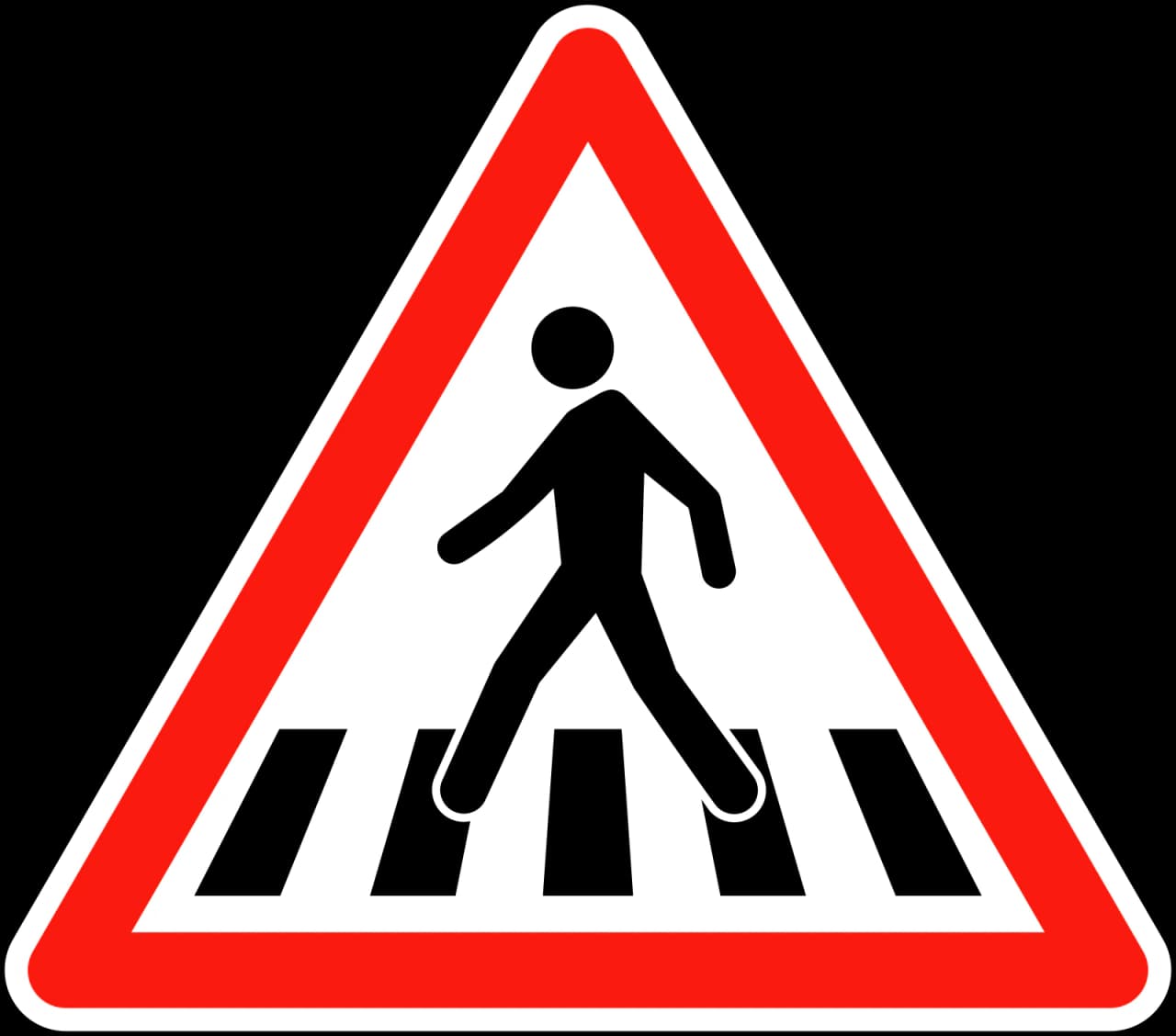
Prepare for Pedestrians: The A13b 'Pedestrian Crossing Ahead' Warning Sign
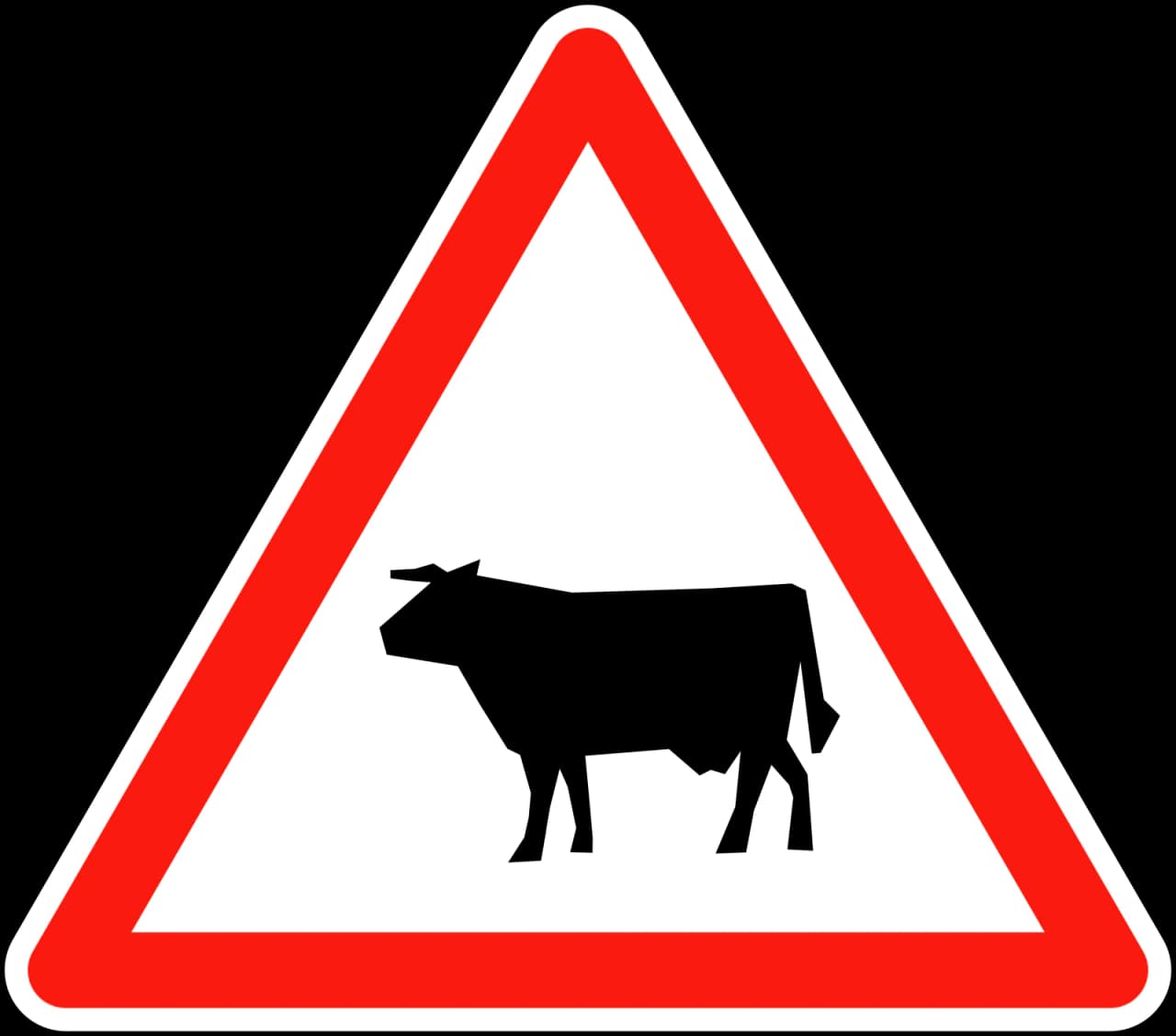
Prepare for cattle on the road with the French A15a warning sign.
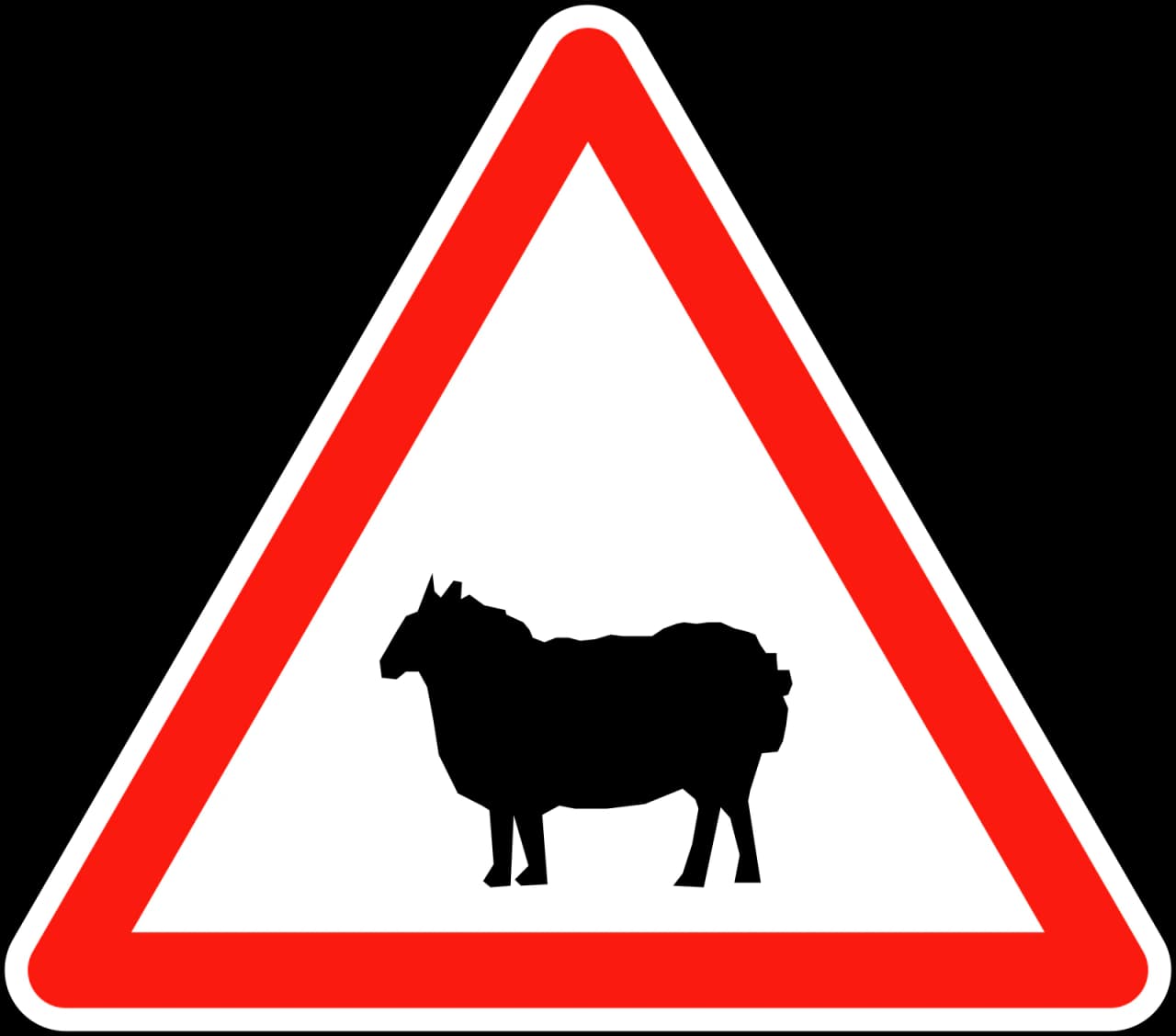
Watch out for Sheep: Understanding the A15a Warning Sign in France
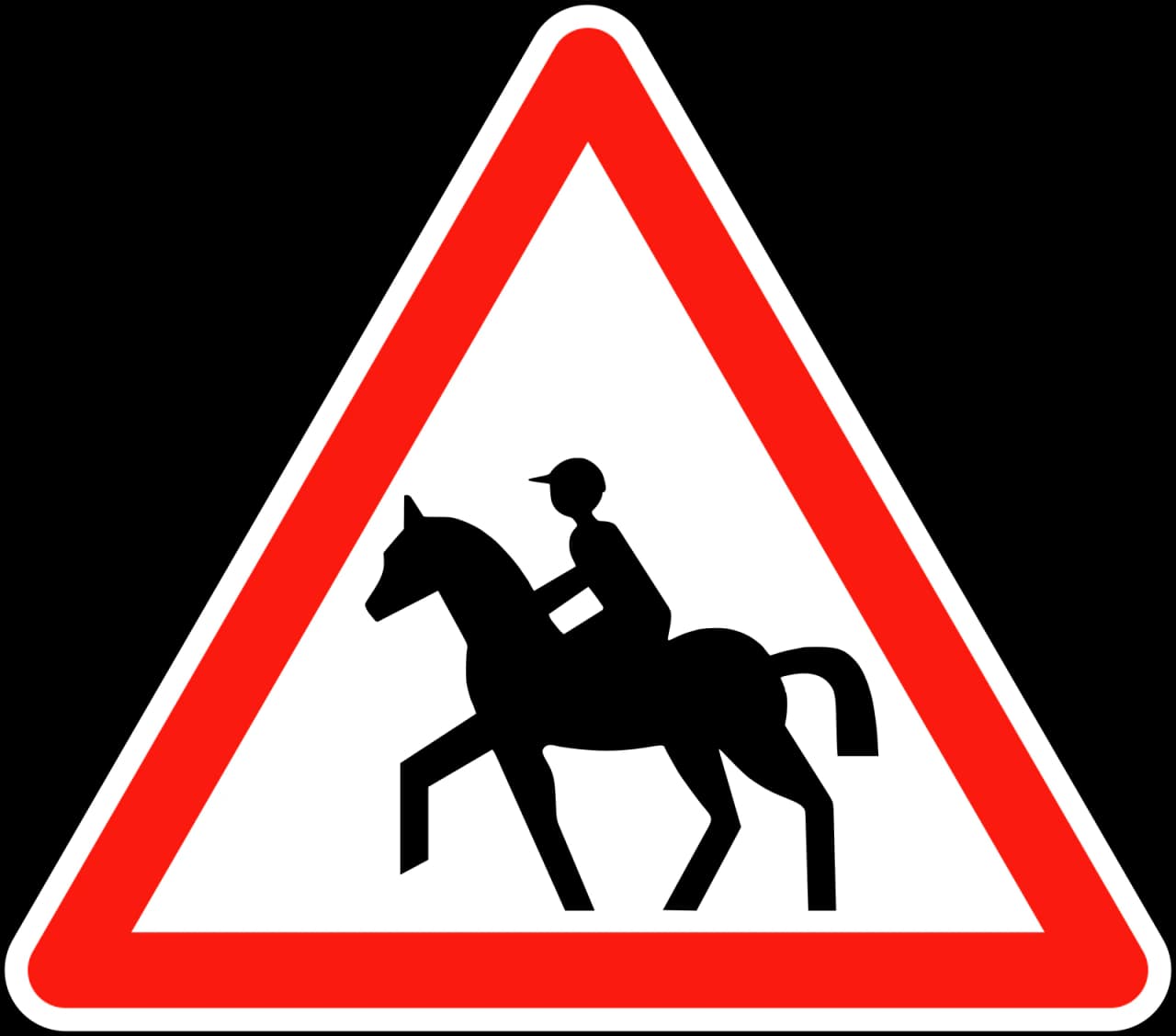
Watch out for horses: Understand the 'Equestrians' warning sign (A15c).
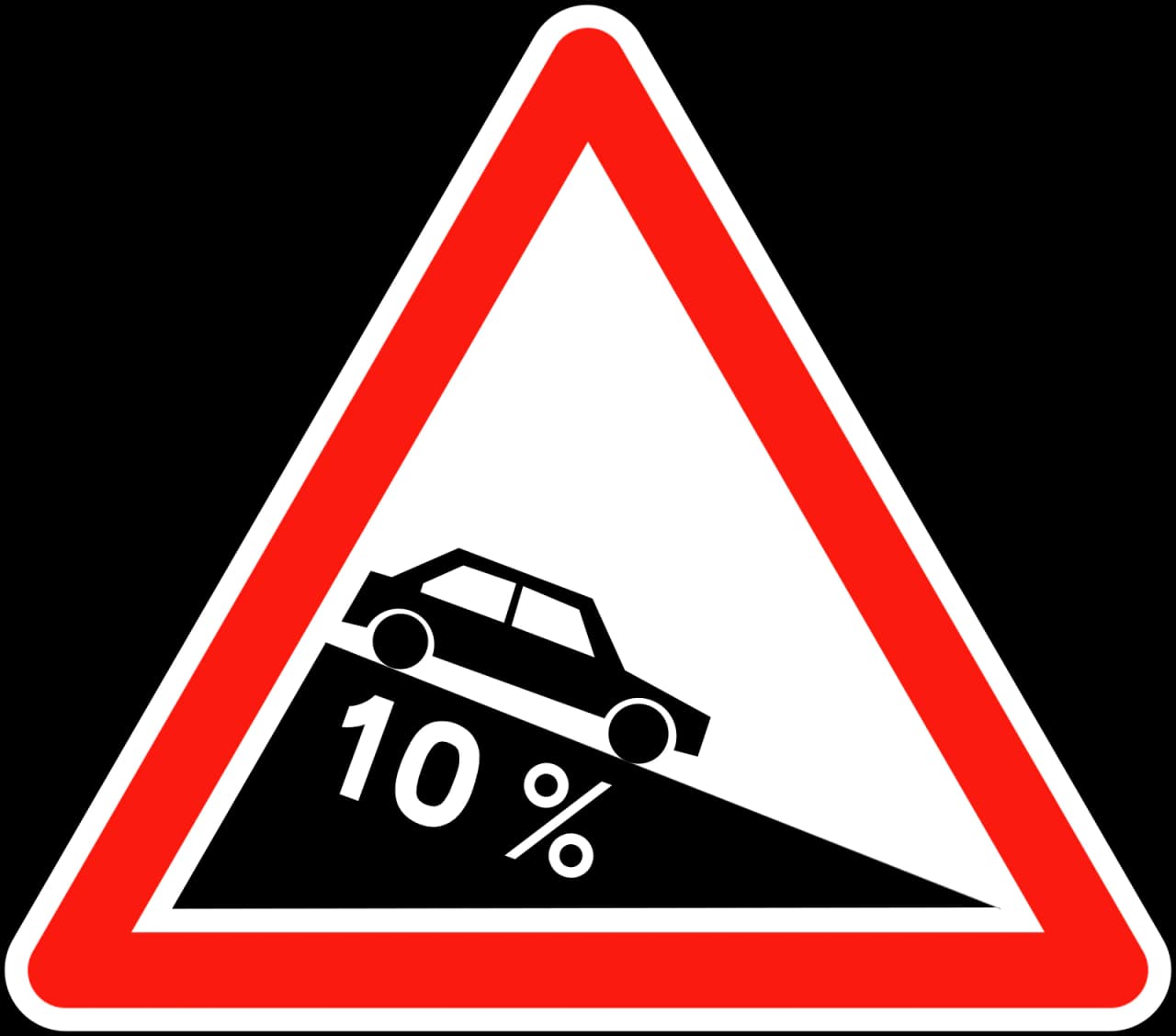
Steep Hill Downwards: Prepare for a significant descent ahead.
Now that you've reviewed the full list of French road signs, enhance your understanding. Explore signs grouped by specific categories for deeper insights, test your recognition with practice questions, and solidify your knowledge for the Code de la route exam.
Browse All French Road Signs