
This lesson focuses on the psychological and behavioral side of riding, which is just as important as physical bike control. You will learn how to maintain a defensive mindset, manage peer pressure, and avoid the risks associated with fatigue and overconfidence. These principles form the foundation of safe motorcycling on Irish roads and are essential for passing your Category A, A1, or A2 theory test.

Lesson content overview
To ride a motorcycle safely on Irish roads, you must master more than just the mechanical operation of your machine. Your psychological state, attitude, and mental focus are the most critical factors in determining your safety and the safety of those around you.
According to the Road Safety Authority (RSA) of Ireland, a significant portion of motorcycle collisions involve rider error, poor risk assessment, or lapses in concentration. This lesson explores how your mindset directly influences your risk profile and decision-making on the road, preparing you thoroughly for your Category A, A1, and A2 theory exams.
Unlike car drivers, motorcyclists have no protective steel cage, crumple zones, or airbags to absorb the impact of a collision. Consequently, your primary line of defense is your mind. Your attitude dictates how you perceive risks, how quickly you react to developing hazards, and how strictly you adhere to traffic regulations.
A positive, safety-first attitude enables you to anticipate dangers long before they require emergency action. Conversely, a negative, complacent, or aggressive attitude dramatically increases your crash probability, transforming minor traffic friction into critical emergencies.
+---------------------------------------------------------------+
|                      RIDER MINDSET CYCLE                      |
|                                                               |
|   Positive Attitude -> Clear Perception -> Safe Decisions     |
|          ^                                           |        |
|          |                                           v        |
|   Low Stress Level  <-  Reduced Hazards  <- Keep Distance     |
+---------------------------------------------------------------+
A positive rider attitude is a conscious, active commitment to prioritizing safety, obeying Irish road traffic laws, and showing consistent respect for other road users. It is characterized by patience, self-discipline, and emotional maturity.
A professional mindset characterized by a commitment to risk reduction, strict compliance with the Rules of the Road, emotional self-regulation, and active consideration for vulnerable road users.
A rider with a positive attitude does not view other drivers as competitors. Instead, they accept that other road users will make mistakes. Rather than reacting with anger or attempting to "teach them a lesson," a responsible rider adapts their speed and positioning to neutralize the hazard.
Overconfidence is one of the most dangerous psychological states a motorcyclist can experience. It typically develops when a rider gains basic physical mastery of the motorcycle but has not yet developed the deep cognitive experience required to read complex road situations.
It is vital to distinguish between these two psychological traps:
The Experience Myth: Many intermediate riders believe that surviving their first year of riding makes them "expert" or "immune" to common collisions. In reality, accident statistics show a spike in collisions among riders who have just passed their practical test, often driven by a sudden surge in overconfidence and a reduction in self-discipline.
A frequent misconception is that highly skilled riders do not need to worry about speed limits because their fast reactions can save them. In physical reality, no level of skill can overcome the laws of friction and momentum. If an agricultural vehicle pulls out of a concealed farm entrance on a national secondary road, an overconfident rider travelling too fast will simply run out of stopping distance, regardless of their cornering or braking skills.
Fatigue is a physiological state of reduced mental and physical alertness caused by a lack of sleep, prolonged physical exertion, or mental stress. In motorcycling, fatigue is particularly hazardous because riding requires continuous physical balance, precise muscular inputs, and constant cognitive processing.
Slower Reaction Times: The time it takes for your brain to process a hazard and signal your hand to apply the front brake increases significantly.
Tunnel Vision: Your peripheral vision narrows, making you blind to hazards approaching from side junctions or pedestrians stepping off pavements.
Impaired Judgement: You become prone to misjudging the speed and distance of oncoming vehicles, leading to dangerous overtaking decisions.
Physical Instability: Micro-corrections of balance become sluggish, causing poor lane positioning and clumsy cornering.
To maintain safe performance on Irish roads—especially when navigating motorways or long cross-country routes—you must plan regular rest stops. The RSA recommends taking a minimum 15-minute break every two hours of riding. If you begin to yawn, experience heavy eyelids, or find yourself struggling to maintain your lane position, you must pull over in a safe location immediately.
The Environmental Drain: Motorcyclists fatigue much faster than car drivers due to exposure to wind noise, engine vibration, and temperature extremes. Wearing proper ear protection and thermal layers is not just about comfort; it is a critical strategy to preserve your mental focus and prevent cognitive exhaustion.
Aggressive riding is defined as any hostile, competitive, or impatient behaviour on the road. It manifests as speeding, tailgating, rapid lane weaving, and executing unsafe overtaking manoeuvres.
An extreme manifestation of aggression where a rider or driver experiences intense anger and attempts to confront, intimidate, or physically harm another road user.
In Ireland, aggressive riding is not only a major safety hazard but is also heavily prosecuted under road traffic legislation.
+-----------------------------------------------------------------+
|                      AGGRESSIVE BEHAVIOURS                      |
|                                                                 |
|   [Tailgating]  --> Reduces reaction time to zero               |
|   [Weaving]     --> Confuses other drivers, enters blind spots  |
|   [Speeding]    --> Reduces cornering traction and sight lines  |
+-----------------------------------------------------------------+
Following the vehicle ahead too closely (tailgating) is a prime example of aggressive, impatient behaviour. It leaves you with zero reaction time if the leading vehicle brakes suddenly.
On dry Irish roads, you must maintain a minimum gap of two seconds behind the vehicle ahead. In wet weather, this gap must be doubled to at least four seconds.
Riding with a group of friends can be highly enjoyable, but it introduces distinct social and psychological pressures that can compromise your safety. Peer pressure can be explicit (friends telling you to ride faster) or implicit (your internal desire to keep up with more experienced or faster riders).
When riding in a group, you must always maintain your independent safety judgement. Never blindly follow the rider ahead of you through a junction, past an obstacle, or into an overtaking manoeuvre. Each rider must perform their own observation and make their own independent decisions.
On open, straight roads, groups should ride in a staggered formation to maximize safety cushions and sight lines while maintaining group cohesion. However, when approaching bends, junctions, or narrow roads, riders must return to a single-file formation to ensure optimal cornering lines and maximum space.
A defensive riding mindset is a proactive philosophy where you assume that other road users may not see you, and you take positive action to ensure you have time and space to react to their errors.
                  [ Anticipation ]
                         |
                         v
     [ Hazard Scanning ]--->[ Position Adjustment ]
                         |
                         v
                    [ Cushion ]
Do not simply stare at the tarmac immediately in front of your front tyre. Your eyes should sweep continuously from the far distance (to plan your line and speed) to the mid-distance (to identify turning vehicles, junctions, and oncoming traffic) to the immediate foreground (to check for diesel spills, potholes, or debris).
Always position yourself where you can see ahead and, crucially, where others can see you. Avoid riding in the blind spots of cars, vans, and large goods vehicles (HGVs). If you cannot see a truck's side mirrors, the driver cannot see you.
Under Irish road traffic legislation, specifically the Road Traffic Act, every road user has a legal "duty of care" to ride or drive responsibly. This means you must operate your vehicle with due care, attention, and reasonable consideration for all other persons using the road.
The requirement to ride responsibly is mandatory under Irish law. Failing to do so can result in prosecution for Careless Driving or Dangerous Driving, both of which carry severe penalties, including heavy fines, penalty points, and potential disqualification from riding.
Your psychological state must adapt fluidly to changing environments and conditions. A safe rider changes their risk assessment based on where and when they are riding.
In Ireland, rain, fog, frost, and high winds are common challenges. Damp or icy roads require you to lower your cornering speeds, avoid sudden control inputs, and increase your following distance. Your mindset must shift from progressive riding to absolute stability and safety.
Riding at night or in low-light conditions demands a slower pace. Your headlights only illuminate a limited stretch of road ahead; you must never "outride your headlights" (riding so fast that your stopping distance is greater than the distance illuminated by your beam).
Let us examine how attitude translates into real-world choices through three practical scenarios.
To consolidate your understanding of rider attitude and defensive strategies, explore our tailored practice tests and related study guides.
Explore all units and lessons included in this driving theory course.
Lesson content overview
Explore all units and lessons included in this driving theory course.
Explore search topics learners often look for when studying Rider Attitude and Safe Behaviour. These topics reflect common questions about road rules, driving situations, safety guidance, and lesson level theory preparation for learners in Ireland.
Browse additional driving theory lessons that cover connected traffic rules, road signs, and common driving situations related to this topic. Improve your understanding of how different rules interact across everyday traffic scenarios.
This lesson explains the core principles of defensive riding and hazard anticipation. Learn how to maintain active situational awareness and create safety buffers to navigate common Irish traffic risks effectively and safely while following the Rules of the Road.

This lesson teaches how to cultivate a proactive defensive riding mindset, focusing on situational awareness and constant hazard scanning. It describes the system of motorcycle control, encouraging riders to anticipate potential mistakes from other drivers, pedestrians, and cyclists. Motorcyclists will learn to position themselves defensively, leaving clear escape routes in all driving environments.
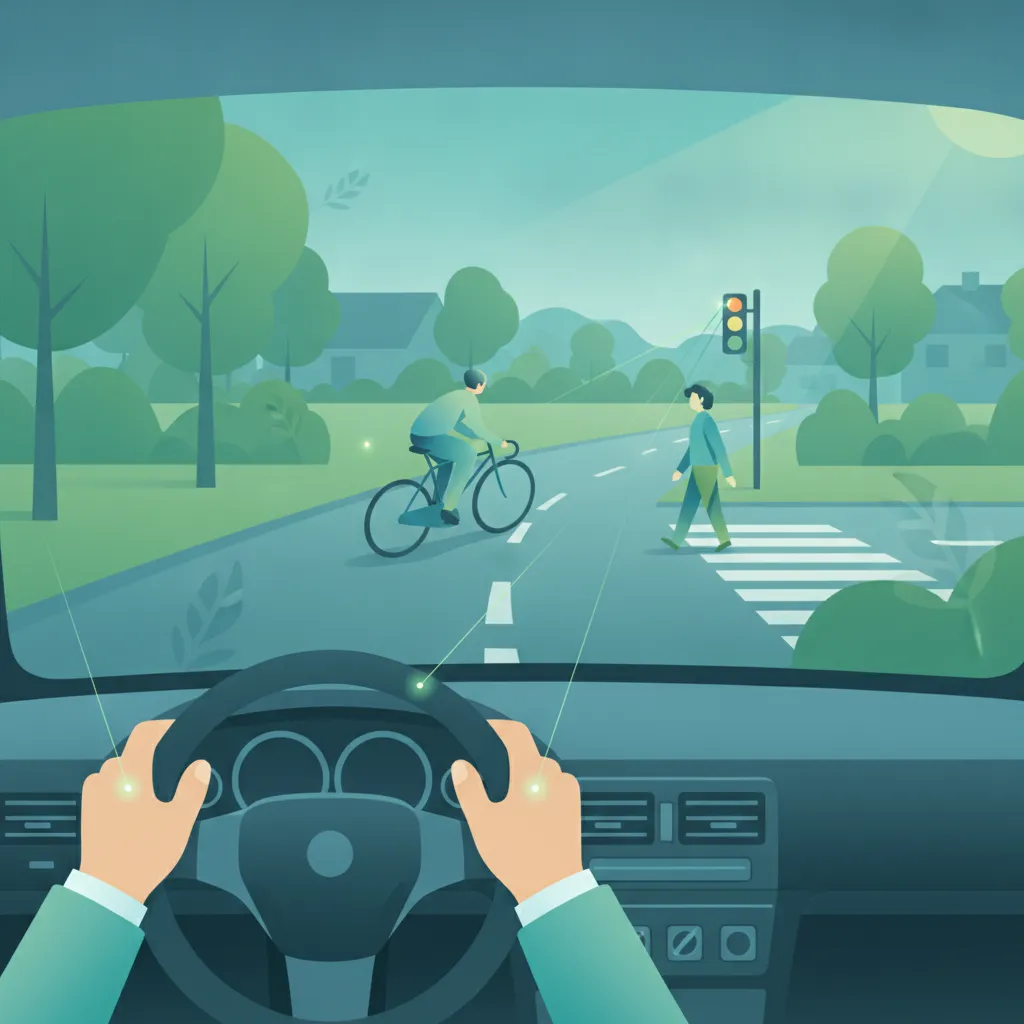
This lesson covers the strategic aspects of journey management, emphasizing the safety benefits of proactive route planning and weather checks. It teaches riders how to select safer roads, avoid high-congestion zones during rush hour, and schedule regular rest intervals. Motorcyclists will learn to pack essential tools, emergency contacts, and spare safety gear to remain prepared for any roadside situation.
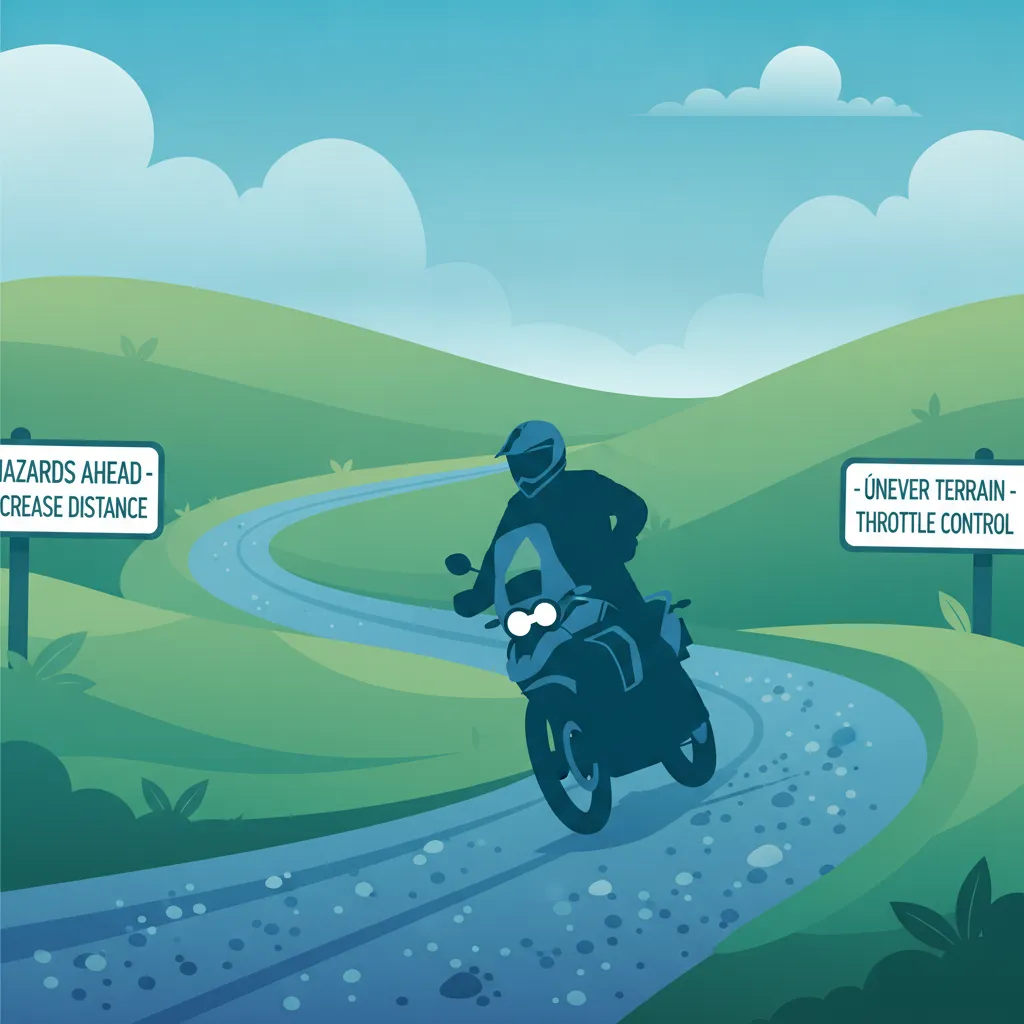
This lesson focuses on riding techniques suited for gravel, loose surfaces, and rural roads. Learners will understand how to maintain stability, adjust braking and cornering approaches, and anticipate hazards such as potholes and farm vehicles, following RSA guidance for safe riding in the Irish countryside.

This lesson outlines how motorcyclists should respond when permanent road signs are dirty, damaged, or hidden by overgrown trees and hedges. It introduces the temporary signage, warning cones, and detour markers commonly deployed at active roadwork zones in Ireland. Riders will learn to read the road ahead defensively, reducing speed when visual information is incomplete or compromised.
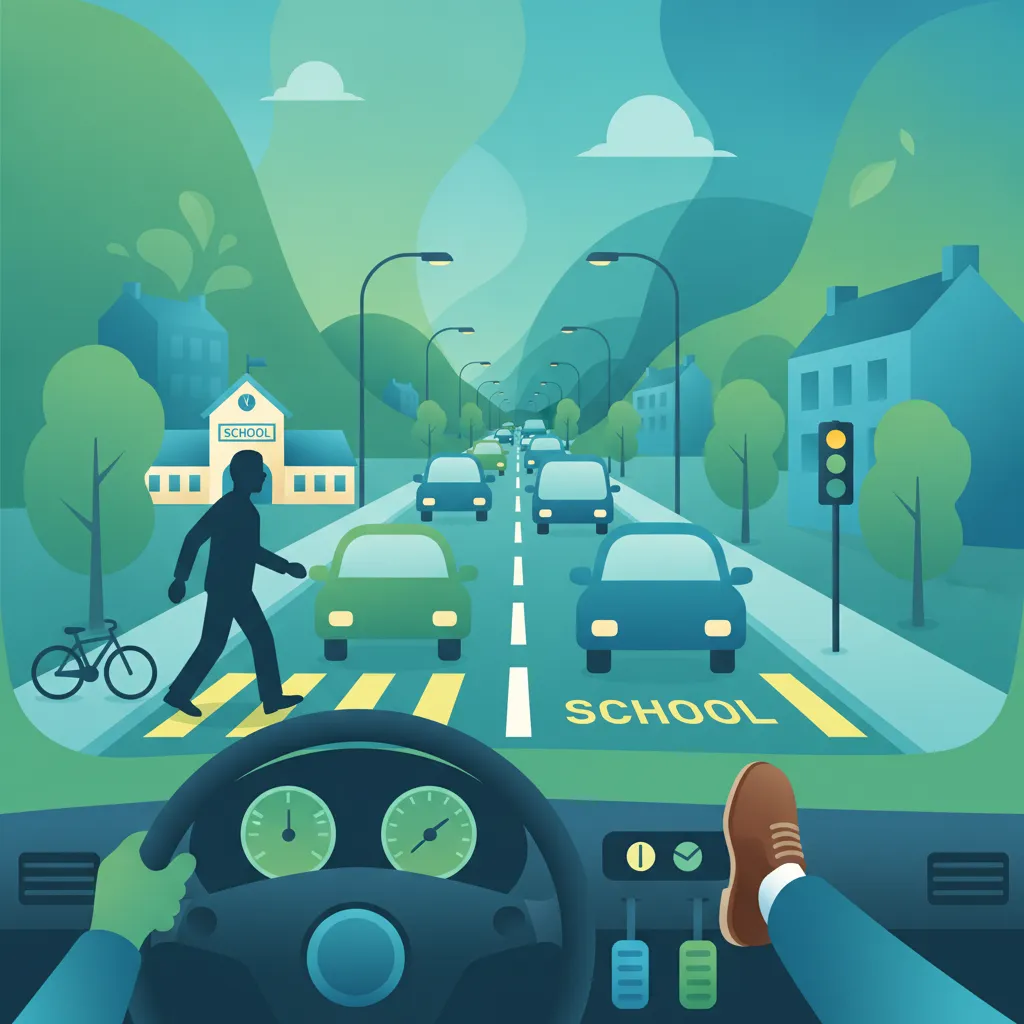
This lesson highlights the importance of smooth throttle adjustments for maintaining traction and stability on a moped. It teaches riders how to anticipate potential road hazards early, reducing the need for sudden emergency braking. Developing strong observation habits allows riders to adjust their speed smoothly and respond safely to traffic changes.
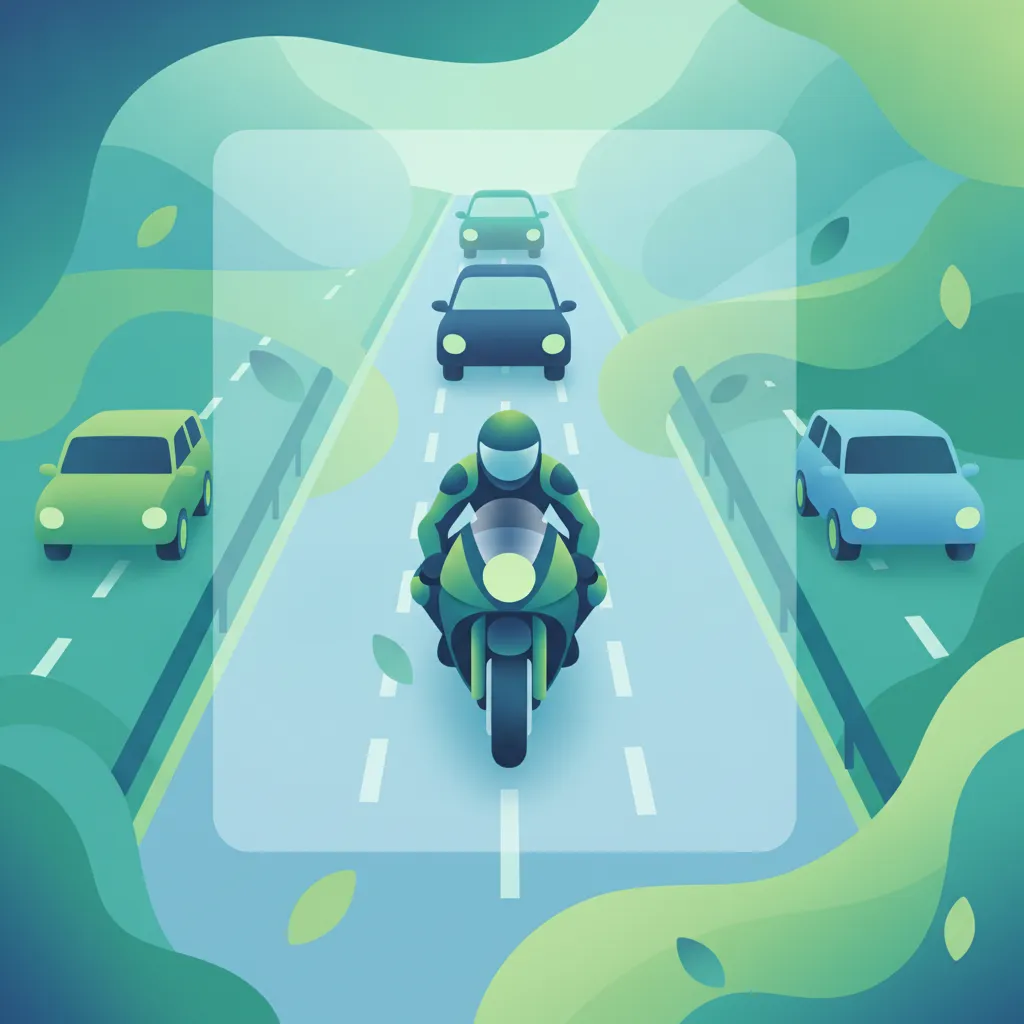
This lesson teaches riders how to create and preserve a protective safety envelope around their motorcycle under various traffic densities. It explains the two-second rule for dry conditions and how to expand this buffer zone in adverse weather or heavy traffic. Motorcyclists will learn to manage tailgaters by gradually increasing their following distance from the vehicle ahead to prevent sudden braking.

This lesson teaches riders how to manage extreme weather conditions such as high crosswinds, thick fog, and low sun glare. It details how wind forces can push a motorcycle off course and how to use minor body adjustments and lane placement to maintain stability. Riders will learn how to manage visibility limits in dense fog, utilizing specialized riding gear and reducing speeds safely.

This lesson explains how to modify riding techniques when navigating wet tarmac, focusing on the heightened risk of hydroplaning and reduced tire grip. It details the necessity of increasing following distances, avoiding painted road markings, and executing smoother control inputs. Riders will understand how surface water accumulates in ruts, presenting severe hazards during heavy rainstorms.

This lesson focuses on the critical techniques required to ride safely during severe rain or heavy fog in Ireland. It teaches riders how to handle aquaplaning risks, use headlights correctly, and significantly increase their following distances. Adapting speed to visibility ensures that riders can brake safely when road conditions deteriorate.

This lesson identifies prevalent risky behaviours among motorcyclists, including speeding, tailgating, and reckless riding under the influence of alcohol or drugs. Learners will understand the associated penalties, legal implications, and the impact of fatigue and peer pressure on decision-making, following RSA and Irish legal frameworks.
Understand the psychological factors that influence road safety, such as overconfidence, peer pressure, and fatigue. This guide provides theoretical insights into identifying common risk behaviors and developing the mental focus required to make safer decisions on Irish roads.
This lesson identifies prevalent risky behaviours among motorcyclists, including speeding, tailgating, and reckless riding under the influence of alcohol or drugs. Learners will understand the associated penalties, legal implications, and the impact of fatigue and peer pressure on decision-making, following RSA and Irish legal frameworks.
This lesson teaches how to cultivate a proactive defensive riding mindset, focusing on situational awareness and constant hazard scanning. It describes the system of motorcycle control, encouraging riders to anticipate potential mistakes from other drivers, pedestrians, and cyclists. Motorcyclists will learn to position themselves defensively, leaving clear escape routes in all driving environments.
This lesson details the location of blind spots on passenger cars, commercial trucks, and buses, explaining how to avoid staying in these danger zones. It teaches the vital importance of the lifesaver glance or physical shoulder check before executing any lateral lane change or turn. Motorcyclists will learn how to monitor other drivers' mirrors to verify if their motorcycle is visible.
This lesson covers the strategic aspects of journey management, emphasizing the safety benefits of proactive route planning and weather checks. It teaches riders how to select safer roads, avoid high-congestion zones during rush hour, and schedule regular rest intervals. Motorcyclists will learn to pack essential tools, emergency contacts, and spare safety gear to remain prepared for any roadside situation.
This lesson teaches riders how to create and preserve a protective safety envelope around their motorcycle under various traffic densities. It explains the two-second rule for dry conditions and how to expand this buffer zone in adverse weather or heavy traffic. Motorcyclists will learn to manage tailgaters by gradually increasing their following distance from the vehicle ahead to prevent sudden braking.

This lesson covers the causes of front and rear-wheel skids and teaches the correct physical responses to regain control and stability. It describes how to recover from lockups caused by excessive braking or sudden downshifts on low-traction surfaces. Motorcyclists will learn how to react calmly during sudden deceleration events, maintaining straight-line stability under extreme pressure.
Find clear answers to common questions learners have about Rider Attitude and Safe Behaviour. Learn how the lesson is structured, which driving theory objectives it supports, and how it fits into the overall learning path of units and curriculum progression in Ireland. These explanations help you understand key concepts, lesson flow, and exam focused study goals.
The exam tests not just your knowledge of road signs, but your ability to make safe, mature decisions. RSA examiners look for evidence that you recognize the high risk of motorcycling and are committed to defensive behaviors.
Peer pressure can lead learners to exceed their skill levels, engage in illegal filtering, or take unnecessary risks to keep up with others. Understanding this influence is key to resisting it and staying within your own comfort and skill zone.
It involves constant scanning for hazards, assuming other road users haven't seen you, and leaving yourself an 'out' in every situation. A defensive mindset means you are always prepared to react to the mistakes of others.
Yes, fatigue significantly reduces your reaction time and decision-making clarity. In the theory test, you must demonstrate awareness that riding while tired is as dangerous as riding under the influence, as it impairs your ability to control the bike.
Use the practice question search tool to pinpoint specific topics, road signs, or rules you need to master for your official Driver Theory Test. Refine your study strategy and ensure comprehensive preparation for all aspects of the Irish driving exam. Start your focused revision now and build confidence for your learner permit test.