This lesson provides a critical framework for handling road traffic collisions, focusing on your legal and safety duties as a motorcyclist. You will learn the correct sequence for securing a scene and providing initial aid while waiting for emergency services in accordance with Irish Rules of the Road.
Lesson content overview
In Ireland, being involved in or witnessing a Road Traffic Collision (RTC) is a highly stressful event. For motorcyclists riding under Category A, A1, or A2 licences, the stakes are exceptionally high due to the lack of protective structural barriers compared to cars. Knowing how to react in the immediate aftermath of an accident can mean the difference between life and death.
This lesson outlines the precise, structured actions you must take if you are involved in or witness a collision on Irish roads. It covers the legal obligation to stop, securing the scene to prevent secondary crashes, notifying emergency services, and delivering basic first aid, with a specific focus on the unique medical considerations for injured motorcyclists.
In Ireland, the Road Traffic Acts establish strict statutory duties for any road user involved in or witnessing a collision where injury or damage has occurred. These duties are mandatory, and failing to adhere to them is a serious criminal offence.
The legal requirement under Irish law for any driver or rider involved in an accident to immediately stop their vehicle, remain at the scene, and provide reasonable assistance to any injured parties.
If you are involved in a collision, you must stop your motorcycle immediately. If it is safe to do so, you should position your bike in a way that does not cause a further hazard, and turn off the engine. Under Irish law, you are required to remain at the scene until you have exchanged details with other involved parties or An Garda Síochána (the Irish police). If anyone is injured, you have a direct legal obligation to render "reasonable assistance," which includes contacting emergency services and providing basic first aid within the limits of your knowledge and capability.
Leaving the scene of an accident—commonly known as a "hit-and-run"—is treated with extreme severity in Ireland. If you fail to stop at the scene of an RTC, or fail to report it to the authorities when required, you face prosecution.
The legal consequences can include:
Before you can help others, you must ensure that you do not become a casualty yourself. Rushing blindly into a collision scene on a fast national road or a blind bend puts your life at immediate risk.
Your first action must always be a rapid hazard assessment. Before approaching an injured rider or driver:
Securing the scene prevents secondary collisions, which are often more severe than the primary crash.
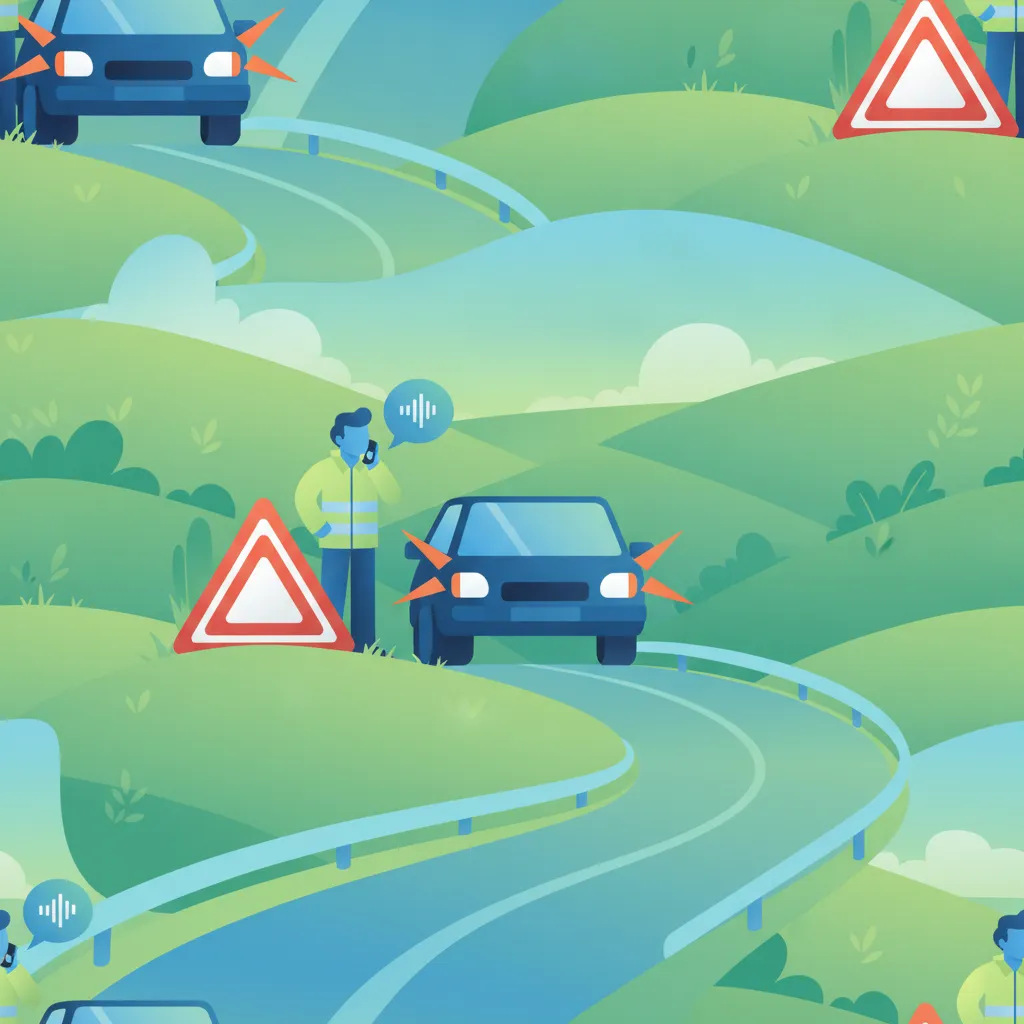
Activate Hazard Lights: Immediately turn on your motorcycle's hazard warning lights (if equipped) or park your bike in a highly visible position with the parking lights on.
Deploy Warning Devices: If you carry a traffic warning triangle, place it on the road at least 30 to 45 metres before the scene to alert oncoming traffic. Do not attempt this if walking back along the roadway puts you in direct danger.
Direct Oncoming Traffic: If bystanders are present, instruct them to stand in safe positions well before the crash site to wave down and warn approaching drivers.
Watch for Environmental Hazards: Be alert for downed power lines, damaged structures, or spilled hazardous chemicals (dangerous goods). If you notice labels indicating hazardous substances on a commercial vehicle involved in the crash, maintain a safe distance upwind and report this immediately to emergency services.
Your response must adapt to the road environment:
Once the scene is as secure as possible, you must immediately call for professional medical and police assistance. In Ireland, the official emergency numbers are 999 and the European-wide emergency number 112. Both numbers are free to call from any mobile phone or landline and will connect you to the emergency services operator.
Even if your mobile phone shows "No Service" for your network provider, dialing 112 will automatically route your call through any available mobile network in the area.
When you call 999 or 112, you must remain as calm as possible. The emergency operator will ask you specific questions. You must be prepared to provide:
While waiting for the emergency services to arrive, your immediate physical intervention can preserve life. First aid at a crash scene should focus strictly on life-threatening conditions. Always operate within your level of competence; attempting complex medical actions without training can cause severe harm.
The most critical rule when dealing with an injured motorcyclist involves their helmet.
Do not remove a motorcycle helmet from an injured person unless it is absolutely necessary. Unnecessary helmet removal can exacerbate severe neck and spinal injuries, leading to permanent paralysis or death.
You should only remove a rider's helmet under the following strict conditions:
If you must remove the helmet to perform life-saving rescue breaths (CPR) or to clear an obstructed airway, it should ideally be done by two people to keep the neck and spine completely aligned. One person should hold the rider’s neck and head stable from below, while the other gently widens the helmet shell and slides it off.
If the casualty is conscious, encourage them to remain completely still. Do not let them attempt to get up or sit up, as they may have internal injuries or spinal trauma.
If the casualty is unconscious:
Heavy blood loss can lead to rapid death from shock. You must act quickly to control severe bleeding:
Physical shock is a life-threatening medical state resulting from a sudden drop in blood flow through the body. It can be caused by severe external or internal bleeding, burns, or trauma.
Adrenaline runs high during an RTC, making responders prone to errors. Being aware of these common pitfalls can help you maintain focus and make the correct decisions under pressure.
These real-world scenarios illustrate how to apply the principles of emergency procedures and crash response on Irish roads.
If you are involved in or witness a collision in Ireland, memorize this critical sequence of actions:
Stop Safely: Bring your motorcycle to a halt in a safe position, turn off the engine, and activate hazard lights.
Assess and Secure: Check for oncoming traffic, put on high-visibility gear, and place a warning triangle if safe to do so. Switch off the ignition of any crashed vehicles.
Call for Help: Dial 999 or 112. Provide the operator with your exact location, the number of casualties, and the severity of injuries.
Render First Aid: Keep conscious casualties still and warm. Do not remove a rider's helmet unless they are not breathing. Control severe bleeding with direct pressure.
Remain at the Scene: Stay with the casualties and cooperate fully with emergency responders and An Garda Síochána when they arrive.
Explore all units and lessons included in this driving theory course.
Lesson content overview
Explore all units and lessons included in this driving theory course.
Explore search topics learners often look for when studying Emergency Procedures and Crash Response. These topics reflect common questions about road rules, driving situations, safety guidance, and lesson level theory preparation for learners in Ireland.
Browse additional driving theory lessons that cover connected traffic rules, road signs, and common driving situations related to this topic. Improve your understanding of how different rules interact across everyday traffic scenarios.
Understand the core principles of defensive riding and hazard anticipation. This guide explains how to identify potential risks before they escalate, helping you make safer decisions on high-speed roads and busy urban environments to prevent collisions.

This lesson teaches how to cultivate a proactive defensive riding mindset, focusing on situational awareness and constant hazard scanning. It describes the system of motorcycle control, encouraging riders to anticipate potential mistakes from other drivers, pedestrians, and cyclists. Motorcyclists will learn to position themselves defensively, leaving clear escape routes in all driving environments.
This lesson covers the strategic aspects of journey management, emphasizing the safety benefits of proactive route planning and weather checks. It teaches riders how to select safer roads, avoid high-congestion zones during rush hour, and schedule regular rest intervals. Motorcyclists will learn to pack essential tools, emergency contacts, and spare safety gear to remain prepared for any roadside situation.
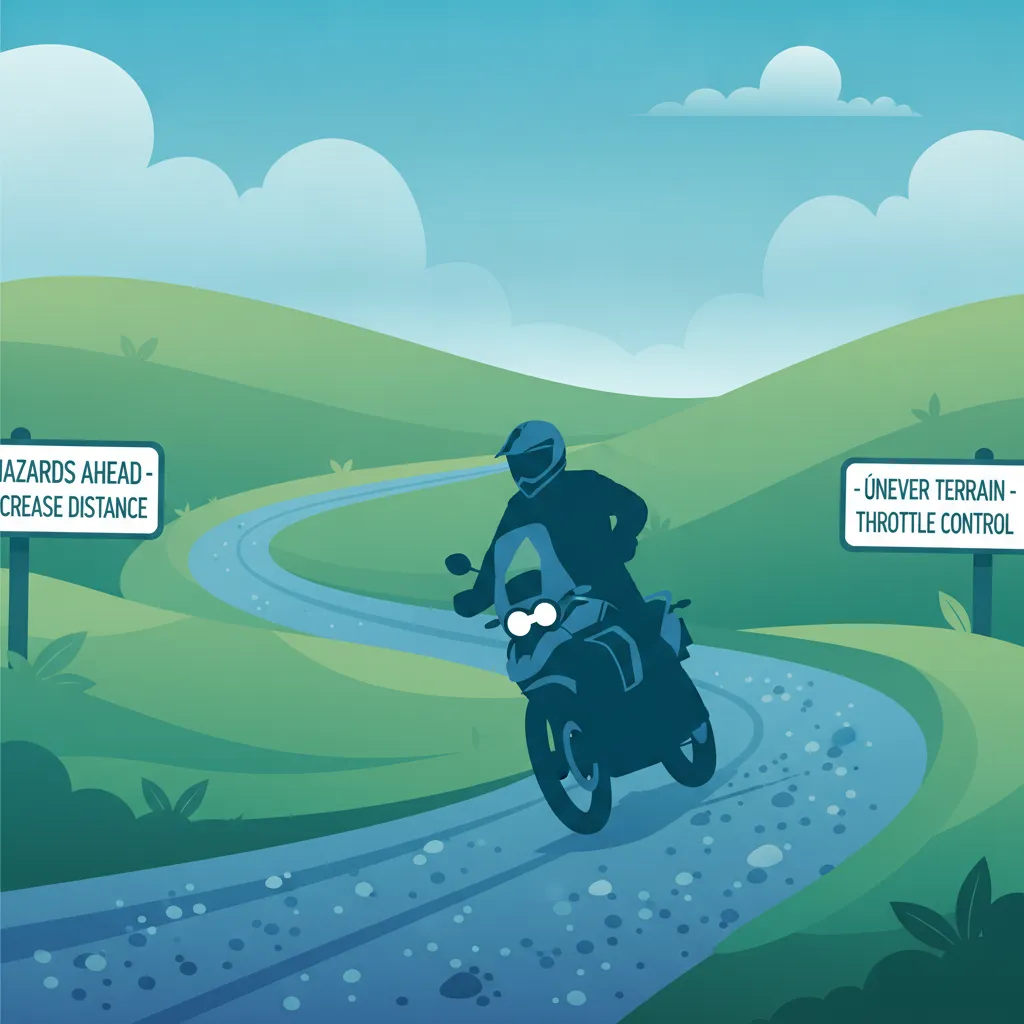
This lesson focuses on riding techniques suited for gravel, loose surfaces, and rural roads. Learners will understand how to maintain stability, adjust braking and cornering approaches, and anticipate hazards such as potholes and farm vehicles, following RSA guidance for safe riding in the Irish countryside.
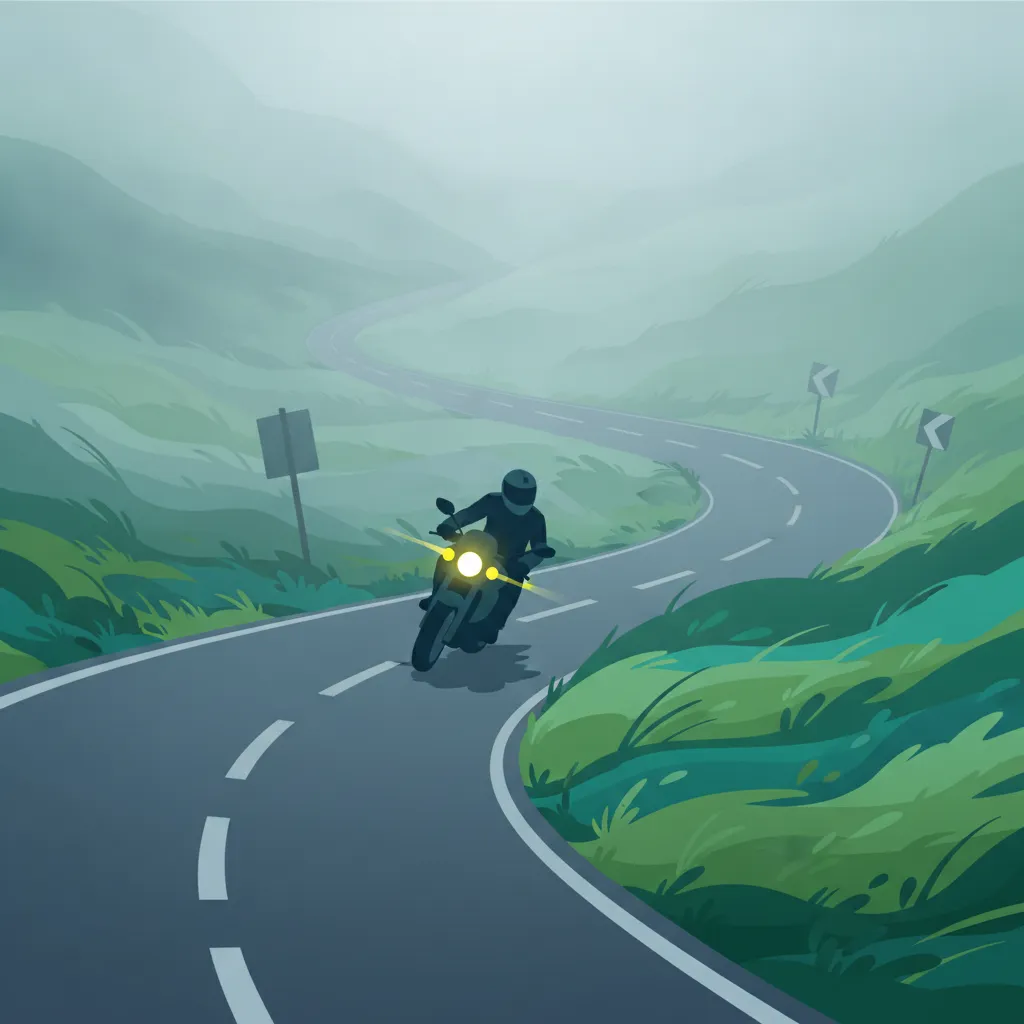
This lesson teaches riders how to manage extreme weather conditions such as high crosswinds, thick fog, and low sun glare. It details how wind forces can push a motorcycle off course and how to use minor body adjustments and lane placement to maintain stability. Riders will learn how to manage visibility limits in dense fog, utilizing specialized riding gear and reducing speeds safely.

This lesson analyzes traffic flow characteristics in dense municipal areas and teaches safe riding methods for congested gridlock situations. It covers the maintenance of adequate safety cushions, scanning for opening car doors, and monitoring pedestrians stepping from between parked cars. Riders will learn to manage frequent stopping, constant clutch wear, and the stress of urban commuting.

This lesson outlines how motorcyclists should respond when permanent road signs are dirty, damaged, or hidden by overgrown trees and hedges. It introduces the temporary signage, warning cones, and detour markers commonly deployed at active roadwork zones in Ireland. Riders will learn to read the road ahead defensively, reducing speed when visual information is incomplete or compromised.

This lesson highlights the importance of smooth throttle adjustments for maintaining traction and stability on a moped. It teaches riders how to anticipate potential road hazards early, reducing the need for sudden emergency braking. Developing strong observation habits allows riders to adjust their speed smoothly and respond safely to traffic changes.

This lesson focuses on the critical techniques required to ride safely during severe rain or heavy fog in Ireland. It teaches riders how to handle aquaplaning risks, use headlights correctly, and significantly increase their following distances. Adapting speed to visibility ensures that riders can brake safely when road conditions deteriorate.

This lesson explains how to modify riding techniques when navigating wet tarmac, focusing on the heightened risk of hydroplaning and reduced tire grip. It details the necessity of increasing following distances, avoiding painted road markings, and executing smoother control inputs. Riders will understand how surface water accumulates in ruts, presenting severe hazards during heavy rainstorms.

This lesson analyzes the crucial role of rider attitude, mental focus, and psychological factors in preventing motorcycle collisions on Irish roads. It addresses how overconfidence, fatigue, and peer pressure can negatively impact a rider's decision-making process and elevate risk levels. Motorcyclists will explore strategies to maintain a defensive mindset, exercise patience, and practice active situational awareness under all traffic conditions.
Learn about the most frequent risk factors for motorcycle riders in Ireland, including speed, overtaking mistakes, and improper lane positioning. This lesson examines the safety and legal implications of these behaviours according to Irish Road Traffic laws and RSA guidelines.

This lesson identifies prevalent risky behaviours among motorcyclists, including speeding, tailgating, and reckless riding under the influence of alcohol or drugs. Learners will understand the associated penalties, legal implications, and the impact of fatigue and peer pressure on decision-making, following RSA and Irish legal frameworks.

This lesson details the legal consequences of non-compliance with Irish road traffic laws, focusing on fixed charge notices, fines, and court prosecutions. It explains how persistent traffic violations can lead to mandatory licence disqualification, vehicle seizure, and soaring insurance premiums. Motorcyclists will learn about the serious long-term impact that a criminal driving record has on employment.
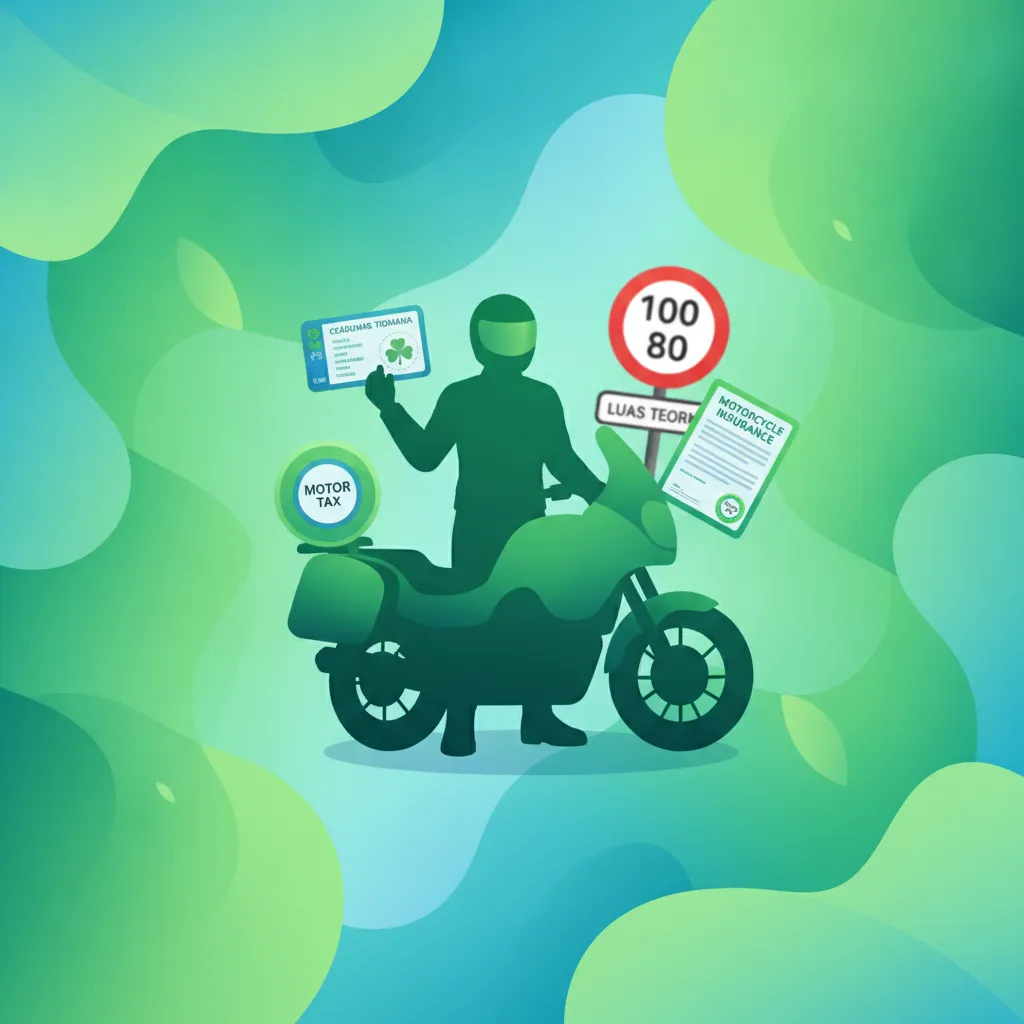
This lesson explains the foundational legal obligations of motorcyclists under Irish road traffic legislation and the official Rules of the Road. It covers mandatory compliance with speed limits, correct signalling protocols, and strict adherence to lane discipline and right-of-way laws. Riders will gain a comprehensive understanding of the legal consequences and safety risks associated with traffic violations.
This lesson analyzes the crucial role of rider attitude, mental focus, and psychological factors in preventing motorcycle collisions on Irish roads. It addresses how overconfidence, fatigue, and peer pressure can negatively impact a rider's decision-making process and elevate risk levels. Motorcyclists will explore strategies to maintain a defensive mindset, exercise patience, and practice active situational awareness under all traffic conditions.
This lesson teaches how to cultivate a proactive defensive riding mindset, focusing on situational awareness and constant hazard scanning. It describes the system of motorcycle control, encouraging riders to anticipate potential mistakes from other drivers, pedestrians, and cyclists. Motorcyclists will learn to position themselves defensively, leaving clear escape routes in all driving environments.

This lesson covers the rules governing zebra, pelican, and toucan pedestrian crossings, focusing on driver obligations and rider safety. It details how to interact safely with cyclists, personal mobility devices, and pedestrians in busy urban sectors. Motorcyclists will learn to scan pavement edges, yield right-of-way, and maintain safe overtaking distances when passing slower road users.
This lesson focuses on riding techniques suited for gravel, loose surfaces, and rural roads. Learners will understand how to maintain stability, adjust braking and cornering approaches, and anticipate hazards such as potholes and farm vehicles, following RSA guidance for safe riding in the Irish countryside.
This lesson outlines how motorcyclists should respond when permanent road signs are dirty, damaged, or hidden by overgrown trees and hedges. It introduces the temporary signage, warning cones, and detour markers commonly deployed at active roadwork zones in Ireland. Riders will learn to read the road ahead defensively, reducing speed when visual information is incomplete or compromised.
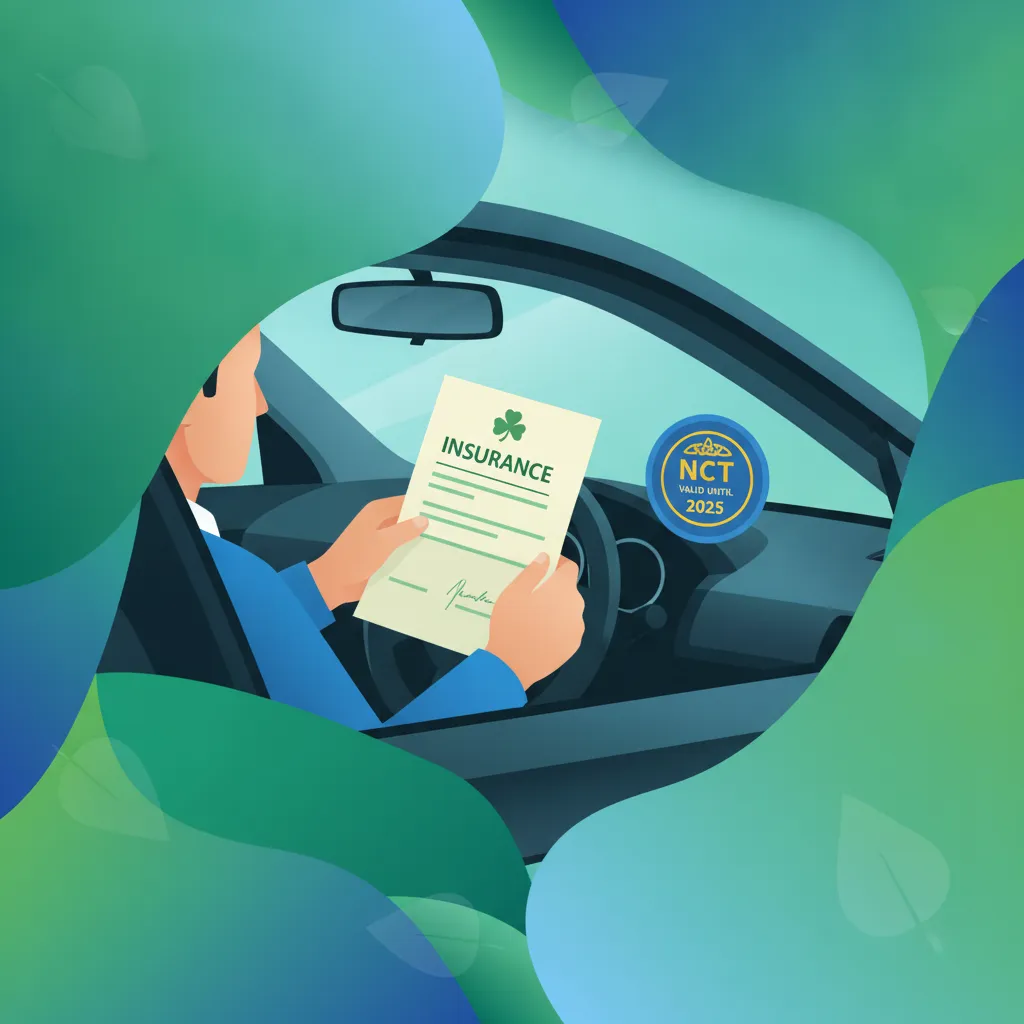
This lesson details the legal requirements for motorcycle insurance under Irish law, emphasizing the absolute necessity of holding valid third-party cover. It outlines the rider's responsibility to maintain their motorcycle in a completely roadworthy condition, focusing on critical safety components like tyres, brakes, and lights. Learners will examine how mechanical failures and non-compliance with maintenance standards compromise legal eligibility and safety.

This lesson explains the sequential steps for executing safe overtaking manoeuvres on single and dual-carriageway roads in Ireland. It focuses on assessing speed differentials, establishing clear lines of sight, and evaluating oncoming traffic before committing. Riders will learn the correct signaling routine, safe abort procedures, and how to return smoothly to their lane without cutting in.
Find clear answers to common questions learners have about Emergency Procedures and Crash Response. Learn how the lesson is structured, which driving theory objectives it supports, and how it fits into the overall learning path of units and curriculum progression in Ireland. These explanations help you understand key concepts, lesson flow, and exam focused study goals.
No. You should generally leave the helmet on to avoid moving the neck and spine. Only remove it if you cannot maintain the rider's airway or if they are having severe breathing difficulties.
You should call 999 or 112 to contact emergency services for the ambulance, fire brigade, or Gardaí.
Ensure your own safety and the safety of the scene first. Use your hazard lights and position your motorcycle to warn oncoming traffic before approaching the casualties.
Yes, safety and hazard management are core components of the RSA syllabus, and you will likely encounter questions regarding your responsibilities at the scene of an accident.
Use the practice question search tool to pinpoint specific topics, road signs, or rules you need to master for your official Driver Theory Test. Refine your study strategy and ensure comprehensive preparation for all aspects of the Irish driving exam. Start your focused revision now and build confidence for your learner permit test.