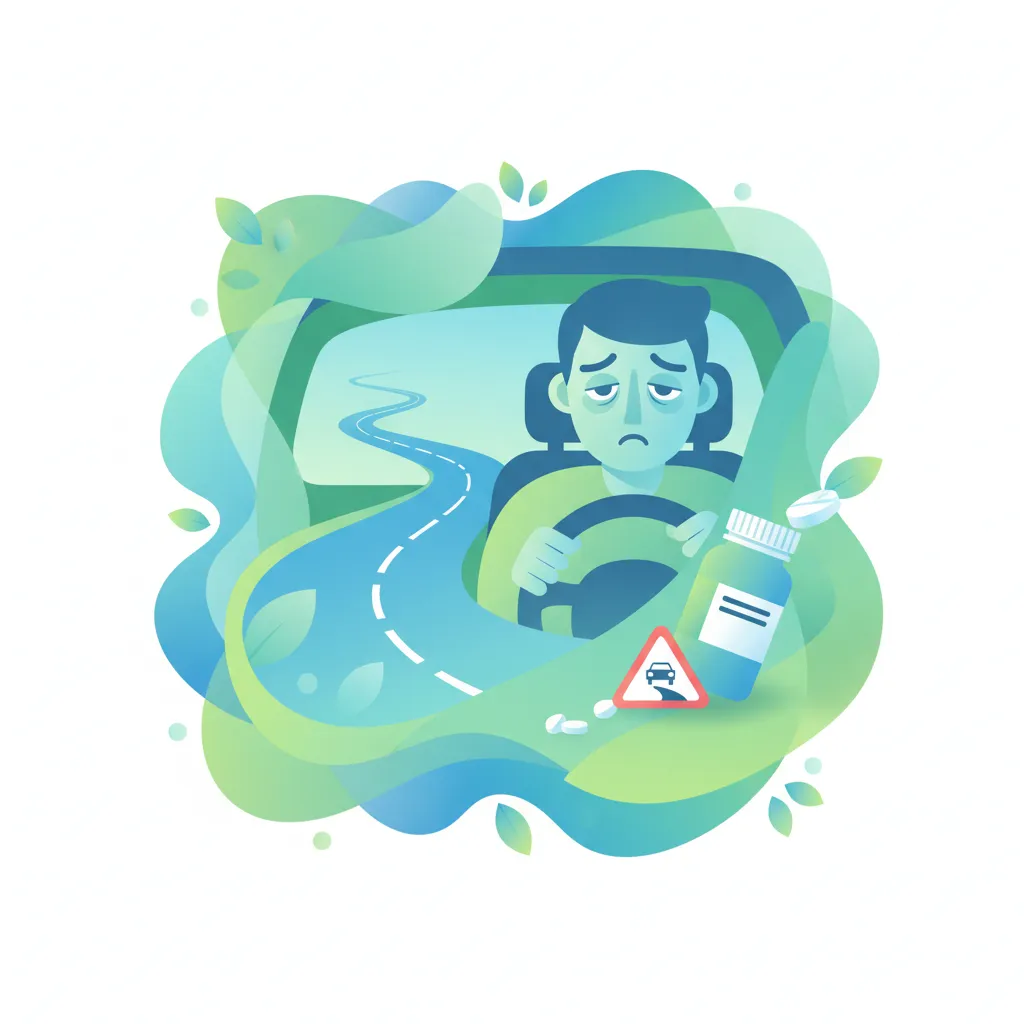
This lesson explores the critical relationship between substance use and driving safety within the Irish road safety framework. You will learn how various substances and medications impair your ability to react, the legal consequences of driving under the influence, and your personal responsibility to ensure you are fit to operate your vehicle.
Lesson content overview
Driving is a complex task that requires constant concentration, rapid physical reactions, clear vision, and sound judgment. Operating a vehicle under the influence of illegal drugs, prescription medication, or over-the-counter (OTC) medicines is a major contributor to serious injuries and fatalities on Irish roads.
This lesson provides an in-depth understanding of how different substances alter your physiological and psychological state, the legal frameworks governing drug-impaired driving in Ireland, how roadside testing is conducted, and how to responsibly manage your health while maintaining your fitness to drive.
To understand why drug-impaired driving is treated with such severity under Irish law, it is essential to understand how substances interact with the central nervous system. Drugs affect brain chemistry, altering your perception of reality, your physical coordination, and how quickly you can react to hazards.
Substances that impair driving are generally divided into three categories based on their effects on the body:
A reduction in a driver's cognitive, visual, or physical abilities below the level required to safely operate a motor vehicle, caused by substances, medical conditions, or fatigue.
Irish road safety legislation takes a zero-tolerance approach to illegal drug use. Under the Road Traffic Act 1961 (as amended) and the Criminal Justice (Designated Drug Offences) Act 2015, it is an offence to drive, or attempt to drive, a public service vehicle, passenger car, or any other mechanically propelled vehicle in a public place while under the influence of an intoxicating substance.
For illegal substances, the law establishes strict legal limits in the blood. For three major drugs, these limits are set so low that any trace concentration constitutes an offence, meaning there is effectively a zero-tolerance policy:
If a driver is found with concentrations exceeding these limits, the law presumes impairment. This means the prosecution does not need to prove that your driving was visibly erratic; simply possessing these levels in your blood while operating a vehicle is a criminal offence.
The Delayed Onset of Edibles: Many drivers mistakenly believe they are safe to drive after consuming cannabis in edible form because they do not feel the effects immediately. Edibles can take up to two hours to affect the body, leading to sudden, severe, and unexpected impairment while driving.
Prescription drugs are legal when authorized by a medical professional, but they can be just as impairing as illicit substances. As a Category B driver, you have a legal obligation under the Medical Fitness to Drive guidelines to ensure that any medication you take does not compromise your control of the vehicle.
If you are prescribed a controlled drug (such as certain benzodiazepines or medical cannabis) and are stopped by An Garda Síochána, you may have a medical defence if you test positive, provided that:
If a Garda can prove that your driving was impaired—even if you took your prescribed medication exactly as directed—you can still be prosecuted and convicted of driving under the influence.
Many everyday medicines available without a prescription can quietly degrade your driving skills. It is your legal responsibility to read the packaging and patient information leaflets of all OTC medicines before getting behind the wheel.
A legal and clinical requirement for manufacturers to include clear symbols (such as the European warning triangle with a car) and text warnings on packaging to advise consumers when a product may cause drowsiness or impair driving.
To enforce drug-driving laws, An Garda Síochána (the Irish police force) utilizes advanced technology at the roadside. Under Irish traffic law, officers are authorized to conduct Roadside Oral Fluid Testing (ROFT) at mandatory checkpoints or if they suspect a driver is under the influence.
The test is a non-invasive, hygienic procedure that analyzes a saliva sample:
The Stop: A Garda stops your vehicle at an authorized checkpoint, or following a traffic violation, suspicious driving, or a collision.
The Sampling: You are handed a collection swab and instructed to sweep it around the inside of your mouth until a built-in indicator changes color, showing that enough saliva has been collected.
The Analysis: The swab is placed into a portable testing device (the roadside analyzer).
The Result: Within a few minutes, the device reads the sample and provides a digital readout indicating whether specified drug groups—including Cannabis, Cocaine, Benzodiazepines, and Opiates—are present above the legal thresholds.
Refusing or failing to provide a saliva sample at the roadside when legally requested by a Garda is a serious offence under the Road Traffic Act.
If you refuse to cooperate, you will be arrested and face the same severe penalties, including mandatory driving disqualification, as if you had tested positive for drug impairment.
The penalties for driving under the influence of drugs or while impaired by medication are designed to be a powerful deterrent. Convictions carry life-altering legal and personal consequences.
As a responsible driver, you must proactively evaluate whether you are fit to drive before every journey. Follow this step-by-step approach when taking any form of medicine:
Read the Label: Look for warnings such as "May cause drowsiness" or "Do not drive or operate machinery if affected."
Consult Professionals: Ask your doctor or pharmacist directly: "Will this medication affect my ability to drive safely?"
Monitor Your Symptoms: Pay close attention to how you feel. Symptoms like dizziness, lightheadedness, blurred vision, difficulty focusing, or slower-than-normal physical movements are clear signs you must not drive.
Never Self-Medicate: Do not increase your prescribed dose without consulting your doctor, as higher doses can suddenly trigger impairing side effects.
Plan Alternative Transport: If there is any doubt about your alertness or coordination, arrange for a taxi, public transport, or a lift from a sober driver.
The danger of drug and medication impairment does not exist in a vacuum. It interacts dynamically with your environment, driving conditions, and other physical states.
Combining even tiny amounts of alcohol with medications or illegal drugs creates a compounding effect. The combined impact on your brain is far greater than the sum of the individual parts. For example, taking a mild sedating antihistamine and drinking half a pint of beer can cause a level of drowsiness that makes safe driving impossible.
The sedative effects of many prescription and OTC medications are amplified during night driving. Your natural circadian rhythm encourages sleep, and when paired with an impairing medication, your risk of falling asleep at the wheel rises exponentially.
Driving in heavy rain, fog, or icy conditions requires rapid split-second decisions and precise physical steering corrections. When your central nervous system is slowed by drugs, your inability to process visual data in poor weather drastically increases your stopping distance and the likelihood of a crash.
Impaired drivers suffer from "tunnel vision," focusing only on the road directly ahead while losing peripheral awareness. This makes it highly likely that you will fail to spot pedestrians, cyclists, or children stepping off a kerb, particularly at junctions and roundabouts.
Every time you sit in the driver's seat of a car, you hold a legal and moral responsibility to protect yourself, your passengers, and all other road users.
Understanding the risks of drug driving is not just about avoiding Garda checkpoints or escaping heavy fines; it is about recognizing that even common over-the-counter medicines can compromise your control of a vehicle. By staying informed, reading labels, consulting medical professionals, and observing a zero-tolerance policy for illegal drugs, you help ensure Irish roads remain safe for everyone.
Explore all units and lessons included in this driving theory course.
Lesson content overview
Explore all units and lessons included in this driving theory course.
Explore search topics learners often look for when studying Effects of Drugs and Medication on Driving Ability. These topics reflect common questions about road rules, driving situations, safety guidance, and lesson level theory preparation for learners in Ireland.
Browse additional driving theory lessons that cover connected traffic rules, road signs, and common driving situations related to this topic. Improve your understanding of how different rules interact across everyday traffic scenarios.
Understand the legal frameworks surrounding driving under the influence of alcohol and drugs in Ireland. This guide explains the zero-tolerance policy, roadside testing procedures, and the specific legal blood limits established under Irish road traffic legislation to ensure driver and passenger safety on public roads.
Ireland enforces strict blood alcohol concentration (BAC) limits, with a near zero-tolerance policy of 20 milligrams for learner and novice drivers. This lesson explains how alcohol impairs your cognitive functions, slows your reaction times, and distorts your depth perception. You will learn about mandatory Garda breathalyser checkpoints, the severe penalties for refusal, and the safety rule that only time eliminates alcohol.

This lesson details the statutory blood alcohol concentration limits in Ireland and the severe penalties for operating a motorcycle under the influence. It explains the physiological effects of alcohol, illicit drugs, and everyday prescription medication on vision, reaction speed, and overall coordination. Motorcyclists will understand how chemical impairment fundamentally alters risk assessment and vehicle control.
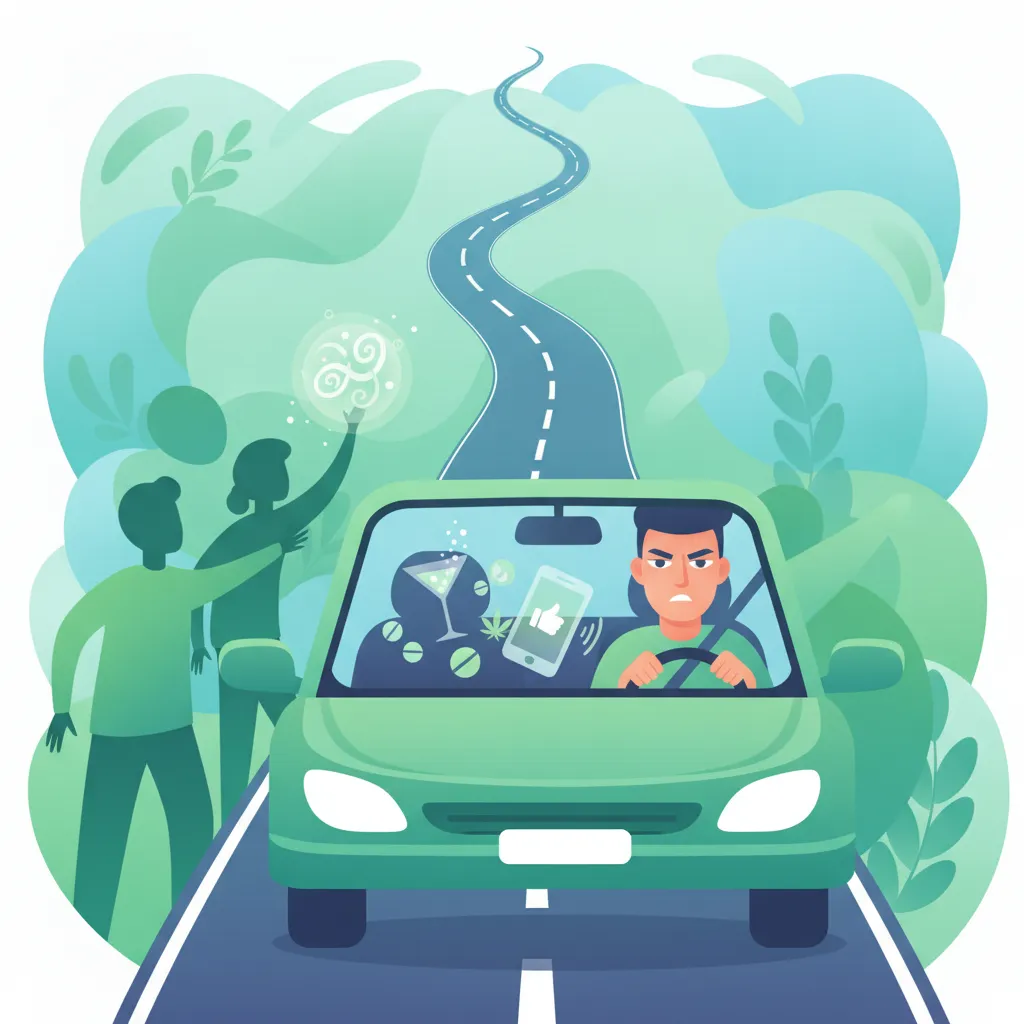
This lesson highlights the catastrophic dangers of operating a Category AM vehicle while impaired by alcohol, drugs, or fatigue. It explains the legal limits enforced in Ireland, the impact of distractions like mobile phones, and the influence of peer pressure. Riders will learn strategies to resist unsafe behavior and prioritize conscious safety decisions.
Violating passenger transport laws can lead to severe operator penalties, heavy fines, and the immediate suspension of driving privileges. This lesson examines common operational infractions, including tachograph violations, overloading offences, and driving with defective tires. Drivers will understand their personal legal liabilities under Irish legislation, supporting long-term safety compliance.
Ireland has designated statutory speed limits ranging from 30 km/h in slow urban zones to 120 km/h on motorways. This lesson details these default limits for Category B passenger cars, the placement of speed signs, and how local authorities apply special temporary limits. You will learn that a speed limit represents the absolute maximum legal speed under ideal conditions, and must always be adjusted downwards for safety.
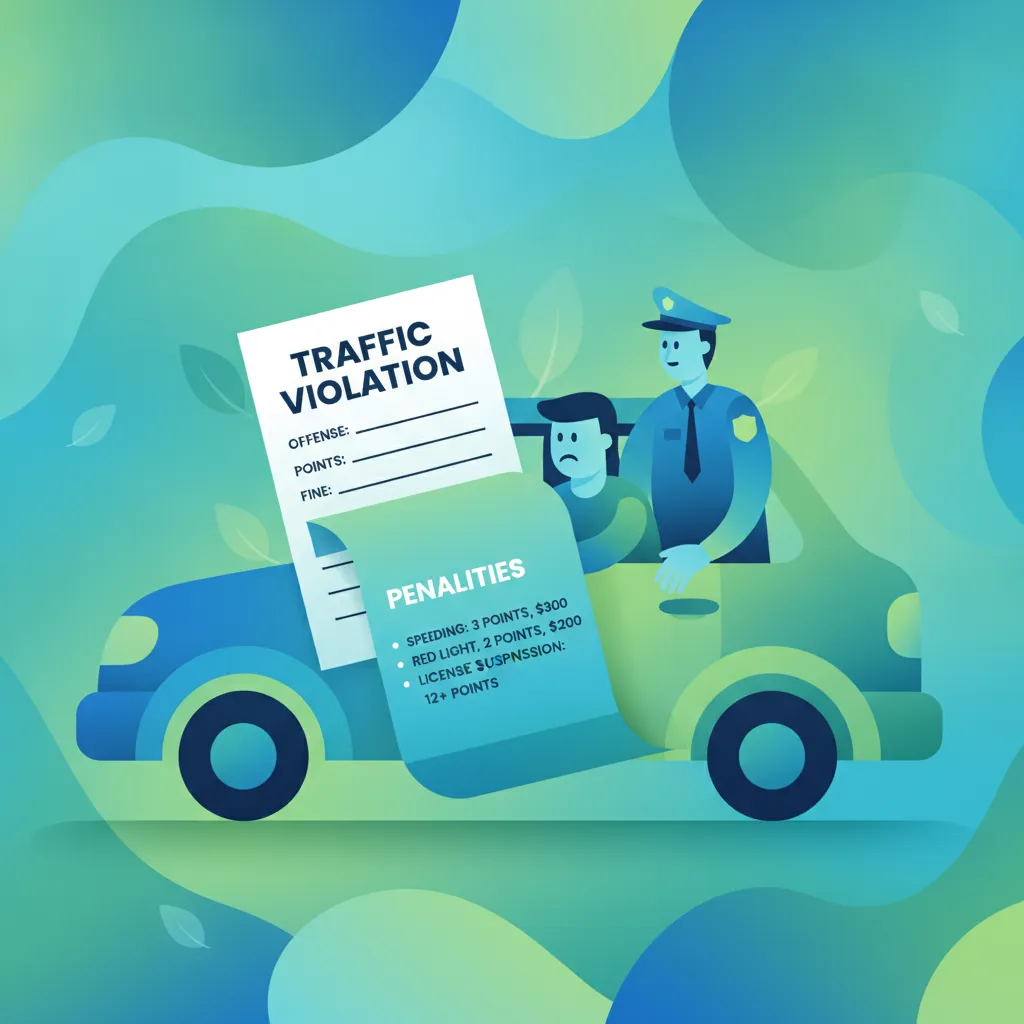
This lesson details the legal consequences of failing to adhere to the Irish Rules of the Road as a Category AM rider. It explains the structure of financial fines, penalty points, and situations that trigger immediate license suspension or disqualification. Understanding these severe penalties emphasizes the importance of consistent compliance and safe road use.
Violating Irish traffic laws triggers a structured enforcement process, starting with fixed charge notices and ending in severe court-ordered bans. This lesson details the roles of the Garda Síochána and the National Car Testing Service in enforcing safety regulations on roads. You will learn how fines are paid, how penalty points are formally added to your NDLS record, and the legal consequences of driving while disqualified.
Learner drivers in Ireland must adhere to strict operational rules, including the compulsory display of red L-plates and driving under qualified supervision. This lesson outlines your specific duties as a learner, the legal definitions of an accompanying experienced driver, and the elevated safety margins you must maintain on the road. Failing to comply with these learner regulations carries serious legal penalties and delays your progression to a full driving licence.

Drivers bear the legal responsibility of ensuring that all passengers under seventeen years of age are properly secured in the vehicle. This lesson covers Ireland's strict seatbelt laws and the requirement to use an EU-approved child restraint system appropriate for the child's height and weight. You will learn how to locate ISOFIX anchorage points, fit child seats correctly, and deactivate passenger airbags when using rear-facing seats.
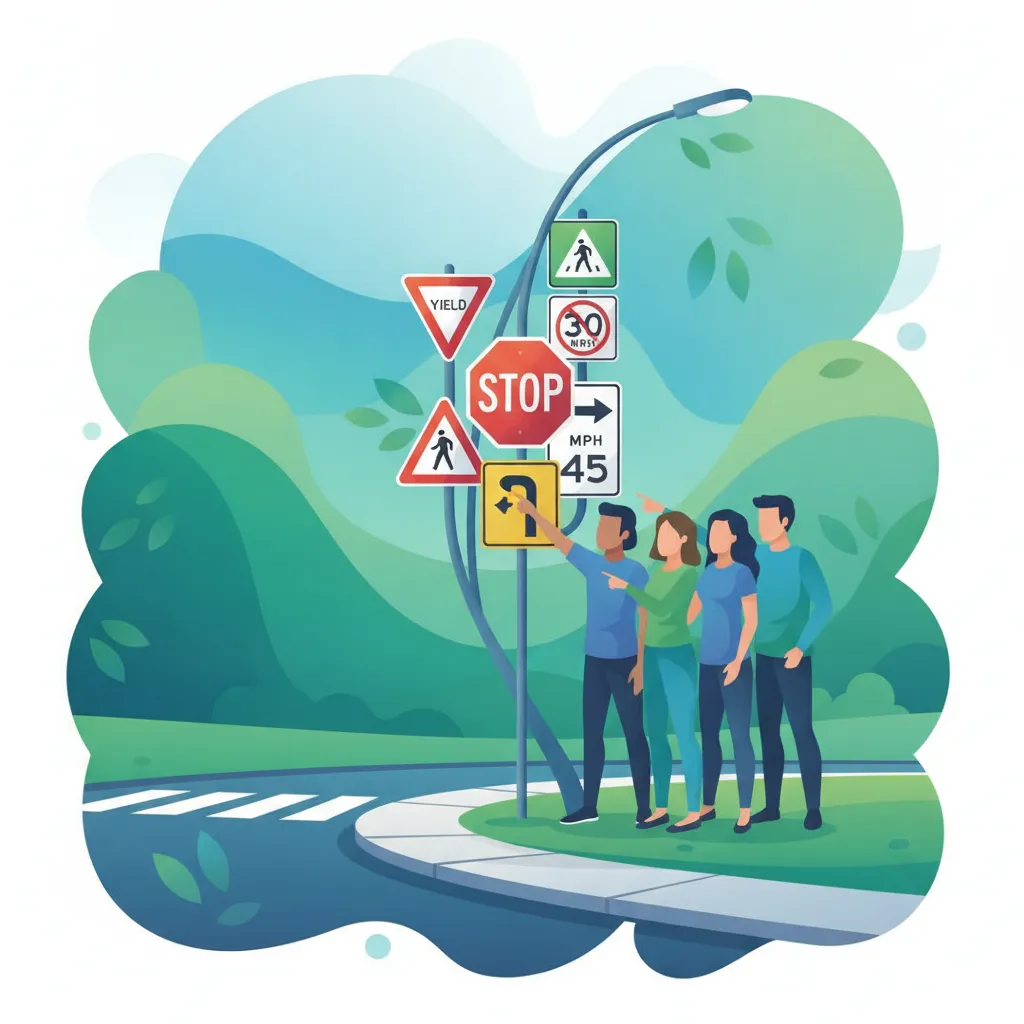
Regulatory signs give clear instructions and legal prohibitions that drivers must obey to prevent accidents and maintain traffic order. This lesson breaks down circular signs with red borders denoting prohibitions, blue circular signs showing mandatory directions, and key safety priorities like stop and yield signs. Failing to obey these specific indicators is a serious traffic offence that can lead to penalty points and immediate fines.
Explore the factors that influence your physical and cognitive fitness to drive, including fatigue management and medication awareness. Learn how to identify symptoms of impairment and evaluate your ability to operate a vehicle safely, helping you make responsible decisions before and during your journey on Irish roads.
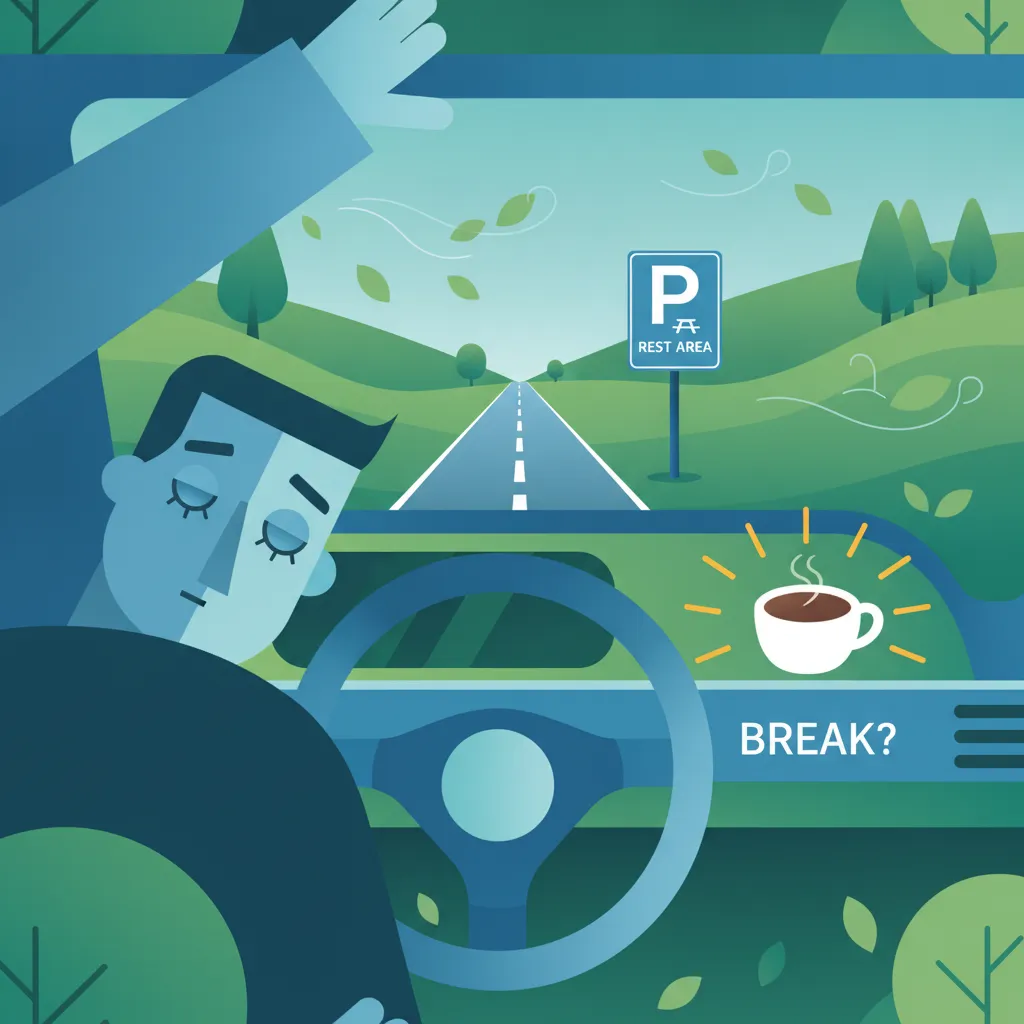
Driver fatigue is a silent killer on the roads, often causing drivers to drift out of lanes or experience catastrophic micro-sleeps. This lesson outlines the early warning signs of sleepiness, such as frequent yawning, heavy eyelids, and difficulty remembering the last few kilometres driven. You will learn effective prevention strategies, including planning regular rest stops, taking caffeine breaks, and never driving tired.

This lesson examines the physiology of sleep deprivation and the absolute safety risks associated with commercial driver fatigue. It outlines the specific European Union and Irish tachograph regulations governing daily driving limits, mandatory break times, and weekly rest periods. Drivers will learn to properly record work and rest logs, spot warning signs of cognitive tiredness, and apply healthy sleep hygiene.
Driver fatigue and visual distractions are major contributors to commercial passenger vehicle accidents on national transport networks. This lesson explores the physiological indicators of drowsiness, the benefits of healthy sleep habits, and strategies for avoiding digital distractions. It emphasizes strict compliance with professional driver hours to maintain alertness and safe operations.

This lesson explains how physical health, stamina, and fatigue management directly affect a rider's hazard perception and machine control. It provides practical methods for recognizing the early warning signs of extreme exhaustion and physical strain during long trips. Motorcyclists will learn optimal strategies for planning rest stops and maintaining core concentration throughout a journey.
Driving at night presents severe challenges due to reduced visibility, driver fatigue, and headlight glare from oncoming vehicles. This lesson teaches you how to manage your headlights, use road edge markers to steer through dark curves, and look away from oncoming bright lights. You will learn to drive within the range of your headlights and remain highly alert for pedestrians or cyclists not wearing reflective gear.

Operating long-distance intercity services requires meticulous journey planning to satisfy passenger comfort and comply with driver rest regulations. This lesson covers schedule coordination, planning convenient rest stop locations, and managing driver alertness over extended periods. Drivers will learn to perform intermediate safety checks on passenger comfort systems during journey breaks.
Ireland enforces strict blood alcohol concentration (BAC) limits, with a near zero-tolerance policy of 20 milligrams for learner and novice drivers. This lesson explains how alcohol impairs your cognitive functions, slows your reaction times, and distorts your depth perception. You will learn about mandatory Garda breathalyser checkpoints, the severe penalties for refusal, and the safety rule that only time eliminates alcohol.

As passenger numbers change throughout a service shift, a heavy vehicle suspension, center of gravity, and steering responsiveness adapt dynamically. This lesson covers load balancing, the physical risks of overloading, and how uneven weight distribution compromises stability during turns. Drivers will learn to perform regular axle weight assessments to comply with Irish transport safety rules.
This lesson highlights the catastrophic dangers of operating a Category AM vehicle while impaired by alcohol, drugs, or fatigue. It explains the legal limits enforced in Ireland, the impact of distractions like mobile phones, and the influence of peer pressure. Riders will learn strategies to resist unsafe behavior and prioritize conscious safety decisions.

Irish rural routes are often narrow, lacking central markings, and bordered by tall hedges that restrict forward visibility on sharp bends. This lesson teaches drivers how to negotiate blind curves, anticipate slow-moving agricultural machinery, and respond to wandering farm animals. Drivers will learn to regulate vehicle speed proactively, maintaining a safe stopping margin in rural areas.
Find clear answers to common questions learners have about Effects of Drugs and Medication on Driving Ability. Learn how the lesson is structured, which driving theory objectives it supports, and how it fits into the overall learning path of units and curriculum progression in Ireland. These explanations help you understand key concepts, lesson flow, and exam focused study goals.
Not all medications prohibit driving, but many carry warnings about drowsiness or impaired coordination. Always check the label or consult your pharmacist to see if your specific medication affects your ability to operate a vehicle safely.
Irish law allows Gardaí to perform preliminary drug tests using an oral fluid sample. If the device detects substances such as cannabis, cocaine, or opiates, you may be arrested and subjected to further analysis, leading to potential prosecution and disqualification.
No, Ireland maintains a strict approach to drug driving. For specified illegal drugs, there is effectively a zero-tolerance policy, and being found with these substances in your system while driving is a serious criminal offence.
While the theory test is a written exam, understanding medication-induced fatigue is a core safety competency. Recognising that drugs and medication affect your reaction time and hazard perception is frequently tested in both the theory exam and the practical driving test.
Use the practice question search tool to pinpoint specific topics, road signs, or rules you need to master for your official Driver Theory Test. Refine your study strategy and ensure comprehensive preparation for all aspects of the Irish driving exam. Start your focused revision now and build confidence for your learner permit test.