This lesson guides you through the essential regulatory signs you must recognise for the Irish Category B Driver Theory Test. By understanding the legal meaning behind circular signs and mandatory symbols, you will gain the knowledge required to navigate Irish roads safely and pass your exam with confidence.
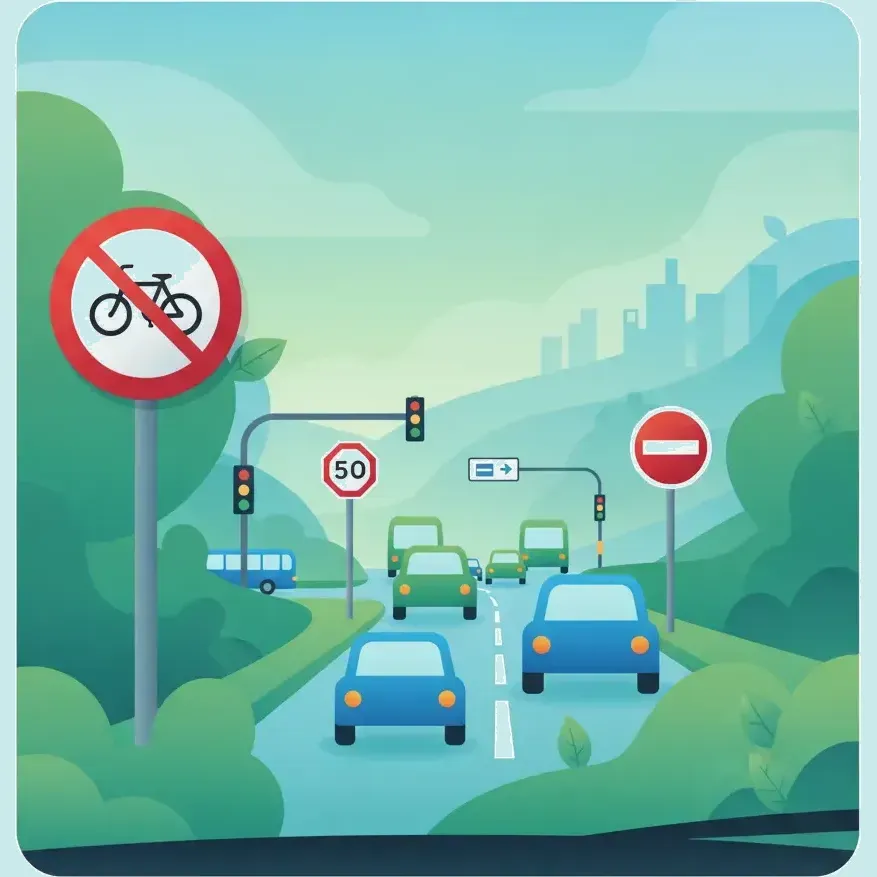
Lesson content overview
In the Irish traffic system, regulatory signs are the cornerstone of road safety, order, and law enforcement. Unlike warning or information signs, which advise or guide you, regulatory signs carry strict legal obligations. Failing to obey a regulatory sign is not merely a driving error—it is a serious traffic offence under the Road Traffic Acts, which can result in immediate fines, penalty points, or even disqualification.
For anyone preparing for the Official Irish Driver Theory Test (Category B), mastering regulatory signs is essential. This guide provides an in-depth analysis of these critical signs, their visual categories, their legal implications, and how you must respond to them in real-world driving situations across Ireland.
Every regulatory sign in Ireland is designed with specific shapes, colours, and symbols that allow drivers to recognize their meaning instantly, even from a distance or in poor weather conditions. The design standardisation is regulated by the Department of Transport and overseen by the Road Safety Authority (RSA).
Regulatory signs indicate what you must do or must not do. There is no middle ground or room for personal discretion. If a sign prohibits an action, that prohibition remains active until a different sign or road marking changes the instruction.
To help drivers categorize these instructions quickly, regulatory signs are divided into three primary visual groups:
Circular signs featuring a red outer ring and a white or blue background convey a prohibition. They are designed to prevent dangerous manoeuvres, manage traffic flow, and protect vulnerable road users in specific zones.
Speed limit signs dictate the absolute maximum speed (in kilometres per hour) at which you are legally permitted to drive under ideal conditions.
In Ireland, speed limits vary depending on the road classification:
A speed limit is a limit, not a target. If there is heavy rain, thick fog, or poor road surface quality, you must drive at a safe speed well below the posted limit, whilst still respecting the maximum threshold.
The "No Entry" sign is one of the most critical safety indicators on Irish roads. It prevents drivers from entering one-way streets in the wrong direction, exiting slip roads dangerously, or entering restricted transit lanes.
Overtaking is a high-risk manoeuvre, especially on narrow, winding, or hilly national and regional roads in Ireland. Where visibility is severely restricted or road layouts make passing unsafe, the state installs the "No Overtaking" sign.
These signs prevent vehicles from making dangerous turns at complex junctions, onto one-way systems, or across busy traffic lanes where turning would cause gridlock or accidents.
A "No U-Turn" sign means you are legally prohibited from turning your vehicle around to face the opposite direction on that stretch of road. You must proceed to a safe roundabout or side road to change your direction of travel.
Mandatory signs instruct you on what action you must take. These signs feature a bright blue background with white symbols or arrows. They are frequently used to direct traffic flow at roundabouts, physical road dividers, traffic islands, and dedicated junctions.
These signs dictate the exact path you must follow. They are highly common at the approaches to junctions, dual carriageway medians, and temporary road deviations.
While most speed signs dictate maximum thresholds, certain high-capacity roads or tunnels require traffic to maintain a baseline speed to prevent congestion and rear-end collisions.
Priority signs are the most critical traffic control devices at junctions. They establish who has the right-of-way, preventing intersecting streams of traffic from colliding.
The Stop sign is the only octagonal (eight-sided) sign on Irish roads. This unique shape makes it instantly recognizable from both the front and back.
To comply with Irish law and pass your Category B driving test, you must follow this exact sequence:
Bring your vehicle to a complete stop: Your wheels must stop rolling entirely behind the solid white stop line marked on the road surface. Rolling stops (slowing down without stopping fully) are illegal.
Observe traffic: Look right, left, and right again. Assess the speed and distance of oncoming traffic on the major road.
Yield to all crossing traffic: Vehicles on the intersecting road have absolute priority.
Proceed only when safe: Once there is a safe gap in traffic, accelerate smoothly into your lane.
If your view is obstructed by parked cars, buildings, or hedges, you must still stop completely behind the line first. Afterward, you may slowly "creep" forward (clutch control) to gain visibility, stopping again if necessary before committing to the turn.
The Yield sign (often marked with "Yield" or the Irish "Géill Slí") is an inverted triangle. It indicates that you must give way to traffic on the road you are joining or crossing.
Understanding the operational difference between these two priority signs is a frequent source of confusion for student drivers.
| Operational Aspect | Stop Sign (RUS 027) | Yield Sign (RUS 026) |
|---|---|---|
| Mandatory Stop | Yes, you must stop completely every single time, regardless of traffic. | No, a complete stop is only required if there is oncoming traffic. |
| Associated Road Marking | A continuous, solid white line across your lane. | A broken (dashed) transverse white line across your lane. |
| Approach Speed | Slow down progressively to come to an absolute halt. | Slow down and prepare to stop, but proceed if the junction is clear. |
In Ireland, regulatory signs are backed by strict legislation, principally the Road Traffic (Traffic and Speed) Regulations. Disobeying these signs carries severe legal consequences under the Irish Fixed Charge Notice system.
If you fail to obey a regulatory sign, such as ignoring a "No Entry" sign, breaking a red light, running a "Stop" sign, or exceeding the posted speed limit, you face:
Your obligation to comply with regulatory signs does not change based on external circumstances, but how you prepare to obey them must adapt:
Many drivers approach a Stop sign at an empty rural junction, slow down to 2 or 3 km/h, look both ways, and proceed without ever bringing the car to a complete 0 km/h stop.
At traffic lights, drivers sometimes get confused when a yellow or green arrow lights up while a physical regulatory sign (like "No Right Turn") is posted at the junction.
Mastering Irish regulatory signs is a fundamental step toward earning your Category B driving licence and becoming a safe, responsible driver.
This lesson covers the three visual categories of Irish regulatory signs: red-bordered circular prohibitions, blue mandatory circles, and unique priority shapes. Prohibitive signs include speed limits, No Entry, No Overtaking, and turning restrictions, while mandatory signs dictate paths through Keep Left/Right and directional arrows. The Stop and Yield signs are critically distinguished—Stop requires absolute cessation behind a solid white line, while Yield requires giving way with stopping only when necessary. All regulatory signs carry legal force under Irish Road Traffic Acts, with penalties including fixed charge fines and penalty points affecting both learner permit holders and novice drivers differently.
A short set of high-value points that capture the most important learning from this lesson.
Circular signs with red borders indicate prohibitions; blue circular signs indicate mandatory instructions you must follow
The octagonal Stop sign requires a complete stop behind the solid white line every time, without exception
Yield signs require you to give way to crossing traffic but do not mandate a complete stop unless traffic is present
Regulatory signs are legally binding under Irish Road Traffic Acts; disobeying them results in fixed charge fines and penalty points
A speed limit is a legal maximum, not a target—adverse weather or road conditions require you to drive slower
Explore all units and lessons included in this driving theory course.
Red-bordered circular signs = prohibition (No Entry, No Overtaking, speed limits, turning bans); Blue circular signs = mandatory actions (Keep Left/Right, turn directions)
Stop sign: octagonal, solid white stop line, complete halt required; Yield sign: inverted triangle, dashed line, stop only if traffic present
No Entry sign (red circle with white horizontal bar) means never pass—creates immediate head-on collision risk
Novice drivers face disqualification at 7 penalty points (vs 12 for experienced drivers) under the Fixed Charge Notice system
When Stop sign view is obstructed, stop completely first, then creep forward for visibility—never skip the initial stop
Performing a 'rolling stop' at Stop signs—slowing without reaching 0 km/h is a critical fault and test failure
Assuming speed limit signs are targets to match, rather than maximums not to exceed under any conditions
Believing environmental conditions (rain, fog, darkness) excuse non-compliance with posted regulatory signs
Confusing regulatory sign prohibitions with traffic light signals—regulatory signs override where explicitly posted
Misunderstanding that Yield signs never require a full stop when no traffic is present on the intersecting road
Lesson content overview
A short set of high-value points that capture the most important learning from this lesson.
Circular signs with red borders indicate prohibitions; blue circular signs indicate mandatory instructions you must follow
The octagonal Stop sign requires a complete stop behind the solid white line every time, without exception
Yield signs require you to give way to crossing traffic but do not mandate a complete stop unless traffic is present
Regulatory signs are legally binding under Irish Road Traffic Acts; disobeying them results in fixed charge fines and penalty points
A speed limit is a legal maximum, not a target—adverse weather or road conditions require you to drive slower
Explore all units and lessons included in this driving theory course.
Red-bordered circular signs = prohibition (No Entry, No Overtaking, speed limits, turning bans); Blue circular signs = mandatory actions (Keep Left/Right, turn directions)
Stop sign: octagonal, solid white stop line, complete halt required; Yield sign: inverted triangle, dashed line, stop only if traffic present
No Entry sign (red circle with white horizontal bar) means never pass—creates immediate head-on collision risk
Novice drivers face disqualification at 7 penalty points (vs 12 for experienced drivers) under the Fixed Charge Notice system
When Stop sign view is obstructed, stop completely first, then creep forward for visibility—never skip the initial stop
Performing a 'rolling stop' at Stop signs—slowing without reaching 0 km/h is a critical fault and test failure
Assuming speed limit signs are targets to match, rather than maximums not to exceed under any conditions
Believing environmental conditions (rain, fog, darkness) excuse non-compliance with posted regulatory signs
Confusing regulatory sign prohibitions with traffic light signals—regulatory signs override where explicitly posted
Misunderstanding that Yield signs never require a full stop when no traffic is present on the intersecting road
Explore search topics learners often look for when studying Regulatory Signs and Their Meanings. These topics reflect common questions about road rules, driving situations, safety guidance, and lesson level theory preparation for learners in Ireland.
Browse additional driving theory lessons that cover connected traffic rules, road signs, and common driving situations related to this topic. Improve your understanding of how different rules interact across everyday traffic scenarios.
Learn the function of hazard warning indicators and information signs on Irish roads. This guide explains how to identify triangular warning signs and destination guidance signs to maintain safety and awareness during varied driving conditions across the national road network.
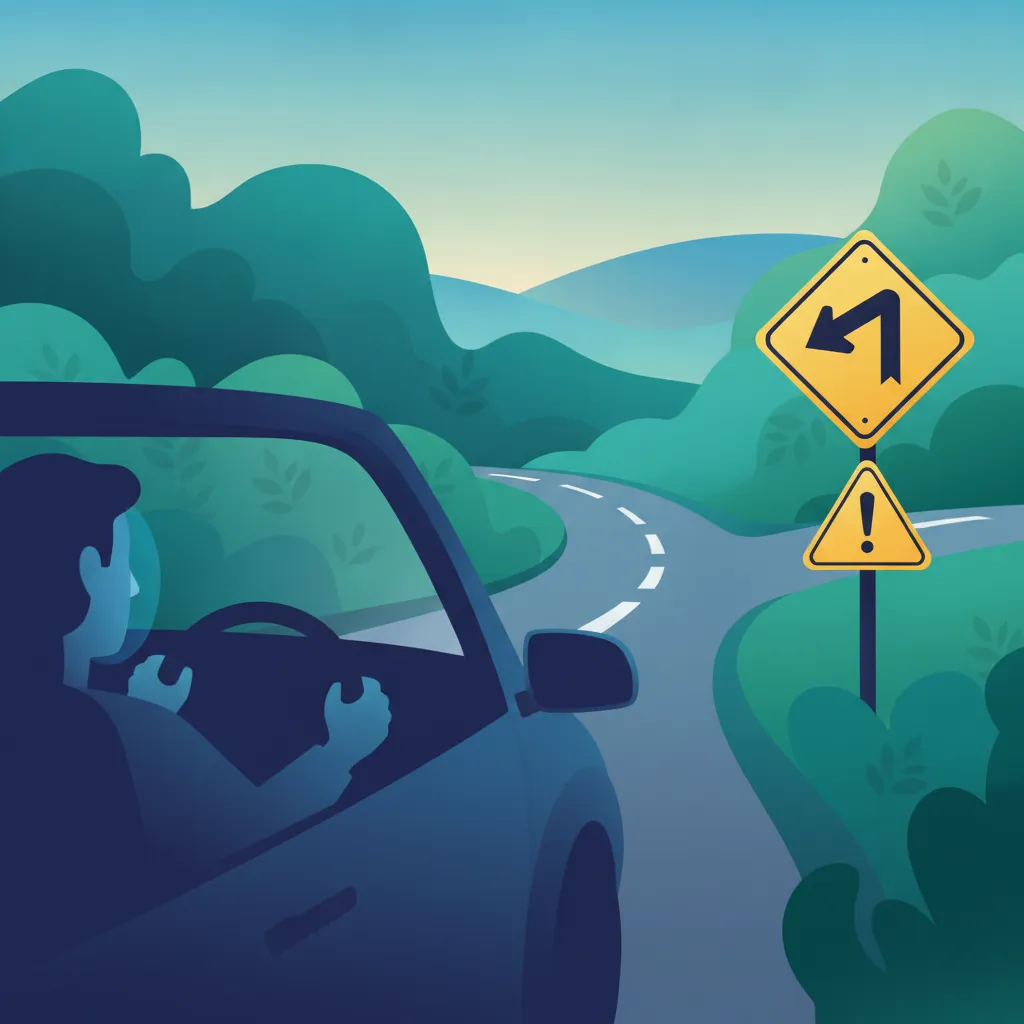
Warning signs in Ireland are typically diamond-shaped with yellow backgrounds and black symbols, indicating potential dangers on the road ahead. This lesson details signs for upcoming sharp bends, narrow roads, steep hills, pedestrian activity, and animal hazards. Learning to spot these warning indicators early allows you to reduce speed safely and adjust your vehicle positioning before encountering the hazard itself.
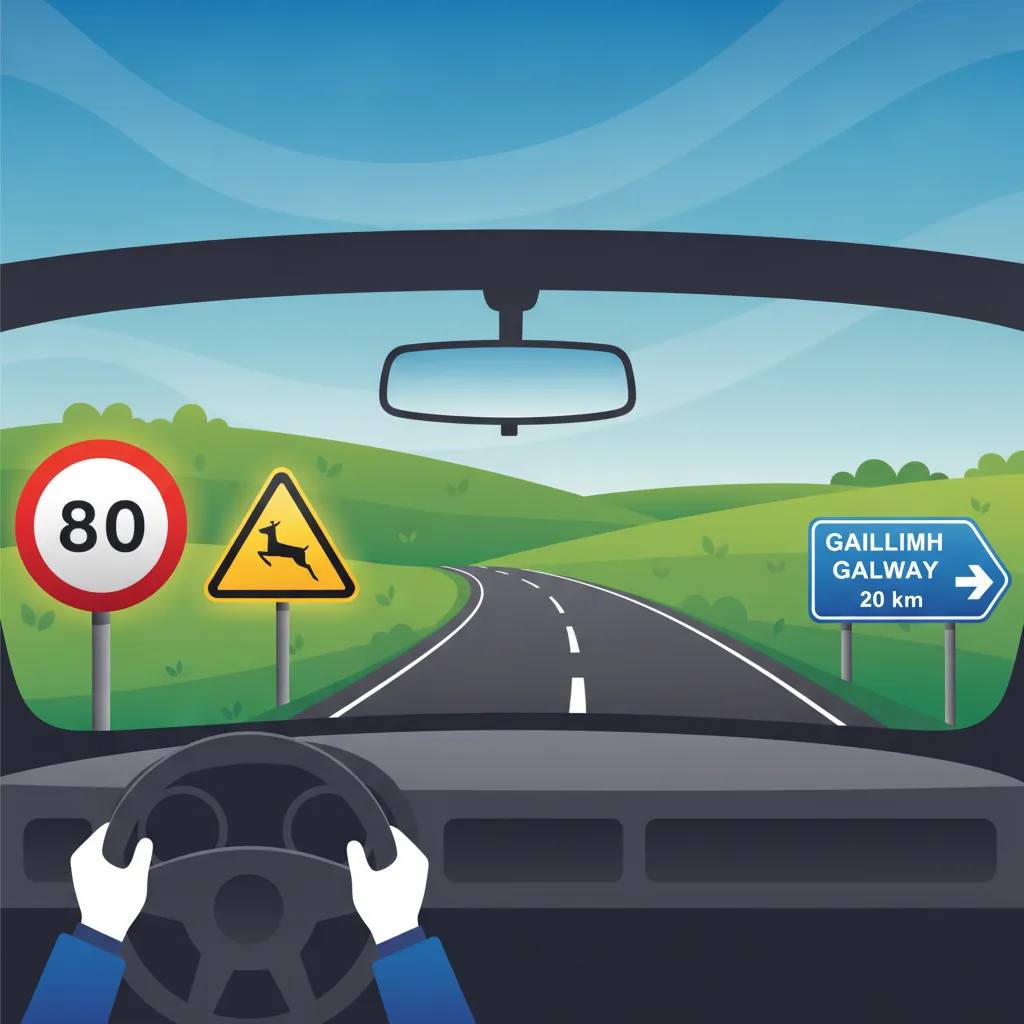
This lesson covers the primary road signs deployed across Ireland, focusing on their shapes, colors, and specific meanings. It details mandatory signs, prohibitive signs, warning alerts for upcoming hazards, and information signs useful for route planning. Category AM riders must recognize these indicators to stay compliant with local traffic laws.
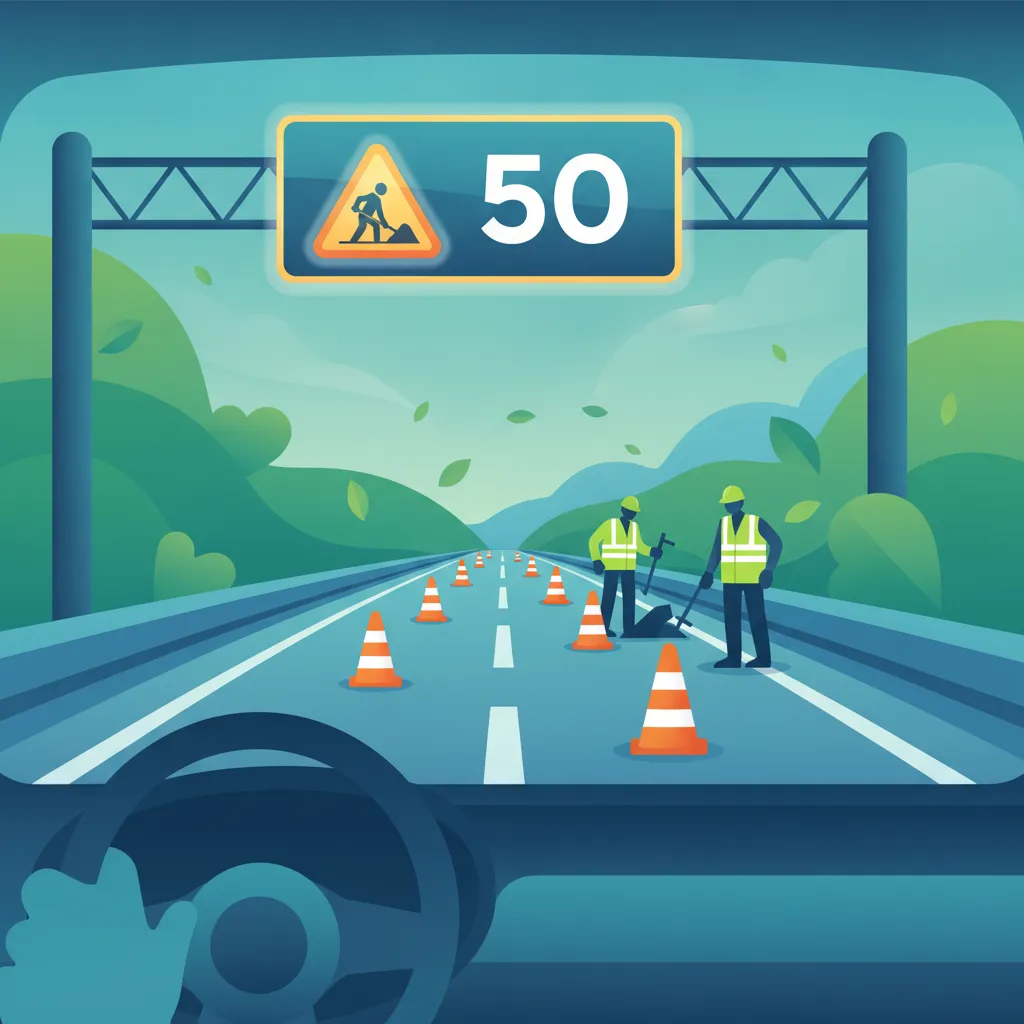
Variable Message Signs and roadwork indicators communicate temporary safety conditions, such as lane closures, heavy delays, or dynamic speed restrictions. This lesson teaches you how to interpret digital overhead gantries, temporary hazard cones, and specific detour layouts often encountered on Irish motorways and regional routes. Adhering to these real-time instructions protects both you and the vulnerable road crews working ahead.
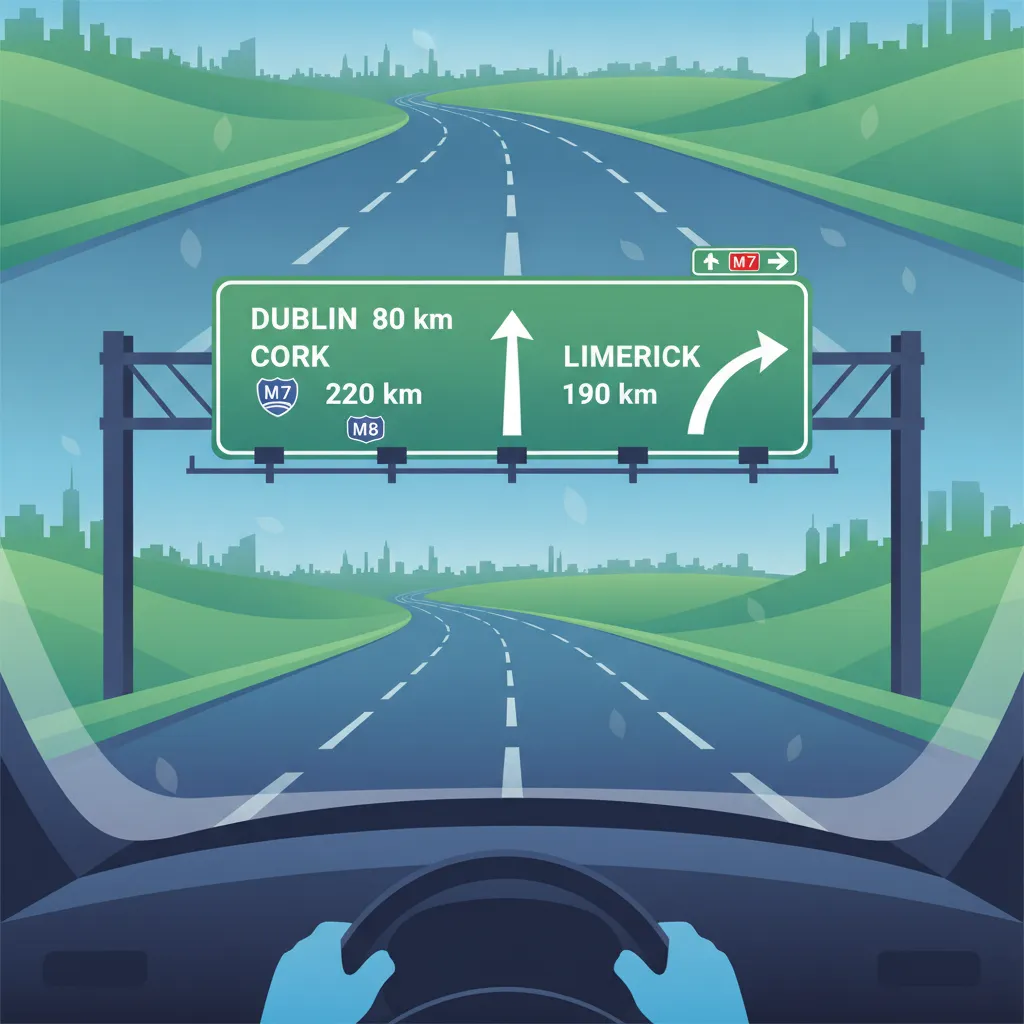
Information signs are designed to help drivers plan routes, select correct lanes, and find destinations or local amenities. This lesson explains the colour-coding system for routes in Ireland, including green for national roads, blue for motorways, and white for local roads. Developing route reading skills using directional signage reduces driver distraction, minimises sudden manoeuvres, and promotes a smoother traffic flow.

This lesson outlines how motorcyclists should respond when permanent road signs are dirty, damaged, or hidden by overgrown trees and hedges. It introduces the temporary signage, warning cones, and detour markers commonly deployed at active roadwork zones in Ireland. Riders will learn to read the road ahead defensively, reducing speed when visual information is incomplete or compromised.
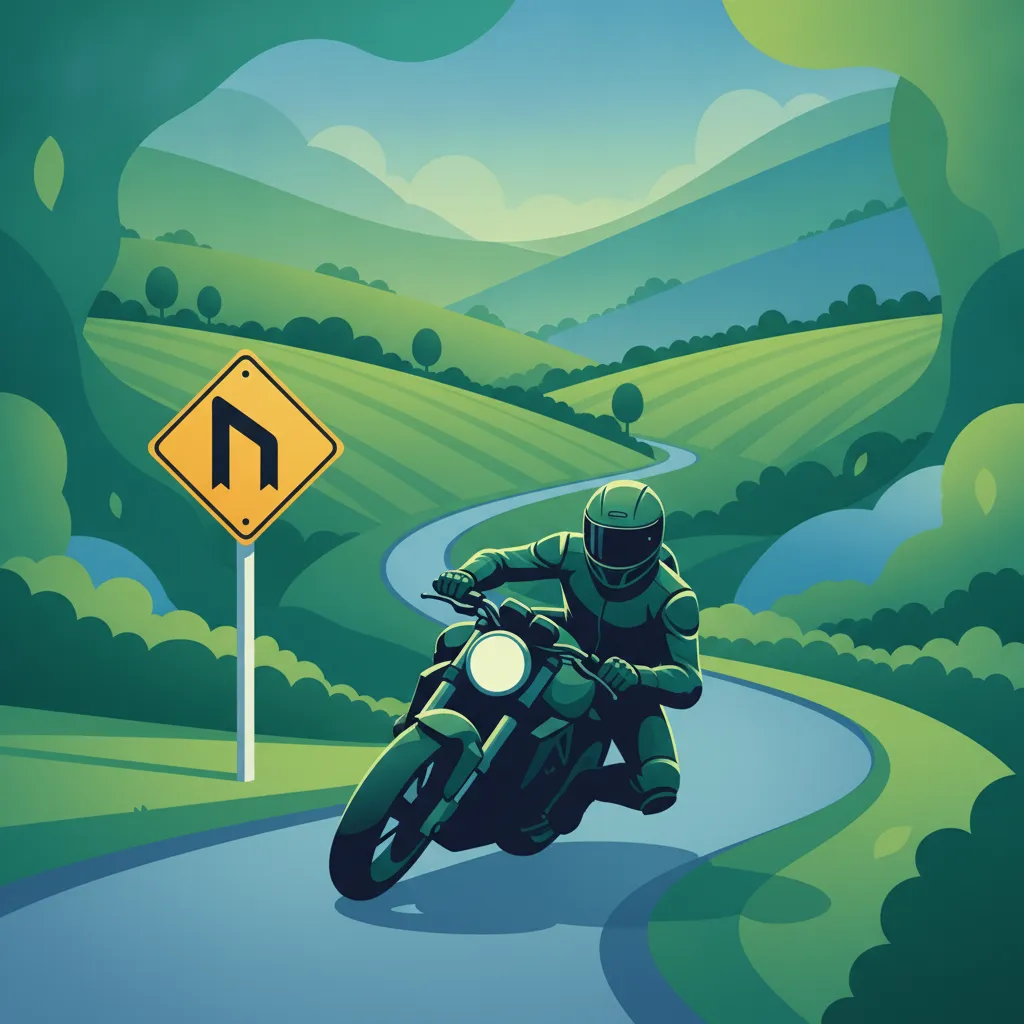
This lesson covers the specific categories of Irish traffic signs, including regulatory, warning, and information signs under official RSA rules. It teaches riders to instantly recognize speed limits, prohibited directions, and upcoming road hazards based on sign shapes and colors. Motorcyclists will understand how to adjust their speed and lane positioning proactively when reading signs in advance.
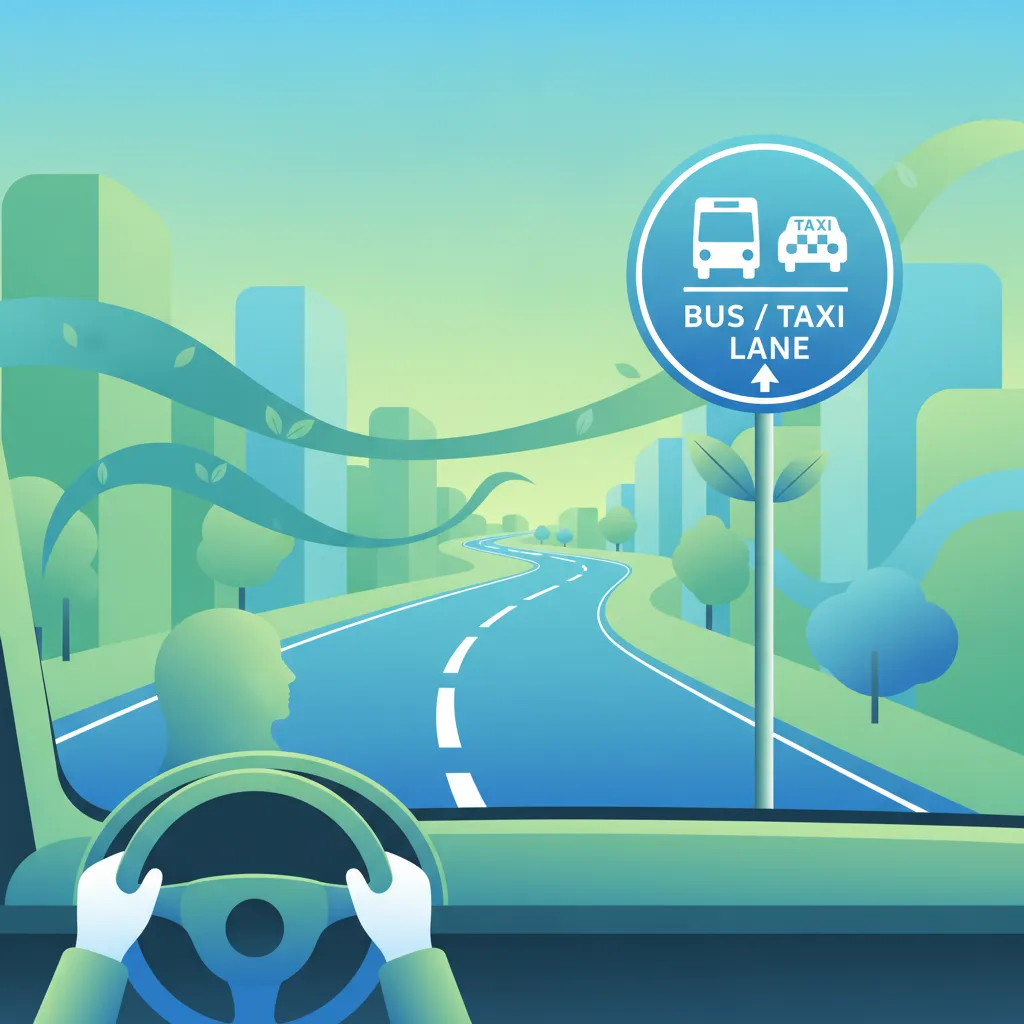
Operating large passenger vehicles requires instant, accurate interpretation of general and specialized Irish road signage to prevent regulatory violations. This lesson covers the precise meanings of clearway signs, bus corridor indicators, low bridge warnings, and weight restriction zones. Drivers will examine how school zone beacons and specific roundabout indicators apply to large vehicle dimensions.
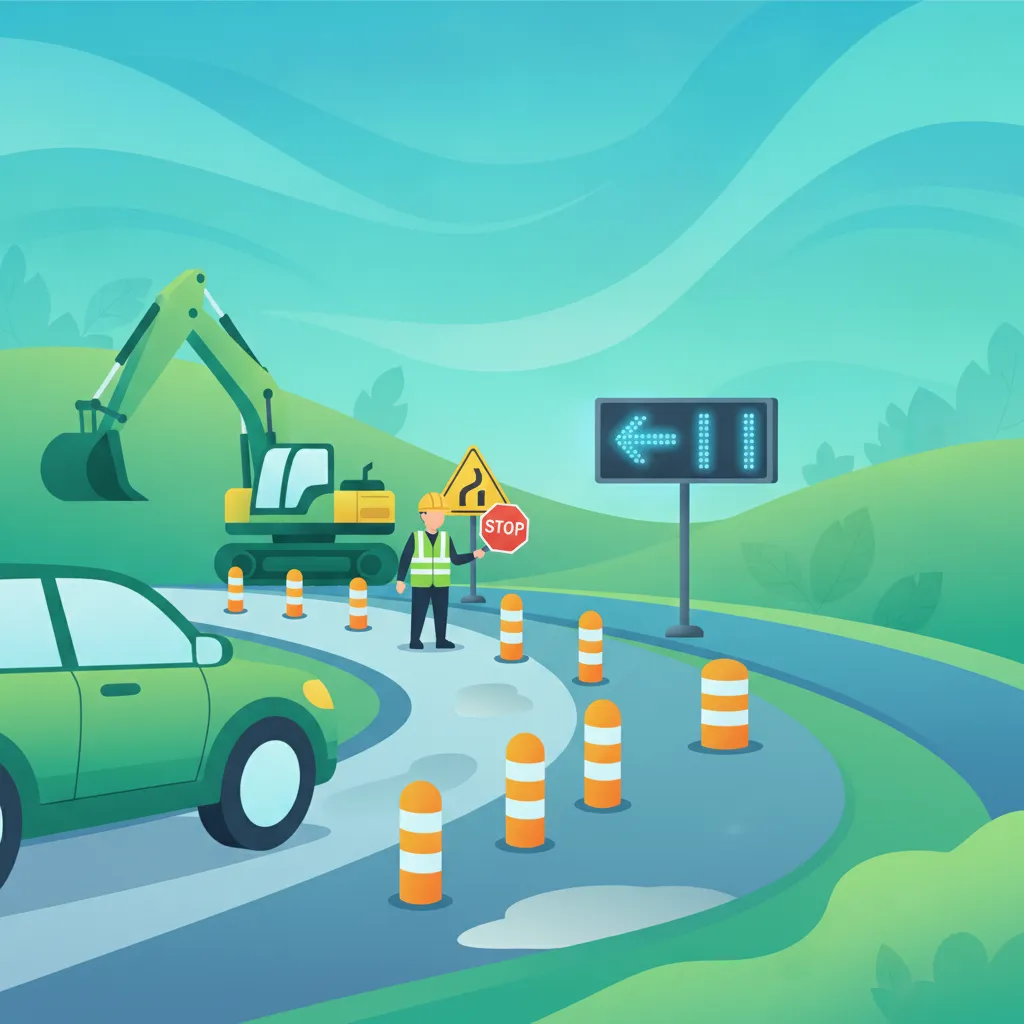
Road construction zones feature dynamic hazards, including changed lane configurations, temporary barriers, and workers near live traffic. This lesson details how to follow temporary signage, navigate narrow chicanes, and obey 'Stop-Go' flag systems or temporary traffic lights. You will understand the legal requirement to obey temporary speed limits, which are strictly enforced to protect both motorists and road crews.
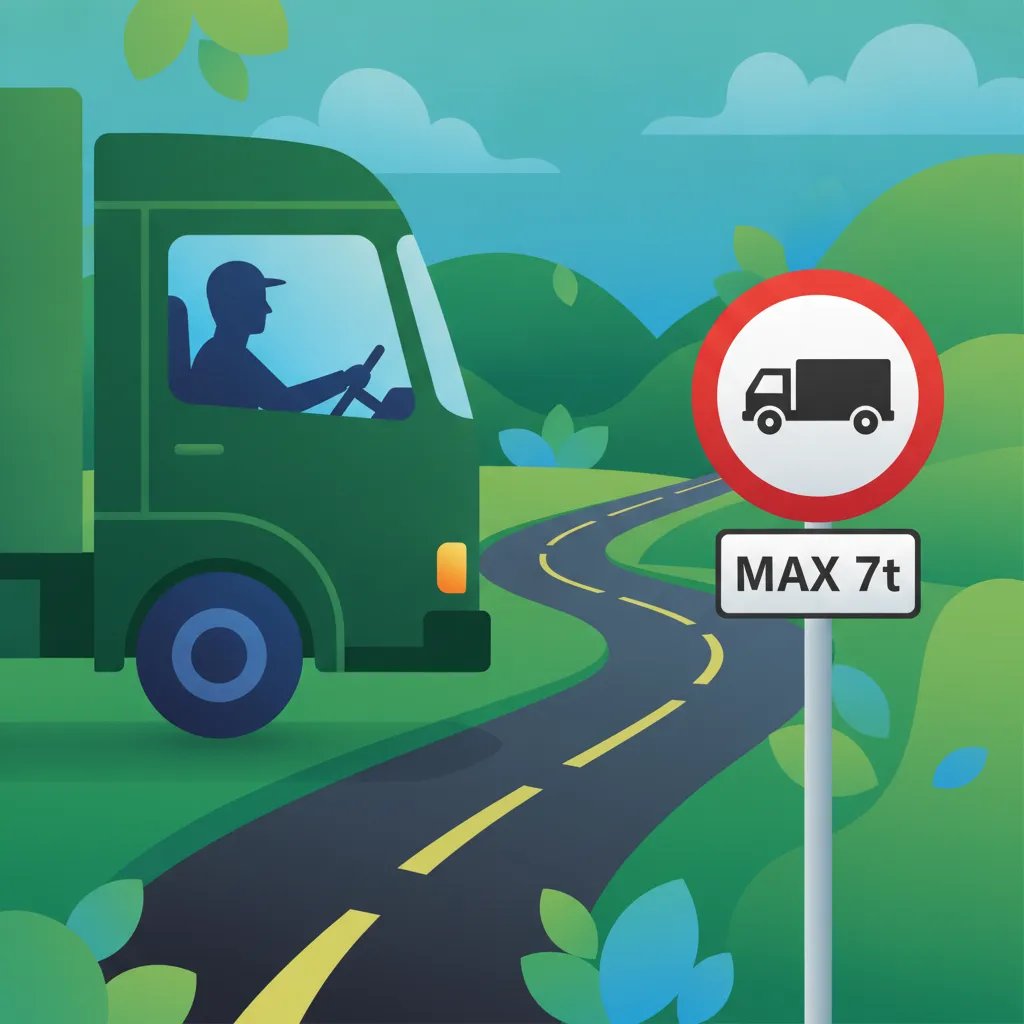
This lesson details the exact visual indicators, symbols, and text used on Irish traffic signs to communicate regulatory restrictions for heavy vehicles. It covers signs denoting height clearances, narrow bridges, and width-limited streets that require immediate driver diversion. By recognizing these specialized warnings early, professional drivers prevent costly structural collisions and traffic offences.
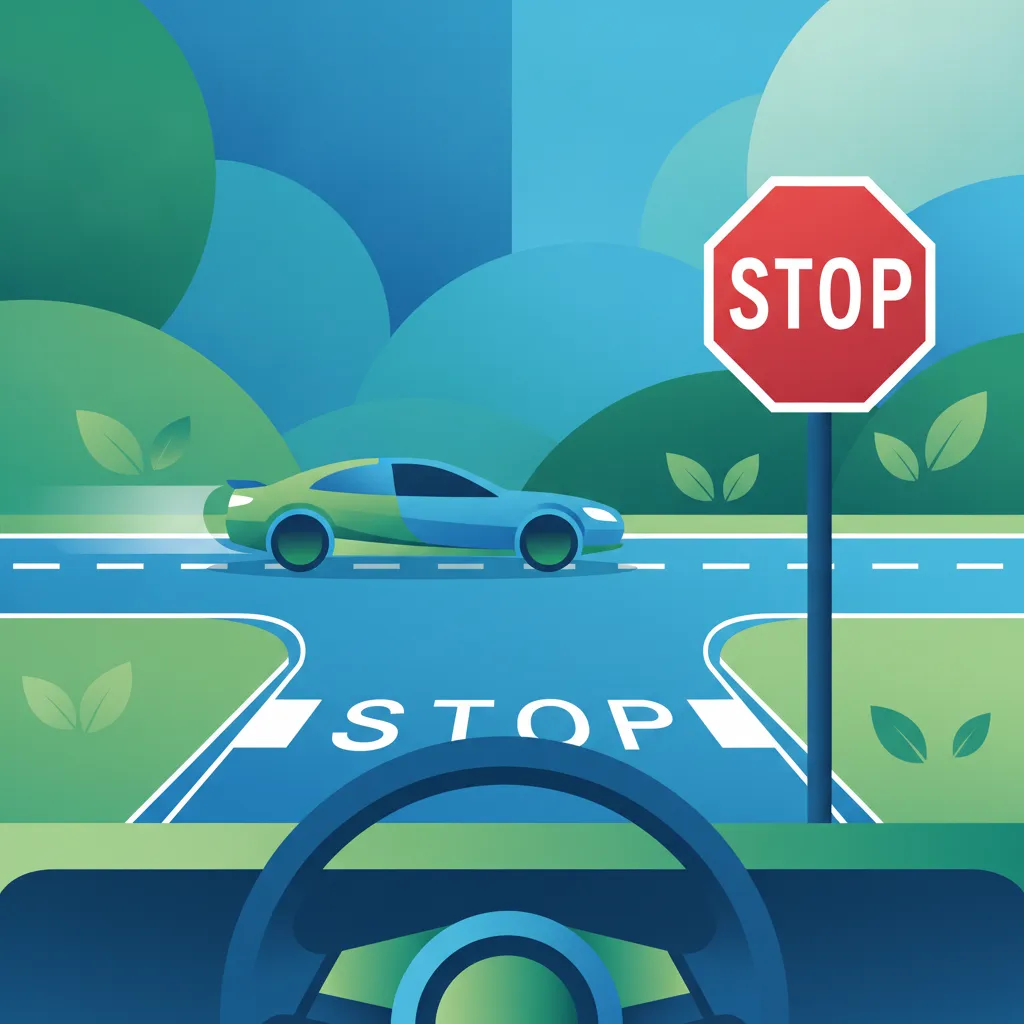
Stop and yield signs require drivers to surrender right-of-way to crossing traffic, but they command different physical actions. This lesson explains that a stop sign mandates a complete, absolute halt behind the line, whereas a yield sign requires you to slow down and stop only if other traffic is approaching. You will learn how to manage restricted visibility at junctions and how to creep forward safely when clear.
Explore the legal right-of-way obligations at intersections and roundabouts in Ireland. This lesson covers correct positioning, safe decision-making at Stop and Yield signs, and how to interact safely with other road users at complex junction layouts according to the Rules of the Road.

Uncontrolled junctions represent a high-risk scenario because they lack physical signs, lines, or lights to dictate priority. This lesson covers the crucial 'priority to the right' principle, where you must yield to any traffic approaching from your right-hand side. You will learn the importance of reducing your speed, preparing to stop, and verifying the intentions of other drivers at these equal-status crossings.
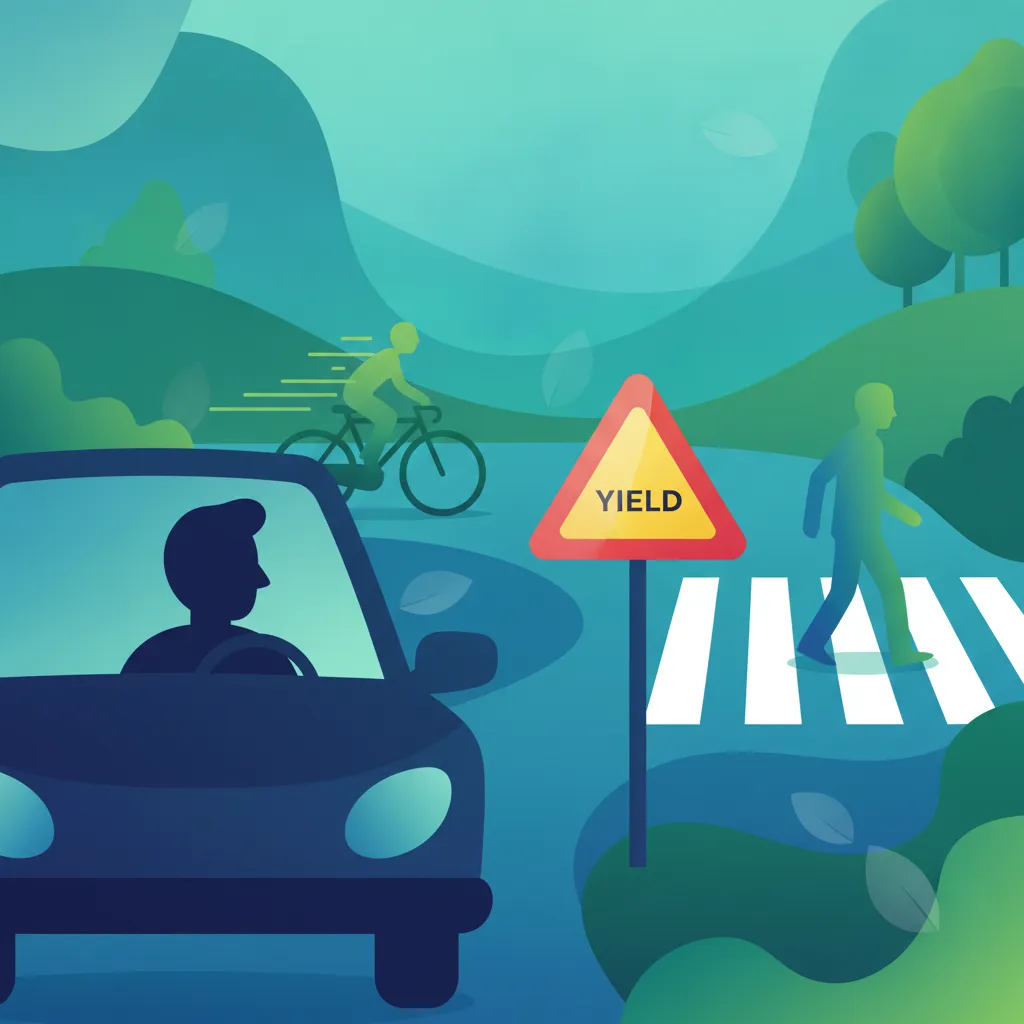
This lesson covers the absolute rules of priority that regulate junctions, roundabouts, and pedestrian crossings in Ireland. It teaches riders when they must yield, who has right-of-way, and how to read Stop and Yield signs correctly. Understanding these priority hierarchies prevents collisions and maintains orderly, predictable movement at busy junctions.
This lesson teaches the fundamental principles of priority and right-of-way at controlled and uncontrolled intersections across Ireland. It explains the legal obligations at yield signs, stop lines, and when meeting oncoming traffic turning across your lane. Motorcyclists will learn to carefully verify other drivers' intentions rather than assuming they will yield the correct right-of-way.
Right-of-way rules establish a clear order of precedence when the paths of two or more vehicles cross. This lesson explains how traffic on a major road has priority over traffic emerging from a minor road, and the general rule of yielding to oncoming vehicles when turning right. You will develop a solid understanding of how to approach intersections defensively, assessing speed and distance to make safe decisions.

Navigating multi-lane roundabouts requires precise lane selection, continuous scanning, and timely signaling. This lesson teaches you the 'clock rule' for determining which lane to enter, how to yield to traffic already on the roundabout from your right, and when to activate your left indicator to exit. Mastering these procedures minimizes lane-drift accidents and ensures a seamless flow of traffic on busy roundabouts.

This lesson focuses on the safe approach and execution of turns at T-junctions, staggered intersections, and blind crossroads. It explains the critical mirror-signal-manoeuvre routine and how to select the best position for maximum visibility to cross-traffic. Motorcyclists will learn to identify potential hazards like vehicles pulling out suddenly or turning across their direct path.
Stop and yield signs require drivers to surrender right-of-way to crossing traffic, but they command different physical actions. This lesson explains that a stop sign mandates a complete, absolute halt behind the line, whereas a yield sign requires you to slow down and stop only if other traffic is approaching. You will learn how to manage restricted visibility at junctions and how to creep forward safely when clear.
This lesson details the sequential steps required to approach and exit junctions safely under the Irish driving rules. It teaches riders how to select the correct lane, utilize mirrors, apply early signals, and reduce speed appropriately. Effective observation strategies are highlighted to help riders identify crossing pedestrians or approaching side traffic.
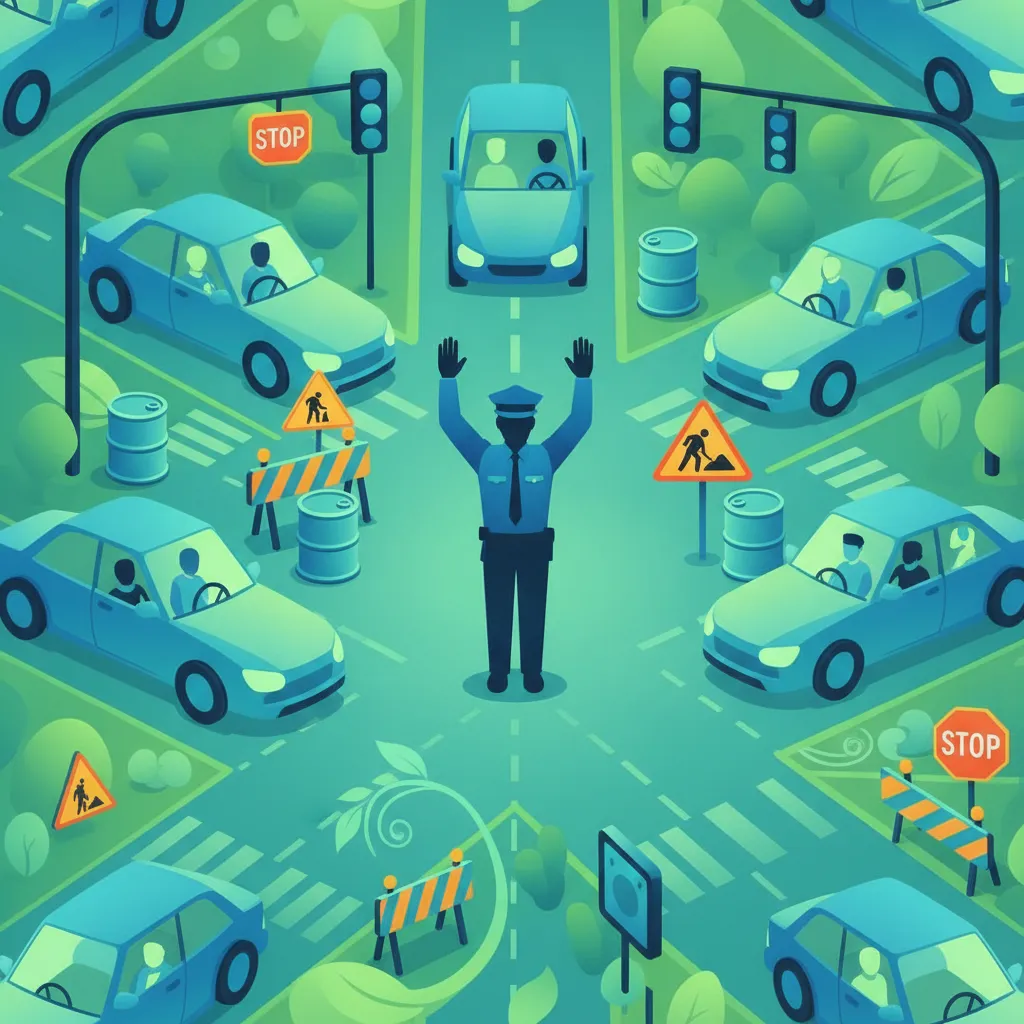
When traffic control is actively performed by a Garda, a school warden, or authorized marshals, their hand signals override all standard traffic lights and road signs. This lesson illustrates the common hand gestures used by officers to stop, release, or slow down traffic. You will learn your strict legal obligation to obey these manual commands, ensuring public safety during emergencies, events, or school crossings.
No-overtaking zones are marked in areas with restricted visibility, such as approaching bends, humps, or narrow bridges. This lesson details how continuous solid white lines legally prohibit passing, along with the very narrow exceptions allowed under Irish law. You will learn to identify these high-risk areas from visual markings, ensuring you never initiate a passing manoeuvre that puts oncoming traffic in immediate danger.
Find clear answers to common questions learners have about Regulatory Signs and Their Meanings. Learn how the lesson is structured, which driving theory objectives it supports, and how it fits into the overall learning path of units and curriculum progression in Ireland. These explanations help you understand key concepts, lesson flow, and exam focused study goals.
A circular sign with a red border signifies a prohibition, meaning you are forbidden from doing a certain action, such as no entry or no overtaking. A blue circular sign indicates a mandatory instruction, meaning you must perform the action shown, such as turning left or following a specific path.
Yes, regulatory signs are legally binding. In the theory test, you will be asked to identify these signs and explain what you must do when you encounter them. Ignoring these in the exam or on the road is considered a serious traffic offence.
Always look for the standard features like shape and colour. Regulatory signs are almost always circular. Use the process of elimination based on whether the sign is a red prohibition or a blue mandatory instruction to guide your answer.
Yes, they are among the most important regulatory signs in Ireland. They dictate exact priority at junctions, and failing to adhere to a Stop sign is a major hazard that leads to immediate failure in a practical test and penalty points.
Use the practice question search tool to pinpoint specific topics, road signs, or rules you need to master for your official Driver Theory Test. Refine your study strategy and ensure comprehensive preparation for all aspects of the Irish driving exam. Start your focused revision now and build confidence for your learner permit test.