This lesson focuses on the delicate vehicle handling required for professional passenger transport. You will learn how to maintain passenger comfort and safety by refining your acceleration, braking, and steering inputs to suit the size and weight of Category D vehicles.
Lesson content overview
Smooth, controlled driving is the hallmark of a professional passenger vehicle driver. For those preparing for the Irish Driver Theory Test Category D and D1, mastering vehicle dynamics is not just about passing an exam—it is a vital safety requirement. Heavy passenger vehicles, such as buses, coaches, and minibuses, carry a highly vulnerable cargo: people.
Unlike cargo in a heavy goods vehicle (HGV), passengers are not strapped down with tension straps. Many may be standing, moving to find a seat, elderly, disabled, or holding young children. Any sudden or jerky vehicle movement can cause immediate discomfort, loss of balance, or severe physical injury.
This lesson covers the physics and practical techniques of progressive throttle control, gradual gear changes, smooth steering, and progressive braking. Implementing these techniques ensures passenger comfort, maintains vehicle stability, protects mechanical components, and keeps you fully compliant with the Road Safety Authority (RSA) guidelines and the Irish Rules of the Road.
To control a large Category D vehicle smoothly, you must understand the basic physical forces acting on it. Because buses and coaches have a large mass and a high centre of gravity, they are highly sensitive to sudden changes in speed and direction.
Inertia is the tendency of an object to resist changes in its state of motion. When a bus is stationary, the passengers are stationary. If you accelerate abruptly, the bus moves forward rapidly, but the passengers' bodies tend to remain in place due to inertia, causing them to lurch backward. Conversely, when the vehicle is moving and you brake suddenly, the passengers continue moving forward at the previous speed, throwing them toward the front of the vehicle.
A vehicle's weight is distributed across its tyres. Any control input—accelerating, braking, or turning—alters this distribution:
Because a passenger coach has a high centre of gravity, extreme weight transfer can cause severe body roll (the tilting of the vehicle's body to one side). In worst-case scenarios, this can lead to a complete loss of traction, skidding, or a rollover hazard.
A fully loaded passenger vehicle has immense mass (). Because kinetic energy increases exponentially with speed (), a coach travelling at 80 km/h possesses a massive amount of energy that must be managed safely. Any sudden attempt to dissipate or redirect this energy through harsh braking or sharp steering will destabilise the vehicle and endanger the occupants.
Progressive throttle control is the technique of incrementally and smoothly increasing engine power to prevent jerky forward movements.
The gradual, metered application of accelerator pedal pressure designed to deliver smooth engine power, preventing sudden weight shifts and maximizing passenger comfort.
When pulling away from a bus stop, traffic lights, or junction, your initial acceleration must be incredibly gentle. This is the moment when passengers are most vulnerable—they may be walking down the aisle, paying for tickets, or adjusting their luggage.
Smooth acceleration is also required when the vehicle is already in motion, such as when merging onto a dual carriageway or overtaking.
Irish Rules of the Road / RSA Regulation: Drivers must not accelerate unnecessarily, especially when passengers are standing or moving within the vehicle. Abrupt acceleration that causes a passenger to fall is considered a serious breach of professional driving standards and can result in prosecution for driving without due care and attention.
A jerky gear change is highly disruptive to passengers and places undue stress on the vehicle's driveline. Whether you drive a manual, automated manual (AMT), or fully automatic passenger vehicle, maintaining smooth power delivery during gear changes is essential.
Coordinate Clutch and Throttle: As you prepare to shift up, ease off the accelerator pedal while simultaneously depressing the clutch pedal in a synchronized, single motion.
Pause in Neutral: Do not force the gear lever. Allow the synchronizers in the gearbox to match the shaft speeds. A tiny pause as you pass through neutral ensures a cleaner engagement.
Controlled Clutch Release: Release the clutch smoothly until you reach the bite point, then pause momentarily to allow the engine and transmission speeds to synchronize perfectly before releasing the pedal completely.
Reapply Throttle Gradually: Reintroduce progressive throttle pressure once the clutch is fully engaged to maintain seamless acceleration.
Many modern coaches are equipped with automatic or semi-automatic transmissions. While the vehicle manages the gear changes, the driver still influences the smoothness of the shift:
Steering a heavy Category D vehicle requires a high level of anticipation and controlled physical inputs. Because of the long wheelbase and high centre of gravity, sudden steering adjustments are magnified down the length of the vehicle.
If you steer sharply, centrifugal force pushes everything inside the bus toward the outside of the curve. Standing passengers are easily thrown off balance, and seated passengers can slide in their seats or hit their shoulders against the window frames.
Always use the correct steering technique (the "pull-push" method). This keeps both hands on the wheel, giving you maximum control and preventing sudden, uncontrolled movements if you hit a pothole or a sudden gust of wind.
Braking is the most frequent source of passenger falls and injuries. Progressive braking is a highly structured technique designed to bring a heavy vehicle to a complete, smooth stop without causing any jerk or rebound effect at the end.
To master progressive braking, you must divide your braking action into three distinct phases:
| Phase | Action | Purpose |
|---|---|---|
| 1. Feel | Apply very light pressure to the brake pedal. | This "clears the play" in the braking system, lights up your brake lights to warn drivers behind, and prepares your passengers for deceleration. |
| 2. Bite / Firm | Increase pressure progressively to carry out the bulk of the deceleration. | This slows the vehicle down efficiently over the main stopping distance while the vehicle's weight is balanced. |
| 3. Release / Feather | Gradually ease off the brake pedal as the vehicle's speed drops, leaving only a tiny amount of pressure to bring the vehicle to a final stop. | This prevents the front suspension from compressing and suddenly springing back (known as the "rebound jerk"), which throws passengers forward. |
When a heavy vehicle stops, its front suspension nose-dives under deceleration. If you keep the brakes applied firmly until the vehicle stops completely, the suspension will snap back violently. Easing off the pedal (feathering) just before the vehicle stops allows the suspension to level out smoothly, resulting in an imperceptible stop.
Most modern Category D vehicles are fitted with auxiliary retarders (electromagnetic or hydraulic) or exhaust brakes.
The weight of your passengers and their luggage significantly alters how the vehicle handles. A professional driver must constantly adapt their driving style based on the current load.
On double-decker buses, passenger distribution is critical:
A fully loaded single or double-decker coach weighs several tonnes more than an empty one.
The Road Safety Authority (RSA) sets clear guidelines on driver behaviour and passenger safety. Under Irish road traffic legislation, drivers have specific legal responsibilities.
Understanding where drivers commonly fail allows you to proactively avoid these dangerous habits.
Professional drivers do not drive the same way in all conditions. You must adjust your inputs based on external factors.
On Irish roads, rain and damp conditions are incredibly common.
When driving near cyclists, pedestrians, or school zones:
Let's examine how these techniques are put into practice on Irish roads.
Explore all units and lessons included in this driving theory course.
Lesson content overview
Explore all units and lessons included in this driving theory course.
Explore search topics learners often look for when studying Smooth Acceleration, Braking and Steering Techniques. These topics reflect common questions about road rules, driving situations, safety guidance, and lesson level theory preparation for learners in Ireland.
Browse additional driving theory lessons that cover connected traffic rules, road signs, and common driving situations related to this topic. Improve your understanding of how different rules interact across everyday traffic scenarios.
Learn how to proactively identify and respond to hazards like vulnerable road users and sudden traffic changes. This lesson explains the techniques for maintaining space and visibility while operating large passenger vehicles on Irish roads, ensuring you can manage risks before they become emergency situations.
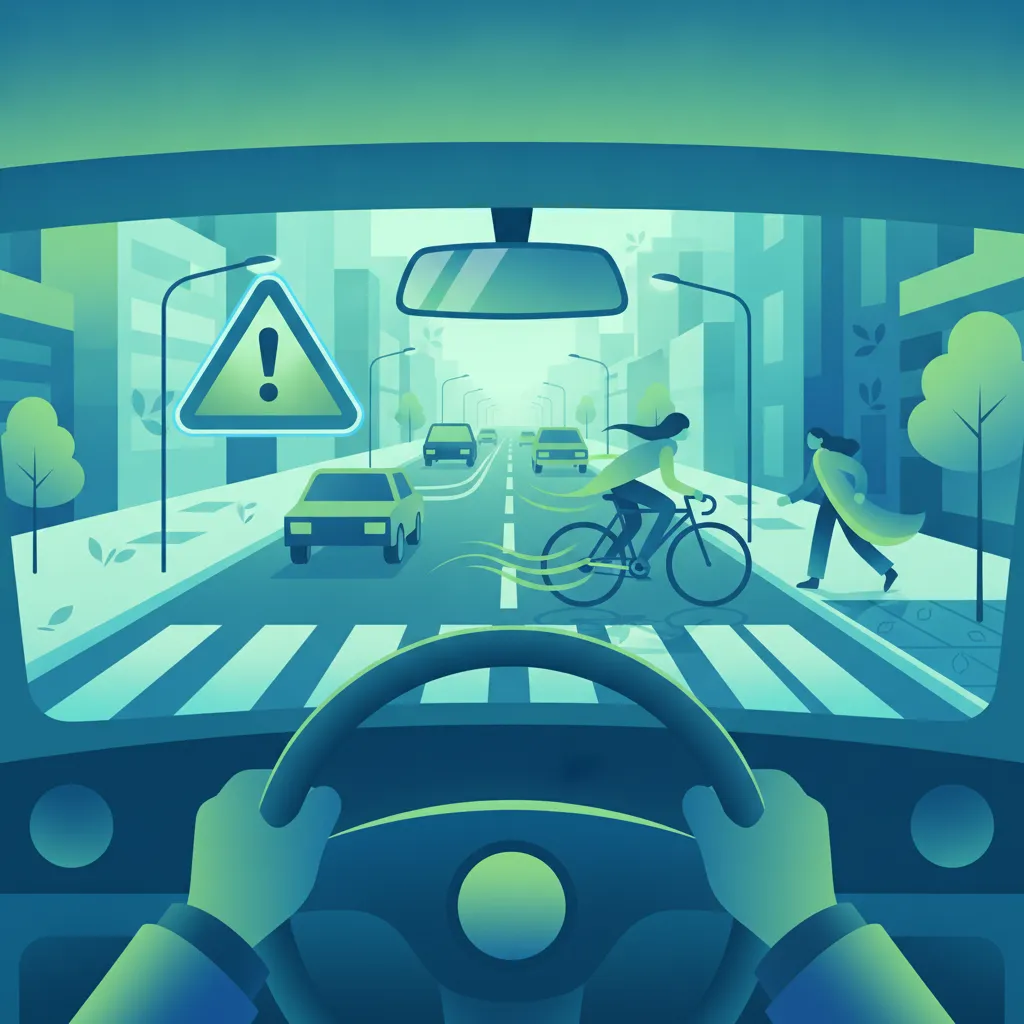
Proactive hazard perception involves constantly scanning the road ahead to identify potential dangers before they turn into actual emergencies. This lesson covers active scanning techniques, helping you look far ahead, check mirrors regularly, and identify subtle risk clues such as exhaust smoke from parked cars or children playing near kerbs. Anticipating these developments gives you the time to adjust speed and position safely.
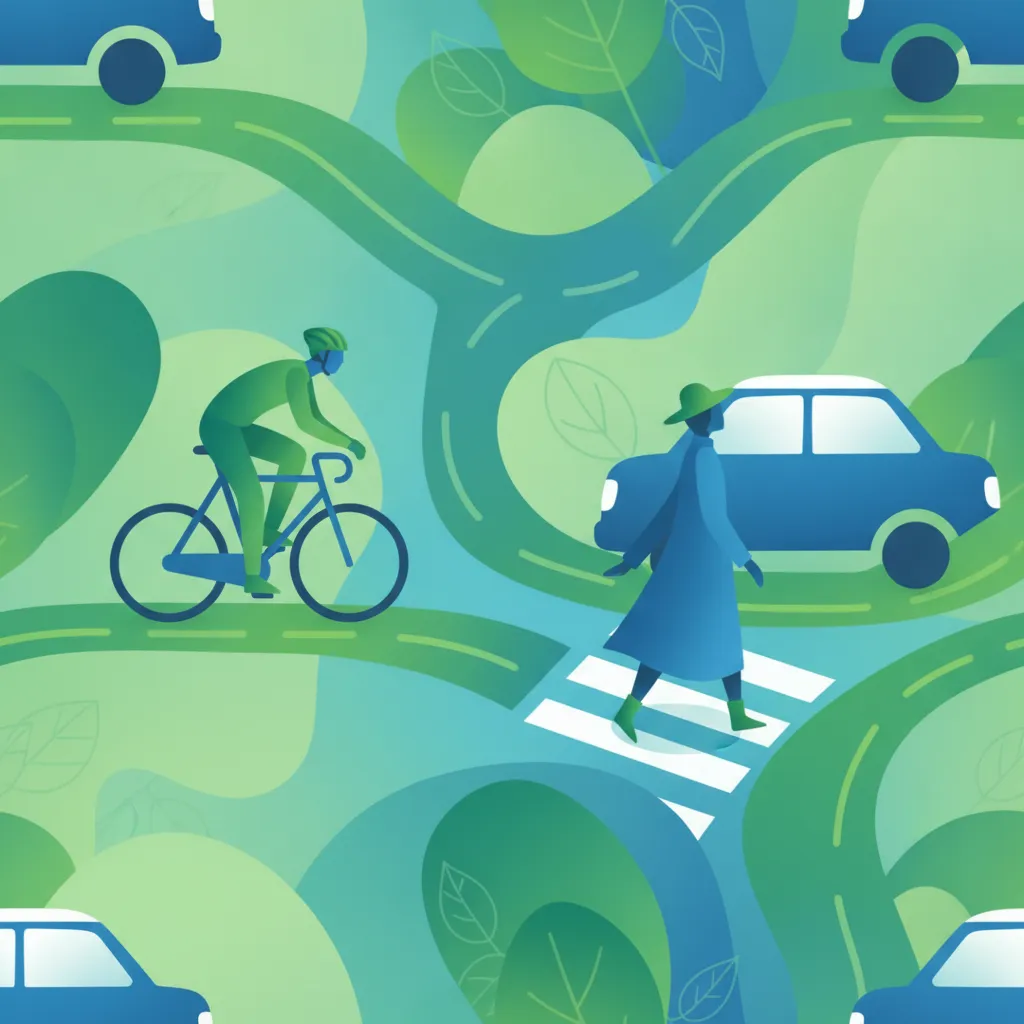
Heavy vehicles require continuous visual scanning to identify small or slow-moving road users who may enter the path of travel. This lesson explores the typical behaviors of young children, elderly pedestrians, and visually impaired road users. Drivers will build strong hazard perception skills to anticipate sudden movements, ensuring they can brake safely and avoid serious accidents.

Maintaining an extensive buffer zone ahead of a large passenger vehicle is critical to ensuring enough space for emergency maneuvers. This lesson teaches the time-gap method, detailing how following distances must double on wet roads or increase with full passenger loads. It builds hazard anticipation skills, teaching drivers to read distant traffic cues and react early to hazards.

Bus stops often intersect with designated bicycle lanes and busy walking pathways, creating high-risk conflict areas for drivers. This lesson trains drivers to check blind spots for oncoming cyclists before pulling into or exiting public stop bays. It emphasizes yielding right-of-way to passengers crossing the road, preventing collision risks in active urban transport hubs.
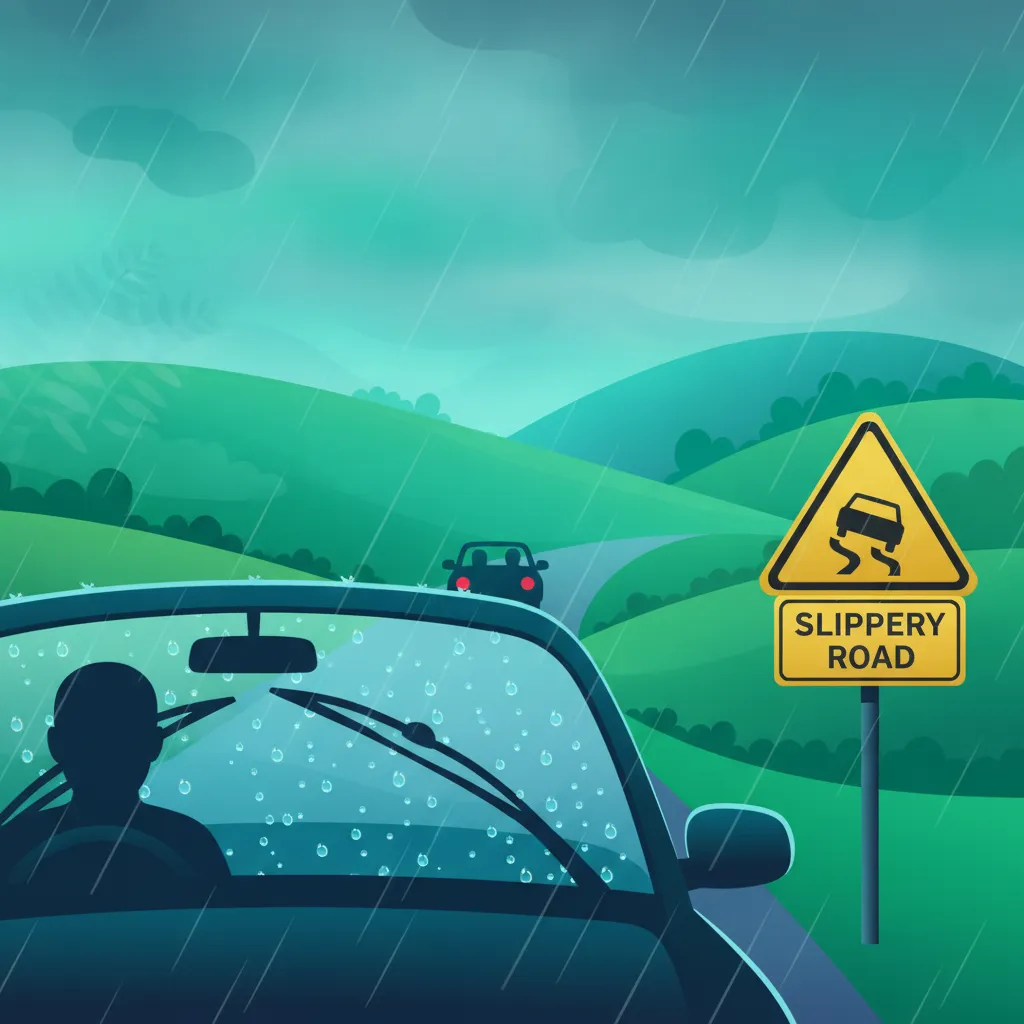
Wet roads, heavy winter fog, and strong lateral winds present major safety challenges for high-sided passenger vehicles in Ireland. This lesson explains how to prevent aquaplaning, double following distances on wet surfaces, and use fog lights correctly to maintain visibility. Drivers will learn handling adjustments to counteract sudden wind gusts when crossing exposed bridges or motorways.

Motorcycles and bicycles are often hidden from view in the large blind spots of passenger buses and coaches during turns. This lesson covers safe lateral clearances when overtaking cyclists, recognizing advanced stop lines, and sharing narrow lanes. Drivers will understand how to signal clearly, giving riders enough room to navigate safely near busy public transit corridors.
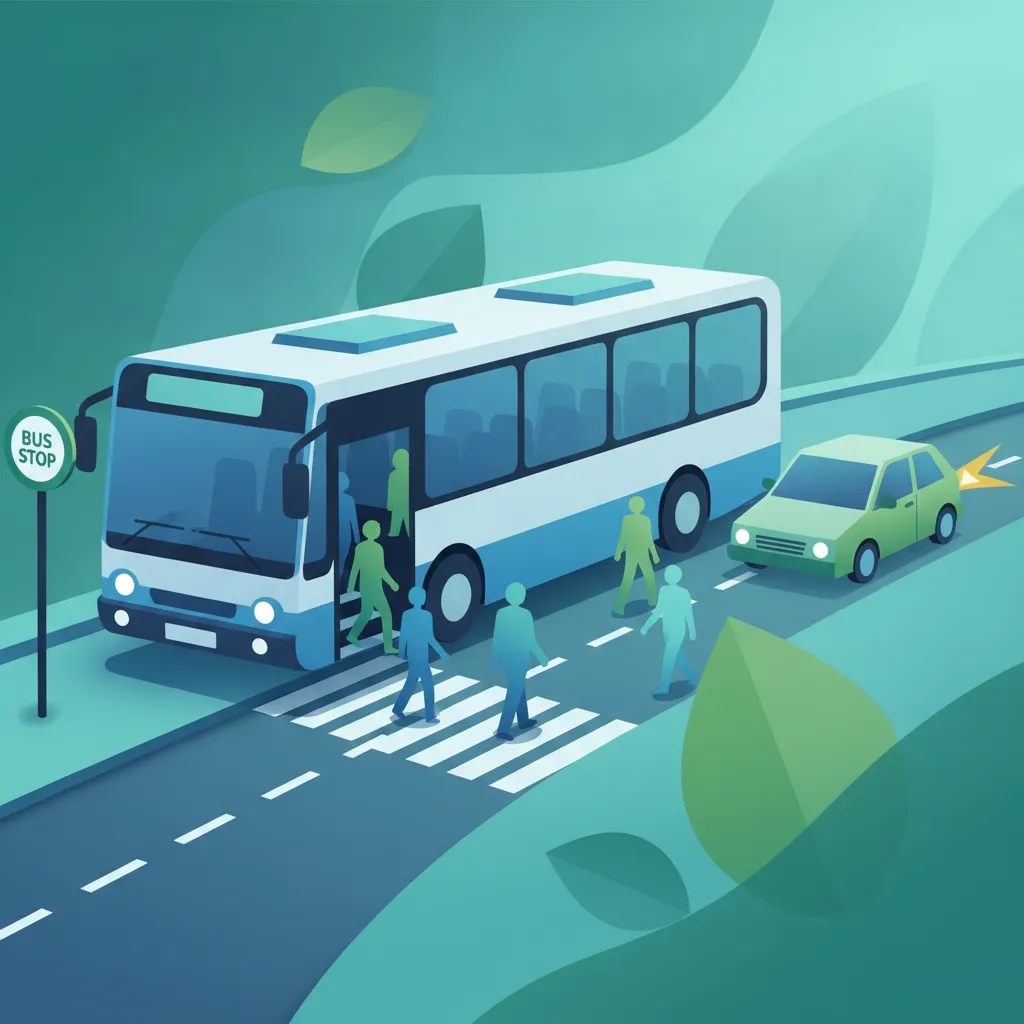
Approaching and exiting a public bus stop requires strategic signaling, careful speed management, and clean alignment with the passenger curb. This lesson teaches drivers how to read oncoming curb hazards, position the vehicle parallel to the curb, and leave safe exit clearances. Drivers will learn to safely integrate back into urban traffic flow while prioritizing passenger stability and comfort.
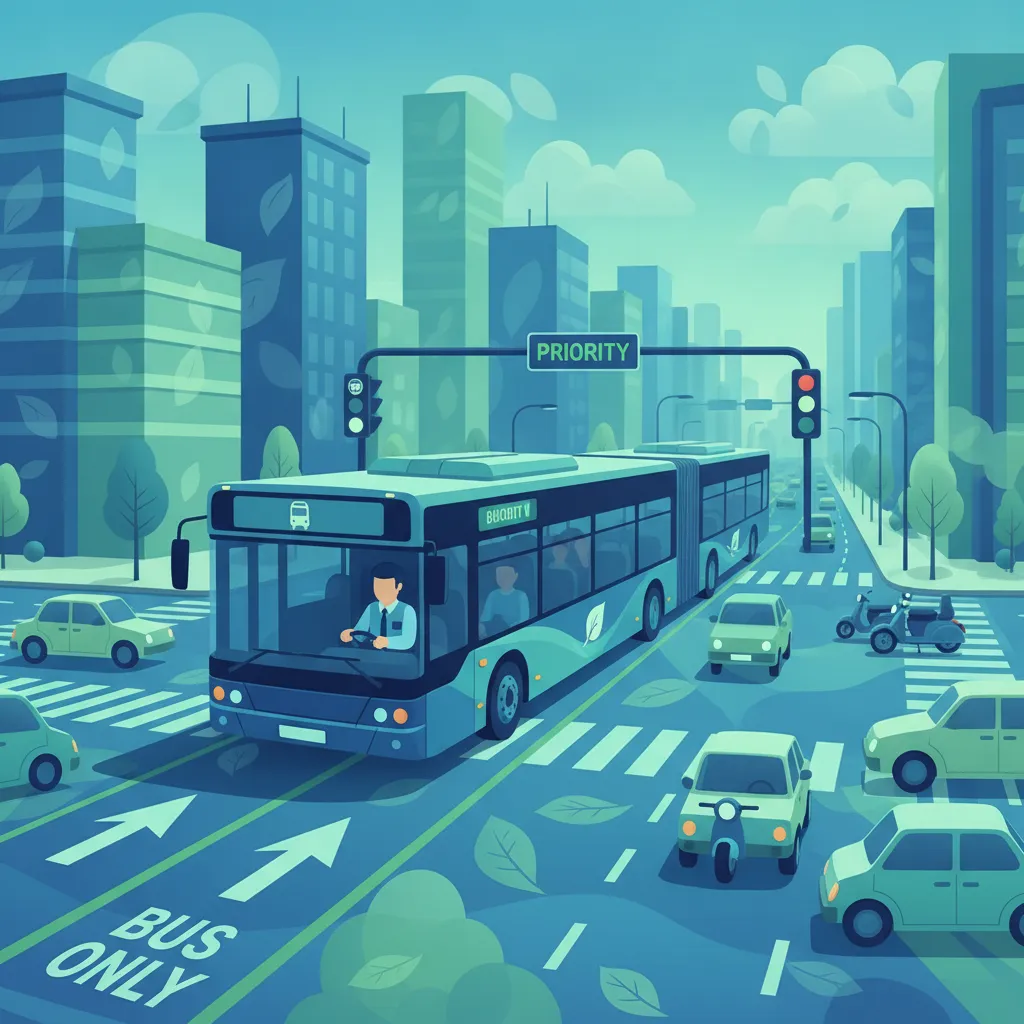
Driving large vehicles through dense city traffic requires outstanding lane discipline, spatial awareness, and consistent patience. This lesson teaches drivers how to utilize public bus corridors, manage tight yellow box intersections, and handle narrow city streets. It focuses on predicting traffic pattern shifts to maintain service timetables while minimizing fuel waste and driver stress.

Irish rural routes are often narrow, lacking central markings, and bordered by tall hedges that restrict forward visibility on sharp bends. This lesson teaches drivers how to negotiate blind curves, anticipate slow-moving agricultural machinery, and respond to wandering farm animals. Drivers will learn to regulate vehicle speed proactively, maintaining a safe stopping margin in rural areas.

When emergencies strike, a passenger driver must remain perfectly calm and execute structured emergency procedures to protect human life. This lesson outlines safety protocols for roadside breakdowns, engine fire isolation, and handling acute passenger medical emergencies. Drivers will learn how to secure the accident scene and report incidents to emergency services as required by Irish law.
Understand the specific challenges of navigating narrow urban streets, bus lanes, and busy stops. This guide covers the theory behind proper lane discipline, blind spot management, and the interaction with pedestrians and cyclists in shared spaces to ensure safe and efficient passenger transport.
Driving large vehicles through dense city traffic requires outstanding lane discipline, spatial awareness, and consistent patience. This lesson teaches drivers how to utilize public bus corridors, manage tight yellow box intersections, and handle narrow city streets. It focuses on predicting traffic pattern shifts to maintain service timetables while minimizing fuel waste and driver stress.
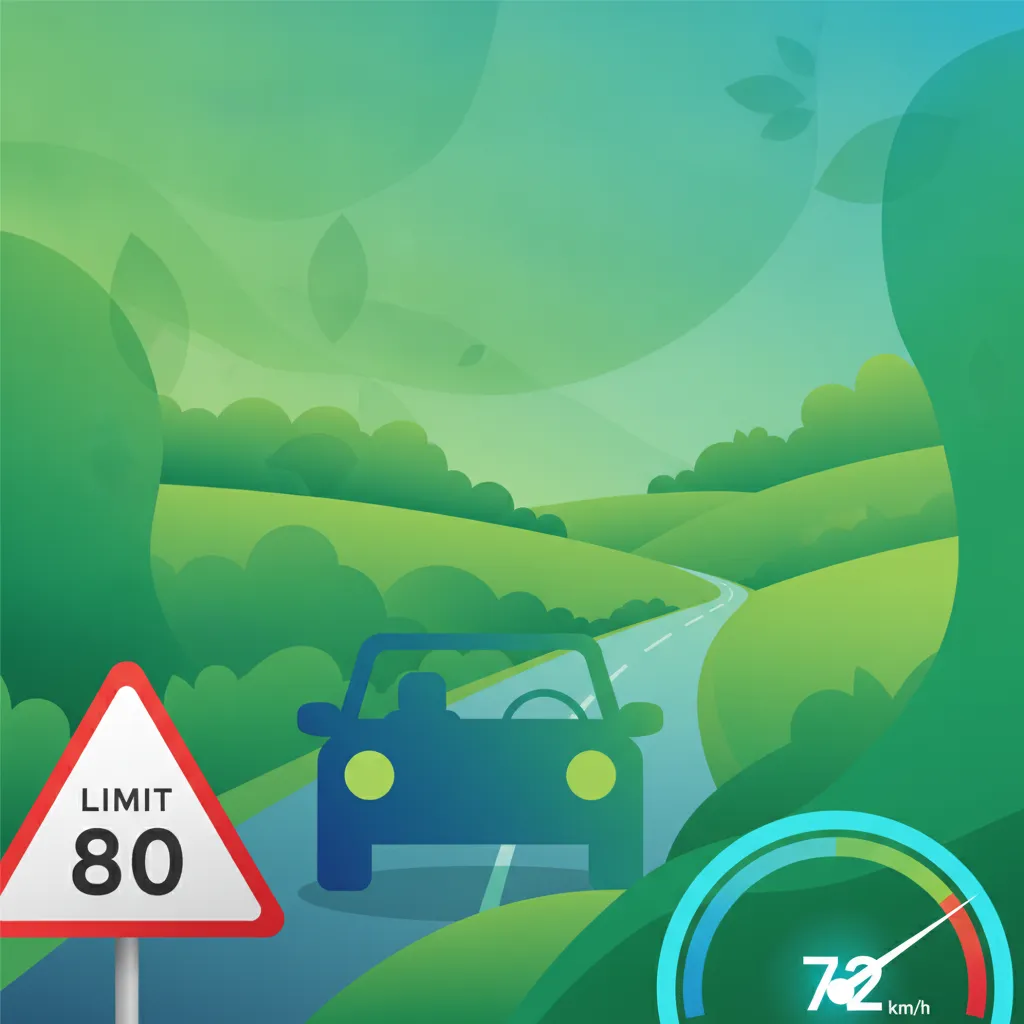
Speed management requires adjusting vehicle velocity to suit current weather, passenger load, and the specific limits of Irish roads. This lesson details speed restrictions for buses and minibuses on motorways, national routes, and built-up areas throughout Ireland. It highlights the driver obligation to prioritize passenger safety over schedule delays by maintaining appropriate speeds.
Large passenger vehicles must maintain consistent lane positioning to prevent side-swipe incidents and sustain smooth urban traffic patterns. This lesson covers standard lane selection rules, safe overtaking procedures, and how to use designated public transit corridors correctly. Drivers will learn the importance of checking mirrors continuously and planning lane changes well in advance.
The regulatory framework in Ireland imposes strict standards of operation, dimension limits, and speed boundaries on heavy passenger fleets. This lesson reviews vehicle registration tax context, commercial operator licensing laws, and mandatory annual vehicle roadworthiness testing. By understanding these statutory regulations, drivers avoid severe legal infractions and maintain their professional driving credentials.

Driving a coach through narrow urban streets or historic Irish town centers demands precise spatial judgment and low speed control. This lesson covers turning radii, rear tail-swing physics, and managing overhangs when navigating around tight, permanent obstacles. Drivers will learn to assess clearance gaps accurately, reducing damage risks to the vehicle exterior and public infrastructure.
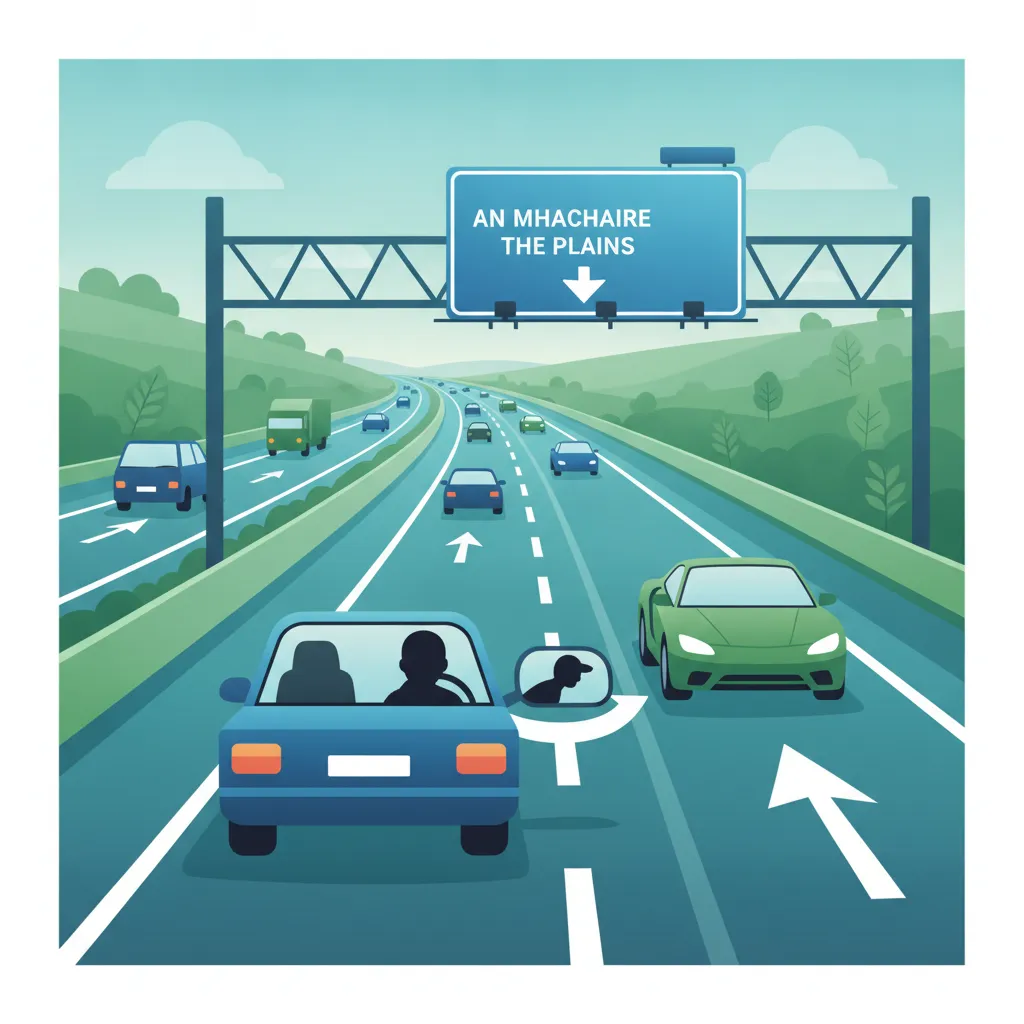
Merging a long, heavy passenger vehicle onto high-speed motorways requires matching the traffic speed within the limited length of slip lanes. This lesson covers signal timing, safe lane-merging gaps, and maintaining control during overtaking maneuvers on national routes. Drivers will learn to prioritize passenger comfort and vehicle stability, preventing sudden weight shifts during lane entries.
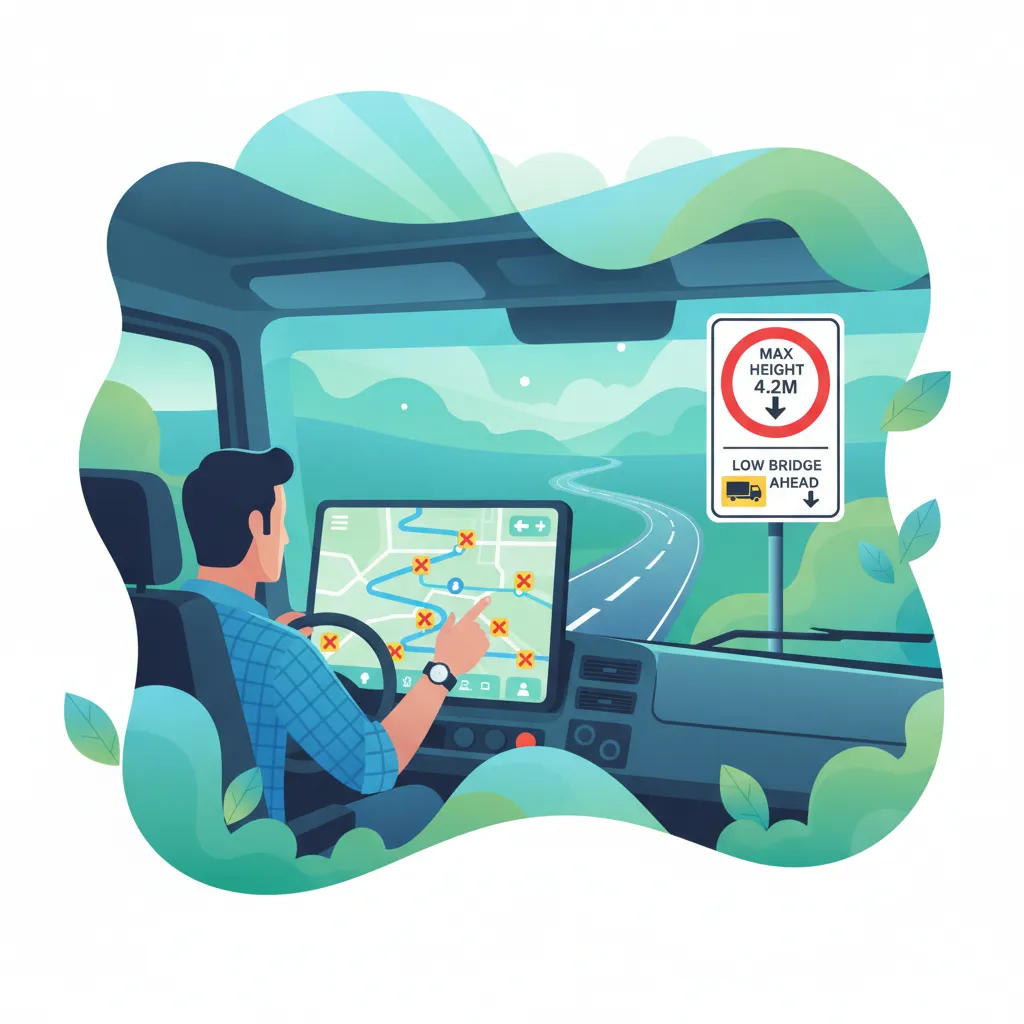
This lesson teaches professional drivers how to systematically map out travel routes that are compatible with heavy vehicle dimensions. It covers the limitations of consumer-grade GPS systems and emphasizes the use of specialized truck navigation systems that account for low bridges and load restrictions. Drivers will also learn to plan for congestion, access timing regulations, and proper entrance paths into commercial zones.
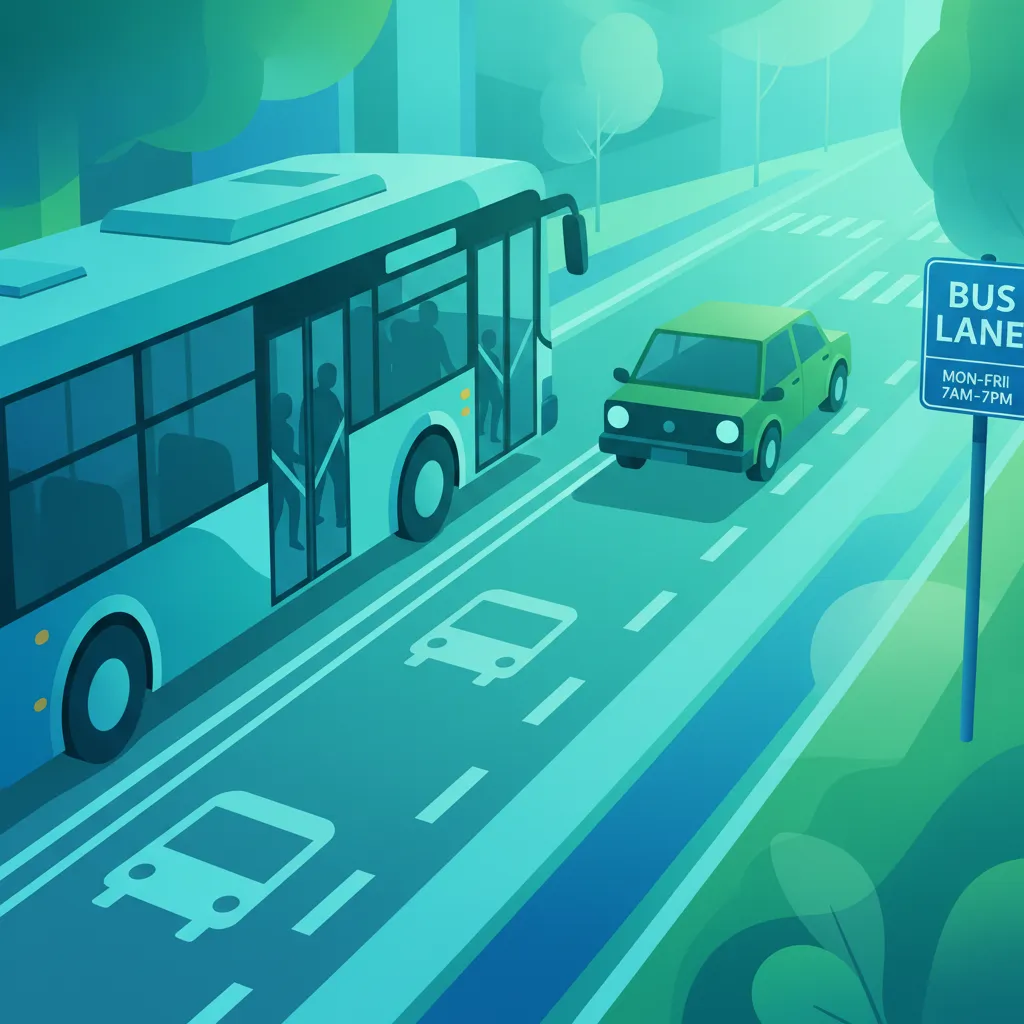
This lesson details the legal operations allowed within Irish bus lanes, including active hours, non-permitted traffic types, and exceptions. Drivers will learn safe approach trajectories for public transport stops, maintaining legal clearance, and navigating curbside hazards safely. The material highlights compliance with local bylaws to guarantee steady, uninterrupted traffic flow and passenger convenience.

Motorway transport requires consistent forward planning, strict speed restriction compliance, and clear mirror checks before exiting lanes. This lesson details the rules of joining and leaving motorways, navigating toll plazas safely, and managing breakdowns on the hard shoulder. Drivers will learn to balance high-speed travel with passenger stability, ensuring a comfortable, secure ride.
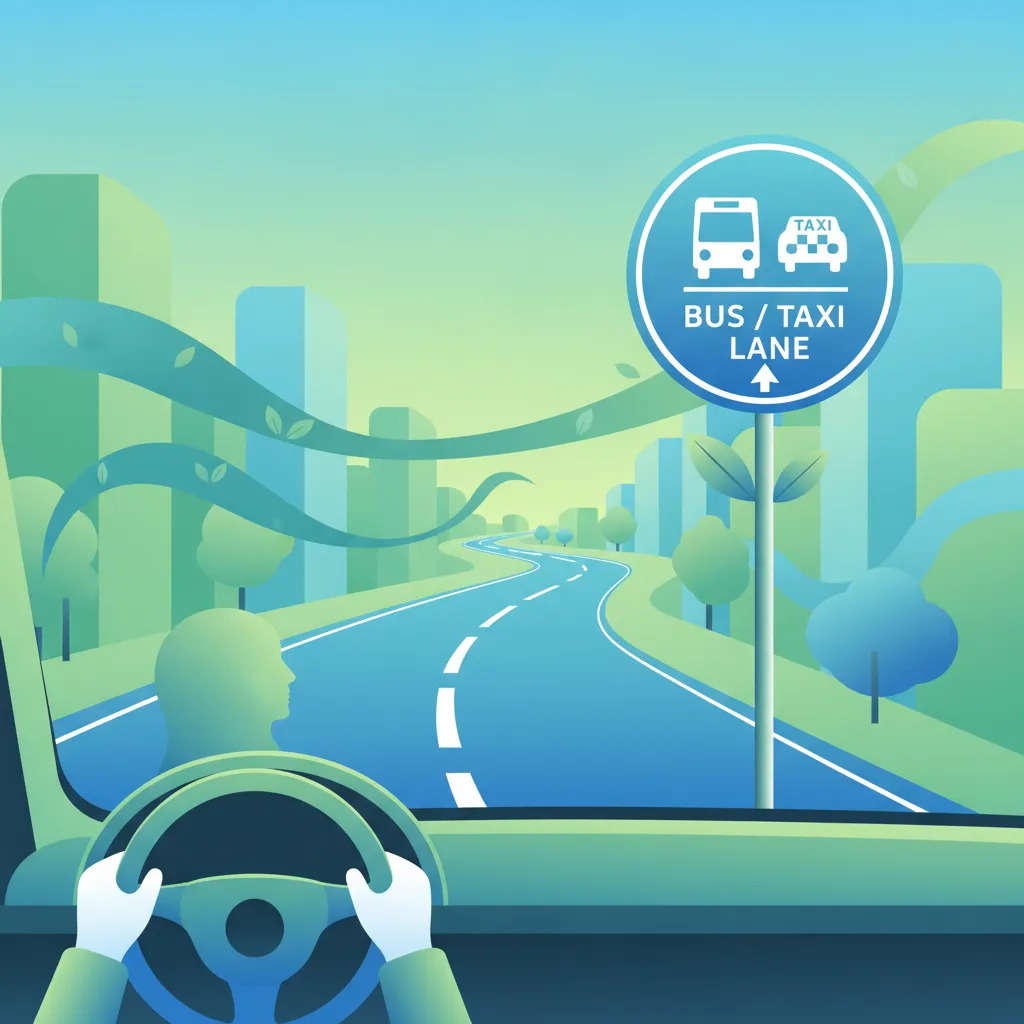
Operating large passenger vehicles requires instant, accurate interpretation of general and specialized Irish road signage to prevent regulatory violations. This lesson covers the precise meanings of clearway signs, bus corridor indicators, low bridge warnings, and weight restriction zones. Drivers will examine how school zone beacons and specific roundabout indicators apply to large vehicle dimensions.
Find clear answers to common questions learners have about Smooth Acceleration, Braking and Steering Techniques. Learn how the lesson is structured, which driving theory objectives it supports, and how it fits into the overall learning path of units and curriculum progression in Ireland. These explanations help you understand key concepts, lesson flow, and exam focused study goals.
Progressive braking is crucial because buses have large passenger capacities; sudden stops can cause standing passengers to fall or injured. It ensures a smooth deceleration that keeps passengers stable and comfortable.
A heavy passenger vehicle requires a more measured application of throttle to avoid 'jerky' starts. Learning to balance the engine power with the vehicle's mass is key to a smooth, efficient start.
Yes, the theory exam evaluates your understanding of vehicle dynamics. You will likely encounter questions on how to manage heavy vehicles and ensure the safety of your passengers through proper control.
Yes, long-wheelbase vehicles require wider turns and earlier steering inputs compared to smaller cars. Mastering these inputs is essential for navigating narrow Irish roads and urban intersections.
Use the practice question search tool to pinpoint specific topics, road signs, or rules you need to master for your official Driver Theory Test. Refine your study strategy and ensure comprehensive preparation for all aspects of the Irish driving exam. Start your focused revision now and build confidence for your learner permit test.