
This lesson details the vital role of motorcycle protective clothing and gear in ensuring rider safety. It covers the standards for high-quality equipment, including abrasion-resistant materials and armour, preparing you for both real-world riding and the DVSA theory test.
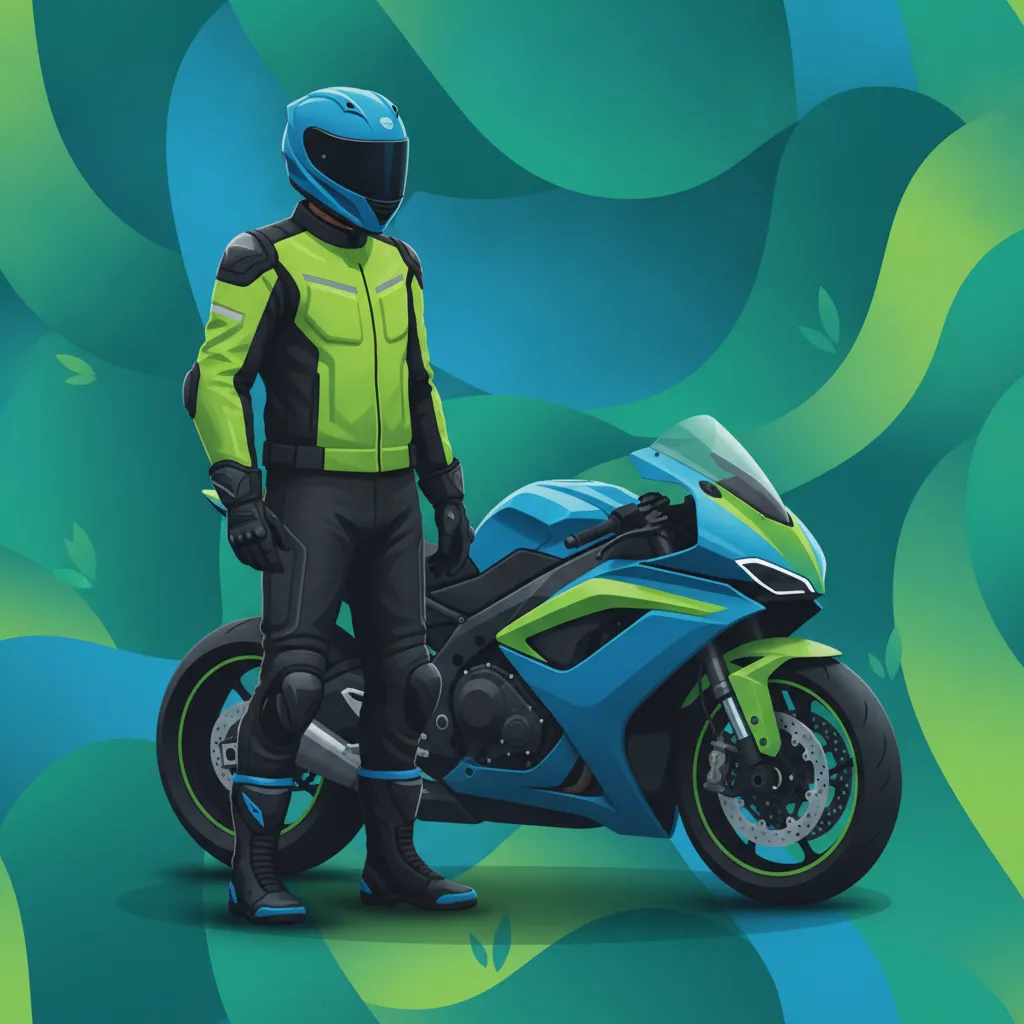
Lesson content overview
Riding a motorcycle offers freedom and exhilaration, but it also carries inherent risks. Beyond the mandatory helmet, your choice of personal protective equipment (PPE) plays a critical role in mitigating injury severity during an accident and enhancing overall safety. This lesson, part of your Great Britain Motorcycle Theory Course (A, A1, A2), delves into the specific types of protective clothing and gear available, explaining their functions, relevant safety standards, and how to make informed choices for your protection.
Motorcycle protective clothing and gear are crucial safety barriers. They are meticulously designed to absorb impact forces, reduce skin abrasion during slides, and shield you from environmental factors such as harsh weather, extreme temperatures, and road debris. Understanding the principles behind this gear is fundamental to becoming a safe and responsible rider.
The importance of wearing appropriate protective gear cannot be overstated. In the event of an accident, PPE significantly reduces the risk of severe injuries, minimizes long-term disability, and directly impacts rider survivability. Adhering to high safety standards through your gear choices aligns with DVSA (Driver and Vehicle Standards Agency) recommendations for rider protection. This topic builds upon your knowledge of helmet standards from Lesson 2.1, providing a holistic view of rider safety.
The effectiveness of motorcycle gear is rooted in several scientific and regulatory principles. These principles guide the design and selection of protective clothing, ensuring it offers maximum safety.
Beyond the helmet, a complete set of protective gear includes specialized jackets, trousers, gloves, and boots. Each component is designed to protect specific parts of the body, offering a multi-layered defense against injury.
Motorcycle jackets are designed to protect the upper body, extending from the shoulders down to the hips. They are a critical component of a rider's PPE, featuring integrated impact armour and abrasion-resistant materials.
Motorcycle jackets come in various materials, each offering distinct advantages. Leather jackets are traditionally highly valued for their exceptional abrasion resistance and natural water repellency, often conforming to the rider's body over time for a personalized fit. Textile jackets are typically lighter and offer greater versatility, often incorporating waterproof and breathable membranes (such as Gore-Tex) for all-weather riding, along with removable thermal liners. Hybrid jackets combine the best features of both, using leather panels in high-impact zones for superior abrasion resistance, coupled with textile fabrics for comfort, flexibility, and weather protection.
A key feature of modern motorcycle jackets is the inclusion of integrated impact armour. This armour is typically found at the shoulders and elbows, and a back protector is often either integrated or available as an optional insert. This armour is designed to absorb and distribute impact forces, protecting critical joints and the spine. For professional riders, DVSA recommendations specify that back armour must be CE-rated at least Level 1 (EN 1621-1). Always ensure that any armour is securely positioned and aligns correctly with your body's vulnerable points.
Protective trousers extend from the waist to the ankle, safeguarding the lower body from impact and abrasion. They are just as important as a protective jacket for comprehensive safety.
Similar to jackets, motorcycle trousers are available in leather or textile materials. Leather trousers offer superior abrasion resistance, making them a popular choice for sport riders or those seeking maximum protection. Textile trousers often feature waterproof and breathable membranes, making them suitable for varied weather conditions, and may include removable thermal liners. Many riders also use armoured over-pants, which are external protective layers worn over regular clothing, providing convenience for commuters.
High-quality motorcycle trousers incorporate armour at the knees and hips, two areas highly susceptible to injury in a crash. Knee protection is especially vital given the exposed position of the knees. For professional riders, CE EN 1621-2 armour for hips is recommended to be at least Level 1. Ensure the armour remains in place and covers the joint adequately, even when seated in the riding position.
Your hands are essential for controlling the motorcycle, and they are often the first body part to make contact with the ground in a fall. Protective gloves are designed to prevent hand fractures, skin abrasions, and maintain grip in all conditions.
Modern motorcycle gloves often integrate CE-certified knuckle protection (EN 1621-1 Level 1 or 2) to shield against impacts. Features like reinforced palms, wrist closures, and pre-curved fingers enhance protection and comfort. For adverse weather, waterproof and insulated gloves maintain warmth and grip, while perforated designs offer ventilation in hot conditions. Proper fit is crucial for maintaining tactile feedback and precise control of the throttle and brakes.
Motorcycle-specific boots are vital for protecting the feet, ankles, and lower shins. Standard street shoes or sneakers offer minimal protection and are unsuitable for riding.
Motorcycle boots are specifically engineered for riding, featuring reinforced shanks, ankle protection, and sturdy sole construction. They provide essential support to prevent twisting injuries, shield against impacts, and offer abrasion resistance in a slide. Toe caps are often reinforced to protect against crushing injuries. While there is no explicit CE rating universally applied to all motorcycle boots, a V-rating (e.g., EN 13634) may apply for commercial use, indicating they are purposely designed for motorcycling.
The ankle joint is particularly vulnerable in a motorcycle accident. Proper boots extend above the ankle, providing crucial support and impact protection. Many boots also include shin protection to guard against impacts from debris or the motorcycle itself. Using standard footwear without adequate ankle protection significantly increases the risk of severe foot and ankle injuries. Ensure your boots allow for full articulation of the foot and ankle, facilitating smooth gear changes and braking.
Understanding the safety standards and regulations for motorcycle protective gear is crucial for all riders, especially those undertaking the Great Britain Motorcycle Theory Course. These standards ensure that gear provides a tested level of protection.
The CE marking system is a cornerstone of motorcycle protective gear in Europe, including Great Britain. It rates the impact-absorbing performance of protective modules.
These standards classify armour into different levels based on the amount of force transmitted through the protector during a controlled impact test.
Riders should choose gear with appropriate CE ratings based on their riding style and perceived risk. For instance, a sport rider or someone frequently on high-speed motorways might opt for CE-Level 2 armour, while a commuter might find CE-Level 1 sufficient for urban speeds.
Enhancing your visibility to other road users is a simple yet highly effective safety measure. High-visibility apparel plays a key role, especially in conditions where ambient light is low.
High-visibility gear typically features:
For effective high-visibility apparel in the UK, it should conform to BS 9399:2020 High-Visibility Clothing Standard. This standard dictates the size and placement of reflective strips, ensuring they are positioned on main body areas (front, back, sleeves) and meet minimum surface area requirements (e.g., at least 100 mm² of reflective material on each of the four main body areas). Simply wearing a bright colour is not enough; without retroreflective elements, visibility at night is severely compromised.
In the UK, while wearing a helmet is a legal requirement for all A-category riders (as mandated by the Driver and Vehicle Licensing Agency - DVLA), the use of other PPE such as protective jackets, trousers, gloves, and boots is generally highly recommended but not legally compulsory for private riders.
Motorcycle riding exposes you to various environmental conditions. Your gear should be adaptable to maintain comfort and safety, preventing fatigue and loss of concentration.
Modern motorcycle gear incorporates numerous features to handle diverse weather conditions:
A smart layering system is crucial for dynamic protection and comfort across changing conditions. This system typically consists of three core layers:
Using a layering system allows you to adapt quickly to temperature fluctuations and varying activity levels, maintaining optimal body temperature and reducing the risk of fatigue or hypothermia.
Many riders make common mistakes when choosing or using their protective gear. Being aware of these can significantly enhance your safety.
| Violation | Why Wrong | Correct Behaviour | Consequence |
|---|---|---|---|
| Wearing a non-armoured leather jacket. | Lacks impact protection; high risk of severe injury. | Choose a jacket with CE-rated back, shoulder, and elbow armour. | Increased injury severity in a crash; potential invalidation of insurance. |
| Using half-finger gloves in most conditions. | Exposed fingertips; high risk of abrasion and impact injury to hands. | Wear full-finger, CE-rated gloves appropriate for the weather. | Reduced dexterity, severe hand injuries, loss of control. |
| Relying on a bright jacket without reflective strips at night. | Limited visibility to other road users; invisible without headlights. | Use high-visibility garments with retroreflective strips (BS 9399). | High likelihood of collision in low light; unseen by drivers. |
| Wearing ill-fitting or oversized boots. | Restricts foot movement; interferes with gear shifting and braking. | Select boots that fit snugly but allow full ankle articulation. | Gear shifting errors, delayed reactions, potential loss of control. |
| Removing armour inserts from gear. | Gear offers no impact protection when armour is absent. | Always ensure all CE-rated armour is correctly secured before riding. | Severe injuries to unprotected areas; insurance implications. |
| Ignoring torn or damaged protective fabric. | Compromised abrasion resistance; exposes skin directly. | Regularly inspect gear; repair or replace torn garments promptly. | High chance of severe road rash and infection. |
| Not properly zipping or sealing waterproof gear. | Allows water ingress, leading to wet clothing and discomfort. | Ensure all zippers, cuffs, and collars are fully closed and sealed. | Hypothermia, rider distraction, reduced concentration. |
| Using casual footwear (e.g., trainers, sneakers). | Provides no ankle support, impact, or abrasion protection. | Wear motorcycle-specific boots that cover and protect the ankle and shin. | High risk of severe foot and ankle injuries, including fractures. |
Let's consider how the principles of protective gear apply in various real-world riding situations.
Setting: A rider is commuting through a city on a drizzly morning with medium traffic. Correct Behavior: The rider wears a textile jacket and trousers with a waterproof, breathable membrane and integrated CE-Level 1 back and joint armour. The jacket features prominent retroreflective strips on the front and back, and all zippers are securely fastened to prevent water ingress. Waterproof gloves ensure hands remain dry and maintain grip. Explanation: Waterproof gear prevents discomfort and hypothermia, which could distract the rider. High-visibility and retroreflective elements are crucial for being seen by other drivers in reduced visibility conditions caused by rain and urban clutter.
Setting: A rider is embarking on a long journey on a dual-carriageway at 80 mph on a clear day. Correct Behavior: The rider selects a jacket and trousers made from highly abrasion-resistant textile or leather, both featuring CE-Level 2 back, shoulder, elbow, hip, and knee armour. The gear is well-ventilated to prevent overheating, and a properly fitted racing-style boot provides maximum ankle protection. Explanation: Higher speeds exponentially increase kinetic energy. CE-Level 2 armour offers superior impact absorption needed to reduce the severity of injuries in potential high-speed crashes. Robust abrasion resistance is vital for extended slides on abrasive motorway surfaces.
Setting: A rider is navigating a rural lane on a foggy night, encountering occasional oncoming traffic. Correct Behavior: The rider wears a high-visibility jacket and trousers with extensive retroreflective coverage on the front, back, and sleeves, meeting BS 9399 standards. A thermal liner is installed in the jacket to combat the cold, and the rider ensures all reflective areas are clean and unobstructed. Explanation: Fog severely reduces visibility for all road users. Retroreflective material is paramount as it reflects light from vehicle headlights, making the rider significantly more conspicuous than bright colours alone. Thermal insulation prevents the cold from impairing reaction times and judgment.
Setting: A rider is descending an alpine road in sub-zero temperatures, with patches of snow and ice. Correct Behavior: The rider employs a comprehensive layering system: a moisture-wicking base layer, a thermal mid-layer, and a fully insulated, waterproof outer shell with CE-Level 2 armour. Insulated, waterproof gloves and specific winter riding boots with good grip are worn. Explanation: Extreme cold can impair nerve function and reduce dexterity, affecting control. A well-designed layering system and insulated gear are critical for maintaining core body temperature, ensuring grip, and preserving fine motor skills for safe operation of controls.
Setting: A rider is stuck in heavy, slow-moving traffic in an urban downtown area on a very hot day. Correct Behavior: The rider has removed any thermal liners from their textile jacket and trousers, and all ventilation zippers are fully open to maximize airflow. Breathable, perforated gloves are used, and the jacket and trousers still contain CE-Level 1 armour. Explanation: Overheating can lead to fatigue, dehydration, and reduced concentration. Maximizing ventilation and removing unnecessary insulation helps maintain comfort and alertness without compromising essential impact and abrasion protection.
The design and effectiveness of motorcycle protective gear are deeply rooted in scientific principles.
While wearing full PPE can instill a heightened sense of safety (sometimes leading to a phenomenon known as risk compensation), proper training and awareness of inherent risks are essential to prevent over-confidence. The combination of high-quality gear and responsible riding practices forms the foundation of motorcycle safety.
Explore all units and lessons included in this driving theory course.
Lesson content overview
Explore all units and lessons included in this driving theory course.
Explore search topics learners often look for when studying Protective Clothing and Gear. These topics reflect common questions about road rules, driving situations, safety guidance, and lesson level theory preparation for learners in Great Britain.
Browse additional driving theory lessons that cover connected traffic rules, road signs, and common driving situations related to this topic. Improve your understanding of how different rules interact across everyday traffic scenarios.
Understand the critical safety standards like CE ratings for armour (EN 1621) and high-visibility clothing (BS 9399) in Great Britain. Learn what these ratings mean for rider protection and DVSA recommendations.

This lesson explains the range of protective clothing recommended for AM riders to minimize injury in the event of a fall. It covers the benefits of abrasion-resistant materials, armour inserts for jackets, and the importance of sturdy gloves and boots. You will learn how to select gear that offers a balance of protection, comfort, and weather resistance, as well as best practices for maintaining your equipment to ensure its long-term effectiveness and adherence to safety standards.

This lesson details the importance of wearing a legally compliant and correctly fitted motorcycle helmet. It explains UK and European safety standards (like ECE 22.06), the different types of helmets available, and how to check for a secure fit. You will also learn about helmet maintenance, visor regulations, and when a helmet should be replaced to ensure it remains effective.

This lesson details the mandatory helmet safety standards in Great Britain, focusing on ECE certification marks and the functional differences between full-face and open-face designs. It provides practical guidance on how to select the correct size and achieve a proper fit, ensuring the chin strap and internal padding provide optimal protection. You will also learn about crucial maintenance, including regular inspection and knowing when to replace your helmet to ensure continued safety and legal compliance.

A key aspect of motorcycle safety is being seen by others. This lesson teaches techniques to increase your conspicuity on the road. Topics include the strategic use of high-visibility and reflective clothing, correct use of headlights and daytime running lights, and adopting lane positions that place you in the direct line of sight of other drivers.

This lesson highlights why motorcyclists are considered vulnerable road users. It covers the increased risk of serious injury in a collision due to lack of physical protection compared to car occupants. You will learn about common visibility challenges and how to adopt proactive, defensive strategies to mitigate risks and anticipate potential hazards on the road.

This lesson teaches strategic road positioning techniques to maximize your visibility and safety in traffic. You will learn how to choose the correct lane position to avoid the blind spots of larger vehicles and how to communicate your intentions through predictable riding. Key skills covered include effective use of shoulder checks, making eye contact with drivers, and maintaining a safe following distance, all of which are crucial for defensive riding on British roads.
This lesson details the legal requirements and best practices for using lights and reflectors on your moped or light quadricycle. It covers the correct operation of headlamps, daytime running lights, brake lights, and indicators to communicate your intentions clearly to other road users. You will also learn how to enhance your visibility further with strategically placed reflectors and reflective tape, ensuring you remain conspicuous in low-light conditions and compliant with British lighting regulations.

Fog dramatically reduces how far you can see and be seen. This lesson explains why you must reduce your speed and increase your following distance in foggy conditions. It also covers the legal requirements and best practices for using your headlights and fog lights to maximize your visibility to others without dazzling them.
This lesson covers the operation of traffic light signals and the rules for approaching them safely. It also provides a detailed explanation of different pedestrian crossings, such as zebra, pelican, and toucan crossings, clarifying the specific rules and priority for each. You will learn to anticipate the actions of pedestrians and other vulnerable road users at these locations.
This lesson details all the necessary documentation required at each stage of the AM licensing process, from applying for a provisional licence to attending your theory and practical tests. You will learn about the required forms of identification, proof of insurance, and vehicle registration documents. The lesson also provides a clear overview of the DVSA test procedures, explaining the format of the multiple-choice theory test, the hazard perception section, and the criteria for the practical assessment.
Learn how to choose and use appropriate motorcycle protective clothing and gear for various conditions including wet weather, high-speed riding, and urban commutes. Understand best practices for rider safety.
This lesson explains the range of protective clothing recommended for AM riders to minimize injury in the event of a fall. It covers the benefits of abrasion-resistant materials, armour inserts for jackets, and the importance of sturdy gloves and boots. You will learn how to select gear that offers a balance of protection, comfort, and weather resistance, as well as best practices for maintaining your equipment to ensure its long-term effectiveness and adherence to safety standards.
This lesson details the importance of wearing a legally compliant and correctly fitted motorcycle helmet. It explains UK and European safety standards (like ECE 22.06), the different types of helmets available, and how to check for a secure fit. You will also learn about helmet maintenance, visor regulations, and when a helmet should be replaced to ensure it remains effective.

This lesson focuses on the dynamic and often unpredictable nature of urban traffic. It covers how to safely negotiate various pedestrian crossings, anticipate the movement of cyclists and pedestrians, and be aware of hazards like bus stops and car doors opening. You will also learn about the considerations for safe and legal filtering in slow-moving traffic.

Riding in the rain requires significant adjustments to your technique. This lesson covers how to ride smoothly to maintain traction, the importance of increasing your following distance, and how to deal with reduced visibility from spray and fogged visors. You will also learn what aquaplaning is and how to avoid or manage it.
This lesson highlights why motorcyclists are considered vulnerable road users. It covers the increased risk of serious injury in a collision due to lack of physical protection compared to car occupants. You will learn about common visibility challenges and how to adopt proactive, defensive strategies to mitigate risks and anticipate potential hazards on the road.
A key aspect of motorcycle safety is being seen by others. This lesson teaches techniques to increase your conspicuity on the road. Topics include the strategic use of high-visibility and reflective clothing, correct use of headlights and daytime running lights, and adopting lane positions that place you in the direct line of sight of other drivers.

This lesson identifies behaviours that significantly increase a rider's risk of being involved in a collision. It explains the dangers of excessive speed, following too closely, and aggressive riding. You will learn how a rider's attitude and choices directly contribute to their safety and the legal penalties associated with these offences.
This lesson details the mandatory helmet safety standards in Great Britain, focusing on ECE certification marks and the functional differences between full-face and open-face designs. It provides practical guidance on how to select the correct size and achieve a proper fit, ensuring the chin strap and internal padding provide optimal protection. You will also learn about crucial maintenance, including regular inspection and knowing when to replace your helmet to ensure continued safety and legal compliance.
Fog dramatically reduces how far you can see and be seen. This lesson explains why you must reduce your speed and increase your following distance in foggy conditions. It also covers the legal requirements and best practices for using your headlights and fog lights to maximize your visibility to others without dazzling them.

Defensive riding is the practice of actively anticipating potential hazards rather than just reacting to them. This lesson teaches you how to scan for clues, predict the actions of other road users, and position yourself to avoid trouble. By developing strong anticipation skills, you can significantly reduce your risk of being taken by surprise on the road.
Find clear answers to common questions learners have about Protective Clothing and Gear. Learn how the lesson is structured, which driving theory objectives it supports, and how it fits into the overall learning path of units and curriculum progression in Great Britain. These explanations help you understand key concepts, lesson flow, and exam focused study goals.
CE-rated armour provides certified protection against impact in key areas like the back, shoulders, elbows, and knees. In the event of an accident, this armour absorbs energy to help prevent severe fractures and soft tissue injuries, which is a critical safety consideration for all riders.
You should always use purpose-built motorcycle boots. Unlike standard trainers, motorcycle boots are designed with ankle support, reinforced shanks, and oil-resistant soles to protect your feet from crushing injuries and provide grip on the controls, which is vital for safe riding.
Many motorcycle jackets and trousers include high-visibility panels or reflective strips that help other road users see you more clearly, especially at night or in low-light conditions. Wearing this gear is a simple but highly effective way to reduce the risk of being involved in a collision.
Yes, for your practical test, your examiner will ensure you are wearing appropriate protective clothing. This typically includes a sturdy jacket, trousers, sturdy gloves, and boots that offer proper protection, rather than just casual fashion wear.
Dive into our comprehensive question bank to find exactly what you need for your Great Britain theory test. Use our advanced filters to pinpoint specific subjects or test your knowledge on challenging areas, ensuring you're fully prepared for success.